Stretching & mobility
Upper back mobility routine
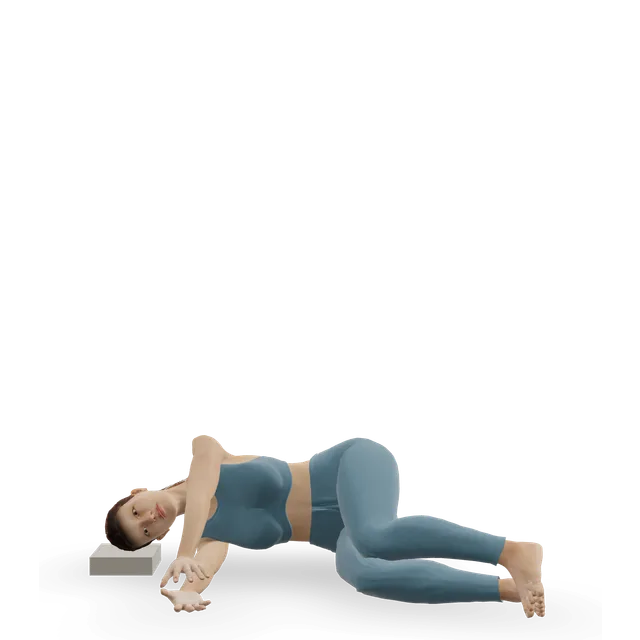
Hours of sitting round the upper back forward. These moves take it the other way, then train the muscles that hold it there.
Mobility
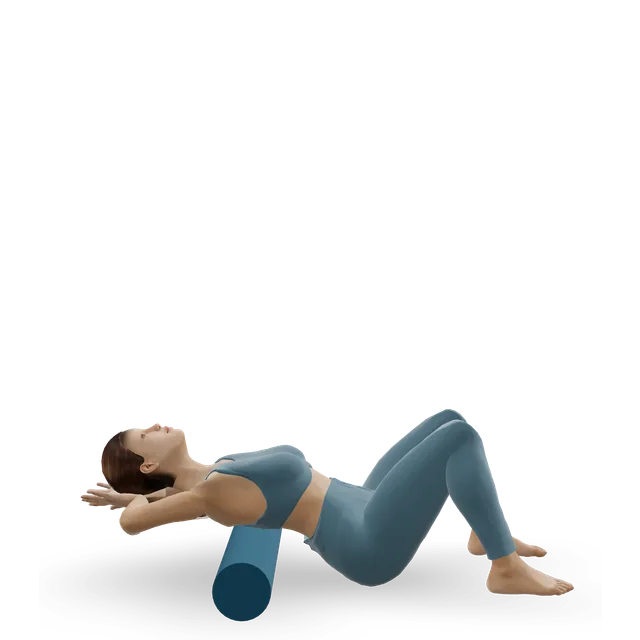
- Foam Roller Thoracic Extension6 slow repsBeginner · 3D demo
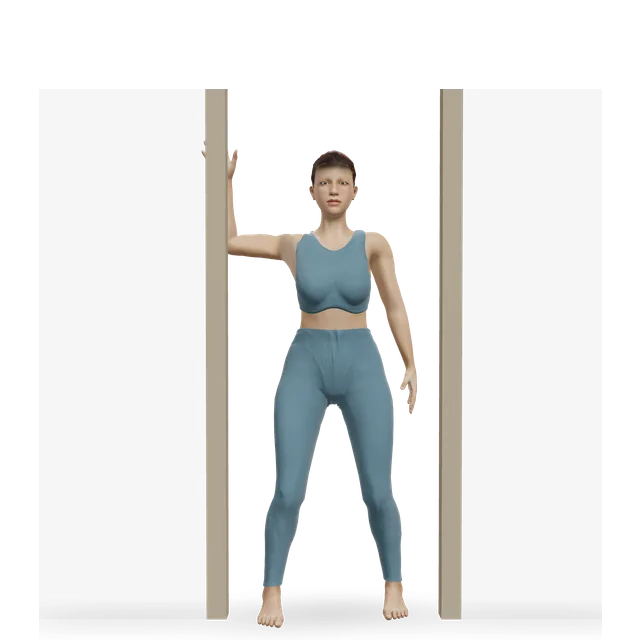
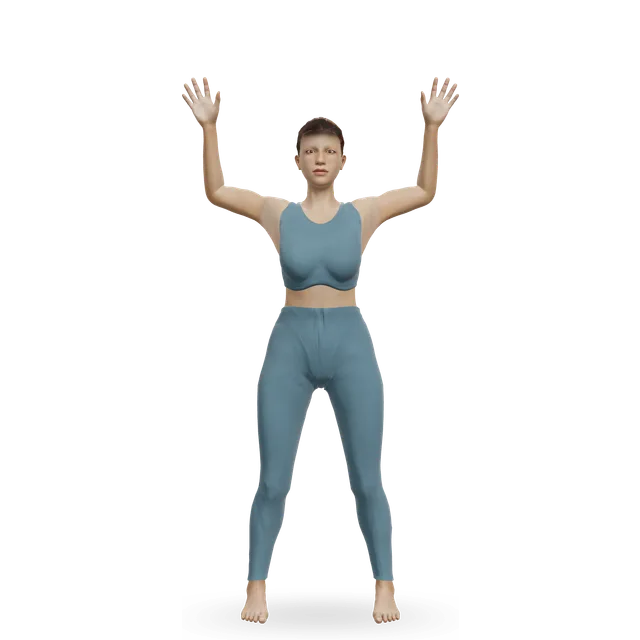
- Beginner · 3D demoHarder: Handstand at the wall (Adho Mukha Vrksasana, chest to wall)
Strength
2 rounds · Rest 30 s between rounds
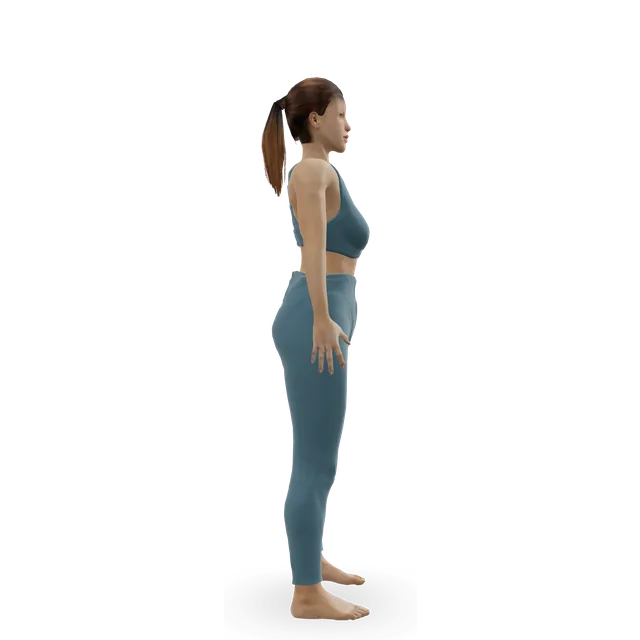
- Chin tuck10 repsBeginner · Neck · 3D demoEasier: Lying chin tuckHarder: Isometric neck holds (four-way)
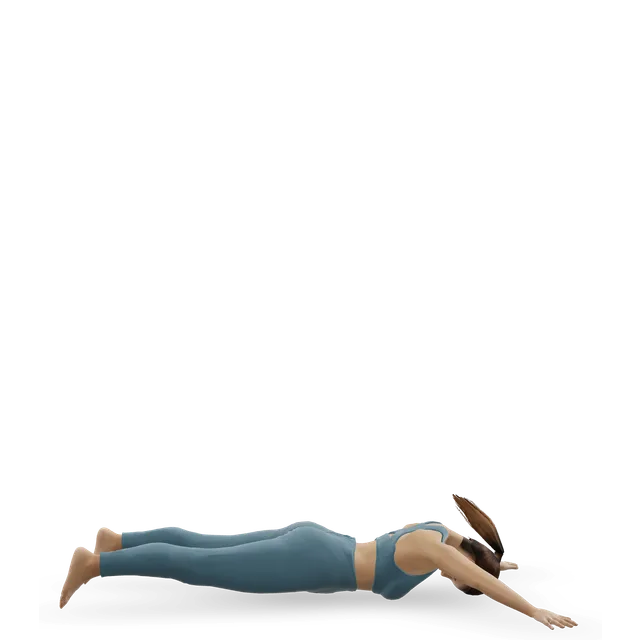
- Prone Y-T-W raises5 of each letterBeginner · Back, Shoulders, Neck · 3D demoEasier: Wall angelHarder: Bent-over reverse fly
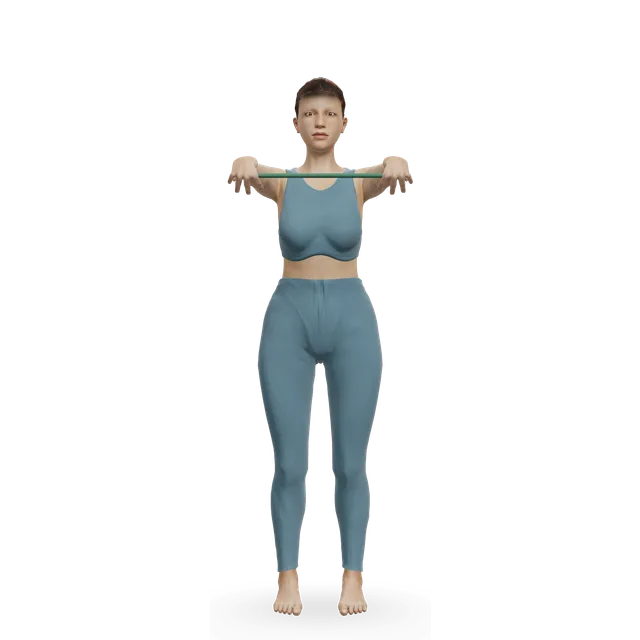
- Band pull-apart15 repsIntermediate · Shoulders, Back · 3D demoEasier: Prone Y-T-W raisesHarder: Barbell rear-delt row
Tips
- Posture changes all day; aim for variety, not one perfect position.
- Use a light band for pull-aparts; the target muscles are small.
The doses are suggested starting points, not a prescription. Choose a range you can control and stop for sharp or increasing pain, numbness or tingling. Get individual advice after an injury or surgery, or if you are pregnant or managing a health condition.
Find more moves like these
More stretching & mobility
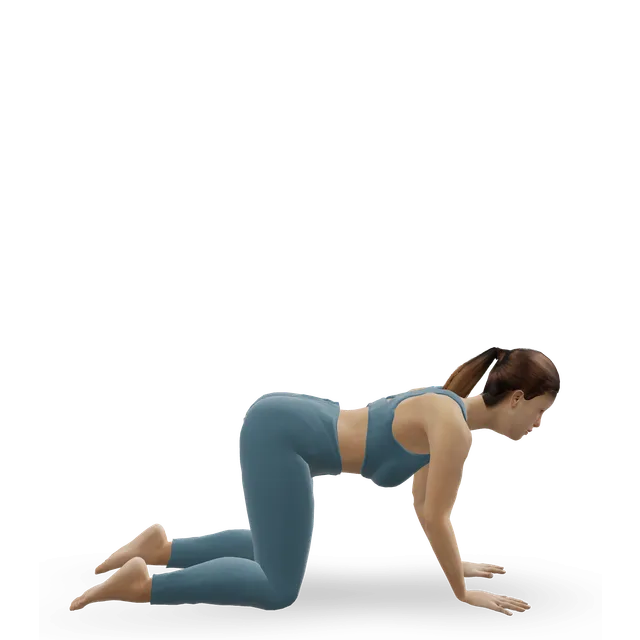
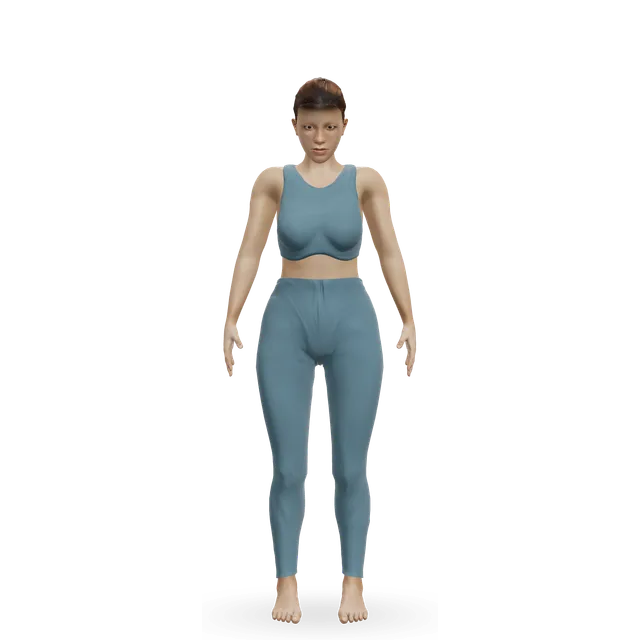
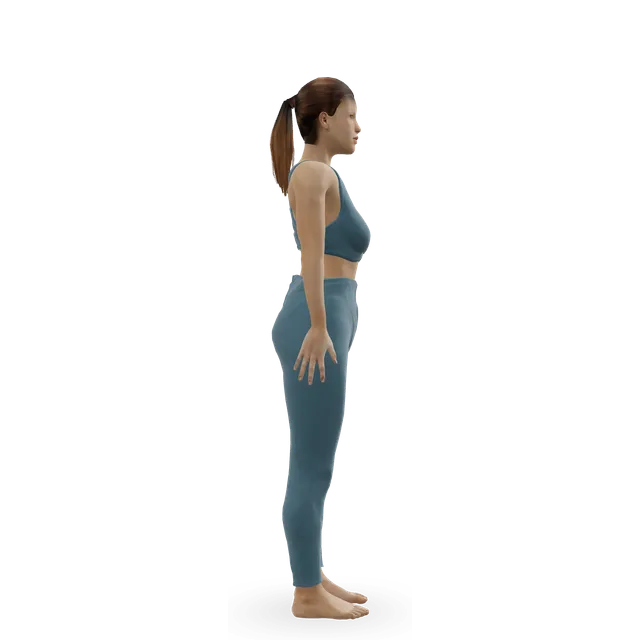
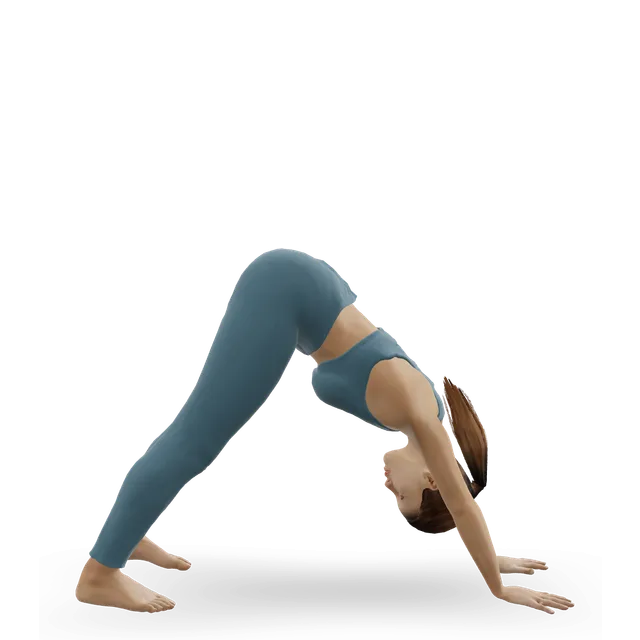
10-minute morning stretch
A gentle, no-equipment stretch routine to wake up the spine, hips and shoulders in ten minutes.
10 minBeginner10 movesNo equipment
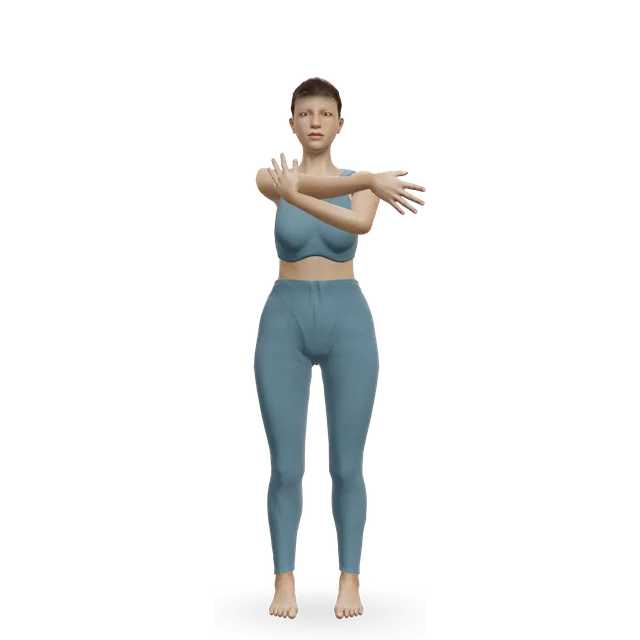
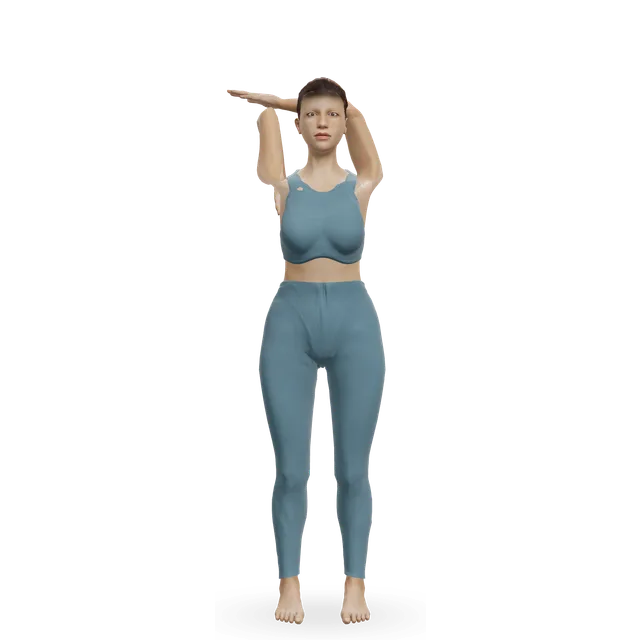
Full-body stretch routine
A 15-minute head-to-toe stretch for the neck, shoulders, back, hips, hamstrings and calves.
15 minBeginner11 movesA wall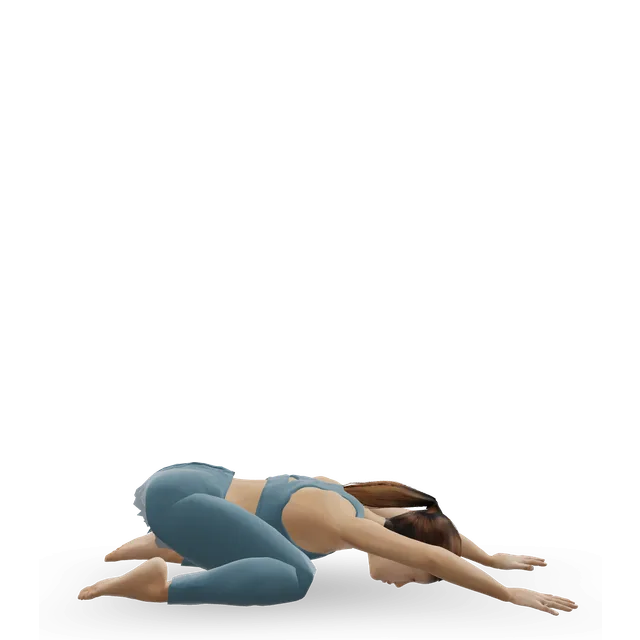
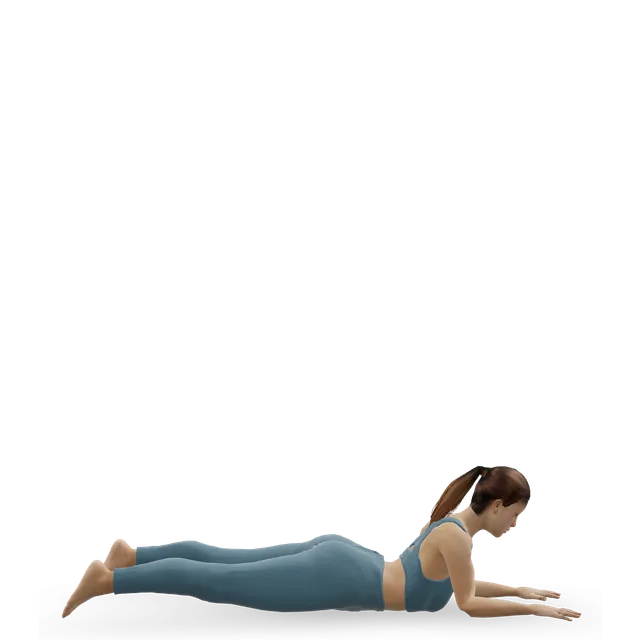
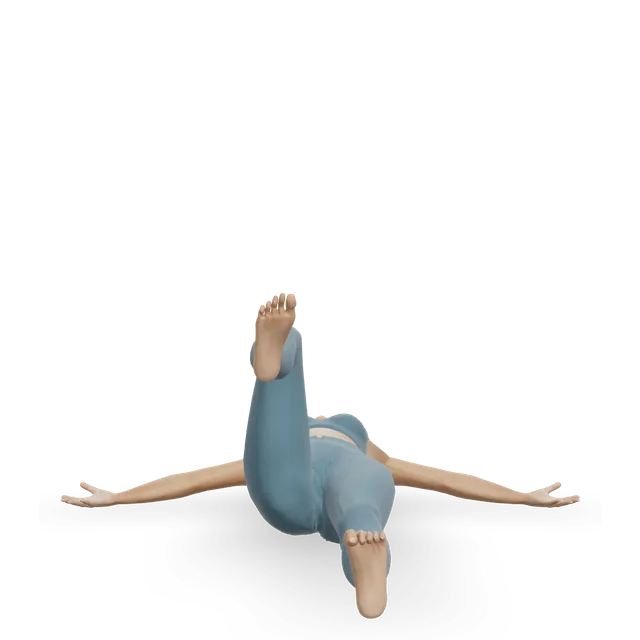
Lower back stretch routine
Seven gentle stretches and mobility moves for a stiff lower back, done lying and kneeling.
12 minBeginner7 movesA wallQuestions people ask
How long does the upper back mobility routine take?
About 10 minutes, including any warm-up and cool-down listed. Shorten it by doing fewer rounds; lengthen it by adding one.
What equipment do I need?
You need: A foam roller, A wall, A band. Each move links to its guide, where you can find an alternative if you are missing something.
Is it suitable for beginners?
It is written for beginners. 3 of its 7 moves have an easier option listed beside them if you need one.
How do I make it easier or harder?
Use the easier or harder option listed under each move, change the number of rounds, or adjust the rest. Progress one change at a time.