Side-lying open book
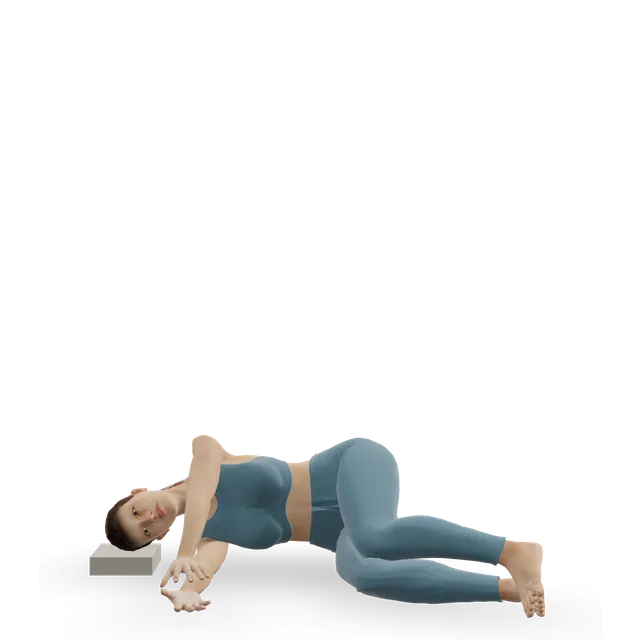
Lying on your side with your hips and knees bent and stacked, you sweep the top arm up and over to open the chest towards the ceiling, eyes following the hand. Pinning the knees together keeps the turn in the upper back, which suits the spine: in an MRI study, each lumbar joint turned under 2 degrees in a 45-degree trunk turn. A 6-week programme including an open book done from a side plank improved upper-back rotation in footballers.
Movement guide
Side-lying open book
Loading the 3D figure…
Make it easier or harder
Choose a version that fits your control and comfort.
Easier option
Use a smaller comfortable range in this same movement, with the support described in its guide. Ingram 2025 review of stretching and range of motion
Harder option
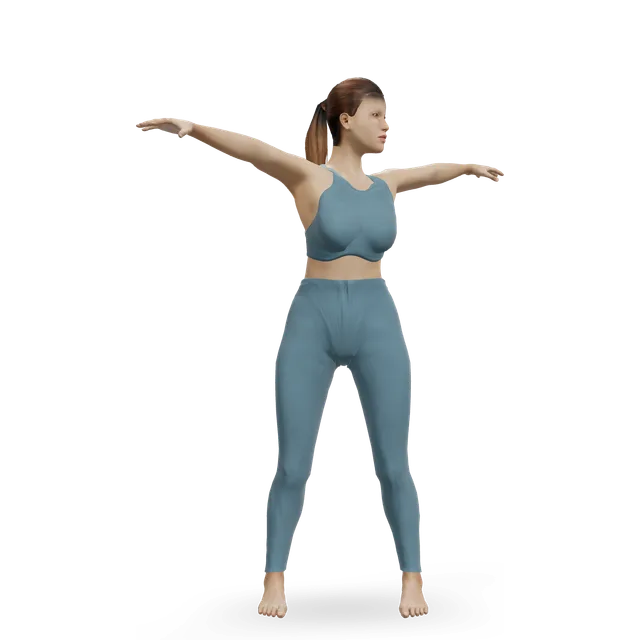 3D demoThoracic rotationBeginner · No equipment
Suggested next step, beginner grade.
Source-researched guide.
How to move
- Lie on your right side with a pillow under your head, your hips and knees bent to right angles and stacked, and both arms straight out in front, palms together.
- Keeping your knees pressed together, lift the top arm and sweep it up over your body, turning your chest towards the ceiling.
- Let the arm open towards the floor behind you as far as is comfortable, eyes following the hand, and pause for 2 seconds.
- Sweep the arm back to meet the other hand. Finish the set, then change sides.
Form cues
- Keep the knees together so the turn comes from the upper back.
- Breathe out as you open.
- Avoid: forcing the hand down to the floor.
Practice and cautions
8 to 10 slow openings each side, pausing 2 seconds at the end (our editorial starting point); ACE suggests 5 to 10.
Keep it pain free if you have shoulder impingement symptoms. A cushion under the head helps a stiff neck. This is movement education, not an assessment or treatment prescription. Stop for sharp or increasing pain, dizziness, numbness or tingling; seek individual guidance for symptoms, injury or restrictions.
Sources and review status
Sources support the educational description; they do not establish that this exercise is suitable for you.
- ACE · Thoracic mobility exercises to address shoulder pain (the foam roller thoracic extension, 1 to 5 extensions at each spot, and side-lying books; Brian Tabor, 2021) ↗
- Fujii 2007 · In a 45-degree trunk turn, each lumbar joint turned only 1.2 to 1.7 degrees (MRI study of 10 adults, Eur Spine J) ↗
- Bayram 2026 · Six thoracic exercises, among them foam roller extension and an open book done from a side plank, 3 times a week for 6 weeks: upper-back rotation improved, the upper back's curve did not change (RCT of 42 footballers, BMC Sports Sci Med Rehabil) ↗
No variation is labeled clinically validated.
What it works
Muscles
Main: Back. Also: Chest, Shoulders.
Anatomy: Latissimus dorsi, Teres major, Trapezius, Rhomboids, Erector spinae, Multifidus.
Equipment
None: body weight and floor space.
Level
Beginner. See the easier and harder options above.
Workouts that use it
- Upper back mobility routine · 12 min
- Pregnancy Pilates workout (no lying on your back) · 20 min
- Fascia release for the back · 15 min
- Kyphosis exercises for seniors: a spine-strengthening routine · 30 min
- Daily exercises for ankylosing spondylitis · 20 min
- Prenatal yoga workout (no lying on your back) · 20 min
- Spine mobility routine: neck to pelvis, every direction · 15 min
- Mobility routine for cyclists · 15 min
Show all 78 workoutsShow fewer workouts
- Golf strength and power workout · 45 min
- Strength workout for rowers: legs, hinge, pull and trunk · 50 min
- Cystic fibrosis workout: get moving, then huff · 35 min
- Throws warm-up: safety checks, spine and shoulder mobility, Shoulder Control and build-up throws · 20 min
- Pilates for posture: upper back, shoulders and neck · 20 min
- Pilates for scoliosis: an even, both-sides routine · 20 min
- Pilates for your pelvic floor: squeeze, move, release · 20 min
- Oblique workout: side planks, Pallof presses, carries and Russian twists · 25 min
- Clinical Pilates exercises: an NHS-style physio class routine for home · 15 min
- Pilates for hypermobility: a supported 20-minute class · 20 min
- Pilates for neck pain: a 20-minute head-supported class · 20 min
- Pilates for flexibility: a 25-minute mobility class with held stretches · 25 min
- Slow somatic Pilates class: 20 minutes, every move optional · 20 min
- Gentle Pilates for fibromyalgia: a 20-minute paced class · 20 min
- Rotation-focused Pilates for golfers: a 25-minute mat and standing class · 25 min
- Yoga for golfers: a 25-minute rotation, hip and balance class for non-golf days · 25 min
- Yoga for swimmers: a 25-minute dryland class for the upper back, shoulder blades and hips · 25 min
- Off-the-bike Pilates for cyclists: a 25-minute class for back extension, trunk and hips · 25 min
- Shoulder-safe Pilates for swimmers: a 25-minute dryland class for shoulder blades, trunk and hips · 25 min
- Spine-extension Pilates for ankylosing spondylitis: a 25-minute class for posture, rotation and breathing · 25 min
- Chest release routine: press, stretch, strengthen · 12 min
- Both-sides Pilates for tennis players: a 25-minute class for rotation, shoulder blades and hips · 25 min
- Off-the-wall Pilates for climbers: a 25-minute class for trunk tension, hips and shoulder blades · 25 min
- Chop and lift workout: from resisting a twist to cable wood chops · 30 min
- Bedtime Pilates: a 15-minute wind-down on the floor · 15 min
- Strong-and-steady Pilates for teenagers: a 25-minute class for trunk, hips, posture and a calm finish · 25 min
- Off-the-erg Pilates for rowers: a 25-minute class for trunk endurance, hips, upper back and shoulder blades · 25 min
- Yoga for ankylosing spondylitis: a 25-minute breathing, extension and rotation class · 25 min
- Hands-free Pilates for lupus: a 30-minute class with a warm-up, balance, strength and a stretching cool-down · 30 min
- Gentle release in pregnancy (no lying on your back) · 13 min
- Gentle postnatal Pilates: a 20-minute class from about 6 weeks after birth, with an early stop point and caesarean options · 20 min
- Pilates with a foam roller: a 28-minute roll-then-flow class · 28 min
- Both-sides yoga for tennis players: a 25-minute class for rotation, shoulders, hips and balance · 25 min
- Yoga for boxers: a 25-minute recovery class for shoulders, upper back, hips, hands and breathing, with no weight on your knuckles · 25 min
- Yoga for surfers: a 25-minute class for the upper back, the back of the shoulder, hips and the pop-up, with breathing on land and no breath holds · 25 min
- Yoga for baseball and softball players: a 25-minute class for non-throwing days, for the back of the shoulder, hips and trunk · 25 min
- Yoga after whiplash: a 15-minute seated and lying class for the first weeks, with small neck movements and no inversions · 15 min
- Seated-and-standing Pilates for COPD: a 25-minute class with pursed-lip breathing and an optional side-lying block · 25 min
- Pilates after tummy surgery: a 25-minute return class in three stages, with a stop point after each · 25 min
- Both-sides yoga for horse riders: a 25-minute class for the hips, back and balance, after riding or on a non-riding day · 25 min
- Yoga for triathletes: a 25-minute class for the swim, bike and run on an easy day · 25 min
- Yoga for cricketers: a 25-minute class for turning both ways, hips, hamstrings and one-leg balance, on a rest day or after a long day in the field · 25 min
- Hands-free Pilates for boxers: a 25-minute class for rotation, shoulder blades, trunk and stance, with no weight on your knuckles · 25 min
- Dryland Pilates for surfers: a 25-minute class for the back of the shoulder, upper-back rotation, trunk, hips and ankles, with short back bends and no breath holds · 25 min
- Swim, bike and run Pilates for triathletes: a 25-minute class for the upper back and shoulder blades, the back and the front of the hips, trunk endurance, hips, calves and one-leg balance · 25 min
- Both-ways Pilates for cricketers: a 25-minute class for rotation, trunk and side endurance, the hips and hamstrings, both shoulders and front-leg balance, with no back bends · 25 min
- Out-of-the-crouch Pilates for hockey players: a 25-minute class for the front of the hips, the upper back, groin and side hips, rotation both ways and one-leg balance · 25 min
- Yoga for hockey players: a 25-minute class for the front of the hips, the upper back, groin strength, turning both ways and one-leg balance, on a lighter day or after a game · 25 min
- Yoga for figure skaters: a 25-minute off-ice class for ankles, one-leg balance in the landing shape, hips and turning both ways · 25 min
- Off-ice Pilates for figure skaters: a 25-minute class for both-ways rotation, the trunk, the landing leg, hips and ankles, with back bends kept small · 25 min
- Kick-and-guard Pilates for martial arts: a 25-minute class for the kicking leg, hips you control, rotation, the trunk, the neck and shoulder blades, with nothing on the head · 25 min
- Yoga for CrossFit: a 25-minute recovery-day class for wrists, shoulder blades and the upper back, long, quiet hip holds and slow breathing · 25 min
- Off-day Pilates for CrossFit: a 25-minute class for the pelvic floor, trunk control while you breathe, shoulders for hanging and overhead, wrists and hips for landing · 25 min
- Yoga for bodybuilders: a 25-minute rest-day class for the chest and front of the shoulders, the upper back, hips, thighs and calves, one-leg balance and a slow wind-down · 25 min
- Off-court Pilates for badminton players: a 25-minute class for the calves and Achilles, one-leg balance and the side lunge, the hips, the trunk both ways and the hitting shoulder · 25 min
- After-shift Pilates for nurses: a 20-minute class with your legs up, a gentle lower back, hips, neck and shoulders, and a wind-down for sleep · 20 min
- After-shift Pilates for firefighters: a 25-minute class for back and trunk endurance, the hinge, shoulder blades, one-leg balance and a wind-down · 25 min
- Chair-to-mat Pilates for veterans: a 25-minute class for the back, upper back, legs and balance, with a seated option for every block · 25 min
- Remission-day Pilates for Crohn's and colitis: a 25-minute class for core levels 2 and 3, standing strength for bones and muscles, and a flare-day stop point · 25 min
- Back-still Pilates after spinal fusion: a 25-minute return class in three stages, with a stop point after each · 25 min
- Shoulder-kind Pilates after breast cancer: a 25-minute class for shoulder movement, posture and strength · 25 min
- Pilates after whiplash: a 15-minute seated and lying class for the first weeks, head supported, with small neck movements · 15 min
- Yoga for diastasis recti: a 25-minute class for a tummy gap, with head lifts and no planks · 25 min
- Mobility Pilates: a 25-minute class for your spine, hips and shoulders, from standing to the floor and back · 25 min
- Shoulder Pilates: a 25-minute class for the shoulder blades, the rotator cuff, weight on your hands and reach overhead · 25 min
- Slow somatic yoga: a 20-minute floor-first class with pauses, a standing finish and eyes-open rest, every move optional · 20 min
- Wake-up Pilates: a 15-minute morning routine, lying down, then all fours, then standing · 15 min
- Supported Pilates for muscular dystrophy: a 20-minute class sitting, then lying, with holds instead of lowering · 20 min
- Trauma-sensitive Pilates: a 20-minute class where every move is your choice, sitting first, then standing, then an optional mat block · 20 min
- Yoga for opening the chest: a 25-minute class for the chest, shoulders and upper back · 25 min
Pain guides that use it
Part of a staged plan, with when to get help first.
- Stiff neck or wry neck: how to ease it, and how long it lasts
- Whiplash: exercises for recovery, and what the trials found
- Neck arthritis (cervical spondylosis): exercises, scans and warning signs
- Upper back pain: exercises, and the signs it isn't your back
- Costochondritis: chest wall pain, why the heart comes first, and what helps
- Broken, bruised or pulled rib: breathing, exercises and how long it takes
- Pulled stomach muscle and side strain: tummy pain that isn't a strain, recovery times, and a staged plan
- Scheuermann's disease (Scheuermann's kyphosis): a stiff, rounded upper back in teenagers, and what helps
Show all 40 pain guidesShow fewer pain guides
- Upper back and shoulder pain when cycling: reach, bar height, the shoulder blades and what helps
- Neck pain when swimming (swimmer's neck): breathing, head position and how to build back
- Neck pain from sleeping: waking with a sore neck, pillows, positions and exercises
- Shoulder pain at night: lying on your side, the rotator cuff, frozen shoulder and how to sleep
- Neck pain when turning your head: a stiff neck, a trapped nerve, whiplash, driving and what helps
- Upper back pain from sitting: the desk, the screen, posture, breaks and what helps
- Pain under the shoulder blade: the muscles, neck, ribs and shoulder, and causes that aren't the back
- Rib pain: a bruised or broken rib, costochondritis, a strain, a nerve, and the heart and lungs
- Chest muscle pain: a strained muscle, the chest wall, the heart and lungs, and how to build back
- Middle back pain: the muscles, joints and ribs, the organs that can cause it, and how to build back
- Sternum (breastbone) pain: the chest wall, a blow, reflux, the heart and lungs, and what helps
- Upper back pain when breathing: the heart and lungs first, then the rib joints, muscles and a cough
- Back pain in children and teenagers: muscles, sport, school bags, warning signs and staying active
- Neck pain in children and teens: stiff necks, screens, a baby's tilted head, and when it's urgent
- Rib pain in pregnancy: the bump, kicks and heartburn, what helps, and the pain to check the same day
- Upper back pain in women: desk work, the neck and ribs, bra fit and breasts, bones, and heart signs
- Upper back pain in men: desk work, lifting and the gym, ankylosing spondylitis, and heart signs
- Lower back pain when twisting: strains, the facet joints, discs, golf, lifting and what helps
- Upper back pain when lifting your arm: the shoulder blade, the rotator cuff, the neck and what helps
- Shoulder pain when squatting: the low-bar position, the elbows and wrists, mobility and swaps
- Upper back pain when bench pressing: between the shoulder blades, the set-up, rib joints and swaps
- Shoulder pain when deadlifting: the shoulder blades, a mixed grip and the biceps tendon, and swaps
- Upper back pain when deadlifting: between the shoulder blades, rounding under load, ribs and swaps
- Lower back pain from golf: the swing, which side, discs and nerves, range practice and what helps
- Shoulder pain from golf: the lead shoulder, backswing, rotator cuff, AC joint and what helps
- Lower back pain from tennis: the serve, load, stress fractures in young players and what helps
- Wrist pain from golf: the lead wrist, the little-finger side, the hamate, mats and grip, and what helps
- Neck pain when driving: the headrest, looking over your shoulder, long journeys and after a crash
- Neck pain after flying: sleeping upright, neck pillows, screens, lifting bags and what helps
- Back pain after a chiropractor: soreness after an adjustment, flare-ups, rare harms and what helps
- Back pain from bowling: fast bowling in cricket, young bowlers, ten-pin, and what helps
- Shoulder pain from surfing (surfer's shoulder): paddling, pop-ups, wipeouts, the neck and what helps
Guides that use it
- Pilates for back pain guide
- Pilates in pregnancy guide
- Pilates for posture guide
- Pilates for scoliosis guide
- Pilates for the pelvic floor guide
- Clinical Pilates guide
- Pilates for hypermobility guide
- Pilates for neck pain guide
Show all 159 guidesShow fewer guides
- Pilates for flexibility guide
- Pilates for arthritis guide
- Somatic Pilates guide
- Pilates for shoulder pain guide
- Pilates for stress and anxiety guide
- Pilates for fibromyalgia guide
- Pilates for golfers guide
- Pilates for cyclists guide
- Pilates for swimmers guide
- Pilates for ankylosing spondylitis guide
- Pilates for tennis players guide
- Pilates for climbers guide
- Pilates for sleep guide
- Pilates for depression guide
- Pilates for fertility guide
- Pilates for teenagers guide
- Pilates for rowers guide
- Pilates for chronic pain guide
- Pilates for lupus guide
- Postnatal Pilates guide
- Pilates for upper back pain guide
- Pilates for rheumatoid arthritis guide
- Pilates for rugby players guide
- Pilates for kyphosis guide
- Pilates for prolapse guide
- Pilates for rounded shoulders guide
- Pilates for the rotator cuff guide
- Pilates for headaches guide
- Pilates for TMJ and jaw pain guide
- Pilates for shoulder impingement guide
- Pilates for cervical spondylosis guide
- Pilates for COPD guide
- Pilates after gallbladder removal guide
- Pilates for vertigo guide
- Pilates for psoriatic arthritis guide
- Pilates for acid reflux guide
- Pilates after a hysterectomy guide
- Pilates for boxers guide
- Pilates for surfers guide
- Pilates for baseball players guide
- Pilates for weightlifters guide
- Pilates for triathletes guide
- Pilates for cricketers guide
- Pilates for hockey players guide
- Pilates for pickleball players guide
- Pilates for figure skaters guide
- Pilates for martial arts guide
- Pilates for gymnasts guide
- Pilates for CrossFit guide
- Pilates for bodybuilders guide
- Pilates for badminton players guide
- Pilates for nurses guide
- Pilates for firefighters guide
- Pilates for veterans guide
- Pilates after spinal fusion guide
- Pilates for breast cancer guide
- Pilates for whiplash guide
- Pilates for mobility guide
- Pilates for your shoulders guide
- Morning Pilates guide
- Pilates for muscular dystrophy guide
- Pilates for spinal cord injury guide
- Pilates for epilepsy guide
- Pilates for PTSD guide
- Pilates for tinnitus guide
- Pilates for digestion guide
- Pilates for the vagus nerve guide
- Pilates for love handles guide
- Pilates for back fat guide
- Pilates for spine health guide
- Pilates for the waist guide
- Pilates for the chest guide
- Pilates for men over 40 guide
- Pilates for neck and shoulders guide
- Pilates for your joints guide
- Pilates in eating disorder recovery guide
- Yoga in pregnancy guide
- Yoga for neck pain guide
- Yoga for posture guide
- Yoga for mobility guide
- Yoga for upper back pain guide
- Yoga for cyclists guide
- Yoga for golfers guide
- Yoga for swimmers guide
- Yoga for ankylosing spondylitis guide
- Postnatal yoga guide
- Yoga for kyphosis guide
- Yoga for tennis players guide
- Yoga for lupus guide
- Yoga for boxers guide
- Yoga for psoriatic arthritis guide
- Yoga for surfers guide
- Yoga for baseball players guide
- Yoga for cervical spondylosis guide
- Yoga for whiplash guide
- Yoga for horse riders guide
- Yoga for triathletes guide
- Yoga for cricketers guide
- Yoga for hockey players guide
- Yoga for figure skaters guide
- Yoga for CrossFit guide
- Yoga for wrestlers guide
- Yoga for bodybuilders guide
- Yoga for diastasis recti guide
- Yoga for rounded shoulders guide
- Somatic yoga guide
- Yoga for your shoulders guide
- Yoga for spine health guide
- Yoga for opening the chest guide
- Yoga for the neck and shoulders guide
- Yoga for shoulder mobility guide
- Spine guide
- Fascia exercises guide
- Thoracolumbar fascia guide
- Myofascial release guide
- Scar tissue guide
- Cupping guide
- Rolfing guide
- How to foam roll guide
- Massage balls guide
- Fascial manipulation guide
- Upper back guide
- Chest guide
- Ribs guide
- Posture guide
- Pregnancy guide
- Pilates for fascia guide
- Shoulders guide
- Exercise in pregnancy
- Exercise for rheumatoid arthritis
- Exercises for ankylosing spondylitis
- Exercise with cystic fibrosis
- Exercise for psoriatic arthritis
- Exercise with bronchiectasis
- Posture guide
- Forward head posture guide
- Rounded shoulders guide
- Kyphosis guide
- Uneven shoulders guide
- Military neck guide
- Mobility guide
- Kettlebell windmill guide
- Bicycle crunches guide
- Cable woodchoppers guide
- Wall angels guide
- Oblique crunches guide
- Thoracic mobility guide
- Neck mobility guide
- Golf guide
- Rowing guide
- Throwing events guide
Similar moves
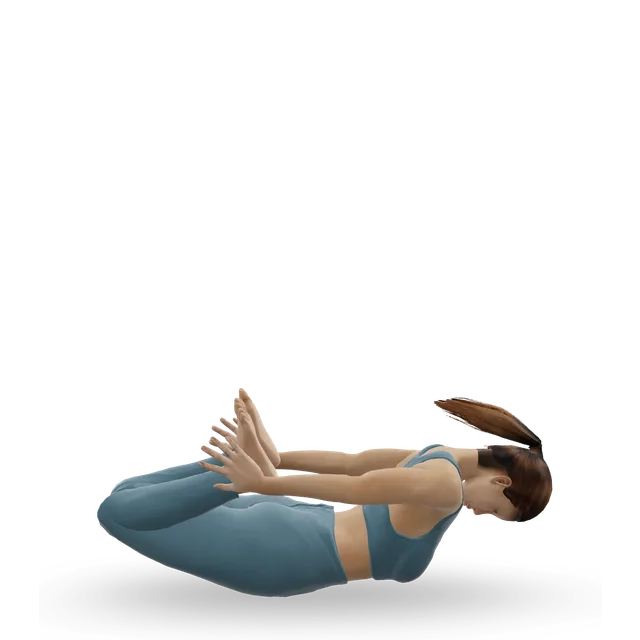 3D demoBow pose (Dhanurasana)Intermediate · No equipment
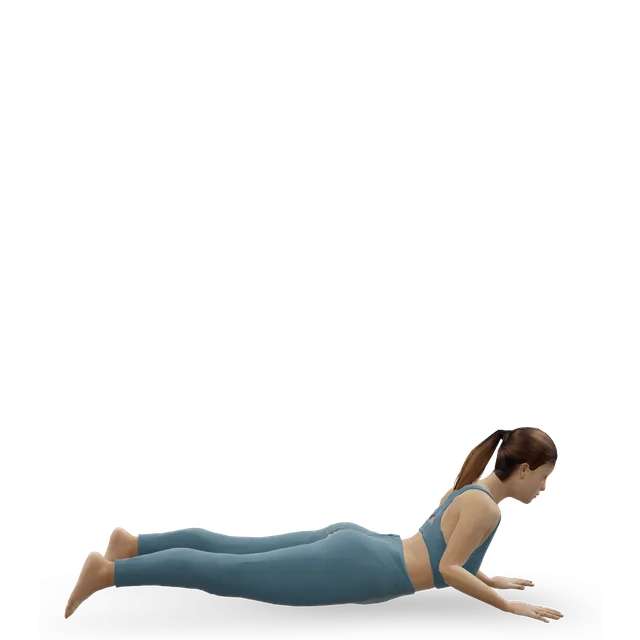 3D demoCobra pose (Bhujangasana)Intermediate · No equipment
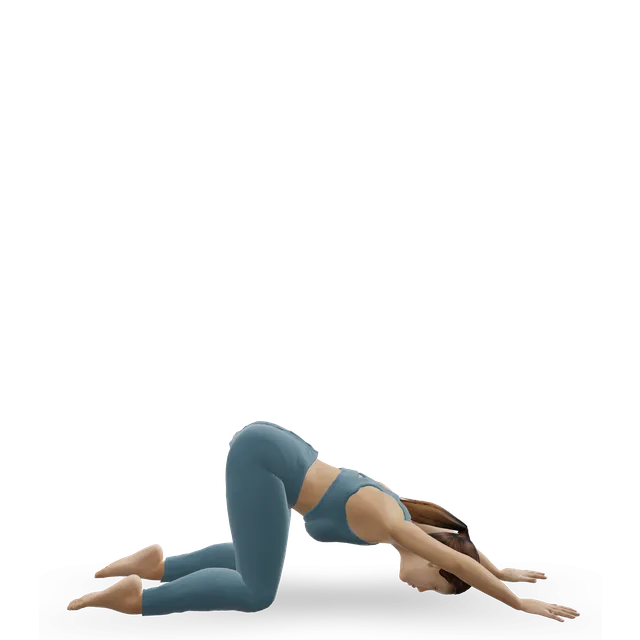 3D demoExtended puppy pose (Uttana Shishosana)Beginner · No equipment
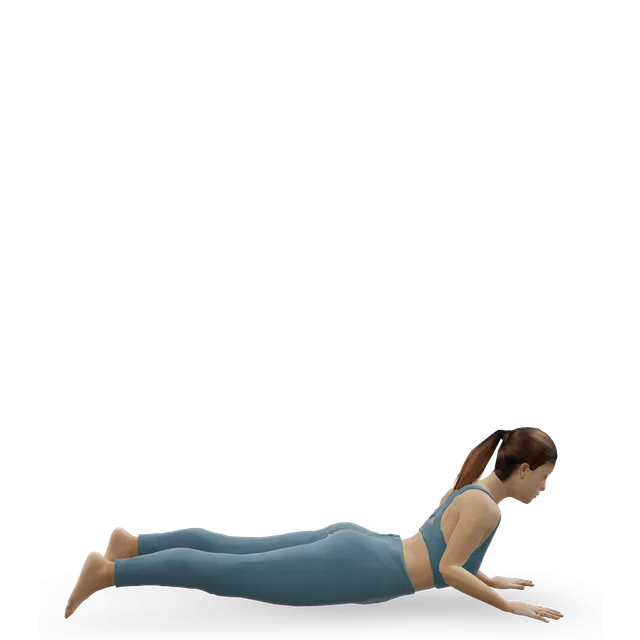 3D demoLow cobra (Bhujangasana)Beginner · No equipment
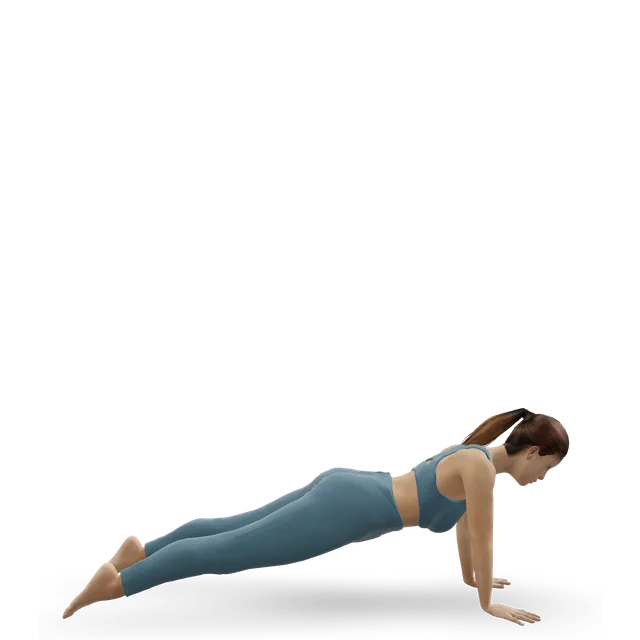 3D demoUpward-facing dog (Urdhva Mukha Svanasana)Intermediate · No equipment
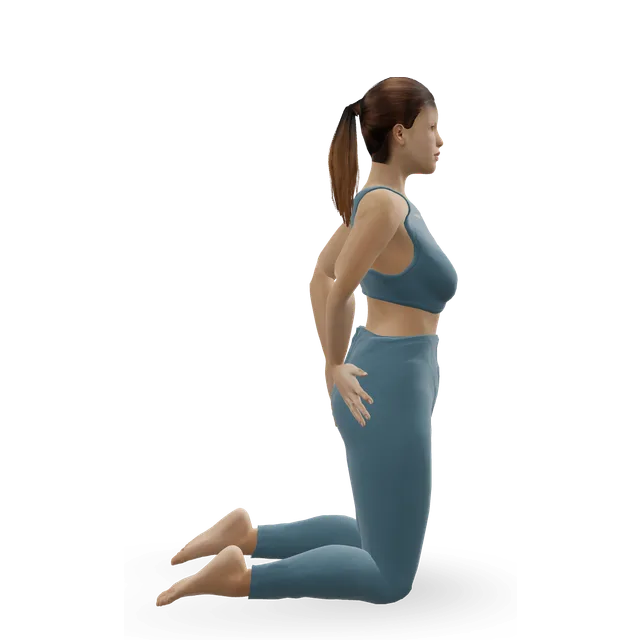 3D demoCamel pose (Ustrasana)Intermediate · No equipment
Browse more
Questions people ask
What muscles does the Side-lying open book work?
Mainly the back, with help from the chest and shoulders.
What equipment do I need for the Side-lying open book?
No equipment: your body weight and a little floor space.
Is the Side-lying open book good for beginners?
It is graded beginner, so it suits most people starting out. When it feels easy, try the Thoracic rotation.
How do I make the Side-lying open book harder?
Progress to the Thoracic rotation. Follow that guide’s technique and any stated timing.