Pilates guide

Pilates for sleep: does it help, when to do it, and a bedtime routine

Pilates may help you sleep a little better, as most regular exercise does. In small trials, people who did Pilates two or three times a week rated their sleep better than people who did nothing, though the results varied a lot. It hasn't been tested as a treatment for insomnia, and it isn't proven to be better than walking, yoga or strength training.

If you've had trouble sleeping for months, cognitive behavioural therapy for insomnia (CBT-I) is the treatment that works best, and a GP can arrange it; Pilates helps alongside it, not instead of it.

This guide covers what the trials show, when to do Pilates (harder classes earlier, a gentle wind-down at night), a 15-minute bedtime routine, snoring and sleep apnoea, and when poor sleep needs a GP.

The short version

It may help a little

In 6 small trials (477 people), Pilates improved sleep quality scores against doing no exercise, but the results varied hugely, and there was no clear effect in healthy people over 40 or in women after the menopause. Most kinds of regular exercise help sleep, so the best one is the one you'll keep doing.

Sources 1, 2

Not tested for insomnia

We found no trial of Pilates in people diagnosed with insomnia, and the largest analysis of exercise for insomnia had no Pilates trials. Exercise in general helps people with insomnia, more in how they rate their sleep than in what sleep trackers measure.

Sources 3, 4, 5

For insomnia that lasts, CBT-I comes first

The NHS says a GP may offer cognitive behavioural therapy (CBT), face to face or online. NICE (the National Institute for Health and Care Excellence) says referral for face-to-face CBT-I is best practice when insomnia isn't likely to settle soon. The European guideline calls exercise a possible addition to CBT-I, not a replacement.

Sources 6, 7, 8

Harder classes earlier, a gentle wind-down at night

The NHS says don't exercise in the 4 hours before bed, and relax for at least an hour before bed. In studies, evening exercise mostly didn't harm sleep, but hard exercise close to bedtime might. No study has tested Pilates at different times of day.

Sources 6, 9, 10, 11

If you have insomnia, wind down on a mat, not in bed

Sleep doctors advise keeping your bed for sleep, so do the wind-down on a mat or rug and get into bed when you feel sleepy (our reading). If you can't sleep after about 20 minutes, the NHS suggests getting up and doing something relaxing.

Sources 12, 13

Loud snoring with pauses needs a GP

Snoring with breathing that stops and starts, gasping or choking at night, or always feeling very tired in the day can be sleep apnoea, which needs checking.

Sources 14, 15

Sleep, insomnia and what Pilates adds

What insomnia is

Insomnia means you regularly have problems sleeping: finding it hard to go to sleep, waking several times, lying awake, waking early, or still feeling tired after waking. Under 3 months is short-term insomnia; 3 months or longer is long-term. The commonest causes include stress, anxiety or depression, noise, a room that's too hot or cold, alcohol, caffeine or nicotine, and shift work, and it "usually gets better by changing your sleeping habits".

Source 6

Sleep quality isn't the same as insomnia

Most Pilates trials measured sleep quality with a questionnaire, in people who weren't chosen because they had insomnia. Insomnia trials enrol people diagnosed with insomnia and measure how severe it is. Exercise improves how people rate their sleep more than what devices measure.

Sources 1, 4, 16

What a class contains that might help

Physical effort during the day, which helps sleep across many types of exercise; slow, attentive breathing, which raises heart rate variability, a sign of the calming side of the nervous system; and slow, controlled movement. The trials can't tell which part matters most.

Sources 2, 17

What it can't do

Pilates isn't CBT-I. CBT-I changes unhelpful thoughts and habits around sleep, sets a regular wake time and limits time awake in bed, often with relaxation. A slow Pilates wind-down is close to the relaxation part; it doesn't replace the rest.

Sources 12, 6

What the evidence says

Better sleep scores, with wide variationEmerging evidence

A review of 6 randomised trials (477 people; read in full) found sleep quality scores improved by 3.6 points on a 21-point questionnaire against people who didn't exercise. The trials disagreed a lot, the quality was fair to mild, there was no clear effect in healthy people over 40 or in women after the menopause, and the use of sleeping medicines didn't change. Most trials ran 2 or 3 sessions a week for 6 to 16 weeks.

Source 1

Longer, less disturbed sleep in older womenEmerging evidence

In the biggest trial, 110 women aged about 69 did 12 weeks of Pilates. Compared with women who didn't, they slept longer and their sleep was less disturbed, though their overall sleep score wasn't clearly better than the other group's. In 61 older women, 16 weeks of mat Pilates twice a week improved sleep scores and the time it took to fall asleep.

Sources 18, 19

Mixed results elsewhereMixed evidence

In 108 women aged 40 to 60, 6 weeks of Pilates did no better than acupressure or no treatment, and reformer Pilates didn't change sleep scores in women with overweight. Home Pilates after birth and Pilates for post-COVID syndrome did improve sleep scores, in single small trials.

Sources 20, 21, 22, 23

Rankings disagreeMixed evidence

Two network analyses ranked Pilates first among exercise types for sleep quality, but from few Pilates trials, and the larger one (86 trials) found no significant differences between aerobic exercise, strength training, Pilates, yoga and tai chi. In older adults, muscle endurance training with walking did better than Pilates, and Pilates, yoga, qigong and tai chi eased sleep problems about equally. An overview of 27 Pilates reviews rated the certainty of its sleep findings very low to moderate.

Sources 2, 24, 25, 26, 27

Pilates against aerobic exerciseEmerging evidence

In two small 2026 trials, Pilates and aerobic exercise improved sleep quality about equally: in 30 women after the menopause and in 44 adults aged 60 to 69.

Sources 28, 29

Weak designsMixed evidence

Studies in premenopausal women and in students reported better sleep, but they weren't randomised, so people who chose Pilates may have differed in other ways.

Sources 30, 31

Insomnia: CBT-I first, exercise alongside

Pilates hasn't been tested in insomniaMixed evidence

We found no trial of Pilates in people diagnosed with insomnia. A 2026 network analysis of 22 exercise trials in insomnia included yoga, tai chi and walking or jogging, which helped most, but no Pilates.

Sources 3, 4

Exercise helps people with insomniaEmerging evidence

Across 19 trials, exercise improved self-rated sleep by a large amount and measured sleep by a small amount. In 24 trials (1,591 people), the benefit appeared from small amounts of activity and levelled off at moderate amounts; the evidence was low certainty. Gentle mind-body exercise and other exercise helped about equally.

Sources 5, 32, 16

CBT-I comes firstStrong evidence

The American Academy of Sleep Medicine strongly recommends CBT-I for chronic insomnia, and the European guideline makes it the first treatment at any age, with exercise as a possible addition. NICE says referral for face-to-face CBT-I is best practice if insomnia isn't likely to settle soon, and a digital CBT-I programme is an option in primary care. The NHS says GPs now rarely prescribe sleeping pills.

Sources 12, 8, 7, 6

Over the long termEmerging evidence

About 10 months after treatment ended, people who had exercise or CBT-I still slept better than people who had neither, in 13 trials; a sleeping pill helped during treatment but not afterwards.

Source 33

Around the menopauseEmerging evidence

In 22 trials of insomnia around the menopause, CBT improved sleep scores more than exercise. Our Pilates for menopause guide has more.

Source 34

When to do Pilates

What the NHS saysStrong evidence

"Exercise regularly during the day", "do not exercise at least 4 hours before bed", and relax for at least an hour before bed, for example with a bath or a book. Every Mind Matters puts it more gently: if exercising close to bedtime affects your sleep, "try being active earlier in the day".

Sources 6, 13

What the studies showEmerging evidence

Across 23 lab studies, evening exercise didn't harm sleep overall, though vigorous exercise ending an hour or less before bed might. Hard evening exercise ending 2 to 4 hours before bed didn't disrupt sleep in 15 studies. In 14,689 people wearing activity trackers, later, harder sessions went with later, shorter sleep, but sessions ending 4 or more hours before sleep didn't. Morning and evening exercise didn't differ for most outcomes, with a little more waking at night after hard evening sessions.

Sources 9, 35, 10, 36

Pilates timing hasn't been studiedMixed evidence

We found no study of Pilates at different times of day. For exercise in general, a 2026 analysis found no stable advantage for morning, afternoon or evening.

Sources 11, 37

Our reading

Do classes with some effort, such as the hundred, swimming, standing work or a reformer class, earlier in the day, ideally ending 4 or more hours before bed if you have insomnia. A slow 10 to 15 minute wind-down of breathing and easy floor moves is relaxation rather than exercise, so it fits the NHS's hour of relaxing.

Sources 6, 10

Winding down

Slow breathing

The NHS breathing exercise is to breathe in for a count of 1 to 5 and out for 1 to 5, for at least 5 minutes. Relaxation, including slow belly breathing and relaxing your muscles in turn, is one of the treatments sleep doctors suggest for chronic insomnia, and slow breathing raises heart rate variability.

Sources 38, 12, 17

On a mat, not in bed, if you have insomnia

Part of CBT-I is to use "the bed/bedroom for sleep and sex only" and go to bed only when sleepy. So if you have insomnia, do the wind-down on a mat, rug or chair, then get into bed (our editorial reading). If you sleep well and just want to relax, the lying moves are fine on a firm bed.

Sources 12, 13

No breath holds needed

The NHS exercise has no holds. Patterns with holds, such as 4-7-8 or box breathing, aren't needed, and the site's guides advise leaving them out with high blood pressure or diabetic eye disease. If slow breathing makes you dizzy or tingly, make the breaths smaller.

Source 38

How much

What the trials used

Usually 2 or 3 sessions a week of about an hour, for 6 to 16 weeks. After birth, one trial used 30 minutes of home Pilates 5 times a week.

Sources 1, 18, 22

The guidelines

150 minutes of moderate activity a week, such as brisk walking, plus strength work on at least 2 days.

Sources 39, 40

Our suggested week

Our editorial starting point:

  • 2 or 3 Pilates classes with some effort, in the daytime.
  • Brisk walking on most days.
  • The 15-minute bedtime class on evenings it helps.
  • Give it 8 to 12 weeks, and see a GP sooner if poor sleep is affecting your daily life.

Sources 6, 1

Breathe

At least 5 minutes of slow breathing, counting about 4 in and 6 out (our suggestion), and 5 to 8 lateral breaths are the move pages' doses; 5 breaths with a reach, sitting on the edge of the bed or a chair, is the breath reach page's dose.

Slow floor moves for the evening

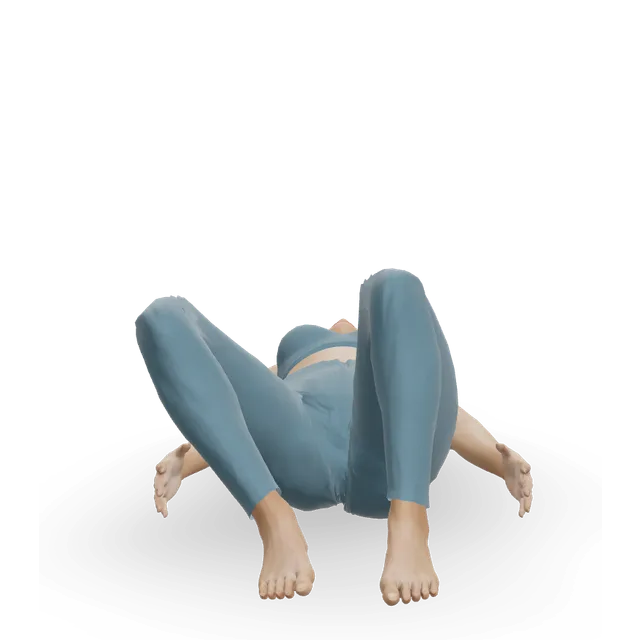
Small and easy, with no effort: 6 slow bridges with a small lift, and 5 heel slides, fall-outs and open-book turns each side, are from our slow somatic Pilates class; 10 slow windscreen-wiper passes are within the move page's dose, and 2 to 5 minutes in reclining bound angle and at least 5 minutes in corpse pose are the move pages' doses.

Daytime Pilates with some effort

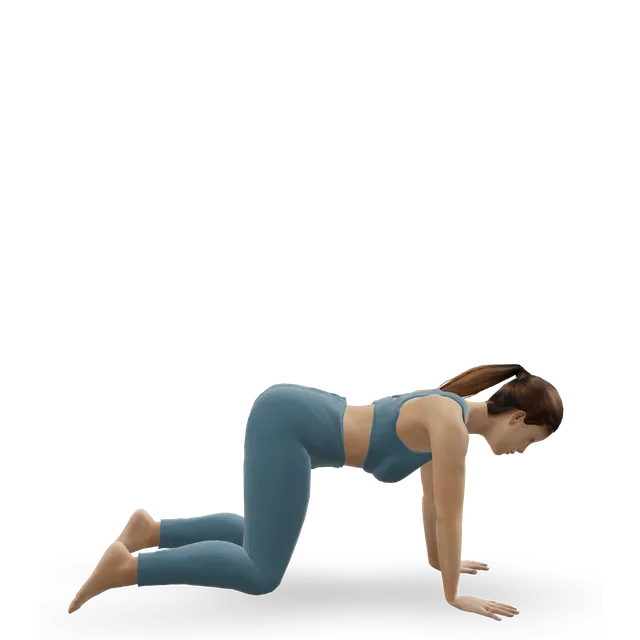
Earlier in the day: 50 beats of the hundred building to 100, 6 to 10 single-leg stretches and 8 to 10 side kicks each side, 2 or 3 sets of 20 to 30 seconds of swimming and 3 knee hovers of 15 to 30 seconds are the move pages' doses; 5 bird dogs each side, holding each for up to 3 breaths, are from our beginner Pilates for over-50s class.

What to leave out at bedtime

Effortful and legs-overhead moves

Save the hundred at 100 beats, the roll-up, teaser, roll-over, jack knife and planks for earlier in the day (our reading).

Sources 6, 9

Breath-hold patterns

4-7-8 and box breathing aren't needed; slow breathing without holds does the job, and holds aren't advised with high blood pressure or diabetic eye disease.

Source 38

Head-down moves

Roll-downs and child's pose are fine for most people, but they can leave you dizzy when you stand, so we leave them out of a bedtime routine. With glaucoma, keep head-down positions brief: in a small study, eye pressure rose within a minute.

Source 41

Legs up the wall

Restful for many people, but its own page says not to raise your hips with high blood pressure that isn't under control, and to ask your eye doctor first with glaucoma, so it isn't in our bedtime class.

Source 41

Classes to follow

The bedtime class is for the last hour before bed; the slow somatic class is a longer wind-down; the beginner and walk-and-Pilates classes are for the daytime. The bedtime stretch routine uses 4-7-8 breath holds and legs up the wall: skip both if your blood pressure isn't under control, or you have glaucoma or diabetic eye disease.

Plan

Three daytime Pilates days a week; add the bedtime class on evenings it helps.

Snoring and sleep apnoea

What sleep apnoea is

Your breathing stops and starts while you sleep, with gasping, snorting or choking noises, waking a lot and loud snoring, and tiredness, poor concentration or morning headaches in the day. "Sleep apnoea can be serious if it's not diagnosed and treated." The NHS lists regular exercise among the things that can help symptoms.

Source 15

No Pilates trialsMixed evidence

We found one case report of Pilates with mouth exercises in one man, and no trials. Our exercise and sleep apnoea guide covers what helps.

Sources 42, 43

When to see a GP

See a GP

  • Changing your sleep habits hasn't helped, you've had trouble sleeping for months, or it's affecting your daily life in a way that makes it hard to cope.
  • Your breathing stops and starts while you sleep, you make gasping, snorting or choking noises, or you always feel very tired in the day. If someone has seen it happen, it can help to bring them with you.
  • You think a medicine might be keeping you awake: many medicines can cause insomnia. Don't stop it without talking to your GP or pharmacist.

Sources 6, 15, 14

Driving

Don't drive when you feel sleepy. With confirmed sleep apnoea and excessive sleepiness, you must not drive until it's under control.

Sources 6, 15

Low mood or worry keeping you awake

Our Pilates for depression and Pilates for stress and anxiety guides cover both. If you are thinking about suicide or can't keep yourself safe, call 999 or go to A&E. For urgent help, call Samaritans free on 116 123, any time, or in England call 111 and select the mental health option. In the US, call or text 988.

Sources 44, 45, 46

Chest pain or fainting while exercising: call 999

Call 999 if:

  • You get sudden pain or discomfort in your chest that doesn't go away; it can feel like squeezing or pressure, burning or indigestion.
  • The pain spreads to your left or right arm, or your neck, jaw, stomach or back.
  • You have chest pain and feel sweaty, sick, light-headed or short of breath.
  • Someone faints while exercising, can't be woken within 1 minute, or has chest pain or a pounding, fluttering or irregular heartbeat.

Sources 47, 48

Stop the session if

You feel any pain or become unwell, as the NHS advises for its Pilates videos, and especially for chest pain or pressure, unusual breathlessness, dizziness or fainting. If you have a health problem, an injury or any symptoms, get advice from a healthcare professional, such as a GP, before you start.

Source 49

During the wind-down

If lying still brings up distressing thoughts or panic, open your eyes, sit up and breathe slowly; if slow breathing makes you dizzy or tingly, make the breaths smaller (our advice).

Myths

"Pilates cures insomnia"Mixed evidence

Pilates hasn't been tested in people diagnosed with insomnia. CBT-I is the first treatment for insomnia that lasts, and Pilates improved sleep scores only in small, mixed trials of people without diagnosed insomnia.

Sources 3, 12, 1

"Pilates is the best exercise for sleep"Mixed evidence

Two rankings put it first, from few trials and with no significant differences between types; in older adults other exercise did better, and in insomnia it hasn't been tested.

Sources 2, 25, 4

"Never exercise in the evening"Emerging evidence

The NHS says not in the 4 hours before bed, but studies found evening exercise mostly didn't harm sleep, except perhaps hard exercise close to bedtime. A gentle wind-down is relaxation, not a workout.

Sources 6, 9, 36

"Pilates in bed will help you drop off"Emerging evidence

With insomnia, sleep doctors advise keeping your bed for sleep. Wind down on a mat, then go to bed when you feel sleepy (our reading).

Source 12

"Pilates before bed boosts melatonin and lowers cortisol"Mixed evidence

We found no study of Pilates and melatonin, and in one small trial, cortisol rose after 8 weeks of Pilates.

Sources 50, 51

Questions people ask

Does Pilates help you sleep?

It may help a little. In small trials, people who did Pilates two or three times a week rated their sleep better than people who did nothing, but the results varied a lot. Most regular exercise helps sleep, so the best choice is the one you'll keep doing.

Is Pilates good for insomnia?

It hasn't been tested in people diagnosed with insomnia. Exercise in general helps people with insomnia, more in how they rate their sleep than in what devices measure. If you've had insomnia for months, ask your GP about CBT for insomnia, which works best; Pilates can help alongside it.

Is it OK to do Pilates before bed?

A gentle wind-down is fine; a hard class isn't ideal. The NHS says not to exercise in the 4 hours before bed but to relax for an hour before bed, and in studies, hard exercise close to bedtime was the main problem. Our bedtime class is slow breathing and easy floor moves, which is relaxation, not a workout.

Is it better to do Pilates in the morning or at night for sleep?

No study has tested Pilates timing. For other exercise, timing mattered less than doing it, though hard evening sessions led to a little more waking at night. Do your harder classes earlier and keep the evening for a wind-down.

What is the best Pilates for sleep?

In the day, any class with some effort; in the evening, a slow class of breathing and lying moves with no effort, holds or head-down positions. Our 15-minute bedtime class is built that way.

Can I do Pilates in bed?

If you sleep well, the lying moves are fine on a firm bed. If you have insomnia, sleep doctors advise keeping your bed for sleep, so wind down on a mat or rug and get into bed when you feel sleepy.

How long does Pilates take to improve sleep?

Trials ran for 6 to 16 weeks, usually 2 or 3 sessions a week. Give it 8 to 12 weeks, and see a GP sooner if poor sleep is affecting your daily life.

Is Pilates better than yoga for sleep?

Neither has been shown to be better: in a large analysis of 86 trials, the differences between exercise types weren't significant. In people with insomnia, yoga has been tested and Pilates hasn't.

Can Pilates help sleep apnoea?

No trial has tested it. If you snore loudly and your breathing stops and starts, or you always feel very tired in the day, see a GP; our exercise and sleep apnoea guide covers what helps.

Can Pilates help sleep in the menopause?

Results are mixed: pooled trials showed no clear effect after the menopause, though one trial found longer, less disturbed sleep. For insomnia around the menopause, CBT has the strongest evidence, and our Pilates for menopause guide has more.

Should I do breathing exercises before bed?

Slow breathing helps you relax: the NHS exercise counts 1 to 5 in and 1 to 5 out for at least 5 minutes. You don't need breath holds such as 4-7-8, and if breathing makes you dizzy, make the breaths smaller.

When should I see a GP about sleep?

If changing your habits hasn't helped, you've had trouble sleeping for months, or it's making daily life hard to cope with. See a GP too if your breathing stops and starts at night or you always feel very tired.


Sources

  1. Chen 2020 · Pilates and sleep quality: 6 trials, 477 people (systematic review and meta-analysis, Front Neurol; read in full)
  2. Wang 2025 · Types and doses of exercise for sleep quality: 86 trials (network meta-analysis, BMC Public Health)
  3. PubMed · Our search for trials of Pilates in people diagnosed with insomnia (October 2026)
  4. Bu 2026 · Types of exercise for insomnia: 22 trials (network meta-analysis, BMJ Evid Based Med)
  5. Riedel 2024 · Exercise for insomnia: 19 trials (systematic review and meta-analysis, Sleep Med Rev)
  6. NHS · Insomnia
  7. NICE HTG624 · Sleepio to treat insomnia and insomnia symptoms (formerly MTG70), recommendations and the committee's reasons
  8. Riemann 2023 · The European Insomnia Guideline: 2023 update (J Sleep Res)
  9. Stutz 2019 · Evening exercise and sleep in healthy people: 23 studies (meta-analysis, Sports Med)
  10. Leota 2025 · Evening exercise and sleep in 14,689 people wearing activity trackers (observational study, Nat Commun)
  11. PubMed · Our search for studies of Pilates timing and sleep (October 2026)
  12. Edinger 2021 · Behavioural and psychological treatments for chronic insomnia in adults (American Academy of Sleep Medicine guideline, J Clin Sleep Med; read in full)
  13. NHS Every Mind Matters · How to fall asleep faster and sleep better
  14. NHS · Snoring (past its review date: reviewed August 2023, review due August 2026)
  15. NHS · Sleep apnoea
  16. Xie 2021 · Exercise, sleep quality and insomnia in adults: 22 trials (systematic review and meta-analysis, Front Psychiatry)
  17. Laborde 2022 · Slow breathing and heart rate variability: 223 studies (meta-analysis, Neurosci Biobehav Rev)
  18. Aibar-Almazán 2019 · Pilates, sleep, anxiety, depression and fatigue in 110 women after the menopause (RCT, Maturitas)
  19. Curi 2018 · 16 weeks of mat Pilates, health and sleep in 61 older women (RCT, Arch Gerontol Geriatr)
  20. Ahmadinezhad 2017 · Acupressure or Pilates for sleep in 108 women after the menopause (RCT, Iran J Nurs Midwifery Res)
  21. Gökalp 2025 · Reformer Pilates in 47 women with overweight or obesity (RCT, Sci Rep)
  22. Ashrafinia 2014 · Home Pilates and sleep in 80 women after birth (RCT, J Bodyw Mov Ther)
  23. Jorge 2025 · Pilates for fitness and sleep in 59 people with post-COVID syndrome (RCT, J Bodyw Mov Ther)
  24. Xie 2024 · The best exercise for sleep quality in adults: 27 trials (network meta-analysis, Prev Med)
  25. Hasan 2022 · Exercise for sleep quality in older adults: 35 trials (network meta-analysis, Sleep Med Rev)
  26. Makhfudli 2024 · Mind-body exercise for sleep and depression in older adults: 27 studies (systematic review and meta-analysis, Asian Nurs Res)
  27. Xu 2023 · Pilates and health: 27 meta-analyses (umbrella review, J Sci Med Sport)
  28. Can 2026 · Clinical Pilates or aerobic exercise for menopausal symptoms, sleep and depression in 30 women (RCT, BJOG)
  29. Abdullah 2026 · Aerobic exercise or Pilates for balance, walking and sleep in 44 older adults (RCT, BMC Geriatr)
  30. Persaki 2024 · Pilates and sleep in 53 premenopausal women (observational study, Sleep Sci)
  31. Amzajerdi 2023 · Pilates, sleep and fatigue in 80 female students (non-randomised trial, BMC Sports Sci Med Rehabil)
  32. Huang 2026 · How much activity for insomnia: 24 trials, 1,591 people (Bayesian dose-response meta-analysis, Int J Behav Nutr Phys Act)
  33. Yu 2023 · Exercise, CBT and sleeping pills for chronic insomnia over the long term: 13 trials (network meta-analysis, Healthcare)
  34. Luo 2026 · Non-drug treatments for insomnia around the menopause: 22 trials (meta-analysis, Maturitas)
  35. Frimpong 2021 · Evening high-intensity exercise and sleep: 15 studies (meta-analysis, Sleep Med Rev)
  36. Souabni 2026 · Morning or evening exercise and sleep: 25 studies (systematic review and meta-analysis, Sleep Med Rev)
  37. Hu 2026 · Time of day, exercise, sleep and mood: 13 studies (three-level meta-analysis, Front Psychol)
  38. NHS · Breathing exercises for stress
  39. NHS · Physical activity guidelines for adults aged 19 to 64
  40. UK Chief Medical Officers · Physical activity guidelines (GOV.UK, updated July 2026)
  41. Jasien 2015 · Eye pressure in four head-down yoga poses, in 20 people with and without glaucoma (lab study, PLoS One)
  42. PubMed · Our search for studies of Pilates and sleep apnoea or snoring (October 2026)
  43. R J 2026 · Pilates and mouth exercises in one man with sleep apnoea (case report, Psychiatr Danub)
  44. NHS · Where to get urgent help for mental health (past its review date: reviewed April 2023, review due April 2026)
  45. Samaritans · Contact a Samaritan: 116 123, free, any time
  46. 988 Suicide and Crisis Lifeline (US): call, text or chat, any time
  47. NHS · Heart attack
  48. NHS · Fainting
  49. NHS · Pilates for beginners (exercise video, with safety information)
  50. PubMed · Our search for studies of Pilates and melatonin (October 2026)
  51. Farzane 2022 · Pilates, cortisol and mood in 27 older women (RCT, J Sports Med Phys Fitness)

Exercise education, not a personal prescription, and clinical review of these guides is pending. If you are pregnant, have a health condition or have had recent surgery, check with a doctor, midwife or physiotherapist before starting, and stop for sharp or increasing pain. Health disclaimer.