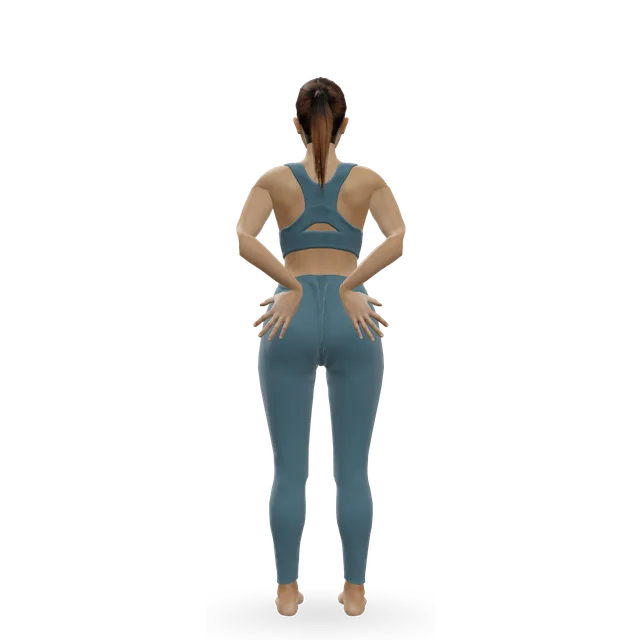
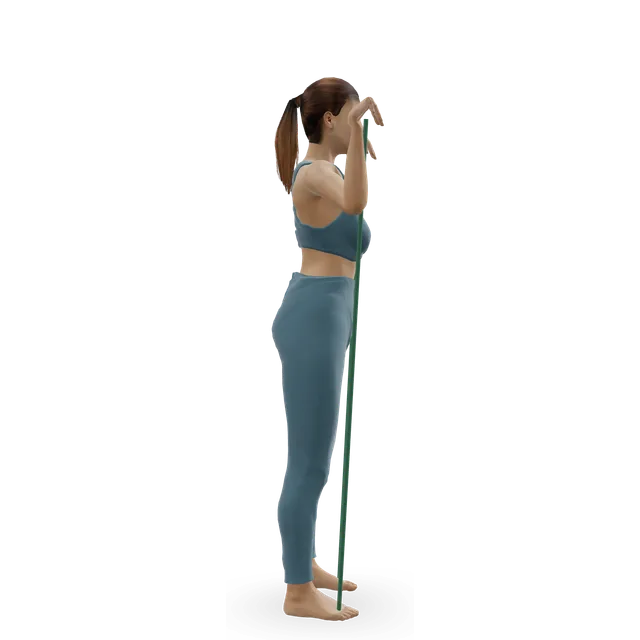
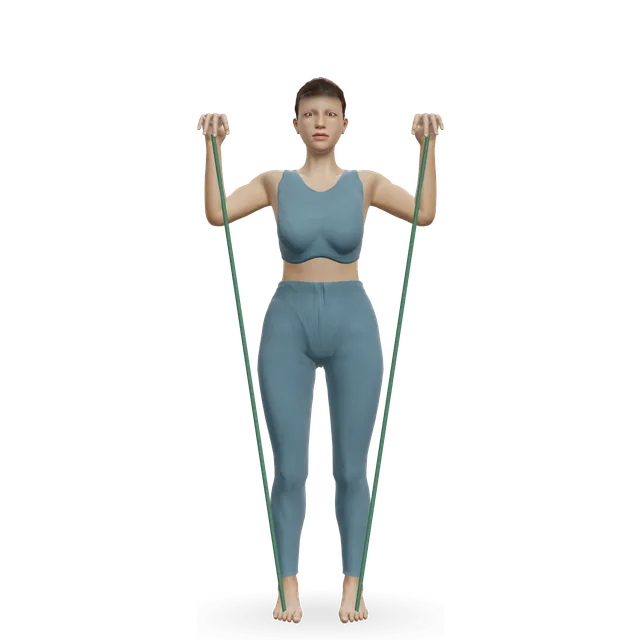
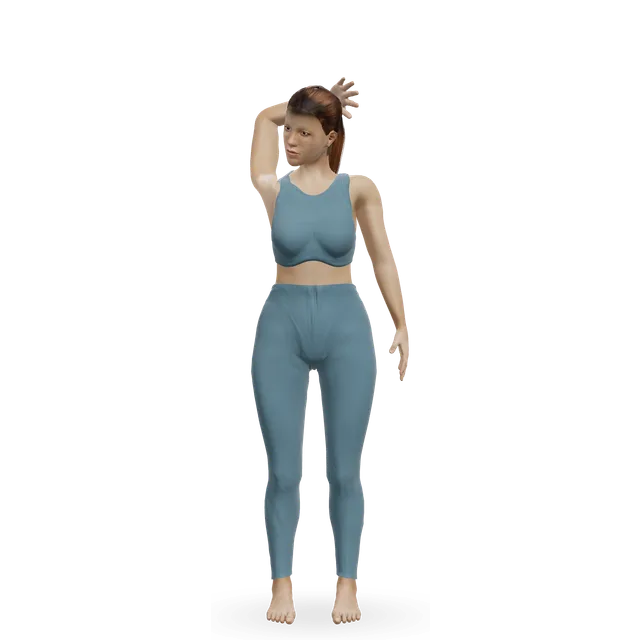
Posture guide

Posture exercises: how to improve your posture, and how much it matters

Posture is the position your body is in as you sit, stand, move and sleep, and it changes all day. The idea that one correct posture protects your back and neck is everywhere, but the research doesn't back it up: physiotherapists don't agree on a best posture, reviews find no agreement that posture causes back pain, and in studies that followed people over time, posture didn't predict who got neck pain.

What helps is moving often, getting stronger and staying active. This page gives the short verdicts, with evidence grades: whether posture causes pain, how much exercise changes posture (a few degrees), and what to make of correctors, sleeping positions, school bags and power poses. The guides below take each shape in turn, with exercises and 3D demos.

The short version

There is no single correct posture

Physiotherapists shown the same photos choose different best postures, and people with and without back pain have similar curves in their lower backs. The Chartered Society of Physiotherapy says "There is no perfect posture or right or wrong desk set up" and "Your best posture is your next posture".

Sources 1, 2, 3, 4

Posture explains little back and neck pain

Reviews find no agreement that sitting, standing, bending or lifting postures cause low back pain. When researchers followed people over time, posture didn't predict who got neck pain; poor sleep, low activity and doing the same task all day did.

Sources 5, 6, 7, 8, 9

Move often, and get stronger

Changing position through the day is what physiotherapists and the UK's workplace health regulator advise. For aches and pains, exercise helps, and strength training has the strongest evidence.

Sources 4, 10, 11, 12, 13, 14

Exercise changes posture a little, and that isn't the same as less pain

In trials, exercise made the head about 3 degrees more upright, and spine strengthening reduced older adults' upper-back curve by about 3 degrees. Pain can ease with no change in posture, so exercise for strength and comfort, not to reach a shape.

Sources 15, 16, 17, 13

Gadgets have little evidence

Posture correctors and posture shirts change how you hold yourself while you wear them, but there is no good evidence that they ease pain. NICE (the National Institute for Health and Care Excellence) advises against belts and corsets for low back pain.

Sources 18, 19, 20

Some changes need a doctor

A curve in a growing child, or new hunching, height loss or back pain with muscle spasms in later life, should be checked. The warning signs are listed below.

Sources 21, 22

The posture guides

Each guide takes one shape or habit: how it's measured, what the evidence says, the exercises that help and when to get it checked.

Sitting posture

Best sitting posture: how to sit at a desk, and why moving matters more

Desk set-up from HSE and OSHA, why the best posture is your next one, and what trials say about standing desks, breaks and chairs. Desk moves with 3D demos.

Forward head posture

Forward head posture: the exercises that change it, and by how much

Forward head posture exercises from the trials: deep neck and upper-back strength, how much they move your head, and the neck symptoms that need a GP.

Rounded shoulders

Rounded shoulders: exercises that work, and what they can change

Rounded shoulders exercises from the trials: why strength beats chest stretches, what rows can change, how long it takes, and what it means for shoulder pain.

Kyphosis

Kyphosis and a hunched back: exercises, causes and when to get checked

Kyphosis exercises with 3D demos: what a hunched back is, how much exercise reduces the curve, safe moves with osteoporosis, and when a new hunch needs a GP.

Neck hump

Neck hump: fat pad, curved spine or normal bone? Causes and what helps

A neck hump can be a fat pad, a rounded upper back or normal bone. How to tell them apart, what exercise can and cannot change, and when to see a GP.

Anterior pelvic tilt

Anterior pelvic tilt: what's normal, and exercises that help

Most people's pelvis tilts forward a little. What's normal, how it's tested, the hip and core exercises that help, and what they can and can't change.

Swayback and lordosis

Swayback posture and lordosis: what they are and what exercise can change

Swayback isn't the same as a deep low-back curve. What's normal, how both link to back pain, exercises with 3D demos, pregnancy, flat back and warning signs.

Scoliosis

Scoliosis exercises: what helps, what Schroth can and can't do, and when to get help

Scoliosis exercises explained: what Schroth and other specific programmes change, safe general exercise for teens and adults, bracing, and warning signs.

Knock knees

Knock knees: when they're normal, and how to train knees that cave in

Most knock knees in children straighten by age 7, and exercise can't reshape adult bones. But knees that cave in on squats and landings are trainable.

What posture is, and how it's measured

A habit that changes all day

Posture is the position you hold for what you're doing, and it shifts with tiredness, comfort and mood. In 1,108 17-year-olds, those who sat slumped with the head forward were more likely to be depressed, and those who sat upright exercised more often. That was a snapshot, so it can't show which came first.

Source 23

How each shape is measured

Posture is measured from side-on photos, simple tools or X-rays. There are no agreed cut-offs between normal and not, and studies use different ones.

  • Forward head posture: the craniovertebral angle, measured on a side-on photo. The smaller the angle, the further forward the head sits.
  • A rounded upper back (kyphosis): the Cobb angle on an X-ray, or a flexible ruler along the back. It averages 20 to 29 degrees until your 30s, more than 40 degrees is called hyperkyphosis, and the curve tends to grow with age.
  • The lower-back curve and pelvic tilt: X-ray angles or skin measures. Studies call a lower-back curve of more than 40 or 45 degrees large.
  • Scoliosis: a sideways curve of more than 10 degrees on an X-ray. Up to 10 degrees is called postural asymmetry, which can come from how you stand for the picture.

Sources 15, 24, 25, 26

How common is bad posture?

There is no agreed definition, so there is no reliable figure. When studies use their own definitions, large shares of ordinary people qualify: 20% to 40% of older adults have hyperkyphosis, for example. A shape that so many people have is better thought of as normal variation.

Source 24

Does posture cause pain? What the evidence says

Back pain: no agreed linkEmerging evidence

A review of 41 reviews found no agreement that spine posture, sitting, standing, bending or awkward positions cause low back pain. Of 24 studies of sitting at work, the best found no link. On skin measures, people with and without back pain have similar lower-back curves; on X-rays, people with back pain tend to have slightly flatter lower backs, not more arched ones, and these snapshots can't show which came first.

Sources 5, 6, 27, 3, 28

Lifting: how much, not how you bendEmerging evidence

Rounding your lower back as you lift has not been shown to be a risk factor for back pain; in 7 studies, people with back pain bent their lower backs less when lifting, not more. Heavy, frequent lifting at work raises the risk a little: the odds rose by about 11% for every 10 kg lifted and by 9% for every 10 lifts a day.

Sources 29, 30

Training in safe lifting doesn't prevent back painStrong evidence

In 7 trials of 19,317 workers, those taught how to lift had as much back pain as those who weren't. Most physiotherapists and manual handling advisers still believe a straight back is safest, though there is no evidence that any one lifting posture prevents back pain.

Sources 31, 32

Neck pain: a small link in snapshots, none over timeEmerging evidence

In studies done at one point in time, adults with neck pain had slightly more forward head posture than adults without; teenagers showed no difference. When people were followed, posture didn't predict neck pain: sitting posture at 17 didn't predict persistent neck pain at 22, and girls who sat upright were more likely to have it than girls who slumped.

In 396 adults, the angle of the neck while texting didn't predict new neck pain over a year, but poor sleep and low activity did. Our tech neck guide covers neck pain from phones and screens.

Sources 33, 7, 8, 34

At a desk, variety matters more than postureEmerging evidence

In studies that followed office workers, the risk factors for new neck pain were low satisfaction with the workplace, a keyboard close to the body, little variety in tasks and feeling tense. Posture was studied but wasn't among them. The Chartered Society of Physiotherapy now says posture plays a much smaller role in neck problems than previously thought.

Sources 9, 35

Is there a right posture?

Physiotherapists don't agreeStrong evidence

Shown nine sitting postures, 295 physiotherapists in four countries mostly chose one of two very different ones. In a survey of 544, three different sitting postures were picked as best, though there is no strong evidence that any posture leads to better health. Healthy people asked to copy one "ideal" sitting curve needed feedback or hands-on help to produce it.

Sources 1, 2, 36

What physiotherapists advise now

The Chartered Society of Physiotherapy says "There is no perfect posture or right or wrong desk set up", "The key is to keep moving" and "Your best posture is your next posture". NHS inform says your posture doesn't need to be perfect, so move often rather than staying in one position for too long.

The US workplace safety agency, OSHA, says working in the same posture or sitting still for long periods is not healthy, however good the posture.

Sources 4, 10, 37, 38

You may still hear other advice

Some NHS pages still say sit upright and list bad posture as a common cause of neck pain, and some hospital leaflets teach one correct way to sit. This guide follows the newer research and the physiotherapists' advice.

Sources 39, 40

What helps, and how much

Move often and change position

Short, frequent breaks are better than long, rare ones: the Health and Safety Executive (HSE), the UK's workplace health regulator, says 5 to 10 minutes every hour beats 20 minutes every 2 hours. In office workers, little variety in tasks went with more neck pain.

Our editorial starting point: stand up and move for a minute or two every 30 to 60 minutes, and change position in between. The sitting guide has a 3-minute desk break.

Sources 11, 9, 4

Exercise eases back painStrong evidence

In a review of 249 trials, exercise reduced long-lasting low back pain by about 15 points out of 100 compared with no treatment or usual care, and no type was clearly best. NICE says to consider a group exercise programme for low back pain. The UK guidelines ask for muscle-strengthening activity on at least 2 days a week; any is better than none.

Sources 12, 20, 41

And neck pain, with strength work the best testedEmerging evidence

For long-lasting neck pain, strengthening, motor control exercise (training control of the deep neck muscles), and yoga, Pilates or tai chi helped about equally. In office workers with neck pain, neck and shoulder strengthening and general fitness training both reduced pain, and in 198 workers, 2 minutes a day of band exercise, 5 days a week, cut neck and shoulder pain by 1.4 points out of 10 in 10 weeks.

Sources 13, 14, 42

How much exercise changes postureEmerging evidence

In a review of 10 trials of people with forward head posture and neck pain, 3 to 8 weeks of exercise made the head about 3.4 degrees more upright than in comparison groups. In 99 older adults with a rounded upper back, 6 months of spine-strengthening classes 3 times a week reduced the curve by 3 degrees on X-ray, and across 24 studies of age-related hyperkyphosis the effect was small. Smaller trials report bigger changes, but they are more open to bias.

The programmes that worked usually combined strengthening, such as rows and back extensions, with a chest stretch and chin tucks.

Sources 15, 16, 43, 44, 45

A better angle is not the same as less painEmerging evidence

In a taping trial, pain eased while head posture didn't change, and the two weren't linked. Exercise that doesn't aim at posture eases neck pain as much as exercise that does. When spine strengthening reduced older adults' curves, their everyday physical function didn't change, and a review of forward head posture says the link between posture change and pain change is not established. Exercise for strength, comfort and confidence, not to reach a shape.

Sources 17, 13, 16, 46

Pilates and yogaMixed evidence

In healthy adults, 12 weeks of Pilates twice a week didn't change posture. A review of 9 studies (643 people), which measured scoliosis curves and posture, reported improvements, but the studies were of mixed quality. In 118 older adults with a rounded upper back, 6 months of yoga improved one measure of the curve by 4.4% but not another. Both help neck pain about as much as other exercise.

Sources 47, 48, 49, 13

Posture correctors, braces, tape and apps

Posture correctors and posture shirtsMixed evidence

Braces for forward head posture changed the head angle by 3 to 5 degrees in small studies, mostly measured while people were wearing them. A review of posture shirts found 6 studies, all in people without pain and mostly of poor quality, and no good evidence that the shirts help pain. If a corrector reminds you to move, use it for short spells, not as a fix (our editorial view).

Sources 18, 19

Back belts and lumbar supportsStrong evidence

Lumbar supports don't prevent low back pain (moderate-quality evidence from 7 trials of 14,437 people), and NICE says belts and corsets should not be offered for low back pain.

Sources 50, 20

TapeMixed evidence

Kinesiology tape changes posture briefly at best. In older adults with a rounded back, stretched and unstretched tape reduced the measured curve by the same amount, which points to something other than the tape, and across trials taping didn't reduce older adults' upper-back curve. In a trial of 60 people, exercise did better than tape for forward head posture.

Sources 51, 52, 53

Sensors and appsMixed evidence

Wearable sensors measure posture accurately. But in a trial of 130 care workers, a device that beeped when they bent forward didn't change how often they did. In one pilot trial, movement retraining with sensor feedback, alongside usual care, helped back pain; the device maker paid for half of it. We found no trial of a posture app on its own.

Sources 54, 55, 56

Posture in later life

A rounder upper back is common, and exercise helps a littleEmerging evidence

Hyperkyphosis affects about 20% to 40% of older adults. It goes with difficulty rising from a chair, poorer balance and slower walking, and a bigger curve went with more falls, including in a study that followed older people for a year; those studies can't show that the curve causes the falls.

In adults aged 45 and over with hyperkyphosis, exercise reduced the curve a little and improved quality of life slightly; its effect on falls is uncertain. The kyphosis guide has the exercises, and the older adults guide covers strength and balance.

Sources 24, 57, 58, 43, 16

When a new hunch needs checkingStrong evidence

Unexplained back pain with muscle spasms, height loss, or a curved spine or change in posture can be signs of spinal fractures from osteoporosis. See a GP, especially if you are 50 or over, have been through the menopause or take steroid medicines.

Sources 22, 59

Sleep, bags and power poses

Sleeping positionMixed evidence

There isn't enough research to name a best position. A review found only 4 studies, in which lying on your side was linked with fewer morning aches, and people who woke with neck symptoms spent more time in awkward positions. Sleep in the position that feels comfortable, and try a change if you wake stiff (our editorial suggestion).

Sources 60, 61

Mattresses and pillowsEmerging evidence

In a trial of 313 people with long-lasting low back pain, a medium-firm mattress gave less pain in bed and less disability after 90 days than a firm one, and a review of 39 studies favoured medium-firm for comfort and sleep. No type of pillow has been shown to be clearly better for neck pain.

Sources 62, 63, 64

School bags and backpacksEmerging evidence

A review of 69 studies found no convincing evidence that a schoolbag's weight, design or the way it's carried raises the risk of back pain in children, and bags heavier than 10% of body weight weren't linked with more low back pain. Suggested limits range from 5% to 20% of body weight, so no single figure is evidence-based. Two straps and heavy items packed close to the back make a bag more comfortable, and heavy backpacks don't cause scoliosis.

Sources 65, 66, 67, 68

Power posesEmerging evidence

The claim that power posing raises testosterone came from a study of 42 people. A repeat study in 200 people found no effect on testosterone, cortisol (a stress hormone) or risk-taking, just a small rise in feeling powerful, and the original study's first author has said she doesn't believe the effect is real.

Sources 69, 70, 71, 72

Slumping and moodMixed evidence

In lab studies, sitting upright through a stressful task went with better mood and self-esteem than slumping, including in people with mild to moderate depression. Across 73 experiments, the difference came from slumped postures lowering mood, not from expansive poses raising it. Slumping also lowers lung-function readings while you slump.

Sources 73, 74, 75, 76

Move often: gentle range

Use these whenever you've been still for a while: 8 to 10 sit-to-stands, 30 to 45 seconds of marching, 6 rotations and 8 to 10 open books each side, 8 slow cat-cows, 5 to 10 slow chin tucks, 3 neck circles each way (start with small turns if your neck is sore) and chest stretches of about 30 seconds, with walking building towards 150 minutes a week (walking from the UK guidelines; the other amounts are the moves' own or our editorial starting points).

Strength: the best evidence for aches

On 2 or 3 days a week, start with 2 to 3 sets of 10 to 15 band rows or pull-aparts, 5 to 8 of each Y, T and W, 8 slow wall angels, back lifts of 3 to 5 reps held 3 to 5 seconds, 3 rounds of 6 bird dogs each side, 3 sets of 12 bridges and 3 carries of 20 to 30 metres, and add load as it gets easy (our editorial starting points; the back-lift dose is the one the seated lift's guide takes from the UK osteoporosis consensus).

Workouts to follow

Pick one you'll keep doing: the upper-back routine and the band and home workouts for strength, Pilates or yoga if you prefer a class style, and the chair workout if standing is hard.

Weekly plans

For a whole week of training with strength work built in.

Warning signs: when to see someone

Call 999 or go to A&E (911 in the US)

Get emergency help for any of these:

  • Back pain with pain, tingling, weakness or numbness in both legs.
  • Back pain with loss of feeling around your genitals or anus, or changes in your bladder or bowels, such as difficulty peeing, or peeing or pooing yourself.
  • Back pain with changes in how your penis or vagina feels during sex, or problems getting or keeping an erection.
  • Back pain that started after a serious accident, such as a car crash.
  • Chest pain that comes on suddenly and doesn't go away, or spreads to your arm, neck, jaw, stomach or back, or comes with sweating, feeling sick, light-headedness or breathlessness. Don't put chest pain down to posture.

Sources 77, 78

Get help the same day

Ask for an urgent GP appointment or contact NHS 111 if you have back pain and you feel hot, cold, shivery or generally unwell, or the pain is severe, started suddenly or is getting worse quickly.

Source 77

See a GP

Book an appointment for any of these:

  • Signs of a curve in a child or teenager: a visibly curved spine, leaning to one side, uneven shoulders, one shoulder or hip sticking out, ribs sticking out on one side, or clothes not fitting well. A curve that's getting worse needs checking again.
  • New hunching, a change in posture, height loss, or unexplained back pain with muscle spasms, especially after a minor fall or bump, or if you're 50 or over, have been through the menopause or take steroid medicines: these can be signs of spinal fractures from osteoporosis.
  • Back pain that hasn't improved after a few weeks, stops your day-to-day activities or worries you; weight loss without trying; a lump, swelling or change in the shape of your back; pain that rest doesn't ease or that is worse at night; or pain at the top of your back, between the shoulders.
  • Neck pain or stiffness that hasn't gone after a few weeks, or comes with pins and needles or a cold arm.

Sources 21, 79, 22, 59, 77, 39

Who to see

A GP, or in many areas NHS physiotherapy, which you can contact without seeing a GP first. Our neck pain guide lists the neck symptoms that need urgent care.

Sources 77, 39

Posture myths

"Slouching causes back pain."Emerging evidence

Reviews find no agreement that posture causes low back pain, sitting at work on its own is unlikely to, and people with and without back pain have similar lower-back curves.

Sources 5, 6, 3

"Sit up straight to protect your neck."Emerging evidence

Girls who sat upright at 17 were more likely to have persistent neck pain at 22 than girls who slumped, and the angle of the neck while texting didn't predict new neck pain.

Sources 7, 8

"Always lift with a straight back."Emerging evidence

Bending your back when you lift hasn't been shown to cause back pain, and safe-lifting training doesn't prevent it. Physiotherapists' advice is not to fear bending and to keep moving.

Sources 29, 31, 80

"A posture corrector will fix your posture."Mixed evidence

Correctors change posture while you wear them in small, short studies, and there's no good evidence that they ease pain.

Sources 18, 19, 20

"Bad posture causes scoliosis."Strong evidence

The NHS says the most common type of scoliosis isn't thought to be linked to posture, and heavy backpacks don't cause it.

Sources 21, 68

"Exercise will straighten a curved spine."Emerging evidence

Exercise changes posture measures by a few degrees on average. The NHS says exercises for kyphosis won't improve the curve, though trials in older adults show small reductions. Expect a little change, not a straight spine.

Sources 15, 43, 16, 79

"Power poses raise your testosterone."Emerging evidence

A repeat study in 200 people found no effect on testosterone or cortisol, and the original study's first author no longer believes the effect is real.

Sources 70, 71

"A child's bag must weigh less than 10% of their body weight."Emerging evidence

Published limits range from 5% to 20%, and heavier bags weren't linked with more back pain. A lighter bag is more comfortable, but the exact figure isn't evidence-based.

Sources 67, 66, 65

Questions people ask

Does bad posture cause back pain?

Probably not on its own. Reviews of the research find no agreement that sitting, standing, bending or lifting postures cause low back pain, and people with and without back pain have similar curves in their lower backs. Heavy, frequent lifting at work raises the risk a little, so how much you lift matters more than how you bend.

Can bad posture cause neck pain?

Adults with neck pain have slightly more forward head posture on average, but that kind of study can't show which came first, and teenagers show no difference. When researchers followed people over time, posture didn't predict who got neck pain, while poor sleep and low activity did. Holding one position for a long time can make a sore neck ache, so changing position helps.

What is good posture?

There isn't one correct posture. Physiotherapists choose different best postures, and the Chartered Society of Physiotherapy says your best posture is your next posture. A good posture is one that feels comfortable and that you change often.

Do posture correctors work?

They change how you hold yourself while you wear them, but the studies are small and short, and there's no good evidence that they ease pain. NICE advises against belts and corsets for low back pain. If one reminds you to move, use it for short spells alongside exercise, not as a fix.

Can you fix bad posture, or is it permanent?

Exercise changes posture measures, but only by a few degrees on average: about 3 degrees in head position after a few weeks, and about 3 degrees in the upper-back curve after 6 months of back strengthening in older adults. Whether those degrees matter for your health is much less clear than adverts suggest. Pain and stiffness can improve whether or not your posture changes.

How long does it take to improve posture?

In trials, programmes ran from 3 weeks to 8 months, often 3 sessions a week, and in a recent review of forward head posture, programmes of 8 weeks or more tended to do better. Expect weeks to months, not days. Judge progress by how you feel and move as much as by photos.

What are the best exercises for posture?

No single exercise is best. Programmes that changed posture usually combined strengthening, such as rows and back extensions, with a chest stretch and chin tucks. For aches, strength training has the strongest evidence, and the best routine is the one you'll keep doing.

Does bad posture cause scoliosis?

No. The NHS says the most common type of scoliosis isn't thought to be linked to bad posture, and orthopaedic surgeons say heavy backpacks don't cause it. See a GP if you notice signs such as uneven shoulders, one hip sticking out or a curve that's getting worse.

Do power poses boost confidence or testosterone?

The hormone claim didn't hold up: a study of 200 people found no effect on testosterone, cortisol or risk-taking, and the original study's first author has said she doesn't believe the effect is real. People may feel a little more powerful afterwards, and slumping may dampen mood slightly compared with sitting normally.

What is the best sleeping position for your back and neck?

There isn't enough research to name one. Small studies link lying on your side with fewer morning aches, and in a trial of 313 people with long-lasting low back pain, a medium-firm mattress helped more than a firm one. No type of pillow has been shown to be clearly better for neck pain.

Are heavy school bags bad for children's backs?

Studies haven't shown that a schoolbag's weight, design or the way it's carried causes back pain in children, and bags over 10% of body weight weren't linked with more back pain. Two straps and heavy items packed close to the back make a bag more comfortable. A child whose back pain doesn't settle, or who has a curve you can see, should see a GP.

Can bad posture cause chest pain or shortness of breath?

Slumping lowers lung-function readings while you slump, but there's no evidence that it harms your lungs. Don't put chest pain down to posture: call 999 for chest pain that comes on suddenly and doesn't go away, or that spreads to your arm, neck, jaw or back, or comes with sweating, feeling sick or breathlessness.


Sources

  1. O'Sullivan 2012 · What do physiotherapists consider the best sitting spinal posture? (survey of 295, Manual Therapy)

  2. Korakakis 2019 · Physiotherapist perceptions of optimal sitting and standing posture (survey of 544, Musculoskeletal Science and Practice)
  3. Laird 2014 · Lumbo-pelvic movement in people with and without back pain (systematic review and meta-analysis, BMC Musculoskeletal Disorders)
  4. Chartered Society of Physiotherapy · Working from home: easy exercises ("Your best posture is your next posture")
  5. Swain 2020 · No consensus that spine postures or physical exposures cause low back pain (review of systematic reviews, Journal of Biomechanics)
  6. Roffey 2010 · Occupational sitting and low back pain: a causal assessment (systematic review, The Spine Journal)
  7. Richards 2021 · Neck posture at 17 and persistent neck pain at 22 (prospective cohort, Physical Therapy)
  8. Correia 2025 · Neck flexion while using a smartphone and new neck pain over 12 months (cohort study, Brazilian Journal of Physical Therapy)
  9. Jun 2017 · Physical risk factors for neck pain in office workers (systematic review and meta-analysis, International Archives of Occupational and Environmental Health)
  10. NHS inform · Back problems
  11. Health and Safety Executive · Display screen equipment: work routine and breaks
  12. Hayden 2021 · Exercise therapy for chronic low back pain (Cochrane review of 249 trials)
  13. de Zoete 2020 · Exercise types for chronic neck pain compared (network meta-analysis of 40 RCTs, BJSM)
  14. Chen 2018 · Workplace interventions for neck pain in office workers (systematic review and meta-analysis of 27 RCTs, Physical Therapy)
  15. Xing 2026 · Therapeutic exercise for forward head posture in neck pain (systematic review and meta-analysis of 10 RCTs, Journal of Pain Research)
  16. Katzman 2017 · Spine strengthening and posture training to reduce hyperkyphosis in older adults: the SHEAF trial (RCT, Osteoporosis International)
  17. Augustsson 2022 · Postural taping for pain and forward head posture (RCT, BMC Musculoskeletal Disorders)
  18. Hamzelouie 2025 · Orthotic devices for forward head posture (systematic review, Journal of Rehabilitation and Assistive Technologies Engineering)
  19. Palsson 2019 · Posture-correcting shirts for musculoskeletal pain (scoping review, Scandinavian Journal of Pain)
  20. NICE NG59 · Low back pain and sciatica in over 16s: assessment and management (updated 2026)
  21. NHS · Scoliosis
  22. Royal Osteoporosis Society · Osteoporosis symptoms
  23. Richards 2016 · Sitting neck posture groups and neck pain in 1,108 17-year-olds (cross-sectional study, Physical Therapy)
  24. Katzman 2010 · Age-related hyperkyphosis: its causes, consequences and management (review, JOSPT)
  25. González-Gálvez 2019 · Exercise programmes and kyphosis and lordosis angles (systematic review and meta-analysis, PLoS One)
  26. Scoliosis Research Society · Idiopathic scoliosis (patient information)
  27. Christensen 2008 · Spinal curves and health (systematic critical review, Journal of Manipulative and Physiological Therapeutics)
  28. Chun 2017 · Low back pain and the lower-back curve on X-rays (systematic review and meta-analysis, The Spine Journal)
  29. Saraceni 2020 · Lumbar flexion during lifting and low back pain (systematic review and meta-analysis, JOSPT)
  30. Coenen 2014 · Lifting at work and low back pain (meta-analysis of cohort studies, Occupational and Environmental Medicine)
  31. Verbeek 2011 · Manual handling advice and assistive devices for preventing back pain in workers (Cochrane review)
  32. Nolan 2018 · What physiotherapists and manual handling advisers consider the safest lifting posture (survey of 400, Musculoskeletal Science and Practice)
  33. Mahmoud 2019 · Forward head posture and neck pain (systematic review and meta-analysis, Current Reviews in Musculoskeletal Medicine)
  34. Damasceno 2018 · Text neck and neck pain in 18 to 21 year olds (cross-sectional study, European Spine Journal)
  35. Chartered Society of Physiotherapy · Causes of neck pain
  36. Claus 2009 · Is "ideal" sitting posture real? Spinal curves in four sitting postures (lab study, Manual Therapy)
  37. OSHA · Computer workstations eTool: good working positions
  38. Slater 2019 · "Sit up straight": time to re-evaluate (viewpoint, JOSPT)
  39. NHS · Neck pain
  40. Cambridge University Hospitals NHS 2024 · Seating and ergonomics (occupational therapy leaflet)
  41. UK Chief Medical Officers 2019 · UK Chief Medical Officers' physical activity guidelines
  42. Andersen 2011 · Small daily amounts of resistance training for frequent neck and shoulder pain (RCT, Pain)
  43. Ponzano 2021 · Exercise for age-related hyperkyphosis (systematic review and meta-analysis with GRADE, Archives of Osteoporosis)
  44. Sepehri 2024 · Exercise for forward head, rounded shoulders and hyperkyphosis in upper crossed syndrome (systematic review and meta-analysis, BMC Musculoskeletal Disorders)
  45. Titcomb 2022 · Corrective exercise for forward head posture in adolescents and young adults (critically appraised topic, Journal of Sport Rehabilitation)
  46. Sheikhhoseini 2018 · Therapeutic exercise for forward head posture (systematic review and meta-analysis, Journal of Manipulative and Physiological Therapeutics)
  47. Kloubec 2010 · Pilates for muscle endurance, flexibility, balance and posture (RCT, JSCR)
  48. Li 2024 · Pilates exercises for spine deformities and posture (systematic review, BMC Sports Sci Med Rehabil)
  49. Greendale 2009 · Yoga for older adults with hyperkyphosis (RCT, Journal of the American Geriatrics Society)
  50. van Duijvenbode 2008 · Lumbar supports for preventing and treating low back pain (Cochrane review)
  51. Tangpakkakul 2024 · Elastic taping for kyphosis in older adults (randomised crossover study, Scientific Reports)
  52. Shih 2017 · Kinesio taping and exercise for forward head posture (RCT, Journal of Back and Musculoskeletal Rehabilitation)
  53. Jenkins 2021 · Which treatments reduce thoracic hyperkyphosis? (systematic review and meta-analysis, Musculoskeletal Science and Practice)
  54. Simpson 2019 · Wearables for measuring spinal posture (systematic review, BMC Musculoskeletal Disorders)
  55. Ribeiro 2020 · A posture monitor with audio feedback for care workers: the ELF trial (cluster RCT, Occupational and Environmental Medicine)
  56. Kent 2015 · Movement retraining with motion-sensor feedback for low back pain (pilot cluster RCT, BMC Musculoskeletal Disorders)
  57. Kado 2007 · Hyperkyphotic posture and injurious falls in older people: the Rancho Bernardo Study (cohort study, Journals of Gerontology)
  58. McDaniels-Davidson 2018 · Kyphosis and falls in older adults (cohort study, Osteoporosis International)
  59. NHS · Osteoporosis
  60. Cary 2019 · Sleep posture and spinal symptoms in adults (scoping review, BMJ Open)
  61. Cary 2021 · Sleep posture, waking spinal symptoms and sleep quality (cross-sectional study, PLoS One)
  62. Kovacs 2003 · Mattress firmness and chronic low back pain (RCT, Lancet)
  63. Caggiari 2021 · Mattress type, back pain and sleep quality (systematic review, Journal of Orthopaedics and Traumatology)
  64. Ghosh 2025 · Pillows for chronic neck pain (systematic review, Rehabilitación)
  65. Yamato 2018 · Do schoolbags cause back pain in children and adolescents? (systematic review, BJSM)
  66. Calvo-Muñoz 2020 · Schoolbag weight and low back pain in schoolchildren (meta-analysis with individual patient data, European Journal of Pain)
  67. Dockrell 2013 · Schoolbag weight limit: can it be defined? (review, Journal of School Health)
  68. American Academy of Orthopaedic Surgeons · Backpack safety (OrthoInfo)
  69. Carney 2010 · Power posing: brief poses and hormones and risk-taking (experiment in 42 people, Psychological Science)
  70. Ranehill 2015 · Power posing: no effect on hormones and risk tolerance in 200 men and women (replication, Psychological Science)
  71. Carney · My position on "power poses" (statement by the original study's first author)
  72. Barel 2024 · Power posing, hormones and risk-taking (RCT, BMC Psychology)
  73. Nair 2015 · Slumped and upright sitting and stress responses (RCT, Health Psychology)
  74. Wilkes 2017 · Upright posture, mood and fatigue in people with depressive symptoms (RCT, Journal of Behavior Therapy and Experimental Psychiatry)
  75. Elkjær 2022 · Expansive and contractive postures, mood and behaviour (meta-analysis of 73 experiments, Perspectives on Psychological Science)
  76. Lin 2006 · Sitting posture and lung function (lab study, Archives of Physical Medicine and Rehabilitation)
  77. NHS · Back pain
  78. NHS · Chest pain
  79. NHS · Kyphosis
  80. Chartered Society of Physiotherapy 2016 · Back pain myth busters (leaflet)

Exercise education, not a diagnosis or treatment plan, and clinical review of these guides is pending. Get a curve or hunch that is new or getting worse checked, above all in a growing child or after a fall, and get urgent help for numbness or weakness in the legs or a change in bladder or bowel control. Health disclaimer.