Tech neck: what really helps desk and phone neck pain
"Tech neck" is not a diagnosis. It is a popular name for neck and upper-shoulder pain blamed on looking down at phones and screens. The pain is real: usually ordinary neck pain, often with an ache across the top of the shoulders.
The posture story is weaker than the marketing. The good news is elsewhere: in office workers, strengthening the shoulders and neck, even for 2 minutes a day, reduced pain in trials. This guide gives you that routine, with movement breaks while you work.
Exercise is for pain that has been checked or is clearly mild and settling.
Get urgent medical help if
Call 999 or go to A&E: a headache that came on suddenly and is extremely painful; numbness or weakness in the face or body; a drooping face, or being unable to lift both arms and keep them up; difficulty speaking, swallowing, balancing, walking or remembering; double vision or loss of vision; drowsiness or confusion. A torn neck artery often starts with headache and neck pain, sometimes with dizziness or tingling, so head or neck pain unlike any you have had before needs checking.
Call 999 or go to A&E: new problems walking, loss of bladder or bowel control, or a sudden loss of coordination, such as difficulty doing up buttons. These can be signs of pressure on the spinal cord.
Call 999: chest pain that spreads to your arm, neck or jaw, especially with breathlessness, sweating or feeling sick. It could be a heart attack.
Call 999 or go to A&E: a stiff neck with a fever, especially if bright light hurts your eyes, you have a rash that does not fade when you press a glass on it, or a very high or very low temperature with shivering. These can be signs of meningitis.
Same day (urgent GP appointment or NHS 111): severe neck pain that starts suddenly or gets worse quickly; heaviness or weakness in the arms or legs; pins and needles in an arm along with neck or arm pain; or pain between the shoulder blades.
Same day: clumsiness, numbness, pins and needles or weakness in one or both arms that is getting worse; problems with balance or walking since the neck pain started; or neck pain with a severe headache.
See a doctor or physiotherapist if
Neck pain or stiffness that has not eased after a few weeks, or after 8 weeks of looking after it yourself; painkillers are not helping; or you are worried. In many areas you can refer yourself to NHS physiotherapy.
Neck pain with feeling generally unwell, or that started while you were ill with another condition such as rheumatoid arthritis or cancer; or neck pain with blurred vision, ringing in the ears or dizziness.
You are over 50 and your shoulders and neck stay stiff for more than 45 minutes each morning (possible polymyalgia rheumatica).
Understand it
What is fair to say about screens
Holding one position can make a sore neck ache, and changing position helps. The NHS advises against holding your neck in one position for a long time, and NHS inform suggests moving your neck for short periods every hour. Low task variation was one of the few risk factors for neck pain in studies that followed office workers.
So the useful message is: move often and vary what you do, rather than hold a perfect posture.
The Chartered Society of Physiotherapy says there is increasing evidence that posture plays a much smaller role in neck problems than once thought; more sedentary lives, poor sleep and stressful periods seem to matter. A 2019 viewpoint in a physiotherapy journal noted that the belief that spinal pain comes from sitting or standing incorrectly lacks strong evidence, despite a large posture-correction industry.
Posture is a weak cause of neck painMixed evidence
A meta-analysis of 15 studies that measured people at a single point in time found adults with neck pain had slightly more forward head posture than adults without, and more forward posture went with worse pain in adults and older adults. There was no such link in adolescents, and such studies cannot show which came first.
In 150 young adults aged 18 to 21, neck posture while texting, judged by themselves or by physiotherapists, was not linked to neck pain. And in studies that followed office workers over time, posture was not among the risk factors identified; low workplace satisfaction, a keyboard close to the body, low task variation and feeling muscle tension were.
Shoulder strength training cut trapezius painEmerging evidence
48 women with chronic trapezius muscle pain in monotonous, often computer-based jobs were randomised to 10 weeks of specific strength training, general fitness training on a bike with relaxed shoulders, or no exercise. Strength training cut their worst pain by 35 mm on a 100 mm scale (about 79%); cycling gave only a small, short-lived drop of 5 mm.
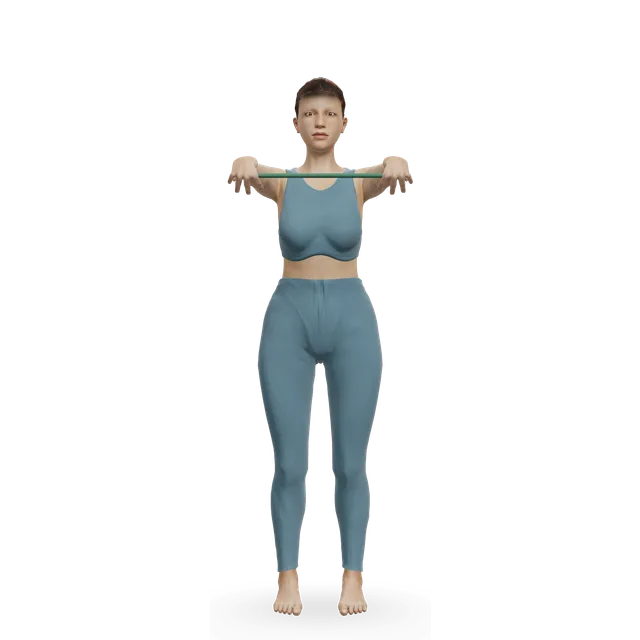
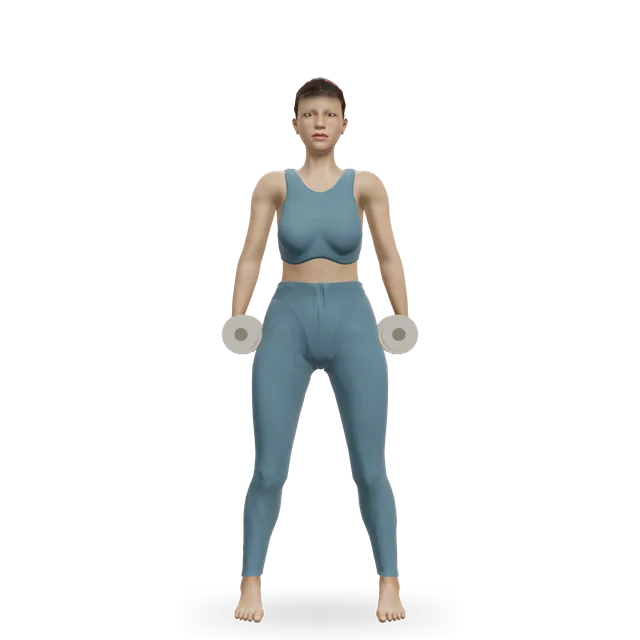
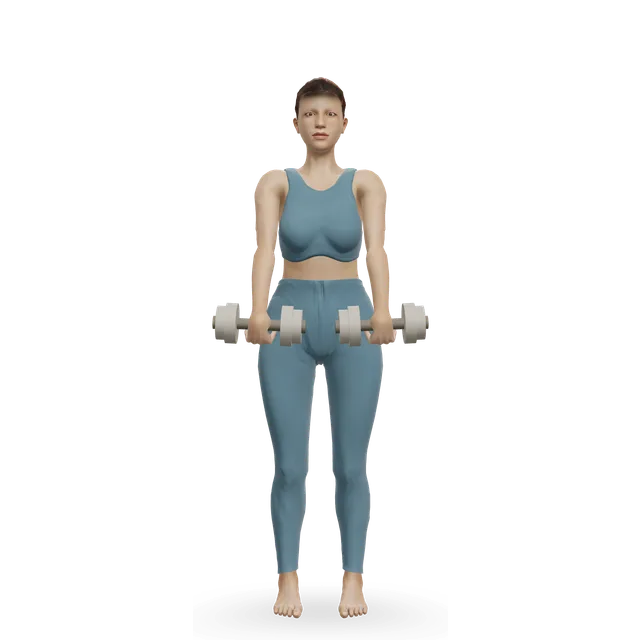
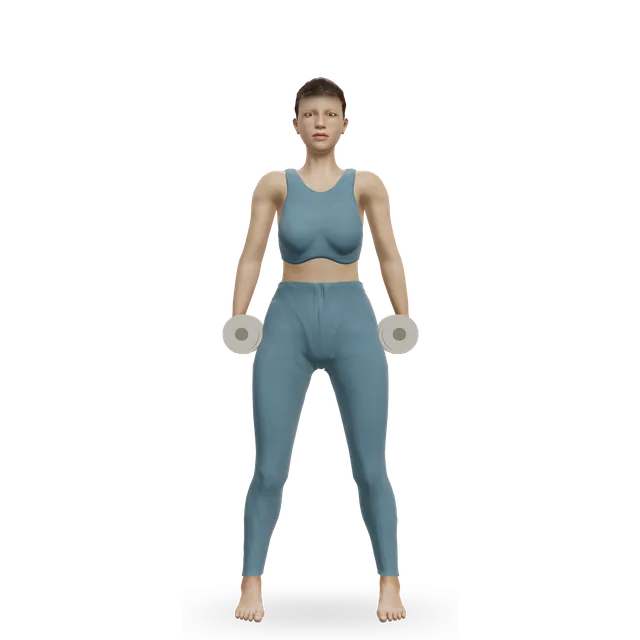
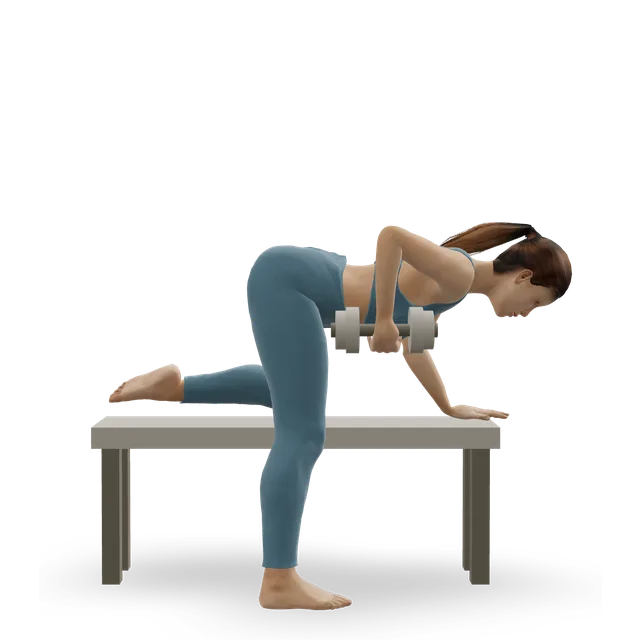
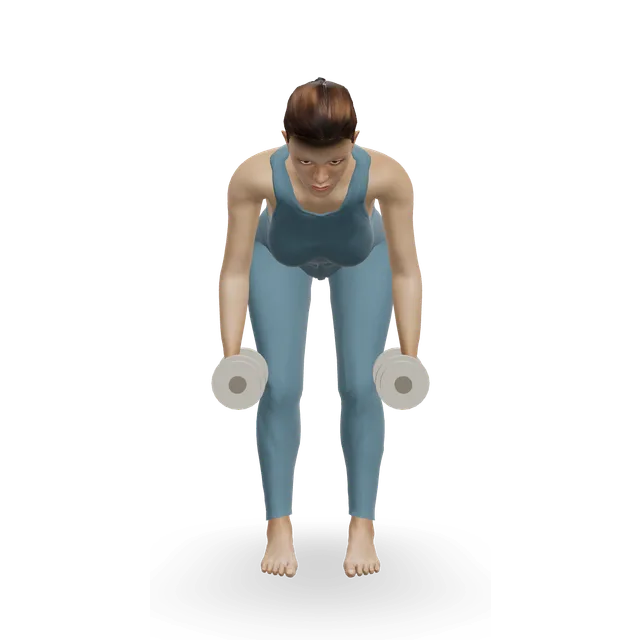
The exercises were lateral raises, upright rows, shrugs, one-arm rows and reverse flys. In a measurement study of women with chronic neck muscle pain, lateral raises and upright rows worked the trapezius hard with only 3 to 10 kg.
Two minutes a day lowered neck and shoulder painEmerging evidence
198 workers with frequent neck and shoulder pain were randomised to elastic-tubing resistance training for 2 or 12 minutes a day, 5 days a week, or weekly health information. At 10 weeks, pain had fallen by 1.4 points (2 minutes) and 1.9 points (12 minutes) out of 10 compared with the information group, and tenderness fell too.
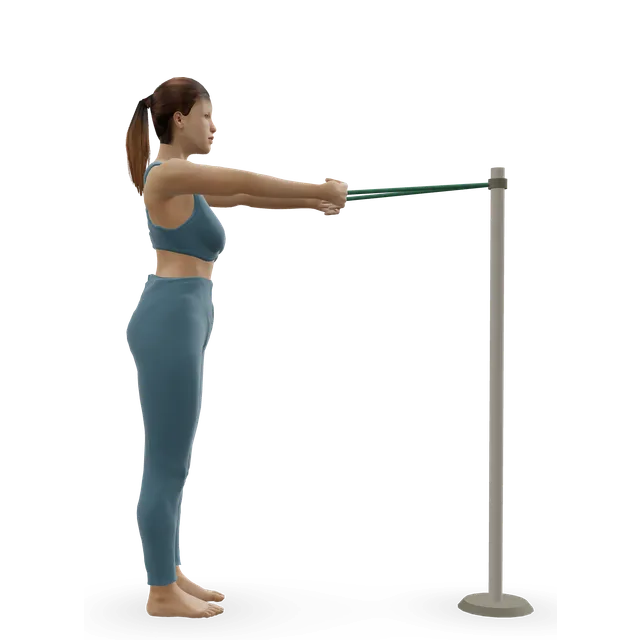
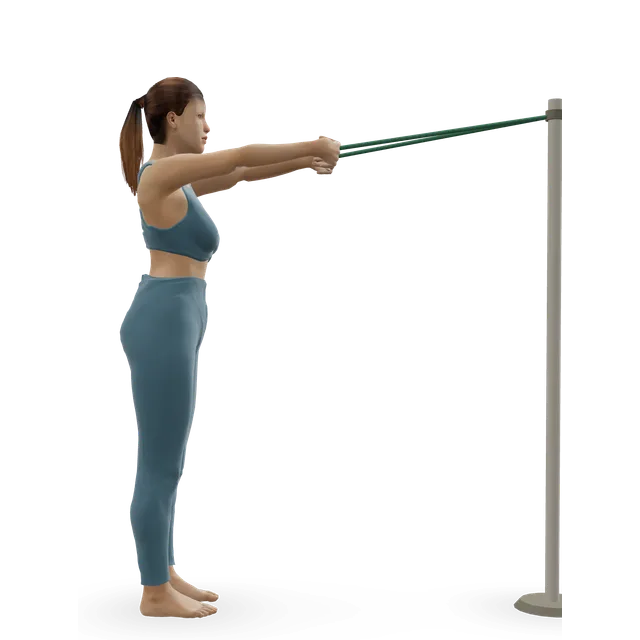
The trial summary read for this guide does not say which exercise was used. The band lateral raise below is this site's choice, because lateral raises were among the most trapezius-active exercises in the measurement study.
A year of neck training reduced pain and disabilityEmerging evidence
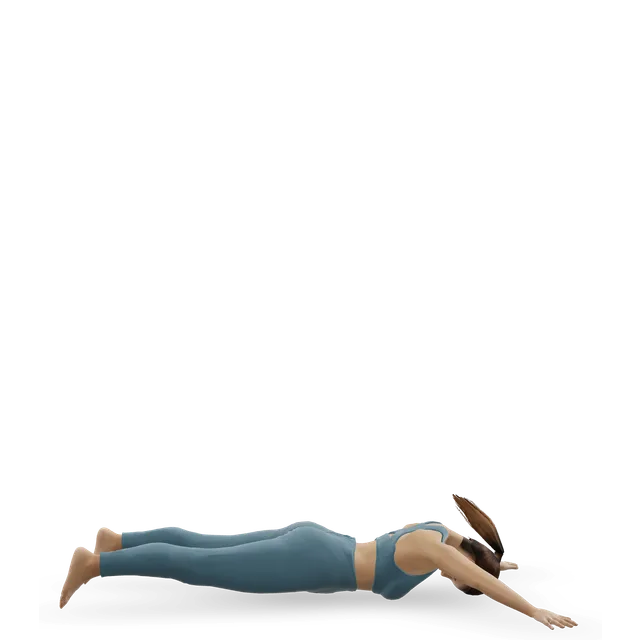
In 180 women office workers with chronic neck pain, 12 months of high-intensity isometric neck strengthening with an elastic band, or lighter endurance training lifting the head from lying on the back and front, both with dumbbell shoulder and arm exercises, reduced pain and disability compared with a control group. All three groups were advised to do aerobic and stretching exercise three times a week, so the trial compared neck training with that advice alone.
Cochrane rates the evidence for strengthening as moderate quality. For workers with persistent neck and shoulder pain, one guideline supports high-intensity strength training, supervised and on your own, or advice alone.
Stretching helps a little, as part of a routineMixed evidence
96 office workers with neck pain for at least 3 months all got an ergonomics leaflet. Those who also did neck and shoulder stretches twice a day, 5 days a week for 4 weeks had 1.4 points more pain relief on a 10-point scale, and those who stretched at least 3 times a week improved more. But Cochrane found low-quality evidence that stretching alone may not change pain or function.
Deep neck flexor training improves control, not proven to beat other exerciseEmerging evidence
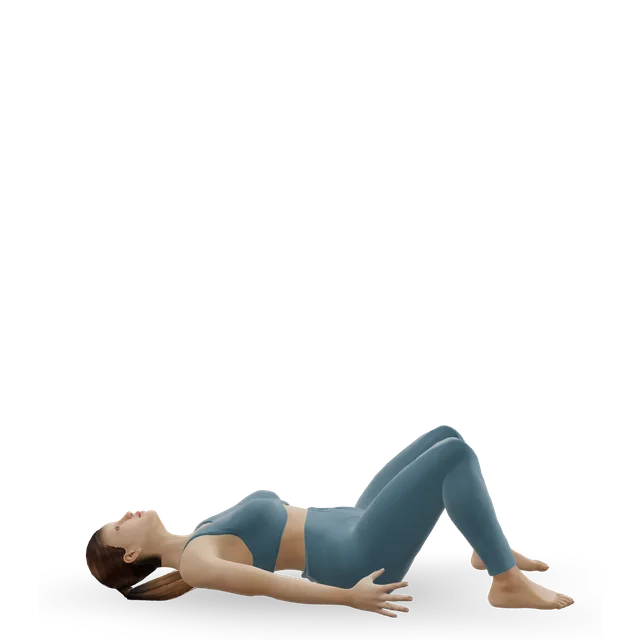
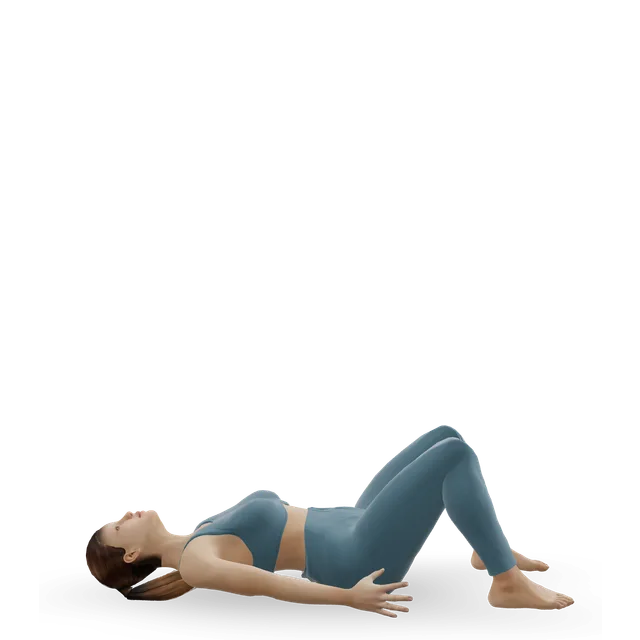
Six weeks of craniocervical flexion training (the lying chin tuck) improved people's ability to keep an upright neck during a 10-minute computer task, and a review found deep neck flexor training improved head and neck posture measures. That is a change in muscle control: it has not been shown to beat other exercise for pain.
The 5 out of 10 rule, and the arm-symptom exception
NHS inform's neck exercise advice: rate your pain from 0 to 10. During exercise, 0 to 3 is minimal and 4 to 5 is acceptable; 6 or more is too much. If it goes higher, do fewer repetitions, move more slowly or rest longer between movements.
Exercise should not make your neck worse overall. Soreness from a new exercise should ease quickly, and your neck should be no worse the next morning. Stop any exercise that makes your symptoms worse or causes new pain.
Arm symptoms are the exception. If an exercise sends pain, tingling or numbness further down your arm, or the extra symptoms last more than an hour afterwards, make the movement smaller or leave it out. (A hospital leaflet on nerve glides allows a short-lived rise in symptoms but not one lasting over an hour; the rest of this rule is this site's suggestion.)
Stop and get checked for dizziness, double vision, slurred speech, trouble swallowing or any of the warning signs above.
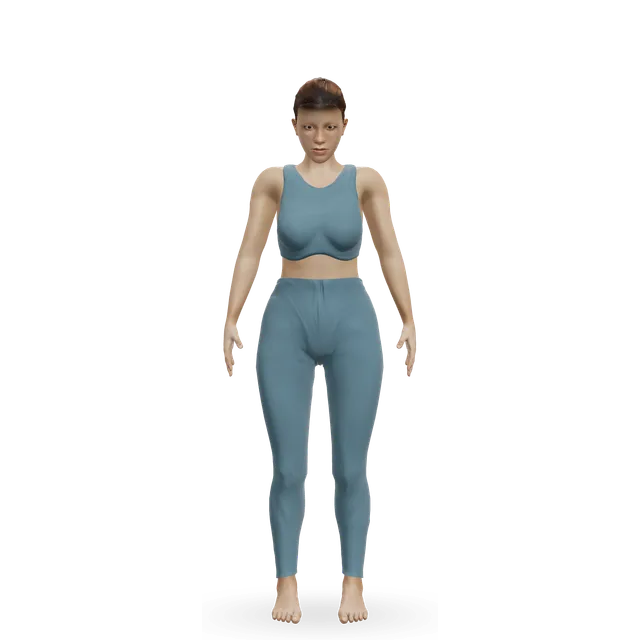
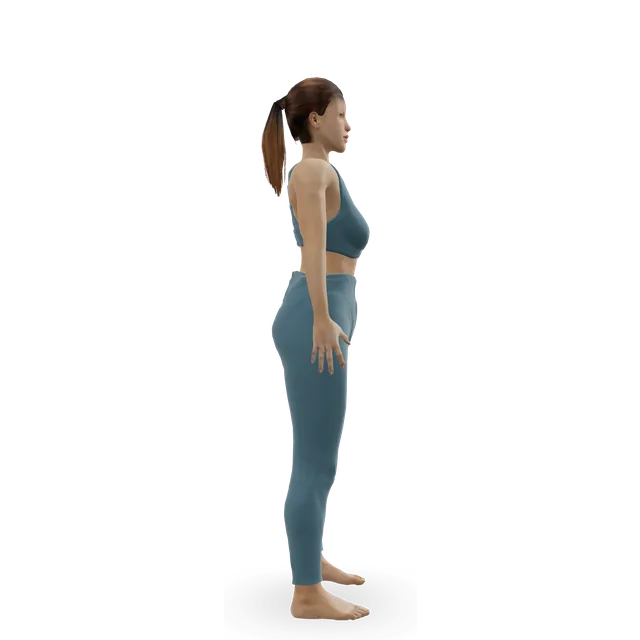
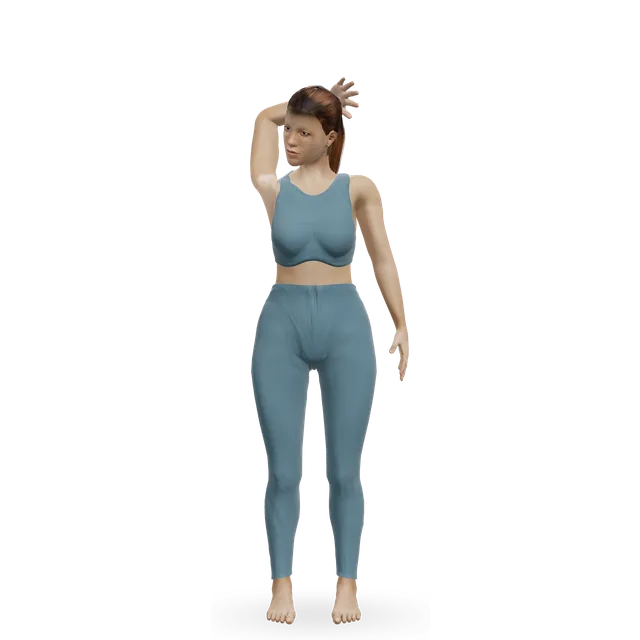
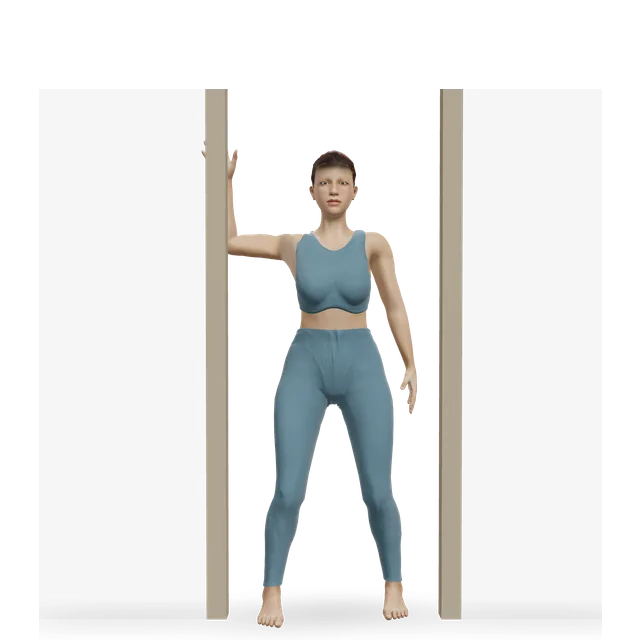
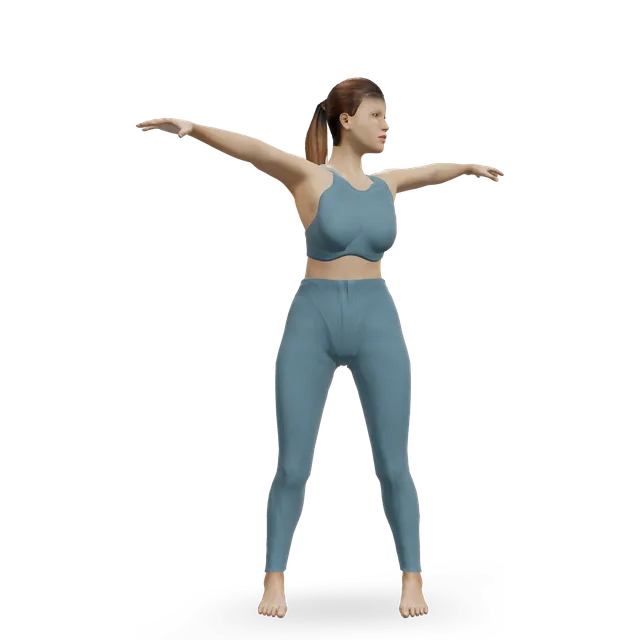
Start at the first stage. Each move opens a full guide with a 3D demo.
Stage 1
Settle: break up the day
Weeks 0 to 2. A few movements every hour while you work, and the stretches twice a day, 5 days a week, the frequency used in the office-worker stretching trial. The hold times and repetitions are editorial starting points.
Move on when: Your neck feels easier through the working day.
Follow along: a timer, a cue and the next move, one step at a time.
Stage 2
Build: the 2-minute daily routine
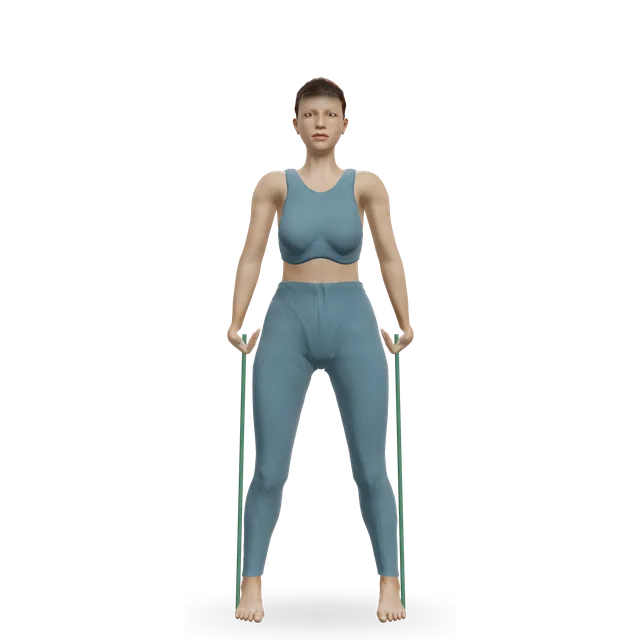
Weeks 2 to 6. The band lateral raise, 2 minutes a day, 5 days a week, is the dose from the Andersen 2011 trial; the exercise choice and the other doses are editorial.
Move on when: The band feels easy for the full 2 minutes: use a stronger band, or move on to stage 3.
Follow along: a timer, a cue and the next move, one step at a time.
Stage 3
Strengthen: the trapezius-trial programme
From about week 6, two or three days a week. The first five are the exercises from the 10-week trapezius-pain trial; the sets and reps are editorial. Start light: in that trial's population the lateral raise worked the trapezius hard with 3 to 10 kg.
Deep neck flexor training improved people's ability to hold an upright neck during computer work, and posture measures in a review. That is a change in muscle control. No trial shows exercises reshape the spine, and changing posture has not been shown to be what relieves pain.
Do chin tucks get rid of a neck hump?
No trial shows that exercises reshape the spine or remove a hump. Chin tucks are a reasonable exercise for neck pain and neck muscle control, not a cure for appearance.
Is my phone ruining my neck?
The evidence does not show that. In 150 young adults aged 18 to 21, neck posture while texting was not linked to neck pain, and studies found no link between forward head posture and neck pain in adolescents. Long, unbroken spells in one position can make a sore neck ache, so take breaks and move.
How often should I take breaks?
NHS inform suggests moving your neck for short periods every hour. Low task variation was one of the few risk factors for neck pain in office-worker studies, so change what you are doing as well.
Do stretches help tech neck?
A little, as part of a routine. Office workers who stretched twice a day for 4 weeks had more pain relief than those given only an ergonomics leaflet, but stretching alone has weaker evidence than strengthening. The 2-minute band routine is the better bet.
Exercise education, not a diagnosis or treatment plan. It is written from the guidelines and studies listed above; review by a clinician is pending. If your pain follows an injury, is severe, is getting worse, or comes with any warning sign listed on this page, get it assessed. Health disclaimer.