Leg pain: exercises that help, and when to get it checked
Most leg pain is not serious. An NHS physiotherapy leaflet says most new leg pain improves within 6 to 8 weeks and that scans are not usually needed. That reassurance holds once the warning signs below have been ruled out, so read them first.
Then find where it hurts. If it points to a clear problem, such as sciatica, shin splints, the Achilles, a calf or hamstring strain, heel pain or cramps, go to that guide: each has a plan and a pain rule matched to the tissue. For ordinary aches with no clear cause, follow the plan on this page from stage 1.
Exercise is for pain that has been checked or is clearly mild and settling.
Get urgent medical help if
Call 999: calf or leg pain or swelling with breathlessness or chest pain. It could be a clot that has reached the lungs. Do not drive yourself to A&E.
Call 999 or go to A&E: a leg that is suddenly cold, pale, numb, weak or very painful. A sudden loss of blood supply to a leg is a vascular emergency.
Go to A&E: sudden swelling, redness, heat and pain in the calf; severe pain after an injury, which can mean a broken bone; or you cannot put any weight on the leg.
Call 999 or go to A&E: leg pain with numbness around the genitals or bottom, new trouble starting or controlling peeing, not knowing when you need to poo or losing control of it, sciatica in both legs, or weakness or numbness in both legs that is severe or getting worse. These can be signs of cauda equina syndrome, which needs treating in hospital as soon as possible.
Go to A&E: after an injury, pain far worse than the injury seems to explain, a tight, full-feeling muscle, pain that gets worse when the muscle is stretched, and tingling or burning. These are signs of acute compartment syndrome, a medical emergency.
Same day: a sudden snap, or a feeling of being hit in the back of the lower leg, then walking flat-footed and being unable to push off or stand on tiptoe. This can be an Achilles tendon rupture.
Same day (GP or NHS 111): throbbing pain and swelling in one leg, usually the calf or thigh, with red, blue or darkened skin or swollen veins. This can be a deep vein thrombosis (DVT). It is more likely after surgery, a hospital stay, 3 or more days in bed, a journey of over 4 hours, pregnancy or a recent birth, cancer, a previous clot, or oestrogen-containing contraception or HRT.
Same day (GP or NHS 111): burning leg or foot pain that carries on at rest, pale skin, wounds on the feet or legs that do not heal, or toes that go cold, numb, then red or black.
Same day: leg weakness that is getting worse; new leg pain with a history of cancer, HIV, TB or inflammatory arthritis; or leg pain with a fever, feeling unwell, loss of appetite, unexplained weight loss or night sweats.
See a doctor or physiotherapist if
Pain that comes on when you walk a set distance and goes after a few minutes' rest, especially if you smoke or have diabetes. Exercise treats it well, but it needs a diagnosis first.
Pain in one spot on the shin or a foot bone that you can point to with a fingertip, worse with impact and later present at rest or at night: a possible stress fracture.
Pain that is not improving after a few weeks, is getting worse, or is stopping your normal activities.
Where does it hurt?
Location narrows the likely causes; it does not diagnose.
A possible deep vein thrombosis (DVT). Get a same-day check rather than exercising it.
Calf or thigh when walking, easing with rest
Narrowed leg arteries (claudication), or, if sitting or bending forward eases it, narrowing in the lower spine (lumbar spinal stenosis). Both need a diagnosis; both are treated first with exercise.
Usually in the evening or at night: restless legs syndrome (see below).
Heavy, aching legs with bulging veins
Worse after standing and eased by raising the legs: varicose veins (see below).
Understand it
Most leg pain settles within weeksStrong evidence
An NHS physiotherapy service tells patients that leg pain is rarely caused by anything serious, that most new leg pain improves within 6 to 8 weeks, and that scans are not usually needed. Its advice is to do a bit less for a short time, but not to rest completely.
Claudication is a painful ache in the legs when you walk, which usually goes after a few minutes' rest. It comes from narrowed arteries, and smoking, diabetes and heart risk need medical care alongside exercise.
Lumbar spinal stenosis causes aching or cramping in the buttocks, thighs or calves with standing and walking, eased by sitting or bending forward. Telling the two apart at home is unreliable: narrowed arteries can cause leg symptoms like stenosis, so get it assessed.
Both are treated first with exercise, but with opposite pain rules. For claudication, NICE suggests about 2 hours of supervised exercise a week for 3 months and encourages exercising to the point of maximal pain. For stenosis, exercise such as progressive cycling, an adjusted walking program and stretching is first-line, with short pauses as needed. Neither rule applies to the muscle and tendon pain on the rest of this page.
Restless legs syndrome is an urge to move the legs at rest, usually in the evening or at night, sometimes with tingling or throbbing. NHS self-help advice is exercise during the day, a regular sleep routine, less caffeine and alcohol, and, when symptoms start, walking, stretching or massaging your legs.
In one small trial (23 people completed it), 12 weeks of aerobic and lower-body strength training 3 days a week improved symptoms. See a GP if it stops you sleeping: iron deficiency, pregnancy, kidney disease and some medicines are linked with it. Walking, calf raises and calf and hamstring stretches from the plan below are a reasonable daytime habit.
Heavy, aching legs and varicose veinsMixed evidence
Varicose veins can cause pain, aching or a feeling of heaviness, worse after standing and eased by raising the legs. The NHS advises raising your legs, exercising regularly, such as walking, to improve blood flow, and avoiding standing or sitting for long periods. NICE advises light to moderate physical activity.
Evidence that exercise changes vein disease is very low quality: a Cochrane review found only 2 small trials. Walking and calf raises are sensible, low-risk habits. A bleeding vein needs urgent help; skin changes, hard painful veins or a leg ulcer that has not healed in 2 weeks need a GP.
Keep moving: do a bit less, not nothingEmerging evidence
For leg pain without warning signs, the NHS leaflet advises doing a bit less for a short time rather than resting completely: short walks, heat, staying at work and gentle exercises. As a rule for all leg pain this rests on clinical advice more than trials.
For sciatica and Achilles tendinopathy it is guideline-level advice: the NHS says that even if moving hurts, it is not harmful, NICE encourages people with sciatica to keep up normal activities, and the Achilles guideline says complete rest is not indicated.
Tendons respond to loading; heel pain to stretching and strengthStrong evidence
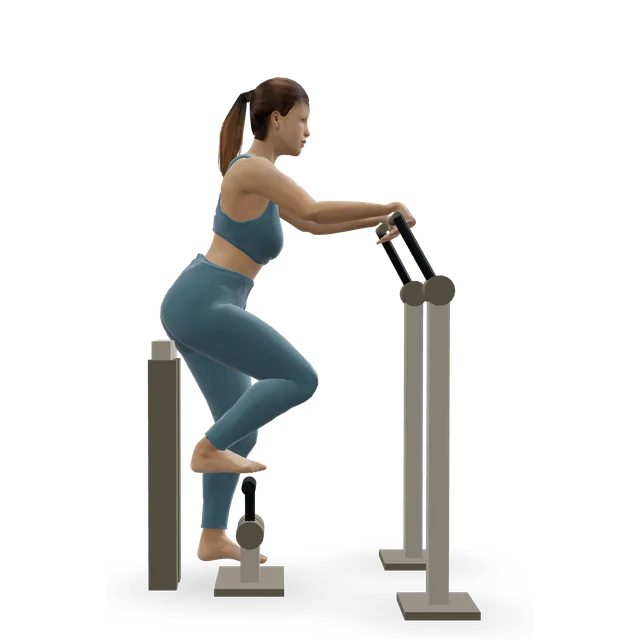
The 2024 Achilles guideline makes calf loading, as heavy as you can tolerate, the first-line treatment, and exercise beat wait-and-see by about 20 points on a 100-point Achilles score at 3 months. The 2023 heel pain guideline gives its top grade to plantar fascia and calf stretching, and recommends strengthening the foot and ankle a grade lower.
Shin splints: no single exercise is provenMixed evidence
A systematic review found no shin splints treatment free enough of bias to recommend. In a trial of 74 athletes, a graded running program did as well on its own as with added calf exercises or a compression stocking. A gradual return to running is the backbone.
Walking pain from narrowed arteries: exercise is first-lineStrong evidence
NICE says to offer a supervised exercise program to everyone with claudication. A Cochrane review found high-quality evidence that exercise programs increase pain-free walking distance, by about 82 metres on average, and maximum walking distance, by about 120 metres. They did not change the ankle blood pressure test, and there was no evidence of an effect on amputation or death.
Mild discomfort is fine; sharp or building pain is not
This site's default for ordinary leg aches: mild discomfort during exercise is acceptable if it settles within a day and the trend over the weeks is improving. Sharp pain, pain that keeps building, or pain at night means stop and get it checked.
Each tissue has its own rule, given in its guide. Tendons tolerate a little more (in an Achilles trial, up to 5 out of 10). Nerve glides should feel like a pull, not pain. A suspected stress fracture should not be pushed through pain at all.
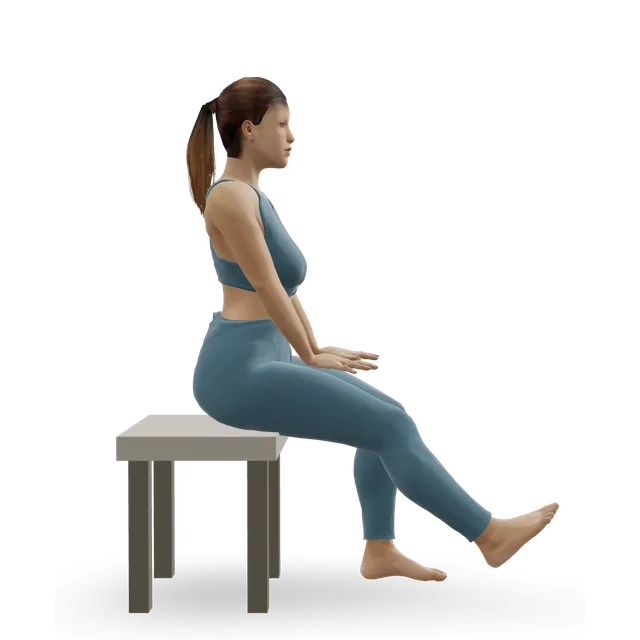
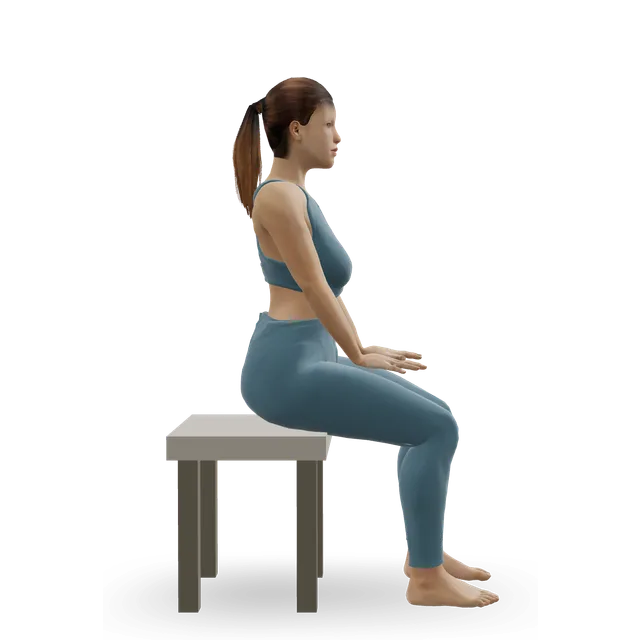
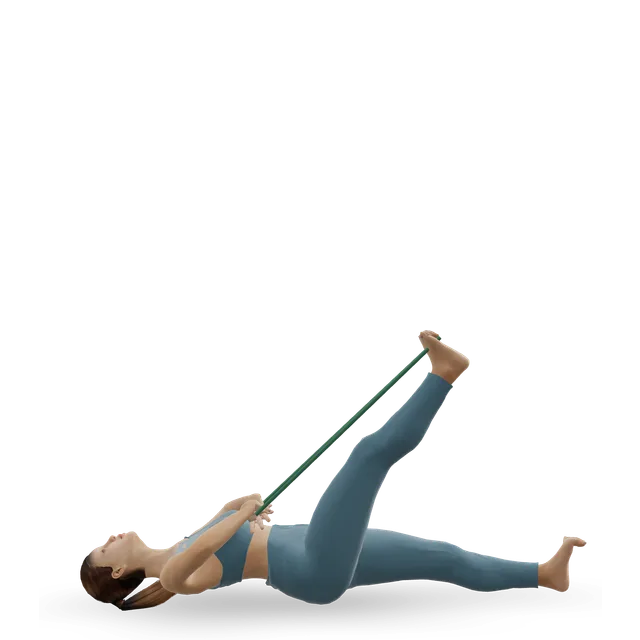
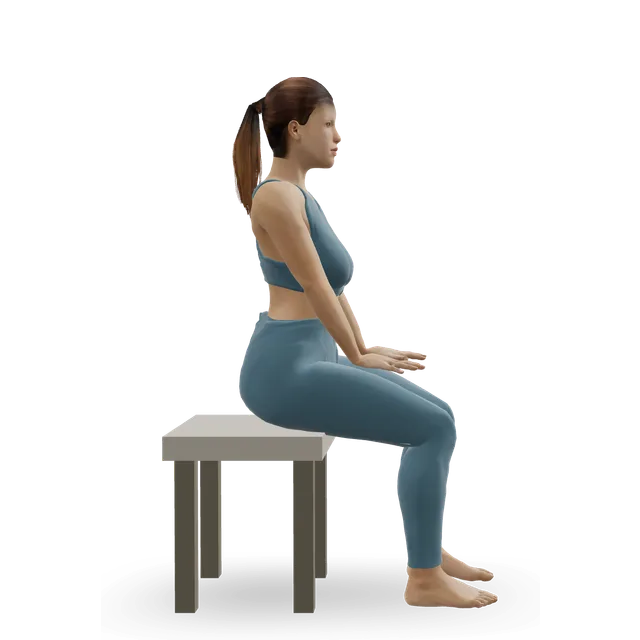
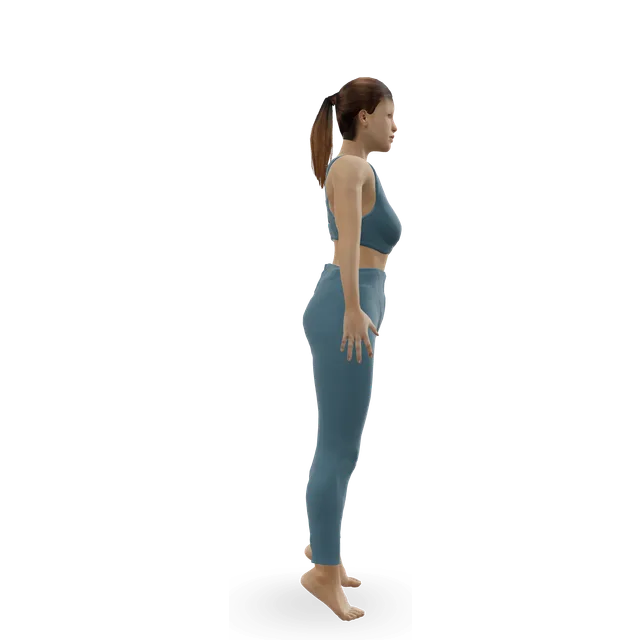
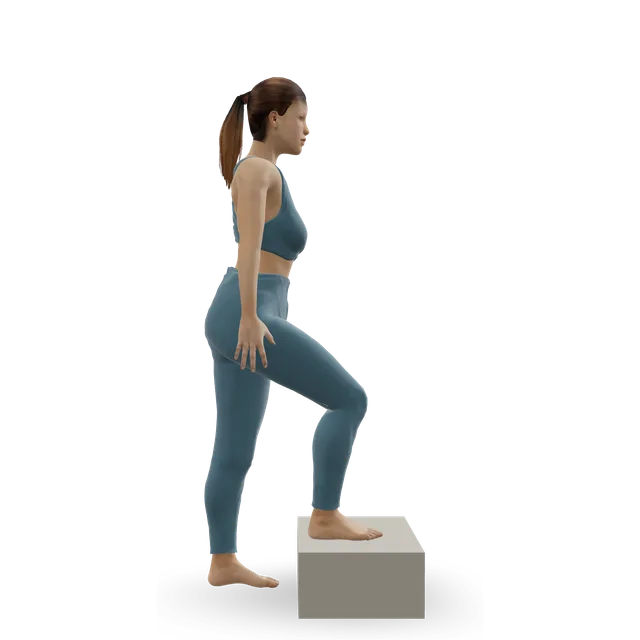
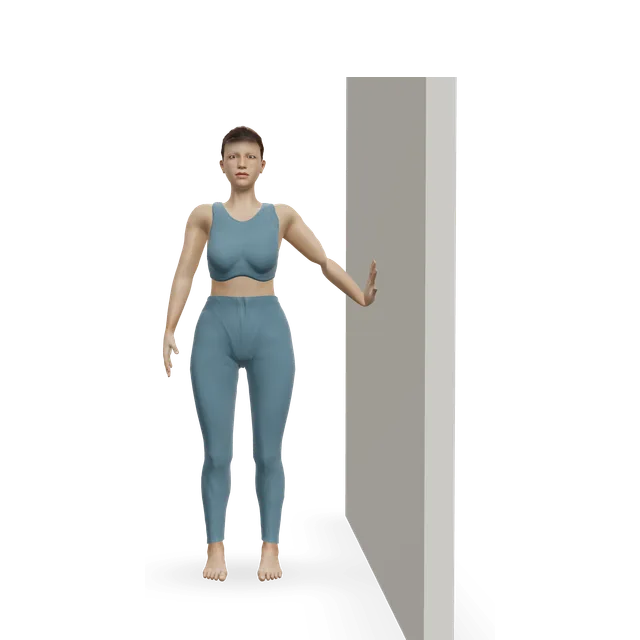
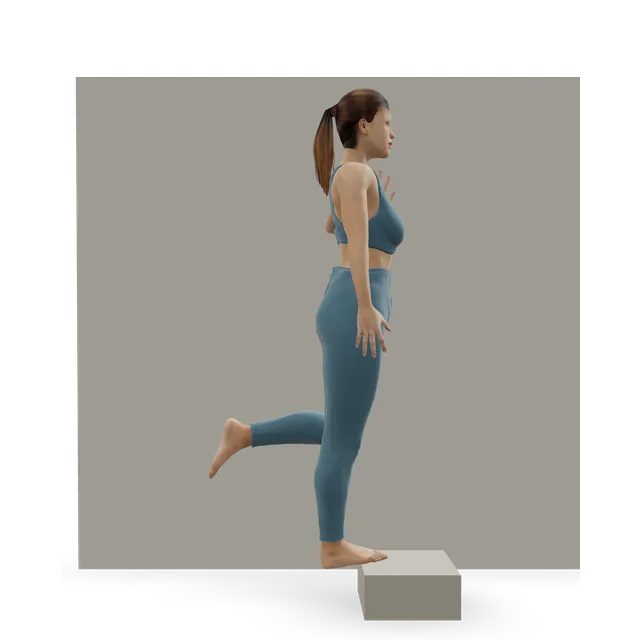
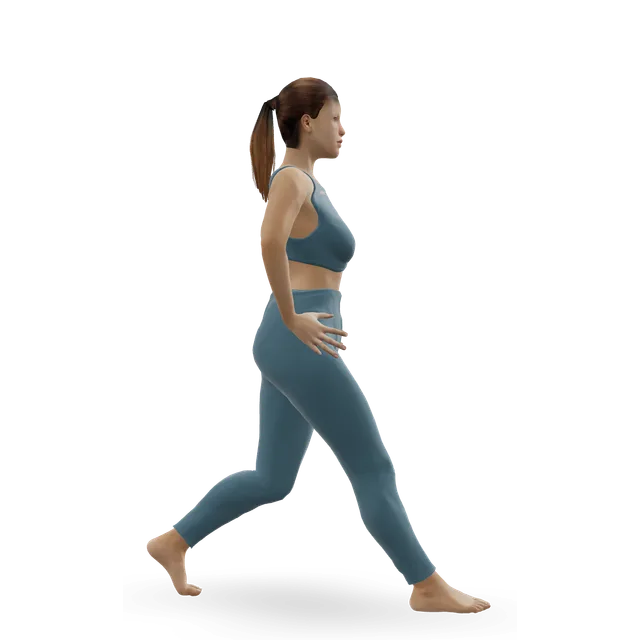
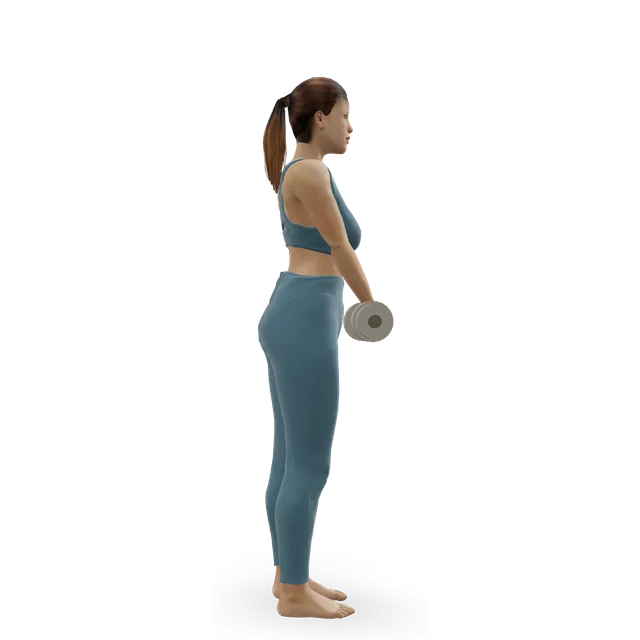
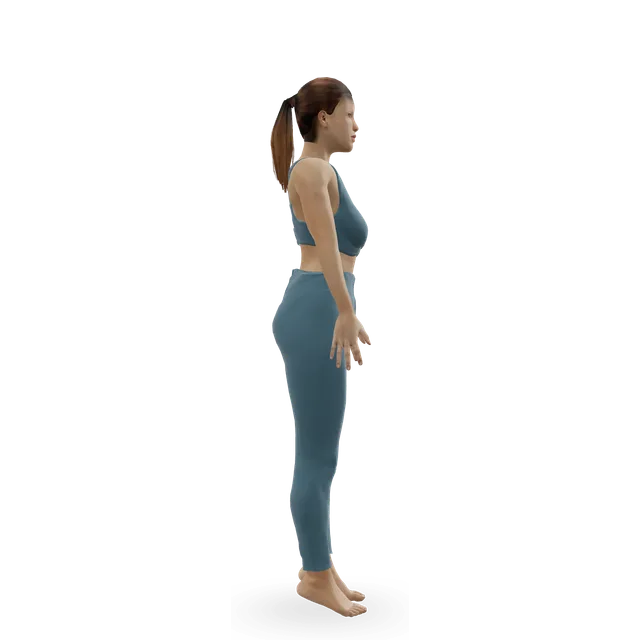
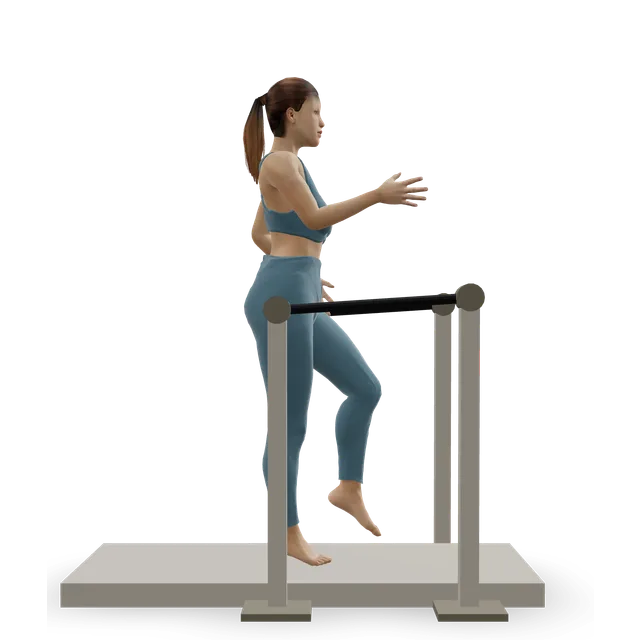
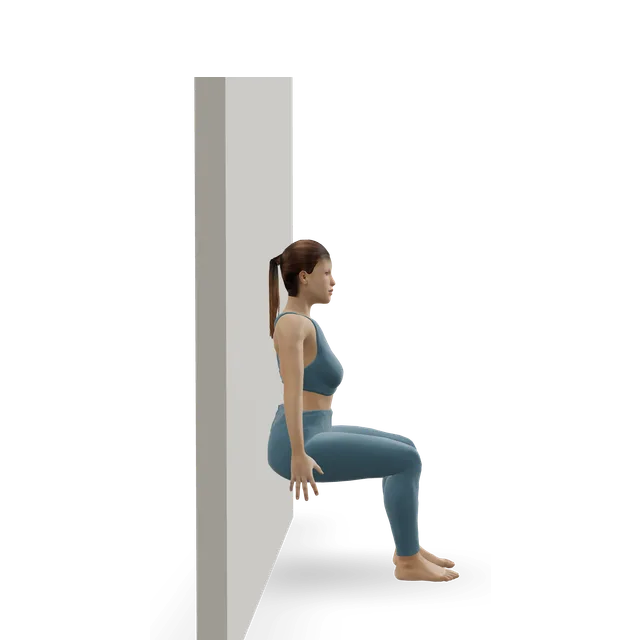
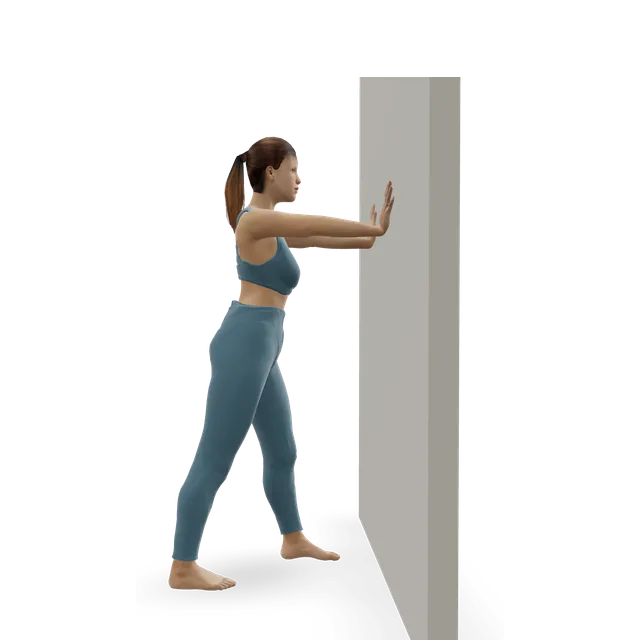
Start at the first stage. Each move opens a full guide with a 3D demo.
Stage 1
Settle: keep the leg moving
The first days to 2 weeks. Keep blood moving and use the leg without flaring it. The NHS advises getting up and moving every hour or so when you sit for long spells.
Move on when: Hopping and your usual activity feel normal. Add running time before speed.
Follow along: a timer, a cue and the next move, one step at a time.
What to change for now
What to ease off for now
Cut back the activity that brings the pain on, such as distance, speed, hills or jumping, for a short time, and keep walking and gentle exercise going.
Break up long spells of sitting. The NHS advises getting up and moving every hour or so to help prevent clots, especially on journeys of over 4 hours.
If you can point to the sore spot on a bone with a fingertip, or it hurts at night or with every step, stop the impact activity and get it checked. Health New Zealand's advice for stress fractures is plain: do not keep pushing through the pain.
When it comes with a warning sign: one swollen, warm or discoloured calf, breathlessness or chest pain, a suddenly cold and pale leg, numbness around the genitals or bottom, or a change in bladder or bowel control. These need urgent help. The full list is at the top of this page.
Is it a blood clot or a pulled muscle?
A strain usually starts during activity and is tender in one spot. A clot tends to bring swelling in one leg, throbbing pain and a change in skin colour. They can feel alike, so if in doubt get a same-day check.
Should I rest or exercise leg pain?
Usually keep moving and do a bit less for a short time; complete rest is rarely the answer. The exception is bone pain: if you suspect a stress fracture, stop the impact activity and get it checked.
What are the best exercises for leg pain at home?
Walking, calf raises, bridges, sit-to-stands and step-ups, built up gradually, as in the plan above. For a specific problem, the condition guides give a plan and a pain rule matched to it.
How long does leg pain last?
Most new leg pain improves within 6 to 8 weeks. Sciatica usually settles in a few weeks to a few months; Achilles tendinopathy often takes months, sometimes up to a year.
Why do my legs hurt when I walk but not when I sit?
Usually narrowed leg arteries (claudication) or narrowing in the lower spine (spinal stenosis); stenosis tends to ease when you sit or bend forward. Both are treated first with exercise, after a diagnosis, so see a GP.
Do I need a scan for leg pain?
Usually not. Most leg pain is diagnosed from your history and an examination. Scans are for when something does not fit, such as a suspected stress fracture.
Exercise education, not a diagnosis or treatment plan. It is written from the guidelines and studies listed above; review by a clinician is pending. If your pain follows an injury, is severe, is getting worse, or comes with any warning sign listed on this page, get it assessed. Health disclaimer.