Glute kickback (quadruped hip extension)
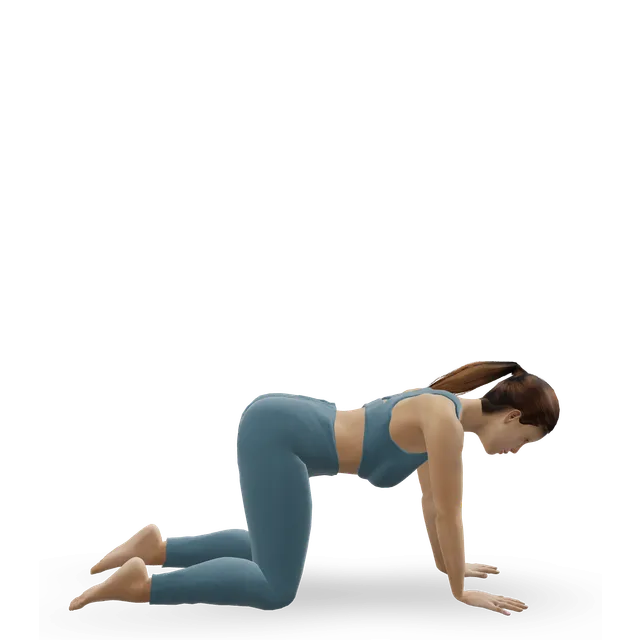
On all fours, one bent knee drives the heel up until the thigh is level with the back: in EMG studies the gluteus maximus works between the two-leg and the one-leg bridge.
Bridge family
Glute kickback (quadruped hip extension)
Loading the 3D figure…
Source-researched guide.
How to move
- Start on all fours with a flat back.
- Keeping the knee bent at a right angle, drive the heel up until the thigh is level with the back.
- Lower without letting the back arch; then the other leg.
Form cues
- Stop the thigh at back level.
- Keep the hips square to the floor.
Practice and cautions
No universal dose is assigned. Choose a manageable amount for your current capacity, leave room for controlled repetitions, and allow recovery. A clinician’s individual plan takes priority.
The cheat is arching the lower back to fake extra height; brace lightly, keep the trunk still and lift only as far as the hip allows. Once sets feel easy add a band or ankle weight, because bodyweight alone stops being training fairly quickly. This is movement education, not an assessment or treatment prescription. Stop for sharp or increasing pain, dizziness, numbness or tingling; seek individual guidance for symptoms, injury or restrictions.
Sources and review status
Sources support the educational description; they do not establish that this exercise is suitable for you.
- Boren 2011 · Gluteus medius and maximus in rehabilitation exercises (the quadruped hip extension level with the single-leg bridge) ↗
- Macadam & Feser 2019 · Gluteus maximus activity in bodyweight hip extension: a systematic review (the kickback between the two- and one-leg bridges) ↗
- Free Exercise DB · alias and muscle metadata ↗
Unlicense · Free Exercise DB contributors; derived from wrkout/exercises.json. Text import; no photographs or media. · Revision f00c92c7dcf1216a928a52c3706c7ce8e2f71ed5
No variation is labeled clinically validated.
What it works
Equipment
None: body weight and floor space.
Level
Beginner. See the easier and harder options above.
Workouts that use it
- Glute workout at home · 25 min
- Barre strength workout: heavier lifts, pliés, pulses and holds, seat, arms and core · 45 min
- Pilates glute workout: a 25-minute mat class (with a band if you have one) · 25 min
- Glute session B: hinges, step-ups and standing band work · 20 min
- Ankle weight leg workout: knees, hips and glutes at home · 25 min
Guides that use it
Similar moves
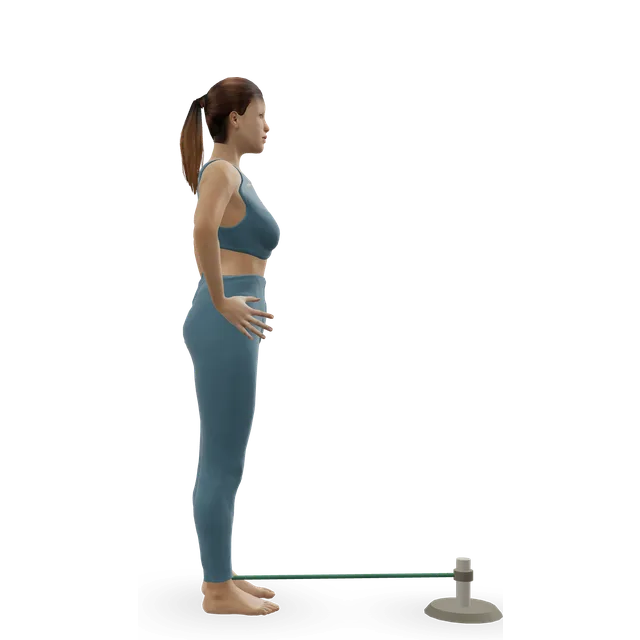 3D demoStanding band hip extensionBeginner · A band + An anchor point
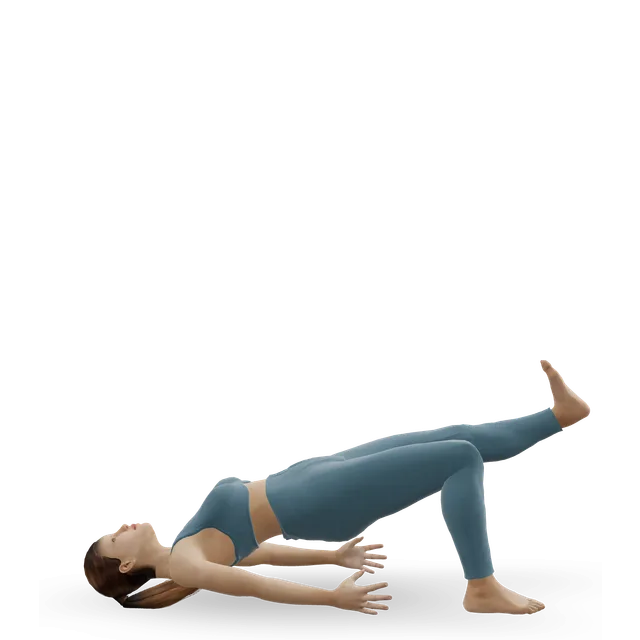 3D demoSingle-leg glute bridgeIntermediate · No equipment
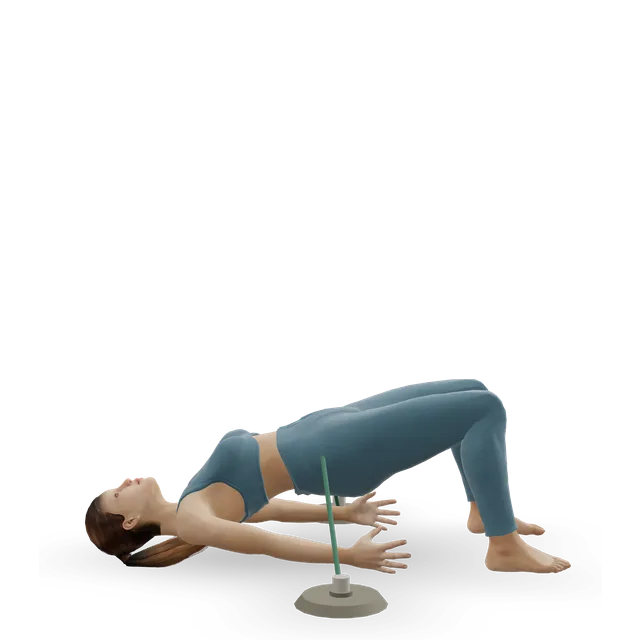 3D demoBand-resisted glute bridgeBeginner · A band + An anchor point
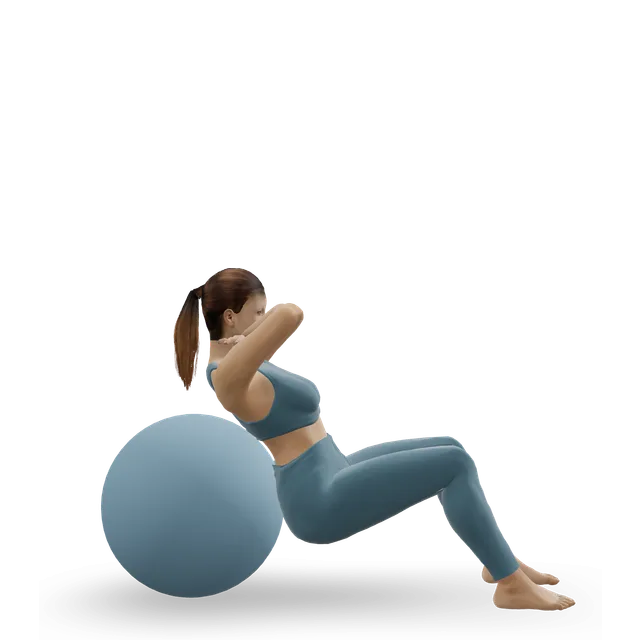 3D demoStability ball hip bridgeBeginner · Exercise ball
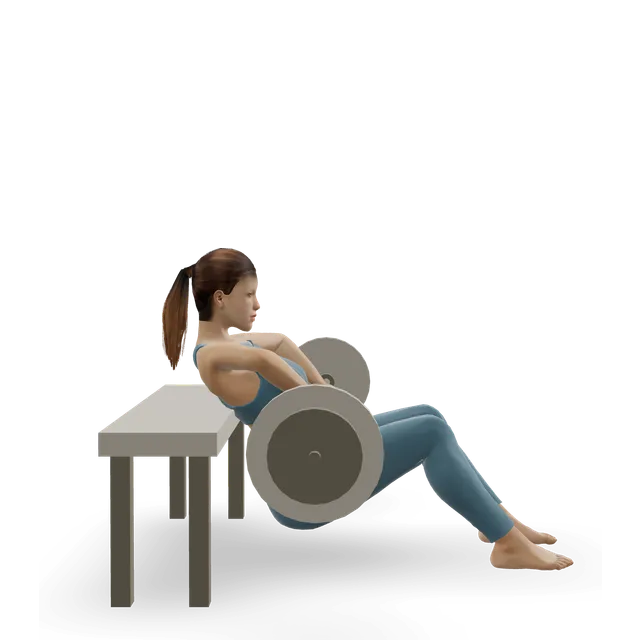 3D demoBarbell hip thrustIntermediate · A barbell + A bench or box
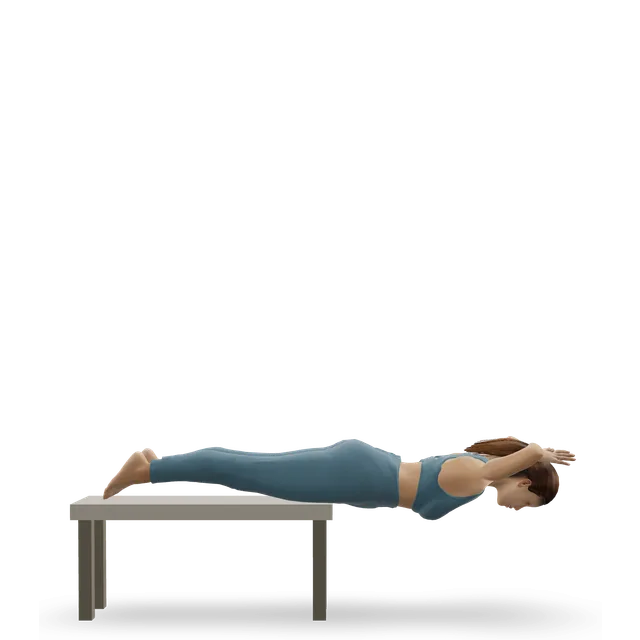 3D demoBack extension off a flat benchIntermediate · A bench or box
Browse more
Questions people ask
What muscles does the Glute kickback (quadruped hip extension) work?
Mainly the glutes, with help from the hamstrings.
What equipment do I need for the Glute kickback (quadruped hip extension)?
No equipment: your body weight and a little floor space.
Is the Glute kickback (quadruped hip extension) good for beginners?
It is graded beginner, so it suits most people starting out. When it feels easy, try the Standing cable glute kickback.
What is an easier alternative to the Glute kickback (quadruped hip extension)?
Try the Glute bridge or the Staggered-stance bridge (offset bridge). Both are written steps in the same progression.
How do I make the Glute kickback (quadruped hip extension) harder?
Progress to the Standing cable glute kickback or the Back extension on a 45-degree bench. Follow that guide’s technique and any stated timing.