Sport

Exercises for horse riders: core, hips, back pain, falls, riding hats and concussion

Riding is moderate exercise that asks a lot of your trunk and hips: a riding lesson averaged about 5 metabolic equivalents (METs), and your body has to absorb the horse's movement while your head stays steady. Back pain is common in riders, and in young riders, weaker trunk endurance went with it. Shorter stirrups and a rising trot reduced the jolts through the spine.

The serious risks come from falls, from a height of about 2.7 metres at up to 40 mph, and from kicks and crushes on the ground. Riding hats prevent skull fractures and serious brain injuries but not all concussions, and body protectors and air jackets have firm rules but mixed evidence. This guide covers hats, body protectors, falls, roads and the concussion rules in British equestrian sport, with a 10-minute warm-up and a strength workout for riders, each with a 3D demo of every move.

The short version

Moderate exercise, from a height

A 45-minute riding lesson averaged 5.0 to 5.3 METs, about half of riders' aerobic capacity, and the Compendium of Physical Activities gives trotting 5.8, cantering 7.3 and jumping 9.0. A review puts the rider's head about 2.7 metres off the ground, at speeds up to 40 mph.

Sources 1, 2, 3

Injuries are often serious

In British Columbia, riding led to 0.49 hospital admissions per 1,000 hours and one death per 10,000 riders a year, mostly from head injuries. In Swedish eventing, novices had more injuries than qualified riders.

Sources 4, 5

Hats prevent serious head injuries, not all concussions

Riders without hats had about 9 times the odds of bleeding in or around the brain. But of head injuries in riders whose hats were returned after falls, 91% were concussions, and many of those hats were undamaged.

Sources 6, 7

Body protectors and air jackets: firm rules, mixed evidence

A Level 3 body protector is compulsory for cross-country in British Eventing and the Pony Club, and an air jacket goes over it, not instead of it. Air jackets haven't been shown to reduce injuries.

Sources 8, 9

Kicks and crushes on the ground

People crushed or kicked by horses had far more injuries to their abdominal organs than riders who fell, and kicks caused 64% of horse-related facial injuries at a UK major trauma centre.

Sources 10, 11

Concussion: off at once

British Equestrian's guidance: if in doubt, sit them out, and riding again not before day 21. British Eventing suspends concussed riders for 21 days. In our reading of the National Health Service's (NHS) list, a head knock in a fall from a horse is a 999 call.

Sources 12, 13, 14

What horse riding asks of your body

Moderate exercise with harder spells

In 16 female recreational riders aged 17 to 54, a 45-minute lesson based on a British Horse Society (BHS) Stage 2 lesson averaged 5.0 METs at walk and trot and 5.3 at trot and canter, and 4.2 for work without stirrups. In 20 riders, walking was about 2 METs and trotting 3.2, but a long trot reached 6.2 at 152 beats a minute and canter about 6. Apprentice jockeys riding six horses a morning cantered for about 30 minutes at an average heart rate of 129, an easy to moderate load.

The Compendium gives riding in general 5.5 METs, walking 3.8, trotting 5.8, cantering or galloping 7.3, jumping 9.0 and grooming and saddling 4.5, all measured values.

Sources 1, 15, 2, 16

Absorbing the horse's movement

In jockeys, the legs absorbed the horse's movement and the trunk and upper body steadied the rest, cutting head movement threefold. In 21 dressage riders, the load through the spine rose from walk to rising trot to canter to sitting trot. In 13 riders, shorter stirrups and the standing phase of rising trot cut the jolts at the base of the spine, the neck and the head, and their strength didn't explain the difference, pointing to technique.

Sources 16, 17, 18

What riders' bodies showEmerging evidence

In 12 junior elite riders, the adductors were 8% to 19% stronger than the abductors, and every show jumper had tight hip flexors. Competitive riders had better core stability than recreational riders, who were better than non-riders. Dressage riders at higher levels were more lopsided in posture, and collegiate female riders' aerobic fitness was below the norms. More experienced jockeys kept their heads steadier. These are associations from small studies.

Sources 19, 20, 21, 22, 23

Height, speed and an animal

Most serious injuries follow a fall or being thrown, at a head height of about 2.7 metres and up to 40 mph. Off the horse, people are kicked, crushed and trodden on: in US emergency data, most people hurt while not riding had been kicked.

Sources 3, 24, 25

What to train (our reading)

Trunk endurance, hip strength and mobility for the seat, leg strength for the jumping position and for mounting, upper back and grip for the yard, balance, and riding technique, which mattered more than strength for the jolts through the spine.

Common injuries

Each study counted injuries its own way, so figures in different lines aren't comparable. The studies come from the UK, Ireland, Scandinavia, North America and Australia.

How often riders get hurtEmerging evidence

The numbers, by group:

  • British Columbia's 33,000 riders: 0.49 hospital admissions per 1,000 hours of riding and 3 deaths a year.
  • Swedish eventers: 0.54 injuries per 1,000 hours of eventing in novices and 0.35 in qualified riders.
  • German show jumpers, recalling their careers: 3.7 injuries per 1,000 hours, 31% to the head.
  • US competitions: 780 injuries per 100,000 athlete-exposures (one rider taking part once), highest in show hunting and jumping and in eventing.
  • US emergency departments: about 103,000 people a year with horse-related injuries, and 11,502 brain injuries a year.
  • New South Wales, Australia: 624 cases of major trauma in 11 years, rising over time.
  • Swedish federation members: about 14 injury claims per 1,000 registered riders at ages 21 to 40, the highest of any age group, with 12% of injuries leaving a permanent impairment.
  • Experienced riders reporting their own concussions: 0.19 per 1,000 hours of riding.
  • Professional jockeys in Britain: 1.8 falls per 1,000 rides on the flat and 46.2 over jumps; Irish point-to-point riders: 134.8 falls per 1,000 rides.

Sources 4, 5, 26, 27, 25, 28, 29, 30, 31, 32

HeadsEmerging evidence

Head injuries were 48% of major horse-related trauma in two hospital series, and 60% of deaths in British Columbia. Concussions were 9.7% to 15% of riding injuries treated in hospital. Jockeys with repeated concussions did worse on thinking tests years later. Our concussion guide covers the graduated return.

Sources 33, 34, 4, 35, 36

SpinesEmerging evidence

In UK spinal units, head injuries outnumbered spinal injuries five to one, but riding brought more injuries to the middle and lower back than to the neck, and jumping was the activity most likely to cause them. Most spinal fractures were where the chest spine meets the lower back, and 22% of patients were left with a lasting disability at work. Older riders had more spinal fractures. We don't have a guide to spinal cord injury; our back pain, spinal compression fracture, neck pain and whiplash guides cover the rest.

Sources 37, 38, 28, 39

Chests and ribsEmerging evidence

The chest was injured in 54% of riders with major trauma in one trauma centre's series, and in New South Wales the chest was the commonest injured area, severely in two-thirds. Being crushed by a horse often broke ribs. Our rib injury guide covers these.

Sources 33, 28, 40

Arms and shouldersEmerging evidence

In Sweden's fracture register, the wrist was the commonest fracture (21%), and about half of US riders' fractures were in the arms. Children's arm fractures usually needed an operation. Our broken collarbone, shoulder dislocation, acromioclavicular (AC) joint, broken wrist, scaphoid fracture and broken elbow guides cover these.

Sources 41, 42, 43

Pelvis, hips, legs and feetEmerging evidence

Of 30 amateur riders referred to Ireland's pelvic trauma centre, 73% had broken the pelvic ring, from falls, crushes, kicks and saddle injuries, and half needed surgery. Children's feet were crushed when the foot stayed in the stirrup under a falling horse. We don't have a guide to pelvic fractures; our hip fracture, broken ankle, broken foot and Lisfranc injury guides cover the rest.

Sources 44, 45, 46

Kicks and crushesEmerging evidence

Kicks caused 22% of horse-related admissions at a Kentucky trauma centre, and 2 of its 3 deaths, from kicks to the head. At a UK major trauma centre, kicks caused 64% of horse-related facial injuries, and two-thirds of those injuries needed an operation. In Scotland, people crushed or kicked had far more injuries to their abdominal organs than riders who fell (22.7% against 0.7%). We don't have a guide to these injuries; the NHS's advice is in the warning signs below.

Sources 24, 11, 10, 40

Low back painEmerging evidence

Across 14 studies, 27.9% to 87.9% of riders had low back pain at any one time. In 347 Portuguese riders, 61.7% had it in a year, more with heavier riding loads, riding as a job and daily stable work. Elite riders had far more back pain than non-riders (88% against 33%), without more wear in their discs on scans. Our back pain guide covers this.

Sources 47, 48, 49, 50

Hips, groins and kneesEmerging evidence

Junior show jumpers all had tight hip flexors, and junior riders' adductors were stronger than their abductors. Our hip flexor pain, groin strain and knee pain guides cover these complaints.

Source 19

Lasting effectsEmerging evidence

After major trauma, 55% of riders had lasting physical problems; 35% of adults admitted to one hospital were still in moderate or severe pain or disability after 6 months; and 41% of children treated in hospital still had a disability 4 years later.

Sources 51, 34, 52

Who's at higher riskEmerging evidence

Associations in the studies:

  • Women and girls: most injuries in every series, and about three times men's risk per member in Swedish insurance data; teenage girls were the largest group in US emergency visits.
  • Ages 40 to 59, for major trauma, and older riders, for spinal and chest fractures.
  • Less experience and no riding qualification, and a risk-taking attitude.
  • Jumping, show hunting and eventing.
  • Riding many different horses; and horses that were competing, fat, on lush grass or rarely exercised, which misbehaved more.
  • For jockeys: apprentices, amateurs and lower race grades.
  • Not wearing a hat.

Sources 28, 29, 53, 39, 45, 5, 27, 54, 55, 56

What prevents injuries

No exercise or education programme has been tested on riding injuries. The best evidence is for riding hats; the rules on hats, body protectors and stirrups are the governing bodies' own, and are set out in the next sections.

Riding hats prevent serious head injuriesStrong evidence

In 20 matched pairs of injured riders, those without hats had about 9 times the odds of bleeding in or around the brain. In children, no hat went with 2.5 times the odds of a brain injury, and hats went with milder brain injuries and shorter hospital stays. A review found hats cut the absolute risk of head injury by 40% to 50%. One rural US series found hats reduced only surface injuries, a reminder that they can't prevent everything. These are observational studies, consistent across countries.

Sources 6, 57, 58, 59, 35, 60

Hats don't prevent all concussionsEmerging evidence

Of 139 head injuries in riders whose hats were returned after falls, 91% were concussions and 4% skull fractures, and 46% of the hats were undamaged, suggesting many are too stiff for the turf or sand they hit. Real concussive falls were angled, softer and longer impacts than the drops onto steel that certification tests use. In one survey, only 12% of riders knew that hats can't prevent concussion.

Sources 7, 61, 62, 63

Replace your hat after a fallEmerging evidence

In laboratory tests, the foam liner of jockey hats was compressed by 5% to 39% after one impact and by 33% to 70% after four, protecting less each time. The Pony Club says hats "must be replaced after a severe impact as subsequent protection will be significantly reduced". Yet 46% of riders in one survey had reused a hat after a hit to the head, and 78% of collegiate riders wouldn't replace one after every fall.

Sources 64, 65, 63, 66

MIPS hasn't been shown to reduce concussionMixed evidence

In 357 collegiate riders, head injuries were as common with hats with a Multi-directional Impact Protection System (MIPS) liner as without. In a laboratory fall onto sand, MIPS hats didn't reduce peak forces on the head, though the impact lasted a little less long. What matters is a hat to a current standard, well fitted and replaced after a fall.

Sources 66, 67

Body protectorsEmerging evidence

The British Equestrian Trade Association (BETA) says its Level 3 body protector "should prevent minor bruising that would have produced stiffness and pain, reduce soft tissue injuries and prevent a limited number of rib fractures". In US Pony Club incident reports, vests in cross-country went with 56% fewer injuries, but not on the flat or in show jumping. In 92 children who fell onto their trunk, vests weren't linked with fewer trunk injuries, in a study too small to be sure. A review found vests weren't linked with fewer spinal cord injuries, though they may protect the chest.

Sources 68, 69, 70, 71, 72

Air jacketsMixed evidence

Air jackets are worn over a Level 3 body protector for cross-country, as the rules require, not instead of one. They haven't been shown to reduce injuries. In 3,305 falls in international eventing, riders in air jackets had about 1.7 times the odds of a serious or fatal injury, an association that may reflect who wears them and how they ride; the researchers couldn't explain it. A review reached the same view. In British Eventing's 2022 falls, 47% of riders who fell wore one.

Sources 9, 73, 74, 75, 8

Stirrups and bootsMixed evidence

The Pony Club says it is "strongly recommended that the design of the stirrup chosen allows the foot to be released easily in the event of a rider fall", with stirrups about 7 mm wider than the boot on each side, and the Highway Code advises boots or shoes with hard soles and heels. A small series of children's feet crushed after staying in the stirrup supports this, but no trial of safety stirrups has been done.

Sources 76, 46, 77

Experience, instruction and the right horseEmerging evidence

A riding qualification and older age went with fewer injuries in Switzerland, qualified eventers were hurt less than novices, and a risk-taking attitude predicted injury. Riding many different horses went with more injuries, and Pony Club horses misbehaved more when competing, fat, on lush grass or rarely exercised. The Highway Code suggests the BHS Ride Safe Award for less experienced riders. Our suggestion: lessons with a qualified instructor and a horse that suits your level.

Sources 45, 5, 54, 55, 77

Eventing's fencesEmerging evidence

British Eventing made frangible pins, which let a rail drop when a horse hits it, compulsory on all suitable cross-country fences in 2006, to cut rotational falls in which the horse somersaults. Since 2002 to 2003, falls per jump have fallen by nearly a quarter, and the share of riders killed or seriously injured by 71%, alongside several other changes. In 2022, when a frangible part broke, none of the horses somersaulted.

Sources 78, 75

How riders landEmerging evidence

In 80 filmed race falls, jockeys who didn't tuck and roll had about 5 times the odds of a high-risk landing, and those who hung on to the reins about 7 times. In eventing falls, faster approaches and a horse that carried on going went with high-risk falls. Our suggestion: let go of the reins, tuck your chin and roll away from the horse. Fall training hasn't been tested.

Sources 79, 74

On the groundEmerging evidence

Kicks cause many of the worst injuries, including to the head, and the Kentucky trauma researchers and an Australian children's hospital both advise hats when handling horses as well as riding. Our suggestions: a hat when leading, lungeing or handling young or unfamiliar horses, boots, never kneeling or sitting by a horse's legs, and getting checked after any kick to the head, chest or tummy, even if you feel fine.

Sources 24, 59, 10

What isn't shownMixed evidence

Measures without good evidence in riding:

  • Any hat that prevents concussion.
  • Body protectors that prevent spinal injuries.
  • Air jackets that reduce serious injuries.
  • Safety stirrups, hi-vis and fall training: no trials.
  • Fitness training that prevents falls: no trial; in a pilot study of 14 riders, lower fitness, but also more strength and power, went with falls.

Sources 7, 71, 9, 80

Training for performance

Riders' fitnessEmerging evidence

Collegiate female riders' aerobic and anaerobic fitness was below the norms; competitive riders had better core stability than recreational riders; junior riders had weaker abductors than adductors and tight hip flexors; dressage riders became more lopsided at higher levels; and experienced jockeys kept their heads steadier. In 14 jockeys and work riders, lower aerobic and anaerobic fitness, but also greater strength, and riding with the whole foot in the stirrup went with falls. These are associations from small studies.

Sources 22, 20, 19, 21, 23, 80

The training studies are smallMixed evidence

Four riders who did gym sessions 3 times a week for about 60 minutes over 60 days sat more evenly on the saddle afterwards. A review reports that core training improved riders' balance and back pain, from studies we couldn't check. In 9 riders with long-term back pain, an 8-week exercise programme improved pain and riding, with no comparison group.

Sources 81, 82, 83

Technique matters more than strength for joltsEmerging evidence

Shorter stirrups and the standing phase of rising trot cut the jolts at the base of the spine, the neck and the head, and riders' strength didn't relate to the jolts. The authors suggest technique training, so riders use their legs and trunk to absorb the movement. Sitting trot loaded the spine most.

Sources 18, 17

Riding as exerciseEmerging evidence

A riding lesson is moderate exercise, and trotting, cantering and jumping are harder. The NHS asks adults for at least 150 minutes of moderate activity a week, and strengthening activities that work all the major muscle groups on at least 2 days a week; riding counts towards the first.

Sources 1, 2, 84

Fitting it around riding

Strength work twice a week off the horse, on days you don't ride or after riding, with the unmounted warm-up before every ride (our suggestion). For back pain, look at stirrup length and rising trot as well as trunk strength.

Older riders have more spinal and chest fractures in falls, so bone-loading and balance work suit them (our suggestion; our osteoporosis guide has more). Children should average at least 60 minutes of activity a day across the week, and riding counts.

Sources 84, 18, 39, 85

Riding hats, body protectors and stirrups: the rules

The Pony Club's hat ruleStrong evidence

A hat whenever you're mounted, to one of these standards with its safety mark: Snell E2016 or 2021, PAS 015:2011, EN 1384:2023, VG1, ASTM F1163 (2015 or 2023) or AS/NZS 3838 (2006). The chinstrap is fastened and adjusted so the hat can't move in a fall, and the hat "should not move on the head when the head is tipped forward". Replace it after a severe impact, and after 3 to 5 years depending on use. A hat tag checks the label, not the fit or condition. The Pony Club strongly discourages second-hand hats and buying without a professional fitting, and bans hat cameras.

Source 65

British Eventing and the law on the roadStrong evidence

British Eventing: "An approved and tagged hat is compulsory in all phases with no fixed peak for XC" (cross-country). The Highway Code, rule 49: "Children under the age of 14 MUST wear a helmet which complies with the Regulations. It MUST be fastened securely." Other riders should too.

Sources 86, 77

Body protector levelsStrong evidence

BETA's 2018 standard has three levels:

  • Level 1: only for licensed jockeys while racing.
  • Level 2: lower than normal protection, for very low-risk situations.
  • Level 3: for general riding, competitions including eventing, and working with horses.
  • Replace a body protector at least every 3 to 5 years. After a heavy fall, check it: the foam recovers within 30 minutes, so a dent that stays means that part no longer protects you.

Source 68

Body protectors and air jackets in competitionStrong evidence

British Eventing requires a body protector to the current standard for cross-country, and allows an air jacket over it, or on its own in dressage and show jumping. The Pony Club requires a BETA 2018 Level 3 body protector for all cross-country riding and pony racing, recommends one no heavier than 2% of the rider's body weight, and allows air jackets only on top of one; after a fall, the air jacket must be deflated or taken off and the body protector kept on.

Sources 86, 8

The Pony Club's stirrup ruleStrong evidence

Stirrups should be about 7 mm wider than the boot on each side. Feet must never be attached to the stirrups. Magnetic stirrups aren't allowed, because riders should learn to recover a lost stirrup, and nor are interlocking soles and treads.

Source 76

Concussion: which rules apply

British Equestrian's guidanceStrong evidence

For everyone in equestrian sport: "IF IN DOUBT, SIT THEM OUT". Stand down at once from riding and anything strenuous. Don't move the person or remove their riding hat unless you're trained, unless they're having difficulty breathing. They shouldn't be left alone or drink alcohol for 24 hours, or drive until cleared. British Equestrian's stages, in its own terms:

  • Stage 1: "complete rest" for 48 hours. This is British Equestrian's wording; the UK guidelines advise relative rest, not bed rest.
  • Stage 2: light activity from 48 to 72 hours, such as walking or easy cycling.
  • Stage 3, not before day 7: sport-specific exercise with no risk of a head impact, such as grooming, groundwork or practising your riding position, with a hat on when you're with a horse.
  • Stage 4, not before day 14: harder training, yard work and groundwork.
  • Stage 5, not before day 21: riding a suitable horse in calm weather, supervised, with no competitions and a hat on.
  • Stage 6: back to normal riding and competition. Move on only if you're free of symptoms, and see a GP if symptoms aren't improving after 21 days.

Sources 12, 87, 88

British Eventing and the British Horseracing AuthorityStrong evidence

British Eventing: a rider concussed after a fall "will be medically suspended for a mandatory 21 day period", and the event doctor checks every rider who falls before they remount or go home. The British Horseracing Authority stands licensed jockeys down for at least seven full days, with return subject to its medical department's clearance; racing staff and riders without a licence follow a graduated return in line with the UK guidelines, with no riding for at least 21 full days.

Sources 13, 78, 89

Everyone elseStrong evidence

The UK guidelines for grassroots sport: if in doubt, sit them out; no return that day; assessed within 24 hours by a healthcare professional or NHS 111 (the National Health Service's urgent advice line); relative rest for 24 to 48 hours; a graduated return; and no competition before day 21. Our concussion guide sets out each stage.

Source 90

A head knock in a fall from a horse: call 999 (our reading)Strong evidence

The NHS's list of reasons to call 999 includes anyone who has hit their head and "has fallen from a height of more than 1 metre or 5 stairs". A rider's head is about 2.7 metres up, so in our reading, a head knock in a fall from a horse meets that test.

Sources 14, 3

Riding on the road

The Highway CodeStrong evidence

For riders and drivers:

  • Under-14s must wear a fastened helmet that complies with the regulations (rule 49).
  • Riders should wear light-coloured or fluorescent clothing in daylight, and reflective clothing at night or in poor visibility (rule 50).
  • It's safer not to ride at night; if you must, reflective bands above the horse's fetlocks and a light on the rider's right arm or leg (rule 51).
  • Never take a horse onto a footpath or pavement (rule 54).
  • Drivers should slow down to a maximum of 10 mph and pass wide and slow, "allowing at least 2 metres of space", without sounding the horn or revving the engine (rule 215).

Sources 77, 91

The British Horse Society's advice and figuresStrong evidence

Wear hi-vis and reflective kit, "ideally on both you and on the horse", at least a tabard or jacket for the rider and leg bands for the horse; consider lights; take the Ride Safe Award; and carry a charged phone for emergencies. In 2025, riders reported 2,810 road incidents to the BHS, in which 59 horses were killed and 86 people injured; 78% involved a driver passing too close. These are reported incidents, so they show the least it could be. No study has tested hi-vis for riders.

Sources 92, 93, 94

A warm-up for horse riding

Built on the site's warm-up guide (editorial): no warm-up has been tested on riding injuries. The doses come from the site's dynamic warm-up and other routines; the shorter hip flexor stretch and the jumping position hold are our choice.

  1. Hat and kit first: hat fastened so it can't move when you tip your head forward, and not damaged by a fall; a body protector for jumping; boots with a heel; stirrups that fit your boots.
  2. Raise: 60 seconds of brisk marching, then 10 arm circles each way.
  3. Back: 6 slow rounds of cat-cow, then 6 thoracic rotations each side.
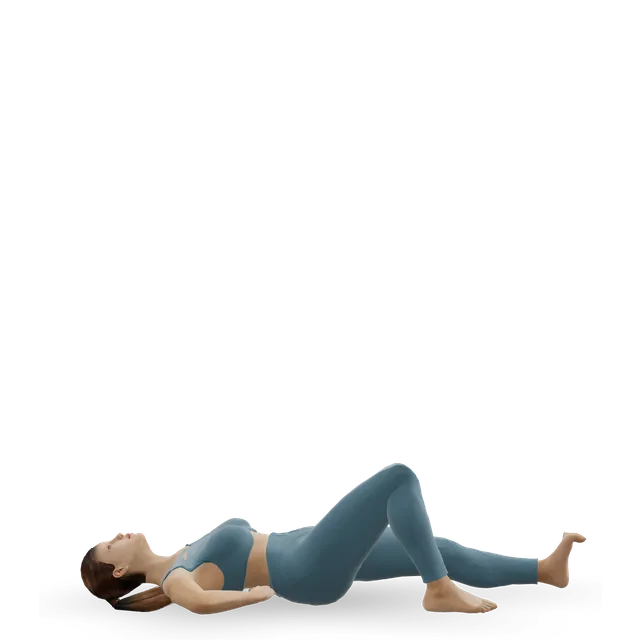
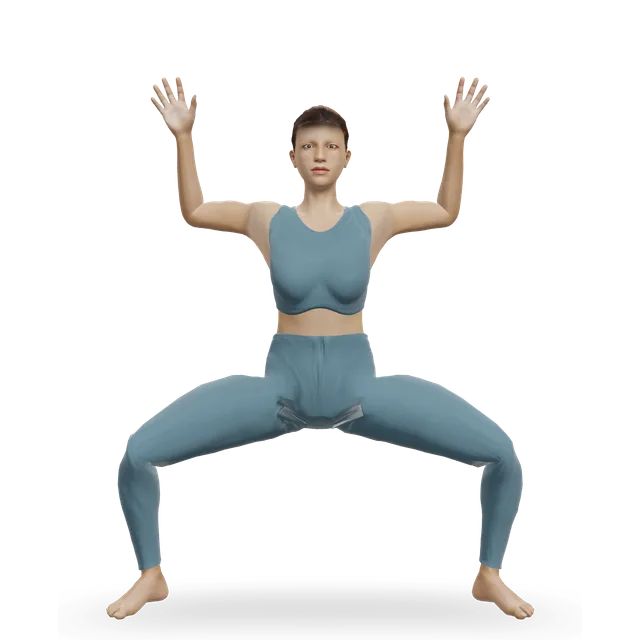
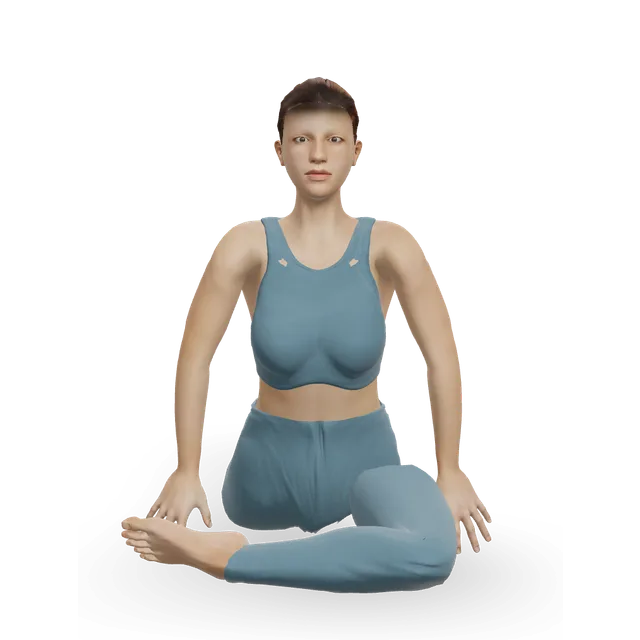
  4. Hips: 2 slow hip circles on each leg, 4 Cossack squats each side, then a 20-second kneeling hip flexor stretch each side.
  5. Activate: 10 glute bridges, then stand on each leg for 20 to 30 seconds.
  6. Your position: 8 hip hinges, then hold your jumping position for 20 seconds, twice, with your heels down and eyes up. Then the mounted warm-up your instructor sets, starting in walk.

Loading the 3D figure…

Gets into position, then repeats the movement. Technical checks passed; qualified exercise review is pending.

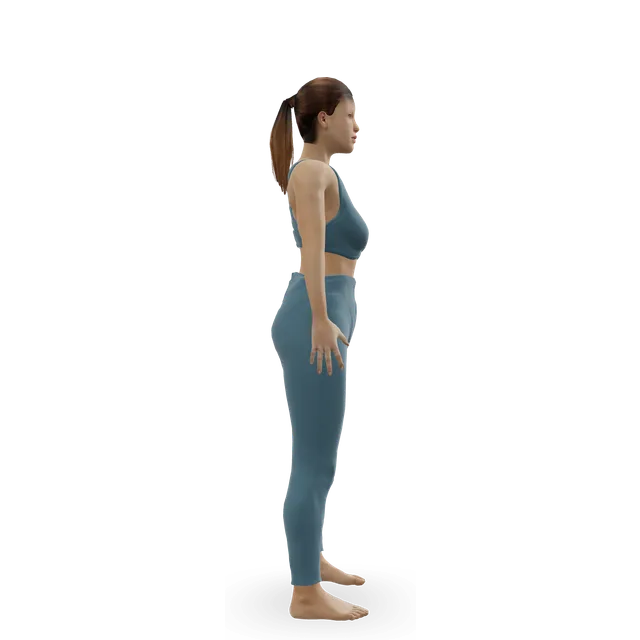
The movement on the figure: Hip-hinge practice

Moves for horse riders

The strength workout's trunk endurance, hip, leg, back and balance work. Each has a 3D demo.

Workouts

The first two are new: the warm-up and a strength workout for riders. The others add core and Pilates work, hip mobility and strength, back care, balance, bone strength, easy cardio and light exercise after a concussion.

Horse riding warm-up: hips, back and balance before you get on

A 10-minute warm-up before you ride: marching, arm circles, cat-cow, thoracic rotations, hip circles, Cossack squats, bridges, balance and hip hinges.

10 minBeginner10 movesA wall

Strength workout for horse riders: core endurance, hips, legs and back

A 40-minute off-horse session for riders: curl-ups, side planks, bird dogs and dead bugs, hip work, squats, step-ups and wall sits, rows, carries and balance.

40 minBeginner17 movesA wall, A band

Beginner core workout

A 15-minute beginner core workout on the floor: dead bugs, bird dogs, knee planks, side planks and curl-ups.

15 minBeginner6 movesNo equipment

Pilates for back pain (gentle routine)

A gentle 15-minute Pilates-based routine for ongoing low back pain, built from neutral-spine moves with options for backs that dislike bending or arching.

15 minBeginner10 movesNo equipment

Hip mobility routine

A 15-minute hip opener: 90/90 switches, windshield wipers, CARs, Cossack squats, frog and pigeon.

15 minIntermediate8 movesA wall

Yoga for tight hips

A hip-opening yoga sequence: low lunge, lizard, goddess, pigeon, bound angle and happy baby.

20 minBeginner7 movesNo equipment

Glute workout at home

A 25-minute glute workout with bodyweight and a mini band: bridges, clamshells, band walks, kickbacks and lunges.

25 minBeginner9 movesA wall, A band

Strength and balance workout

Strength and balance in one session: squats, Romanian deadlifts, push-ups, rows, step-ups, back extensions, carries and single-leg balance.

45 minBeginner14 movesA wall, A dumbbell

Lower back stretch routine

Seven gentle stretches and mobility moves for a stiff lower back, done lying and kneeling.

12 minBeginner7 movesA wall

Beginner Pilates workout

A 20-minute mat Pilates workout for complete beginners. It covers breathing, spine position and the foundation moves, each with an easier option.

20 minBeginner13 movesNo equipment

Easy cardio workout

A steady 30 to 45 minute cardio session at talk-but-not-sing pace: walk, cycle, row or cross-train, counting toward weekly activity guidelines.

40 minBeginner3 movesCardio machine, A wall

Bone-strengthening workout

Impact, strength and balance for stronger bones, following UK osteoporosis consensus advice, with options for every level.

40 minBeginner14 movesA kettlebell, Other / check instructions

Light exercise after a concussion: the stage 3 session

A 20-minute light session after a concussion: a symptom check, 10 to 15 minutes of easy cycling or walking, gentle bodyweight moves and a cool-down.

20 minBeginner8 movesCardio machine, A bench or box

Plans

Two strength sessions a week off the horse are enough for most riders.

Who should check first

Everyone: seven questions

The PAR-Q+ (Physical Activity Readiness Questionnaire for Everyone) asks about a heart condition or high blood pressure, chest pain, dizziness or losing consciousness, other long-term conditions and their medicines, a bone or joint problem that activity could make worse, and being told to exercise only under supervision. If you answer yes to any, check with your doctor or a qualified exercise professional first. If you're over 45 and not used to hard exercise, ask a qualified exercise professional before the hardest sessions, and delay if you're ill.

Source 95

A concussion before, or symptoms now

A past concussion raises the risk of another, and recovery can take longer; jockeys with repeated concussions did worse on thinking tests. Follow British Equestrian's stages, and see your GP if symptoms aren't improving after 21 days.

Sources 12, 36

Children and teenagers

British Equestrian notes that under-18s are more susceptible to brain injury and usually take about four weeks to recover from concussion, against two for adults. Teenage girls were the largest group in US emergency visits. Qualified instruction, supervision and a hat to the Pony Club's standards; under-14s must wear a helmet on the road.

Sources 12, 53, 65, 77

Riders aged 40 and over

Major trauma was most common at 40 to 59 in New South Wales, and older riders had more spinal and chest fractures. A horse that suits you, and bone-loading and balance work, as our osteoporosis guide explains (our suggestion).

Sources 28, 39

Back pain

Common in riders, and worse with heavy riding loads and stable work. Our back pain guide has the warning signs, and stirrup length and rising trot change the jolts through the spine.

Sources 47, 48, 18

Pregnant

Our pregnancy guide lists horse riding among activities with a high risk of falling, and the NHS advises against sports where you could fall or bump your tummy. Avoid riding, and talk to your midwife; our pregnancy workouts are safer options.

Source 96

People with epilepsy

Our epilepsy guide explains that in the International League Against Epilepsy's grouping, horse riding is a sport where a seizure could injure you but not others, and horse racing one where it could be fatal.

Children with Down syndrome

Our Down syndrome guide notes that the Down's Syndrome Association says there's no evidence that early horse riding carries more risk for a child with Down syndrome and no symptoms. Ask the child's doctor about any neck symptoms.

Novice and returning riders

Less experience went with more injuries. Lessons with a qualified instructor, a quiet horse, and the BHS Ride Safe Award before riding on roads, as the Highway Code suggests.

Sources 45, 5, 77

Anyone working around horses

Kicks cause some of the worst injuries, to faces, heads and tummies. Wear a hat when handling horses, and stay out of kicking range (our suggestion).

Sources 24, 11, 59

When to stop and get help

A fall with a knock to the head: call 999

The NHS's 999 list includes anyone who has hit their head and has fallen from a height of more than 1 metre, which in our reading covers a fall from a horse. British Equestrian's red flags need immediate help from a medical professional, or 999 if none is there: neck pain, a severe or worsening headache, double vision, weakness or tingling in the arms or legs, being sick, losing consciousness or getting drowsier, a fit, or restless, combative or agitated behaviour. Don't move them or take off their riding hat unless you're trained, unless they're having difficulty breathing.

Sources 14, 12

Suspected concussion

No more riding that day: if in doubt, sit them out. They shouldn't get back on, go home alone or drive, and should be seen by a healthcare professional or NHS 111 within 24 hours. Contact NHS 111 straight away if they feel dizzy or take medicine that thins the blood.

Sources 12, 90, 14

A neck or back injury

Tingling or pins and needles on one or both sides, problems walking or sitting upright, a sudden "electric shock" feeling, or weak hands, arms or legs need urgent help. Call 999 or go to A&E (accident and emergency) for back pain after a serious accident, with symptoms in both legs, or with changes in your bladder or bowels.

Sources 97, 98

Kicked or crushed

After a rib injury, call 999 or go to A&E if your breathlessness or chest pain is getting worse, you have pain in your tummy or shoulder, or you're coughing up blood. Kicks and crushes can injure organs in the tummy without much to see, so get checked the same day after a kick to the tummy or chest, even if you feel fine (our suggestion).

Sources 99, 10

Face, eyes and teeth

Go to A&E or call 999 if an eye was hit at high speed, your sight has changed or the pain is severe. Call 999 or go to A&E for a nosebleed that won't stop or clear fluid from the nose. A broken tooth needs a dentist: keep any piece in milk or saliva.

Sources 100, 101, 102

Shoulder, collarbone and wrist

Go to A&E if you can't move your arm, the shoulder looks out of place or has changed shape or swollen very quickly, or bone is through the skin. For an arm or wrist that's numb or tingling, bleeding heavily, or at an odd angle, go to A&E or call 999.

Sources 103, 104, 105

Fainting or chest pain: call 999

Call 999 if someone faints while exercising, or has chest pain that doesn't go away, spreads to the arms, neck, jaw, stomach or back, or comes with sweating, feeling sick, light-headedness or breathlessness.

Sources 106, 107

Myths

"A good riding hat prevents concussion"Emerging evidence

Hats prevent skull fractures and serious brain injuries, but 91% of head injuries in hats returned after falls were concussions, and test standards don't copy real falls onto turf. British Equestrian says the same. Only 12% of riders in one survey knew it.

Sources 7, 62, 88, 63

"A hat is fine after a fall if it looks undamaged"Emerging evidence

The foam liner compresses with each impact and protects less, damaged or not on the outside. The Pony Club requires replacement after a severe impact.

Sources 64, 65

"An air jacket is better than a body protector"Mixed evidence

For cross-country, air jackets are worn over a Level 3 body protector, not instead of one. They haven't been shown to reduce injuries; in eventing falls, wearers had more serious injuries, an association that may reflect who wears them.

Sources 8, 86, 9, 73

"Body protectors protect your spine"Emerging evidence

They're designed for soft tissues and some rib fractures, and weren't linked with fewer spinal cord injuries.

Sources 68, 71

"Riding isn't exercise: the horse does the work"Emerging evidence

A riding lesson is moderate exercise, about 5 METs, and trotting, cantering and jumping are harder still.

Sources 1, 2

"Planking is the best exercise for riders"Mixed evidence

Side planks have the one link with riders' back pain, in a small study of children, and no exercise has been tested on riders' injuries. For the jolts through the spine, technique mattered more than strength.

Sources 50, 18

"You're only at risk on the horse"Emerging evidence

Kicks and crushes on the ground cause many of the worst injuries, including 2 of 3 deaths in one trauma series.

Sources 24, 10, 11

Questions people ask

What exercises help horse riders?

Trunk endurance work such as side planks, bird dogs and curl-ups, hip strength and mobility, leg strength through squats, step-ups and wall sits, and balance. Young riders with weaker side-plank endurance had more back pain, and junior show jumpers had tight hip flexors and weaker abductors. No programme has been tested on riders' injuries; our strength workout covers these.

When should I replace my riding hat?

After any severe impact, because its protection is significantly reduced, and every 3 to 5 years depending on use, as the Pony Club's rule says. In laboratory tests, the foam liner was compressed by up to 39% after a single impact. Don't buy second-hand.

What riding hat standards are accepted in the UK?

The Pony Club, in line with other British equestrian bodies, accepts Snell E2016 and 2021, PAS 015:2011, EN 1384:2023, VG1, ASTM F1163 (2015 and 2023) and AS/NZS 3838 (2006), each with its safety mark. A hat tag confirms the label, not the fit or condition, so get it fitted.

Is it a legal requirement to wear a riding hat in the UK?

On the road, children under 14 must wear a riding helmet that complies with the regulations, securely fastened, and the Highway Code says other riders should too. Competitions and the Pony Club require hats whenever you're mounted.

What does body protector Level 3 mean?

BETA's Level 3 is the standard for general riding, competition and working with horses; it should prevent minor bruising, reduce soft tissue injuries and prevent a limited number of rib fractures. It's compulsory for cross-country in British Eventing and the Pony Club. Replace it every 3 to 5 years, or if it keeps a dent after a fall.

Do air jackets work?

They haven't been shown to reduce injuries. In international eventing falls, riders wearing them had about 1.7 times the odds of a serious or fatal injury, an association that may reflect who wears them and how they ride. They're worn over a Level 3 body protector, as the rules require, not instead of one.

How long after concussion can I ride?

Under British Equestrian's guidance: complete rest for 48 hours (its wording; the UK guidelines advise relative rest), light activity, then groundwork from day 7, harder training from day 14, and riding a suitable horse, supervised and without competing, not before day 21. British Eventing suspends concussed riders for 21 days. See your GP if symptoms aren't improving after 21 days.

Can horse riding cause back pain?

Back pain is common in riders: 61.7% of Portuguese riders had low back pain in a year, more with heavy riding loads and daily stable work. Shorter stirrups and rising trot reduced the jolts through the spine, and in a small study an 8-week exercise programme helped. Our back pain guide covers the warning signs.

How can I fall off a horse more safely?

No fall-training programme has been tested. In videos of jockeys' falls, not tucking and rolling and hanging on to the reins went with much riskier landings, so let go of the reins, tuck your chin and roll away from the horse (our suggestion). If you hit your head, stop riding for the day.

Is horse riding good exercise?

Yes: a 45-minute lesson averaged 5.0 to 5.3 METs, moderate exercise, and trotting, cantering and jumping are harder still. Grooming and stable work count too.

Sources

  1. Beale 2015 · Oxygen Cost of Recreational Horse-Riding in Females (J Phys Act Health)
  2. Compendium of Physical Activities 2024 · Sports: MET values (adult compendium)
  3. Havlik 2010 · Equestrian sport-related injuries: a review of current literature (Curr Sports Med Rep)
  4. Sorli 2000 · Equestrian injuries: a five year review of hospital admissions in British Columbia, Canada (Inj Prev)
  5. Ekberg 2011 · Injury rates and risk-factors associated with eventing: a total cohort study of injury events among adult Swedish eventing athletes (Int J Inj Contr Saf Promot)
  6. Bier 2018 · Impact of helmet use in equestrian-related traumatic brain injury: a matched-pairs analysis (Br J Neurosurg)
  7. Connor 2019 · Do equestrian helmets prevent concussion? A retrospective analysis of head injuries and helmet damage from real-world equestrian accidents (Sports Med Open)
  8. The Pony Club 2026 · Body protector rule, with air jackets (safety and welfare)
  9. Nylund 2019 · Do riders who wear an air jacket in equestrian eventing have reduced injury risk in falls? A retrospective data analysis (J Sci Med Sport)
  10. Dick 2021 · Patterns of injury following equine trauma: a non-trauma centre experience (Scott Med J)
  11. Sritharan 2022 · Maxillofacial Horse Trauma: A 10-Year Retrospective Study at a UK Major Trauma Center (Craniomaxillofac Trauma Reconstr)
  12. British Equestrian 2023 · Concussion and return to riding guidelines, version 1.0
  13. British Eventing · Medical: medical suspensions and concussion
  14. NHS · Head injury and concussion
  15. O'Reilly 2021 · Rider Energy Expenditure During High Intensity Horse Activity (J Equine Vet Sci)
  16. Legg 2022 · Physiological Demands and Muscle Activity of "Track-Work" Riding in Apprentice Jockeys (Int J Sports Physiol Perform)
  17. Mason 2020 · Lumbar Spine Loading During Dressage Riding (J Sport Rehabil)
  18. Keener 2021 · The Effect of Stirrup Length on Impact Attenuation and Its Association With Muscle Strength (J Strength Cond Res)
  19. Havertz 2025 · Sports injury risk assessment based on a training and functional movement analysis of young elite equestrian athletes- an exploratory cross-sectional study (BMC Sports Sci Med Rehabil)
  20. Skwierawska 2025 · Assessment of core stability in equestrian riders (Folia Med Cracov)
  21. Hobbs 2014 · Posture, flexibility and grip strength in horse riders (J Hum Kinet)
  22. Meyers 2000 · Physical, hematological, and exercise response of collegiate female equestrian athletes (J Sports Med Phys Fitness)
  23. Legg 2025 · Relationship between experience and head kinematics in race riding jockeys (Sci Rep)
  24. Carmichael 2014 · On and off the horse: mechanisms and patterns of injury in mounted and unmounted equestrians (Injury)
  25. Thomas 2006 · Non-fatal horse related injuries treated in emergency departments in the United States, 2001-2003 (Br J Sports Med)
  26. Meyer 2022 · Injuries and Overuse Injuries in Show Jumping-A Retrospective Epidemiological Cross-Sectional Study of Show Jumpers in Germany (Int J Environ Res Public Health)
  27. Haines 2022 · Analysis of Injuries in Competitive Equestrian Events (Clin J Sport Med)
  28. Knee 2025 · Major trauma in equestrian activities in New South Wales, Australia: An eleven-year review (Injury)
  29. Stigson 2024 · Characteristics of equestrian accidents and injuries leading to permanent medical impairment (BMC Sports Sci Med Rehabil)
  30. Glace 2023 · Incidence of concussions and helmet use in equestrians (J Sci Med Sport)
  31. Davies 2021 · Epidemiology of race day injury in young professional jockeys in Great Britain from 2007 to 2018: a retrospective cohort study (BMJ Open)
  32. O'Connor 2018 · A 9-Year Epidemiologic Study (2007-2015) on Race-Day Jockey Fall and Injury Incidence in Amateur Irish Horse Racing (J Athl Train)
  33. Ball 2007 · Equestrian injuries: incidence, injury patterns, and risk factors for 10 years of major traumatic injuries (Am J Surg)
  34. Papachristos 2014 · A description of the severity of equestrian-related injuries (ERIs) using clinical parameters and patient-reported outcomes (Injury)
  35. Zuckerman 2015 · Functional and Structural Traumatic Brain Injury in Equestrian Sports: A Review of the Literature (World Neurosurg)
  36. Wall 2006 · Neuropsychological dysfunction following repeat concussions in jockeys (J Neurol Neurosurg Psychiatry)
  37. Silver 2002 · Spinal injuries resulting from horse riding accidents (Spinal Cord)
  38. Siebenga 2006 · Spine fractures caused by horse riding (Eur Spine J)
  39. Franzén Lindgren 2023 · Horse-riding hazards: an observational cohort study mapping equestrian related injuries at a Scandinavian trauma centre (BMC Sports Sci Med Rehabil)
  40. Bhade 2023 · Fall, Crush, Kick: Mechanisms and Outcomes in a Cohort of Equine-Related Injuries (Am Surg)
  41. Eriksson 2025 · Horseback riding injuries in Sweden: a nationwide register-based study of fracture incidence (Eur J Orthop Surg Traumatol)
  42. Young 2015 · Orthopaedic Injuries in Equestrian Sports: A Current Concepts Review (Orthop J Sports Med)
  43. Tomaszewski 2025 · Orthopedic Horse-related Injuries in Children (Ortop Traumatol Rehabil)
  44. Francis 2022 · Pelvic and acetabular trauma in amateur equestrian enthusiasts: A retrospective review (Surgeon)
  45. Hasler 2011 · Protective and risk factors in amateur equestrians and description of injury patterns: A retrospective data analysis and a case: control survey (J Trauma Manag Outcomes)
  46. Ceroni 2007 · The importance of proper shoe gear and safety stirrups in the prevention of equestrian foot injuries (J Foot Ankle Surg)
  47. Duarte 2024 · Prevalence of Lower Back Pain and Risk Factors in Equestrians: A Systematic Review (Sports (Basel))
  48. Duarte 2024 · Prevalence of Lower Back Pain in Portuguese Equestrian Riders (Sports (Basel))
  49. Kraft 2009 · Magnetic resonance imaging findings of the lumbar spine in elite horseback riders: correlations with back pain, body mass index, trunk/leg-length coefficient, and riding discipline (Am J Sports Med)
  50. Cejudo 2020 · Trunk Lateral Flexor Endurance and Body Fat: Predictive Risk Factors for Low Back Pain in Child Equestrian Athletes (Children (Basel))
  51. Ball 2009 · Ten years of major equestrian injury: are we addressing functional outcomes? (J Trauma Manag Outcomes)
  52. Dekker 2004 · Long-term outcome of equestrian injuries in children (Disabil Rehabil)
  53. Asa 2019 · Horseback riding-related injuries treated in emergency departments: Risk factors and prevention strategies (J Safety Res)
  54. Pinto 2023 · Horseback Riding-Related Injuries in Portugal and Prevention Strategies (J Sport Rehabil)
  55. Buckley 2013 · Misbehaviour in Pony Club horses: incidence and risk factors (Equine Vet J)
  56. Hitchens 2010 · Predictors of race-day jockey falls in flat racing in Australia (Occup Environ Med)
  57. Short 2018 · Helmet under-utilization by children during equestrian events is associated with increased traumatic brain injury (J Pediatr Surg)
  58. Bond 1995 · Pediatric equestrian injuries: assessing the impact of helmet use (Pediatrics)
  59. Theodore 2017 · Paediatric horse-related trauma (J Paediatr Child Health)
  60. Carter 2023 · A retrospective study of helmet use and head injury in severe equestrian trauma (J Neurosci Rural Pract)
  61. Clark 2020 · Equestrian Helmet Standards: Do They Represent Real-World Accident Conditions? (Ann Biomed Eng)
  62. Clark 2020 · Proposed injury thresholds for concussion in equestrian sports (J Sci Med Sport)
  63. Theadom 2020 · Concussion knowledge, attitudes and behaviour in equestrian athletes (J Sci Med Sport)
  64. Mattacola 2019 · Repeated Impacts Diminish the Impact Performance of Equestrian Helmets (J Sport Rehabil)
  65. The Pony Club 2026 · Hat rule (safety and welfare)
  66. Gould 2025 · Does Equestrian Helmet Type Affect Head Injury? A Study on Equestrian Helmet Use Among Collegiate Athletes (Clin J Sport Med)
  67. Dodds 2024 · A novel equestrian helmet testing method: helmet liner performance in highly realistic simulation (Phys Sportsmed)
  68. British Equestrian Trade Association (BETA) · Body protectors: the BETA 2018 standard
  69. Andres 2018 · Effects of body protection vests and experience levels in prevention of equestrian injuries (BMJ Open Sport Exerc Med)
  70. Hessler 2012 · Effectiveness of safety vests in pediatric horseback riding (Klin Padiatr)
  71. Crawford 2025 · CNS and Thorax Injury and Associated Risks Factors in Equestrian Sports (Sports Health)
  72. Hessler 2011 · Spine injuries due to horse riding accidents: an analysis of 30 cases (in German) (Sportverletz Sportschaden)
  73. Meyer 2024 · Airbag Vests in Equestrian Sports: Is Use Associated with Harm? (Ann Biomed Eng)
  74. Nylund 2021 · Development of a video analysis protocol and assessment of fall characteristics in equestrian cross-country eventing (Scand J Med Sci Sports)
  75. British Eventing and Transport Research Laboratory · Safety report 2022
  76. The Pony Club 2025 · The stirrup rule (safety and welfare)
  77. Department for Transport · The Highway Code: rules about animals (47 to 58), for horse riders
  78. British Eventing · Rules and safety: fence safety and medical cover
  79. Nylund 2022 · Video analysis of jockey fall characteristics in horse racing (J Sci Med Sport)
  80. Hitchens 2011 · Are physiological attributes of jockeys predictors of falls? A pilot study (BMJ Open)
  81. Zeliszewska-Duk 2026 · Influence of riders' physical activity on improving seat balance in the context of horse welfare: A pilot study (PLoS One)
  82. Balog 2025 · A narrative review of factors influencing rider performance and horse welfare in equestrian activities (Front Sports Act Living)
  83. Weeks 2024 · The efficacy of an eight-week exercise program for the management of chronic low back pain in the equestrian population (J Sports Med Phys Fitness)
  84. NHS · Physical activity guidelines for adults aged 19 to 64
  85. NHS · Physical activity guidelines for children and young people
  86. British Eventing (BE Prepared) · British Eventing rules: a beginner's guide to tack and equipment
  87. British Showjumping · Return to ride concussion guidelines (British Equestrian's guidelines)
  88. British Equestrian · Concussion, including concussion mythbusters
  89. British Horseracing Authority · Concussion (participant welfare)
  90. UK Government and Sport and Recreation Alliance 2024 · UK concussion guidelines for non-elite (grassroots) sport, November 2024 update
  91. Department for Transport · The Highway Code: road users requiring extra care (204 to 225), rule 215 on passing horses
  92. British Horse Society · Riding on roads
  93. British Horse Society 2026 · British Horse Society's Dead Slow campaign marks ten years
  94. British Horse Society · Dead Slow campaign
  95. PAR-Q+ Collaboration 2025 · The Physical Activity Readiness Questionnaire for Everyone (PAR-Q+)
  96. NHS · Exercise in pregnancy
  97. NHS · Whiplash
  98. NHS · Back pain
  99. NHS · Broken or bruised ribs
  100. NHS · Eye injuries
  101. NHS · Broken nose
  102. NHS · Chipped, broken or cracked tooth
  103. NHS · Dislocated shoulder
  104. NHS · Broken collarbone
  105. NHS · Broken arm or wrist
  106. NHS · Fainting
  107. NHS · Chest pain

Exercise education for people who play sport, not a personal prescription or a diagnosis, and clinical review of these pages is pending. Check with a GP or physiotherapist before hard training if you have a heart condition, chest pain, dizziness or an injury that isn't settling, and stop for sharp or increasing pain. Health disclaimer.