Sport

Bodybuilding and physique sport: training, the categories and the health risks of contest prep

Bodybuilding and physique sport are judged on stage rather than by what you lift: bodybuilding, classic physique, men's physique, bikini, figure and wellness each have their own rules. The training is ordinary muscle-building training, and training injuries are uncommon. The health risks come mostly from long contest diets, peak-week practices and drugs.

This guide covers the categories and how they're judged, drug-tested and untested federations, how to train for muscle growth, what contest preparation does to hormones, periods, mood and strength, eating disorders and muscle dysmorphia, peak week, and the harms of steroids and other drugs. It gives no calorie, body-fat or weight-loss targets. There are two workouts with 3D demos of every move, an upper-body and a lower-body day. We're not connected with any federation.

The short version

Judged on stage

Competitors are compared in set poses or quarter turns. The International Fitness and Bodybuilding Federation (IFBB) runs bodybuilding in weight or height classes, classic physique in height classes with a weight limit for each height, and men's physique, bikini, figure and wellness in height classes.

Sources 1, 2, 3, 4, 5

The training is ordinary muscle-building training

More hard sets a week bring more growth, with diminishing returns; going to failure adds very little; and split and full-body routines build muscle equally. Our how-to-build-muscle guide covers the details.

Sources 6, 7, 8

Training injuries are uncommon

Bodybuilding had the lowest injury rates of the weight-training sports, about 0.24 injuries per 1,000 hours in German competitors, though almost half had pain while training.

Sources 9, 10

Long contest diets change your hormones

In women dieting for fitness competitions, hormones including testosterone and thyroid hormone fell and periods became irregular; most recovered within months, but not all. Mood and sleep worsened during preparation.

Sources 11, 12

Eating disorders are common

Almost half of 348 women physique athletes had disordered eating, and muscle dysmorphia, worrying that you aren't muscular enough, is more common in bodybuilders. Our eating disorders guide and the charity Beat can help.

Sources 13, 14

Drugs cause the serious harms

The National Health Service (NHS) lists heart attack, stroke, liver and kidney problems, infertility and addiction among the harms of anabolic steroids. Long-term users had more torn tendons and weaker heart pumping than non-users. This guide gives harm information, not advice on use.

Sources 15, 16, 17

What bodybuilding asks of your body

What's judgedStrong evidence

In IFBB men's bodybuilding, judges compare competitors in 7 mandatory poses, "looking for muscular bulk, balanced development, muscular density and definition", and the finalists repeat the poses and finish with a posedown. Classic physique uses height classes with a maximum weight for each height. Men's physique, for a "less muscular, yet athletic" look, and the women's categories are judged mainly in quarter turns. The British Natural Bodybuilding Federation (BNBF) judges symmetry, muscularity and a routine.

Sources 1, 2, 3, 18

The trainingEmerging evidence

In 235 competitive men, most used split routines (85.5%), trained 4 to 7 times a week, worked each major muscle about twice a week, and did 3 to 4 sets per exercise of 7 to 12 repetitions with 1 to 3 minutes' rest; aerobic exercise went up before competing. Competitors' year runs off-season, pre-contest, peak week and post-contest.

Sources 19, 20

Energy

The Compendium of Physical Activities rates vigorous weight lifting, "power lifting or body building", at 6.0 metabolic equivalents (METs), and a session of several exercises of 8 to 15 reps at 3.5.

Source 21

Where the load fallsEmerging evidence

Shoulders, elbows, the lower back and knees in training, and tendons, especially in people who use anabolic steroids.

Sources 9, 16, 22

Contest preparation

Months of eating less than the body uses, with more aerobic exercise, often followed by a "peak week" of changes to carbohydrate, water and salt. In 51 high-level natural competitors, preparation lasted about 22 weeks on average. What this does to the body is covered below; this guide gives no numbers that could be read as targets.

Sources 23, 19, 24

Posing

Competitors hold hard muscle contractions on stage for minutes at a time, and practise posing routines. No study has measured what posing asks of the body.

Common injuries

Studies counted injuries in different ways, per lifter per year, per 1,000 hours of training, or as an injury ever, so figures in different lines aren't comparable. Most were surveys asking lifters to remember.

How often bodybuilders get hurtEmerging evidence

The numbers, by group:

  • 71 competitive and elite bodybuilders in German clubs: 0.12 injuries per lifter a year, about 0.24 per 1,000 hours, and 45% had pain while training.
  • Across 20 studies of the weight-training sports: bodybuilding had the lowest rates, 0.12 to 0.7 injuries per lifter a year.
  • 142 experienced male bodybuilders aged 35 to 55: 22% of 88 long-term steroid users had torn a tendon, against 6% of 54 non-users.
  • 366 men who inject image and performance enhancing drugs (IPEDs) in England and Wales: 42% had had redness, swelling and tenderness at an injection site, and 6.8% an abscess or open wound.

Sources 9, 10, 16, 25

Shoulders, elbows, back and kneesEmerging evidence

The commonest training injuries, with more injuries in lifters over 40, and many lifters training with pain that didn't stop them. Our shoulder pain, elbow pain, back pain and knee pain guides cover these.

Source 9

Torn tendonsEmerging evidence

In 142 experienced bodybuilders, long-term steroid users had about 9 times the risk of a torn tendon, and upper-body tears happened only in users (17% against none). A quarter of tears followed earlier pain in the same area, and only a fifth happened while lifting. In a series of 6 bodybuilders with torn chest muscles, the surgeons thought steroid use may have contributed, and of 4 published cases of torn triceps tendons in bench pressers, 3 followed oral steroid use. Our pulled chest muscle and torn pec, distal biceps, kneecap tendon tear and elbow pain guides cover these.

Sources 16, 22, 26

InjectingEmerging evidence

In 395 men who injected IPEDs, recruited through needle and syringe programmes in England and Wales, 1.5% had HIV, 9% had been infected with hepatitis B and 5% with hepatitis C. Redness, swelling and abscesses at injection sites were common.

Sources 27, 25

Low potassium, paralysis and muscle breakdownMixed evidence

Case reports describe bodybuilders paralysed by dangerously low potassium: a professional bodybuilder, where the doctors warn that diuretics must always be considered as a cause; a young man after a large binge following a contest, who also had muscle breakdown (rhabdomyolysis); and a man taking thyroxine and clenbuterol before a contest. These are single cases, but the harms are serious. Our rhabdomyolysis guide covers the warning signs.

Sources 28, 29, 30

The heartEmerging evidence

Long-term steroid users' hearts pumped less well than non-users' and had more plaque in their arteries. In male IFBB competitors, sudden cardiac death was more common in those competing at the time, and in professionals than amateurs. The drugs and harms section below gives the figures and their limits.

Sources 31, 17, 32

Eating disorders and muscle dysmorphiaEmerging evidence

Common in physique sport, and covered in their own section below. Our eating disorders guide explains how to get help.

Sources 13, 33, 34, 14

What prevents injuries

No prevention programme has been tested in bodybuilding. The training itself is low risk; the big risks come from drugs, extreme dieting and peak-week practices, so most of this section is about those.

Training: the usual rulesEmerging evidence

Training injuries are uncommon, and no study has tested a way to prevent them. Our progressive overload, rest between sets, deload and warm-up guides apply: build up gradually, leave reps in reserve on the big lifts, and take a lighter week every so often.

Sources 9, 10

Steroids and torn tendonsEmerging evidence

Upper-body tendon tears happened only in steroid users, and a quarter of all tears followed earlier pain in the same area. Our reading: pain building in a tendon is a reason to back off and get it checked, and a pop with sudden weakness or a change in shape needs urgent help.

Source 16

Slower diets, and a plan for afterwardsEmerging evidence

Reviews of natural bodybuilding preparation recommend losing weight slowly to keep muscle. In a trial in 24 elite athletes from other sports, the slower of two planned rates kept and added muscle and raised some strength scores, and the faster didn't. Athletes described "the harder the prep, the harder the recovery" and said planning the recovery early helped, and a survey of 15 bodybuilding and powerlifting experts stressed planning the recovery. The reviews give their advice as numbers; we leave them out, in line with our eating disorders guide.

Sources 35, 36, 37, 38

Don't cut water or take diureticsEmerging evidence

Cutting water and manipulating salt before a show "can be dangerous, and may not improve appearance", in the words of one review, and another found "a dearth of evidence" for peak-week practices. Diuretics can cause dangerously low potassium, which has paralysed bodybuilders. They're banned at all times in tested sport and by the BNBF.

Sources 35, 39, 28, 40, 41

Support for eating and body imageStrong evidence

The natural bodybuilding review says competitors "should be aware of the increased risk of developing eating and body image disorders in aesthetic sport and therefore should have access to the appropriate mental health professionals". Women physique athletes' dieting was mostly guided by coaches and other athletes, and the researchers advise registered nutritionists instead. Australian sports bodies want disordered eating handled by a team of at least a doctor, a sports dietitian and a psychologist, and an International Olympic Committee group asks for body composition data to be treated "as confidential medical information".

Sources 35, 33, 42, 43

What isn't shownMixed evidence

Without good evidence:

  • A way to diet to the stage without effects on hormones, mood or performance.
  • Peak-week changes that improve how you look on stage.
  • Natural competition as protection: drug-tested athletes still showed falls in hormones, missed periods and eating disorder symptoms.
  • A programme that prevents eating disorders in physique athletes: none has been tested.

Sources 39, 44, 11, 34

Training for muscle

Volume: enough hard setsEmerging evidence

Each extra hard set a week added a little muscle growth in 15 studies, and higher volumes beat lower ones, with diminishing returns. The American College of Sports Medicine (ACSM) found growth improved with 10 or more sets a week. Our how-to-build-muscle guide suggests building towards 10 or more hard sets per muscle a week, starting at 6 to 10.

Sources 6, 45, 46

Effort: close to failure, not at itEmerging evidence

Going all the way to failure gave only a trivial extra effect on muscle growth. Growth rose a little as sets ended closer to failure, but strength didn't. Our how-to-build-muscle guide uses 2 to 3 reps in reserve on big lifts, and 0 to 2 only on the last set of small exercises.

Sources 7, 47

RestEmerging evidence

Rests of more than 60 seconds between sets helped muscle growth a little, with no extra benefit past 90 seconds. Our rest between sets guide uses 2 to 3 minutes on heavy compound lifts and 60 to 90 seconds on small moves.

Source 48

SplitsEmerging evidence

Split and full-body routines built similar strength and muscle in 14 studies, so choose the one you'll keep doing. Most competitive men train each muscle about twice a week.

Sources 8, 19

What competitors doEmerging evidence

Off-season, most competitive men did 3 to 6 sets per exercise of 7 to 12 repetitions with 1 to 2 minutes' rest. Before competing, sets per exercise fell, reps rose, rest got shorter and aerobic exercise went up.

Sources 49, 19, 20

Training during contest preparationEmerging evidence

The review for natural bodybuilders recommends keeping a planned, varied programme, training each muscle twice a week or more with most reps in the 6 to 12 range, resting 1 to 3 minutes, keeping failure mainly for single-joint exercises, and keeping cardio to what the plan needs, because it can get in the way of strength gains.

Source 50

What a long diet does to performanceMixed evidence

In one natural male competitor, strength fell during preparation and hadn't fully recovered 6 months later, and in one woman, peak force fell by up to 19% and how fast she could produce it by up to 57%. In 19 natural athletes, strength broadly held. The evidence is mixed and mostly single cases.

Sources 44, 51, 12

Fitting it in (our suggestion)

4 days a week as upper, lower, upper, lower, with our two bodybuilding workouts, or push, pull and legs over 3 to 6 days, so each muscle is trained about twice a week. Add sets slowly over months, and take a lighter week every 4 to 6 weeks. If you're preparing for a show, keep training hard enough to keep your muscle, and get your diet from a registered dietitian or nutritionist, with your GP's knowledge.

Sources 19, 8, 6

The categories and how they're judged

Federations set their own categories and rules, and change them. Check the current rules with the federation before you enter.

BodybuildingStrong evidence

In the IFBB's 2026 rules, men's bodybuilding at world level has 9 weight categories and 3 height categories, junior classes for ages 15 to 20 and 21 to 23, and masters classes from 40. Prejudging compares competitors in the 7 mandatory poses; in the final, the top six repeat them and finish with a 30 to 60-second posedown.

Source 1

Classic physique and men's physiqueStrong evidence

Classic physique has height classes, each with a maximum weight set from height. Men's physique, recognised in 2012, is "aimed at men who prefer to develop a less muscular, yet athletic and aesthetically pleasing physique", and is judged in quarter turns in height classes; a muscular men's physique category followed in 2016.

Sources 2, 3

Bikini, figure and wellnessStrong evidence

Bikini, recognised in 2010, has eight height classes for seniors at world level; bodyfitness, often called figure, has four; and wellness, recognised in 2016 for women with more body mass in the hips and thighs, has four. All are judged mainly in quarter turns.

Sources 4, 52, 5

Natural federationsStrong evidence

The BNBF judges bodybuilding in three rounds: symmetry, muscularity in 8 mandatory poses, and an evening routine of up to 60 seconds, with its own figure and other classes.

Source 18

JuniorsStrong evidence

The UK Bodybuilding and Fitness Federation (UKBFF) lets juniors compete from 1 January of the year they turn 16, "with permission of their parent or responsible adult", until the end of the year they turn 23. IFBB junior bodybuilding is for ages 15 to 23.

Sources 53, 1

Drug testing and federations

Whether competitors are tested depends on the federation. Check its anti-doping rules before you enter.

The IFBBStrong evidence

The IFBB tests at all international competitions under its own anti-doping rules, which follow the World Anti-Doping Agency (WADA) code. Testing at national level is the national federation's job.

Source 54

The UKBFFStrong evidence

The UKBFF is affiliated to the IFBB and follows its rules. Its rules page says nothing about drug testing at its own shows.

Source 53

Natural federationsStrong evidence

The BNBF describes its policy as "the most stringent drug testing policy" in the sport. It bans anabolic steroids, growth hormone, thyroid hormones, insulin, prescription diuretics, stimulants, clenbuterol, muscle implants and drugs used to deceive a polygraph. In a study of its national finalists, competitors were drug tested and took a polygraph (lie detector) test.

Sources 55, 41, 23

Strict liabilityStrong evidence

In tested sport, you're responsible for anything found in your body, including from supplements, so UK Anti-Doping (UKAD) advises checking them. WADA's list bans anabolic agents, including SARMs (selective androgen receptor modulators) and clenbuterol, and diuretics, at all times.

Sources 56, 40

Contest preparation: what the research shows

This guide gives no calorie, body-fat or weight-loss numbers. If dieting for a show is affecting your eating, mood or periods, see our eating disorders guide, or call Beat's helpline (0808 801 0677 in England).

Hormones fall during long dietsEmerging evidence

In 27 women dieting for fitness competitions, compared with 23 who weren't, leptin, thyroid hormone, testosterone and oestradiol all fell. In 9 natural men, testosterone and a growth factor (IGF-1) fell, though they kept almost all their muscle. Thyroid hormone and leptin fell in women and men and recovered afterwards, and in one drug-free man, thyroid hormone fell to clinically low levels and testosterone to borderline low by the end of his preparation.

Sources 11, 57, 58, 12, 59

Mood, sleep and strengthEmerging evidence

In 19 natural physique athletes, mood and sleep worsened during preparation and improved afterwards, and eating disorder symptoms were highest during preparation. In one natural male competitor, mood disturbance rose sevenfold and strength hadn't fully recovered 6 months later; in one woman, force fell and only partly recovered.

Sources 44, 12, 51

Periods and energy deficiencyEmerging evidence

In 25 women fitness athletes, missed periods rose from 8% to 24% before competing, with more gut symptoms, and some still had them a month after. Periods became irregular in women dieting for competitions. The International Olympic Committee calls the effects of eating too little for your training relative energy deficiency in sport (REDs); some researchers say the label is debated, but missed periods and stress fractures need a doctor either way. Our women and menstrual cycle guides cover this.

Sources 34, 11, 60, 61

Weight comes back fast afterwardsEmerging evidence

After competing, fat and muscle came back mostly within about 6 weeks, at very different speeds in different people, and fat came back first in one study. A review of natural male bodybuilders describes body fat overshooting after the most extreme diets. This rebound is the body recovering, not a failure (our reading).

Sources 62, 12, 63, 64

Single cases varyMixed evidence

Some single-case studies found little harm, such as better blood pressure and blood vessel measures in one man and kept muscle and bone in one woman. Others found falls in hormones, metabolism and power that recovered after the contest. Single cases can't tell you what will happen to you.

Sources 65, 66, 67, 68, 69

What the reviews adviseEmerging evidence

Slow weight loss to keep muscle, enough protein, no dehydration or salt manipulation, a plan for the weeks after the contest, and access to mental health professionals. Experts in a 2026 survey thought bodybuilders need 1 to 6 months to recover physically, and couldn't agree on how best to eat afterwards. We leave out the reviews' numbers, in line with our eating disorders guide.

Sources 35, 70, 37, 38

Keep measurements privateStrong evidence

An International Olympic Committee group asks for body composition data to be treated "as confidential medical information", within a team that looks after athletes' health, and found practitioners worried about too much focus on body composition. Our eating disorders guide adds that coaches shouldn't lead body measurements.

Sources 42, 43

Eating disorders, muscle dysmorphia and REDs

Talk in confidence to the eating disorder charity Beat: 0808 801 0677 (England), 0808 801 0432 (Scotland), 0808 801 0433 (Wales) or 0808 801 0434 (Northern Ireland), 3pm to 8pm, Monday to Friday. Our eating disorders guide explains the warning signs and where to get urgent help.

How commonEmerging evidence

In 348 women physique athletes, 46.6% had disordered eating, and almost half had used binge eating, laxatives or vomiting in the past 3 months. In 158 women physique athletes, 37% were at risk of an eating disorder. In 25 fitness athletes, 35% reported a past eating disorder, against 12% of women who didn't compete. Body image problems, binge eating and bulimia were also found in male and female bodybuilders. These are surveys, and it isn't clear whether the sport causes these problems or attracts people already at risk.

Sources 13, 33, 34, 71, 72, 73

Muscle dysmorphiaEmerging evidence

Muscle dysmorphia, sometimes called bigorexia, is a form of body dysmorphic disorder (BDD) in which someone worries that they aren't muscular enough, however they look. Scores were higher in bodybuilders than in other lifters, higher still in competitors, and went with anxiety, depression and perfectionism. Beat says men are about 1 in 4 of people with an eating disorder and may be more likely to have muscle dysmorphia, and it's often missed in men. In boys and men, more muscle-focused social media went with more symptoms. The NHS: "You should see a GP if you think you might have BDD."

Sources 14, 74, 75, 76, 77

Steroids and body imageEmerging evidence

Men who used steroids for their looks had more body image problems than those who used them for performance, and dependence on steroids went with muscle dysmorphia. The NHS, and a review in an endocrinology journal, link steroid use in young men with body image disorders. In one online survey, 61 of 96 competitive bodybuilders and 356 of 888 recreational lifters had used steroids, and apart from drug use, the competitors showed few psychological differences.

Sources 78, 79, 15, 80, 81

What helpsStrong evidence

The NHS: "If you think you may have an eating disorder, see a GP as soon as you can." Advice from registered nutritionists rather than coaches alone, access to mental health professionals, early screening and a team with a doctor, a dietitian and a psychologist are recommended in sports judged on appearance. Missed periods, stress fractures, low mood or frequent illness are reasons to see a doctor.

Sources 82, 33, 42, 60

When exercise becomes drivenStrong evidence

Beat says that with an eating disorder, exercise can become "driven, rigid, and compulsive", and that general exercise guidance may not suit you. Feeling guilty or anxious when you can't train, or unable to change a session, are signs it may be harming you. Our eating disorders guide covers this.

Sources 83, 84

Peak week

What competitors doEmerging evidence

Only 6.2% of 81 British natural competitors ate their usual diet in the week before a show; changing carbohydrate, water and salt was most common. In 160 competitors, those using drugs were more likely to restrict water. In 1988, all 27 bodybuilders studied at a US junior championship reported severe fluid restriction and dehydrating practices, and Brazilian competitors in untested shows used steroids, diuretics and dehydration in peak week.

Sources 24, 85, 86, 87

Little evidence it worksEmerging evidence

A review found "a dearth of evidence to support the commonly reported practices". Changing carbohydrate is understudied, and dehydrating and manipulating salt "can be dangerous, and may not improve appearance".

Sources 39, 88, 35

The harmsMixed evidence

Case reports describe dangerously low potassium and paralysis in bodybuilders after a contest, with diuretics, thyroxine, clenbuterol or a large binge among the causes, and muscle breakdown in one. A review links bodybuilders' dehydration and drug use with strain on the kidneys, and kidney problems were among the causes of death in IFBB competitors.

Sources 28, 29, 30, 89, 31

Our adviceStrong evidence

Don't take diuretics or restrict water to "dry out": the evidence shows harm and no clear benefit, and diuretics are banned at all times in tested sport and by the BNBF. This guide gives no peak-week plan.

Sources 40, 41

Steroids, SARMs and other drugs: the harms

This is harm information, not advice on use. If you use them or are thinking about it, a GP can help, and Talk to FRANK gives confidential advice.

The lawStrong evidence

Anabolic steroids are Class C, prescription-only medicines. Having them for your own use is legal, and you can import or export them only in person. Supplying them, including giving them to friends, carries an unlimited fine or up to 14 years in prison. They're banned in tested sport.

Sources 15, 90

What the NHS listsStrong evidence

The NHS's list of harms:

  • In men: reduced sperm count, infertility, shrunken testicles, erection problems, hair loss, breast development and severe acne.
  • In women: facial and body hair, smaller breasts, a deeper voice, problems with periods and severe acne.
  • In both: heart attack or stroke, liver or kidney problems or failure, high blood pressure, blood clots in the legs, fluid retention and high cholesterol.
  • Aggression, mood swings, paranoia and, in teenagers, stunted growth.
  • From shared needles: hepatitis B, hepatitis C and HIV.

Source 15

AddictionStrong evidence

The NHS: "Anabolic steroids are addictive." Stopping suddenly can bring depression, anxiety, tiredness, insomnia and loss of appetite, and the NHS says to see a GP if you think you're addicted. In a review of 18 studies, about a third of users became dependent.

Sources 15, 91

The heartEmerging evidence

In 140 experienced weightlifters, long-term steroid users' hearts pumped less well than non-users' (52% against 63% of blood pumped out with each beat), and they had more plaque in their heart arteries. In 101 long-term users, both current and former users had weak heart muscle; in a follow-up, those who stopped improved towards non-users. During a single course of steroids, blood pressure and cholesterol worsened, and returned to normal within months of stopping.

Sources 17, 32, 92, 93

DeathsEmerging evidence

Danish gym users who tested positive for steroids had about three times the death rate of other men, and Finnish championship powerlifters suspected of steroid use died about four and a half times as often over 12 years. In 20,286 male IFBB competitors from 2005 to 2020, sudden cardiac death ran at 32.83 per 100,000 athlete-years in those competing at the time, about five times as often in professionals as amateurs. That study found deaths by searching news and web reports, so it's probably an undercount, and drug use was confirmed in few cases: steroids were found in 3 of the 5 toxicology reports available.

Sources 94, 95, 31

Fertility and hormonesEmerging evidence

In 100 men followed through one course of steroids, every man had at least one harmful effect and 4 had a serious one, including heart failure. During use, 77% had a low sperm count (below 40 million); a year later, 34% still did and 11% had low testosterone. In former users, 27% had testosterone below the normal range years after stopping.

Sources 96, 97, 98

SARMs, insulin and DNPStrong evidence

No SARM is approved for human use, and UKAD says the evidence suggests they are "not safer than anabolic steroids": reports link them to liver injury, heart attack and stroke risk, and blood clots. In 41 people without diabetes who used insulin to build muscle, 57% had low blood sugar. Talk to FRANK warns that DNP (2,4-dinitrophenol), a toxic slimming drug, has caused deaths.

Sources 99, 100, 101, 102, 103

How commonEmerging evidence

Worldwide, about 6% of men and 2% of women have ever used anabolic steroids. In a survey of 235 competitive male bodybuilders, 53.6% of those not in natural competitions used performance-enhancing drugs, and in one online survey, 61 of 96 competitive bodybuilders had used steroids.

Sources 104, 19, 81

Getting helpStrong evidence

The NHS says there's "no evidence" that cycling, stacking or pyramiding steroids reduces the harms. A GP can help, and can refer you to a specially trained drugs counsellor; Talk to FRANK gives confidential advice about drugs.

Sources 15, 103

A warm-up for bodybuilding

Built on the site's warm-up guide and the plans' shared warm-up note (editorial): no warm-up has been tested on bodybuilding injuries. The doses come from the site's shoulder and technique routines.

  1. Raise: 3 to 5 minutes of easy cycling or rowing.
  2. Upper-body days, shoulders: 15 band pull-aparts and 12 band external rotations each arm.
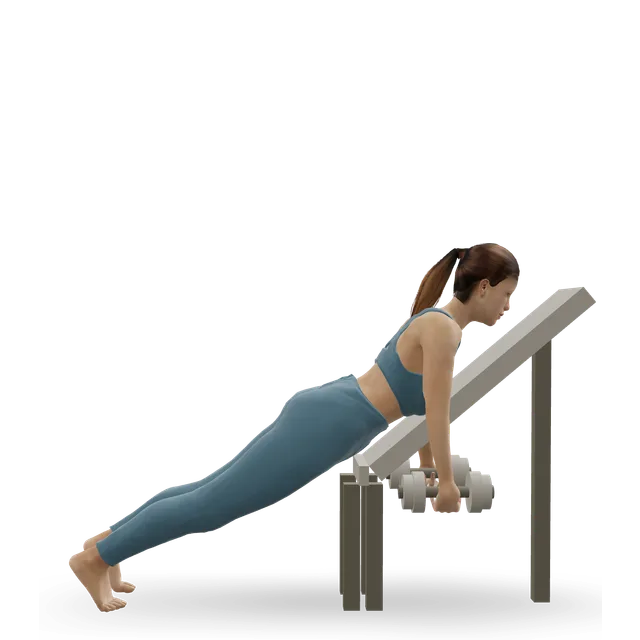
  3. Upper-body days, shoulder blades: 10 scapular push-ups.
  4. Lower-body days, hips: 3 slow hip circles on each leg and 10 glute bridges.
  5. Lower-body days, pattern: 10 bodyweight squats and 8 hip hinges.
  6. Ramp: 1 or 2 lighter sets of your first exercise.

Loading the 3D figure…

Gets into position, then repeats the movement. Technical checks passed; qualified exercise review is pending.

The movement on the figure: Band pull-apart

Moves for bodybuilding

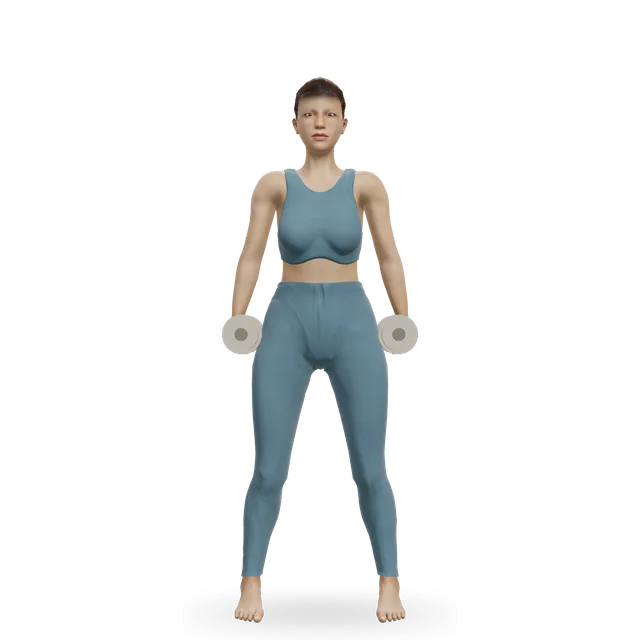
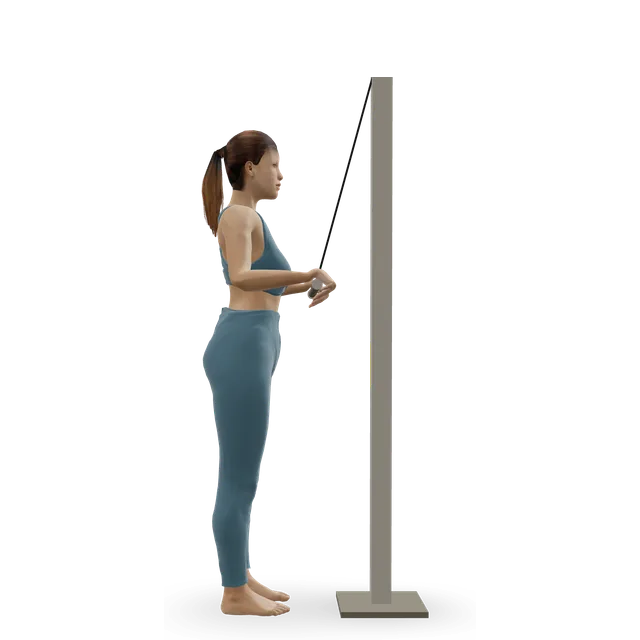
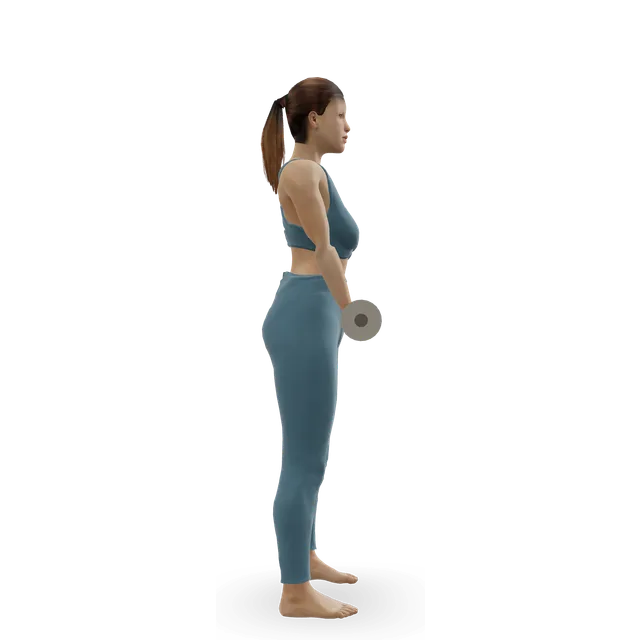
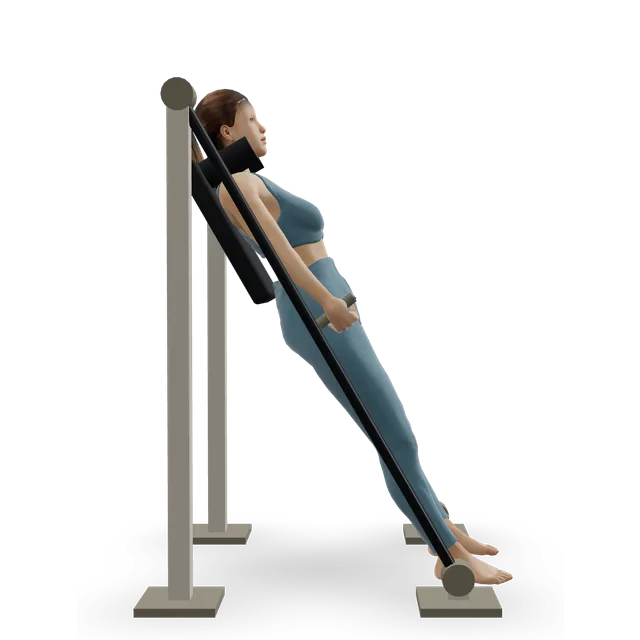
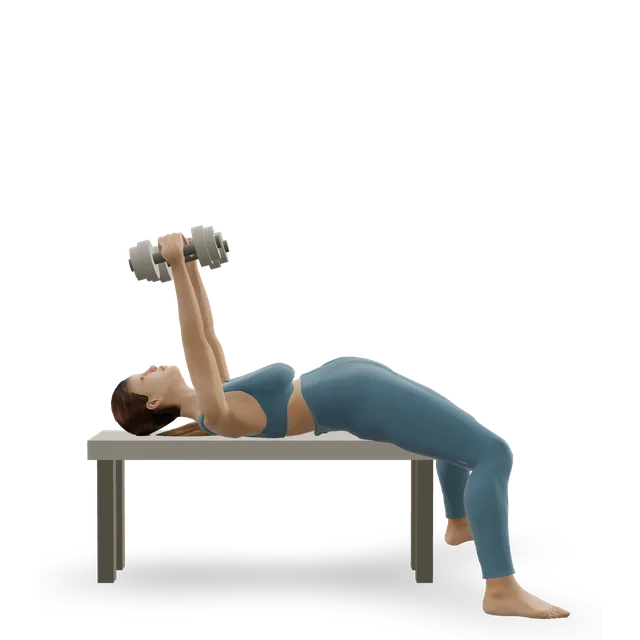
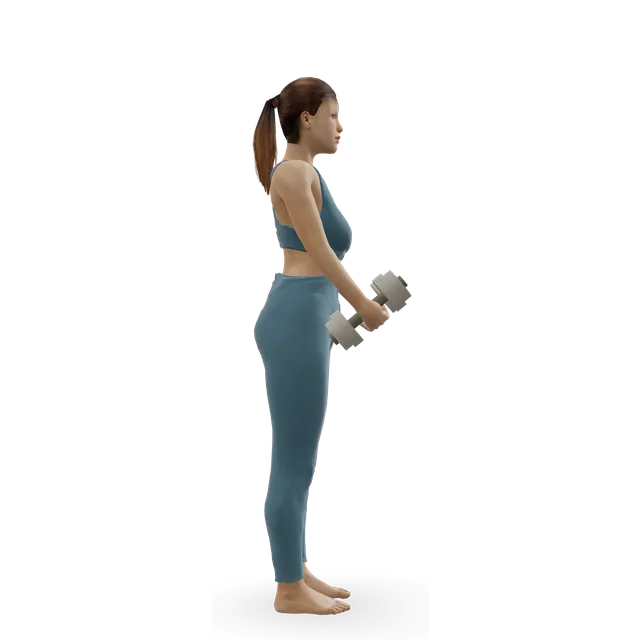
The two bodybuilding workouts' moves for chest, back, shoulders, arms, legs, glutes and calves. Each has a 3D demo.

Workouts

The first two are new: an upper-body and a lower-body day for an upper and lower split. The others cover the gym splits, single muscle groups, drop sets and supersets.

Bodybuilding upper-body workout: chest, back, shoulders and arms

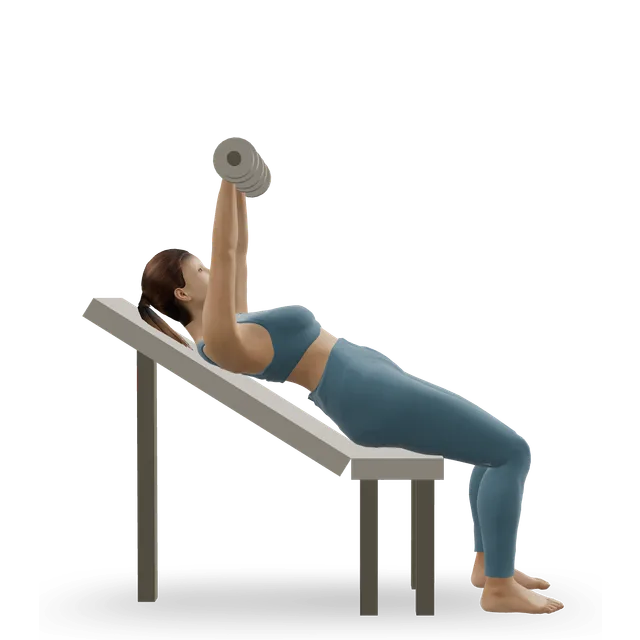
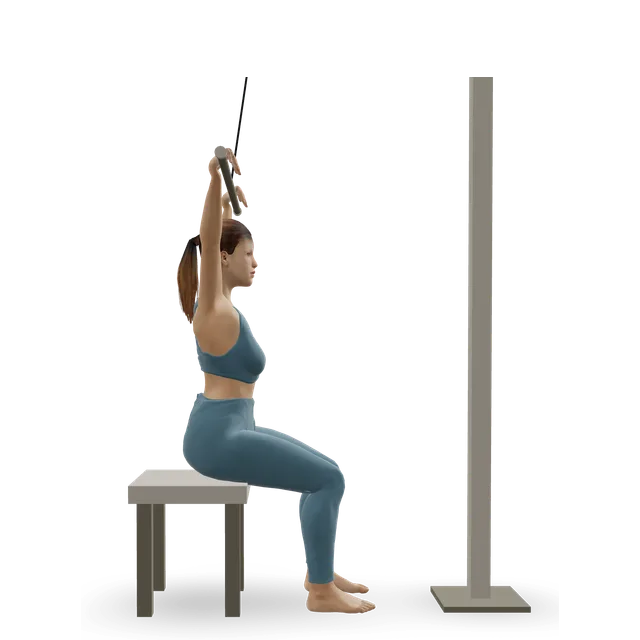
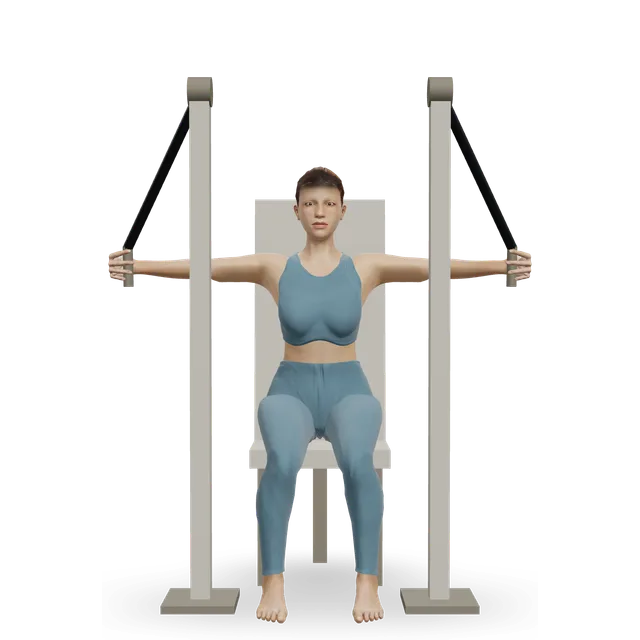
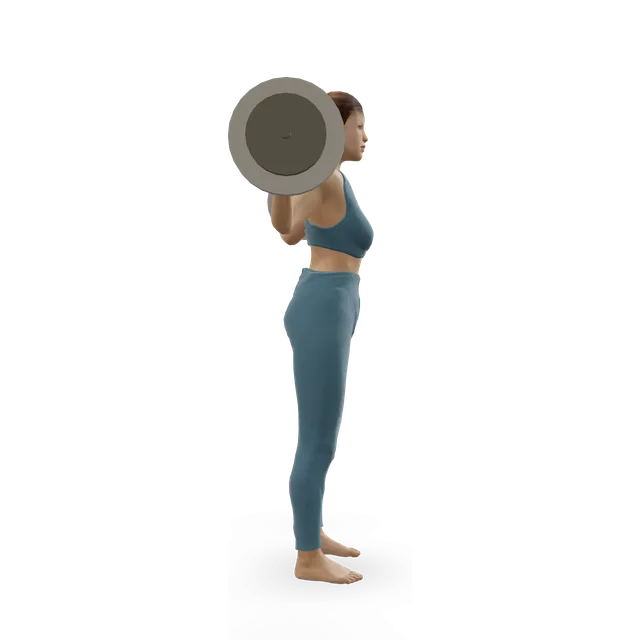
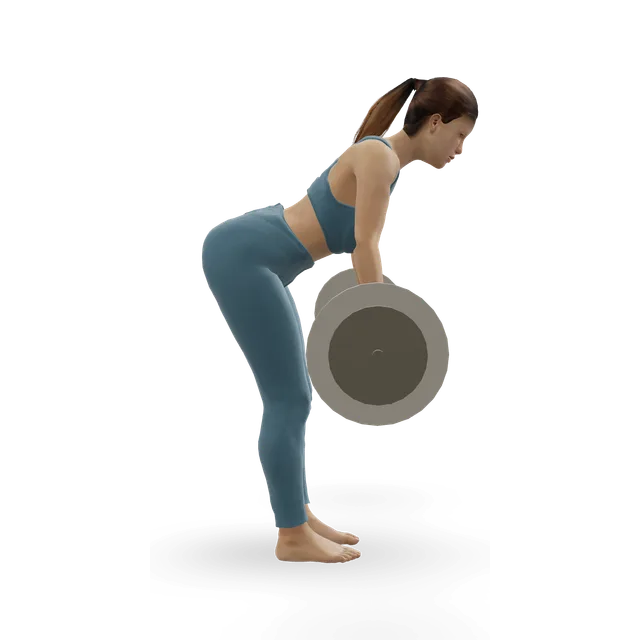
A 60-minute upper-body session for muscle growth: incline presses, rows, pulldowns, flys, lateral raises, face pulls, pushdowns and curls, short of failure.

60 minIntermediate12 movesCardio machine, A band

Bodybuilding lower-body workout: quads, hamstrings, glutes and calves

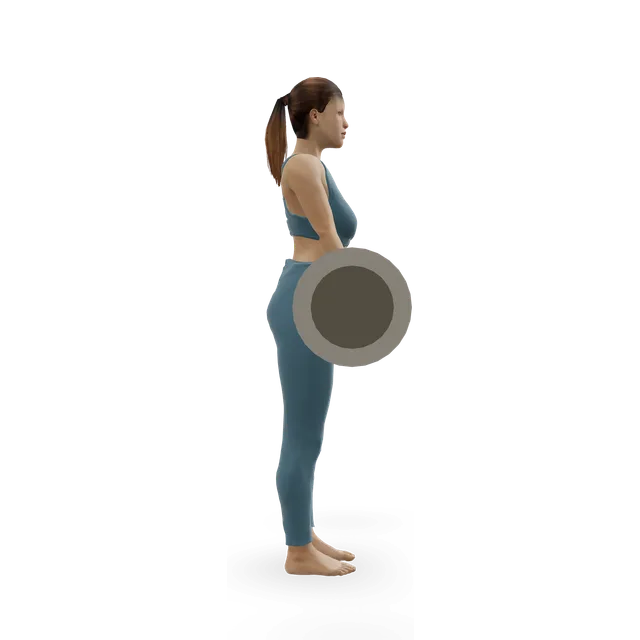
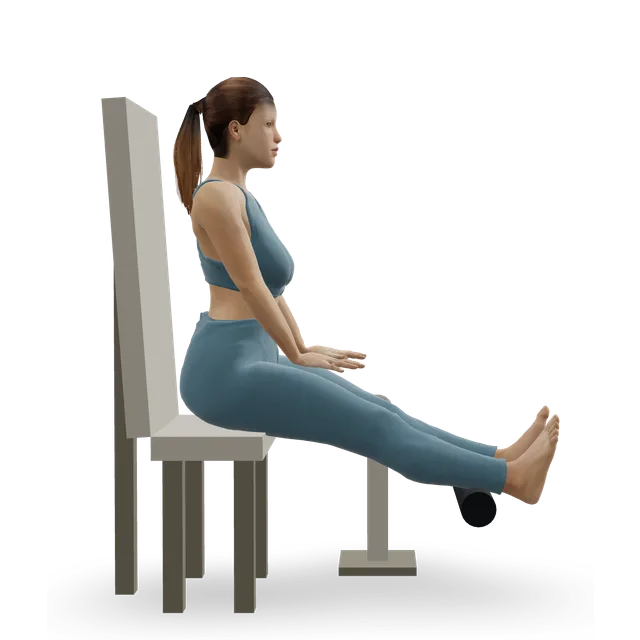
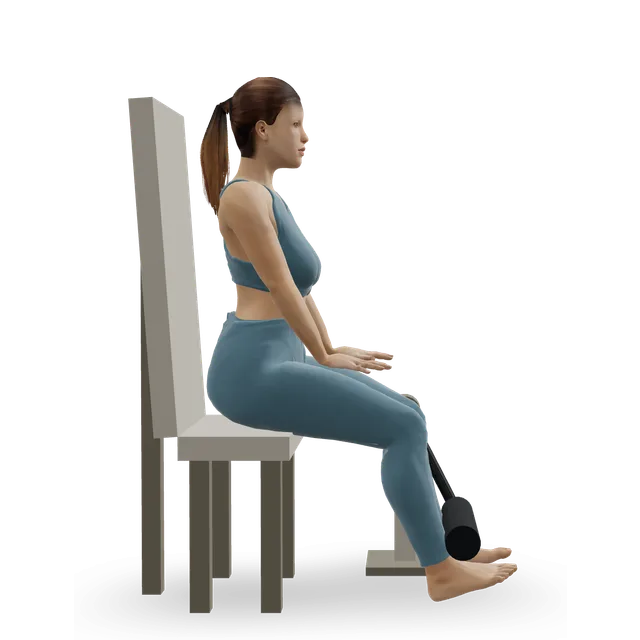
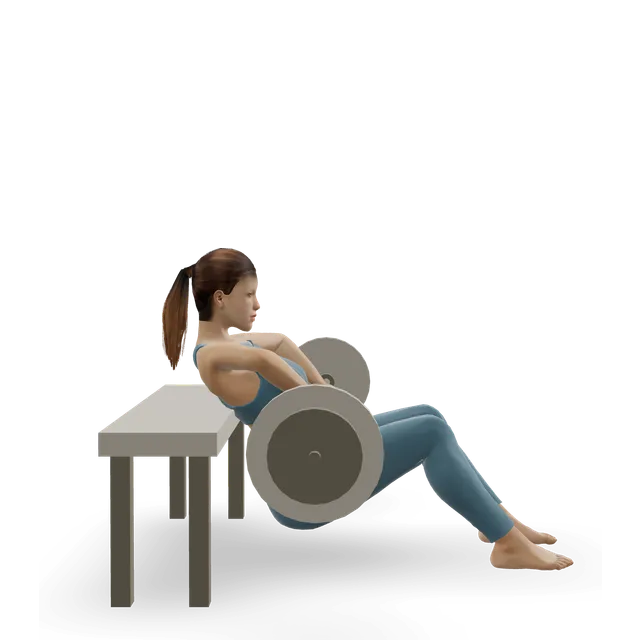
A 60-minute lower-body session for muscle growth: hack squats, Romanian deadlifts, leg curls, leg extensions, hip thrusts and standing and seated calf raises.

60 minIntermediate11 movesCardio machine, A wall

Upper body gym workout

A gym upper body workout for chest, back, shoulders and arms: bench press, rows, presses, pulldowns, raises, curls and pushdowns.

50 minIntermediate13 movesA band, A barbell

Upper body gym workout B

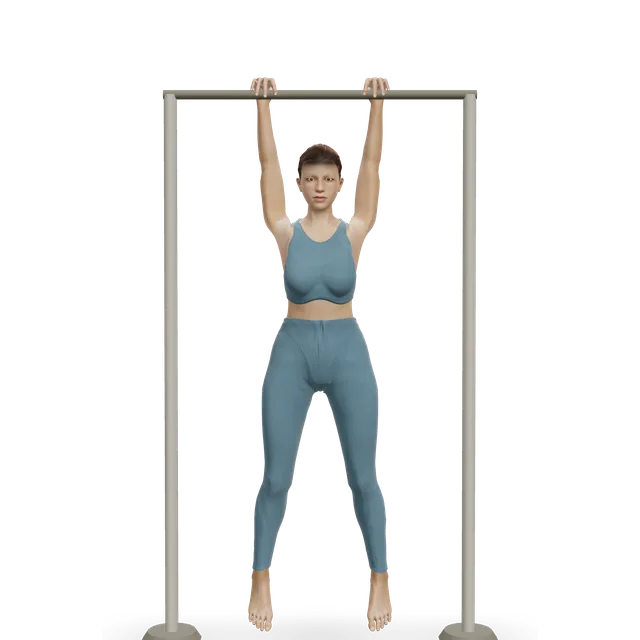
Upper body workout B: overhead press, pull-ups, incline dumbbell press, chest-supported rows, face pulls, hammer curls and triceps extensions.

50 minIntermediate13 movesA band, Pull-up bar

Lower body gym workout

A gym lower body workout for legs and glutes: trap bar deadlifts, hip thrusts, reverse lunges, leg curls, hip abduction, calf raises and core.

50 minIntermediate13 movesOther / check instructions, A barbell

Leg day workout (gym)

A gym leg day: back squats, leg press, leg curls, Bulgarian split squats, leg extensions and calf raises.

55 minIntermediate9 movesA wall, A barbell

Push day workout

A push day workout for chest, shoulders and triceps: bench press, overhead press, incline dumbbell press, lateral raises and pushdowns.

55 minIntermediate10 movesA band, A barbell

Pull day workout

A pull day workout for back and biceps: pull-ups, barbell rows, chest-supported rows, face pulls and curls, with sets, reps and rest.

55 minIntermediate10 movesPull-up bar, A barbell

Chest workout (gym)

A gym chest workout: bench press, incline dumbbell press, cable flyes, dips and a push-up finisher.

45 minIntermediate7 movesA band, A barbell

Back workout (gym)

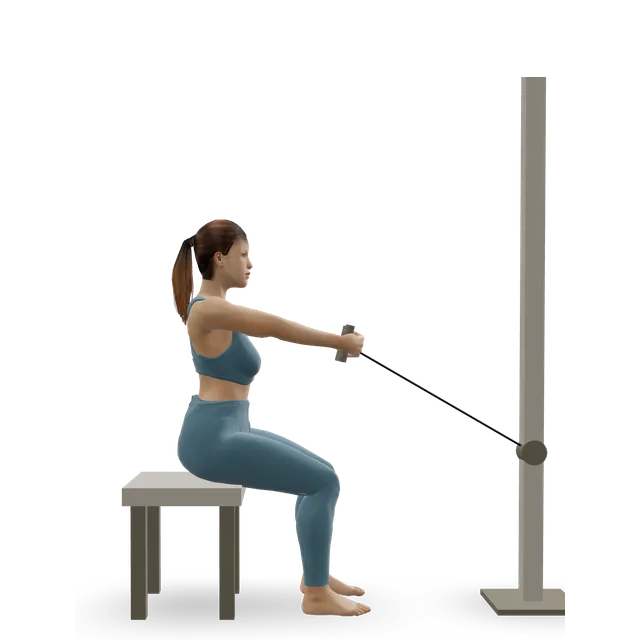
A gym back workout: lat pulldowns, cable rows, dumbbell rows, face pulls, back extensions and shrugs.

45 minBeginner8 movesPull-up bar, A band

Shoulder workout

A shoulder workout for all three heads: overhead press, lateral raises, reverse flyes, face pulls and rotations.

40 minIntermediate8 movesA band, A barbell

Arm workout

Biceps, triceps and forearms: curls, hammer curls, skull crushers, pushdowns, concentration curls and dips.

35 minBeginner7 movesA dumbbell, A bench or box

Glute workout (gym)

A 50-minute gym glute workout: hip thrusts, deep squats, Bulgarian split squats, back extensions and hip abduction, with sets, reps and rest.

50 minIntermediate11 movesA band, A barbell

Drop-set workout: shoulders and arms

A 20-minute drop-set finisher for shoulders and arms: lateral raises, curls and pushdowns, each one set with two drops, plus a push-up drop set.

20 minIntermediate10 movesA band, A dumbbell

Full-body superset workout (gym)

A 40-minute full-body gym workout in supersets: squats with pulldowns, presses with rows, Romanian deadlifts with overhead presses, then arms.

40 minBeginner13 movesCardio machine, A band

Plans

Splits and full-body plans build muscle equally; pick one you'll keep doing.

4 days a week

4-day upper/lower workout split

A 4-day upper/lower split: two upper body and two lower body gym days, each muscle trained twice a week, with sets, reps and progression.

4 training days50 minIntermediate
6 days a week

Push pull legs split (6 days a week)

A 6-day push/pull/legs plan for experienced lifters: two push, two pull and two leg days, with sets, reps, rest and lighter weeks.

6 training days55 minAdvanced
5 days a week

5-day workout split

A 5-day gym split that trains every muscle twice a week: upper, lower, push, pull and legs, with an honest look at the bro split.

5 training days50 minIntermediate
5 days a week

5-day body-part split (bro split)

The classic chest, back, legs, shoulders and arms week, built from our gym workouts, with what research says about training each muscle once.

5 training days45 minIntermediate
4 days a week

Glute workout plan

An 8-week glute workout plan: two glute days and two upper-body days a week, with hip thrusts, squats, hinges and side-hip work, plus a home option.

4 training days50 minIntermediate
4 days a week

Dumbbell workout plan: 4-day upper/lower split

A 4-day dumbbell-only plan for home or gym: two upper and two lower days, every set, rep and rest, and how to keep progressing when the dumbbells max out.

4 training days45 minBeginner
4 days a week

Workout plan for men

A 4-day gym workout routine for men: upper and lower days, each muscle trained twice a week, with sets, reps, progression and the evidence.

4 training days50 minIntermediate
3 days a week

Workout plan for women

A weekly workout plan for women: three strength days, cardio and pelvic floor training, with the evidence on periods, pregnancy and menopause.

3 training days45 minBeginner

Who should check first

Everyone: seven questions

The PAR-Q+ (Physical Activity Readiness Questionnaire for Everyone) asks about a heart condition or high blood pressure, chest pain, dizziness or losing consciousness, other long-term conditions and their medicines, a bone or joint problem that activity could make worse, and being told to exercise only under supervision. If you answer yes to any, check with your doctor or a qualified exercise professional first. The NHS asks you to speak to your GP first if you haven't exercised for some time or have a health condition.

Sources 105, 106

A current or past eating disorder, or worries about food, weight or shape

See a GP, and talk to your treatment team before training for appearance or competing. Disordered eating is common in physique sport, and our eating disorders guide explains why weight training isn't a treatment and how activity is brought back with a team. Beat's helpline is free and confidential.

Sources 82, 13, 84

Worrying a lot that you aren't muscular enough

It may be muscle dysmorphia, a form of body dysmorphic disorder. The NHS says to see a GP if you think you might have BDD, and Beat supports men as well as women.

Sources 74, 75

Using, or thinking about using, steroids or other drugs

Steroids, SARMs, insulin, thyroid hormones, clenbuterol and diuretics all carry serious risks. A GP can help, and Talk to FRANK gives confidential advice.

Sources 15, 103
Missed periods, stress fractures, low mood or frequent illness

These can be signs of eating too little for your training. See a GP, and our women and menstrual cycle guides.

Sources 60, 34

High blood pressure, heart disease, palpitations or fainting

Check with your GP or cardiologist first, and follow our high blood pressure and heart disease guides: breathe out on the effort and keep well short of maximal efforts.

Sources 17, 107

Teenagers

The UKBFF's junior classes start at 16, with a parent's permission. Strength training is safe for teenagers with good supervision, as our children's guide explains, but we'd advise against dieting for a show (our suggestion), and steroids can stunt growth in teenagers.

Sources 53, 15

Type 1 diabetes

Insulin misused to build muscle caused low blood sugar in most users, and cutting food around training needs your diabetes team's help, as our type 1 diabetes guide explains.

Source 102

When to stop and get help

Chest pain, palpitations or fainting: call 999

Call 999 for chest pain that doesn't go away, spreads to the arms, neck, jaw, stomach or back, or comes with sweating, feeling sick, light-headedness or breathlessness, if someone faints while exercising, or if someone has passed out and isn't responding normally.

Sources 108, 109, 110

Sudden weakness or paralysis: call 999

Dangerously low potassium has paralysed bodybuilders around contests, with diuretics or a large binge among the causes. Sudden muscle weakness or paralysis, especially around a show, is a 999 call (our reading of these cases).

Sources 28, 29

Dark urine or very painful muscles

Dark, red or cola-coloured urine, much less urine than usual, or very painful, weak or swollen muscles in the days after a session or a binge need medical help the same day, as our rhabdomyolysis guide explains.

Source 29

Dehydration

Ask for an urgent GP appointment or call NHS 111 if you feel unusually tired, dizzy when you stand up and it doesn't go away, or have dark yellow pee. Call 999 for confusion, cold or blotchy skin, or fast breathing.

Source 111

Injection sites

Redness, swelling, heat or an abscess where you've injected needs a GP or NHS 111 (our reading).

Source 25

A pop with weakness

A sudden pop with weakness at the chest, upper arm, elbow or above the knee needs checking the same day. Call 999 or go to A&E (accident and emergency) if the injured part has changed shape or is pointing at an odd angle, or is numb or tingling.

Source 112

Thoughts of harming yourself

Get urgent help: our eating disorders guide lists where. Beat's helpline isn't a crisis service.

Myths

"You have to train to failure to grow"Emerging evidence

Going to failure added only a trivial amount of growth. Stopping 2 or 3 reps short works for most sets.

Sources 7, 47

"The split is what matters"Emerging evidence

Split and full-body routines built similar muscle; the total number of hard sets matters more.

Sources 8, 6

"Bodybuilding training is dangerous"Emerging evidence

It has the lowest injury rates of the weight-training sports. The serious harms come from drugs and extreme dieting.

Sources 10, 9, 16

"Natural competitors avoid the health risks"Emerging evidence

Drug-tested athletes still showed falls in hormones, missed periods, mood changes and eating disorder symptoms during preparation.

Sources 11, 12, 34

"Cutting water before a show makes you look better"Emerging evidence

Dehydrating and manipulating salt can be dangerous and may not improve appearance, and there's little evidence for peak-week practices.

Sources 35, 39

"SARMs are a safer alternative to steroids"Strong evidence

UKAD says the evidence suggests they're not safer, with reports of liver injury, heart attack and stroke risk, and blood clots.

Sources 99, 100, 101

"Cycling steroids makes them safe"Strong evidence

The NHS says there's no evidence that cycling, stacking or pyramiding reduces the harms, and some former users still had low testosterone years after stopping.

Sources 15, 98

"Steroids aren't addictive"Strong evidence

The NHS says anabolic steroids are addictive, and about a third of users become dependent.

Sources 15, 91

"Bodybuilders are vain or unwell"Emerging evidence

In a survey of 984 men, competitive bodybuilders differed from recreational lifters mainly in drug use, not in other psychological measures. People take up the sport for many reasons.

Source 81

Questions people ask

What's the best bodybuilding split?

There isn't one: split and full-body routines built similar muscle in 14 studies. What matters more is enough hard sets for each muscle each week, trained about twice a week, so pick a split you'll keep doing.

How many sets a week do I need to build muscle?

Growth rises with weekly sets, with diminishing returns. Our how-to-build-muscle guide suggests building towards 10 or more hard sets per muscle a week, starting at 6 to 10, and more isn't always better if you can't recover.

Do I need to train to failure?

No. Going to failure added only a trivial amount of growth, and stopping 2 or 3 reps short works for most sets. Keep failure for the last set of small exercises, if at all.

What are the bodybuilding categories?

In the IFBB, men compete in bodybuilding, classic physique and men's physique, and women in bikini, figure (bodyfitness) and wellness, among others. Each is judged differently, mostly in poses or quarter turns, and most are split by height.

What is natural bodybuilding, and is it tested?

Natural federations, such as the British Natural Bodybuilding Federation, ban steroids and other drugs and test their competitors. The IFBB tests at international events under rules that follow the World Anti-Doping Agency code, and national testing depends on the national federation, so check before you enter.

Is contest prep bad for your health?

Long contest diets lowered testosterone, thyroid hormone and other hormones, stopped some women's periods, and worsened mood and sleep in studies of natural competitors. Most of these recovered within weeks to months, but not all, and eating disorder symptoms were highest during preparation.

Is peak week dangerous?

Cutting water and taking diuretics before a show can be dangerous and may not improve how you look, and there's little evidence for peak-week practices. Diuretics can cause dangerously low potassium, which has paralysed bodybuilders, and they're banned in tested sport.

Are steroids legal in the UK?

Anabolic steroids are Class C, prescription-only medicines: having them for your own use is legal, but supplying them, including to friends, can mean up to 14 years in prison. They're banned in tested sport and carry serious health risks.

Are SARMs safer than steroids?

No. UK Anti-Doping says the evidence suggests SARMs are not safer, and reports link them to liver injury, heart attack and stroke risk, and blood clots. None is approved for human use.

What is muscle dysmorphia?

It's a form of body dysmorphic disorder in which someone worries that they aren't muscular enough, however they look. It's more common in bodybuilders; if it sounds like you, see a GP, and the eating disorder charity Beat can help.

Sources

  1. IFBB · Men's bodybuilding rules, 2026 edition
  2. IFBB · Men's classic physique rules, 2024
  3. IFBB · Men's physique rules, 2024
  4. IFBB · Women's bikini rules, 2024
  5. IFBB · Women's wellness rules, 2024
  6. Schoenfeld 2017 · Dose-response relationship between weekly resistance training volume and increases in muscle mass: A systematic review and meta-analysis (J Sports Sci)
  7. Refalo 2023 · Influence of Resistance Training Proximity-to-Failure on Skeletal Muscle Hypertrophy: A Systematic Review with Meta-analysis (Sports Med)
  8. Ramos-Campo 2024 · Efficacy of Split Versus Full-Body Resistance Training on Strength and Muscle Growth: A Systematic Review With Meta-Analysis (J Strength Cond Res)
  9. Siewe 2014 · Injuries and overuse syndromes in competitive and elite bodybuilding (Int J Sports Med)
  10. Keogh 2017 · The Epidemiology of Injuries Across the Weight-Training Sports (Sports Med)
  11. Hulmi 2016 · The Effects of Intensive Weight Reduction on Body Composition and Serum Hormones in Female Fitness Competitors (Front Physiol)
  12. Buechel 2026 · Post-competition recovery in natural physique athletes: body composition, metabolic adaptation, and refeeding responses (J Int Soc Sports Nutr)
  13. Whitehead 2020 · Disordered eating behaviours in female physique athletes (Eur J Sport Sci)
  14. Mitchell 2017 · Muscle Dysmorphia Symptomatology and Associated Psychological Features in Bodybuilders and Non-Bodybuilder Resistance Trainers: A Systematic Review and Meta-Analysis (Sports Med)
  15. NHS · Anabolic steroid misuse
  16. Kanayama 2015 · Ruptured Tendons in Anabolic-Androgenic Steroid Users: A Cross-Sectional Cohort Study (Am J Sports Med)
  17. Baggish 2017 · Cardiovascular Toxicity of Illicit Anabolic-Androgenic Steroid Use (Circulation)
  18. BNBF · Judging criteria explained
  19. Hackett 2022 · Training, Supplementation, and Pharmacological Practices of Competitive Male Bodybuilders Across Training Phases (J Strength Cond Res)
  20. Alves 2020 · Training Programs Designed for Muscle Hypertrophy in Bodybuilders: A Narrative Review (Sports (Basel))
  21. Compendium of Physical Activities 2024 · Conditioning exercise: MET values (adult compendium)
  22. Stefanou 2023 · Pectoralis major rupture in body builders: a case series including anabolic steroid use (BMC Musculoskelet Disord)
  23. Chappell 2018 · Nutritional strategies of high level natural bodybuilders during competition preparation (J Int Soc Sports Nutr)
  24. Chappell 2018 · Nutritional Peak Week and Competition Day Strategies of Competitive Natural Bodybuilders (Sports (Basel))
  25. Hope 2015 · Injection site infections and injuries in men who inject image- and performance-enhancing drugs: prevalence, risks factors, and healthcare seeking (Epidemiol Infect)
  26. Bengtsson 2018 · Narrative review of injuries in powerlifting with special reference to their association to the squat, bench press and deadlift (BMJ Open Sport Exerc Med)
  27. Hope 2013 · Prevalence of, and risk factors for, HIV, hepatitis B and C infections among men who inject image and performance enhancing drugs: a cross-sectional study (BMJ Open)
  28. Mayr 2012 · Hypokalemic paralysis in a professional bodybuilder (Am J Emerg Med)
  29. Lee 2017 · Severe hypokalemic paralysis and rhabdomyolysis occurring after binge eating in a young bodybuilder: Case report (Medicine (Baltimore))
  30. Bonnar 2021 · Making weight: acute muscle weakness and hypokalaemia exacerbated by thyrotoxicosis factitia in a bodybuilder (Endocrinol Diabetes Metab Case Rep)
  31. Vecchiato 2025 · Mortality in male bodybuilding athletes (Eur Heart J)
  32. Abdullah 2024 · Severe biventricular cardiomyopathy in both current and former long-term users of anabolic-androgenic steroids (Eur J Prev Cardiol)
  33. Alwan 2022 · Weight loss practices and eating behaviours among female physique athletes: Acquiring the optimal body composition for competition (PLoS One)
  34. Mathisen 2020 · Physical health and symptoms of relative energy deficiency in female fitness athletes (Scand J Med Sci Sports)
  35. Helms 2014 · Evidence-based recommendations for natural bodybuilding contest preparation: nutrition and supplementation (J Int Soc Sports Nutr)
  36. Garthe 2011 · Effect of two different weight-loss rates on body composition and strength and power-related performance in elite athletes (Int J Sport Nutr Exerc Metab)
  37. Buechel 2025 · The harder the prep, the harder the recovery: a qualitative exploration of physique athlete perspectives on competition weight loss and restoration (J Int Soc Sports Nutr)
  38. Buechel 2026 · Expert Consensus on Weight Management Strategies for Strength and Physique Athletes Before and After Competition (J Strength Cond Res)
  39. Escalante 2021 · Peak week recommendations for bodybuilders: an evidence based approach (BMC Sports Sci Med Rehabil)
  40. World Anti-Doping Agency (WADA) · Prohibited List 2026, in effect from 1 January 2026
  41. BNBF · Banned substances
  42. Wells 2020 · The Australian Institute of Sport (AIS) and National Eating Disorders Collaboration (NEDC) position statement on disordered eating in high performance sport (Br J Sports Med)
  43. Mathisen 2023 · Best practice recommendations for body composition considerations in sport to reduce health and performance risks: a critical review, original survey and expert opinion by a subgroup of the IOC consensus on Relative Energy Deficiency in Sport (REDs) (Br J Sports Med)
  44. Rossow 2013 · Natural bodybuilding competition preparation and recovery: a 12-month case study (Int J Sports Physiol Perform)
  45. Pelland 2026 · The Resistance Training Dose Response: Meta-Regressions Exploring the Effects of Weekly Volume and Frequency on Muscle Hypertrophy and Strength Gains (Sports Med)
  46. Currier 2026 · American College of Sports Medicine Position Stand. Resistance Training Prescription for Muscle Function, Hypertrophy, and Physical Performance in Healthy Adults: An Overview of Reviews (Med Sci Sports Exerc)
  47. Robinson 2024 · Exploring the Dose-Response Relationship Between Estimated Resistance Training Proximity to Failure, Strength Gain, and Muscle Hypertrophy: A Series of Meta-Regressions (Sports Med)
  48. Singer 2024 · Give it a rest: a systematic review with Bayesian meta-analysis on the effect of inter-set rest interval duration on muscle hypertrophy (Front Sports Act Living)
  49. Hackett 2013 · Training practices and ergogenic aids used by male bodybuilders (J Strength Cond Res)
  50. Helms 2015 · Recommendations for natural bodybuilding contest preparation: resistance and cardiovascular training (J Sports Med Phys Fitness)
  51. Tinsley 2019 · Changes in Body Composition and Neuromuscular Performance Through Preparation, 2 Competitions, and a Recovery Period in an Experienced Female Physique Athlete (J Strength Cond Res)
  52. IFBB · Women's bodyfitness rules, 2024
  53. UK Bodybuilding and Fitness Federation (UKBFF) · Federation rules
  54. International Fitness and Bodybuilding Federation (IFBB) · General rules, 2024 edition
  55. British Natural Bodybuilding Federation (BNBF) · Home page
  56. UKAD · Supplements hub
  57. Mitchell 2018 · Physiological implications of preparing for a natural male bodybuilding competition (Eur J Sport Sci)
  58. Isola 2023 · Weight loss induces changes in adaptive thermogenesis in female and male physique athletes (Appl Physiol Nutr Metab)
  59. Ritson 2024 · From semi-starvation to the stage: a case report on indicators of low energy availability in a drug-free bodybuilder during contest preparation and peak week (Front Nutr)
  60. Mountjoy 2023 · 2023 International Olympic Committee's (IOC) consensus statement on Relative Energy Deficiency in Sport (REDs) (Br J Sports Med)
  61. Jeukendrup 2024 · Does relative energy deficiency in sport (REDs) syndrome exist? (Sports Med)
  62. Trexler 2017 · Physiological Changes Following Competition in Male and Female Physique Athletes: A Pilot Study (Int J Sport Nutr Exerc Metab)
  63. Longstrom 2020 · Physiological, Psychological and Performance-Related Changes Following Physique Competition: A Case-Series (J Funct Morphol Kinesiol)
  64. Fagerberg 2018 · Negative Consequences of Low Energy Availability in Natural Male Bodybuilding: A Review (Int J Sport Nutr Exerc Metab)
  65. Kistler 2014 · Case study: Natural bodybuilding contest preparation (Int J Sport Nutr Exerc Metab)
  66. Robinson 2015 · A nutrition and conditioning intervention for natural bodybuilding contest preparation: case study (J Int Soc Sports Nutr)
  67. Petrizzo 2017 · Case Study: The Effect of 32 Weeks of Figure-Contest Preparation on a Self-Proclaimed Drug-Free Female's Lean Body and Bone Mass (Int J Sport Nutr Exerc Metab)
  68. Schoenfeld 2020 · Alterations in Body Composition, Resting Metabolic Rate, Muscular Strength, and Eating Behavior in Response to Natural Bodybuilding Competition Preparation: A Case Study (J Strength Cond Res)
  69. Newmire 2021 · The role of age in the physiological adaptations and psychological responses in bikini-physique competitor contest preparation: a case series (J Int Soc Sports Nutr)
  70. Roberts 2020 · Nutritional Recommendations for Physique Athletes (J Hum Kinet)
  71. Goldfield 2006 · Body image, binge eating, and bulimia nervosa in male bodybuilders (Can J Psychiatry)
  72. Goldfield 2009 · Body image, disordered eating and anabolic steroid use in female bodybuilders (Eat Disord)
  73. Moro 2026 · Between Aesthetics and Health: Disordered Eating, Exercise Addiction, and Body Image in Competitive Bodybuilders (J Funct Morphol Kinesiol)
  74. NHS · Body dysmorphic disorder (BDD)
  75. Beat · Do men get eating disorders?
  76. Watters 2024 · Muscle dysmorphia: an under-recognised aspect of body dissatisfaction in men (Br J Nurs)
  77. Ganson 2025 · Associations between muscularity-oriented social media content and muscle dysmorphia among boys and men (Body Image)
  78. Murray 2016 · Anabolic steroid use and body image psychopathology in men: Delineating between appearance- versus performance-driven motivations (Drug Alcohol Depend)
  79. Scarth 2023 · Investigating anabolic-androgenic steroid dependence and muscle dysmorphia with network analysis among male weightlifters (BMC Psychiatry)
  80. Goldman 2019 · The Health Threat Posed by the Hidden Epidemic of Anabolic Steroid Use and Body Image Disorders Among Young Men (J Clin Endocrinol Metab)
  81. Steele 2020 · Is competitive body-building pathological? Survey of 984 male strength trainers (BMJ Open Sport Exerc Med)
  82. NHS · Eating disorders: overview
  83. Beat · Physical activity, exercise and eating disorders
  84. Beat · I need support now: helplines
  85. Homer 2024 · An examination of the associations between nutritional peaking strategies in physique sport and competitor characteristics (J Int Soc Sports Nutr)
  86. Kleiner 1990 · Metabolic profiles, diet, and health practices of championship male and female bodybuilders (J Am Diet Assoc)
  87. Almeida 2023 · Training, Pharmacological Ergogenic Aids, Dehydration, and Nutrition Strategies during a Peak Week in Competitive Brazilian Bodybuilders: An Observational Cross-Sectional Study in a Non-World Anti-Doping Agency Competitive Environment (Sports (Basel))
  88. Homer 2024 · Peak Week Carbohydrate Manipulation Practices in Physique Athletes: A Narrative Review (Sports Med Open)
  89. Tidmas 2022 · Nutritional and Non-Nutritional Strategies in Bodybuilding: Impact on Kidney Function (Int J Environ Res Public Health)
  90. UK Anti-Doping (UKAD) · Anabolic steroids and IPED risks: what the research says
  91. Skauen 2023 · Prevalence and correlates of androgen dependence: a meta-analysis, meta-regression analysis and qualitative synthesis (Curr Opin Endocrinol Diabetes Obes)
  92. Abdullah 2026 · Cardiovascular effects of continued vs. discontinued anabolic-androgenic steroid use: a longitudinal follow-up study (Eur Heart J Cardiovasc Imaging)
  93. Smit 2022 · Prospective study on blood pressure, lipid metabolism and erythrocytosis during and after androgen abuse (Andrologia)
  94. Pärssinen 2000 · Increased premature mortality of competitive powerlifters suspected to have used anabolic agents (Int J Sports Med)
  95. Horwitz 2019 · Health consequences of androgenic anabolic steroid use (J Intern Med)
  96. Smit 2021 · Positive and negative side effects of androgen abuse. The HAARLEM study: A one-year prospective cohort study in 100 men (Scand J Med Sci Sports)
  97. Smit 2021 · Disruption and recovery of testicular function during and after androgen abuse: the HAARLEM study (Hum Reprod)
  98. Rasmussen 2016 · Former Abusers of Anabolic Androgenic Steroids Exhibit Decreased Testosterone Levels and Hypogonadal Symptoms Years after Cessation: A Case-Control Study (PLoS One)
  99. UKAD · What are SARMs, their status in sport and other common questions
  100. Vasireddi 2025 · Athlete Selective Androgen Receptor Modulators Abuse: A Systematic Review (Am J Sports Med)
  101. Leciejewska 2024 · Selective androgen receptor modulator use and related adverse events including drug-induced liver injury: Analysis of suspected cases (Eur J Clin Pharmacol)
  102. Ip 2012 · Weightlifting's risky new trend: a case series of 41 insulin users (Curr Sports Med Rep)
  103. Talk to FRANK · Image and performance enhancing drugs (IPEDs)
  104. Sagoe 2014 · The global epidemiology of anabolic-androgenic steroid use: a meta-analysis and meta-regression analysis (Ann Epidemiol)
  105. PAR-Q+ Collaboration 2025 · The Physical Activity Readiness Questionnaire for Everyone (PAR-Q+)
  106. NHS · Physical activity guidelines for adults aged 19 to 64
  107. NHS · High blood pressure (hypertension)
  108. NHS · Chest pain
  109. NHS · Heart attack
  110. NHS · Fainting
  111. NHS · Dehydration
  112. NHS · Sprains and strains

Exercise education for people who play sport, not a personal prescription or a diagnosis, and clinical review of these pages is pending. Check with a GP or physiotherapist before hard training if you have a heart condition, chest pain, dizziness or an injury that isn't settling, and stop for sharp or increasing pain. Health disclaimer.