What prevents injuries
The one prevention trial in gymnastics, in rhythmic gymnasts, found no effect, and none has been done in artistic or trampoline gymnastics. The rest comes from guidance and from other sports, and each note says so.
The rhythmic gymnastics trialEmerging evidence
Clubs in Norway were randomised:
- Who: 23 rhythmic gymnastics clubs; 119 gymnasts in 12 clubs did the programme and 86 in 11 clubs trained as usual, all aged 12 and over and training at least 3 days a week.
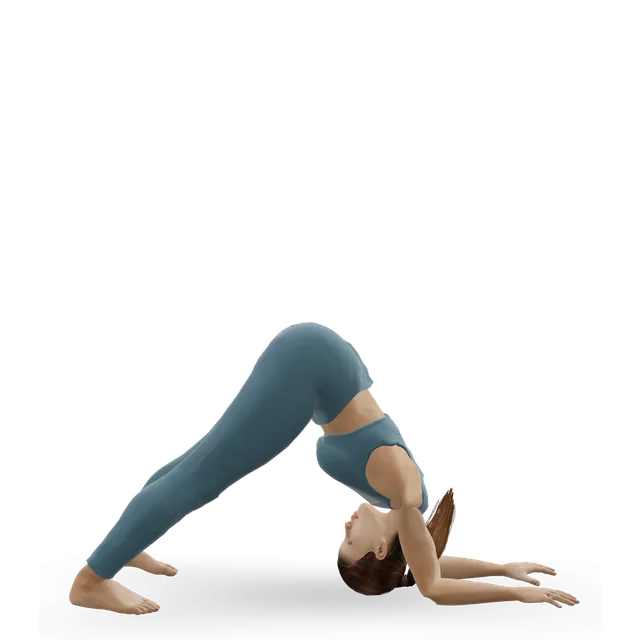
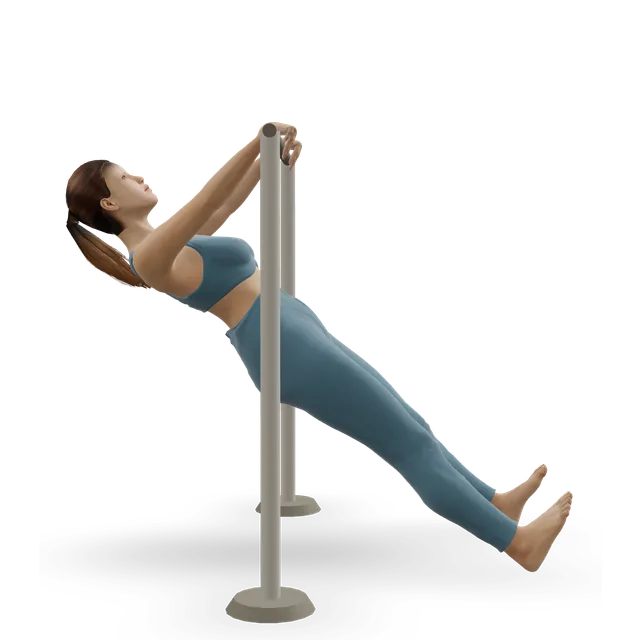
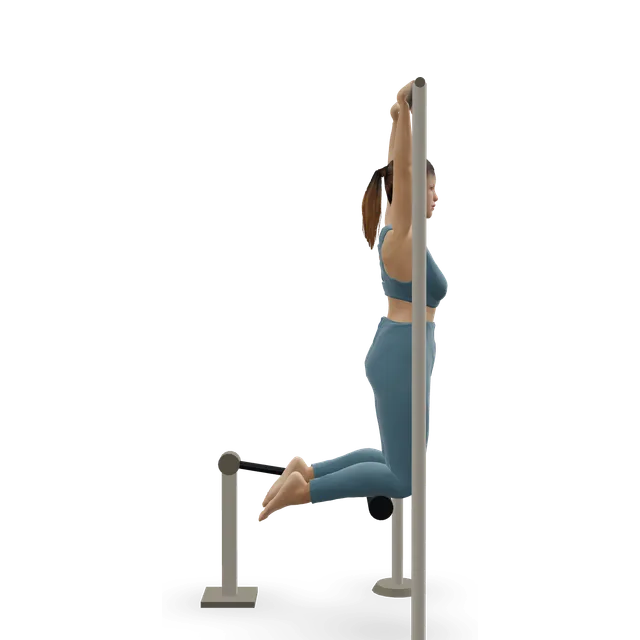
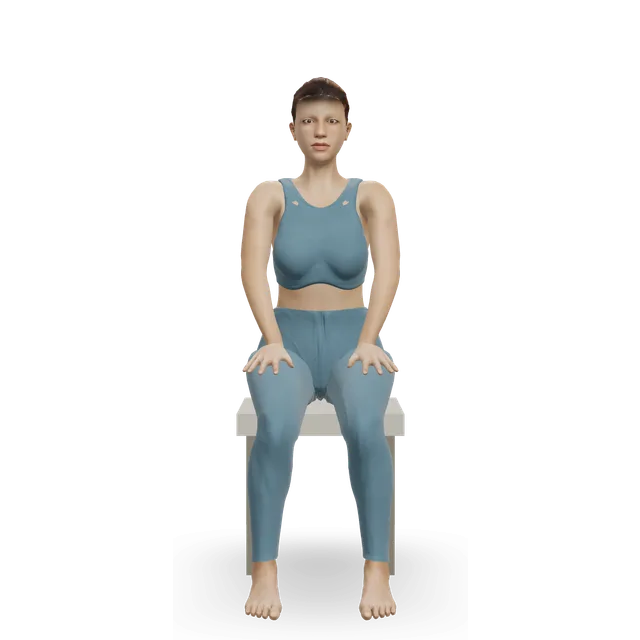
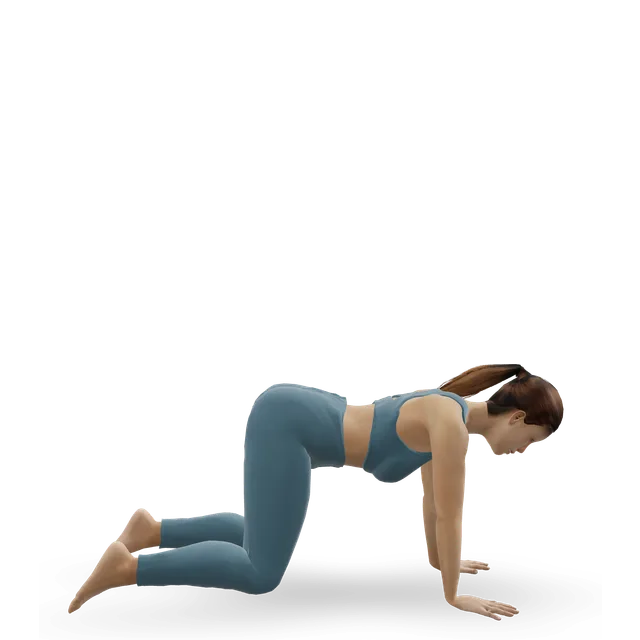
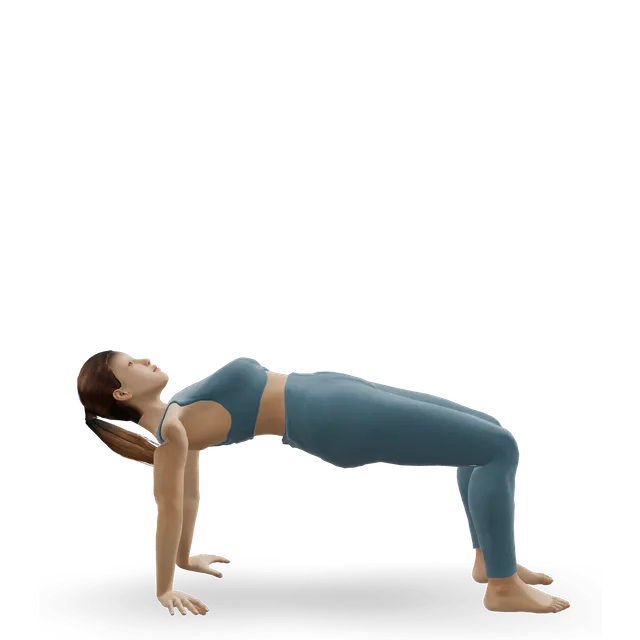
- What: an expanded warm-up of about 12 to 15 minutes before every training session for 8 months, with exercises for the strength, flexibility and stability problems found in gymnasts' knees, lower backs, hips and groins, plus pelvic floor exercises. A physiotherapist taught coaches and gymnasts in each club.
- Effect: no difference in overuse injuries at those sites (odds ratio 0.86, 95% confidence interval 0.32 to 2.29), and the pelvic floor part didn't reduce leaking either.
- Compliance: coaches logged it weekly, but we couldn't read the figures or the exercise list, because the full papers weren't available to us.
- The authors suggest load management and training planning as the next step.
Sources 7, 37, 38
During the growth spurtStrong evidence
In 21 national-level trampoline gymnasts, injury risk peaked at about 90% of predicted adult height, around the growth spurt, and rose with weekly training load. British Gymnastics flags gymnasts at 85% to 96% of predicted adult height as at greater risk, and advises modifying and adapting training, going back to basic skills or drills, extra physical preparation, care with landings and surfaces, maintaining rather than improving flexibility, and encouraging gymnasts to tell their coach about joint pain, back pain or tight muscles.
Sources 8, 9
Hours and specialising earlyStrong evidence
An expert consensus found no evidence that young children benefit from specialising early in most sports, but named gymnastics and figure skating as possible exceptions, because the top level comes in the teens and early twenties. It says children who train more hours a week than their age, or more than 16 hours of intense training, should be watched closely for burnout and overuse injury. The American Academy of Pediatrics (AAP) links burnout with early specialisation and says gymnasts should be allowed to stop when they choose.
Sources 39, 21
Training through injuryStrong evidence
The Whyte Review heard that gymnasts were commonly told to keep training while injured, sometimes until the injury got worse. A senior practitioner told the review that modified training can be responsible when the coach, the gymnast, the sports science team and, for children, a parent decide on it together. The AAP says athletes should never take medicine before training to mask pain.
Sources 11, 21
WristsMixed evidence
Little is known about preventing gymnasts' wrist injuries. Experts suggest limiting excessive wrist loading, keeping wrist range, good technique, and wrist and trunk strength. The AAP lists wrist braces among ways to lower the risk, but in a lab study of 23 young gymnasts, guards cut how far the wrist bent back while raising another wrist load during back handsprings, and no trial has tested them on injuries. Our gymnast's wrist guide covers what to do when a wrist hurts.
Sources 40, 21, 41
Backs: treat earlyEmerging evidence
Once a stress fracture is diagnosed, starting physiotherapy within a week did better than resting first in 64 young athletes: back to sport 38 days sooner, and back pain came back in 3% against 29%. In competitive gymnasts with low back pain, 8 to 12 weeks of core stability training reduced pain in small trials. No trial has tested back injury prevention in gymnasts.
Sources 42, 31
Landings and ACLs, borrowed from other sportsStrong evidence
The AAP says ACL prevention programmes that teach landing and stopping, with hamstring strengthening, should be part of every gymnast's training. They haven't been tested in gymnasts; our ACL injury guide gives the evidence from other sports, where such warm-ups cut ACL injuries in girls and women.
Source 21
Coaching, spotting and progressionsStrong evidence
The AAP advises trained coaches, spotting available at all times, well-kept mats and apparatus, learning skills in order, and no fooling around near foam pits or trampolines. On trampolines, most injuries happen with more than one person on the mat, and neck injuries with falls and somersaults, so our suggestion is one person at a time and somersaults only with coaching.
Sources 21, 43
What isn't shownMixed evidence
No screening test predicts gymnastics injuries. Hypermobility alone wasn't linked with injury in a small national team, and in rhythmic gymnasts both too little and too much flexibility went with problems. Stretching didn't prevent injuries in trials across sports.
Sources 27, 44, 45, 46