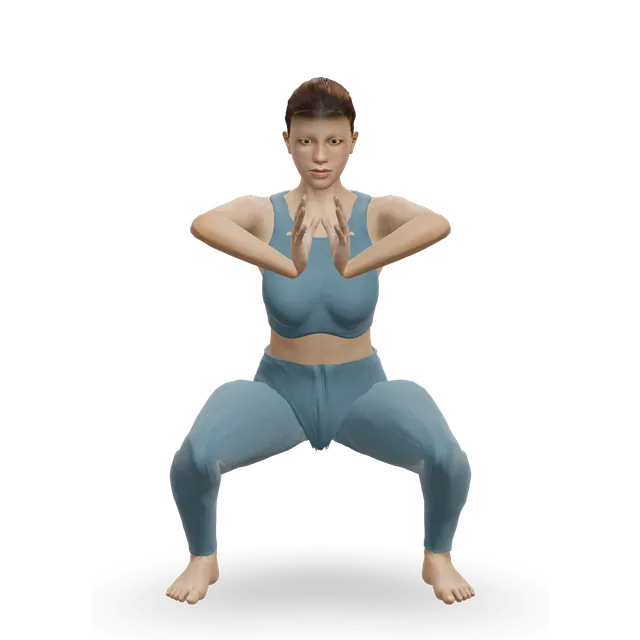
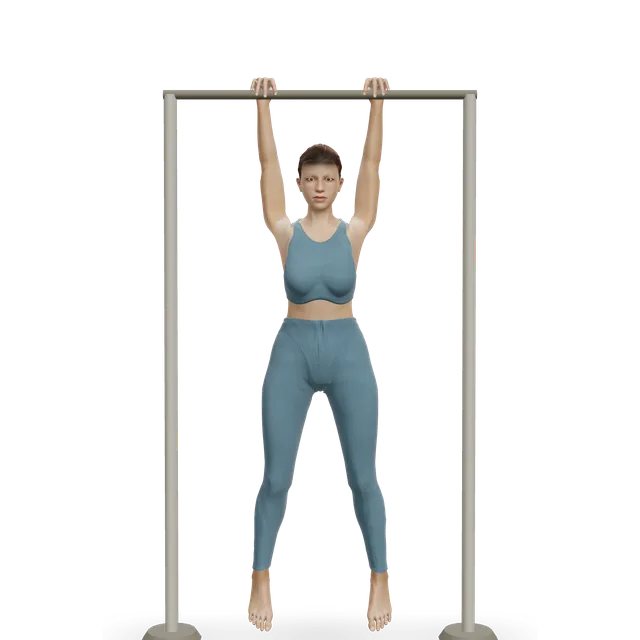
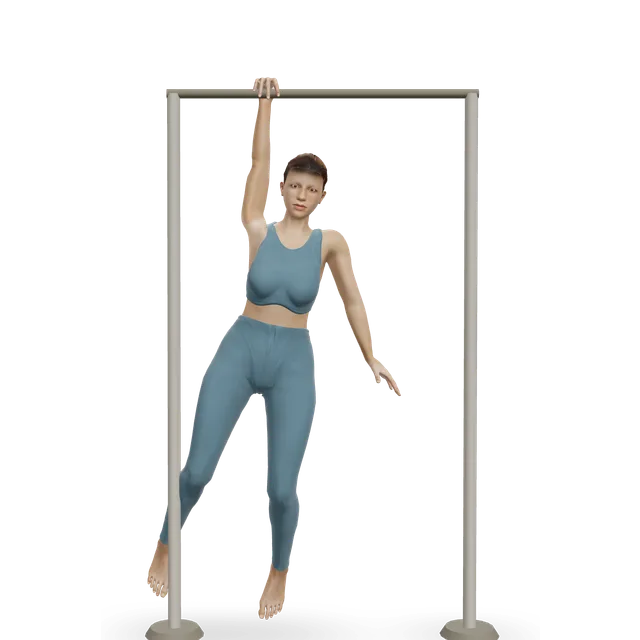
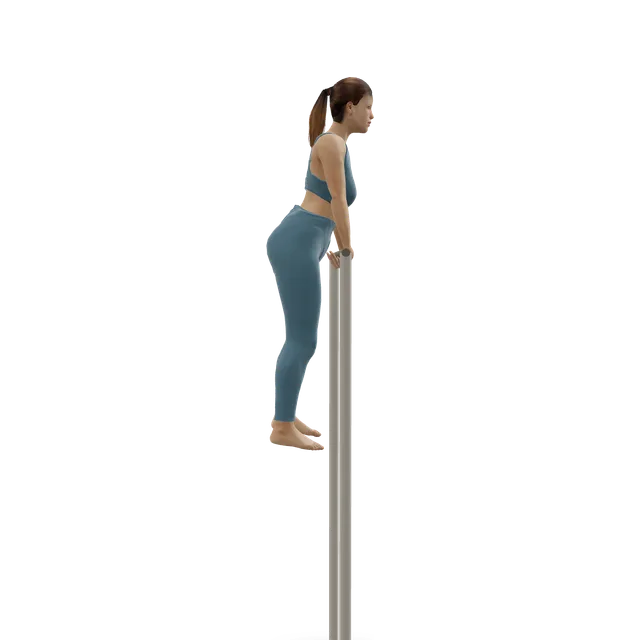
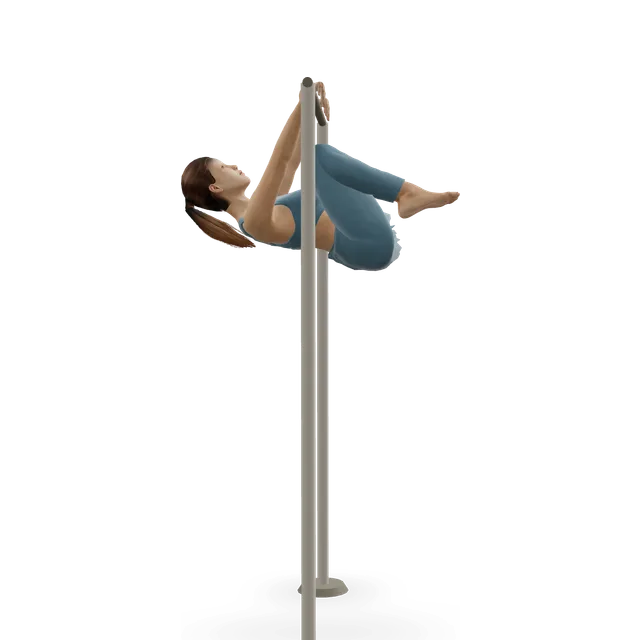
Training guide

How to do a pull-up: your first pull-up, step by step, and the evidence behind each step

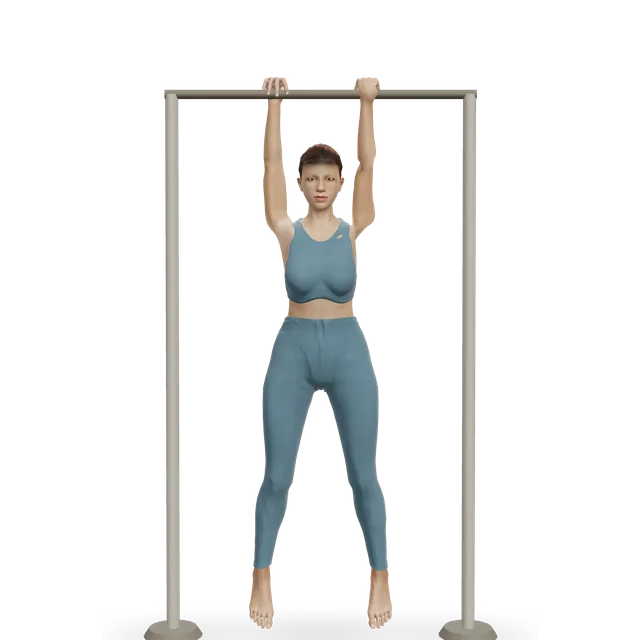
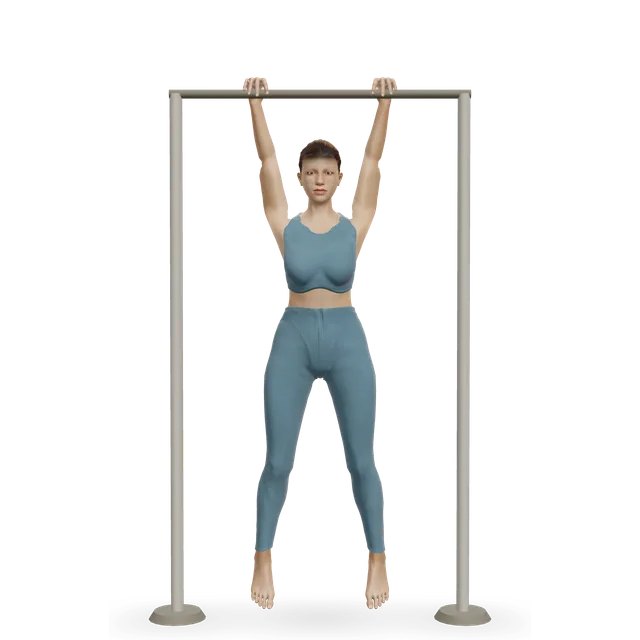
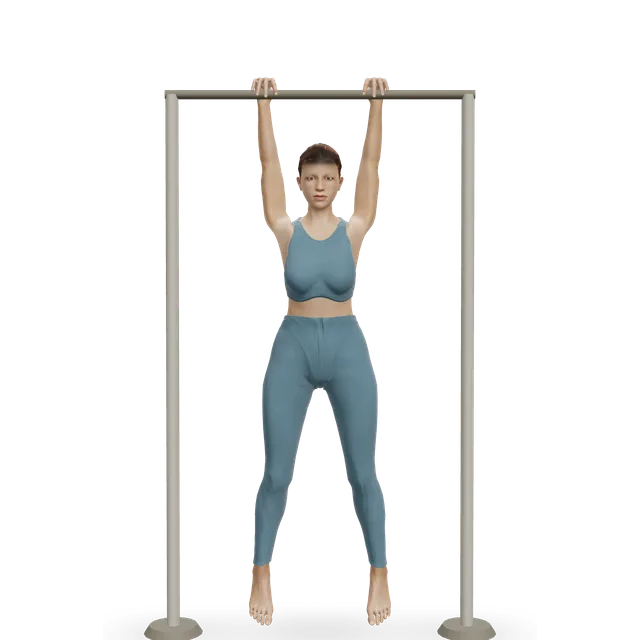
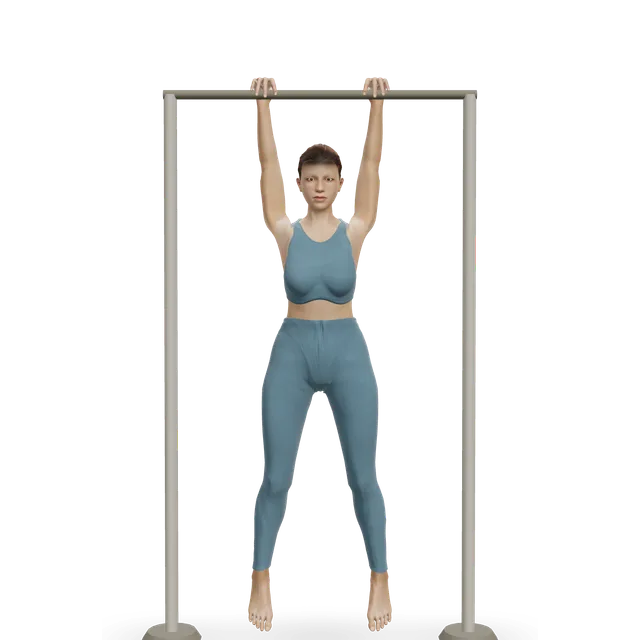
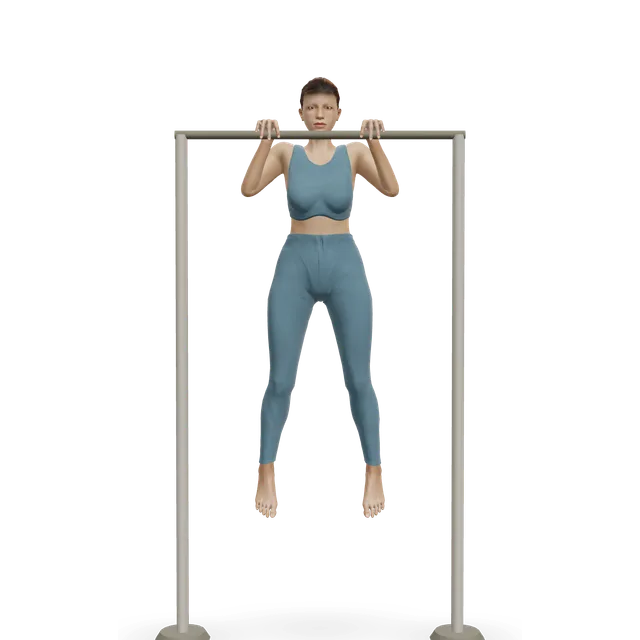
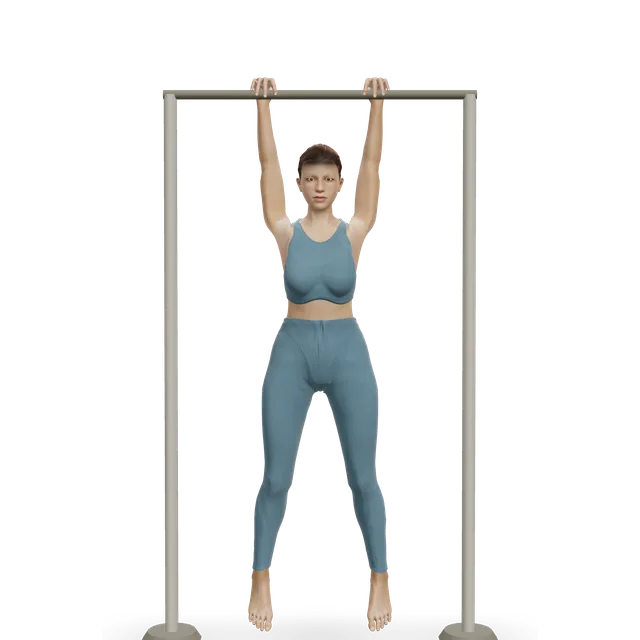
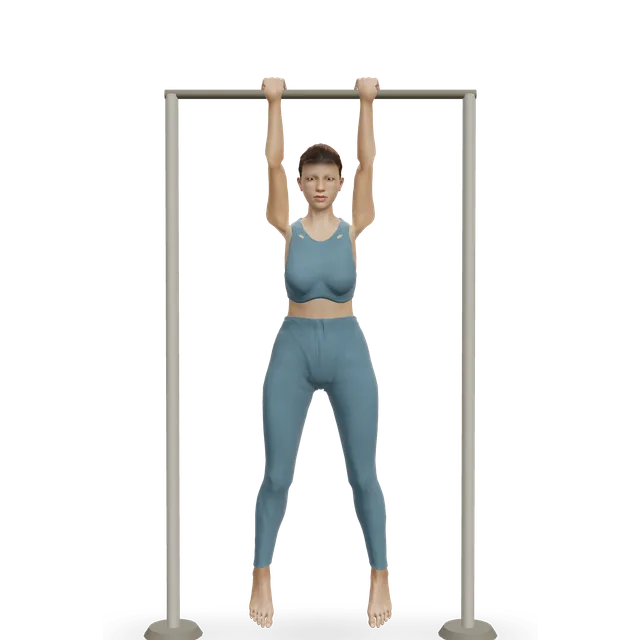
A pull-up means hanging from a bar on straight arms and pulling until your chin clears it, then lowering all the way down. It lifts your whole body weight, which is why most people can't do one at first: in one study, college women could pull about three-quarters of their body weight and men a little more than theirs. The steps to get there are well known, and each one has a 3D demo below.

No study has timed a first pull-up from scratch, so the timeline here is our estimate: a few weeks if you're close, and often 2 to 6 months from no pulling strength. The one trial of a pull-up-building routine trained several steps in every session, and adding grip work helped most.

This guide covers the technique, the ladder from hangs and rows through band or machine help and slow negatives to your first chin-up and pull-up, what the trials say about each step, pull-ups versus chin-ups, kipping and shoulder care. It ends with workouts to follow, including a first pull-up session for two or three times a week.

The short version

A full rep: straight arms to chin over the bar

Hang on straight arms, pull until your chin clears the bar, and lower all the way back down. It lifts your whole body weight: in a study of 35 men and 23 women at college, the women's best single pull-up, with help or added weight as needed, averaged about 73% of their body weight and the men's about 116%.

Sources 1, 2

Climb a ladder of easier steps

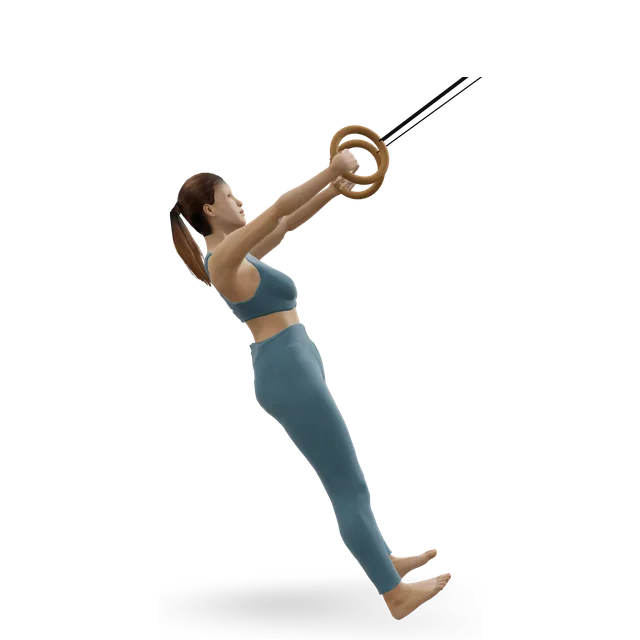
Hangs and shoulder-blade pulls, then rows, then band- or machine-assisted pull-ups and slow lowering (negatives), then chin-ups and pull-ups. Coaching bodies teach these steps, and the one trial of a pull-up-building routine used them.

Sources 3, 4, 5

Train several steps in each session, and your grip

In an 8-week trial, 30 inactive young men did assisted pull-ups, rows, chin-ups and negatives twice a week. Pull-up reps rose in every group, most when grip and forearm work was added: from about 4 to 13. Lowering-only work builds lowering strength most, which is why programmes pair negatives with assisted pull-ups.

Sources 5, 6

Chin-ups usually come first

With your palms facing you, the biceps help more, so most people find the chin-up a little easier. Both grips work the large back muscles, the lats, hard.

Sources 7, 8

Fresh, two or three times a week, stopping short of failure

Do your pull-up work at the start of a session, two or three times a week, and end each set while the reps are still smooth. In strong men, ending sets early built more than grinding on towards failure.

Sources 9, 10, 11

Weeks to months, by our estimate

No study has timed a first pull-up from scratch. Our estimate: a few weeks if you can already lower yourself slowly or need little help, and often 2 to 6 months from no pulling strength, sometimes longer.

Sources 12, 5

How to do a pull-up

Set up

Use a bar that holds your weight and lets you hang on straight arms, bending your knees if you need to; test a doorway bar before you trust it (our suggestion). Take an overhand grip a little wider than your shoulders, wrap your thumbs round the bar, and start each rep from a still, straight-arm hang.

Source 1

Set your shoulders first

Draw your shoulder blades down and back before your elbows bend: the scapular pull-up, done as the start of every rep. In an electromyography (EMG) study, which measures muscle activity through the skin, the lower trapezius and the chest muscles started the pull-up and chin-up, and the biceps and lats finished it.

Source 7

Pull

Drive your elbows down towards your ribs and bring your chest towards the bar until your chin clears it. Lead with your chest, not your chin, and keep your legs quiet, without swinging.

Source 1

Lower all the way

Lower under control to straight arms. Full range of motion built more strength than partial reps in pooled studies, and it makes your progress easier to track.

Sources 13, 9

Breathe

Breathe out as you pull or at the top, and in as you lower. Don't hold your breath through a set (our suggestion).

What counts as a rep

From straight arms until your chin passes the bar, without a kick. The National Academy of Sports Medicine (NASM) accepts the chin clearing the bar or the chest approaching it; some coaches insist on the chest touching. This guide uses the strict chin-over-bar standard.

Source 1

The pull-up and chin-up

Each page shows the grip and the full range in 3D; start with whichever you can do for a clean rep, which for most people is the chin-up.

Common mistakes

Half reps

Stopping short at the bottom or the top. Full range builds more strength, so start every rep from a still hang, and use more help if the top is out of reach.

Source 13

Swinging or kicking

The swing moves work to the hips and cuts the arm and back work in each rep, and CrossFit itself advises a strict pull-up before kipping. Squeeze your legs together, keep your ribs down, and use a band or machine instead.

Sources 14, 15

Shrugging and pulling with the arms alone

The pull starts with the shoulder blades drawing down. Practise scapular pull-ups, then begin every rep by setting your shoulders.

Source 7

Grinding every set to failure

Ending sets while reps were still quick beat near-failure sets in strong men, and failure isn't needed for muscle growth. End a pull-up set when a rep slows down.

Sources 10, 11

Never reducing the help

Progress needs a growing challenge, and NASM warns against sticking with the same band. When every set reaches the top of its rep range, use a thinner band or less counterweight.

Source 4

Dropping from the top of a negative

It skips the lowering work and lands hard on your shoulders and elbows. Lower for 3 to 5 seconds and step back down to the box (our suggestion).

Too many negatives too soon

Lowering work causes more next-day soreness, and very hard, unaccustomed exercise can rarely cause rhabdomyolysis, a serious breakdown of muscle. Start with 2 or 3 sets of 3, two or three days apart, and build up.

Sources 3, 16

Craning your neck to get your chin over

It turns a back exercise into a neck one. Lead with your chest, and count the rep only when your chin clears without craning.

Ignoring your grip

Grip and forearm training gave the largest pull-up gains in a trial. Add hangs, carries and wrist curls.

Source 5

Pulling behind the neck

It works the shoulder raised and turned out under your full body weight. Pull to the front of your head, as our behind-the-neck pull-up page advises if you have neck or shoulder pain.

Your first pull-up: the ladder

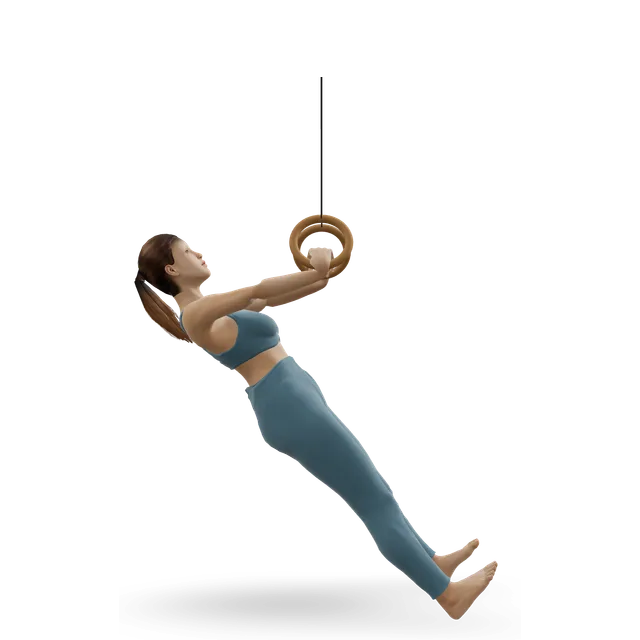
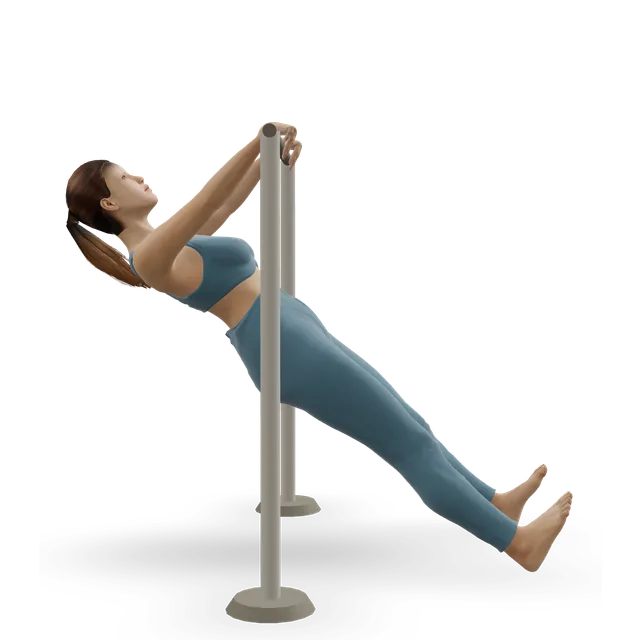
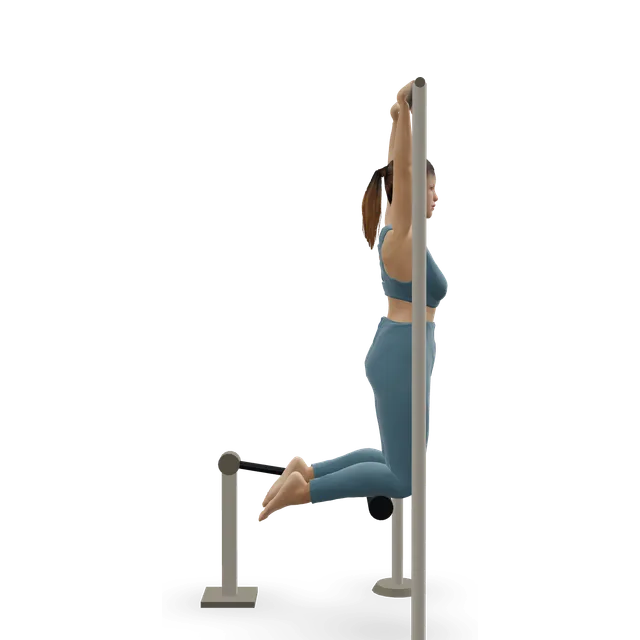
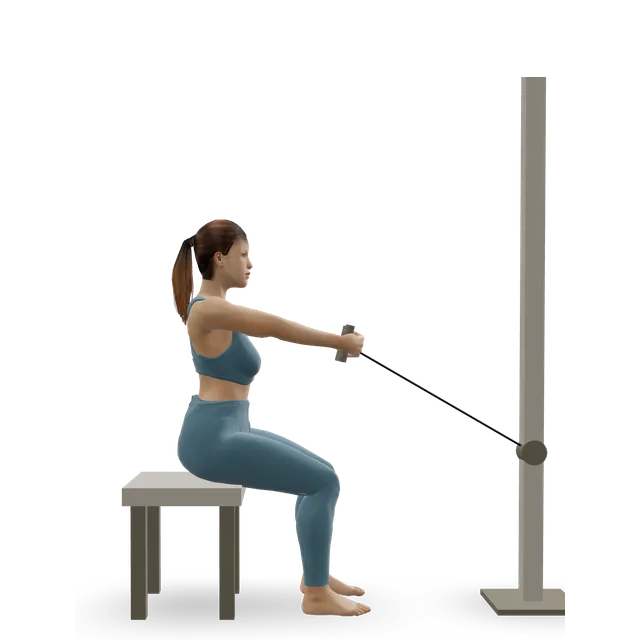
Train a row, an assisted pull-up and slow negatives in the same session, each at the hardest step you can do with good form, rather than one step at a time over weeks (our editorial starting point, following the trial below).

What the evidence says about each step

Training several steps together worksEmerging evidence

In an 8-week randomised trial, 30 inactive young men who could already do 3 or 4 pull-ups trained twice a week with assisted pull-ups, inverted rows, chin-ups and negatives, 3 sets of each. Pull-up reps rose in every group. The group that added forearm and grip training gained the most, from 4.0 to 12.9 reps.

It is one small trial, the men could already do a few, and they trained to failure, which this guide doesn't copy. It is still the closest trial to a first pull-up routine.

Source 5

Lowering-only training builds strength, mostly for loweringStrong evidence

Across 27 studies, lowering-only (eccentric) training built lowering strength more than lifting-only (concentric) training, and built lifting and holding strength about as well. Lowering at high intensity can add strength and muscle, but the gains are partly specific to lowering. Most of these trials used isokinetic machines, which fix the speed of movement, rather than pull-ups.

Sources 6, 17, 18

In pull-ups, each way of training helped a littleEmerging evidence

In 30 advanced climbers, 5 weeks of lowering-only, holding (isometric) or explosive pull-up training each raised maximal pull-up strength by about 2 to 5%, while a group that didn't train them stayed the same.

Source 19

Bands, machines or negatives: no trial has compared themEmerging evidence

We found no trial comparing negatives, band help and machine help for a first pull-up. Mechanically, a loop band helps most at the bottom, where it is stretched furthest, and least near the top, while a machine's counterweight helps evenly through the rep; thicker bands help more. In a motion study of 11 experienced men, the authors suggested weight-assisted, shoulder-width overhand pull-ups for weaker people. Use whichever you have, and reduce the help steadily.

Sources 4, 20, 5

Rows work the same pulling musclesEmerging evidence

In 26 adults, inverted rows drove the lats, biceps, lower trapezius and rear shoulder muscles above 61% of their maximal activity, with either grip. That makes rows a sound first step, and lowering the bar makes them harder.

Source 21

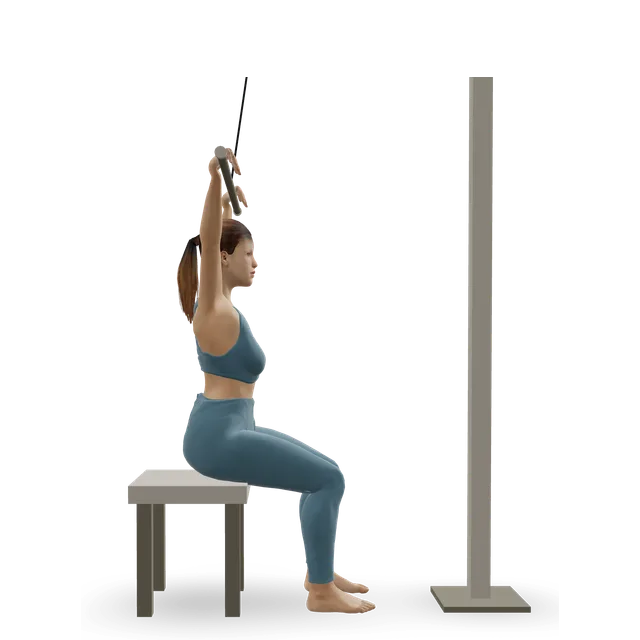
Pulldowns help, but they aren't the sameMixed evidence

Eight weeks of lat pulldown training raised pull-up reps in 34 active young men. But in elite college women swimmers, pulldown strength was only loosely linked to pull-ups (a correlation of 0.34 with the one-rep best, and none with pulldown reps), though the link was stronger in men, and your body weight counts against you on the bar but not on the machine. Chin-ups also worked the biceps and lower back muscles more than pulldowns as people pulled up. Use pulldowns as one step, and practise on the bar.

Sources 22, 23, 2, 24

Two or more sessions a week, early in the sessionStrong evidence

An American College of Sports Medicine (ACSM) overview of 137 reviews found strength rose more with 2 or 3 sets per exercise, exercises done at the start of a session, and 2 or more sessions a week.

Source 9

Full range builds more strengthEmerging evidence

In a review of 16 studies, training through a full range of motion built more strength than partial range.

Source 13

You don't need to train to failureStrong evidence

Across studies, training to failure gave at most a trivial advantage for muscle growth, and the ACSM overview found it didn't consistently change results. In pull-ups, an 8-week randomised trial in 29 strength-trained men found that ending each set once rep speed had dropped by a quarter built more strength and endurance than carrying on until it dropped by half; the second group didn't improve. People tend to underestimate the reps they have left by about one, so ending a set when a rep slows is a fair guide.

Sources 11, 9, 10, 25

Pull-up vs chin-up, and other grips

Both grips work the lats hardEmerging evidence

In 25 adults, pull-ups and chin-ups both drove the lats to 117 to 130% of the activity in a maximal test effort. The chin-up worked the biceps and the main chest muscle (pectoralis major) more; the pull-up worked the lower trapezius, between the shoulder blades, more.

Source 7

The chin-up is usually the easier repEmerging evidence

With the palms facing you the biceps help more, and coaches generally find people get a chin-up first. This rests on muscle activity studies and coaching experience: we found no study comparing how many reps people manage with each grip.

Sources 7, 8

Grip type changes less than people thinkEmerging evidence

In 19 strength-trained men, overhand, underhand, neutral (palms facing each other) and rope pull-ups gave broadly similar muscle activity over a full rep; overhand beat neutral only for the middle trapezius. In 15 trained adults, towel and suspension-handle pull-ups were similar to the bar apart from the middle trapezius. Both train your grip harder (our suggestion).

Sources 26, 27

A wide grip adds littleEmerging evidence

In the lat pulldown, grips from 1 to 2 shoulder widths gave similar muscle activity, with a little more weight lifted at narrow or medium widths. In 14 trained men, a self-chosen pull-up grip, about 20% wider than shoulder width, gave the same strength and reps as a shoulder-width grip. In pulldowns, palms facing forward drew more lat activity than palms facing you.

Sources 28, 29, 30

Sore shoulders? Try a shoulder-width or neutral gripMixed evidence

One small study of 11 experienced men found that wide-grip and underhand pull-ups moved the shoulder blade in ways the authors linked with impingement, where tendons are squeezed at the top of the shoulder. They suggested weight-assisted, shoulder-width overhand pull-ups for weaker people. No injuries were measured, so treat this as a reason to try a shoulder-width or neutral grip if your shoulders hurt, not as a rule.

A modelling study by the same group found each grip shifts load between muscles: wide grips towards the lats, shoulder-width overhand towards the biceps and brachialis, and underhand towards the rotator cuff.

Sources 20, 31

Kipping

A different exercise, not a cheatEmerging evidence

In 11 athletes, adding a kip (a swing from the hips) brought in more whole-body muscle activity and cut the upper-body work in each rep, which the authors say may let you do more reps before your arms tire. It trains moving quickly and linking reps rather than pulling your weight from a dead hang.

Source 14

Learn the strict pull-up firstEmerging evidence

In CrossFit-style workouts kipping is the accepted standard, but CrossFit's own coaching advice is to build a strict pull-up first, for shoulder stability and strength. For strength and for your first pull-up, do strict reps, and kip only once you own several (our suggestion).

Source 15

Shoulders in this kind of trainingEmerging evidence

The shoulder is among the places most often hurt in high-intensity functional training (CrossFit-style workouts), at about a quarter of injuries in pooled studies. In a survey of 93 street workout (outdoor calisthenics) practitioners, the shoulder accounted for 23% of injuries, and tendon problems were the commonest diagnosis. The surveys are of low quality, and none singled out kipping as the cause.

Sources 32, 33

How long it takes

No study has timed it from scratchEmerging evidence

One 2003 study trained college women towards a first pull-up and found that those who succeeded had more strength for their body mass and less body fat; its summary doesn't report how many succeeded or how long it took. In the 2025 trial, men who could already do 3 or 4 pull-ups raised their reps by roughly two to three times in 8 weeks. A news report said that in 2013, 55% of women recruits at the US Marine Corps depot at Parris Island couldn't do 3 pull-ups, despite a training effort begun in late 2012; how long each recruit trained wasn't stated.

College women's one-rep best averaged about 73% of their body weight: a gap of roughly a quarter of their weight for training to close.

Sources 12, 5, 34, 2

Our estimate

These are our estimates, not trial results. Less body fat went with success in the 2003 study, and body mass counted against pull-ups in women swimmers, so the more weight you carry for your strength, the longer it tends to take. Be wary of promises of a pull-up in 30 days.

  • If you can lower yourself for about 5 seconds, or need only a little help: often 2 to 6 weeks.
  • Starting from rows and plenty of machine or band help: commonly 2 to 6 months.
  • Starting with little upper-body strength: longer, and some people need more than 6 months.

Sources 12, 23

How to train for it

How often: two or three times a week

Two or three sessions a week, not on consecutive days, with the pull-up work first while you're fresh. The 2025 trial trained twice a week, and the ACSM overview found 2 or more sessions a week and exercises done early in a session built more strength.

Sources 5, 9

Sets and effort

Our editorial starting point: about 3 sets of each step, stopping 1 to 3 reps short of failure, or ending a pull-up set when a rep slows. That is 1 to 3 RIR (reps in reserve: how many more reps you could have done).

Sources 10, 11

Rest

2 to 3 minutes between sets of chin-ups and pull-ups, and about 90 seconds for rows and assisted pulls, as our workout plans suggest for hard compound sets.

Weekly amount

Most people working towards a first pull-up do 6 to 12 hard pulling sets a week across rows, assisted pulls and negatives (our editorial starting point; our calisthenics plan uses about 9 to 12).

Negatives: start small

Start with 2 or 3 sets of 3, lowering for 3 to 5 seconds at first and building towards 5 to 10 (our editorial starting point). Lowering work brings more next-day soreness than usual, so expect sore arms after the first sessions.

Source 3

Assistance: reduce it steadily

NASM suggests 3 to 5 sets of 5 to 10 band-assisted pull-ups, and the American Council on Exercise (ACE) 2 to 4 sets of 8 to 12 assisted pull-ups. When every set reaches the top of its range, use a thinner band or less counterweight.

Sources 4, 3

Track your progress

Log your band or counterweight, how long your negatives last and the height of your row bar. Small changes in each add up before the first full rep appears (our suggestion).

Workouts

The first pull-up workout trains rows, assisted pull-ups, negatives and grip in one session; the pull-up progression works one step at a time. The others build pulling into a full session.

Plans

Beyond your first pull-up

Our move pages ask for about 10 strict pull-ups before weighted pull-ups and muscle-ups, and a relaxed 60-second hang on both hands before the one-arm hang.

Shoulder and elbow care

What happened when the Marines added pull-upsEmerging evidence

When pull-ups replaced the flexed-arm hang in the fitness test for female US Marines in 2017, upper-limb injuries didn't rise straight away. When pull-up standards rose for men the same year, a falling injury trend levelled off rather than continuing down. These are observational studies, but they are broadly reassuring: pull-ups are an ordinary training movement.

Sources 35, 36

Sore shoulders

Keep pain during exercise to about 5 out of 10 or less, settling by your next session: the rule our shoulder guides use. Pull in front of your head, start with rows and band or machine help, and leave hanging out while the shoulder is painful and stiff. A shoulder-width overhand or neutral grip is worth trying, as above.

Source 20

After a dislocation, or if your shoulder feels unstable

Leave hangs and pull-ups out until you've been cleared, as our bar hang page advises. Our shoulder dislocation guide has a strengthening plan.

Sore elbows

The underhand grip loads the inner elbow, as our chin-up page notes, so with inner-elbow pain use an overhand or neutral grip and shorten your negatives. With tennis or golfer's elbow, build your hang time slowly.

Warning signs

Get help urgently for your shoulder

Ask for an urgent GP appointment or contact NHS 111 (in the US, urgent care) for sudden or very bad shoulder pain; if you can't move your arm; if the shoulder has changed shape or is badly swollen; for pins and needles that don't go away or no feeling in the arm; if the arm is hot or cold to touch; for pain after an injury or fall; for severe pain in both shoulders; or if you feel feverish or unwell.

Source 37

See a GP

If shoulder pain gets worse or doesn't improve after 2 weeks.

Source 37

Dark urine after a hard session

Get medical advice the same day (NHS 111, or urgent care in the US) for dark, red or cola-coloured urine, passing less urine, weakness, or severe muscle pain and tenderness. These can be signs of rhabdomyolysis, which can rarely follow severe exertion, including calisthenics.

Source 16

Myths

"Kipping is cheating"Mixed evidence

It is a different exercise: the hip swing shifts work to the hips and trunk and may let you do more reps. CrossFit advises building a strict pull-up first. Shoulder injuries are common in CrossFit-style training, but no study has singled out kipping as the cause.

Sources 14, 15, 32

"Women can't do pull-ups"Emerging evidence

On average women pull a smaller share of their body weight (about 73% against 116% in one sample), so most need more training to get there. Training helped some college women achieve one, and success depended on strength for body mass, not sex alone. The US Marine Corps made pull-ups part of the women's test from 2017 without a rise in upper-limb injuries.

Sources 2, 12, 35

"Lat pulldowns will get you a pull-up on their own"Mixed evidence

Pulldowns raised pull-up reps in young men, but in women swimmers pulldown strength and pull-ups were only loosely related. Pulling your body up a bar is its own skill, so get on the bar.

Sources 22, 23

"Chin-ups are just a biceps exercise"Emerging evidence

Both grips drive the lats above the level of a maximal test effort; the chin-up adds more biceps and chest.

Source 7

"Negatives alone will get you there"Emerging evidence

Lowering-only training builds lowering strength most, and the gains are partly specific to lowering. Combine negatives with assisted pull-ups and rows, as the trial routines did.

Sources 6, 17, 5

"Bands are cheating"Emerging evidence

They let you train the full movement with part of your weight, and coaching bodies use them. Reduce the help steadily. No trials have compared bands with other ways of building up.

Sources 3, 4

Questions people ask

How long does it take to do your first pull-up?

No study has timed a first pull-up from scratch, so this is our estimate: a few weeks if you can already lower yourself slowly or need only a little help, and often 2 to 6 months from no pulling strength, sometimes longer. Track your negatives and your band or counterweight to see progress before the first full rep.

What's the best way to get your first pull-up?

Train several steps in each session, two or three times a week: rows, band- or machine-assisted pull-ups and slow negatives, plus some grip work. In an 8-week trial, that kind of routine raised pull-up reps in every group, most when grip training was added. Practise fresh and stop each set while the reps are still smooth.

Are negative pull-ups or band-assisted pull-ups better?

No trial has compared them for a first pull-up. Lowering-only training builds lowering strength most, while assisted pull-ups train the whole movement, so use both, as our first pull-up workout does.

Is a chin-up easier than a pull-up?

Usually, yes. With your palms facing you the biceps help more, and both grips work the back muscles hard, so many people get a chin-up first. If the inside of your elbow or the front of your shoulder complains, try a shoulder-width overhand or neutral grip.

What muscles do pull-ups work?

Mainly the lats, the large muscles down the sides of your back, plus the biceps, the trapezius and the muscles around the shoulder blades. The chin-up works the biceps and chest more, and the overhand pull-up the lower trapezius more. Each move page shows the muscles in 3D.

Will lat pulldowns help me do a pull-up?

They help, but they aren't a substitute. Eight weeks of pulldowns raised pull-up reps in young men, but in women swimmers pulldown strength predicted pull-ups only loosely. Use pulldowns as one step, and practise on the bar.

Is kipping cheating?

It's a different exercise: the hip swing brings in the hips and trunk and cuts the arm and back work in each rep, so you may manage more reps. It's the standard in CrossFit-style workouts, but CrossFit advises a strict pull-up first. For strength, and for your first pull-up, do strict reps.

Why can't I do a pull-up even though I'm strong?

A pull-up lifts your whole body weight, so what counts is strength for your size. In one study, college women could pull about 73% of their body weight and men about 116%. Grip matters too: in a trial, adding grip training gave the biggest gains.

Should pull-ups hurt my shoulders?

No. Muscle soreness is normal, but sharp, pinching or worsening pain isn't. Keep pain to 5 out of 10 or less, settling by your next session, pull in front of your head, and try a shoulder-width or neutral grip. See a GP if it gets worse or isn't better after 2 weeks.

How often should I train pull-ups?

Two or three times a week, with a day between, at the start of your session. Strength rose more with at least 2 sessions a week and with exercises done early in a session.

Should I do pull-ups to failure?

No. In strong men, ending each set while the reps were still quick built more strength than grinding on towards failure, and failure isn't needed for muscle growth. Stop 1 to 3 reps short, or when a rep slows down.

How many pull-ups should I be able to do?

There's no health standard. One strict rep is a real milestone, and about 10 strict pull-ups is the usual starting point for muscle-ups and weighted pull-ups on our move pages.
Sources

  1. National Academy of Sports Medicine · Pull-up (exercise library)
  2. Johnson 2009 · Lat-pull and pull-up strength in 35 men and 23 women (study, JSCR)
  3. American Council on Exercise 2015 · 4 moves to help you master the pull-up
  4. National Academy of Sports Medicine · Band-assisted pull-up (exercise library)
  5. Sepehri Rahnama 2025 · Forearm or core training added to pull-up training in 30 inactive men (randomised trial, Sports)
  6. Spudić 2025 · Eccentric-only vs concentric-only training and strength: 27 studies (systematic review and meta-analysis, Sports Medicine Open)
  7. Youdas 2010 · Muscle activity in the pull-up, chin-up and a rotating-handle pull-up in 25 adults (EMG study, JSCR)
  8. National Academy of Sports Medicine 2026 · Chin-ups vs pull-ups: differences and muscles (blog)
  9. Currier 2026 · Resistance training for strength, muscle and performance in healthy adults: an overview of 137 reviews (ACSM position stand, MSSE)
  10. Sánchez-Moreno 2020 · Ending pull-up sets at a 25% or 50% loss of speed in 29 strength-trained men (randomised trial, JSCR)
  11. Refalo 2023 · How close to failure to train for muscle growth (systematic review and meta-analysis, Sports Medicine)
  12. Flanagan 2003 · Training college-age women to do a pull-up (training study, Res Q Exerc Sport)
  13. Pallarés 2021 · Range of motion in resistance training: 16 studies (systematic review and meta-analysis, Scand J Med Sci Sports)
  14. Dinunzio 2019 · Kipping vs strict pull-ups: movement and muscle activity in 11 athletes (study, Sports Biomech)
  15. CrossFit 2024 · Ask a Coach: a strict pull-up before learning to kip?
  16. MedlinePlus (US National Library of Medicine) · Rhabdomyolysis
  17. Roig 2009 · Eccentric vs concentric training for strength and muscle mass (systematic review and meta-analysis, BJSM)
  18. Schoenfeld 2017 · Concentric vs eccentric muscle actions and muscle growth (systematic review and meta-analysis, JSCR)
  19. Vigouroux 2024 · Lowering-only, isometric or explosive pull-up training in 30 advanced climbers (randomised trial, Bioengineering)
  20. Prinold 2016 · Shoulder blade movement in pull-up techniques in 11 experienced men (motion study, J Sci Med Sport)
  21. Youdas 2016 · Muscle activity in the inverted row in 26 adults (EMG study, JSCR)
  22. Li 2025 · Eight weeks of lat pulldown training and pull-up reps in 34 active men (randomised trial, Eur J Sport Sci)
  23. Halet 2009 · Lat-pull strength and pull-ups in elite college women swimmers (study, JSCR)
  24. Doma 2013 · Chin-ups vs lat pulldowns: movement and muscle activity (EMG study, Sports Biomech)
  25. Halperin 2022 · How accurately people predict the reps they have left (scoping review and meta-analysis, Sports Medicine)
  26. Dickie 2017 · Muscle activity in four pull-up grips in 19 strength-trained men (EMG study, J Electromyogr Kinesiol)
  27. Snarr 2017 · Bar, suspension and towel pull-ups in 15 trained adults (EMG study, J Hum Kinet)
  28. Andersen 2014 · Grip width in the lat pulldown: strength and muscle activity (study, JSCR)
  29. Ortega-Rodríguez 2021 · Shoulder-width vs self-chosen pull-up grip in 14 trained men (study, Res Q Exerc Sport)
  30. Lusk 2010 · Grip width and forearm position in the lat pulldown (EMG study, JSCR)
  31. Urbanczyk 2020 · Rotator cuff load in three pull-up techniques (modelling study, Scand J Med Sci Sports)
  32. Knapik 2022 · Injuries in high-intensity functional training (systematic review and meta-analysis, J Spec Oper Med)
  33. Ngo 2021 · Injuries among 93 street workout practitioners (survey, Orthop J Sports Med)
  34. Military.com 2014 · Marine Corps delays pull-up requirement for women (news report, with the Associated Press)
  35. Arnold 2026 · Upper-limb injuries in female Marines after pull-ups joined the fitness test (observational study, Mil Med)
  36. McNeal 2026 · Higher pull-up standards and upper-limb injuries in male Marines (interrupted time series, Mil Med)
  37. NHS · Shoulder pain

Exercise education, not a personal prescription, and clinical review of these guides is pending. Check with a GP before starting hard training if you have a heart condition, chest pain, dizziness or breathlessness when active, and stop for sharp or increasing pain. Health disclaimer.