Assisted pull-up (machine)
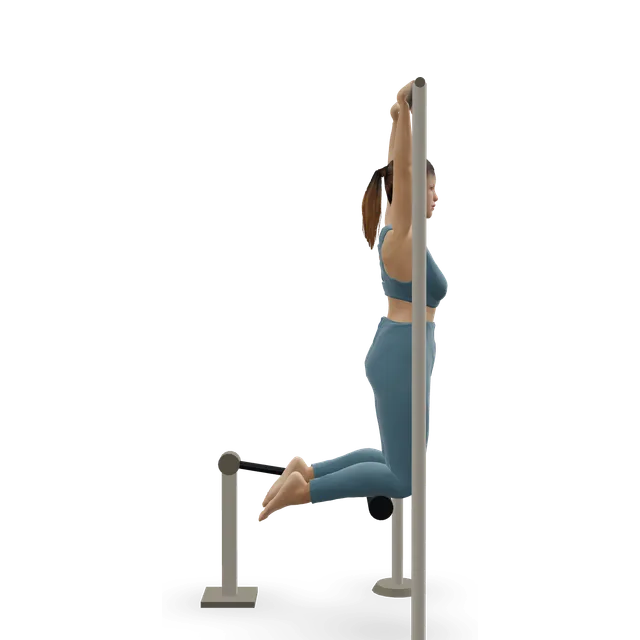
Kneeling on an assisted pull-up machine's platform, the counterweight takes part of the body weight so every rep can use the full range.
Pull-up family
Assisted pull-up (machine)
Loading the 3D figure…
Source-researched guide.
How to move
- Set the assistance, then kneel on the platform and take the handles overhead in an overhand grip a little wider than the shoulders.
- Draw the shoulder blades down and pull until the chin passes the hands, the elbows driving down toward the ribs.
- Lower slowly to straight arms. Reduce the assistance over time as the reps get easier.
Form cues
- Keep the ribs down and avoid swinging.
- More weight on the stack means more help: on most machines, more counterweight makes it easier.
Practice and cautions
No universal dose is assigned. Choose a manageable amount for your current capacity, leave room for controlled repetitions, and allow recovery. A clinician’s individual plan takes priority.
The counterintuitive part: a heavier stack means more help, so start with generous assistance and cut it back over weeks. Mount and dismount carefully because the platform rises as you take your weight off it; hold the frame handles and never step off sideways mid-set. After heart surgery through the breastbone, or a heart or lung transplant, follow your surgeon's advice before pushing, pulling or lifting with your arms. After breast cancer surgery or reconstruction, follow your surgical team's advice on when you can lift your arm above shoulder height, or push, pull or lift with it. This is movement education, not an assessment or treatment prescription. Stop for sharp or increasing pain, dizziness, numbness or tingling; seek individual guidance for symptoms, injury or restrictions.
Sources and review status
Sources support the educational description; they do not establish that this exercise is suitable for you.
No variation is labeled clinically validated.
What it works
Muscles
Main: Back. Also: Biceps, Forearms, Shoulders.
Anatomy: Latissimus dorsi, Teres major, Trapezius, Rhomboids, Erector spinae, Multifidus.
Equipment
Strength machine
Level
Beginner. See the easier and harder options above.
Workouts that use it
Pain guides that use it
Part of a staged plan, with when to get help first.
Guides that use it
- Strength training for women
- Progressive overload guide
- Pull-ups guide
- Free weights vs machines guide
- Lat pulldown guide
- Gym for beginners guide
- Chin-ups guide
- Assisted pull-ups guide
Show all 11 guidesShow fewer guides
Similar moves
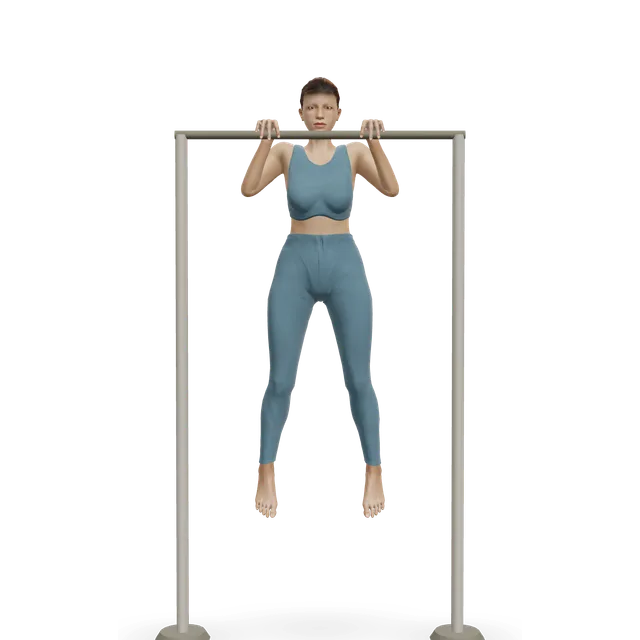 3D demoNegative pull-upIntermediate · Pull-up bar + A step
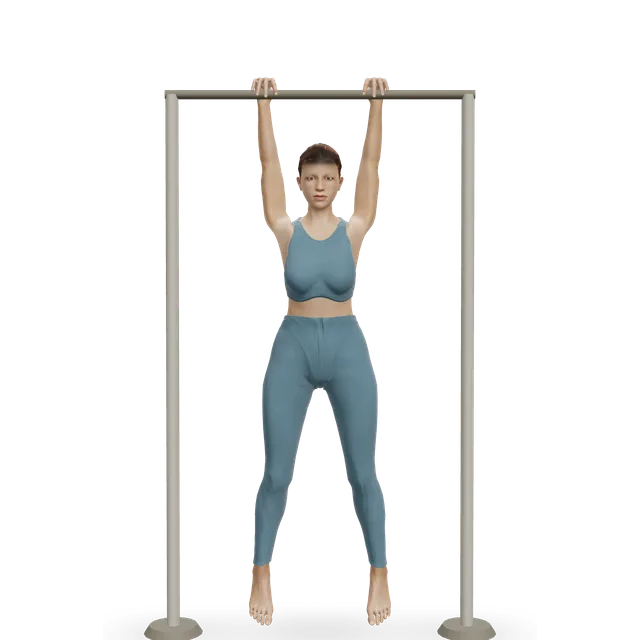 3D demoScapular pull-upIntermediate · Pull-up bar
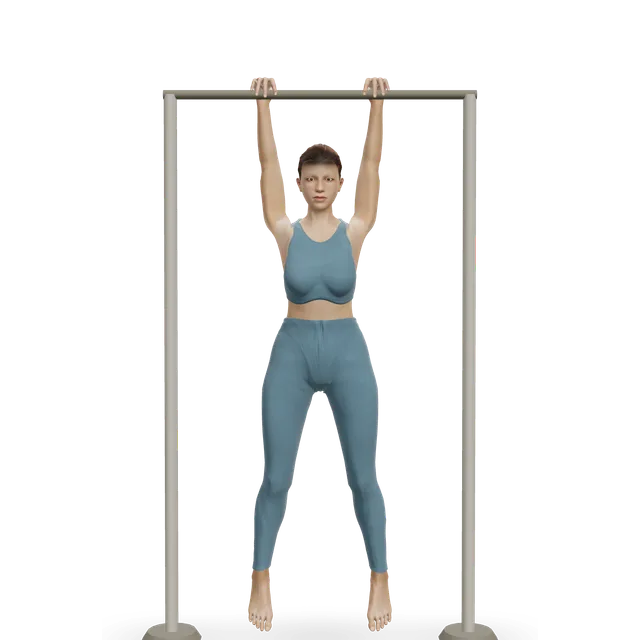 3D demoBand-assisted pull-upIntermediate · A band + Pull-up bar
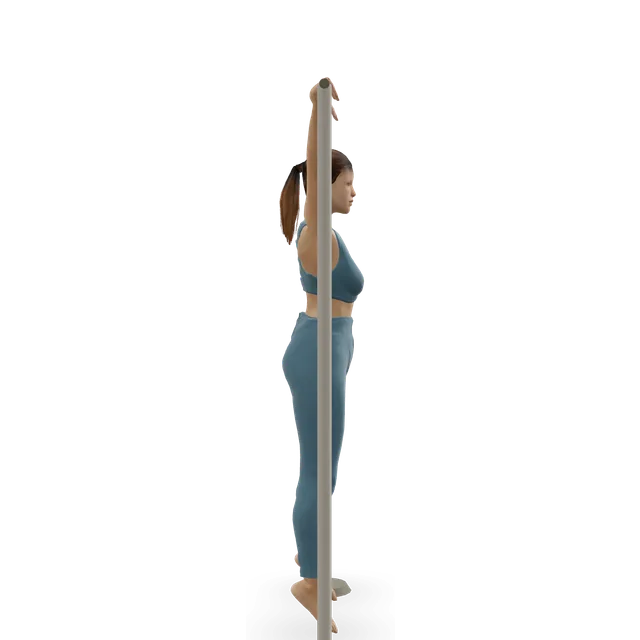 3D demoBehind-the-neck pull-upAdvanced · Pull-up bar
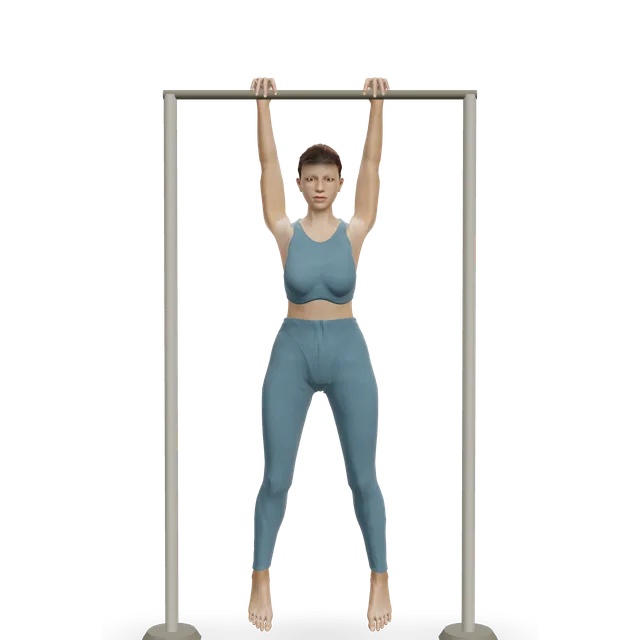 3D demoRocky pull-up (front and behind the neck)Advanced · Pull-up bar
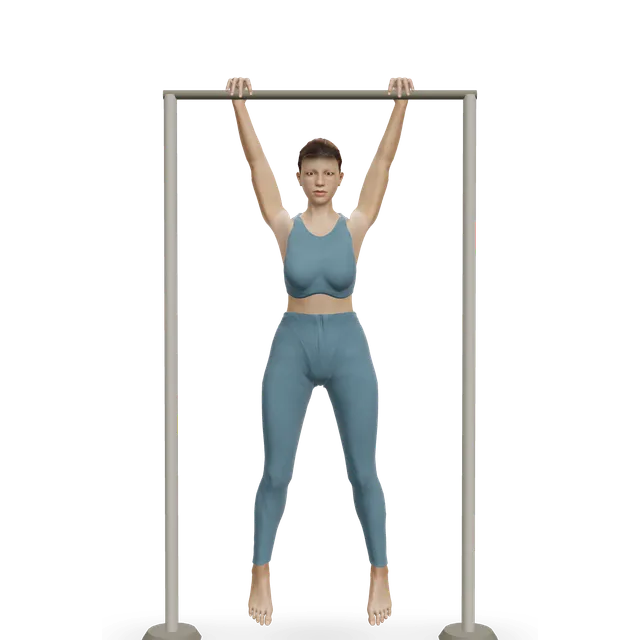 3D demoSide-to-side pull-upAdvanced · Pull-up bar
Browse more
Questions people ask
What muscles does the Assisted pull-up (machine) work?
Mainly the back, with help from the biceps, forearms and shoulders.
What equipment do I need for the Assisted pull-up (machine)?
Strength machine.
Is the Assisted pull-up (machine) good for beginners?
It is graded beginner, so it suits most people starting out. When it feels easy, try the Pull-up.
What is an easier alternative to the Assisted pull-up (machine)?
Try the Lat pulldown or the Seated band pull-down (from shoulder height). It is the suggested step down from this move.
How do I make the Assisted pull-up (machine) harder?
Progress to the Pull-up or the Chin-up. Follow that guide’s technique and any stated timing.