Muscle guide · Back

Erector spinae

Also called lower back muscles, spinal erectors, back extensors

The erector spinae are three columns of muscle running up either side of the spine, from the sacrum and pelvis to the ribs, neck and skull: the iliocostalis on the outside, the longissimus in the middle, and the spinalis closest to the spine.

They are the main muscles that straighten the back, and just as importantly they lower you under control when you bend forward.

5 exercises3 stretches8 with 3D demos13 sourcesUpdated 17 October 2026

Where the erector spinae is and what it does

Shaded: the back area. It marks the region, not the exact outline of the erector spinae.
What it does
  • Straighten the back with both sides working: standing up from a bend, the top of a deadlift.Bilateral extension of the vertebral column
  • Side-bend and turn the spine when one side works.Unilateral lateral flexion and rotation
  • Lower the trunk under control as you bend forward.Eccentric control of forward flexion
Nerve supply
Dorsal rami of the spinal nerves at each level (lateral branches to the iliocostalis, intermediate branches to the longissimus).

Sources 1, 2, 3

The parts of the erector spinae

PartStarts atAttaches toWhat it does
IliocostalisBack of the hip bone (lumbar part); the lower ribs (thoracic part)The backs of the ribs and the side bumps of the low-back vertebrae, up to the neckStraightens and side-bends the spine
LongissimusSide bumps of lower vertebraeSide bumps of higher vertebrae, up to the bone behind the earStraightens and side-bends the spine; the largest column
SpinalisBack points of the vertebrae around the waistBack points of the upper vertebraeStraightens the spine; small and poorly defined in the neck

Sources 1, 2, 3

Exercises for the erector spinae

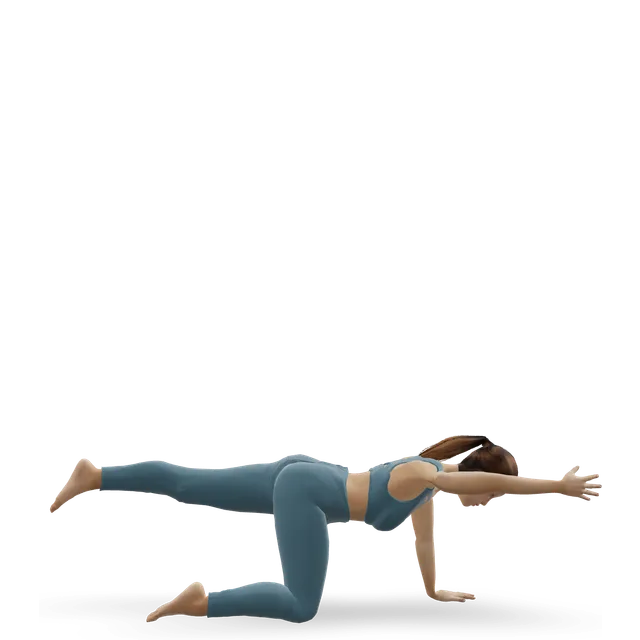
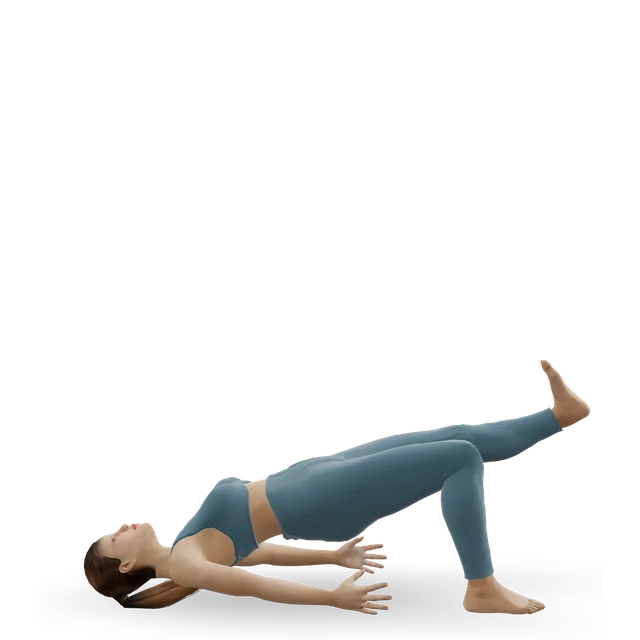
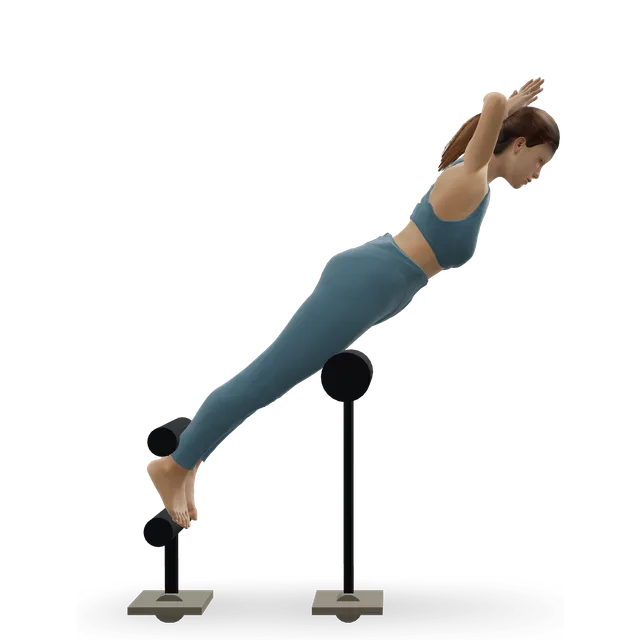
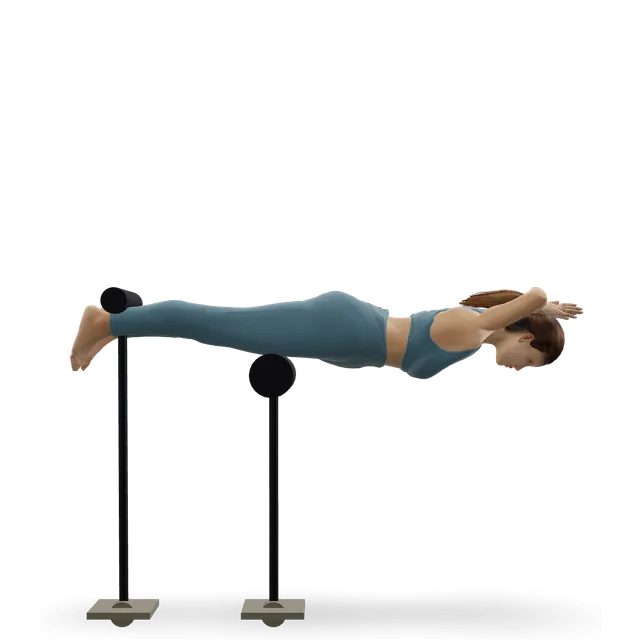
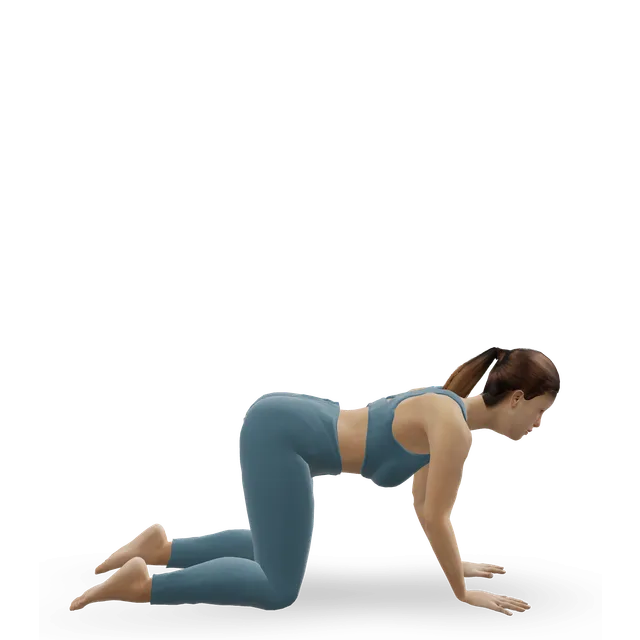
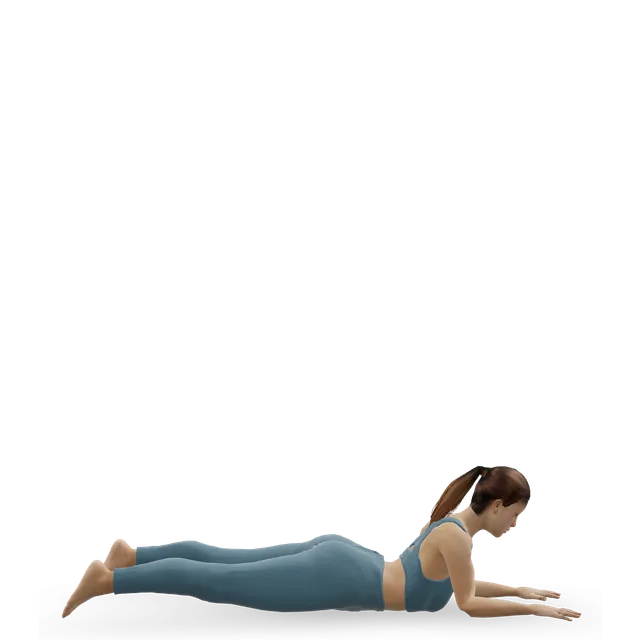
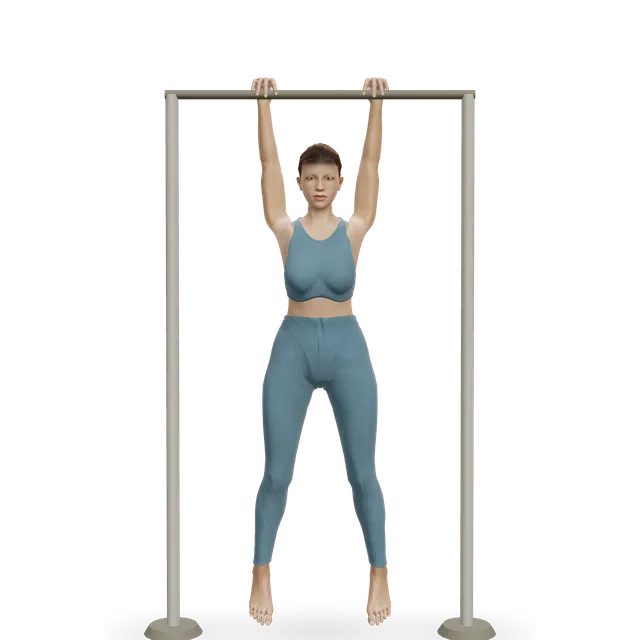
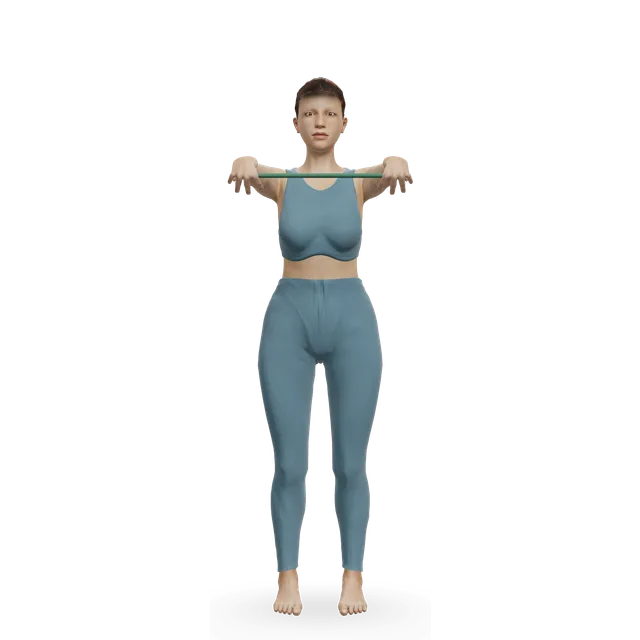
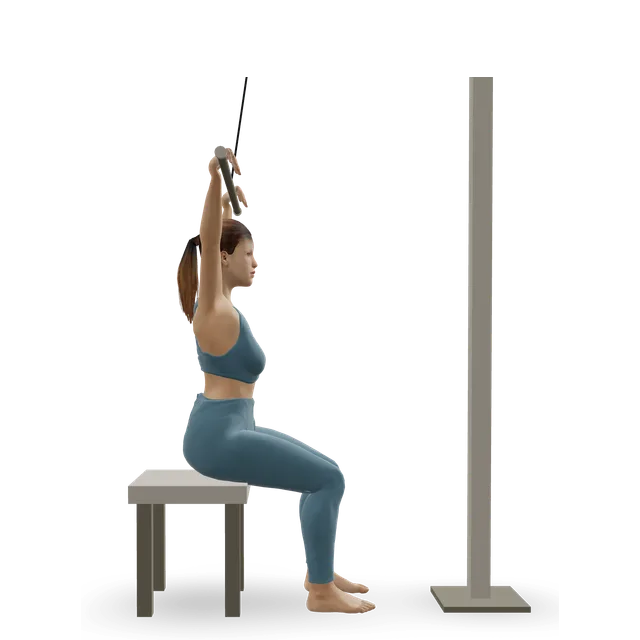
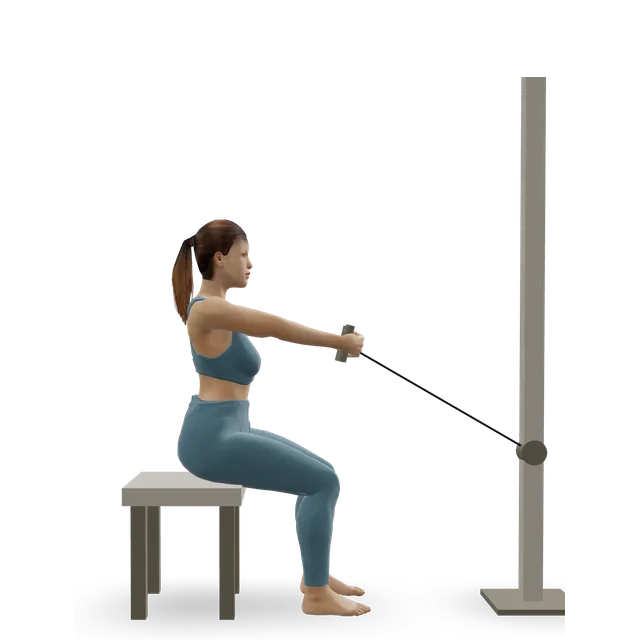
Bird dogs produced high iliocostalis activity with a low spinal load, and a bridge with one leg lifted gave the most erector activity among stabilisation exercises. Back extensions work them hardest of the four back exercises tested, with the most spinal compression, so progress gradually.

Stretches for the erector spinae

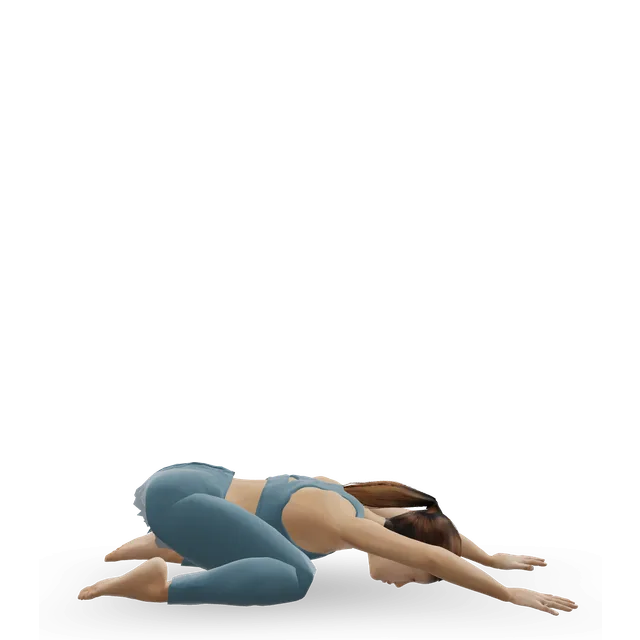
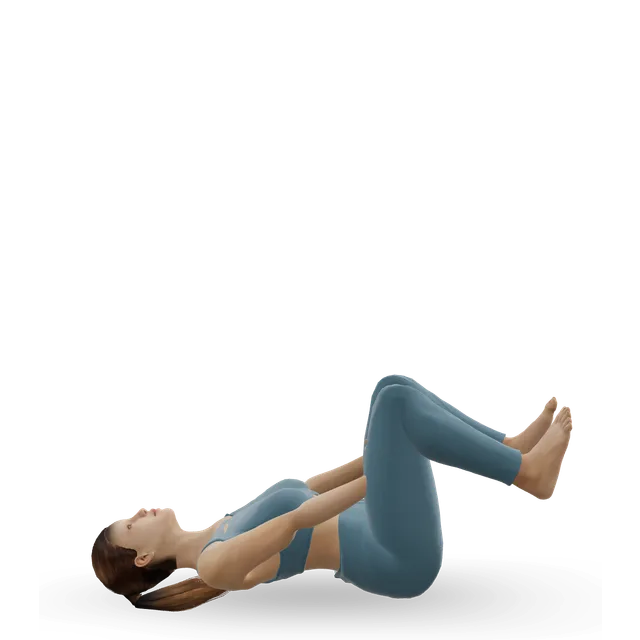
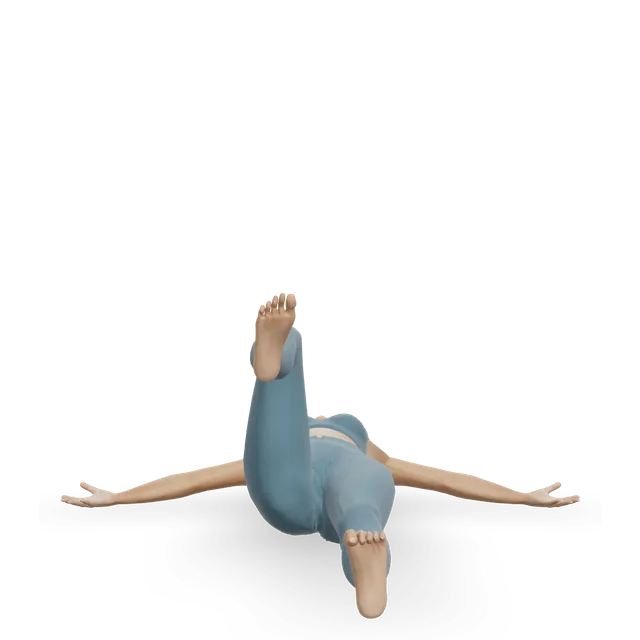
These are standard low-back stretches from NHS physiotherapy leaflets. They bend the spine the opposite way to this muscle's action; no study has named them as stretches for it.

Problems linked to the erector spinae

Low back pain and spasmMixed evidence

The low-back muscles are a common source of back pain and can go into painful spasm; muscular back pain is treated conservatively.

What role the muscles play over time is less clear. A review found moderate evidence of multifidus shrinkage in chronic back pain, but results for the erector spinae were inconclusive. Good back-muscle endurance was associated with fewer first episodes of back trouble in men, and weak endurance with back pain, though associations are not proof of cause.

Sources 2, 4, 5, 6

Myths worth dropping

Each grade rates the evidence for the correction.

Back pain needs a special muscle-targeting programmeStrong evidence

NICE recommends considering group exercise of whatever type suits the person, and a Cochrane review found no single type of exercise clearly better. Strength and endurance work is reasonable; no one muscle has been shown to be the cause.

Sources 7, 8

Routines that train it

Questions people ask

What do the erector spinae do?

They straighten the spine, side-bend and turn it when one side works, and lower you under control when you bend forward.

How do you strengthen the lower back muscles?

Bird dogs and bridges work them with low spinal load; back extensions work them hardest but also compress the spine most, so build up gradually.

Do weak back muscles cause back pain?

Weak back-muscle endurance is associated with back pain, but that does not prove it causes it. Exercise of many kinds helps, and none is clearly best.

Muscles it works with

Sources

  1. StatPearls · Anatomy, Back (2023)
  2. StatPearls · Anatomy, Back, Muscles (2023)
  3. Bogduk 1982 · The human lumbar dorsal rami (J Anat, abstract)
  4. Goubert 2016 · Structural changes of lumbar muscles in low back pain (systematic review, Pain Physician, abstract)
  5. Biering-Sørensen 1984 · Back muscle endurance and first-time low back trouble (Spine, abstract)
  6. Nourbakhsh & Arab 2002 · Which physical factors relate to low back pain? (600 adults, JOSPT, abstract)
  7. NICE NG59 · Low back pain and sciatica in over 16s: assessment and management
  8. Saragiotto 2016 · Motor control exercise for chronic non-specific low back pain (Cochrane review, abstract)
  9. Stevens 2007 · Trunk muscle activity in four-point kneeling exercises (Eur Spine J, abstract)
  10. García-Vaquero 2012 · Trunk muscle activity in bridges, planks and bird dogs (J Electromyogr Kinesiol, abstract)
  11. Callaghan 1998 · Muscle activity and spine load in back-extensor exercises (Phys Ther, abstract)
  12. Okubo 2010 · Deep and superficial trunk muscle activity in stabilisation exercises (JOSPT, abstract)
  13. Sussex Community NHS Foundation Trust · Mechanical low back pain: rehabilitation exercises

Anatomy and movement education, not a diagnosis or treatment plan. If you have pain that follows an injury, is severe or getting worse, or comes with numbness, weakness or swelling, get it assessed. Health disclaimer.