The multifidus is a chain of short muscle bundles lying deep against the back of the spine, under the erector spinae, most developed in the lower back. Each bundle spans two to four vertebrae.
It controls the stiffness between neighbouring vertebrae and is among the first muscles to switch on when you move a limb.
Shaded: the back area. It marks the region, not the exact outline of the multifidus.
Starts at (origin)
The back of the sacrum and pelvis, and the small side and joint processes of the vertebrae.Sacrum and ilium, transverse processes of T1 to L5, articular processes of C4 to C7
Attaches to (insertion)
The back point of a vertebra two to four levels higher.Spinous processes two to four segments above
What it does
Steadies individual vertebrae and controls the stiffness between them as you move.Segmental stiffness and intervertebral control
Its deep fibres switch on first when you lift an arm or leg.Anticipatory activation
Contributes to stability, position sense and balance with the other deep back muscles.Stabilisation and proprioception
Nerve supply
The medial branch of each dorsal ramus, which supplies only the bundles of its own segment.
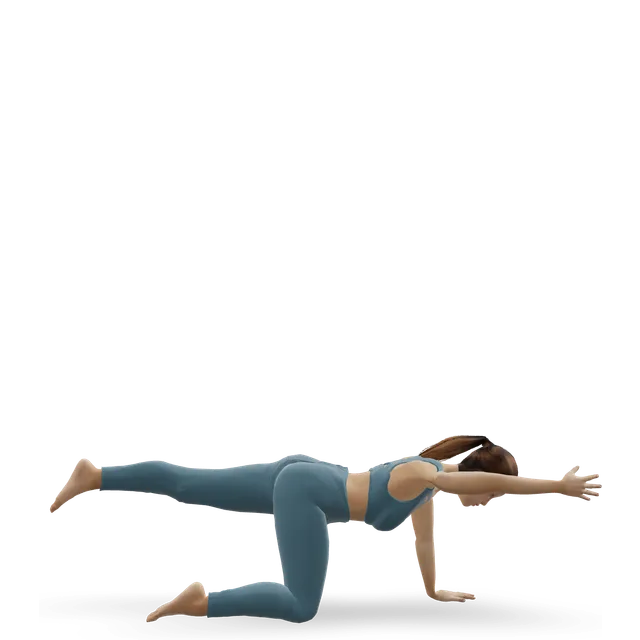
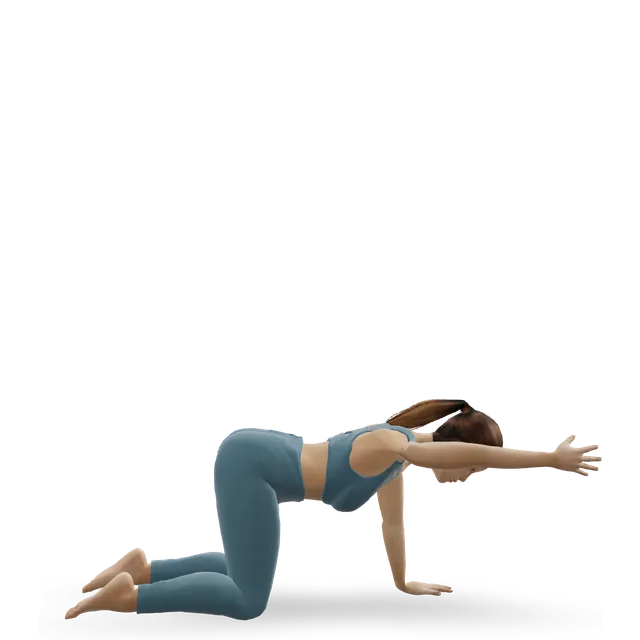
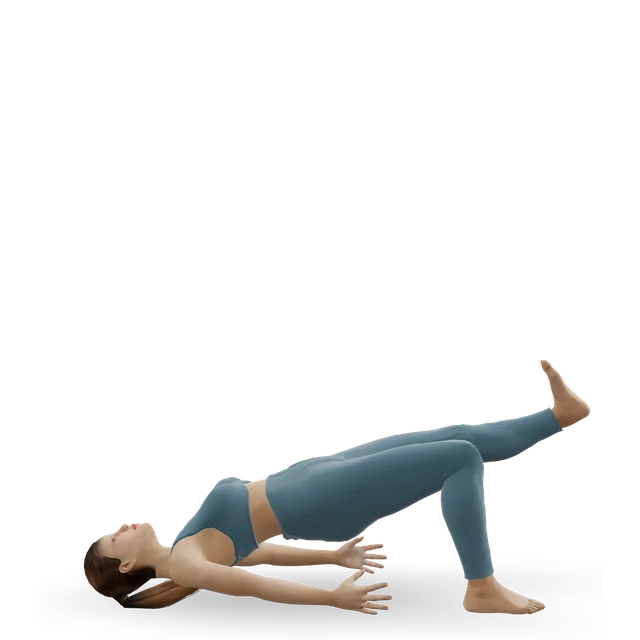
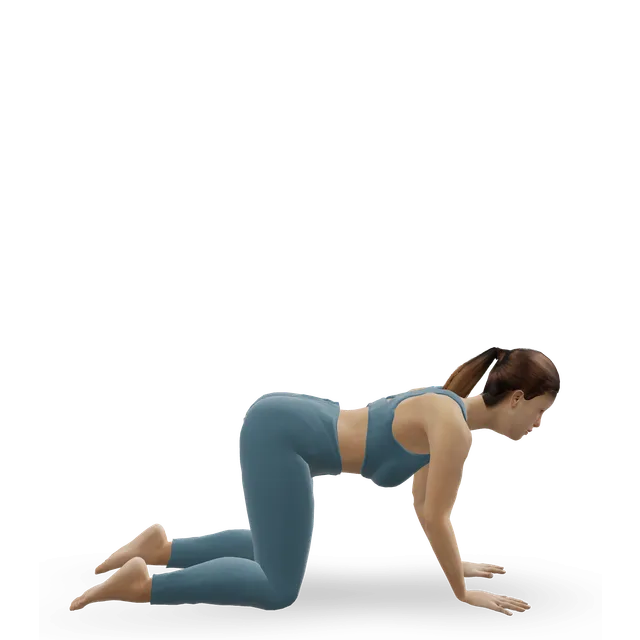
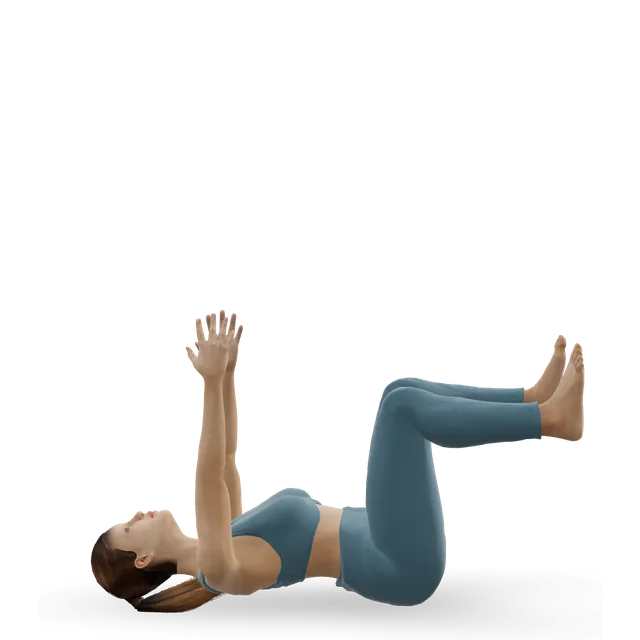
In bird-dog-style exercises the multifidus on the side of the lifted leg was among the most active muscles; the back bridge produced the greatest multifidus activity in a fine-wire EMG study.
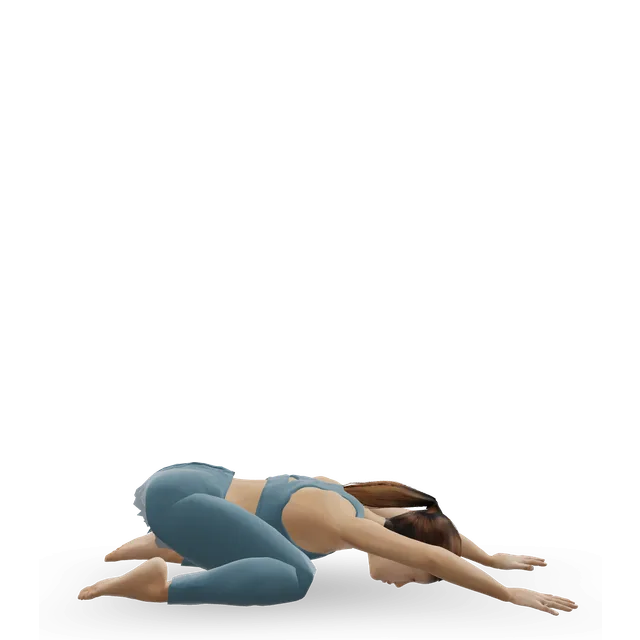
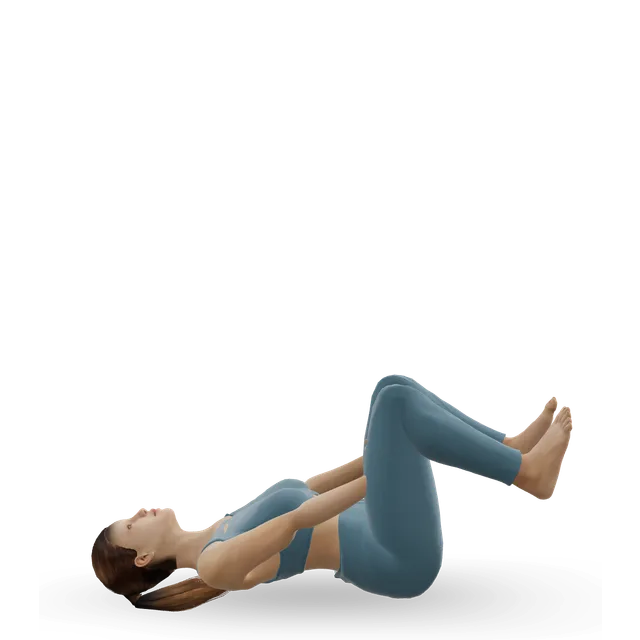
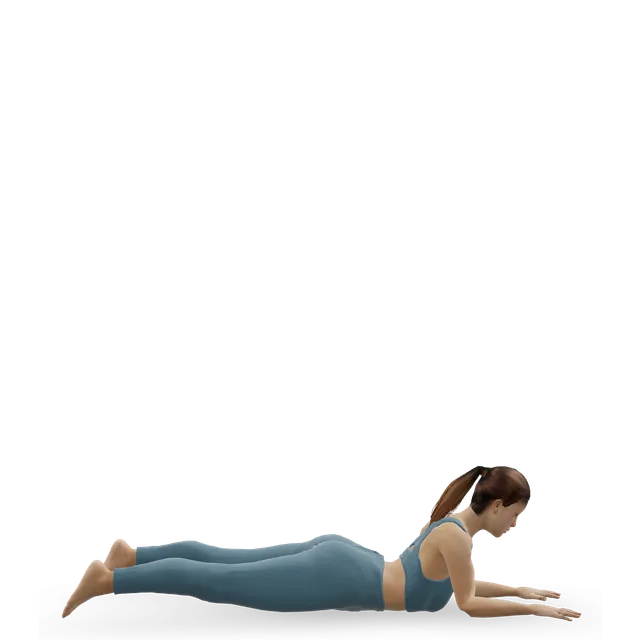
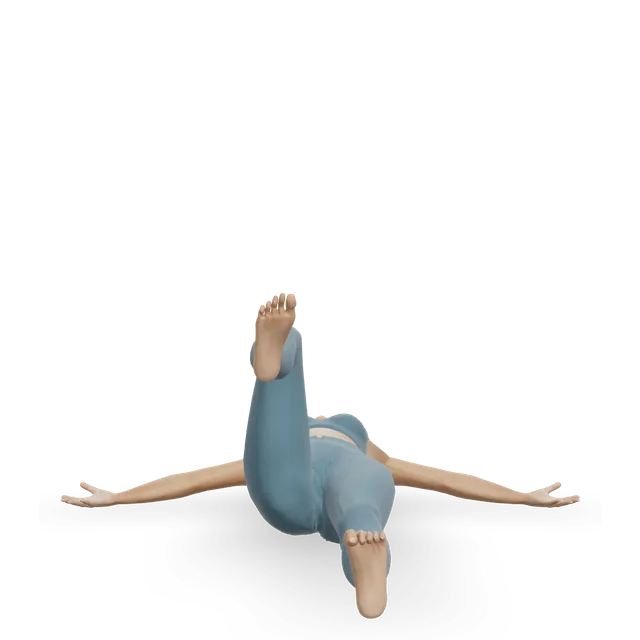
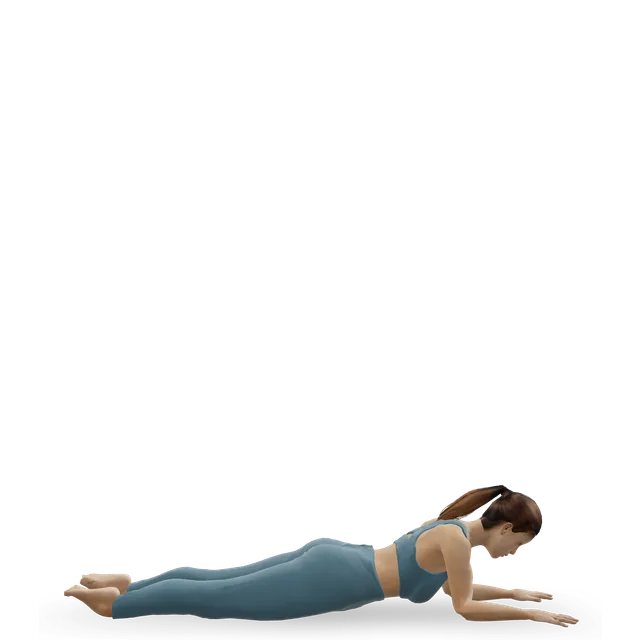
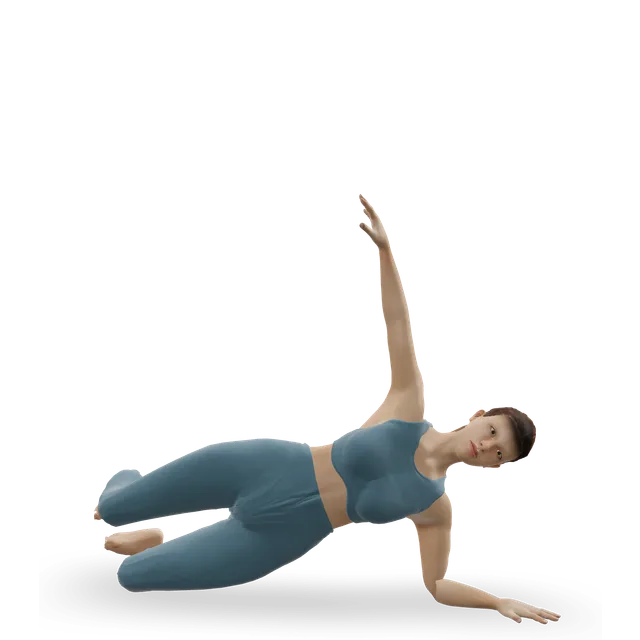
These are standard low-back stretches from NHS physiotherapy leaflets. They bend the spine the opposite way to this muscle's action; no study has named them as stretches for it.
In people with one-sided acute back pain, the multifidus was smaller on the painful side, at a single level matching the symptoms. A review found moderate evidence of wasting in chronic back pain, but not in acute or recurrent pain.
After a first episode the deficit did not recover by itself when the pain went, and in a small trial specific training cut recurrences at a year from 84% to 30%.
You have to isolate your deep muscles to fix back painMixed evidence
In four-point kneeling exercises the deep and superficial muscles worked together, and specific motor-control training was no better than other exercise for chronic back pain in a Cochrane review.
Anatomy and movement education, not a diagnosis or treatment plan. If you have pain that follows an injury, is severe or getting worse, or comes with numbness, weakness or swelling, get it assessed. Health disclaimer.