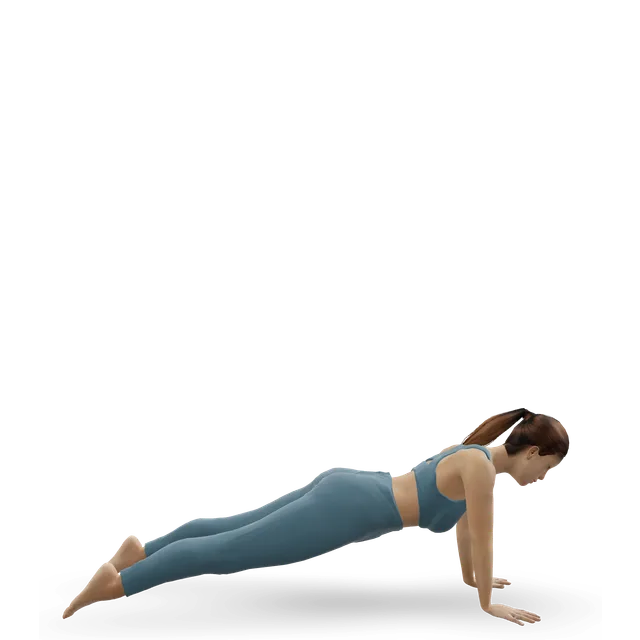
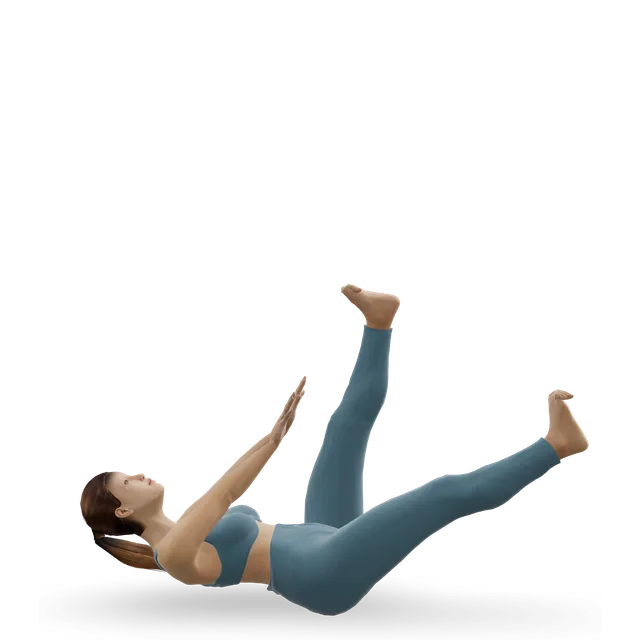
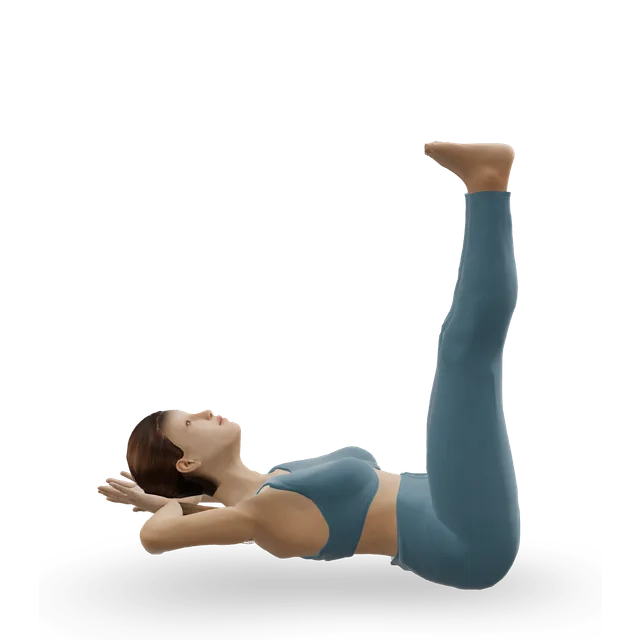
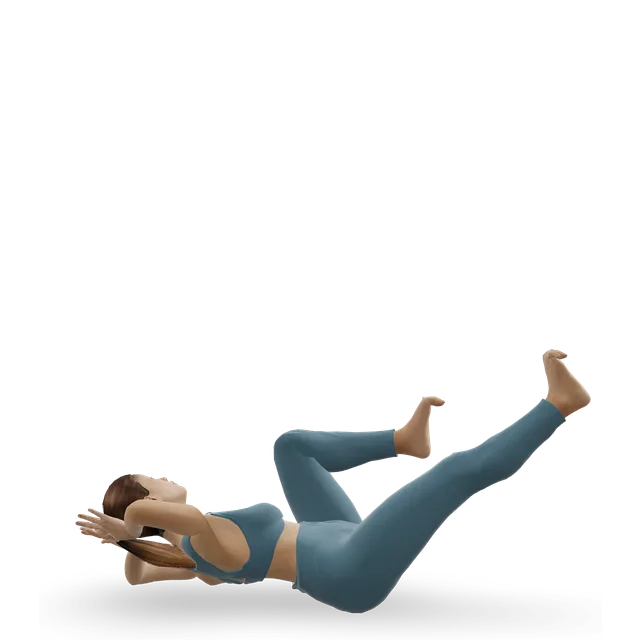
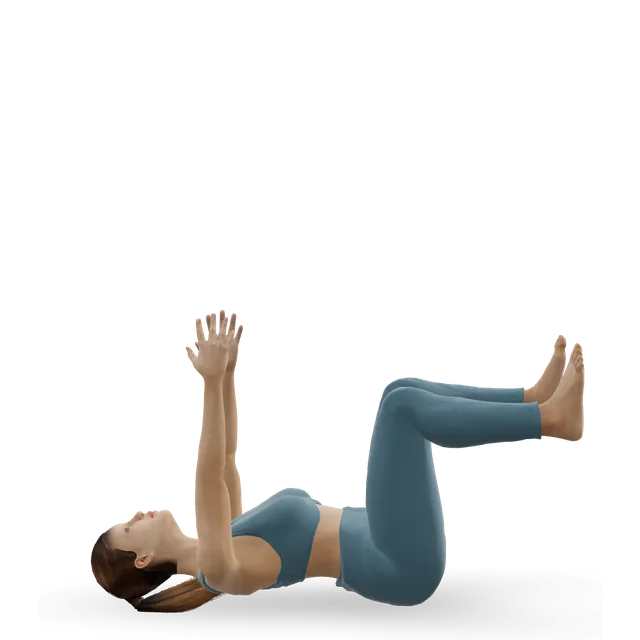
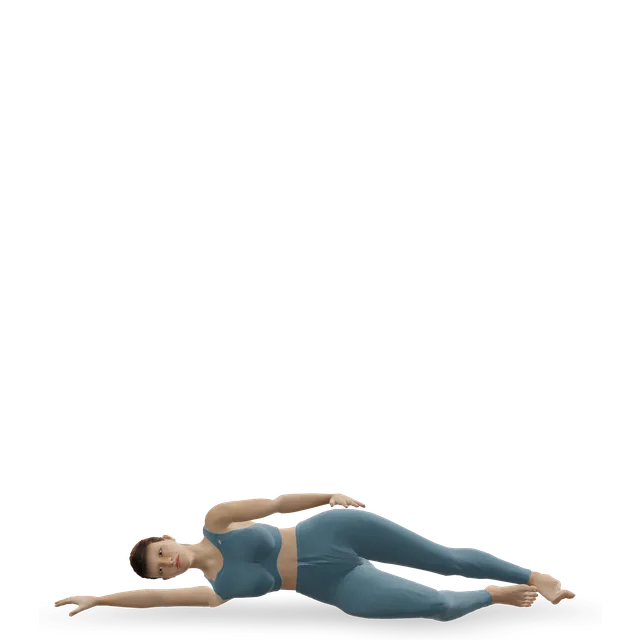
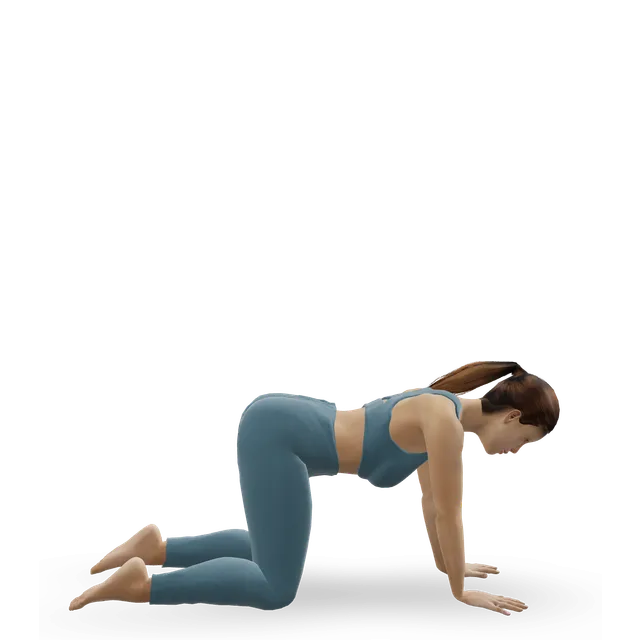
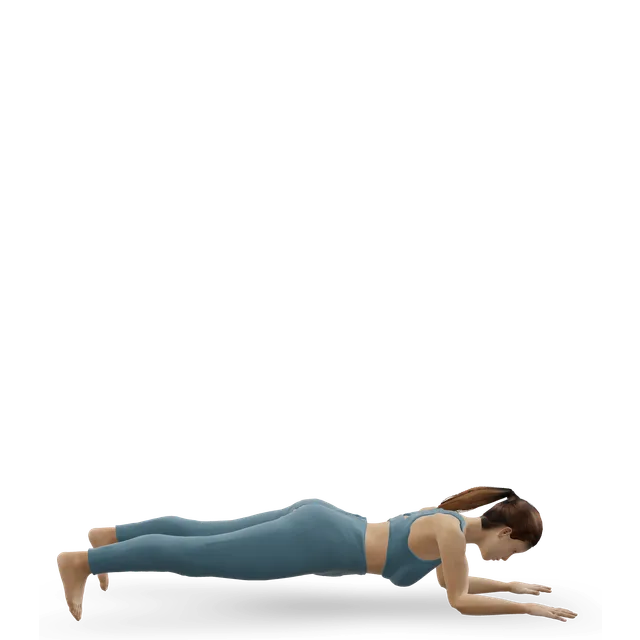
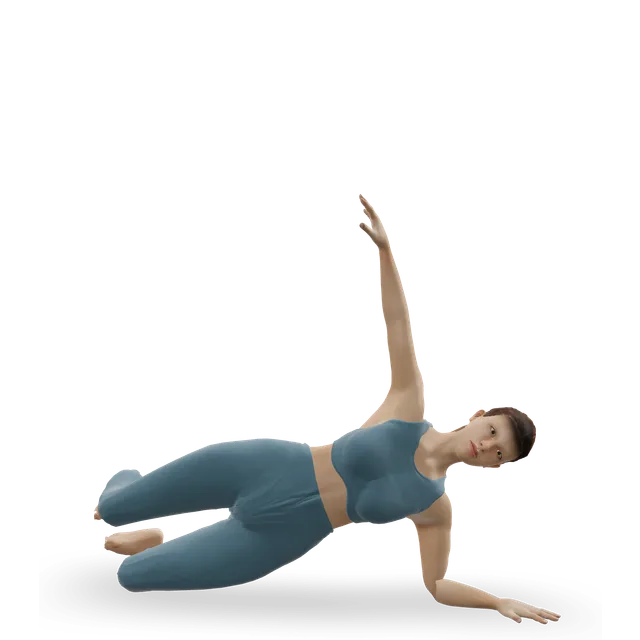
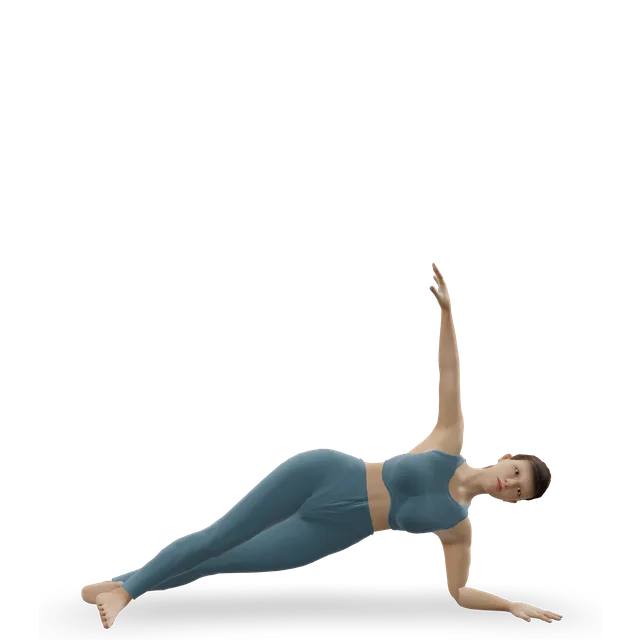
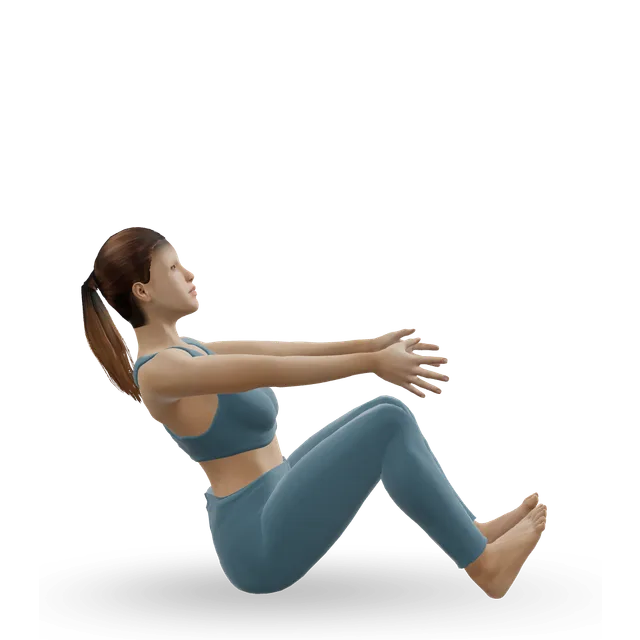
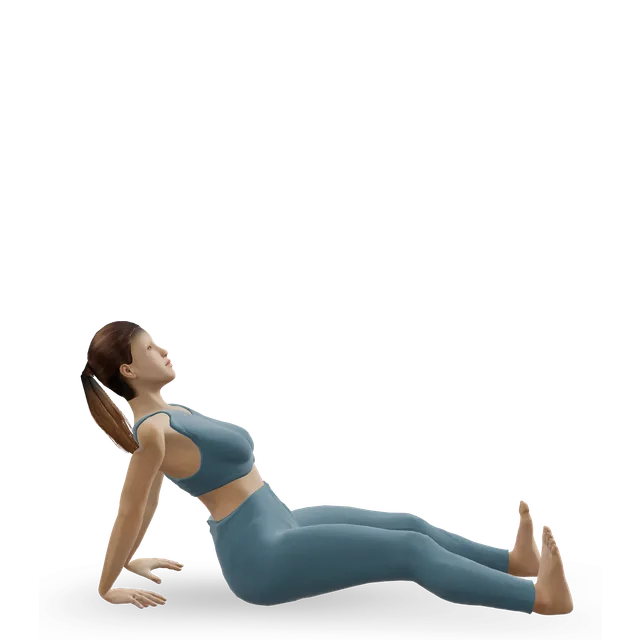
What is Pilates good for?
The best evidence is for long-lasting low back pain, where it helps more than doing little, and for abdominal endurance. It may help balance in older adults. It counts toward the twice-weekly strength guideline, but it is light as cardio.
Is Pilates strength training?
It counts as muscle-strengthening activity in NHS guidelines, and in trials it built strength about as well as other exercise types. Mat work adds little extra load as you get stronger, so progress comes from harder versions of each move.
Is Pilates cardio?
Not much. In an ACE-commissioned study, a beginner mat session reached about 54% of maximum heart rate, below the usual range for cardio training, and an advanced one was roughly like brisk walking. Pair it with walking or other aerobic activity.
Is Pilates good for weight loss?
Modestly. Across 11 trials, Pilates led to about 2.4 kg more weight loss than doing nothing, at very low to moderate certainty, and it has never been compared with other exercise.
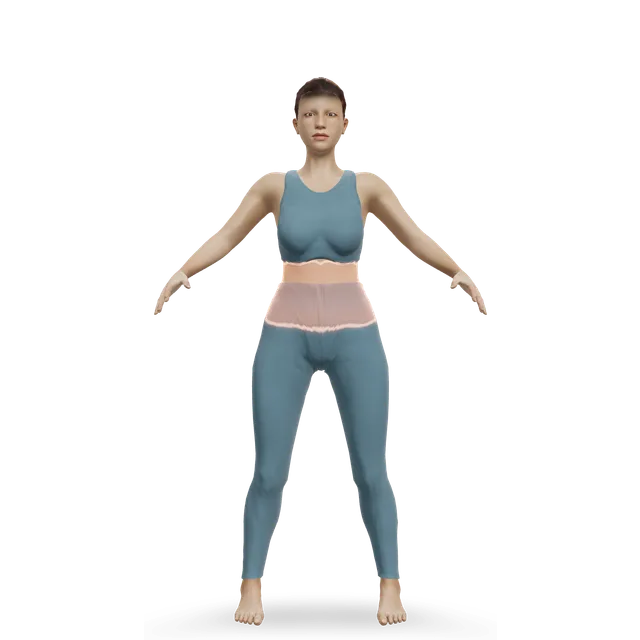
Can Pilates give you abs?
It builds abdominal endurance, but visible abs depend on body fat, and working the stomach does not burn fat there. In one trial, six weeks of daily ab exercise did not reduce belly fat.
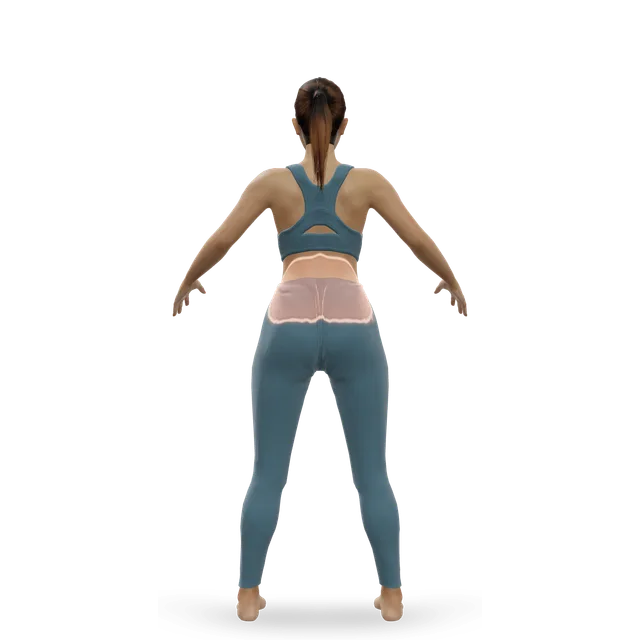
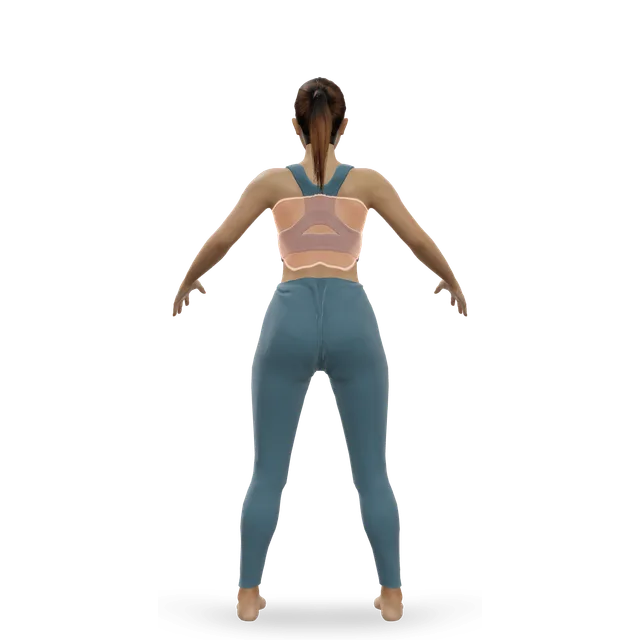
Can Pilates build glutes?
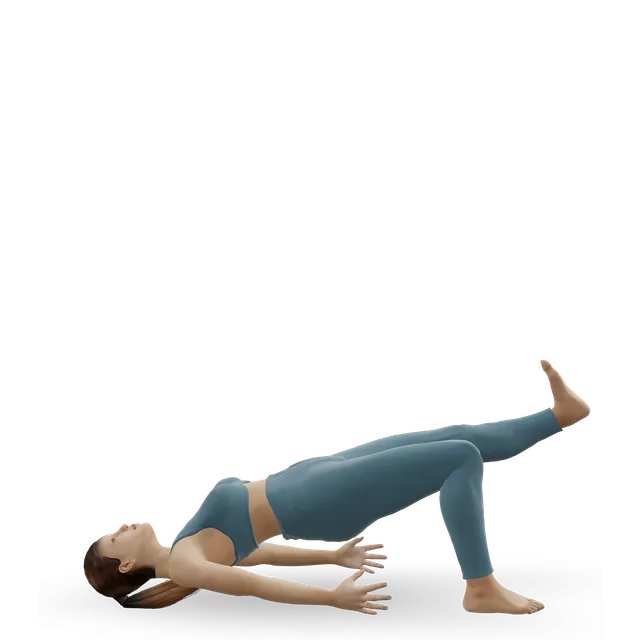
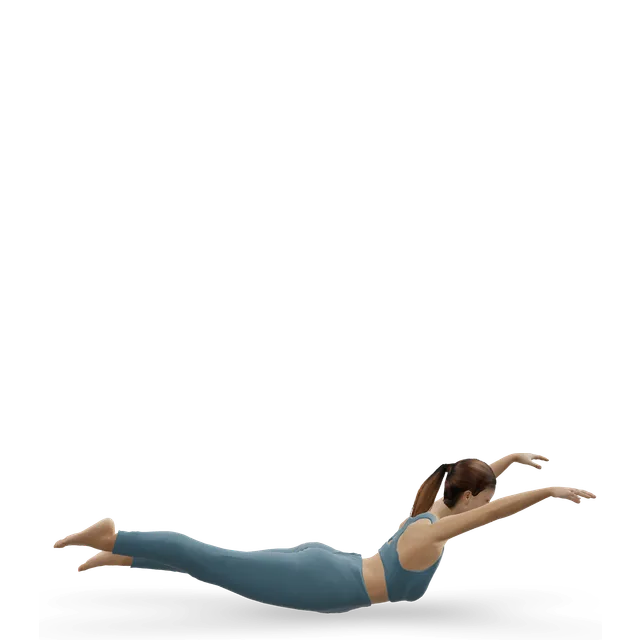
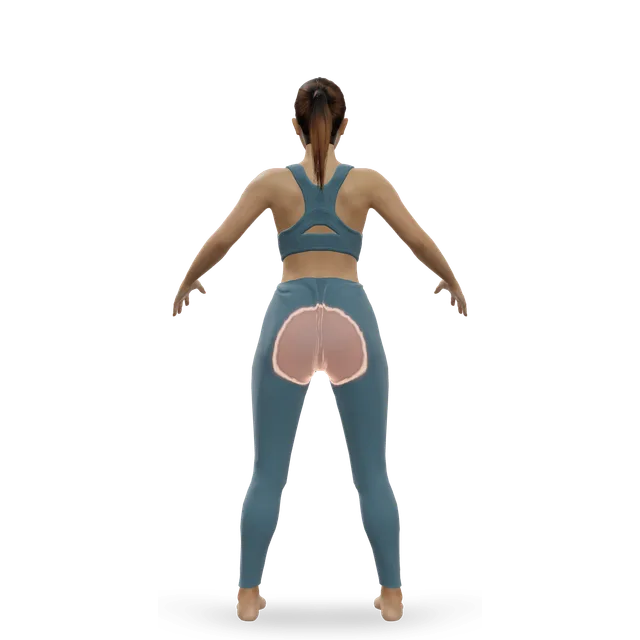
Pilates includes plenty of glute work, from bridges to side kicks and swimming, and builds strength about as well as other exercise types. To keep building muscle you need more load over time, which mat work adds slowly.
How often should you do Pilates to see results?
Two or three sessions a week is what most trials used. In a back pain trial, twice a week beat once a week, and abdominal endurance improved over programs of 5 to 12 weeks.
Is once a week enough?
Once a week still helped back pain in a dose trial, compared with an advice booklet. Twice a week did better.
Pilates vs yoga: which is better?
Neither, in general. For back pain, Pilates ranks at or near the top in network meta-analyses, but with low certainty; the authors of the largest suggest choosing the exercise you enjoy, because you are more likely to keep it up.
Mat or reformer Pilates?
Either. In a trial of 86 adults with chronic low back pain, pain improved the same with both, and equipment Pilates was slightly better for disability at 6 months. Choose by access, cost and preference.
Is Pilates good for osteoporosis?
Yes, with changes. A UK consensus recommends balance and strength exercise, including Pilates, at least twice a week, and suggests alternatives to the Pilates roll-down and curl-up as a precaution. People who already do them comfortably and smoothly can continue.
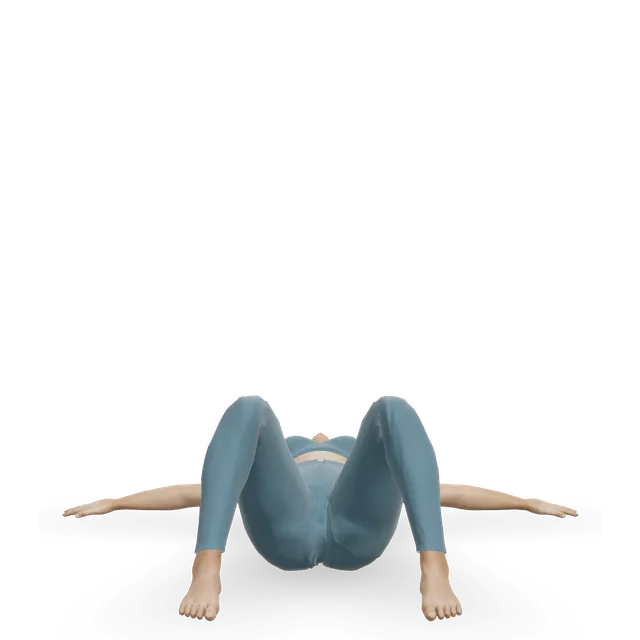
Is Pilates safe in pregnancy?
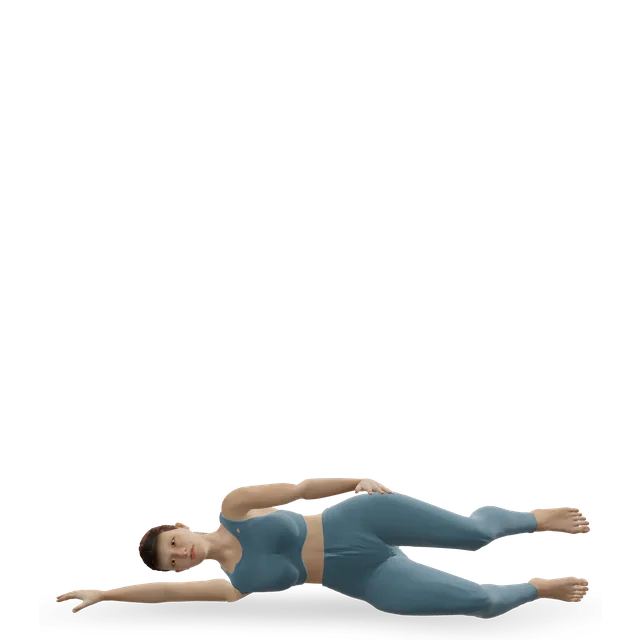
Often, with changes, but ask a professional before starting something new. Later in pregnancy, avoid lying flat on your back for more than a few minutes and swap those moves for side-lying, seated, kneeling or standing ones.
Can Pilates help diastasis recti?
It is not proven. A review of 7 trials found very low-quality evidence for any specific exercise program. A pelvic health physiotherapist can advise.
Can Pilates make you taller?
No. Nothing suggests it changes your height. Posture can change how tall you stand, but even the posture evidence is mixed.
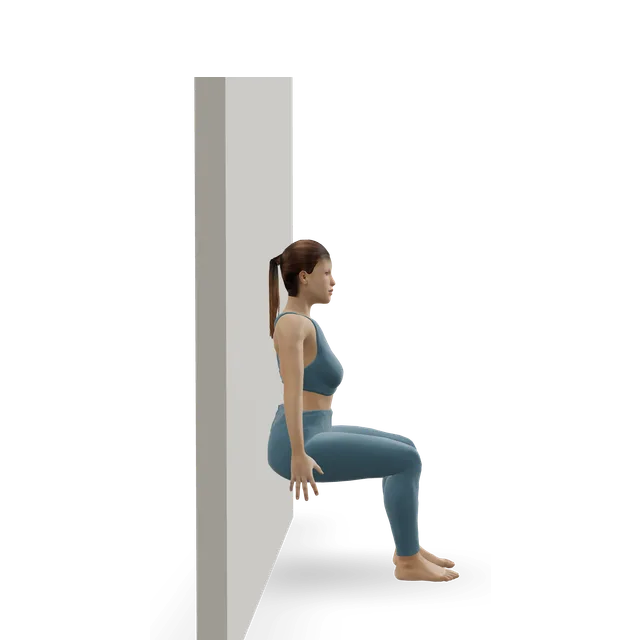
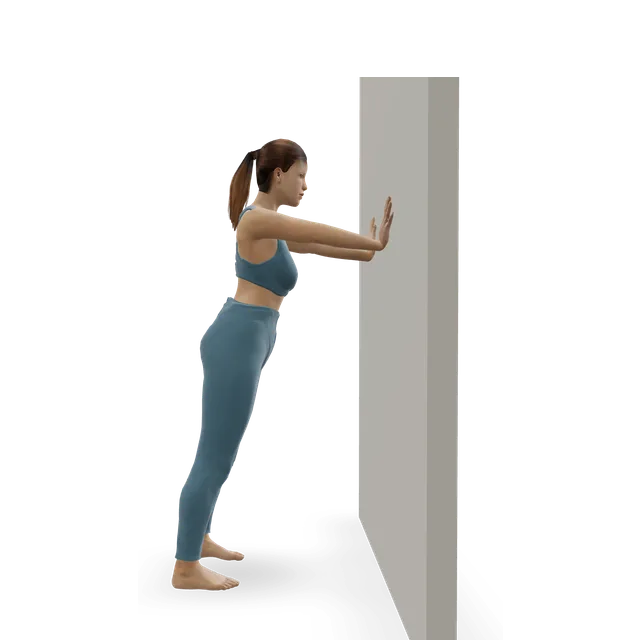
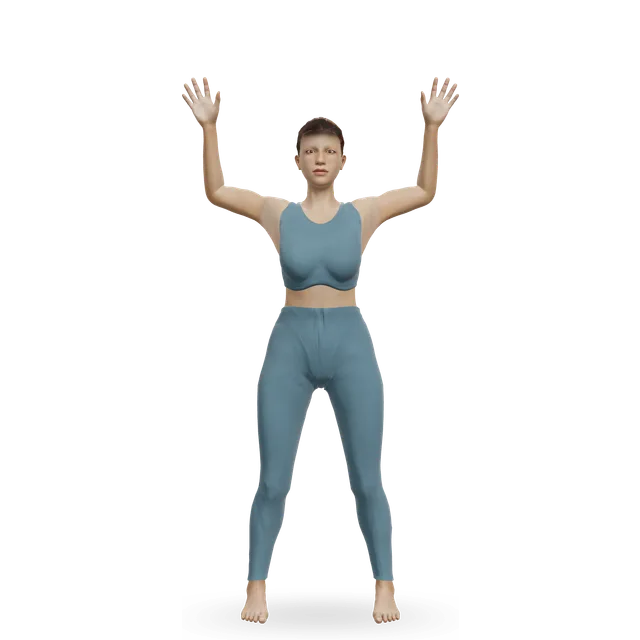
Is wall Pilates better than mat Pilates?
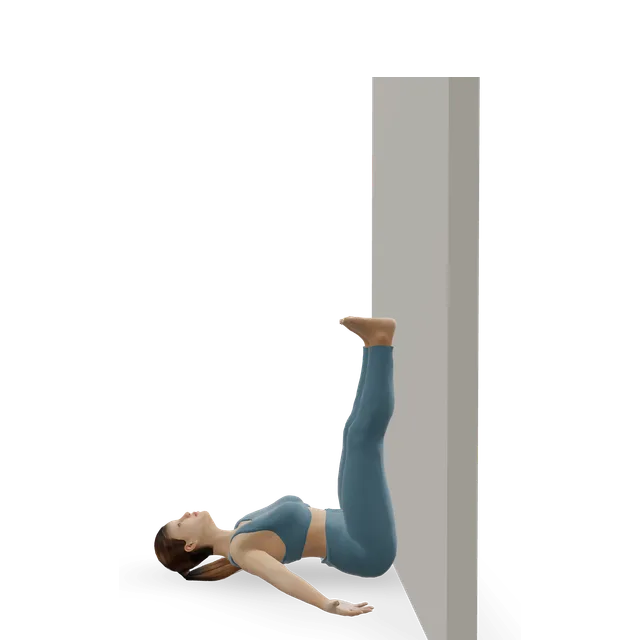
There is no research on wall Pilates as such. It is mat Pilates with a wall for support and feedback, which can make the moves easier to learn.