Segmental roll-down
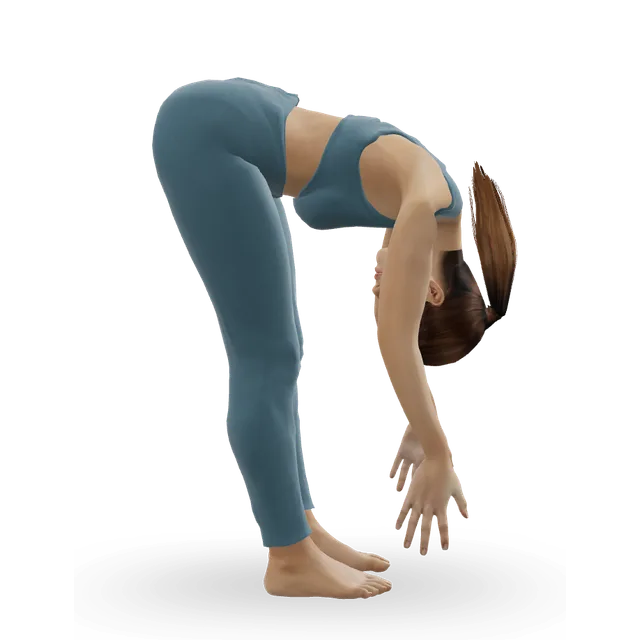
Standing tall, you nod your chin and peel the spine down one vertebra at a time until you hang forward with soft knees, then rebuild from the bottom up, head last. Unlike the wall roll-down, nothing supports your back, so the upper body's weight hangs off the bent spine. A Pilates staple: the idea that it trains segment-by-segment control is untested, and a review found low-quality evidence that rounding the back when lifting is not a risk factor for back pain.
Movement guide
Segmental roll-down
Loading the 3D figure…
Make it easier or harder
Choose a version that fits your control and comfort.
Easier option
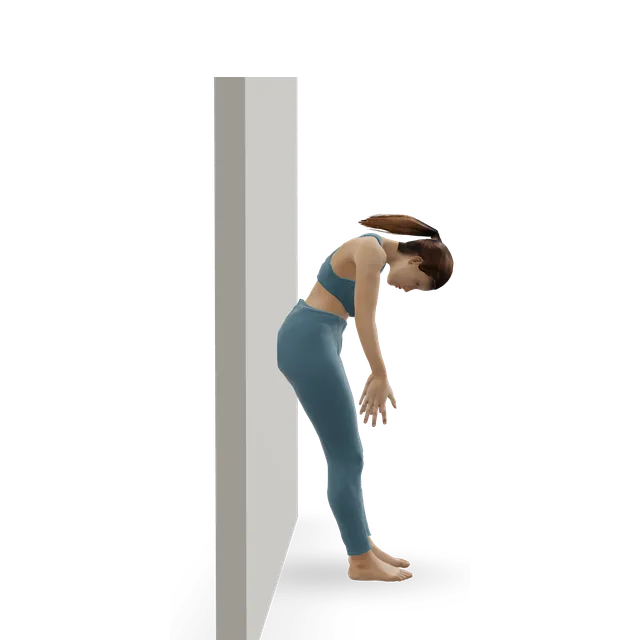 3D demoWall roll-down (wall Pilates)Beginner · A wall
Suggested next step, beginner grade.
Harder option
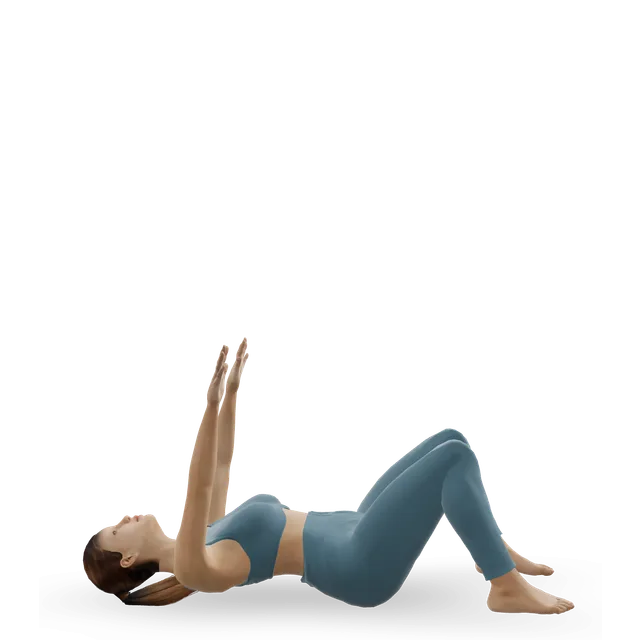 3D demoRoll-up (Pilates)Intermediate · No equipment
Suggested next step, intermediate grade.
Source-researched guide.
How to move
- Stand tall with your feet hip-width apart, knees soft and arms hanging.
- Nod your chin towards your chest and let the head lead as you peel the spine down one vertebra at a time: neck, upper back, middle back, lower back.
- Let the hips fold last and hang forward with soft knees and heavy arms for a breath.
- Roll back up from the bottom, stacking the lower back, middle back and upper back in turn, the head arriving last. Take about 20 seconds each way.
Form cues
- Breathe out on the way down, in at the bottom, out on the way up.
- Bend the knees more if the backs of the legs pull.
- Avoid: dropping fast, or standing up quickly at the end.
Practice and cautions
5 or 6 slow roll-downs, about 20 seconds each way (our editorial starting point).
Skip it if bending forward brings on leg pain. With glaucoma, keep head-down positions brief or use a head-up version: in a small study, eye pressure rose within a minute in head-down yoga poses. Ask your eye team first if your glaucoma is advanced or you've had eye surgery. Avoid loaded spinal flexion first thing in the morning if your back is disc-sensitive, and skip it if bending forward reproduces leg pain. With osteoporosis, a UK consensus suggests, as a precaution, alternatives to the Pilates roll-down and curl-up; people who already move comfortably and smoothly can continue. The Royal Osteoporosis Society's alternative is the wall roll-down with your hands resting on your thighs, bending only as far as is comfortable, or the cat. If cancer has spread to your bones, ask your cancer team before this move. International experts advise avoiding fast or loaded movements to the end of your range, such as bending forward, twisting or arching back, through the affected bones, and Cancer Research UK says to avoid exercises that twist the spine. Our reading is to leave this move out with cancer in the spine, ribs or pelvis unless your team agrees. This is movement education, not an assessment or treatment prescription. Stop for sharp or increasing pain, dizziness, numbness or tingling; seek individual guidance for symptoms, injury or restrictions.
Sources and review status
Sources support the educational description; they do not establish that this exercise is suitable for you.
- Royal Osteoporosis Society 2019 · Pilates exercises: modifications (the standing roll-down hangs the unsupported upper body off the bent spine; the wall-supported version as the alternative) ↗
- Saraceni 2020 · Low-quality evidence that rounding the lower back when lifting is not a risk factor for back pain (systematic review with meta-analysis, JOSPT) ↗
- Snook 1998 · Avoiding bending first thing in the morning, when the discs hold most fluid, eased persistent or recurring low back pain (RCT of 85 adults, Spine) ↗
- Jasien 2015 · Eye pressure in four head-down yoga poses, in 20 people with and without glaucoma (lab study, PLoS One) ↗
No variation is labeled clinically validated.
What it works
Muscles
Main: Back. Also: Abs.
Anatomy: Latissimus dorsi, Teres major, Trapezius, Rhomboids, Erector spinae, Multifidus.
Equipment
None: body weight and floor space.
Level
Intermediate. See the easier and harder options above.
Workouts that use it
- Beginner Pilates workout · 20 min
- Full-body mat Pilates workout · 30 min
- Pilates for back pain (gentle routine) · 15 min
- Fascia release for the back · 15 min
- Pilates for flexibility: a 25-minute mobility class with held stretches · 25 min
- Slow somatic Pilates class: 20 minutes, every move optional · 20 min
- Pilates with a foam roller: a 28-minute roll-then-flow class · 28 min
Pain guides that use it
Part of a staged plan, with when to get help first.
Guides that use it
Similar moves
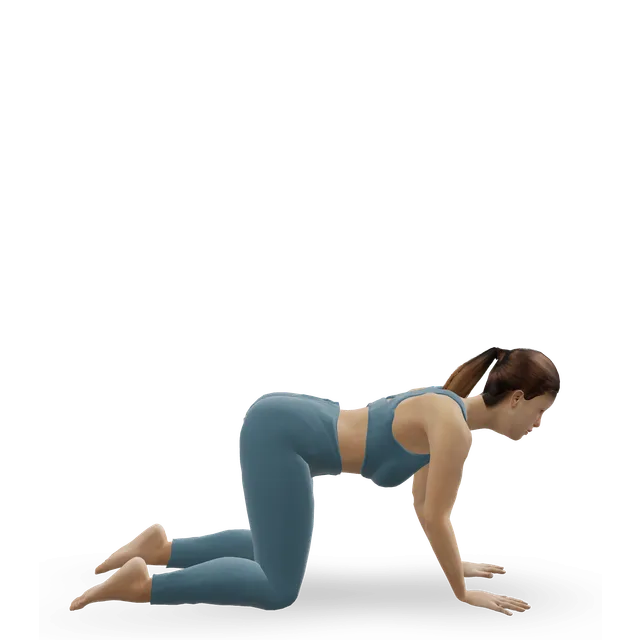 3D demoCat-cowBeginner · No equipment
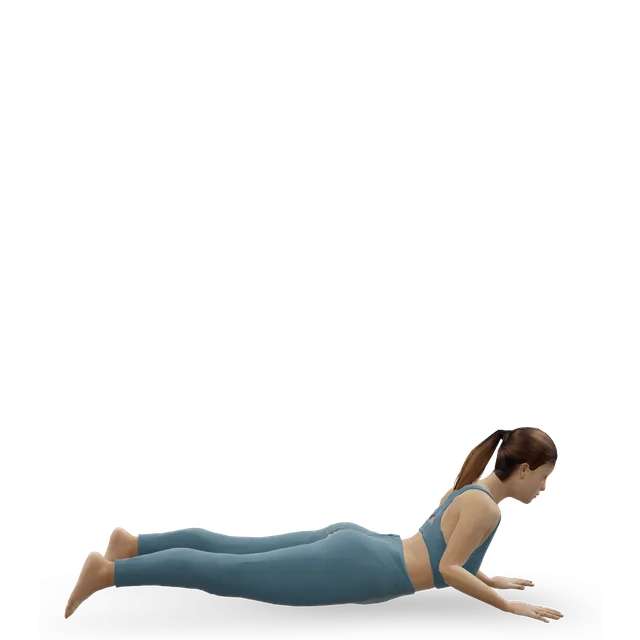 3D demoCobra pose (Bhujangasana)Intermediate · No equipment
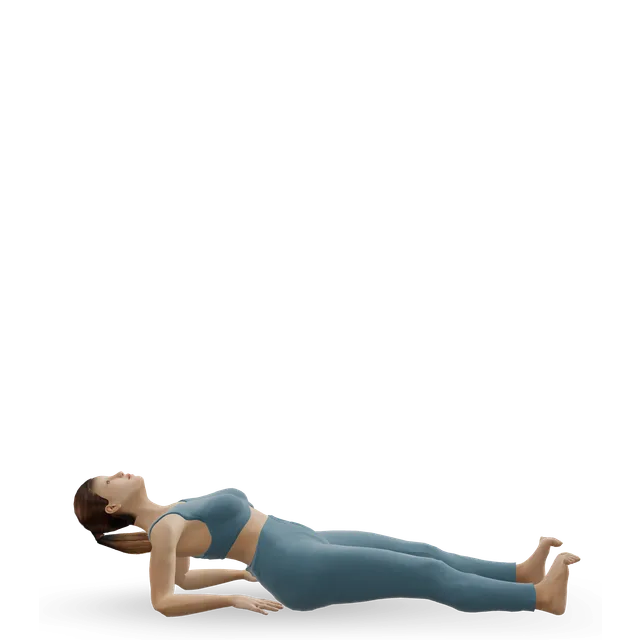 3D demoFish pose (Matsyasana)Intermediate · No equipment
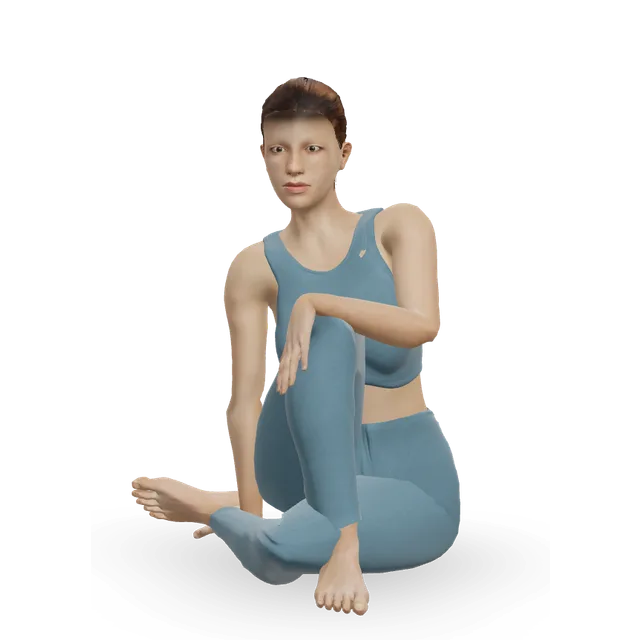 3D demoHalf lord of the fishes (Ardha Matsyendrasana)Intermediate · No equipment
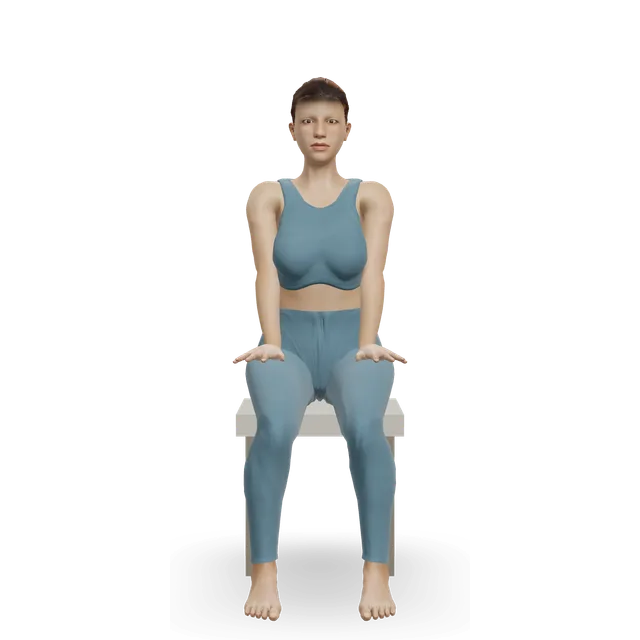 3D demoSeated overhead side bendBeginner · A bench or box
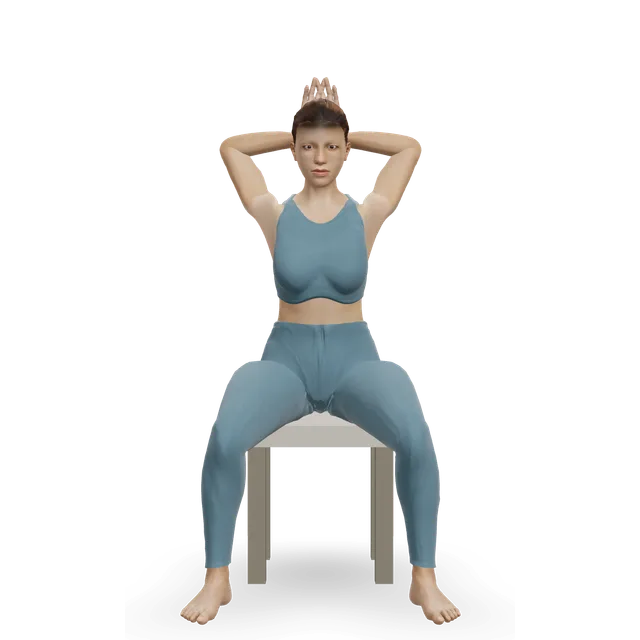 3D demoSeated twist with a forward reachBeginner · A bench or box
Browse more
Questions people ask
What muscles does the Segmental roll-down work?
Mainly the back, with help from the abs.
What equipment do I need for the Segmental roll-down?
No equipment: your body weight and a little floor space.
Is the Segmental roll-down good for beginners?
It is graded intermediate. If it is too hard right now, start with the Wall roll-down (wall Pilates).
What is an easier alternative to the Segmental roll-down?
Try the Wall roll-down (wall Pilates). It is the suggested step down from this move.
How do I make the Segmental roll-down harder?
Progress to the Roll-up (Pilates). Follow that guide’s technique and any stated timing.