Fast bowlers are hurt most
Over 10 seasons of elite Australian men's cricket, 12.5% of players were out injured on an average match day: 20.6% of fast bowlers, 7.4% of batters, 6.7% of spinners and 4.7% of wicketkeepers.
Source 1
Sport
Cricket asks different things of each player. Fast bowlers sprint in, leap and brake on a front leg that takes several times their bodyweight, ball after ball, and they're injured far more than anyone else: in elite Australian cricket, about a fifth of fast bowlers were unavailable on an average match day, against about 1 in 14 batters. Their most costly injury is a stress fracture in the lower back, which mostly affects teenagers and young adults and can keep a bowler out for months. Batters and fielders strain hamstrings and break fingers, and a hard ball makes helmets essential.
This guide covers what each role asks of your body, the common injuries, the England and Wales Cricket Board's (ECB) limits on overs and rest for bowlers aged 19 and under, why too much and too little bowling both go with injury, technique, helmets, fielding distances and concussion, and the strength and power training that helps you bowl, throw and run faster. It includes a 12-minute warm-up and a strength workout for fast bowlers, with a 3D demo of every move.
Over 10 seasons of elite Australian men's cricket, 12.5% of players were out injured on an average match day: 20.6% of fast bowlers, 7.4% of batters, 6.7% of spinners and 4.7% of wicketkeepers.
Source 1
The lower back was the most injured site in English county academies, and a fifth of symptom-free academy fast bowlers aged 14 to 17 already had bone stress on a scan. In English professionals, a stress fracture in the lower back cost 239 days on average.
In England and Wales, a bowler aged 19 or under may bowl at most 4 overs in a spell and 8 in a day at 11 and under, rising to 7 and 18 at 18 and 19. The ECB's guidelines add weekly targets, rest days and breaks.
In cohort studies, bowling sessions less than 2 days apart, and 5 or more days apart, both went with more injuries in elite bowlers, and very big weeks went with stress fractures. These are associations, not trial results.
After helmets became compulsory for junior batters in one Australian association, head, neck and face injuries fell from 62% to 4% of batting injuries. Under-18s in England and Wales must wear one to bat against a hard ball.
A suspected concussion means coming off at once, and the ECB's recreational guidelines allow no return to matches for at least 21 days.
In Cricket Australia academy players tracked by satellite positioning (GPS), fast bowlers covered 22.6 km a day in multi-day matches, 1.4 km of it sprinting, with shorter recoveries than any other position. Wicketkeepers covered 16.6 km a day but rarely sprinted, and one-day and T20 cricket meant 50% to 100% more sprinting per hour than multi-day cricket. Batting has been studied less; running between the wickets is its main physical load. The Compendium of Physical Activities gives cricket (batting, bowling and fielding) 4.8 metabolic equivalents (METs).
A run-up and a bound, then a braking landing on the front foot while the trunk arches, bends sideways away from the bowling arm and twists. In 20 elite bowlers, the front foot met the ground with 6.7 times bodyweight vertically and 4.5 times bodyweight as a braking force; how the front leg was planted mattered, and a heel-first landing went with lower peaks. Faster bowlers didn't need bigger peak forces. In 50 professional bowlers, the lower trunk bent sideways beyond its standing range at front-foot contact.
The ECB puts the load on the lower back at about three times bodyweight every delivery, and says elite fast bowlers' lower-back bone density is up to 44% higher than the typical person's, built over about 15 years of gradual bowling.
The other roles load the body differently:
A strong, enduring lower back and trunk; hip, hamstring and calf strength for sprinting and bowling; a front leg that copes with braking; shoulder strength for throwing; the fitness to repeat sprints with short rests; and helmets and gloves to protect the head and hands.
Each study counted injuries its own way, so the figures in different lines aren't comparable. Elite studies count injuries that cost match time; academy studies count every injury.
The numbers, by group:
The injury that costs elite cricket the most playing time: 3.2 new cases per 100 elite Australian men a season, and 15% of all the time missed. English professional fast bowlers had 2.46 a year per 100 bowlers, 4.90 at ages 18 to 22, and each cost 239 days on average. Over one season, 16.3% of youth bowlers aged 10 to 20, girls and boys, had one. A review found pars defects, the crack these fractures leave, in 32% of cricketers in published studies, second only to divers. Our spondylolisthesis guide covers treatment, and the section on bowlers' backs below covers young bowlers.
A tear of the trunk muscles where they attach to the lowest ribs, usually on the side opposite the bowling arm. Side and abdominal strains ran at 6.1 per 100 elite Australian men a season. Over half of 207 first-class fast bowlers had had at least one, 77% of first strains came at 24 or younger, and 30% came back, mostly within 2 years; no physical measure predicted them. Our abdominal strain guide covers side strains and recovery.
Hamstring strains were elite cricket's commonest injury, at 8.7 per 100 Australian men a season, with groin strains at 4.5 and calf strains at 2.9. In English county cricket, hamstring strains peaked in April and when running between the wickets in one-day and T20 games, and in elite Australian women the hamstring was the commonest injury too. Our hamstring strain and groin strain guides cover rehab.
Most hand fractures came from fielding, mostly to the exposed fingertips, the thumb and the little-finger side. In one season, 23% of English professionals reported a shoulder injury and 18% pain on throwing, and most played on. Throwing-related shoulder injury was the commonest injury in elite women's T20, and hand injuries the commonest match injury on the women's pathway. Our broken finger, mallet finger and shoulder pain guides cover treatment.
Head, neck and face injuries made up 13% of cricket injuries across 29 studies, mostly from the ball. Elite Australian men had 2.3 concussions per 1,000 player days of matches and women 2.0; in men's first-class matches, that was one head impact every 2,000 balls and one concussion every 9,000. In 10 years of hospital data from Victoria, children aged 10 to 14 were treated most often for cricket head and face injuries. Our concussion guide covers the return to sport.
Knee cartilage injuries ran at 2.0 per 100 elite Australian men a season, and stress fractures of the shin, foot and ankle at 2.0 per 100 elite women, their fourth commonest injury. In a survey of 2,294 cricketers, bowlers had about twice the odds of a knee injury that batters had, an association. Our knee pain and stress fracture guides cover these.
No cricket warm-up or exercise programme has been tested on injury rates. The tested evidence is the workload research, helmet rules and programmes from other sports, and each note says which.
The ECB's limits on overs per spell and per day are mandatory in recreational hard-ball cricket in England and Wales, and its guidelines add weekly targets, rest days and breaks: both are set out below. They rest on cohort studies, not trials: fewer or more days between bowling sessions, very big weeks, more bowling days in training and shorter breaks all went with injury. No trial has tested a bowling limit on injury rates.
Shoulder counter-rotation, where the shoulders twist further than the hips during delivery, goes with lower-back problems across studies, though the evidence in teenagers conflicts. Coaching can change it: in 41 young Western Australian bowlers, 3 years of small-group coaching went with less counter-rotation and fewer new or worsening disc changes on scans, without an uncoached comparison group, and two years of coaching made 14 elite young bowlers' actions more side-on.
But the authors of the Australian surveillance note there are still no published data showing that coaching technique prevents stress fractures. Work on your action with a qualified coach (our suggestion), and treat workload, rest and fitness as the better-supported levers.
In 65 community pace bowlers aged 14 to 17 in Western Australia, randomised by club, an 8-week exercise programme at training improved shoulder, hamstring and inner-thigh (adductor) strength, balance and back endurance, and kept shoulder counter-rotation from rising as it did in the comparison group. Ball speed didn't change, and injuries weren't measured.
Across sports, warm-up programmes went with about a third fewer injuries in adolescent boys, though the studies varied a lot.
Programmes that include the Nordic hamstring exercise were linked with about half as many hamstring injuries across sports (15 studies, 8,459 athletes), and two large football trials found big falls, but when only properly randomised trials are pooled the effect is uncertain. No cricket trial has tested it, and only 3 of 15 UK professional clubs had used the full programme. Start it in the winter, not in April when county hamstring injuries peak, and keep Nordics out of the 48 hours before a match (our suggestion, as on our football page). The strength workout for fast bowlers includes it.
A trial of a 15-minute warm-up or cool-down programme in 36 amateur teams was planned, but we couldn't find its results, and the exercise trial above didn't measure injuries. Our warm-up below is built on our warm-up guide, not on a cricket trial.
Across 25 trials, stretching programmes didn't prevent sports injuries, while strength training cut them to about a third. Side strains weren't predicted by how far the trunk bent sideways. Our warm-up guide explains what to do instead.
A week much bigger than the previous month's average went with more injuries in several cohorts of fast bowlers, but the studies measured load in different ways and their results varied widely, so no single ratio works as a safe threshold. The ECB uses weekly targets and rest days instead.
In junior fast bowlers, speed went with jump and upper-body throwing performance, body mass and height; in seniors, with jump height and arm length. In 28 high-performance bowlers, a straighter front knee at release and stronger shoulder extension went with faster balls, and faster bowlers produced a bigger braking push through the front foot rather than higher peak forces.
In trials, contrast training, which pairs heavy lifts with jumps, improved ball speed more than standard strength and jump training in a small trial of 20 medium-fast bowlers, and 12 weeks of jump and strength training improved jumps and knee strength in 42 professional bowlers. A computer model of elite bowlers suggests 5% stronger legs add about 0.6 metres a second.
In 17 cricketers, throwing speed went with rotational medicine-ball throws, chest-pass distance, side-to-side jumps and shoulder strength, not with squat or bench strength. Across 13 small trials in baseball, softball and tennis players, resistance training raised throwing or serving speed, most with periodised programmes. So add medicine-ball throws and shoulder work to leg strength (our suggestion).
Poor trunk endurance went with injury in teenage pace bowlers, and an exercise programme raised their back endurance by about 20 seconds. Hamstring strains cluster early in the season and when running between the wickets, and Nordic programmes were linked with far fewer of them in other sports. One-day and T20 cricket needs repeated sprints with short rests, so add short sprints and intervals (our suggestion; our HIIT guide explains how).
In winter and pre-season, 2 strength and power sessions a week for 8 to 12 weeks, with sprints and the Nordic build-up, and bowling built back up gradually with the ECB's Ready to Bowl template before the first match. In season, 1 or 2 shorter sessions a week, with no heavy leg work, Nordics or hard jumping in the 48 hours before a match.
Every ball bowled at or near match intensity counts towards a young bowler's limits, in nets too, and the ECB's guidelines count soft-ball overs in the weekly targets. Supervised strength training is safe for young players, as our children's guide explains, and the NHS (the UK's National Health Service) asks children and teenagers for an average of at least 60 minutes of activity a day across a variety of activities: other winter sports count.
The ECB explains that bowling bends, arches and twists the lower back under about three times bodyweight, and that bone needs about 15 years of gradual bowling to grow strong enough; bowlers in or just after a growth spurt are at greatest risk. In 40 symptom-free English academy fast bowlers aged 14 to 17, 20.5% had a bone stress injury on a screening scan, and those injured during the season were older at the start (16.8 against 15.6 years). In youth bowlers aged 10 to 20, a previous lower-back stress injury was the only factor that independently predicted another. In English professionals, 56% of these fractures happened at ages 18 to 22.
In 65 junior elite bowlers scanned up to 6 times in a season, swelling inside the bone (bone marrow oedema) showed on magnetic resonance imaging (MRI) before every one of the 15 bone stress injuries. The ECB's 15-year screening programme in bowlers aged 16 to 24 found injuries earlier, and those bowlers returned sooner. Club and school bowlers won't be screened, so the safeguards are the limits and getting back pain checked early (our reading).
Much longer than other back pain. English professional fast bowlers lost 239 days on average to each stress fracture in the lower back, and the ECB says a bowler may be unable to play for up to 8 months, or longer. Elite teams wait for a scan to show the bone has healed, which takes 3 to 6 months. The quicker returns in our spondylolisthesis guide come from young athletes in a mix of sports, not fast bowlers.
A teenage fast bowler with back pain that lasts more than a couple of weeks, is worse arching back or stops them bowling should stop fast bowling and see a GP or sports physiotherapist, as our spondylolisthesis guide advises. Afterwards, and after any break of 2 weeks or more, the ECB's Ready to Bowl template rebuilds bowling in stages: lower weekly overs, bowled across 2 to 3 days, starting lower the longer the break. Use the template in the ECB's guidelines, linked in the sources, with your clinician or coach.
Source 6
From the ECB's Recreational Cricket Safety Regulations and Guidelines, December 2025 update. Check the current documents each season.
Every bowler aged 19 or under in recreational hard-ball cricket in England and Wales, in matches and training; academy and England pathway players follow their own protocols. Anyone who bowls even one ball at high intensity, including seam, swing and medium pace, counts as a fast bowler. A ball counts when it's bowled at or near match intensity; walk-throughs and half-pace run-ups don't. The limits follow the bowler's age, not the age group they're playing in. The regulations don't cover soft-ball cricket, but the guidelines count soft-ball overs, because the forces are similar.
The regulations set:
Source 5
The guidelines recommend:
Source 6
The ECB says bone strength falls after only two weeks without bowling. After any break of 2 weeks or more, for injury, rest or the off-season, its Ready to Bowl template starts a bowler on lower weekly overs, bowled across 2 to 3 days, and builds up week by week, starting lower the longer the break. The template's figures are in the ECB's guidelines, linked in the sources.
Source 6
A bowler growing more than 7 cm a year is advised to follow the guidelines for the age group below, because bone strength lags behind growth.
Source 6
Cohort studies, not trials. In 90 elite bowlers, less than 2 days between bowling sessions went with 2.4 times the injury risk of 3 to 4 days, and 5 or more days with 1.8 times. In 44 junior bowlers, fewer than 3.5 rest days between bowling days went with about 3 times the risk. Bone stress followed high loads over 3 months in bowlers with little bowling behind them, and a week of more than 234 balls (39 overs) went with 11 times the odds of a lower-back stress fracture in English professionals. In junior elite bowlers, more bowling days in training and shorter breaks went with bone stress, while ball counts didn't.
No trial has tested a bowling limit on injury rates, and we found no data on how well clubs keep to the ECB's rules.
Under the ECB's regulations:
Players aged 13 and under may field no closer than 11 yards (10 m) to the striking batter, and 14 and 15-year-olds no closer than 8 yards (7.3 m), with or without protective equipment; fielders behind the wicket on the off side are exempt. From 16 there's no minimum, but under-18s within 8 yards must wear a helmet. The distances apply in soft-ball cricket too.
Source 5
After helmets became compulsory for junior batters in one Australian association, head, neck and face injuries fell from 62% of batting injuries to 35% and then 4%, in an observational study. In elite video analysis, 29% of batters' head injuries came through the gap between the helmet's peak and grille, and concussions still happen in helmets, which can also hide the signs. Players using the smaller women's ball should choose a helmet tested against both junior and adult balls, the ECB advises, because the smaller ball could get through the gap above the faceguard of a helmet tested only with an adult ball.
The ECB recommends that adults also wear a helmet, and male players a box, when batting, keeping up to the stumps or fielding within 8 yards, with a neck protector whenever a helmet is worn. It recommends that every club appoints a first aider and has one present at every session, that first aiders know where the nearest accident and emergency (A&E) unit and defibrillator are, and that coaches, umpires and captains complete its concussion e-learning and a basic life support course.
Source 6
If in doubt, sit them out. Anyone with a suspected concussion comes off at once, does no cricket for at least 24 hours, and should be assessed within 24 hours by a healthcare professional or through NHS 111. The return runs through six stages: 24 to 48 hours of relative rest; everyday activities; light aerobic exercise and bodyweight training; light bowling, low-intensity fielding, harder running and a supervised return to the gym; then, no earlier than day 15 and only after 14 days free of symptoms at rest, batting and fielding practice and full training; and matches no earlier than day 21.
Seek medical advice if symptoms aren't improving by 14 days, and again if they last beyond 28 days. The ECB's guidelines are adapted from the UK's grassroots concussion guidelines, and our concussion guide covers the stages in detail.
Built on the site's warm-up guide (editorial), with doses from our dynamic and racket sport warm-ups where the workout says so. No cricket warm-up has been tested on injury rates. Nordics and Copenhagen planks belong in the strength workout, not before a match.
Loading the 3D figure…
The movement on the figure: Reverse lunge with rotation
The strength workout's main lifts, the Nordic and Copenhagen exercises, back and side work, shoulder rotations and medicine-ball throws. Each has a 3D demo.
 3D demoNordic curlAdvanced · An anchor point
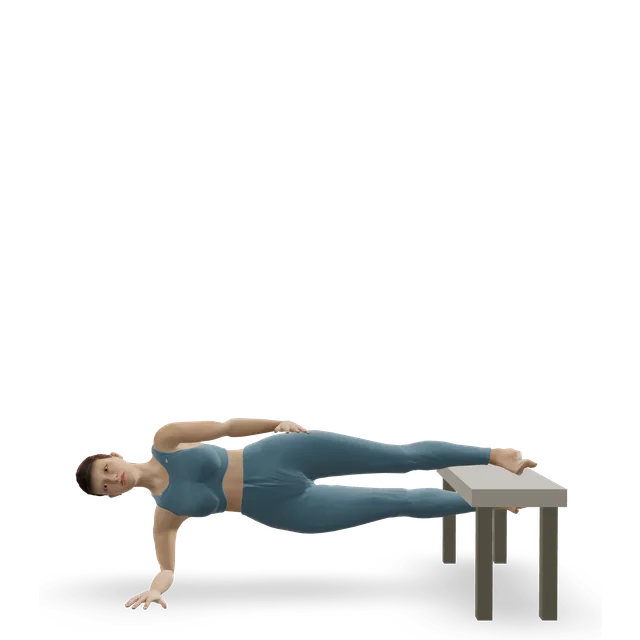 3D demoCopenhagen plankAdvanced · A bench or box
 3D demoDumbbell goblet squatIntermediate · A dumbbell
 3D demoRear-foot-elevated split squat (Bulgarian split squat)Intermediate · A bench or box
 3D demoSingle-leg Romanian deadliftAdvanced · A dumbbell
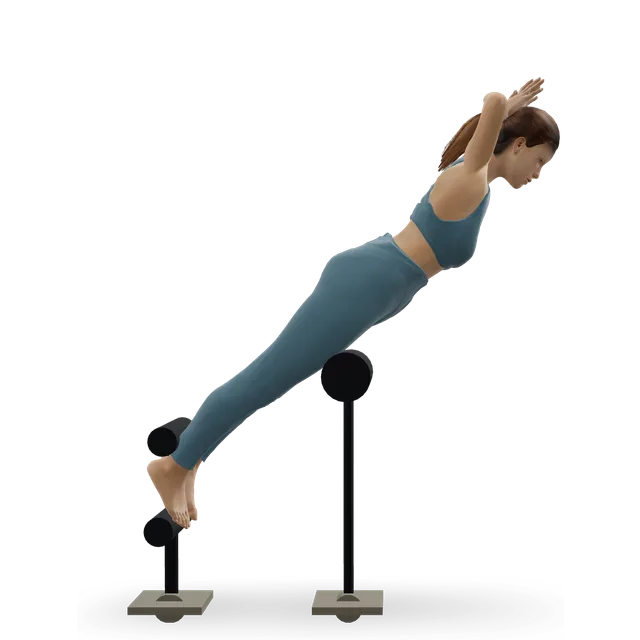 3D demoBack extension on a 45-degree benchIntermediate · A bench or box
 3D demoSide plankIntermediate · No equipment
 3D demoHalf-kneeling Pallof pressBeginner · A band + An anchor point
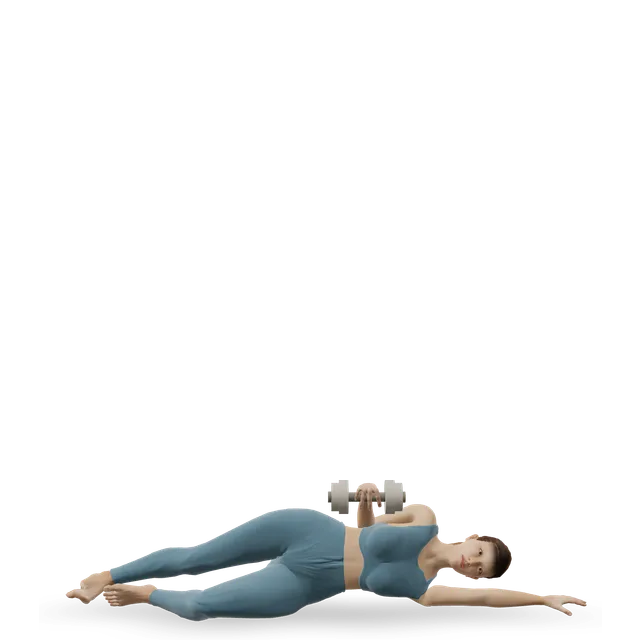 3D demoSide-lying dumbbell external rotation (on a bench)Beginner · A dumbbell + A bench or box
 3D demoProne Y-T-W raisesBeginner · No equipment
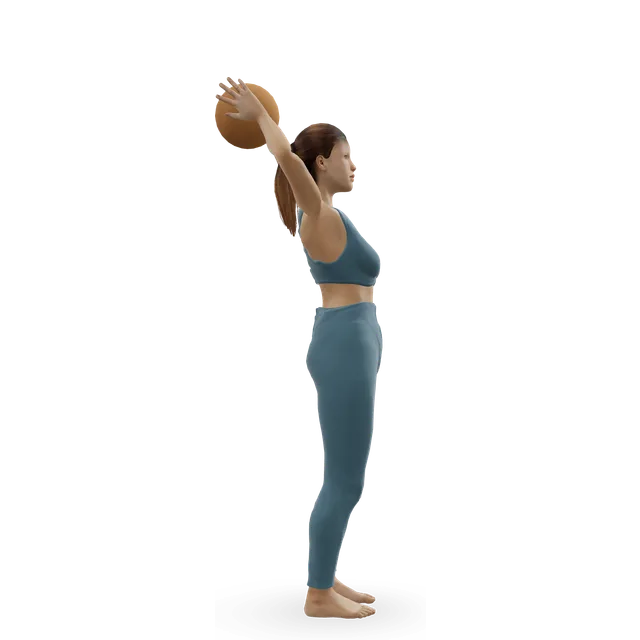 3D demoTwo-hand overhead throwIntermediate · Medicine ball
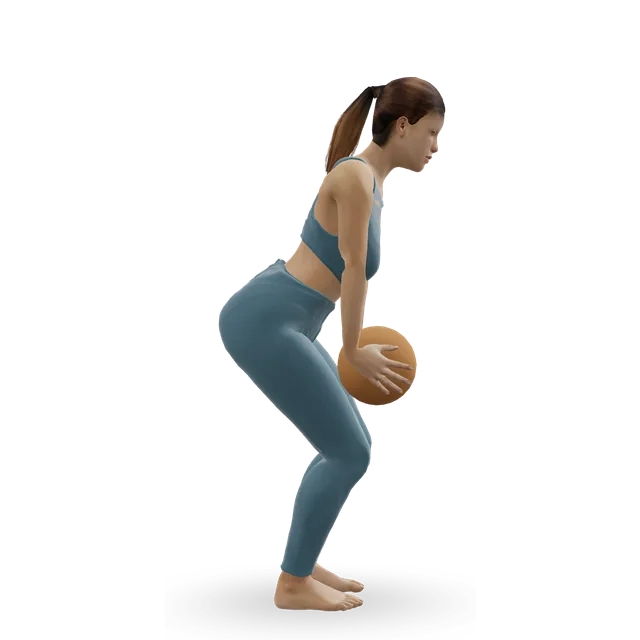 3D demoMedicine-ball scoop throw (backward overhead throw)Beginner · Medicine ball
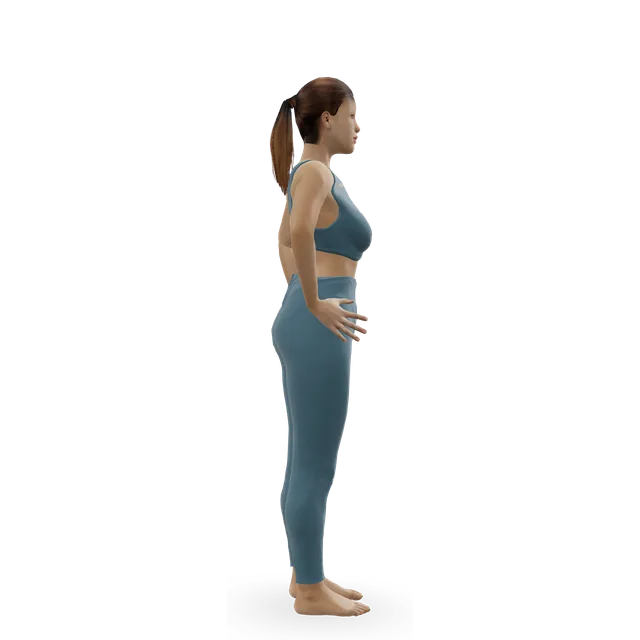 3D demoReverse lunge with rotationIntermediate · No equipment
 3D demoSingle-leg calf raise from a stepIntermediate · A step + A wall
The first two are new: a 12-minute warm-up and a strength workout for fast bowlers. The hamstring and groin session has the Nordic programme as trialled in football; the others add trunk endurance, shoulder care, power and fitness.
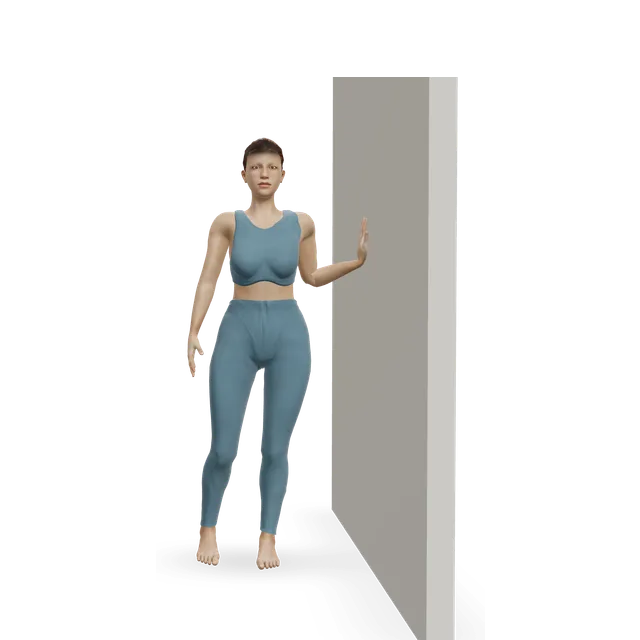
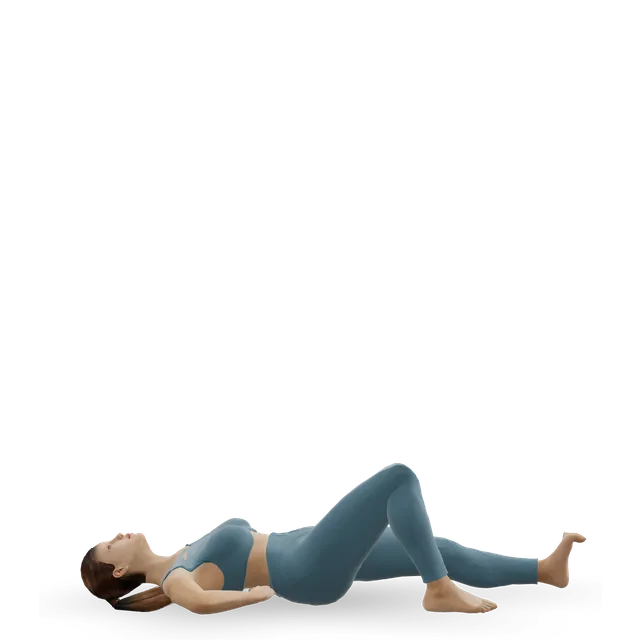
A 12-minute cricket warm-up: a jog, side-steps and skips, hip and shoulder mobility, planks, squats and lunges, one-leg catches, then sprints and turns.
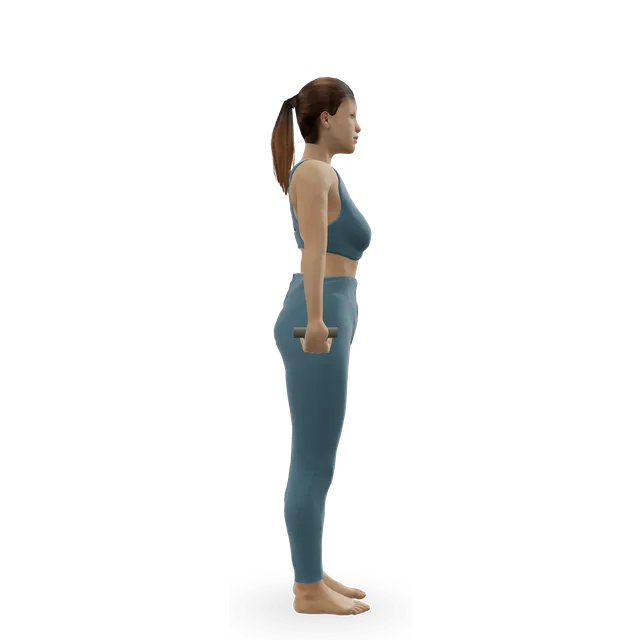
12 minBeginner17 movesCardio machine, A wallA 40-minute gym session for fast bowlers: squats, split squats, single-leg hinges, Nordics, Copenhagen planks, back and side work, shoulder work and throws.
40 minIntermediate16 movesA band, An anchor pointThe Nordic hamstring and Copenhagen adduction programmes from the football trials: a 10-week build, three adductor levels, then once a week in season.
15 minIntermediate6 movesA wall, An anchor pointA 10-minute warm-up for any workout: raise your heart rate, move each joint through its range, rehearse the main movements, then ramp up to your first lift.
10 minBeginner12 movesA wall, A bandThe McGill big three for the core: curl-ups, side planks and bird dogs, each held for 10 seconds at a time in falling sets of 5, 3 and 1 reps.
12 minBeginner3 movesNo equipmentA 25-minute band routine for healthy shoulders: move the shoulder and upper back through their range, then strengthen the rotator cuff and shoulder blades.
25 minBeginner12 movesA wall, A bandA 15-minute routine that moves your neck, upper back and lower back through bending, arching, side bending and twisting, then holds the spine steady.
15 minBeginner12 movesNo equipmentA gym lower body workout for legs and glutes: trap bar deadlifts, hip thrusts, reverse lunges, leg curls, hip abduction, calf raises and core.
50 minIntermediate13 movesOther / check instructions, A barbellAn advanced jump training session: pogo hops, box jumps, split squat jumps, broad jumps and depth jumps.
30 minAdvanced8 movesA bench or box, A stepA 20-minute no-equipment HIIT workout: jumping jacks, jump squats, mountain climbers, burpees, skips and bear crawls.
20 minIntermediate10 movesNo equipmentWrist mobility and forearm strength for desk work, climbing, push-ups and handstands.
10 minBeginner7 movesA wall, A dumbbellTwo strength sessions a week fit the winter and pre-season; drop to one or two in season, away from match days.
Two full-body strength sessions a week: the minimum that meets health guidelines, with every set, rep and rest, and an 8-week progression.
2 training days45 minBeginner3 days a weekA beginner gym plan: three full-body sessions a week, alternating workouts A and B, with sets, reps, rest and an 8-week progression.
3 training days45 minBeginner3 days a weekA 12-week beginner barbell program: squat every session, alternate bench and row with press and deadlift, and add weight each time until it stalls.
3 training days50 minBeginner3 days a weekFor after about 8 weeks of a beginner plan: three full-body sessions a week, one heavy, one moderate and one light, in a gym or at home, for 12 weeks.
3 training days50 minIntermediateThe PAR-Q+ (Physical Activity Readiness Questionnaire for Everyone) asks about a heart condition or high blood pressure, chest pain, dizziness or losing consciousness, other long-term conditions and their medicines, a bone or joint problem that activity could make worse, and being told to exercise only under supervision. If you answer yes to any, check with your GP or a qualified exercise professional first. If you're over 45 and not used to hard exercise, ask a qualified exercise professional before the hardest sessions, and delay if you're ill.
Source 70
Back pain that lasts more than a couple of weeks, is worse arching back or stops them bowling: stop fast bowling and see a GP or sports physiotherapist before bowling again. A fifth of symptom-free academy bowlers had bone stress on a scan, and these injuries cost months. For teenagers, MRI is the usual first scan, as our spondylolisthesis guide explains.
Growing more than 7 cm a year: follow the ECB's guidelines for the age group below.
Source 6
A previous injury was the strongest risk factor for another in youth bowlers, and a third to a half of screened young bowlers were injured again within 5 years. Come back through the ECB's Ready to Bowl build-up, with your clinician.
30% of side strains came back, mostly within 2 years. Follow our abdominal strain or hamstring strain guide, and do the Nordic programme before the season.
The NHS advises seeing a GP if you've fainted, and the PAR-Q+ asks you to check first if you get chest pain or dizziness: do that before you play.
The NHS advises against sports with a risk of falling or bumping your tummy, and a hard ball adds the risk of a blow. Talk to your midwife or GP; soft-ball cricket and non-contact drills may suit (our suggestion).
Source 72
The NHS advises shade between 11am and 3pm from March to October, and sunscreen of at least SPF 30 with at least 4-star UVA protection. Drink plenty on hot days, and know the signs of heat exhaustion below.
The NHS says to call 999 if someone has hit their head and:
Source 75
Stop playing: if in doubt, sit them out. Contact NHS 111 within 24 hours, and straight away if they're being sick, feel dizzy or take medicine that thins the blood. Then follow the ECB's six stages, with no matches before day 21. Signs can be harder to spot under a helmet, so watch closely.
Call 999 if someone faints while exercising, or faints and can't be woken within a minute, or has chest pain, a pounding, fluttering or irregular heartbeat, or a fit. Call 999 for sudden chest pain that doesn't go away, pain that spreads to your arms, neck, jaw, stomach or back, or chest pain with sweating, feeling sick, light-headedness or breathlessness.
If someone is unresponsive and not breathing normally, call 999, start cardiopulmonary resuscitation (CPR) straight away and send a helper for the nearest defibrillator. The ECB asks clubs to know where theirs is.
Call 999 or go to A&E for back pain with pain, tingling, weakness or numbness in both legs, loss of feeling around your genitals or bottom, changes in your bladder or bowels, or chest pain. Ask for an urgent GP appointment or contact NHS 111 if you feel hot, cold, shivery or generally unwell, or the pain is severe and started suddenly or is getting worse quickly.
Source 78
Go to A&E if a finger points at an odd angle, looks blue or feels numb, or is cut with bone showing. Contact NHS 111 if it's painful, swollen and bruised, or stiff and difficult to move, or if you heard a snap or popping noise or can't move the finger or hold things. A fingertip that won't straighten needs same-day advice, as our mallet finger guide explains.
Go to A&E or call 999 if something hit your eye at high speed, your sight has changed, you have severe pain in the eye, you feel or are sick, you can't move your eye or keep it open, or blood or pus is coming from it.
Source 81
See a dentist for a chipped, cracked or broken tooth, and take any broken piece in milk or saliva. If you can't get an emergency appointment, call NHS 111.
Source 82
Go to A&E or call 999 for sudden, severe pain in a testicle, testicle pain with feeling or being sick or tummy pain, or pain that has lasted more than an hour or continues while resting.
Source 83
Call 999 if someone is still unwell after 30 minutes of resting somewhere cool, being cooled and drinking fluids, or has a very high temperature, hot skin that isn't sweating, a fast heartbeat or fast breathing, confusion, a fit or loss of consciousness.
Source 74
Bone does adapt to bowling, but over about 15 years, the ECB says. Very big weeks, too many bowling days and short breaks go with stress fractures, and so does too little bowling followed by a sudden rise. That's why the ECB sets limits and weekly targets.
A fifth of symptom-free academy bowlers already had bone stress on a scan, and a stress fracture can cost the best part of a year. Back pain that lasts or hurts when arching back needs checking.
Shoulder counter-rotation goes with back problems across studies, but the evidence in teenagers conflicts, and no study has shown that coaching a new action prevents stress fractures. Coaching can change an action; do it with a qualified coach.
Compulsory helmets sharply cut junior batters' head and face injuries, but balls still came through the gap between peak and grille in elite cricket, and concussions still happen. Wear a helmet to the current standard, with a neck protector.
Stretching programmes didn't prevent injuries across 25 trials, and side strains weren't predicted by trunk flexibility. Nordic hamstring programmes were linked with far fewer hamstring injuries in other sports.
Ball speed falls as the ball gets heavier, and in a 10-player study, training with heavier and lighter balls seemed to help only some bowlers. Leg strength and power training has better support.
They're hurt less than fast bowlers, but not rarely: 6.7% of elite spinners and 7.4% of batters were unavailable on an average match day, and in junior club cricket, fielders and batters were hurt as often as bowlers.
Most hand fractures happen while fielding, and throwing causes shoulder injuries in women's T20 and professional cricket.
Leg strength work such as squats, split squats and single-leg hinges, the Nordic hamstring exercise, trunk work for the back and sides, shoulder rotation exercises, and jumps and medicine-ball throws for power. Nordic programmes were linked with far fewer hamstring injuries in other sports, and in a small trial in medium-fast bowlers, heavy lifts paired with jumps improved ball speed more than standard training. Our strength workout for fast bowlers puts these together.
In England and Wales, the ECB's regulations set the most a bowler aged 19 or under may bowl in a spell and in a day: 4 and 8 overs at 11 and under, 5 and 10 at 12 and 13, 5 and 12 at 14 and 15, 6 and 15 at 16 and 17, and 7 and 18 at 18 and 19. After a spell, they must rest until the same number of overs has been bowled from that end.
The ECB recommends 12 to 16 overs a week at 11 and under, rising to 24 to 28 at 18 and 19, on no more than 4 days in 7, with rest days after bigger spells. It also recommends a mid-season break, a lighter week every 4 to 5 weeks and a 4-week break after the season. Overs in the nets and with a soft ball count too.
Each delivery arches, bends and twists the lower back while it takes about three times bodyweight. Bone needs years of gradual bowling to grow strong enough, so teenagers and young adults are most at risk, especially in or just after a growth spurt and after sudden rises in bowling.
It can be. Back pain that lasts more than a couple of weeks, hurts when arching back or stops them bowling should be checked by a GP or sports physiotherapist, because it can be a stress fracture. In English professionals, one cost about 8 months on average.
Talk to a qualified coach. Shoulder counter-rotation is linked with back problems, and coaching can reduce it, but no study has shown that changing an action prevents stress fractures. Workload, rest and fitness are the better-supported levers.
A tear of the trunk muscles where they attach to the lowest ribs, usually on the side opposite the bowling arm. Over half of first-class fast bowlers in one study had had at least one, and 30% came back. Our abdominal strain guide covers side strains and recovery.
Yes. In England and Wales, under-18s must wear a helmet with a faceguard or grille when batting against a hard ball, in matches and practice, and wicketkeepers standing up must wear one or a face protector. Male players must also wear a box, parents can't opt their child out, and neck protectors are strongly advised.
Under the ECB's regulations, no closer than 11 yards to the striking batter up to age 13, and 8 yards at 14 and 15, except behind the wicket on the off side. From 16 there's no minimum, but under-18s fielding within 8 yards must wear a helmet.
If in doubt, sit them out: off at once, assessed within 24 hours by a healthcare professional or NHS 111, then six stages back, with batting and fielding practice no earlier than day 15 and no matches before day 21. Call 999 for warning signs such as being knocked out, a fit, or new numbness or weakness.
Exercise education for people who play sport, not a personal prescription or a diagnosis, and clinical review of these pages is pending. Check with a GP or physiotherapist before hard training if you have a heart condition, chest pain, dizziness or an injury that isn't settling, and stop for sharp or increasing pain. Health disclaimer.