Sport

Exercises for footballers: the FIFA 11+ warm-up, hamstring and groin prevention, and training for the game

Football asks for repeated sprints, sudden stops and turns, jumps, kicks and tackles over 90 minutes, and most injuries are to the legs: hamstrings, groins, knees and ankles. The best-tested answer is a warm-up: the 11+ from FIFA, football's world governing body, which takes about 20 minutes and cut injuries by about a third across four trials, most in the players who kept doing it, at least twice a week. Two short programmes add to it: the Nordic hamstring exercise, which halves hamstring injuries, and the Copenhagen adduction exercise, which cut groin problems by about 40% in men's football.

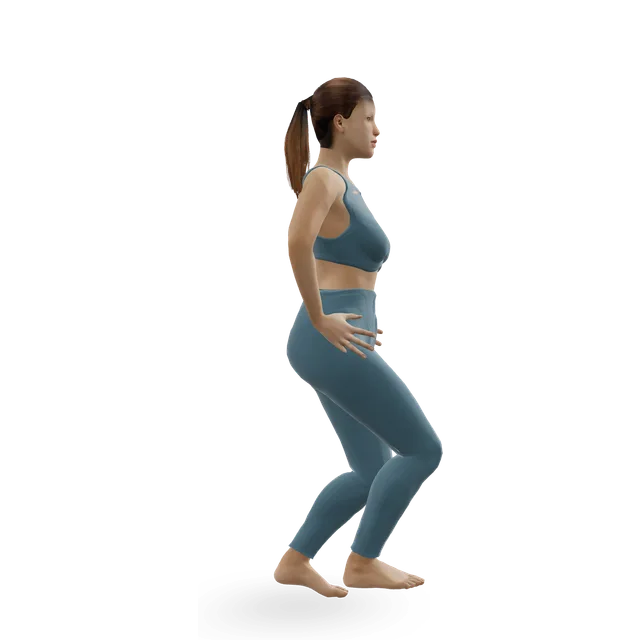
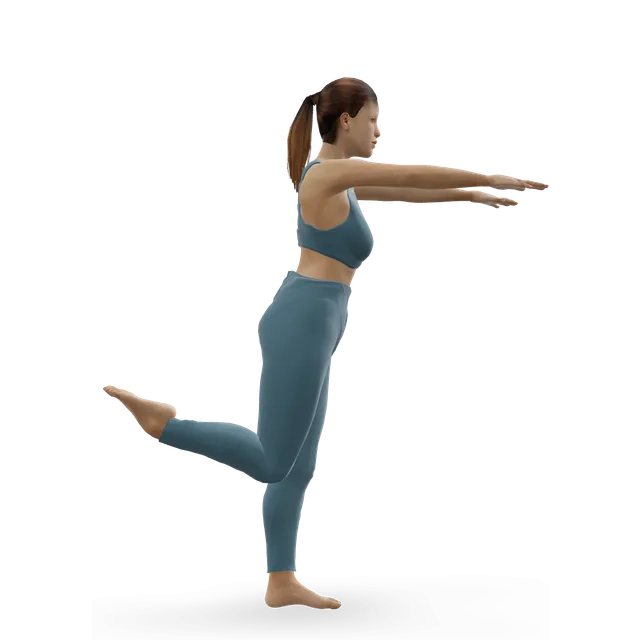
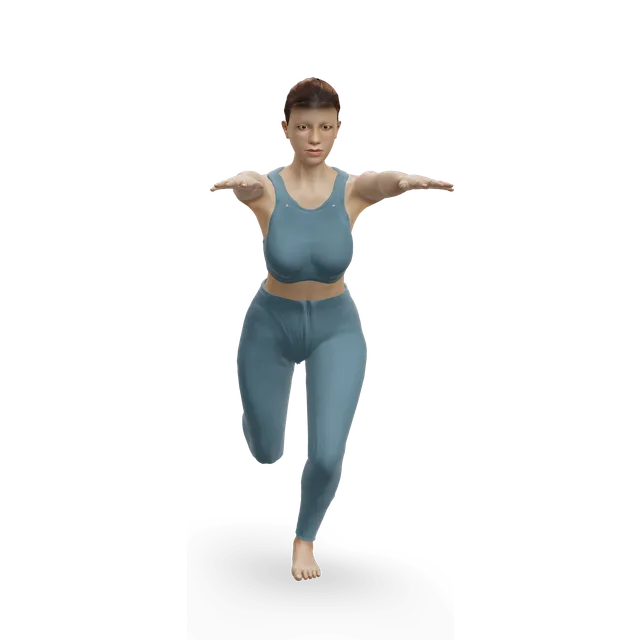
This guide sets out the 11+ exactly as FIFA's manual lays it out, with its three levels, and the hamstring and groin programmes as they were trialled. It covers what protects girls' and women's knees, how strength and interval training improve your game and when to fit them in, and heads: if in doubt, sit them out, and The Football Association's limits on heading. Each exercise has a 3D demo, the closest match where the catalog has no exact one.

The short version

Most injuries are to the legs

In elite European men's clubs, players had about 8 injuries for every 1,000 hours of football, around 2 each a season, and match rates were nearly 7 times training rates. Muscle injuries made up nearly a third, led by the hamstrings, whose share of all injuries doubled from 12% to 24% over the two decades to 2022.

Sources 1, 2, 3

The FIFA 11+ warm-up cuts injuries by about a third

It's a 20-minute warm-up of running drills and strength, balance and jumping exercises, done at the start of every training session. Across 4 trials it cut injuries by 39%.

Sources 4, 5

It works when you keep doing it

Players who did the 11+ most often had 35% fewer injuries than those who did it a moderate amount. Veteran players who did it about once a week had no fewer injuries overall, so aim for at least twice a week.

Sources 6, 7

Nordics for hamstrings, Copenhagens for groins

Programmes that include the Nordic hamstring exercise halve hamstring injuries. The Copenhagen adduction exercise, three times a week in pre-season and once a week in season, cut groin problems by 41% in Norwegian semi-professional men.

Sources 8, 9

Protect girls' and women's knees

For each training session or match, women injure the anterior cruciate ligament (ACL), a key knee ligament, about twice as often as men. Warm-ups with strength, landing and balance work cut non-contact ACL injuries in female athletes by about two-thirds.

Sources 10, 11

If in doubt, sit them out

A player with a suspected concussion comes off straight away and doesn't play or train for at least 24 hours. They should be assessed within 24 hours, by a healthcare professional or through 111, the UK's National Health Service (NHS) helpline, and shouldn't play a match for at least 21 days.

Source 12

What football asks of your body

Repeated sprints over 90 minutes

Football is an intermittent endurance sport. Elite players cover about 10 km in a match at an average of 80 to 90% of their maximum heart rate, with many short sprints, jumps, tackles and turns. In professional players, high-intensity running in the last 15 minutes was 35 to 45% lower than in the first 15. The NHS counts football as vigorous activity.

Sources 13, 14, 15

Sprinting, cutting, jumping and kicking

The hamstrings take the strain in sprinting, the adductors (the inner thigh muscles) in kicking and side-to-side moves, and the knee and ankle ligaments in cutting, landing and tackles. FIFA's manual names core strength, balance and body control, hamstring strength while lowering, jumping and agility as the key elements of injury prevention.

Sources 2, 4

Strength and speed go together

In 17 international players, those with stronger half squats sprinted faster over 10 and 30 m and jumped higher. That's an association, but the training trials below point the same way.

Source 16

Common injuries

How often footballers get injuredStrong evidence

Rates are given as injuries per 1,000 hours of football, so studies of different sizes and lengths can be compared. Match rates are many times training rates at every level.

  • Elite European men (7 seasons): 8.0 per 1,000 hours; 27.5 in matches and 4.1 in training; about 2 injuries per player each season.
  • Professional men (44 studies pooled): 8.1 per 1,000 hours; 36 in matches and 3.7 in training.
  • High-level Dutch amateur men (456 players, one season): about 9.6 per 1,000 hours, and 60% of players injured.
  • Players aged 19 and under (43 studies pooled): 5.7 per 1,000 hours for boys and 6.8 for girls; about 14 to 15 in matches and under 3 in training.
  • Senior women at elite clubs (pooled studies): 2.7 muscle and tendon injuries and 2.6 joint and ligament injuries per 1,000 hours; training rates 6 to 7 times lower than match rates.
  • Norwegian girls aged 13 to 17 (one season): 3.9 per 1,000 hours; 8.1 in matches and 1.9 in training.

Sources 1, 17, 45, 18, 19, 20

Hamstring strainsStrong evidence

In elite men's football, muscle injuries were 31% of all injuries, and the hamstrings accounted for 37% of those. Their share of all injuries rose from 12% to 24% over the two decades to 2022. Repeat injuries were 12% of all injuries and kept players out longer, and in a Danish trial they fell most with the Nordic exercise. Our hamstring strain guide covers treatment and return to play.

Sources 2, 3, 1, 21

Groin painStrong evidence

The adductors accounted for 23% of muscle injuries in elite men. In a Norwegian trial, 21% of semi-professional men in the control teams reported groin problems in an average week. Weak adductors are the factor training can change, and the Copenhagen adduction exercise strengthens them. Our groin strain guide covers what to do when it hurts.

Sources 2, 9, 22

ACL injuriesStrong evidence

Across 28 studies, women had 2.0 ACL injuries for every 10,000 times a player trained or played a match, and men 0.9: about 2.2 times the rate. In 2,329 elite players, women's risk was about 2.6 times men's and they were younger when injured, more than half the injuries happened without contact, and the rate in matches was about 20 times the rate in training. Our ACL injury guide covers what happens next.

Sources 10, 23

Ankle sprainsEmerging evidence

Ankle injuries make up as much as a fifth of football injuries, and about three-quarters of them are sprains. Balance training cuts repeat sprains, as our ankle sprain guide explains.

Source 24

Quad strainsStrong evidence

The quadriceps, at the front of the thigh, accounted for 19% of muscle injuries in elite men. Our quad strain guide covers early loading, the stages back to sprinting and kicking, and how to tell a strain from a dead leg.

Source 2

Other knee injuries, calves and growing players

Tackles can sprain the medial collateral ligament (MCL) on the inside of the knee, and twists can tear a meniscus. Repeated jumping and running bring kneecap and tendon pain, and growing players can get Osgood-Schlatter disease below the kneecap. Calf strains were 13% of muscle injuries in elite men, the only muscle group whose injury rate rose with age. Our MCL sprain, meniscus tear, jumper's knee, Osgood-Schlatter and calf pain guides cover these.

Source 2

ConcussionEmerging evidence

Concussion is less common than leg injuries: in youth football, about 0.2 to 0.3 for every 1,000 times a player trained or played a match, a little higher in girls. Fewer than 1 in 10 concussions involve being knocked out. The concussion section below says what to do.

Sources 24, 12

What prevents injuries

The FIFA 11+, as trialledStrong evidence

In the first trial, 1,892 Norwegian girls aged 13 to 17 in 125 clubs did the 11+ in place of their usual warm-up at every training session through an 8-month season, and its running parts before matches. Coaches had a 3-hour course, and the warm-up took about 20 minutes. Injuries fell by 32%, severe injuries by 45% and overuse injuries by 53%; leg injuries, the main outcome, fell by 29%, which wasn't statistically significant. Teams used it in 77% of their sessions.

Across 4 cluster trials, the 11+ cut injuries by 39% (95% confidence interval 23% to 52% fewer). FIFA's earlier warm-up, the 11, didn't reduce injuries.

FIFA's manual is for players aged 14 and over: before every training session, at least twice a week, with parts 1 and 3 before matches. Our warm-up and workout follow the manual. Its doses differ from the first trial's for two exercises: the plank with alternate legs (3 sets of 40 to 60 seconds in the manual, 20 to 30 in the trial) and walking lunges (2 sets of 10 on each side in the manual, 2 sets of 30 seconds in the trial).

Sources 20, 5, 4

Boys and young men tooStrong evidence

In 414 Nigerian boys aged 14 to 19 in 20 teams, the 11+ as the training warm-up for a 6-month season cut injuries by 41%, with teams using it in 60% of sessions and players in 74%. In US college men (65 teams randomised, 61 analysed, one season), the 11+ before training and matches cut injuries by 46%: 8.1 against 15.0 for every 1,000 times a player trained or played a match. The 11+ teams had 3 ACL injuries against 16 in the other teams, though 4 of them dropped out, citing a lack of time.

Sources 25, 26, 27

Compliance makes the differenceStrong evidence

In the Norwegian trial, players who did the 11+ most often had 35% fewer injuries than those who did it a moderate amount. Teams used it about 1.3 times a week, and players did it in 79% of the sessions they attended, about 0.8 times a week. In Canadian girls aged 13 to 18, the players who kept to it most had about 70% fewer injuries, and in US college men, the more sessions a team did, the fewer injuries it had.

In 265 veteran men with an average age of about 44, the 11+ about once a week for 9 months didn't reduce injuries overall, though there were fewer severe injuries; the authors put it down to too few sessions. FIFA's manual puts it plainly: "research has shown that compliance is the key factor for efficacy".

Sources 6, 28, 29, 7, 4

The 11+ Kids for players under 14Strong evidence

FIFA's manual says that for younger players some 11+ exercises shouldn't be done and others need easing off. Its children's version, the 11+ Kids, replaced the usual warm-up in a trial of 3,895 players in under-9 to under-13 teams in 4 countries for a season: injuries fell by 48% and severe injuries by 74%. Injuries fell further the more often teams did it; the authors advise at least once a week, and twice for more benefit. Our exercise for children guide has more.

Sources 4, 30

The Nordic hamstring exercise, as trialledStrong evidence

In Denmark, 942 professional and amateur men in 50 teams added a 10-week Nordic programme, then one session a week through the season. The same research group describes the 10 weeks as 27 sessions before the usual warm-up: one session of 2 sets of 5 in week 1, building to 3 sessions a week of 3 sets of 12, 10 and 8 in weeks 5 to 10. That leaves 8 sessions for weeks 2 to 4 (our arithmetic); the earlier trial the programme came from built from 2 sets of 6 to 3 sets of 8 to 12 over 4 weeks.

Acute hamstring injuries fell by about 70%, to 3.8 against 13.1 per 100 player seasons. New injuries fell by about 60% and repeat injuries by about 85%.

In 579 Dutch amateur men in 40 teams, 25 sessions over 13 weeks cut hamstring injuries from 0.8 to 0.25 per 1,000 hours, though not their severity, with 91% compliance. Across 15 studies of 8,459 athletes of both sexes in several sports, programmes that included the Nordic cut hamstring injuries by 51%; in the two football trials of the Nordic programme on its own, in 1,521 men, by 65%.

Sources 21, 31, 32, 33, 8, 34

Few teams keep the Nordic goingEmerging evidence

Two years after the Dutch trial, 69% of the players said they never did the programme and 4% always did. Across studies, 17% of elite men's teams and 3% of amateur teams kept to it, and most elite clubs don't follow the 10-week protocol. The benefit depends on doing it.

Sources 35, 36, 34

The Adductor Strengthening Programme, as trialledEmerging evidence

In Norway, 35 semi-professional men's teams (652 players) were randomised. The intervention teams did one exercise with three levels of difficulty, three times a week for 6 to 8 weeks of pre-season, then once a week through a 28-week season. Level 1 was lying on your side and lifting the lower leg (side-lying hip adduction), and the higher levels built up to the Copenhagen adduction exercise. A later paper describes an 8-week build in which the reps rose each week from 3 to 15, about 470 in all; one set on each side is our reading of it, and we couldn't see the trial's own wording for levels 2 and 3.

In an average week, 13.5% of players reported groin problems against 21.3% in the control teams: 41% lower odds. The outcome was self-reported groin problems of any kind, so the effect on strains that stop players training is less certain. Players completed about 70% of the sessions, most of which took under 5 minutes.

Afterwards, only 31% planned to keep to the protocol. Only 10% of Norwegian professional teams used it as written; most did 2 sets of 7 to 10 twice a week in pre-season and 2 sets of 8 to 11 once a week in season, and across 50 European teams about two-thirds of those using the exercise had changed it.

Sources 9, 36, 37, 38, 34

The Copenhagen builds adductor strengthEmerging evidence

In 24 under-19 sub-elite players, 8 weeks of the Copenhagen adduction exercise raised the strength of the adductors while lowering by 36%, with little soreness. In under-19 elite players, swapping it into the 11+ in place of the Nordic raised that strength by 9% more than the standard 11+, which didn't raise it at all. A gentler six-level version that starts with holds raised it by about 25% in 25 professional players, with no control group.

Sources 22, 39, 40

Protecting girls' and women's kneesStrong evidence

Across 8 meta-analyses, warm-up programmes halved ACL injuries and cut non-contact ACL injuries in female athletes by two-thirds. In 18 studies of 27,231 young female athletes, the risk fell from about 1 in 54 to 1 in 111. Those programmes averaged 24 minutes, 2 to 3 times a week; younger athletes gained most, and programmes with more strength and landing work, such as Nordic hamstring lowers and lunges, did better.

In football, 4,564 Swedish girls aged 12 to 17 in 230 clubs did the 15-minute Knee Control warm-up twice a week through a 7-month season: 7 ACL injuries against 14 in the control clubs, 64% fewer. The third of players who kept to it most had 88% fewer ACL injuries than the third who kept to it least, and compliance fell a little each month.

Exercise and Sport Science Australia's 2026 position statement recommends plyometric (jumping), strength, balance, mobility and agility exercises for 10 to 30 minutes, 2 to 3 times a week, and says the evidence in men, elite athletes and many sports is limited. One trial in US college men found 3 ACL injuries with the 11+ against 16 without.

Sources 11, 41, 42, 43, 44, 27

What hasn't workedEmerging evidence

FIFA's earlier warm-up, the 11, didn't cut injuries in 2 trials, and a similar programme didn't change injury rates in 456 high-level Dutch amateur men despite good compliance (9.6 against 9.7 per 1,000 hours). The 11+ once a week didn't help veterans. FIFA leaves static stretching out of its warm-up: stretches are "not recommended as part of a warm-up programme, but can be performed at the end of the training session".

Sources 5, 45, 7, 4

Training for performance

Intervals raise fitness and match runningEmerging evidence

In 19 elite junior players (average age 18), 4 bouts of 4 minutes at 90 to 95% of maximum heart rate, with 3 minutes of jogging between, twice a week for 8 weeks, raised VO2 max, the most oxygen the body can use, from 58.1 to 64.3 mL per kg per minute. In matches they covered 20% more distance, made twice as many sprints and were involved with the ball 24% more often; jumping, strength, speed and kicking didn't change. It's one small trial in trained young men. Our Norwegian 4x4 interval workout is the same session.

Source 46

Heavy strength training for sprinting and jumpingEmerging evidence

In 21 elite players, heavy half squats (4 sets of 4 at the heaviest load they could manage) plus 4x4 intervals twice a week for 8 weeks raised their one-rep best by 52% and their jump height by 3 cm, and cut their 10 m sprint time by 0.06 seconds; there was no control group. In a 2026 review of male players aged 15 and over, strength training improved hamstring and thigh strength, sprinting and jumping, and lowering-focused (eccentric) training helped most.

Sources 47, 48

Jump training in female playersEmerging evidence

Across 14 randomised trials in 288 female players, plyometric (jump) training brought moderate gains in jump height and larger gains in agility and kicking, more in professional than in amateur players.

Source 49

The 11+ trains you a little tooEmerging evidence

Compared with usual warm-ups, the 11+ brought small to moderate gains in balance, change of direction and jump height across 17 studies of mixed quality, more with 3 or more sessions a week. In 81 amateur men, 3 sessions a week for 9 weeks improved landing control and core stability, with little change in sprinting, jumping or agility.

Sources 50, 51

Nordics don't slow you downEmerging evidence

In a pilot trial in 19 Danish first-division players, the full 10-week Nordic programme didn't reduce sprint or jump performance, and every player completed it.

Source 31

Fitting it around the gameEmerging evidence

Pre-season: two strength sessions a week, as in the trials above, while the Nordic and Copenhagen programmes build up. In season: one strength session a week kept strength and 40 m sprint speed for 12 weeks in professional players, while one every two weeks didn't, and the Nordic and Copenhagen drop to once a week. At every training session, the 11+ is the warm-up.

The site's strength plan for runners never lifts the day before a key session. Because soreness from unfamiliar lowering work peaks 1 to 3 days later, we suggest no heavy lifting, Nordics or hard jumping in the 48 hours before a match, and putting them early in the week instead (editorial).

In elite clubs, teams that held more pre-season sessions lost fewer days to injury in season, though pre-season explained very little of the difference between teams: an association.

Sources 52, 21, 9, 4, 53

Concussion and heading

If in doubt, sit them outStrong evidence

The UK's concussion guidelines for grassroots sport, first published in 2023 and updated in November 2024, cover every level below elite sport: "if an individual is suspected of having a concussion, they must be immediately removed from play", and no one should return to competition, training or PE (physical education) lessons within 24 hours.

Get the player assessed within 24 hours, by a healthcare professional at the ground or by calling NHS 111, and call 999 for any red flag (see the warning signs below). After 24 to 48 hours of relative rest with little screen time, the return runs through 6 stages: light activity such as short walks, then more exercise, then training without any risk of head impact, then full training once free of symptoms at rest for 14 days. There's no return to competition before 21 days from the injury, counting the day of the injury as day 0.

Get advice from NHS 111 if symptoms get worse or haven't improved by 14 days, and see a GP if they last more than 28 days. Fewer than 1 in 10 concussions involve being knocked out, and children and teenagers take longer to recover.

Source 12

Where The FA's own guidelines applyStrong evidence

The Football Association (The FA) has its own concussion guidelines, in line with the 2022 international consensus, for clubs and games with a trained healthcare professional; elsewhere it says the UK grassroots guidelines should be followed. Its enhanced care pathway, which can allow an earlier return, is never for players aged 16 or under.

Source 54

The FA's limits on headingStrong evidence

Adult amateur football: heading practice is limited to 10 headers in one session a week. Practise the technique with thrown passes; long balls and crosses from more than 35 to 45 m give the highest forces. In the professional game, the recommended maximum is 10 higher-force headers a week in training.

Youth football: no heading in training up to under-11s; under-12s, at most one session a month with up to 5 headers; under-13s, one session a week with up to 5; under-14s to under-16s, one session a week with up to 10; under-18s, as few heading drills as possible. Don't over-inflate the balls.

Matches: deliberate heading is being phased out of affiliated grassroots matches, from under-7s to under-9s in the 2024 to 2025 season, under-10s from 2025 to 2026 and under-11s from 2026 to 2027, with an indirect free kick for a deliberate header.

Sources 55, 56, 57, 58

Heading and long-term brain health: an associationEmerging evidence

Of 7,676 former Scottish professional footballers born between 1900 and 1977, 1.7% died with a neurodegenerative disease such as dementia, against 0.5% of 23,028 matched men from the general population: about 3.5 times the risk. Fewer of the footballers died of heart disease or lung cancer. The risk was highest in defenders, about 5 times, lowest and not clearly raised in goalkeepers, and higher with careers of over 15 years.

These studies show a link, not that heading causes dementia, and they can't give the risk for today's amateur players. The authors suggest reducing head impacts in the meantime, which is what The FA's limits do.

Sources 59, 60

A warm-up for football: the FIFA 11+

FIFA's 11+, exactly as its manual sets it out. Everyone starts part 2 at level 1, and each exercise moves up a level on its own once you can do it without difficulty for the full time or reps. It cut injuries in trials in young players of both sexes and in college men; the manual is for players aged 14 and over.

  1. Part 1, running drills, about 8 minutes: set out six pairs of cones 5 to 6 m apart. With a partner, jog up the course straight ahead; then with the hip out (lift the knee forwards and turn it out at each cone) and the hip in (lift the knee to the side and turn it forwards); circling your partner; jumping sideways to meet shoulder to shoulder; and sprinting forwards two cones and back one. Do each drill twice, running back along the outside a little faster.
  2. The bench, a plank on your forearms: 3 sets of 20 to 30 seconds at level 1. Level 2 lifts each leg in turn for a count of 2, for 3 sets of 40 to 60 seconds; level 3 holds one leg 10 to 15 cm off the ground, 3 sets of 20 to 30 seconds each side.
  3. Sideways bench, a side plank: 3 sets of 20 to 30 seconds each side, with the lower knee bent at level 1, lowering and raising your hip with both legs straight at level 2, and lifting and slowly lowering the top leg at level 3.
  4. Hamstrings, the Nordic exercise: kneel while a partner holds your lower legs, lean forward slowly in a straight line, hold it with your hamstrings as long as you can, then catch yourself in a press-up position. One set of 3 to 5 at level 1, 7 to 10 at level 2 and at least 12 to 15 at level 3.
  5. Single-leg balance: 2 sets of 30 seconds on each leg, holding a ball at level 1, throwing it to a partner as you both balance at level 2, and taking turns to push each other off balance at level 3.
  6. Squats: 2 sets of 30 seconds of squats rising onto your toes at level 1; walking lunges, 2 sets of 10 on each side, at level 2; one-leg squats holding a partner loosely, 2 sets of 10 on each side, at level 3.
  7. Jumping: 2 sets of 30 seconds of vertical jumps at level 1, sideways jumps from one leg to the other at level 2, and quick two-footed jumps forwards, backwards, sideways and diagonally over an imaginary cross at level 3. Land softly on the balls of your feet, knees over your toes.
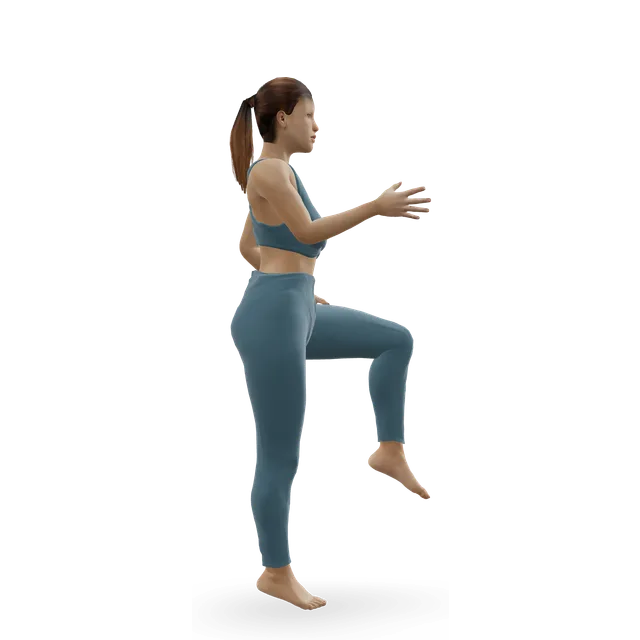
  8. Part 3, faster running, about 2 minutes: run across the pitch at 75 to 80% of top speed, then bound with high knees, then plant and cut, sprinting 5 to 7 steps at 80 to 90%. Do each twice. Before a match, do parts 1 and 3 only.

Loading the 3D figure…

Gets into position, then repeats the movement. Technical checks passed; qualified exercise review is pending.

The movement on the figure: Nordic curl

Moves for football

Each has a 3D demo. The Nordic and Copenhagen pages give the technique; the hop and landing moves train the knee control that ACL programmes build.

Workouts

The first two are new: FIFA's 11+ with its three levels, and the Nordic and adductor programmes as trialled. The knee control warm-up trains the same knee skills in a shorter session, and the Norwegian 4x4 is the interval session from the junior players' trial.

FIFA 11+ warm-up

FIFA's 11+ injury prevention warm-up as its manual sets it out: running drills, strength, balance and jumping at three levels, then faster running.

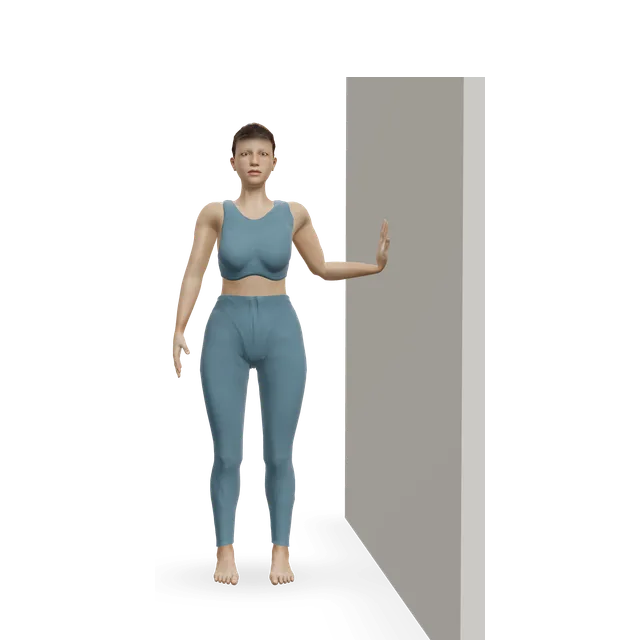
20 minBeginner20 movesCardio machine, A wall

Hamstring and groin injury prevention

The Nordic hamstring and Copenhagen adduction programmes from the football trials: a 10-week build, three adductor levels, then once a week in season.

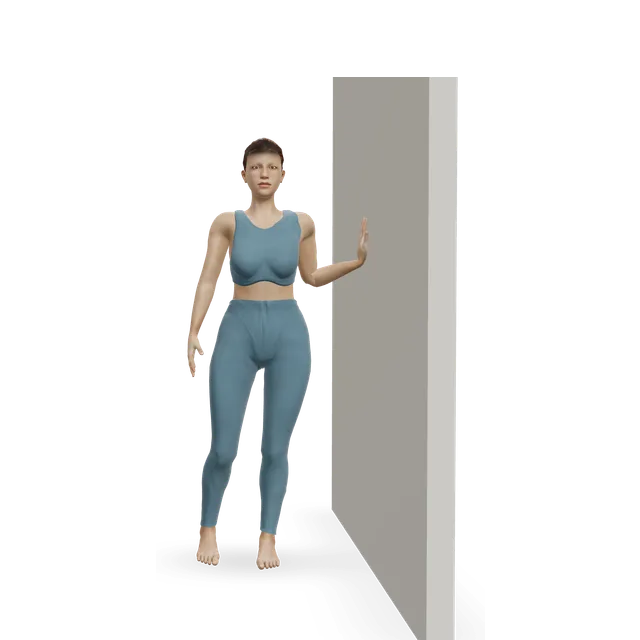
15 minIntermediate6 movesA wall, An anchor point

Knee control warm-up

A 20-minute warm-up that trains your knees to track over your toes: side-hip strength, squats and lunges with alignment practice, balance and quiet landings.

20 minBeginner10 movesA wall, A band

Norwegian 4x4 interval workout

The Norwegian 4x4, a well-studied interval session for raising VO2 max: four 4-minute hard efforts with 3 easy minutes between, on a bike, rower or treadmill.

40 minIntermediate3 movesCardio machine, A wall

Plyometric workout

An advanced jump training session: pogo hops, box jumps, split squat jumps, broad jumps and depth jumps.

30 minAdvanced8 movesA bench or box, A step

Lower body workout at home

A lower body workout at home: split squats, slider hamstring curls, single-leg bridges, step-ups, band walks and calf raises, with dumbbell options.

30 minIntermediate12 movesA wall, A step

Leg day workout (gym)

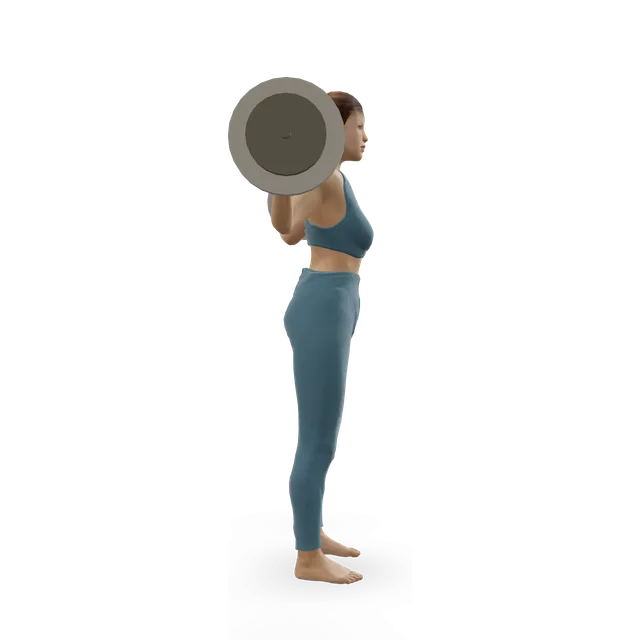
A gym leg day: back squats, leg press, leg curls, Bulgarian split squats, leg extensions and calf raises.

55 minIntermediate9 movesA wall, A barbell

Advanced core workout

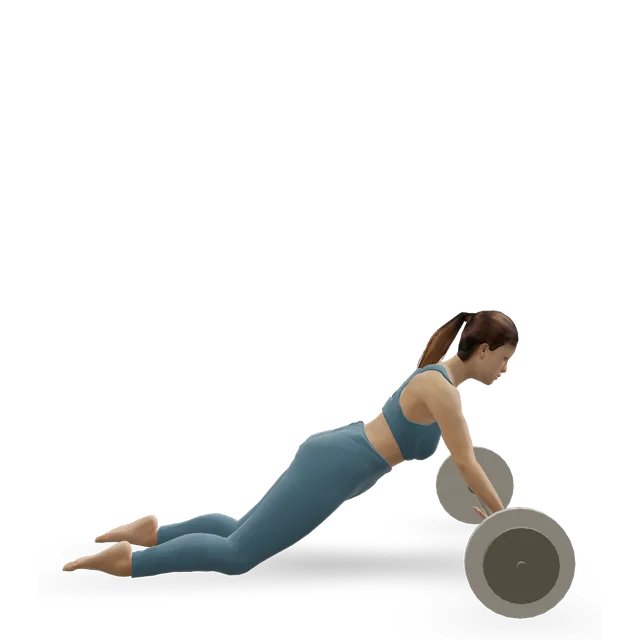
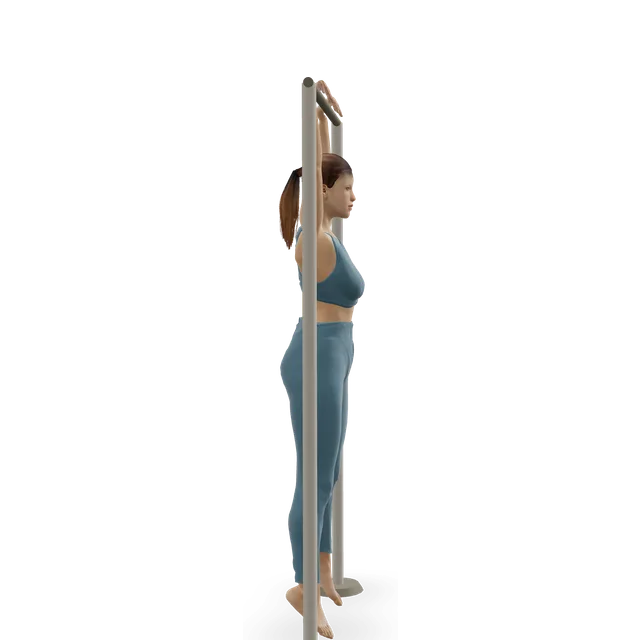
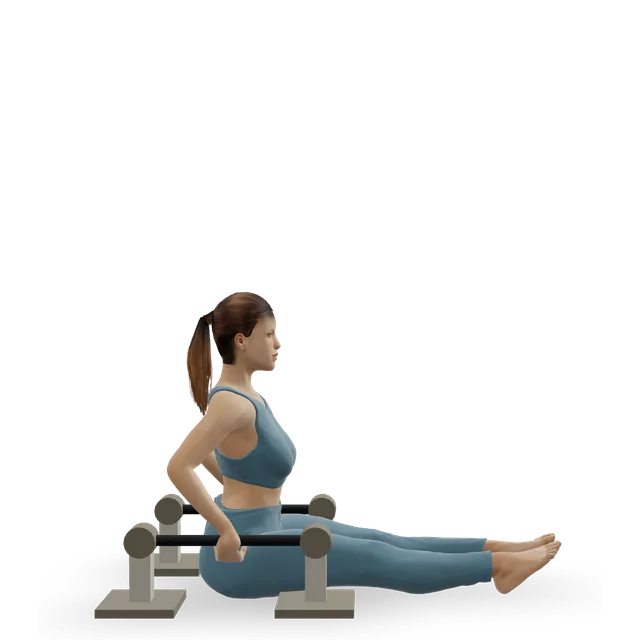
Hard core training: ab wheel rollouts, hanging leg raises, L-sits, Copenhagen planks, plank walk-ups and dragon flags.

30 minAdvanced6 movesAn ab wheel, Pull-up bar

HIIT workout at home

A 20-minute no-equipment HIIT workout: jumping jacks, jump squats, mountain climbers, burpees, skips and bear crawls.

20 minIntermediate10 movesNo equipment

Plans

Two strength sessions a week fit around training in pre-season; drop to one in season.

Who should check first

If you haven't exercised for a while, or have a health condition

The NHS advises speaking to your GP first if you haven't exercised for some time, or if you have medical conditions or concerns. The Physical Activity Readiness Questionnaire for Everyone (PAR-Q+) asks about a heart condition or high blood pressure, chest pain, dizziness or fainting, other long-term conditions and their medicines, bone or joint problems, and whether a doctor has said you should only exercise with supervision. A yes to any of them means checking first.

Sources 15, 61

Over 45 and not used to hard exercise

The PAR-Q+ asks you to see a qualified exercise professional before vigorous to maximal exercise if you're over 45 and not used to it. Football is vigorous, so build up with the 11+ and steady training first.

Sources 61, 15

After a concussion

Follow the graduated return in the UK guidelines: no competition before day 21, and a GP if symptoms last more than 28 days.

Source 12

After an ACL injury or reconstruction

Return to pivoting sport is judged by tests of the knee as well as time, as our ACL injury guide explains. Get your physio's clearance, and keep a prevention warm-up going afterwards.

With a hamstring or groin injury now

The Nordic and Copenhagen exercises prevent injuries, and they're late-stage exercises after one. Follow our hamstring strain or groin strain guide first.

Under 14

FIFA's manual says players should be at least 14 for the 11+. Younger players use the 11+ Kids, as in our exercise for children guide.

Sources 4, 30

In pregnancy

The PAR-Q+ asks you to talk with your healthcare practitioner first. Our pregnancy guide lists contact sports among the activities to avoid.

Source 61

When to stop and get help

A head injury with red flags: call 999

The UK guidelines call these red flags, needing urgent assessment by a healthcare professional or at A&E (accident and emergency), by ambulance if necessary. If a neck injury is suspected, only trained healthcare professionals should move the player.

  • Any loss of consciousness, or getting drowsier
  • No memory of events before or after the injury
  • Increasing confusion or irritability, or unusual behaviour
  • New problems understanding, speaking, reading or writing, less feeling, loss of balance, weakness or double vision
  • A seizure, twitching limbs, or lying rigid or motionless
  • A severe or worsening headache, repeated vomiting or severe neck pain
  • A suspected skull fracture: a cut, bruise, swelling or severe pain where they were hit
  • Previous brain surgery, a bleeding disorder, blood-thinning medicine, or being drunk or on drugs at the time

Sources 12, 62

A head injury: NHS 111 or a GP

The NHS says to get help from NHS 111 if, after a head injury, you're being sick, feel dizzy, take medicine that thins your blood, were drinking alcohol or taking drugs at the time, or have any other symptoms you're worried about. See a GP if symptoms last more than 2 weeks or you're not sure it's safe to return to sport, and don't play contact sports for at least 3 weeks.

Source 62

A knee that gives way

The NHS says to get advice from 111 now if your knee is very painful; you can't move it or put any weight on it; it's badly swollen or has changed shape; it locks, gives way or clicks painfully; or you have a very high temperature with redness or heat around it. A pop, quick swelling and a knee that gives way point to an ACL injury: our ACL injury guide says what to do.

Source 63

A sprain or a crack

Call 999 or go to A&E if you heard a crack when you were injured, the injured part has changed shape or points at an odd angle, it's numb or tingling, or the skin has turned blue or grey or is cold to touch. Get help from NHS 111 if it's very painful, very swollen or bruised, or you can't put weight on it or walk more than a few steps. The NHS advises avoiding strenuous exercise such as running for up to 8 weeks after a sprain.

Source 64

Chest pain: call 999

Call 999 for sudden chest pain that doesn't go away, pain that spreads to your arms, neck, jaw, stomach or back, or chest pain with sweating, feeling sick, light-headedness or breathlessness.

Source 65

Myths

"Any warm-up prevents injuries"Strong evidence

FIFA's earlier warm-up didn't reduce injuries, and nor did a similar programme in Dutch amateur men, while the 11+ cut them by 39%. What's in the warm-up, and how often you do it, matters.

Sources 5, 45

"Doing the 11+ now and then is enough"Strong evidence

The benefit follows compliance: the players who did it most had 35% fewer injuries than the middle group, the most committed Canadian girls about 70% fewer, and once a week didn't help veterans.

Sources 6, 28, 7

"Prevention programmes are for girls"Strong evidence

The 11+ cut injuries by 46% in US college men and 41% in Nigerian boys, and the Nordic and Copenhagen trials were in men.

Sources 26, 25, 21, 9

"Nordics make you slower"Emerging evidence

In first-division players, the full 10-week programme didn't reduce sprint or jump performance, and in a 2026 review, lowering-focused hamstring training improved sprinting and jumping in male players.

Sources 31, 48

"Women's ACL injuries can't be prevented"Strong evidence

Warm-up programmes cut non-contact ACL injuries in female athletes by two-thirds, and by 64% in Swedish girls' football.

Sources 11, 42

"No knockout, no concussion"Strong evidence

Fewer than 1 in 10 concussions involve being knocked out. Any suspected concussion means coming off: if in doubt, sit them out.

Source 12

"Heading a football causes dementia"Emerging evidence

Former professionals had more neurodegenerative disease than the general population, defenders most. That's an association in players from decades ago, not proof that heading caused it, but it's enough for The FA to limit heading in training and remove it from young children's matches.

Sources 59, 60, 55, 58

Questions people ask

What exercises should footballers do?

Start with FIFA's 11+ warm-up at every training session: running drills, planks, side planks, Nordic hamstring lowers, single-leg balance, squats and jumps. Add the Nordic and Copenhagen programmes for hamstrings and groins, and in pre-season two strength sessions and some interval running a week.

What is the FIFA 11+?

A 20-minute warm-up from FIFA with 15 exercises in 3 parts: slow running drills with a partner, then 6 strength, balance and jumping exercises at 3 levels, then faster running with cutting. Across 4 trials it cut football injuries by 39%.

How often should you do the FIFA 11+?

As the warm-up for every training session, at least twice a week, with parts 1 and 3 before matches. The benefit grows with how often you do it, and FIFA says it takes 10 to 12 weeks to show and can fade if you stop.

Does the FIFA 11+ work for boys and men?

Yes, for young men: it cut injuries by 46% in US college men and by 41% in Nigerian boys aged 14 to 19. Veterans in their 40s who did it about once a week had no fewer injuries overall, so do it at least twice a week.

How do you prevent hamstring injuries in football?

Build up the Nordic hamstring exercise over 10 weeks to 3 sessions a week of 3 sets of 12, 10 and 8, then keep it going once a week in season. In Danish players this cut hamstring injuries by about 70%, and the 11+ includes the Nordic too.

How do you prevent groin injuries in football?

The Copenhagen adduction exercise, three times a week in pre-season and once a week in season, cut groin problems by 41% in semi-professional men. Start at the easiest level, lying on your side and lifting the lower leg, and add reps each week.

Why do women footballers get more ACL injuries, and can they be prevented?

For each session or match played, women's rate is about twice men's, for reasons that include how players land and cut, and the training and playing environment. Warm-ups such as the 11+ or Knee Control, done 2 to 3 times a week, halve ACL injuries and cut non-contact ones in female athletes by about two-thirds.

Should footballers lift weights, and when?

Yes: heavy squats with interval running twice a week improved strength, sprinting and jumping in elite players, and one strength session a week kept the gains in season. We suggest no heavy leg work in the 48 hours before a match.

What should you do if a player might have concussion?

Take them off straight away: if in doubt, sit them out. Get them assessed by a healthcare professional or NHS 111 within 24 hours, call 999 for red flags such as getting drowsier, repeated vomiting or a fit, and don't let them play a match for at least 21 days.

Is heading the ball dangerous?

Former professional players had more dementia than the general population, defenders most, but those studies show a link, not proof that heading caused it. The FA limits heading practice for adults to 10 headers in one session a week, advises no heading in training up to under-11s, and is removing deliberate heading from under-7 to under-11 matches.

Sources

  1. Ekstrand 2011 · Injury rates in European elite men's football over 7 seasons (cohort study, BJSM)
  2. Ekstrand 2011 · Muscle injuries in elite men's football (cohort study, Am J Sports Med)
  3. Ekstrand 2023 · Hamstring injuries in elite men's football from 2001/02 to 2021/22 (cohort study, BJSM)
  4. FIFA Medical Assessment and Research Centre (F-MARC) · The 11+: a complete warm-up programme to prevent injuries, manual (archived copy)
  5. Thorborg 2017 · The FIFA 11 and 11+ programmes and football injury rates (systematic review and meta-analysis, BJSM)
  6. Soligard 2010 · Compliance with the 11+ and injury risk in youth football (secondary analysis of a cluster RCT, BJSM)
  7. Hammes 2015 · The FIFA 11+ in 265 veteran men footballers (cluster RCT, J Sports Sci)
  8. van Dyk 2019 · Programmes including the Nordic hamstring exercise: 15 studies, 8,459 athletes (systematic review and meta-analysis, BJSM)
  9. Harøy 2019 · The Adductor Strengthening Programme in 652 Norwegian semi-professional footballers (cluster RCT, BJSM)
  10. Montalvo 2019 · ACL injury risk in female and male footballers: 28 studies (systematic review and meta-analysis, BJSM)
  11. Webster 2018 · ACL injury prevention programmes: 8 meta-analyses (meta-analysis of meta-analyses, J Orthop Res)
  12. UK Government and Sport and Recreation Alliance 2024 · UK concussion guidelines for non-elite (grassroots) sport, November 2024 update
  13. Stølen 2005 · Physiology of football (review, Sports Medicine)
  14. Mohr 2003 · Match running and fatigue in professional footballers (study, J Sports Sci)
  15. NHS · Physical activity guidelines for adults aged 19 to 64
  16. Wisløff 2004 · Squat strength, sprinting and jumping in 17 international footballers (study, BJSM)
  17. López-Valenciano 2020 · Injuries in professional men's football: 44 studies (systematic review and meta-analysis, BJSM)
  18. Robles-Palazón 2022 · Injuries in youth football: 43 studies (systematic review and meta-analysis, J Sport Health Sci)
  19. Horan 2023 · Injury rates in senior women's football (systematic review and meta-analysis, BJSM)
  20. Soligard 2008 · The FIFA 11+ warm-up and injuries in 1,892 young female footballers (cluster RCT, BMJ)
  21. Petersen 2011 · Nordic hamstring training and hamstring injuries in 942 Danish footballers (cluster RCT, Am J Sports Med)
  22. Ishøi 2016 · The Copenhagen adduction exercise and adductor strength in 24 under-19 footballers (randomised trial, Scand J Med Sci Sports)
  23. Waldén 2011 · ACL injuries in 2,329 elite men and women footballers (three-cohort study, Knee Surg Sports Traumatol Arthrosc)
  24. Owoeye 2020 · Reducing injuries in football: the best evidence (umbrella review, Sports Med Open)
  25. Owoeye 2014 · The FIFA 11+ in 414 Nigerian youth footballers (cluster RCT, J Sports Sci Med)
  26. Silvers-Granelli 2015 · The FIFA 11+ in US college men's football (cluster RCT, Am J Sports Med)
  27. Silvers-Granelli 2017 · The FIFA 11+ and ACL injuries in US college men's football (cluster RCT, Clin Orthop Relat Res)
  28. Steffen 2013 · Adherence to the 11+, balance and injury risk in Canadian girls' football (cluster RCT, BJSM)
  29. Silvers-Granelli 2018 · Compliance with the 11+ and injuries in US college men's football (secondary analysis, Knee Surg Sports Traumatol Arthrosc)
  30. Rössler 2018 · The 11+ Kids warm-up in 3,895 children's footballers (cluster RCT, Sports Medicine)
  31. Krommes 2017 · The 10-week Nordic programme, sprinting and jumping in 19 elite men footballers (randomised pilot, BMC Res Notes)
  32. Mjølsnes 2004 · Ten weeks of Nordic hamstring training in well-trained footballers (randomised trial, Scand J Med Sci Sports)
  33. van der Horst 2015 · The Nordic hamstring exercise in 579 Dutch amateur footballers (randomised trial, Am J Sports Med)
  34. Ishøi 2020 · Grading the evidence on preventing and treating leg muscle injuries in sport (statement paper, BJSM)
  35. van der Horst 2021 · Adherence to the Nordic hamstring exercise after a trial in amateur football (follow-up study, Clin J Sport Med)
  36. Dalen-Lorentsen 2024 · How 50 European football teams change the Copenhagen adduction exercise (survey, BMJ Open Sport Exerc Med)
  37. Stensø 2022 · How Norwegian professional teams use and change the Adductor Strengthening Programme (cross-sectional study, BMJ Open)
  38. Harøy 2019 · How players used the Adductor Strengthening Programme and whether they planned to keep it up (cross-sectional study, Scand J Med Sci Sports)
  39. Harøy 2017 · Adding the Copenhagen adduction exercise to the FIFA 11+ in under-19 elite players (randomised trial, Am J Sports Med)
  40. Polglass 2019 · A gentler progressive Copenhagen programme in 25 professional footballers (study, BMJ Open Sport Exerc Med)
  41. Petushek 2019 · Preventing ACL injuries in young female athletes: 18 studies, 27,231 athletes (systematic review and meta-analysis, Am J Sports Med)
  42. Waldén 2012 · The Knee Control warm-up in 4,564 Swedish girls' footballers (cluster RCT, BMJ)
  43. Hägglund 2013 · Compliance with Knee Control and ACL injuries (secondary analysis of a cluster RCT, BJSM)
  44. Collings 2026 · Reducing the risk of ACL injury (Exercise and Sport Science Australia position statement, Sports Medicine)
  45. van Beijsterveldt 2012 · An injury prevention programme (The11) in 456 Dutch amateur men (cluster RCT, BJSM)
  46. Helgerud 2001 · Interval training and match performance in 19 elite junior footballers (randomised trial, MSSE)
  47. Helgerud 2011 · Heavy squats and intervals in 21 elite footballers (training study, Int J Sports Med)
  48. Riego-Ruiz 2026 · Hamstring training and football performance (systematic review and meta-analysis, Int J Sports Med)
  49. Hernandez-Martinez 2025 · Plyometric training in female footballers: 14 trials (systematic review and meta-analysis, Front Physiol)
  50. Kambitta Valappil 2026 · The FIFA 11+ and physical fitness: 17 studies (systematic review and meta-analysis, Sports Medicine)
  51. Impellizzeri 2013 · Training effects of the FIFA 11+ in 81 amateur men (randomised trial, J Sports Sci)
  52. Rønnestad 2011 · How often to strength train in season in professional footballers (randomised trial, JSCR)
  53. Ekstrand 2020 · Pre-season training sessions and in-season injuries over 15 years of elite football (cohort study, Am J Sports Med)
  54. The Football Association 2023 · The FA concussion guidelines: if in doubt, sit them out
  55. The Football Association 2021 · Heading guidance: adult amateur football
  56. Premier League, The FA and partners 2021 · Professional football heading in training guidance (summary)
  57. The Football Association 2020 · Heading guidance for youth football
  58. The Football Association 2024 · Heading to be phased out of youth football matches over three seasons (news release)
  59. Mackay 2019 · Neurodegenerative disease deaths in 7,676 former Scottish professional footballers (cohort study, N Engl J Med)
  60. Russell 2021 · Playing position, career length and neurodegenerative disease in former professional footballers (cohort study, JAMA Neurol)
  61. PAR-Q+ Collaboration 2025 · The Physical Activity Readiness Questionnaire for Everyone (PAR-Q+)
  62. NHS · Head injury and concussion
  63. NHS · Knee pain
  64. NHS · Sprains and strains
  65. NHS · Chest pain

Exercise education for people who play sport, not a personal prescription or a diagnosis, and clinical review of these pages is pending. Check with a GP or physiotherapist before hard training if you have a heart condition, chest pain, dizziness or an injury that isn't settling, and stop for sharp or increasing pain. Health disclaimer.