Meniscus tear exercises: when exercise is the first treatment
There are two kinds of meniscus tear. A degenerative tear comes on gradually, usually from your mid-30s onward, often without a clear injury. A traumatic tear follows a twist, often in sport.
For a degenerative tear, trials found 12 weeks of supervised exercise did as well as keyhole surgery, and a BMJ guideline panel strongly recommends against arthroscopy for nearly everyone with degenerative knee disease. This guide is for that kind of tear. A knee that is locked, or a tear after a big twist in a younger person, needs a clinician first.
Exercise is for pain that has been checked or is clearly mild and settling.
Get urgent medical help if
A hot, red or swollen knee with sudden severe pain, a very high temperature, or feeling hot, cold or shivery. This can be a joint infection.
You cannot move the knee or put any weight on it, or it is very painful, badly swollen or has changed shape.
You hurt your knee and cannot take 4 steps, or you are 55 or over and hurt it in a fall: get it checked the same day for a broken bone.
Throbbing pain and swelling in one calf or thigh with red or darkened skin or swollen veins, or sudden worse pain and swelling around a lump at the back of the knee (a possible clot or a burst Baker's cyst).
The knee is locked and you cannot fully straighten it.
See a doctor or physiotherapist if
Knee pain that has not improved within a few weeks of looking after it at home. Many areas offer NHS physiotherapy without a GP referral.
A tear after a significant twisting injury, especially in a younger person.
A knee that keeps giving way.
Understand it
Tears are common in knees that do not hurtStrong evidence
In a community sample, MRI found meniscus tears in 19% of women aged 50 to 59 and up to 56% of men aged 70 to 90. Of the people with tears, 61% had had no knee pain, aching or stiffness in the previous month. A tear on a scan is not proof it is the cause of your pain.
Exercise matched keyhole surgery at 2 yearsStrong evidence
In 140 adults (average age 49.5) with a degenerative tear, 12 weeks of supervised exercise gave no clinically relevant difference from partial meniscectomy at 2 years, and the exercise group gained more thigh strength. 19% of the exercise group later had surgery, with no extra benefit.
Surgery did no better than sham surgeryStrong evidence
In 146 people aged 35 to 65, partial meniscectomy was no better than a sham operation at 12 months. It also did not relieve catching or occasional locking better than the sham.
With arthritis as well, physiotherapy did as wellStrong evidence
In 351 people aged 45 and over with a tear and mild to moderate arthritis, physical therapy and surgery gave similar function at 6 and 12 months. 30% of the physical therapy group had surgery within 6 months.
A strong recommendation against arthroscopyStrong evidence
A BMJ guideline panel makes a strong recommendation against arthroscopy in nearly all patients with degenerative knee disease, including those with catching or a sudden start. The possible exception is a truly locked knee that cannot fully straighten. It does not cover young people with sports injuries or major trauma. NICE also advises against arthroscopic washout for arthritis.
0 to 2 is safe, up to 5 is acceptableEmerging evidence
Rate your knee pain from 0 to 10 during and after exercise. In the pain-monitoring model used in knee trials, 0 to 2 counts as safe, up to 5 as acceptable and above 5 as too much. Aim for 0 to 3 most of the time.
By the next morning your knee should be back to its usual level. If it is not, drop back one step next time (fewer sets, a shallower range, a lower step), not to nothing. Over the weeks pain should hold steady or ease; that last check is our suggestion rather than a tested rule.
Some knee programmes say you should feel no pain at all. The trials allowed some, and a meta-analysis found exercising into some pain did no worse than pain-free exercise. NICE says joint pain may rise when you start exercising with arthritis, and that regular exercise still helps in the long run.
Sharp, catching or giving-way pain, or new swelling, is a reason to stop and get it checked.
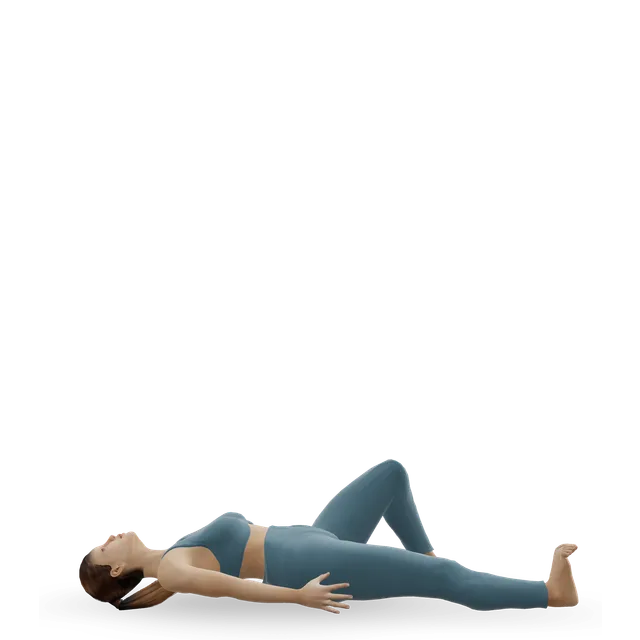
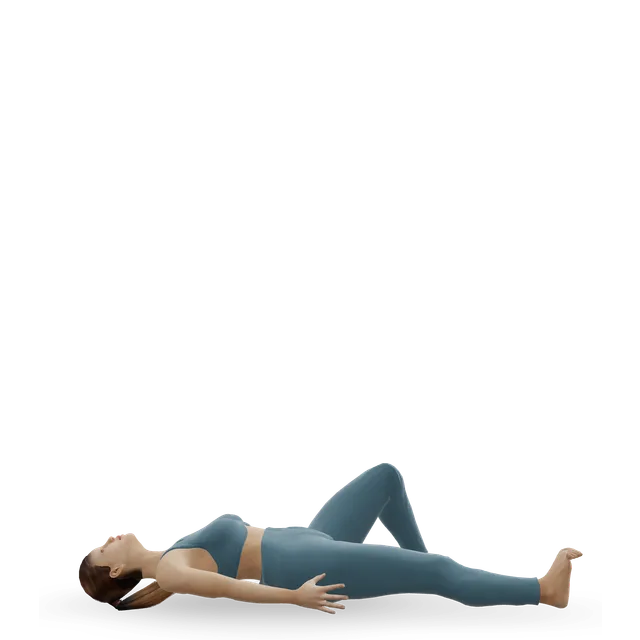
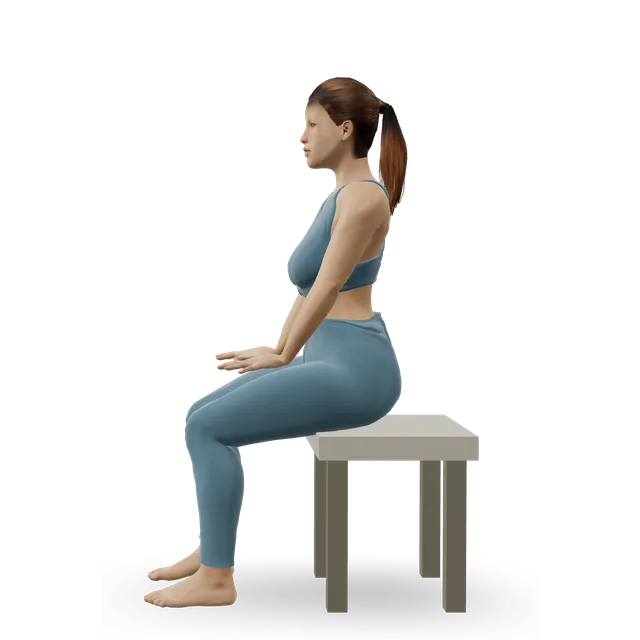
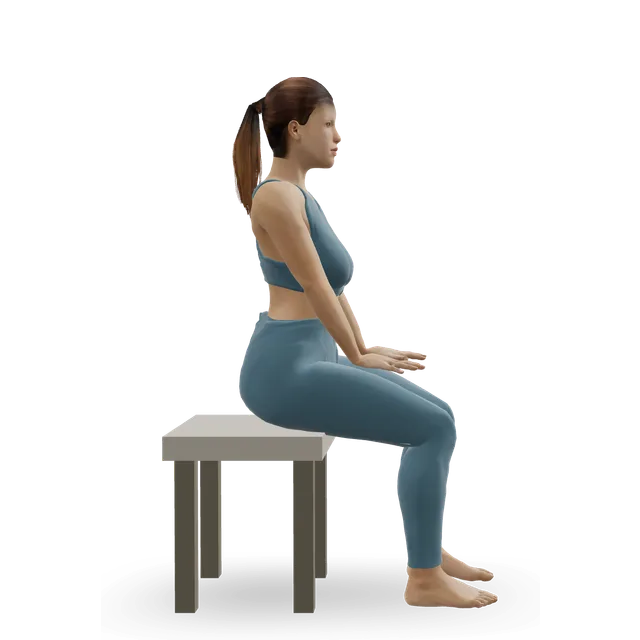
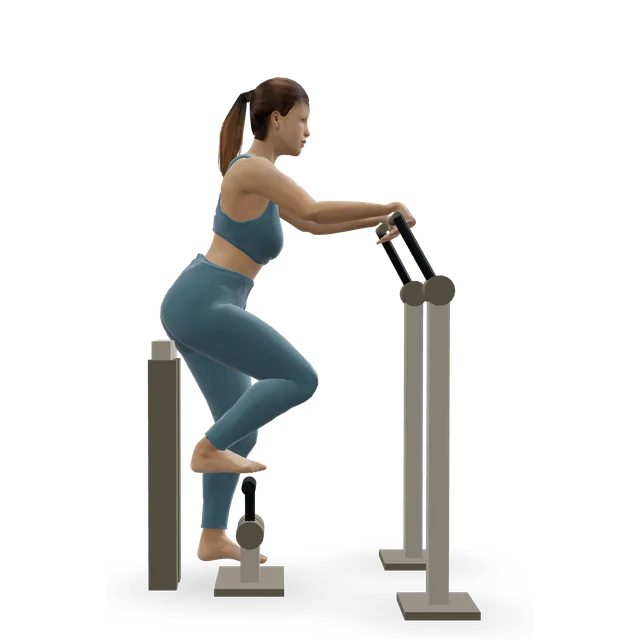
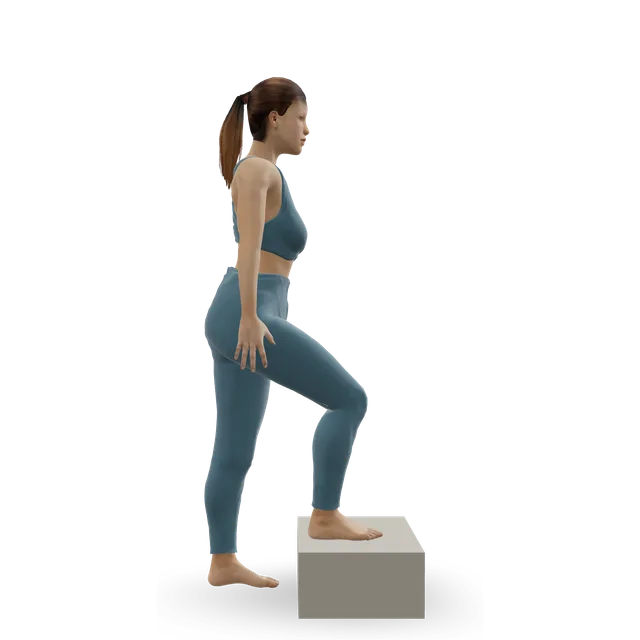
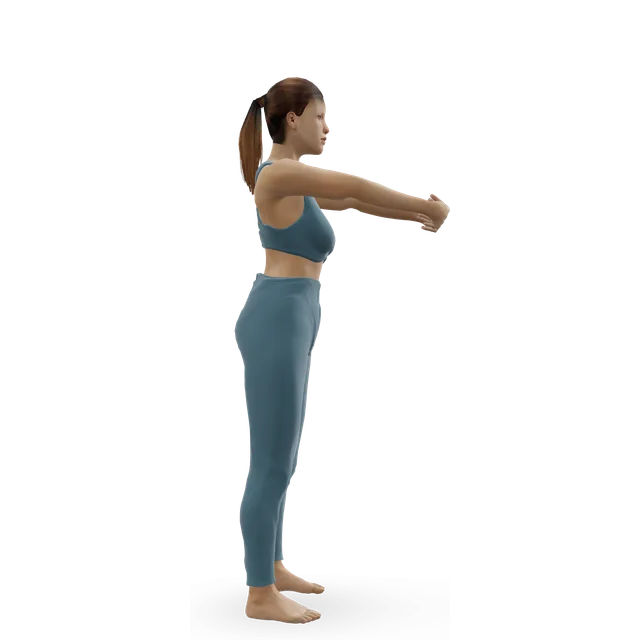
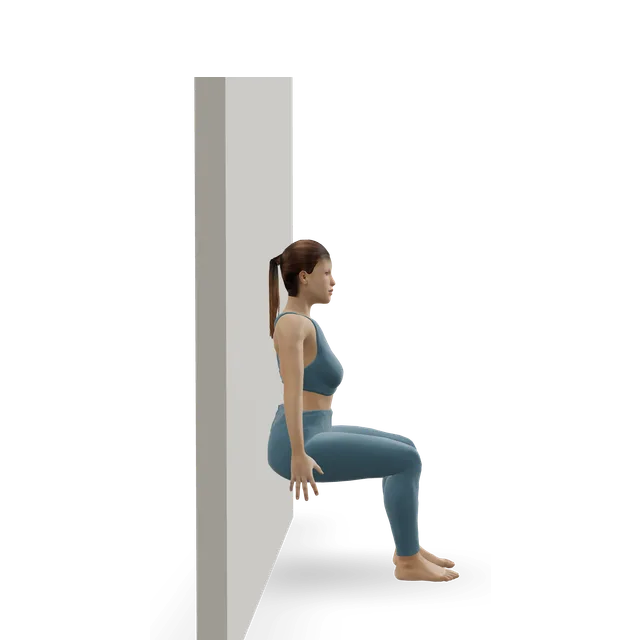
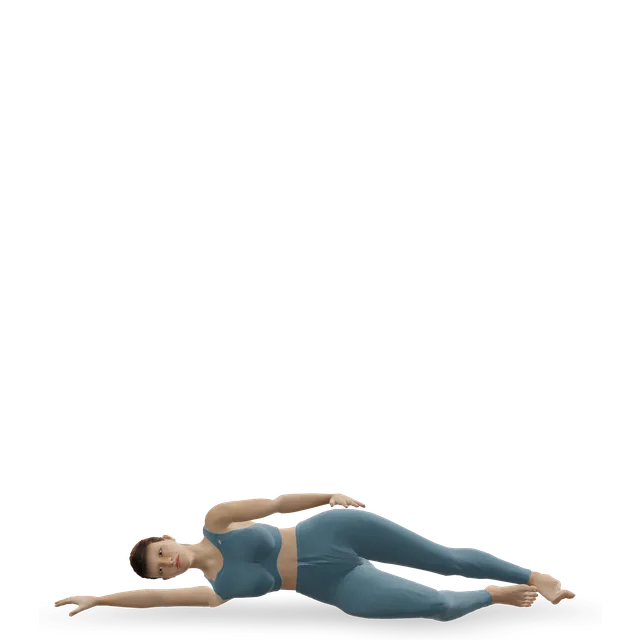
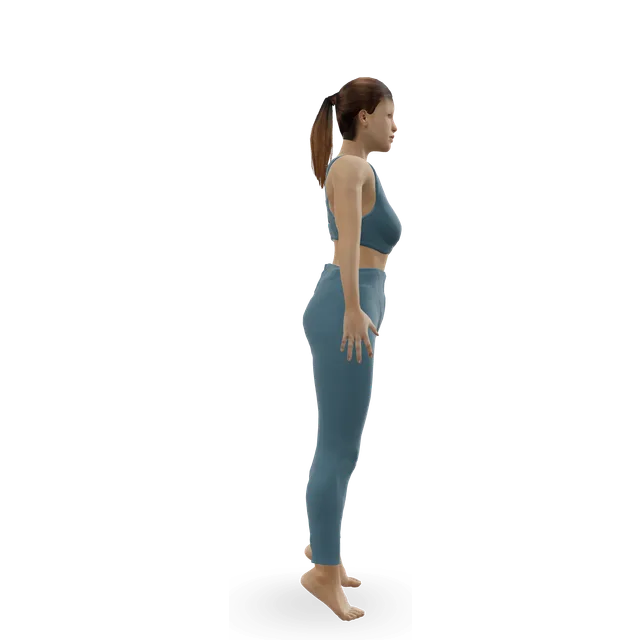
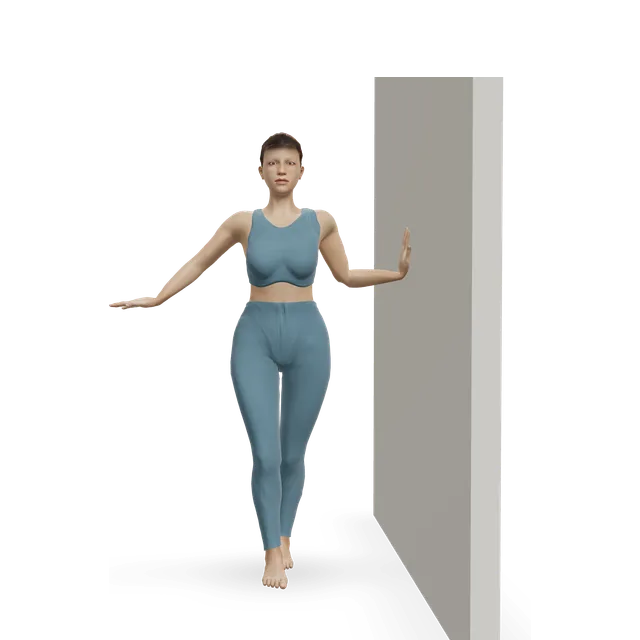
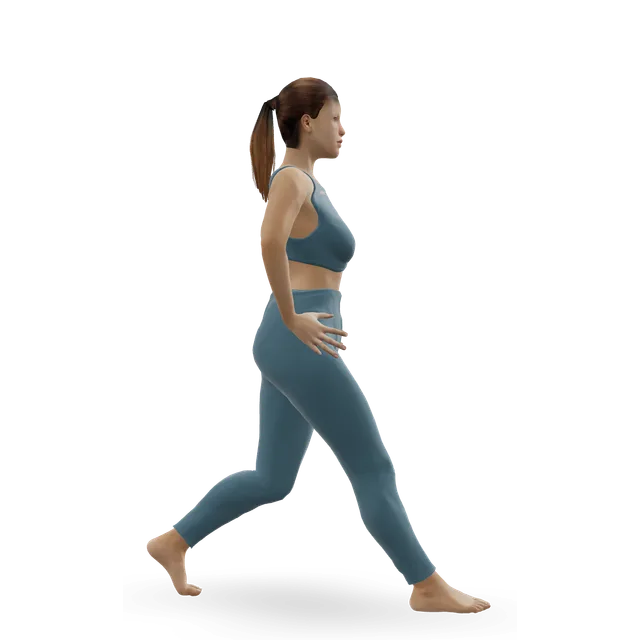
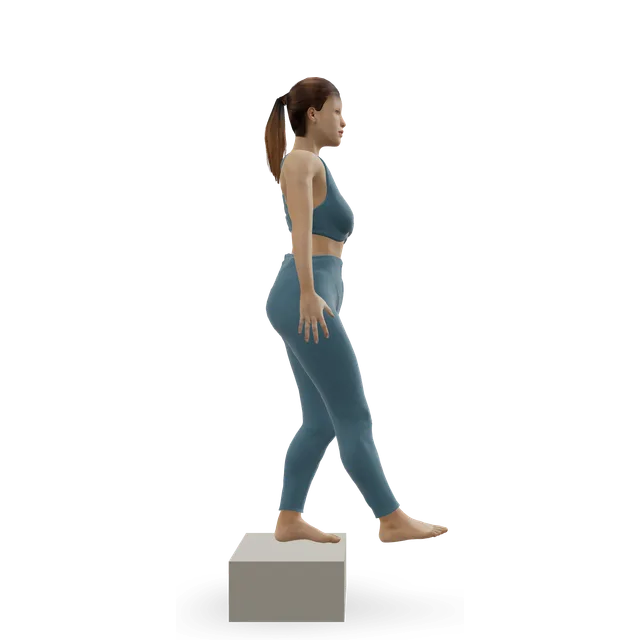
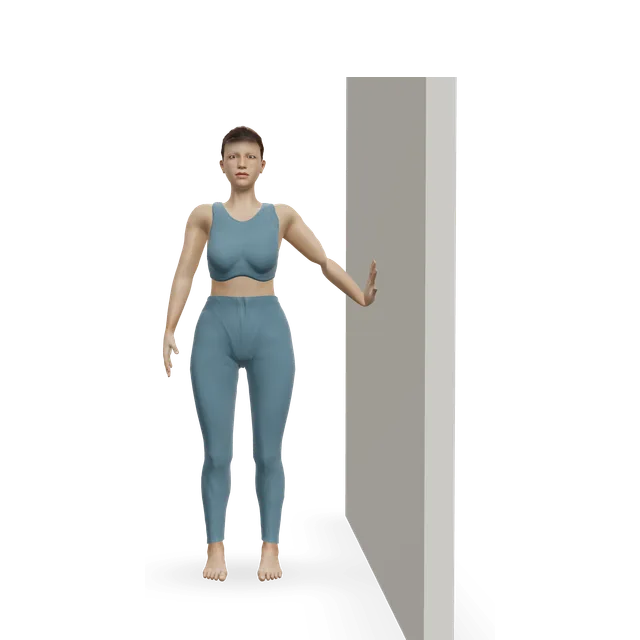
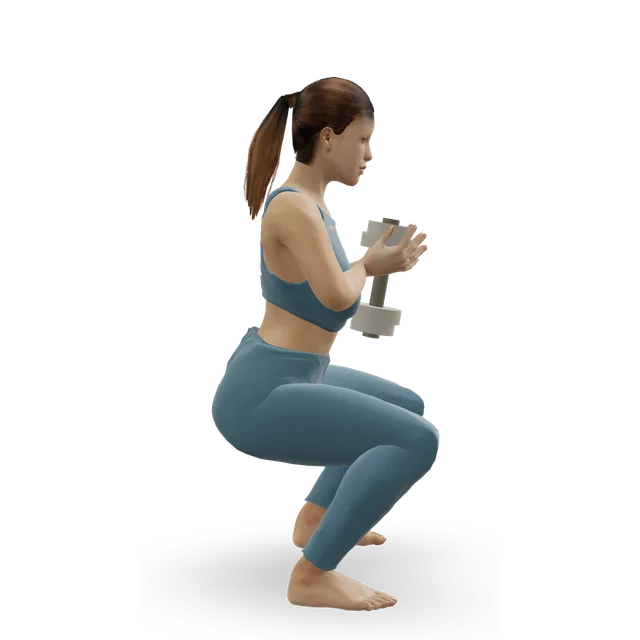
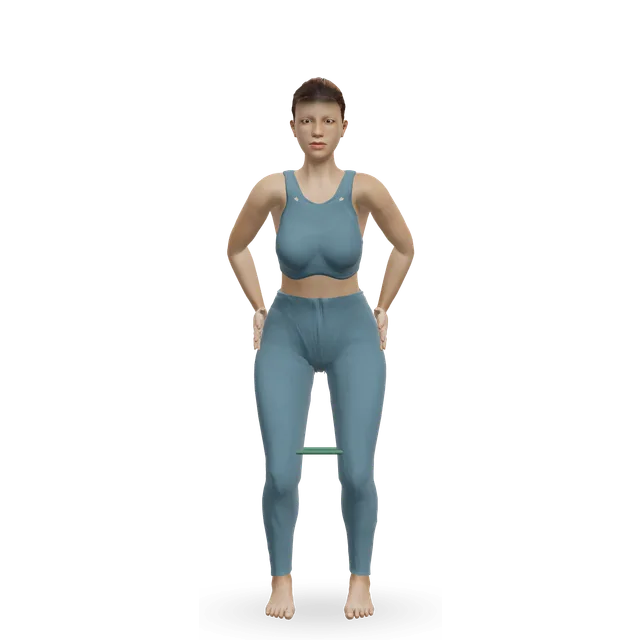
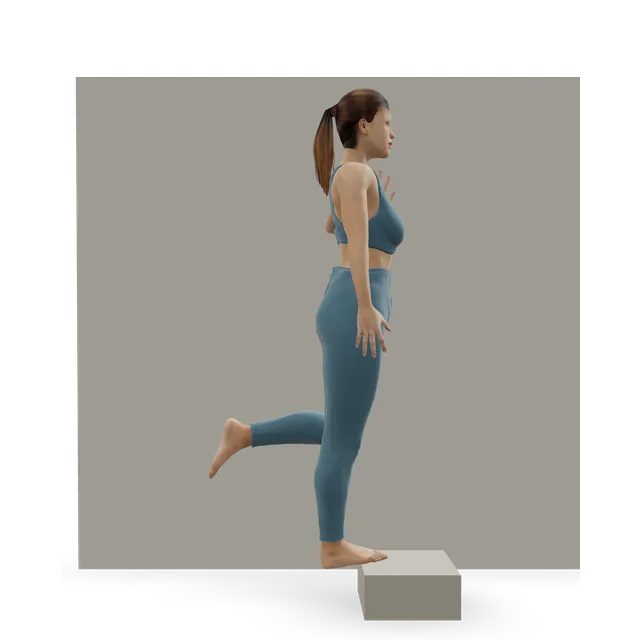
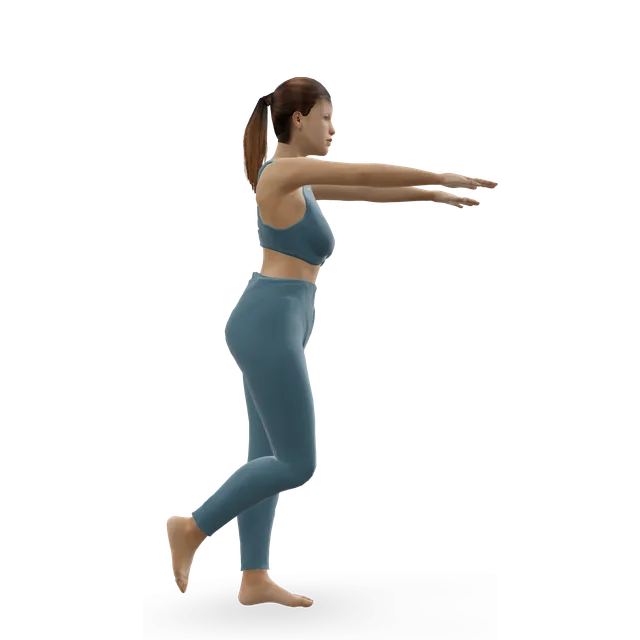
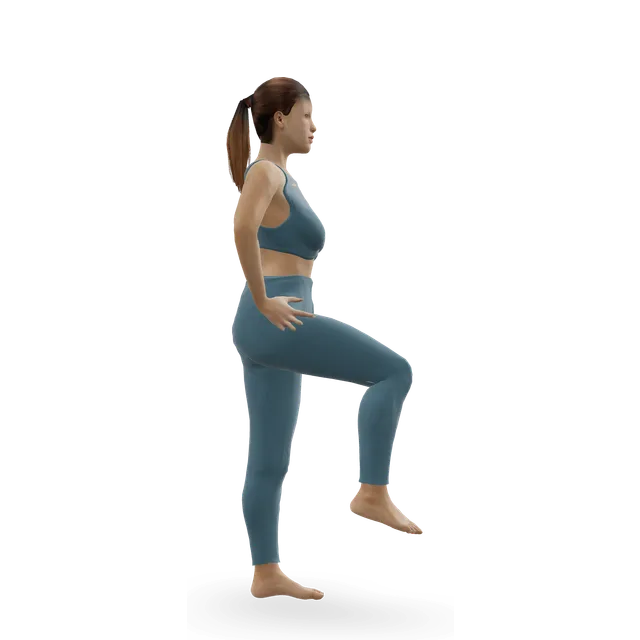
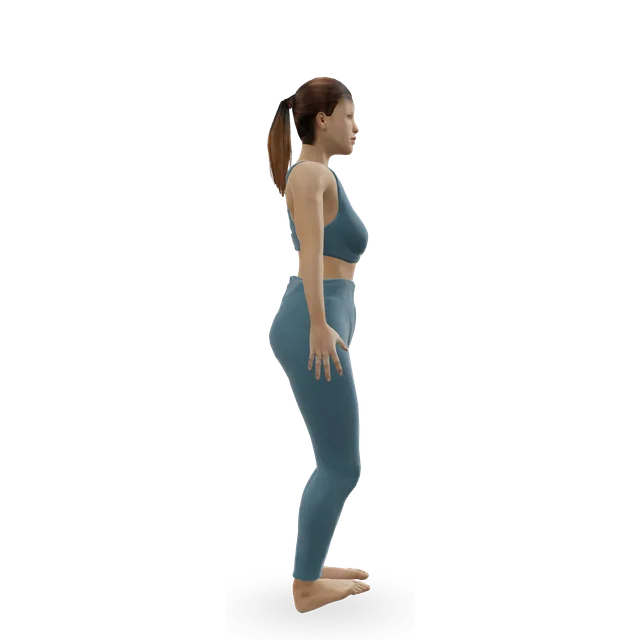
Start at the first stage. Each move opens a full guide with a 3D demo.
Stage 1
Start: settle and switch the thigh on
Weeks 1 to 2. The plan follows the knee arthritis stages over about 12 weeks, matching the trial; 2 or 3 sessions a week is a practical starting point.
Move on when: Add load or a harder option every week or two while the knee stays within the pain rule.
Follow along: a timer, a cue and the next move, one step at a time.
What to change for now
When a tear needs a surgeon
See a clinician about surgery for a knee that is locked and cannot straighten, a tear after a significant twisting injury in a younger person, or a knee that keeps giving way.
What exercises should I avoid with a meniscus tear?
No trial lists banned exercises. Let the pain rule set the depth: deep loaded squats, jumping and long downhill walks may flare a sore knee early on, so build them back gradually.
Can I avoid surgery for a meniscus tear?
For a degenerative tear, often yes. Twelve weeks of supervised exercise matched surgery at 2 years in a trial, and surgery did no better than a sham operation in another.
Can a meniscus tear heal on its own?
The trials did not measure whether tears heal. They measured pain and function, which improved as much with exercise as with surgery. Many tears seen on scans cause no pain at all.
My knee clicks and catches. Do I need surgery?
Painless clicking is normal. Surgery did not relieve catching or occasional locking better than a sham operation. A knee that locks and will not straighten is different and needs to be seen.
Do I need an MRI?
Not usually for a degenerative tear, because tears are common in knees without pain and the first treatment is exercise either way. After a significant injury, a clinician will decide.
Exercise education, not a diagnosis or treatment plan. It is written from the guidelines and studies listed above; review by a clinician is pending. If your pain follows an injury, is severe, is getting worse, or comes with any warning sign listed on this page, get it assessed. Health disclaimer.