3D demo
Standing dumbbell calf raise
Strength · Calves, Forearms
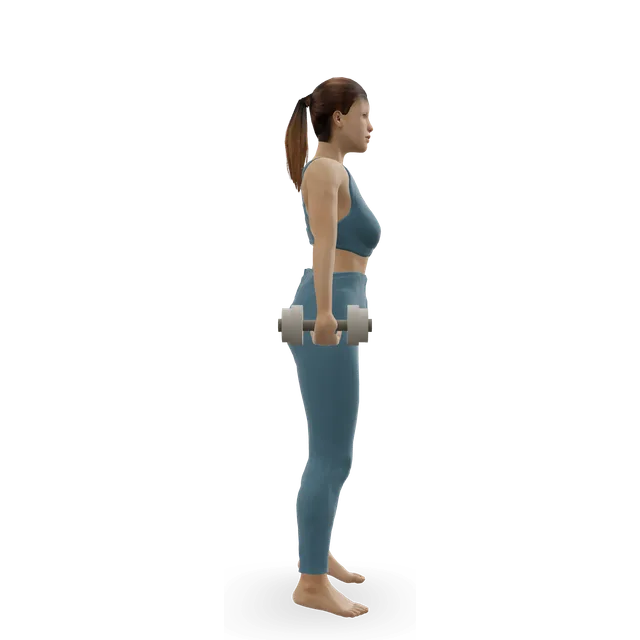
Loading the 3D figure…
The figure repeats the movement from its starting position. Drag to turn it; the arrows open the demos either side.
Standing tall with a dumbbell in each hand, both heels rise high and lower slowly: the calf raise with an external load, the heavier loading that calf and Achilles programmes build toward.
Calf raise family
Standing dumbbell calf raise
Source-researched guide.
Form cues
- Rise straight up, not forward.
- Lower over two or three seconds.
Practice and cautions
No universal dose is assigned. Choose a manageable amount for your current capacity, leave room for controlled repetitions, and allow recovery. A clinician’s individual plan takes priority.
This is movement education, not an assessment or treatment prescription. Stop for sharp or increasing pain, dizziness, numbness or tingling; seek individual guidance for symptoms, injury or restrictions.
Sources and review status
Sources support the educational description; they do not establish that this exercise is suitable for you.
- Alfredson 1998 · Heavy-load eccentric calf training for chronic Achilles tendinosis (Am J Sports Med) ↗
- Free Exercise DB · community text ↗
Unlicense · Free Exercise DB contributors; derived from wrkout/exercises.json. Text import; no photographs or media. · Revision f00c92c7dcf1216a928a52c3706c7ce8e2f71ed5
No variation is labeled clinically validated.
What it works
Muscles
Main: Calves. Also: Forearms.
Anatomy: Gastrocnemius, Soleus, Tibialis posterior, Popliteus, Plantaris, Flexor hallucis longus.
Equipment
A dumbbell
Level
Intermediate. See the easier and harder options above.
Workouts that use it
Pain guides that use it
Part of a staged plan, with when to get help first.
- Achilles tendonitis exercises (Achilles tendinopathy)
- Calf pain: strain, cramp or clot, and the exercises that help
- Flat feet and fallen arches: when they need treatment, and exercises that help
- Achilles tendon rupture: recovery with or without surgery
- Posterior tibial tendonitis: exercises for inner ankle pain and a dropping arch
- Haglund's deformity: a painful bump at the back of the heel, and what helps
- Calf pain when running: a strain, a cramp, the Achilles or a clot, and how to build back
- Calf pain when walking: a strain, cramp, narrowed arteries, a clot or the back, and what helps
Show all 13 pain guidesShow fewer pain guides
- Back of heel pain: the Achilles where it meets the bone, a bump, bursitis, Sever's and what helps
- Foot pain in men: heel pain, gout, the Achilles, stress fractures, work boots and sport
- Ankle or heel pain when doing calf raises: the Achilles, the step, a pinch at the back and cramp
- Calf pain on the treadmill: incline, a strain, cramp, the Achilles, poor blood flow and what helps
- Calf pain from jump rope: soreness, a strain, the Achilles, cramp and how to build back
Guides that use it
Similar moves
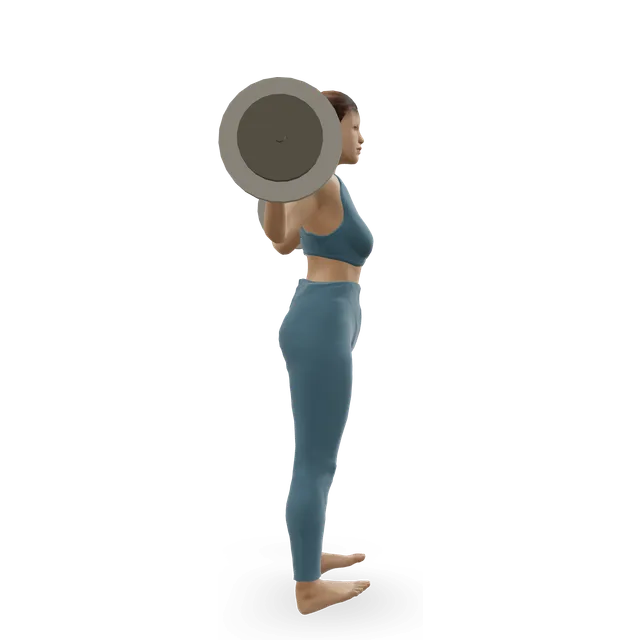 3D demoRocking standing calf raiseIntermediate · A barbell
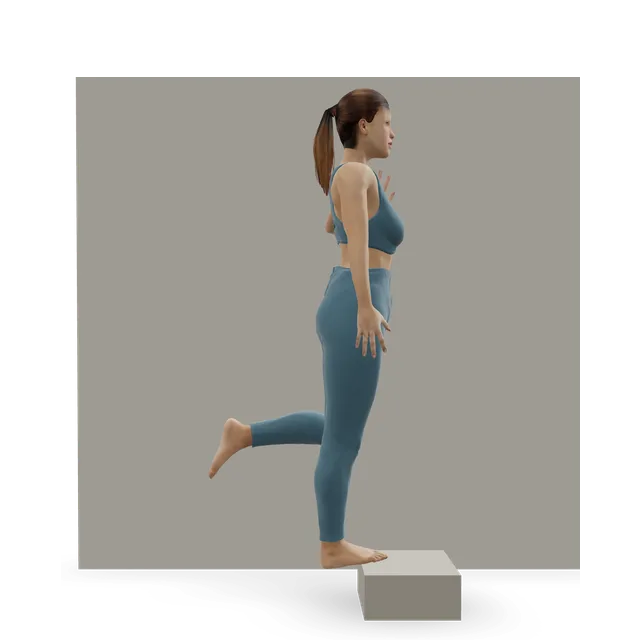 3D demoSingle-leg calf raise on a dumbbellIntermediate · A dumbbell + A wall
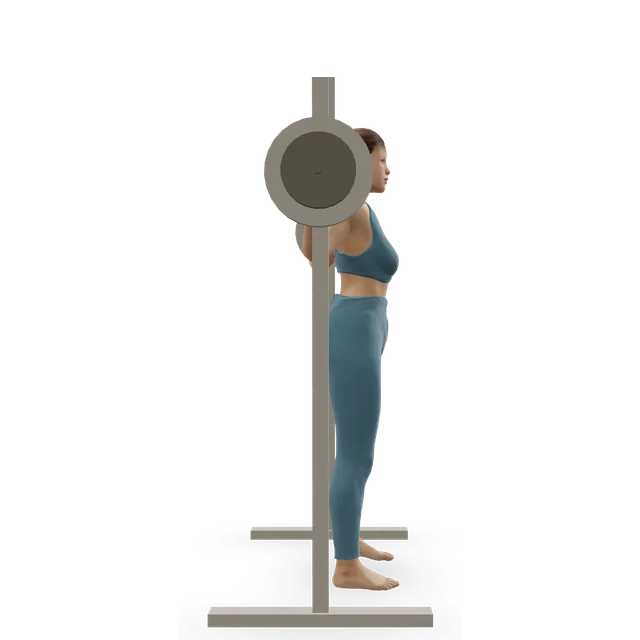 3D demoSmith machine calf raiseIntermediate · Strength machine + Weight plates
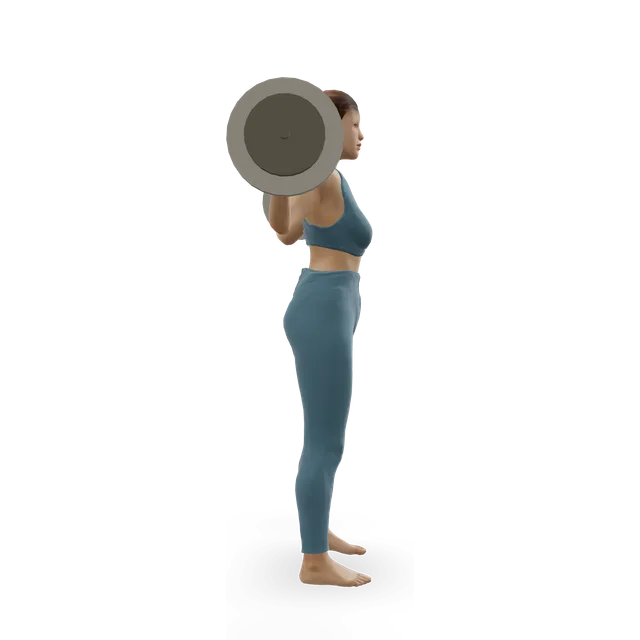 3D demoStanding barbell calf raiseIntermediate · A barbell
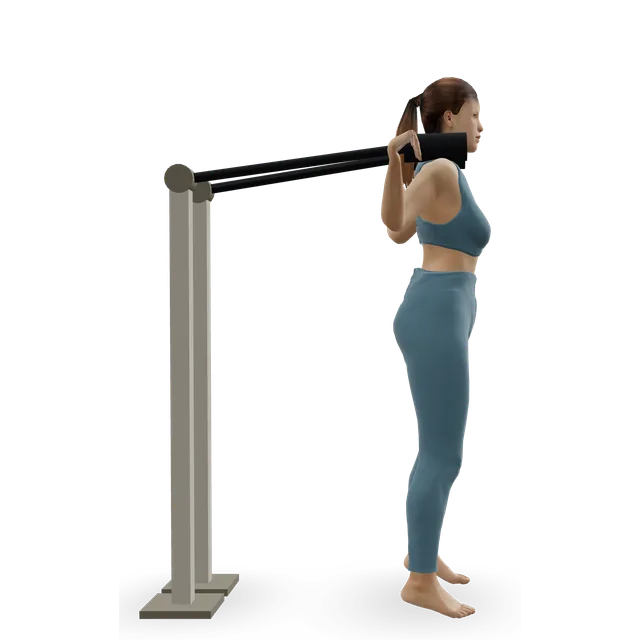 3D demoStanding calf raise (machine)Intermediate · Strength machine
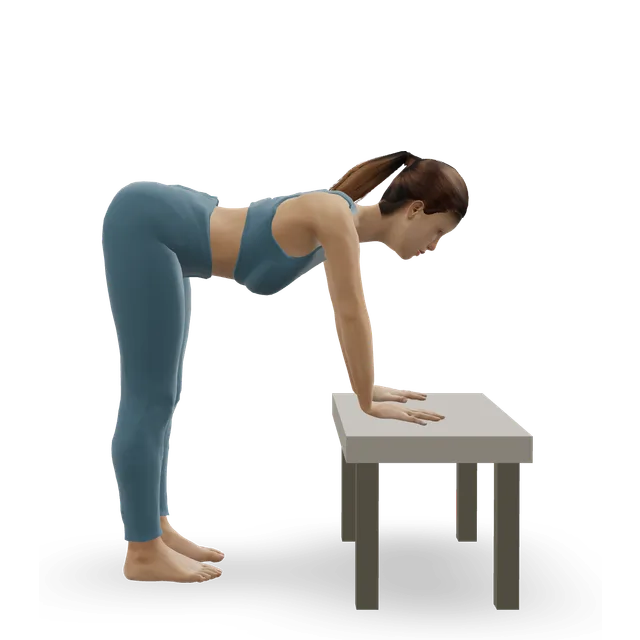 3D demoDonkey calf raiseIntermediate · Other / check instructions
Browse more
Questions people ask
What muscles does the Standing dumbbell calf raise work?
Mainly the calves, with help from the forearms.
What equipment do I need for the Standing dumbbell calf raise?
A dumbbell.
Is the Standing dumbbell calf raise good for beginners?
It is graded intermediate. If it is too hard right now, start with the Slow calf raise.
What is an easier alternative to the Standing dumbbell calf raise?
Try the Slow calf raise or the Seated bent-knee calf raise (soleus raise). Both are written steps in the same progression.
How do I make the Standing dumbbell calf raise harder?
Progress to the Single-leg pogo hops or the Alternate-leg bounding. Follow that guide’s technique and any stated timing.