In runners, exercise programmes haven't been shown to work overallEmerging evidence
Across 25 trials in many sports, strength training cut injuries to about a third and balance training to about half, and more strength training went with fewer injuries. Runners are the exception so far: in 9 trials of 1,904 endurance runners, exercise programmes didn't clearly reduce the risk or the rate of injury (moderate- to high-certainty evidence), and 7 of the 9 trials were at high risk of bias. The review's authors found insufficient evidence to recommend exercise-based prevention for runners.
Sources 4, 24, 5
Supervised programmes did betterEmerging evidence
In the 3 supervised trials, injuries were roughly halved, but that was an analysis the authors added afterwards (post hoc), so it's a lead rather than a finding. Supervised groups also kept their programmes up far better: 88% or more, against 47 to 72% in most unsupervised trials. Doing the exercises regularly, ideally with a coach, physiotherapist, club or friend, seems to matter (our reading).
Source 5
Worth trying: foot and ankle strengtheningEmerging evidence
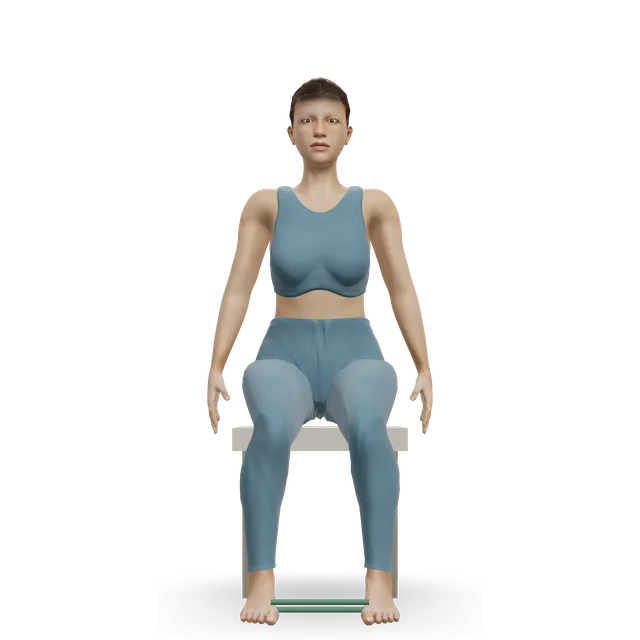
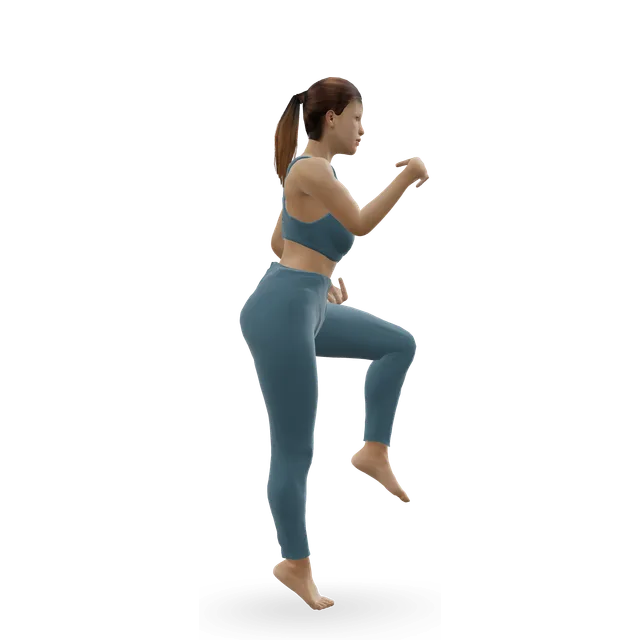
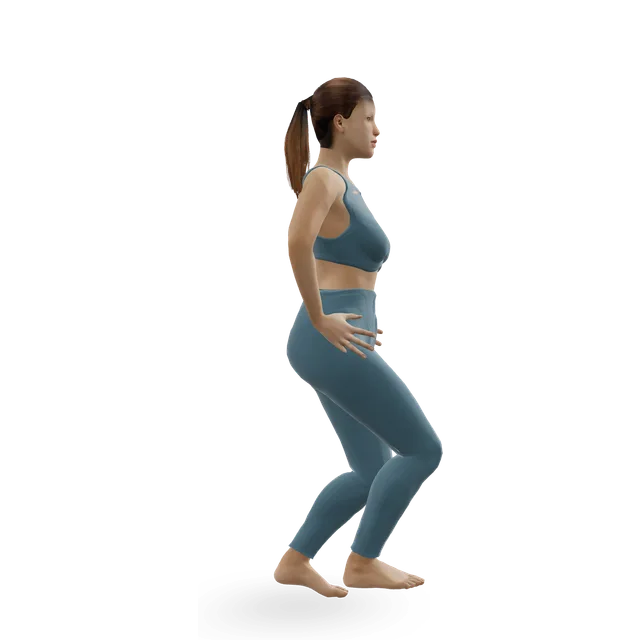
118 recreational long-distance runners in Brazil did 12 foot and ankle exercises (foot massage, foot tapping, heel raises, seated ankle turns in and out, band work for the foot and toes, gripping a ball or pen, toe squeezes, spreading and closing the toes, the short foot, arch raises and toe grasping) for 20 to 30 minutes, 4 times a week. They started at 1 or 2 sets of 10 to 30 reps and progressed to 3 to 6 sets, longer holds, and from sitting to standing to one leg. It was supervised once a week for 8 weeks, with online sessions, then supported remotely for a year; the control group stretched 3 times a week.
Runners who only stretched were about 2.4 times as likely to be injured over 12 months. Adherence fell from 90% in the first 8 weeks to 49% by weeks 32 to 40. It's one small trial, and the figures in its summary don't agree with each other (the confidence interval and the P value), so treat the size of the effect with caution. Our injury prevention routine for runners uses these exercises.
Sources 7, 5
Worth trying: balance, heel raises and side hops, at least twice a weekEmerging evidence
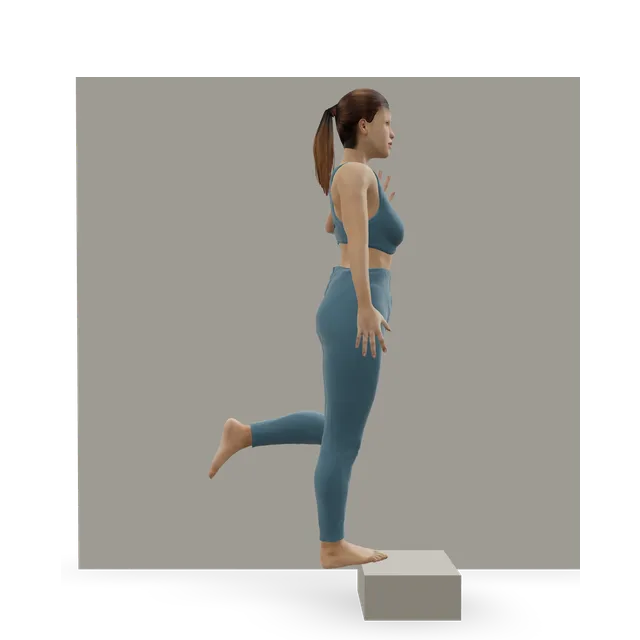
62 elite orienteers did four exercises 4 times a week for 14 weeks, unsupervised, from pictures and a spoken explanation: standing on one leg with your eyes closed on a soft surface (2 minutes a leg), a balance exercise called the runner's pose (3 × 10 a leg), one-leg heel raises (3 × 15 a leg) and one-leg side hops (2 × 30 a leg), each made harder every fortnight.
Across everyone it made no clear difference. In those who did it at least twice a week, the odds of a substantial injury were about a quarter of the control group's. That comparison includes only the people who kept it up (a per-protocol analysis), which is weaker evidence, and the trial was in elite athletes.
Sources 8, 5
Worth trying: neuromuscular training for shin splintsEmerging evidence
Across 4 studies of 3,887 people, neuromuscular training (strength, balance, landing and agility work) prevented shin splints (high-certainty evidence). In a small trial in 22 young female track-and-field athletes, 30 minutes of jumps, landings, running, strength, agility, balance and core work 3 times a week for 6 preseason weeks went with 6.6 injuries per 1,000 hours, against 17.9 in the comparison group, and every session was attended. It included planks, bridges, squats, hops, Romanian deadlifts, hip thrusts, lunges and Nordic curls, mostly 2 × 20 reps or 20-second holds, with agility runs of 4 × 30 m.
Sources 9, 25, 5
A home strength programme didn't help first-time marathon runnersEmerging evidence
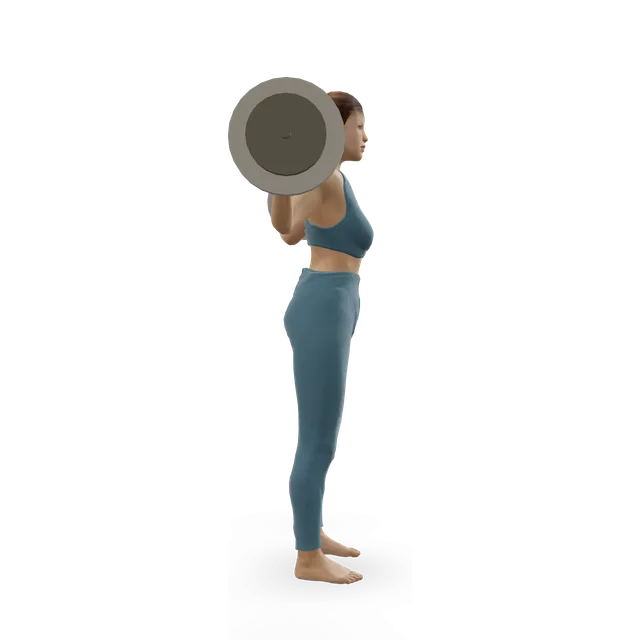
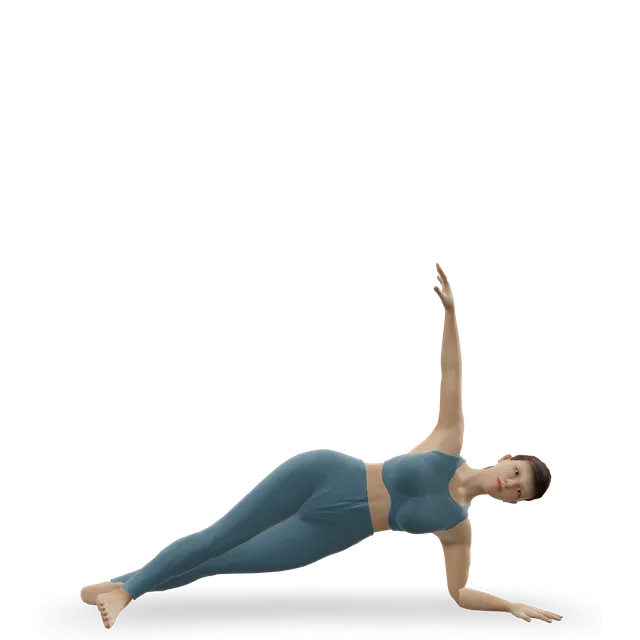
720 first-time New York City Marathon runners (69% women, average age 36) were asked to follow a 10-minute video programme for the core, hips and thighs 3 times a week for the 12 weeks before the race, with beginner and advanced versions: squats or jump squats (3 × 20), a plank (up to 60 seconds), lunges or jump lunges, a side plank or leg raises, and single-leg toe touches (2 × 10 a side).
On average they did it twice a week, and injuries that stopped them finishing were no less common: 7.1% against 7.3% in the comparison group. Within the programme group, those who managed 2 or more sessions a week had slightly more major injuries than those who did fewer (9.1% against 8.0%).
Sources 6, 5
Stretching doesn't prevent running injuriesStrong evidence
In 6 trials of 5,130 people, mostly military recruits, stretching didn't reduce running soft-tissue injuries, and across sports it made no difference. In 421 male recreational runners, 16 weeks of warm-up, cool-down and stretching education didn't reduce injuries either: 5.5 per 1,000 hours of running in the programme group against 4.9 in the control group. Stretch if you enjoy it, not to prevent injury.
Sources 15, 4, 26
Shoes: choosing by foot type doesn't helpStrong evidence
In 3 military trials of 7,203 people, prescribing shoes by foot posture made no difference to injuries (moderate-certainty evidence). In 927 new runners followed for a year, feet that rolled in weren't injured more often in neutral shoes.
Sources 16, 22
No shoe type has been shown to prevent injuriesMixed evidence
Cushioned against minimalist, motion control against neutral, and soft against hard midsoles: no clear differences, on low or very low certainty evidence. One trial in 848 recreational runners found harder shoes went with more injuries in lighter runners but not in heavier ones; pooled with a second trial, the difference wasn't clear. Choose a shoe that feels comfortable (our suggestion).
Sources 16, 27
Insoles: orthoses for stress fractures, not shock absorptionEmerging evidence
In pooled trials of varied quality, foot orthoses went with about 28% fewer injuries overall and about 40% fewer stress fractures, though not fewer soft-tissue injuries, while shock-absorbing insoles made no difference. For shin splints, insoles for feet that roll in were reported to help, though the result only just reached significance. Ask a podiatrist or physiotherapist rather than buying insoles to prevent injury (our suggestion).
Sources 28, 9