Plantar heel pain, usually called plantar fasciitis, is pain under the heel that is worst on the first steps in the morning or after sitting.
The 2023 heel pain guideline gives its top grade to stretching the plantar fascia and the calf, and recommends strengthening the foot and ankle. This guide starts with a first-steps routine you can do sitting on the edge of the bed, then builds strength.
Exercise is for pain that has been checked or is clearly mild and settling.
Get urgent medical help if
Go to A&E: sudden swelling, redness, heat and pain in the calf; severe pain after an injury, which can mean a broken bone; or you cannot put any weight on the leg.
Same day: a sudden snap, or a feeling of being hit in the back of the lower leg, then walking flat-footed and being unable to push off or stand on tiptoe. This can be an Achilles tendon rupture.
Same day (GP or NHS 111): burning leg or foot pain that carries on at rest, pale skin, wounds on the feet or legs that do not heal, or toes that go cold, numb, then red or black.
Call 999 or go to A&E: a leg that is suddenly cold, pale, numb, weak or very painful. A sudden loss of blood supply to a leg is a vascular emergency.
See a doctor or physiotherapist if
Heel pain that is no better after 2 weeks of looking after it yourself, or is severe or getting worse.
Tingling or numbness in the foot.
Heel or foot pain if you have diabetes.
Heel pain after a fall, pain at night, or one spot on the heel bone you can point to: a possible stress fracture.
Understand it
What it is, and who gets itEmerging evidence
Pain under the heel, typically worst on the first steps after rest. The guideline lists limited ankle bend (dorsiflexion), a higher body weight in people who are not athletes, running, and work spent on your feet as risk factors.
The guideline lists conditions that can look similar: inflammatory spondyloarthritis, a thinned heel fat pad, a plantar fibroma, and a stress fracture of the heel bone. If the plan is not helping, get it assessed.
The plantar fascia, the Achilles tendon and the calf form one continuous line of tissue down the back of the leg, which is one reason to stretch the calf and the sole together. The trials, not the anatomy, are what justify the advice.
What helps, and how strong the evidence is
Plantar fascia and calf stretchingStrong evidence
The 2023 guideline gives its top grade to plantar-fascia-specific and calf stretching for short- and long-term pain and function. A 2021 best-practice review found plantar fascia stretching had the largest short-term effect on first-step pain of the self-care options.
A sole-specific stretch beat a calf stretchEmerging evidence
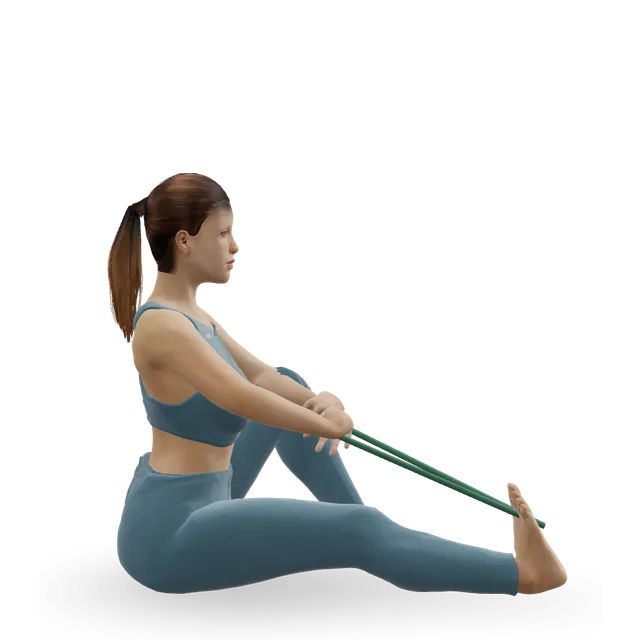
In a trial of 101 people who had had heel pain for 10 months or more, a seated stretch that pulls the toes back to tension the sole beat a standard Achilles stretch at 8 weeks for worst pain and first-step pain. At 2 years, after everyone had switched to the sole stretch, 92% were satisfied and the groups no longer differed.
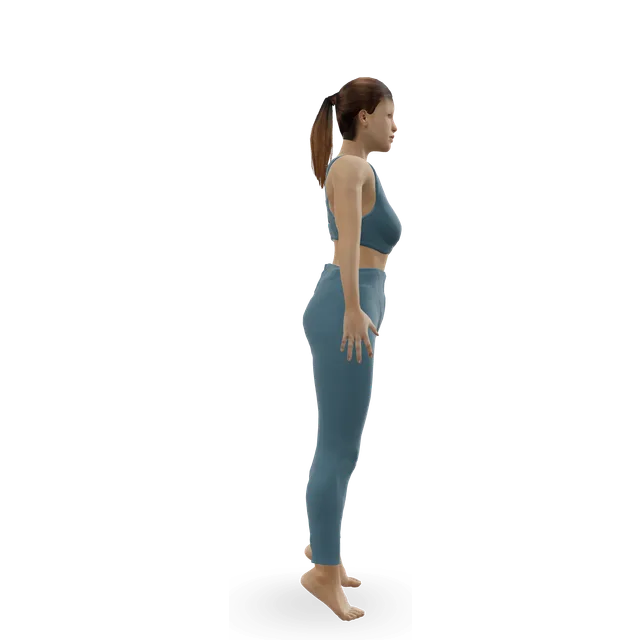
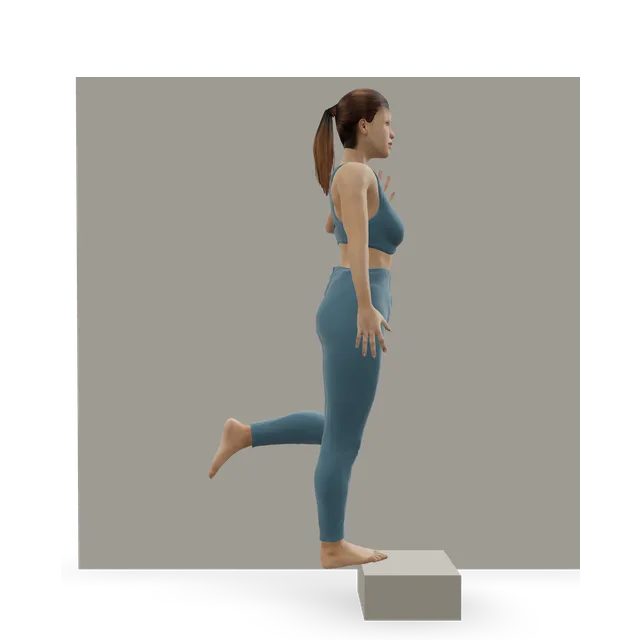
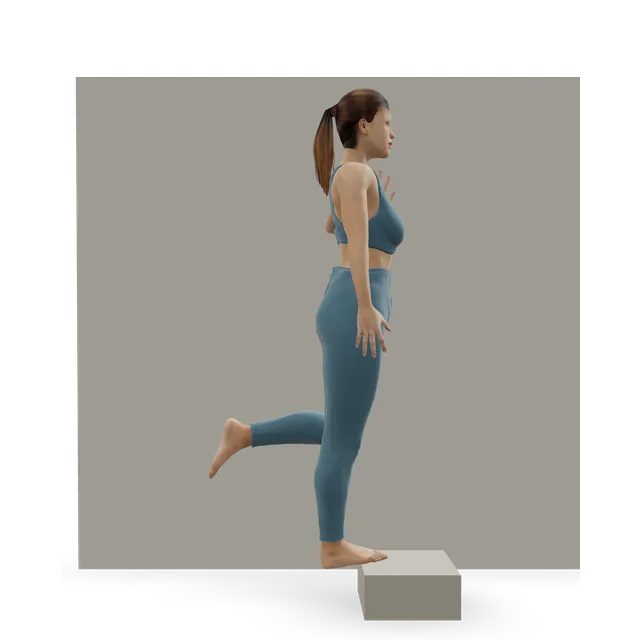
The guideline recommends resistance training for the foot and ankle muscles. In a trial of 48 people, heavy single-leg heel raises with a towel under the toes, every second day, gave better foot function at 3 months than sole stretching (both groups also had insoles); results were similar at 1, 6 and 12 months.
A later trial found self-dosed and pre-set heavy heel-raise programs worked equally, though only 4 of 70 people reached an acceptable level of symptoms within 12 weeks. Expect it to take time.
The guideline recommends taping alongside other treatment for short-term relief, and night splints for 1 to 3 months if first-step pain is consistent. The best-practice review rated taping's effect as smaller than stretching's.
Up to about 5 out of 10 while loading, settled by the next morning
This site's suggestion treats the plantar fascia like a tendon: mild to moderate discomfort during loading, up to about 5 out of 10, is acceptable if it has settled by the next morning. It borrows the pain-monitoring rule from an Achilles trial and has not been tested separately for heel pain.
Your first-step pain in the morning is the best guide: it should trend down week to week. Expect some soreness in the first heavy heel-raise sessions; if the heel is clearly worse the next morning, lighten the load.
Move on when: First-step pain is gone or mild, and walking and running stay within the pain rule.
Follow along: a timer, a cue and the next move, one step at a time.
What to change for now
Day-to-day changes that help
The NHS advises rest, ice, supportive shoes, insoles or heel pads, gentle stretches and low-impact exercise, and avoiding long periods on your feet, high heels, flip-flops and walking barefoot on hard surfaces.
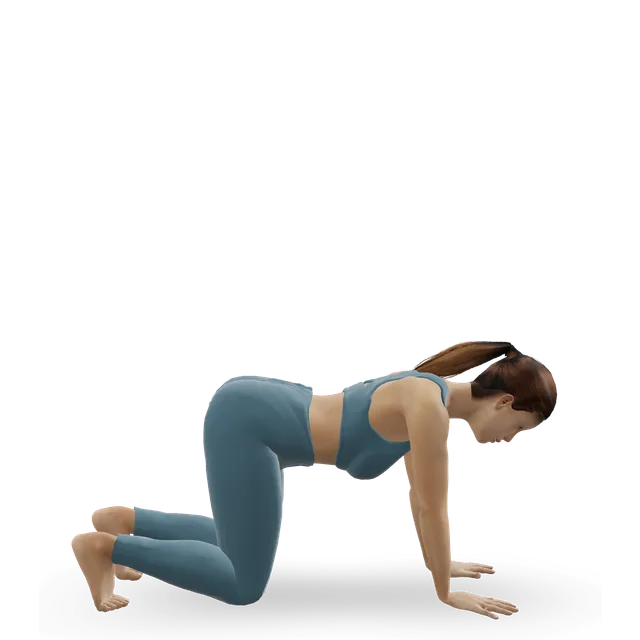
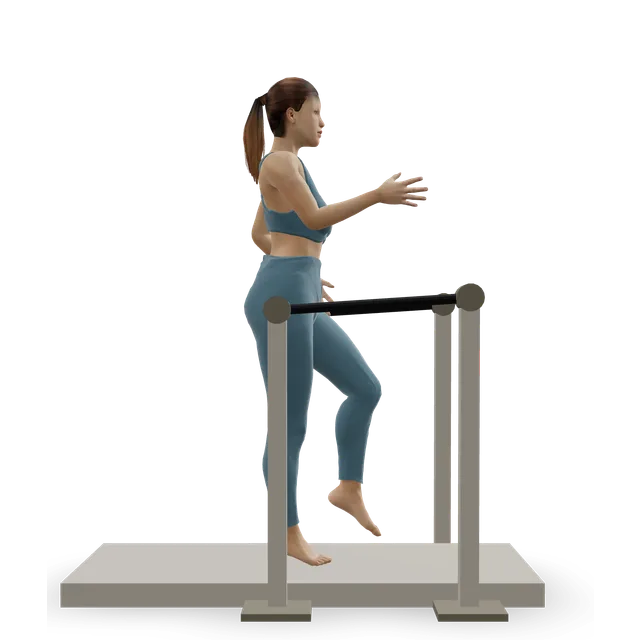
No exercise is banned. While first-step pain is high, cut back long spells of standing and high-impact running and build them back in stage 3. In the stretches, pull the toes back, not just the ankle, and never hard enough to hurt at the heel.
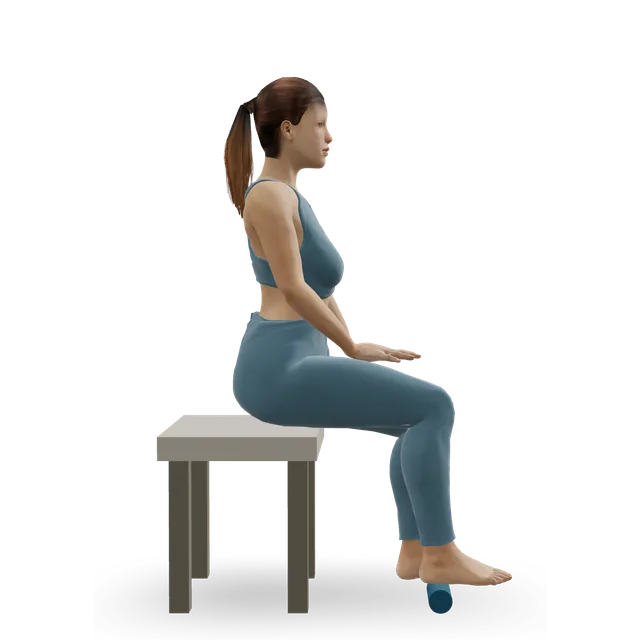
Rolling the sole on a ball
No trials of rolling the sole on a ball or roller were found. If it feels good, use it as a comfort option before the stretches; the stretches and heel raises are what the evidence supports.
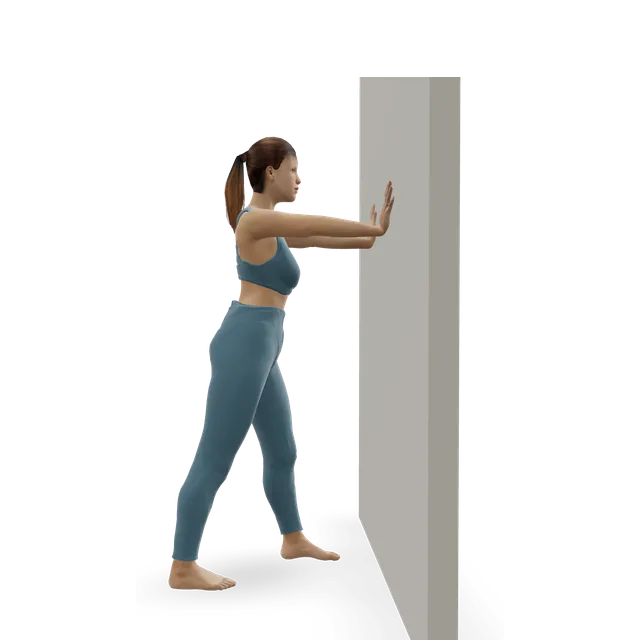
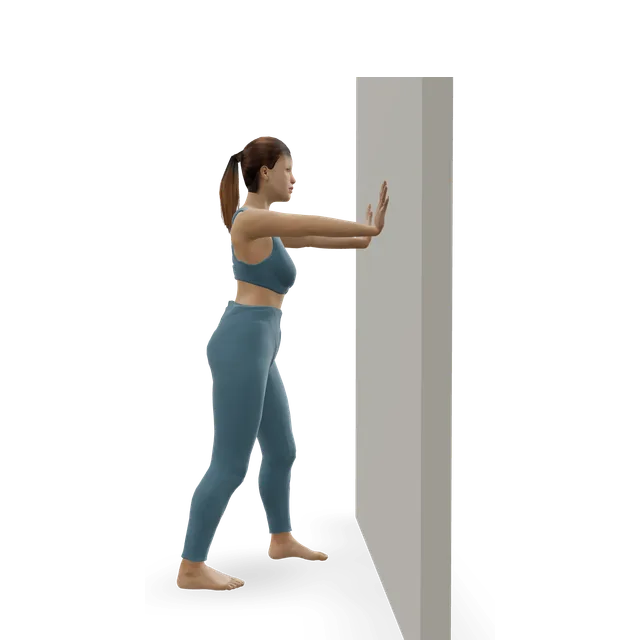
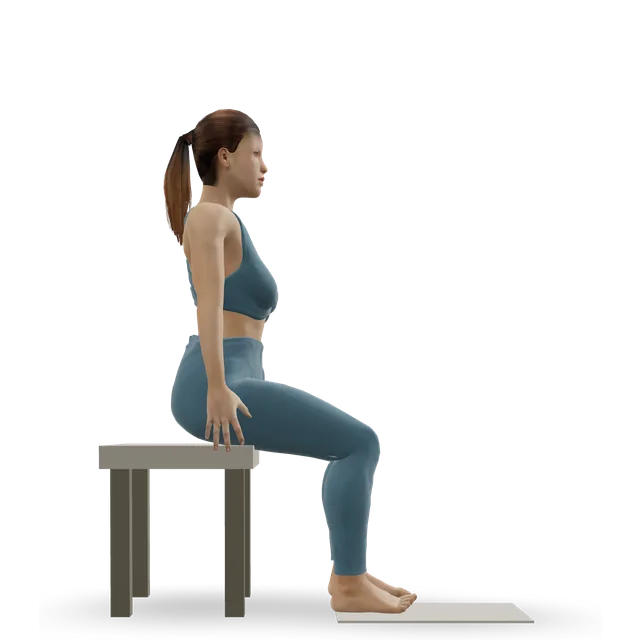
The plantar fascia stretch: sitting with the foot across the other knee, pull the toes back until you feel the arch tighten. It beat a standard calf stretch in a trial. Calf stretches, knee straight and bent, are worth doing too.
Can I do plantar fasciitis stretches in bed?
Yes. The sole stretch and a towel calf stretch can both be done sitting up in bed before your first steps in the morning, which is when they help most.
Do heel raises help plantar fasciitis?
Yes, in time. Heavy heel raises with a towel under the toes gave better function at 3 months than stretching in one trial, though results evened out by a year. This plan uses both.
Do insoles help plantar fasciitis?
They can, alongside other treatment. The guideline advises against relying on insoles alone for short-term pain; the NHS lists insoles or heel pads among the self-care steps.
Should I roll my foot on a ball?
No trials were found either way. If it feels good, use it for comfort; the stretches and heel raises are what the evidence supports.
How long does plantar fasciitis last?
Often months. In one trial only 4 of 70 people were satisfied with their symptoms after 12 weeks of heavy heel raises, while in another, 92% were satisfied two years after starting a sole stretch. See a GP if it is no better after 2 weeks of self-care.
Exercise education, not a diagnosis or treatment plan. It is written from the guidelines and studies listed above; review by a clinician is pending. If your pain follows an injury, is severe, is getting worse, or comes with any warning sign listed on this page, get it assessed. Health disclaimer.