Calf pain: strain, cramp or clot, and the exercises that help
Calf pain is usually a strained muscle or a cramp. Occasionally it is a blood clot, which is why the warning signs come first on this page.
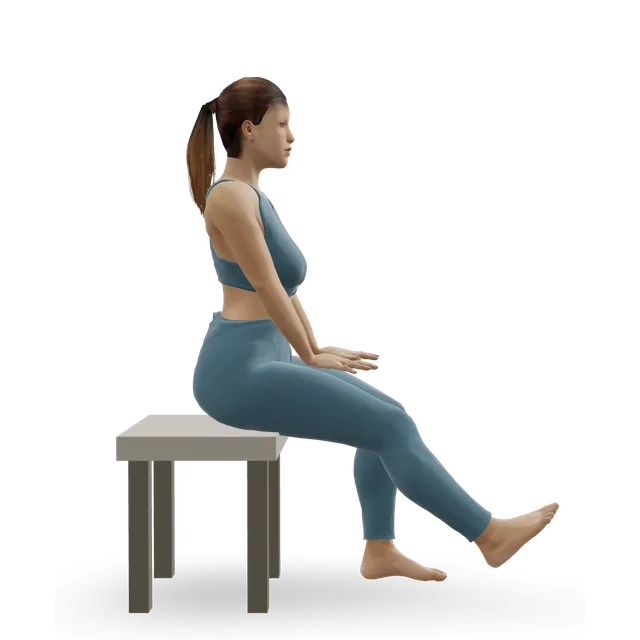
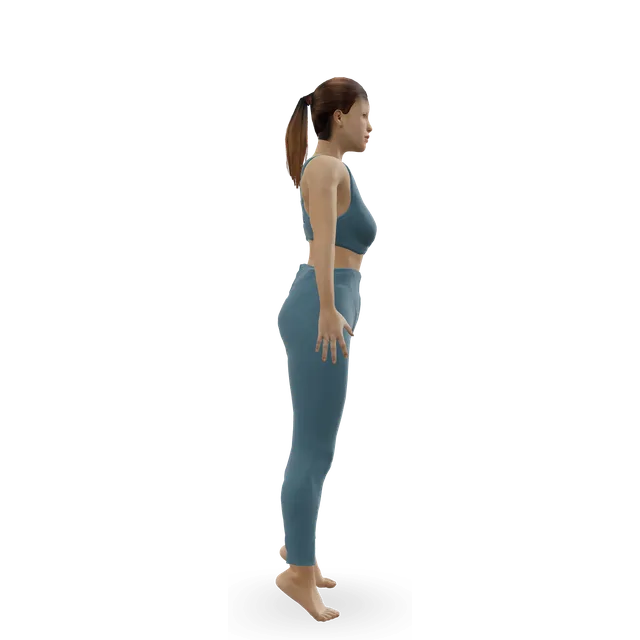
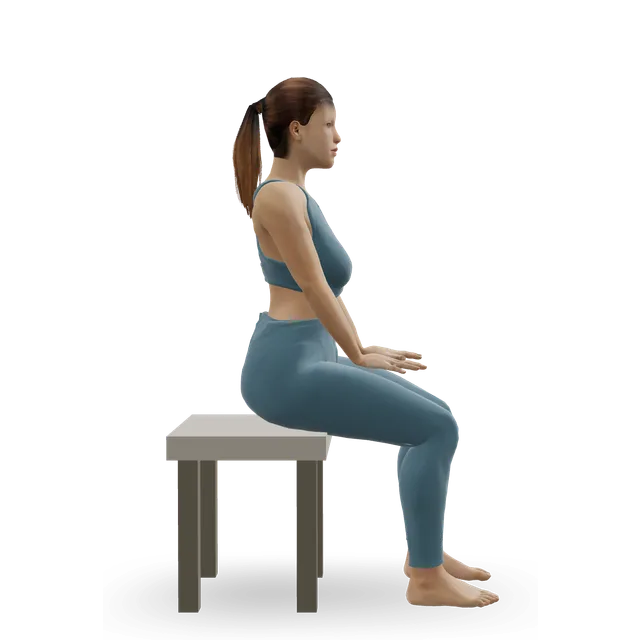
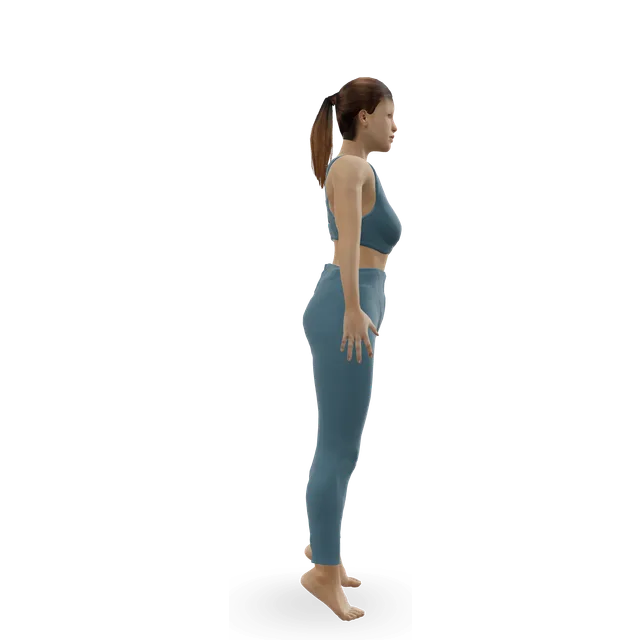
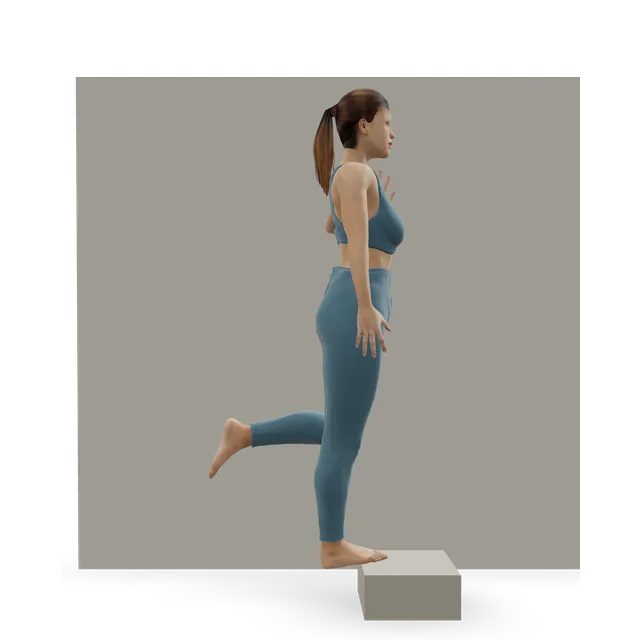
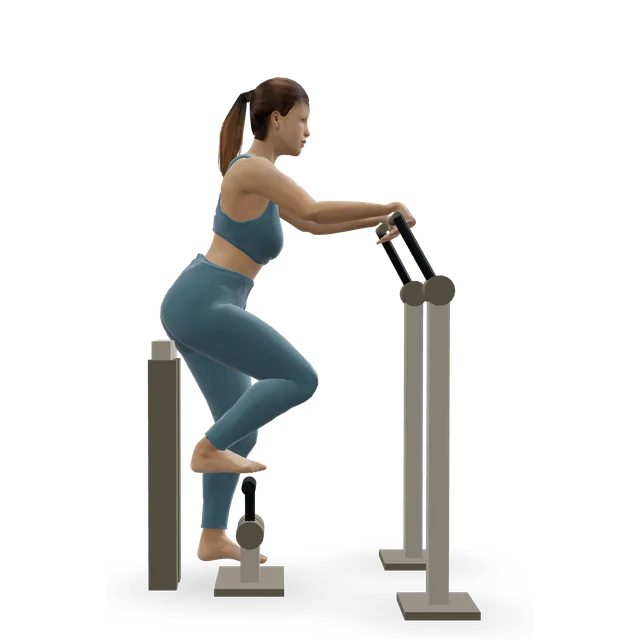
For a strain, the best evidence says start gentle loading within days rather than resting for a week or more. The plan below takes you from the first days back to running.
Exercise is for pain that has been checked or is clearly mild and settling.
Get urgent medical help if
Call 999: calf or leg pain or swelling with breathlessness or chest pain. It could be a clot that has reached the lungs. Do not drive yourself to A&E.
Go to A&E: sudden swelling, redness, heat and pain in the calf; severe pain after an injury, which can mean a broken bone; or you cannot put any weight on the leg.
Same day (GP or NHS 111): throbbing pain and swelling in one leg, usually the calf or thigh, with red, blue or darkened skin or swollen veins. This can be a deep vein thrombosis (DVT). It is more likely after surgery, a hospital stay, 3 or more days in bed, a journey of over 4 hours, pregnancy or a recent birth, cancer, a previous clot, or oestrogen-containing contraception or HRT.
Same day: a sudden snap, or a feeling of being hit in the back of the lower leg, then walking flat-footed and being unable to push off or stand on tiptoe. This can be an Achilles tendon rupture.
Go to A&E: after an injury, pain far worse than the injury seems to explain, a tight, full-feeling muscle, pain that gets worse when the muscle is stretched, and tingling or burning. These are signs of acute compartment syndrome, a medical emergency.
Call 999 or go to A&E: a leg that is suddenly cold, pale, numb, weak or very painful. A sudden loss of blood supply to a leg is a vascular emergency.
See a doctor or physiotherapist if
Pain that comes on when you walk a set distance and goes after a few minutes' rest, especially if you smoke or have diabetes. Exercise treats it well, but it needs a diagnosis first.
Cramps that disturb your sleep, last longer than 10 minutes, or come with numbness or swelling.
Pain that is not improving after a few weeks, is getting worse, or is stopping your normal activities.
Understand it
Strain, cramp, clot or claudication: how they differ
These can feel alike. If in doubt, get a same-day check: a clot is the one not to miss.
Strain: starts suddenly during activity, often a sharp pull mid-stride, and is tender in one spot.
Cramp: a sudden, painful knot in the muscle, often at night. One that lasts more than 10 minutes needs a GP check.
Clot (DVT): throbbing pain and swelling in one leg, with red, blue or darkened skin or swollen veins, more likely after surgery, a hospital stay, bed rest or a long journey. Clinicians look for a calf swollen 3 cm or more beyond the other side and swelling in that leg only.
Claudication: an ache that comes on walking and goes after a few minutes' rest, from narrowed arteries.
Achilles rupture: a snap or a feeling of being hit at the back of the lower leg, then being unable to push off or stand on tiptoe.
Older age and a previous calf strain are the strongest risk factors for a future calf strain, in a review of 10 mostly high-risk-of-bias studies. If you have strained a calf before, keep the stage 3 strength work going once you are back.
Start rehab within days, not a week laterEmerging evidence
In a trial of 50 recreational athletes with thigh or calf strains, starting rehabilitation 2 days after the injury rather than 9 got them back to sport almost 3 weeks sooner, with no difference in later healing or strength recovery.
No randomised trials of calf strain rehabilitation programs were found, so this plan borrows from general muscle strain evidence and from the calf-loading programs used for tendons.
A tolerable level of pain is fine in strain rehabEmerging evidence
In a hamstring strain trial, rehab that allowed pain up to a tolerable level returned players as fast as strictly pain-free rehab and recovered more strength. There is no equivalent calf trial, but it is the closest evidence for how much discomfort to accept.
Calf cramps: stretching may help a littleMixed evidence
During a cramp, stretching and massaging the muscle may ease it. Daily calf and hamstring stretching may reduce how severe night cramps are in people over 55, on very low-certainty evidence. The leg cramps guide has the details and a bedtime routine.
Mild discomfort during exercise, up to about 3 to 4 out of 10 (this site's suggestion), is acceptable if it settles within the day. Sharp pain, or a limp afterwards, means drop back a step for a few days.
This follows the strain trials, where starting within days got people back sooner, and working within a tolerable level of pain did no harm.
A strain starts during activity and is tender in one spot. A clot brings throbbing pain and swelling in one leg, often with red or darker skin, and is more likely after surgery, bed rest or a long journey. If in doubt, get a same-day check; with breathlessness or chest pain, call 999.
Should I rest a calf strain?
Not for long. Starting rehabilitation 2 days after a strain rather than 9 got athletes back to sport almost 3 weeks sooner, with no difference in how well it healed.
Should I stretch a strained calf?
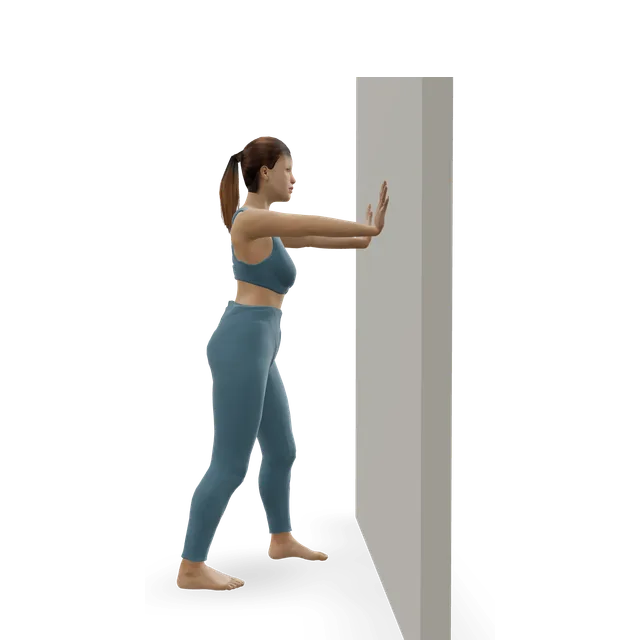
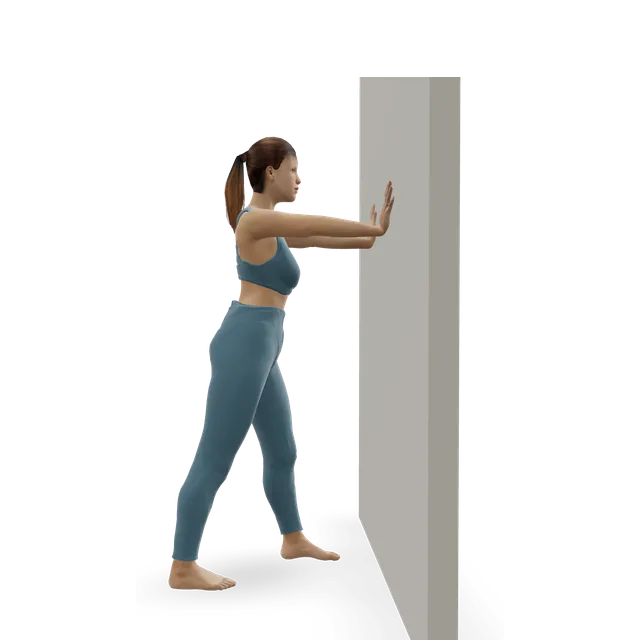
Start with gentle loading in the first days. Gentle stretches come in from stage 2, kept mild.
How long does a calf strain take to heal?
It depends on the size of the strain. Use the checks at the end of each stage rather than the calendar; bigger tears take longer.
Why does my calf hurt when I walk?
A recent strain is the common reason. Pain that comes on after a set distance and eases after a few minutes' rest can be narrowed arteries (claudication) and needs a GP check; exercise is a first-line treatment once it is diagnosed.
What helps calf cramps?
Stretching and massaging the muscle during a cramp may ease it. Regular calf stretching may reduce cramps but may not stop them completely. The leg cramps guide has a bedtime routine.
Exercise education, not a diagnosis or treatment plan. It is written from the guidelines and studies listed above; review by a clinician is pending. If your pain follows an injury, is severe, is getting worse, or comes with any warning sign listed on this page, get it assessed. Health disclaimer.