Calf exercises
The calf muscles point the foot and push you off the ground with every step. Straight-knee and bent-knee raises, hops and carries train them.
Beginner calf exercises 27
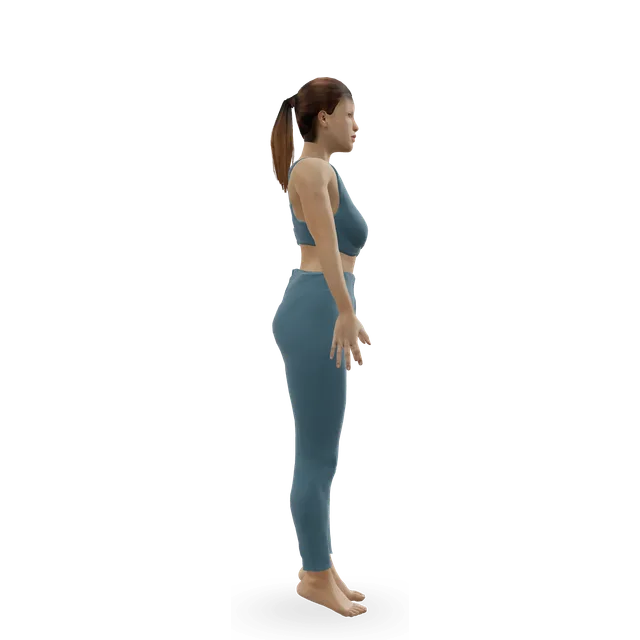 3D demoAnkle bounces (mini pogo)Beginner · No equipmentSmall, quick bounces a couple of centimetres off the floor from the ankles alone: the gentlest of these hops.
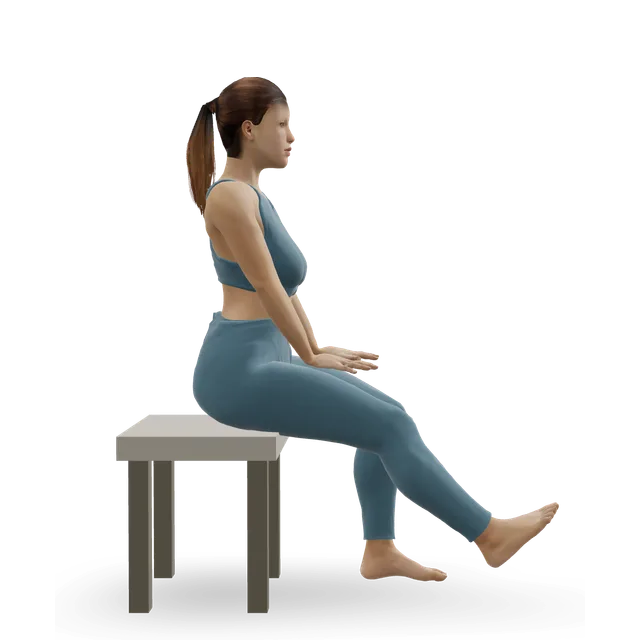 3D demoAnkle CARs (controlled articular rotations)Beginner · No equipmentSitting with one foot lifted and the shin held still, you draw the biggest slow circle the ankle can make: pointing, rolling the sole in, pulling up and rolling it out.
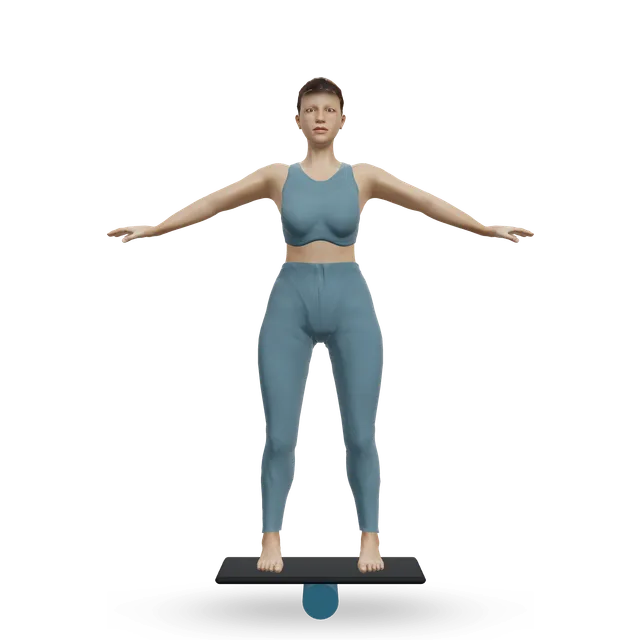 3D demoBalance board standBeginner · Other / check instructionsStanding on a balance or wobble board and keeping it level: harder than balancing on the floor, because the board tips with every shift of weight.
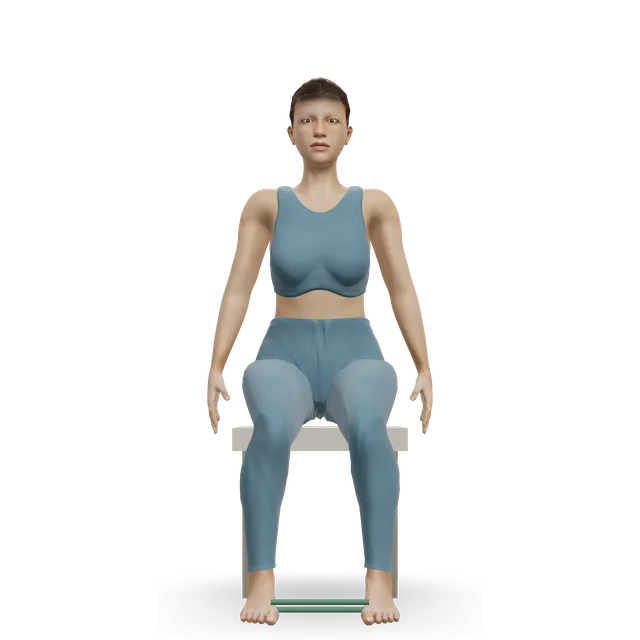 3D demoBand ankle eversionBeginner · A band + A bench or boxTurning the foot outward against a band strengthens the muscles on the outside of the ankle that resist rolling it.
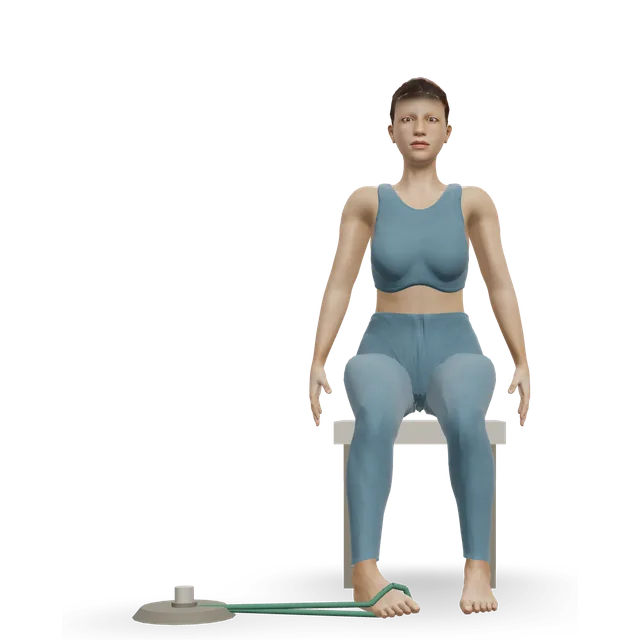 3D demoBand ankle inversionBeginner · A band + A bench or boxSitting with a band pulling the forefoot outwards, you sweep the foot inwards, big toe leading, while the heel stays still, then let it back slowly.
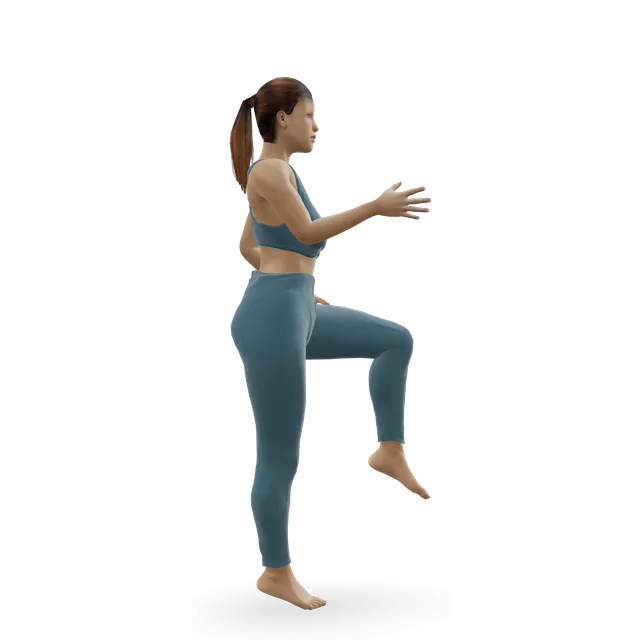 3D demoFast skippingBeginner · No equipmentA skip kept low and quick: a step and a small hop on each foot in turn, the feet barely leaving the floor and the free knee driving up.
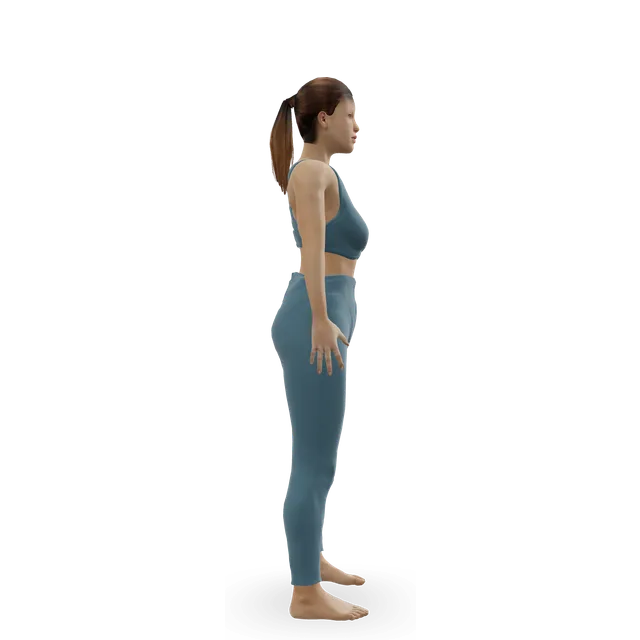 3D demoHeel drop (impact for bone)Beginner · No equipmentYou rise onto the balls of your feet and let your heels drop to the floor with a firm thud.
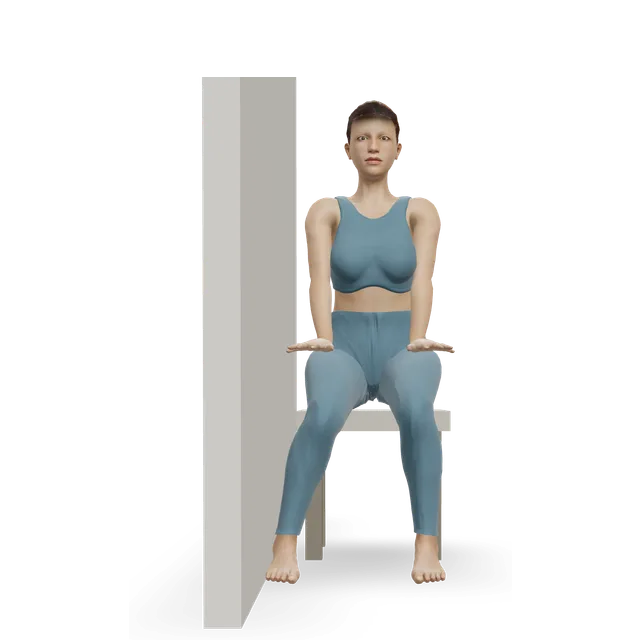 3D demoIsometric ankle eversion against a wallBeginner · A wall + A bench or boxPressing the outside of the foot into a wall, without letting it move, works the muscles on the outside of the ankle before they turn the foot against a band.
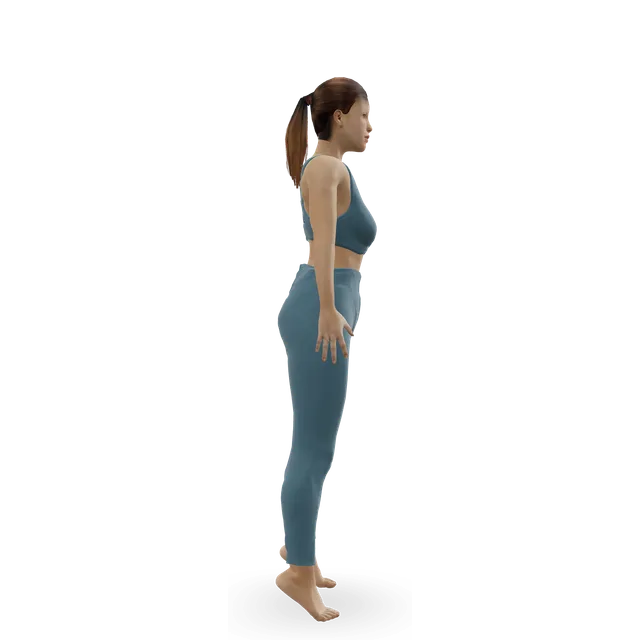 3D demoIsometric calf raise holdBeginner · A wallStanding at a wall, you rise onto the balls of both feet to about halfway and hold still, loading the calf and Achilles tendon without moving the ankle.
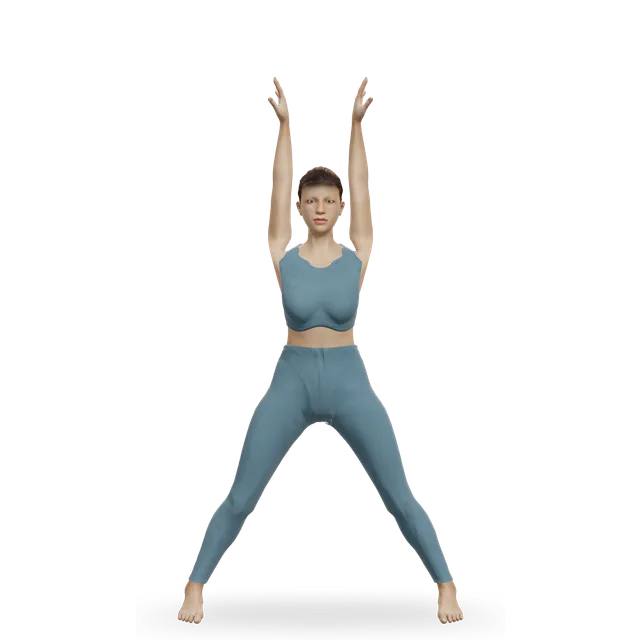 3D demoJumping jackBeginner · No equipmentJumping the feet apart as the arms sweep overhead and back together: the least demanding of the bodyweight intervals measured.
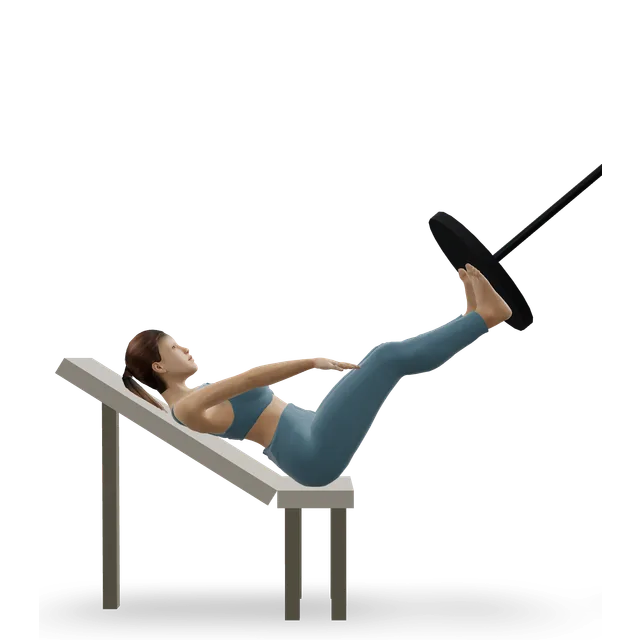 3D demoMachine calf pressBeginner · Strength machineSeated in a calf press machine with the legs nearly straight and the balls of the feet on the platform, the ankles push the platform away and let it back.
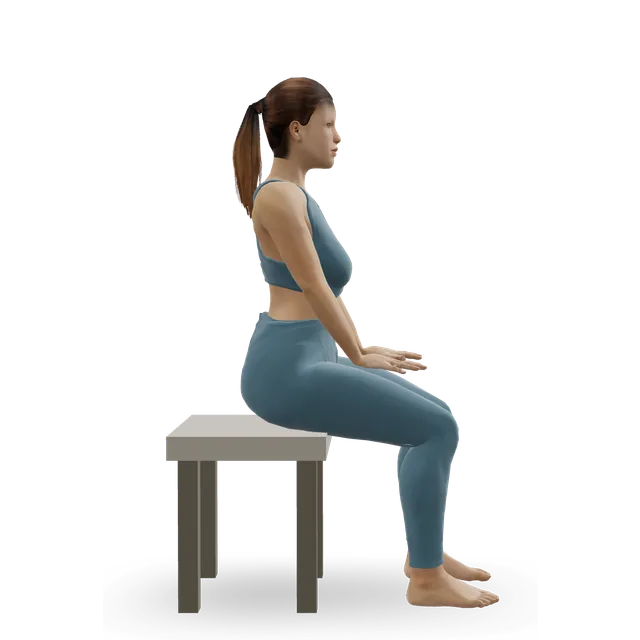 3D demoSeated barbell calf raiseBeginner · A barbell + A bench or boxSitting on a bench with a padded barbell across the lower thighs and the balls of the feet on a block: the seated raise loaded on the knees, the bent knee leaning the work toward the soleus.
- Seated bent-knee calf raise (soleus raise) · Beginner
- Seated calf raise (machine) · Beginner
- Seated one-leg calf raise with a dumbbell · Beginner
- Semi-tandem stance · Beginner
- Single-cone quick-feet drill · Beginner
- Skipping · Beginner
- Slow calf raise · Beginner
- Standing calf raise with a band · Beginner
- Tandem stance and heel-to-toe walk · Beginner
- Towel toe curl · Beginner
- Trail running and walking · Beginner
- Treadmill walking · Beginner
- Big toe joint self-mobilisation · Beginner
- Big toe press (seated toe-flexor hold) · Beginner
- Short foot + toe splay · Beginner
Intermediate calf exercises 21
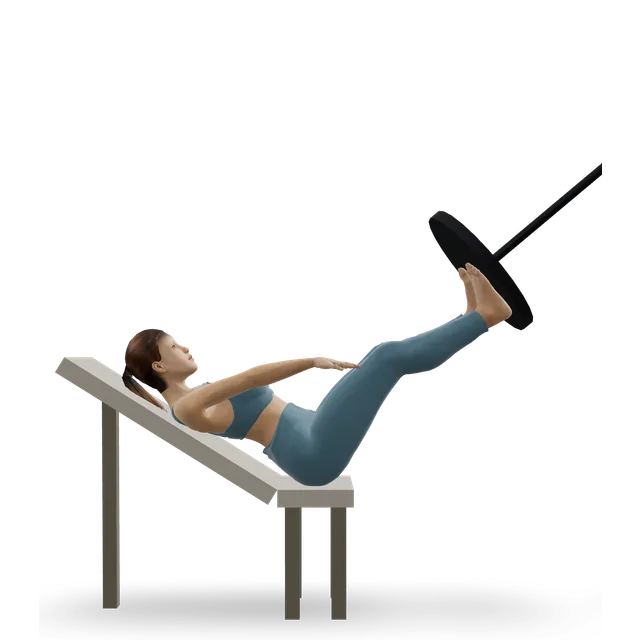 3D demoCalf press on the leg pressIntermediate · Strength machineSeated in a leg press with the balls of the feet on the platform's lower edge and the legs nearly straight, the ankles press the sled away.
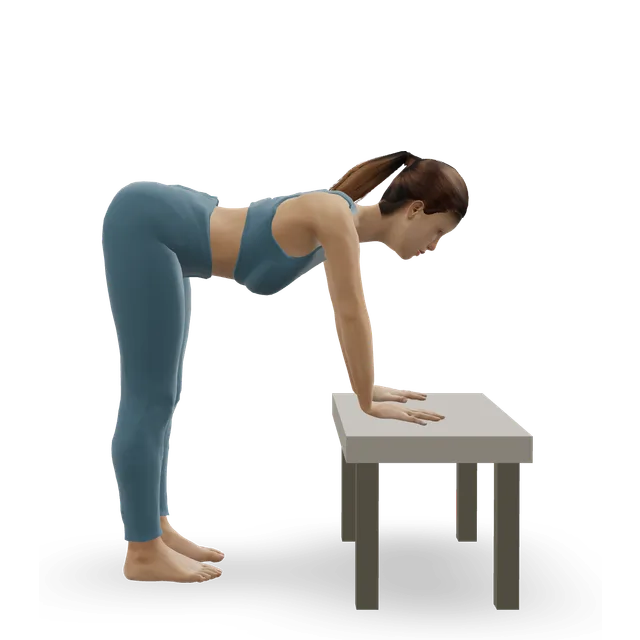 3D demoDonkey calf raiseIntermediate · Other / check instructionsBent forward at the hips with the hands on a support and the load across the hips (a donkey machine's pad), the calves raise the body.
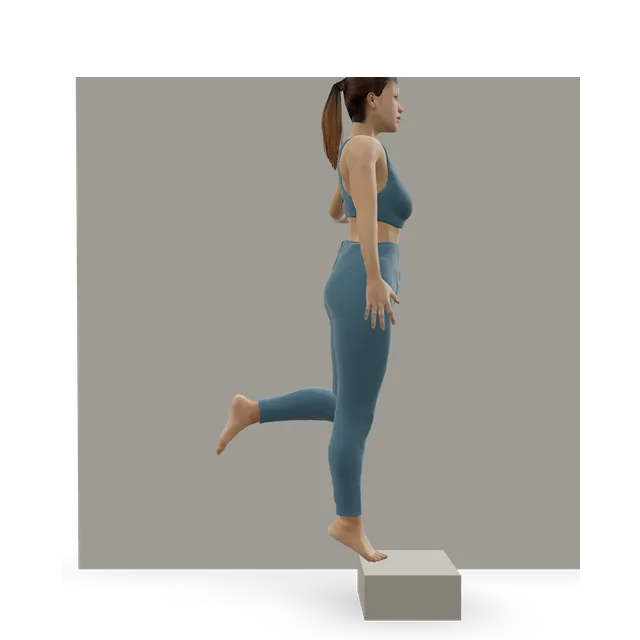 3D demoEccentric heel dropIntermediate · A stepUp on both feet, down slowly on one: the lowering-only calf exercise from the Achilles tendon rehabilitation protocol.
 3D demoForward cone hopsIntermediate · Other / check instructionsJumping forward on both feet over a row of low cones, landing softly and rebounding into the next: continuous two-leg hops, ACE's intermediate cone jumps.
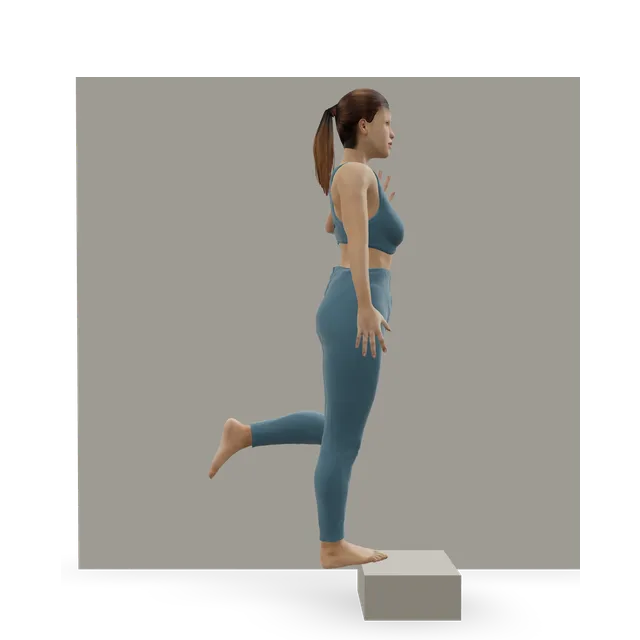 3D demoHeel raise with a towel under the toesIntermediate · A step + Other / check instructionsA slow single-leg calf raise on a step with a rolled towel under the toes, so the big toe bends back and the plantar fascia is put under tension as you rise.
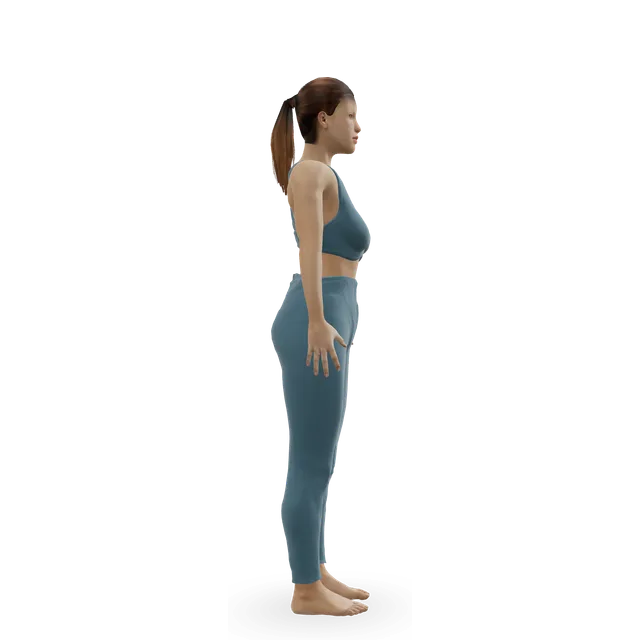 3D demoHurdle hopsIntermediate · Other / check instructionsTwo-footed jumps over a row of low hurdles, the knees drawn up to clear each one and every landing rebounding into the next.
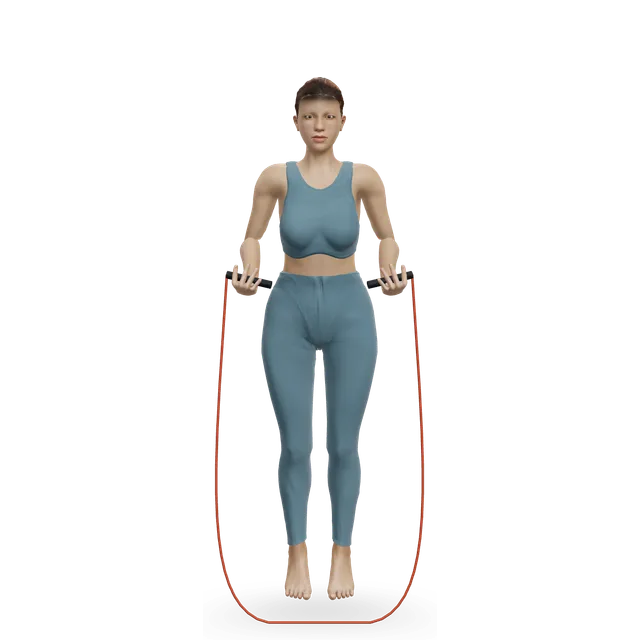 3D demoJump rope (basic bounce)Intermediate · A jump ropeTurning a rope with small circles of the wrists, elbows near your ribs, you clear it with a low two-footed hop a few centimetres high, landing on the balls of your feet.
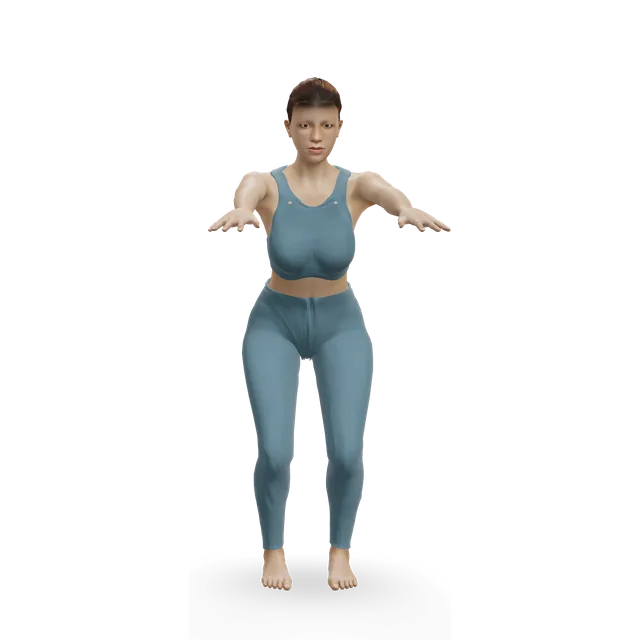 3D demoLateral cone hopsIntermediate · Other / check instructionsSide-on to a row of cones, both feet jump sideways over each in turn: ACE rates lateral cone jumps intermediate, as it does the forward ones.
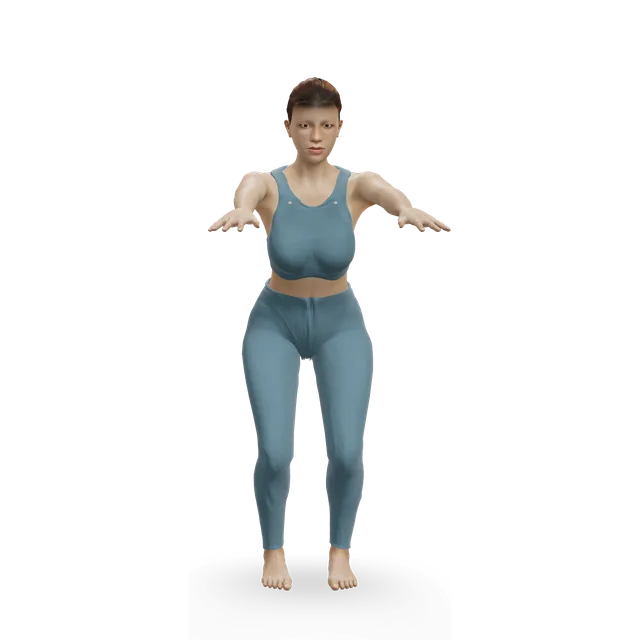 3D demoLateral hop to sprintIntermediate · Other / check instructionsQuick two-footed hops sideways over a single cone, back and forth, finished with a sprint off the last landing: it links fast side-to-side feet to a start.
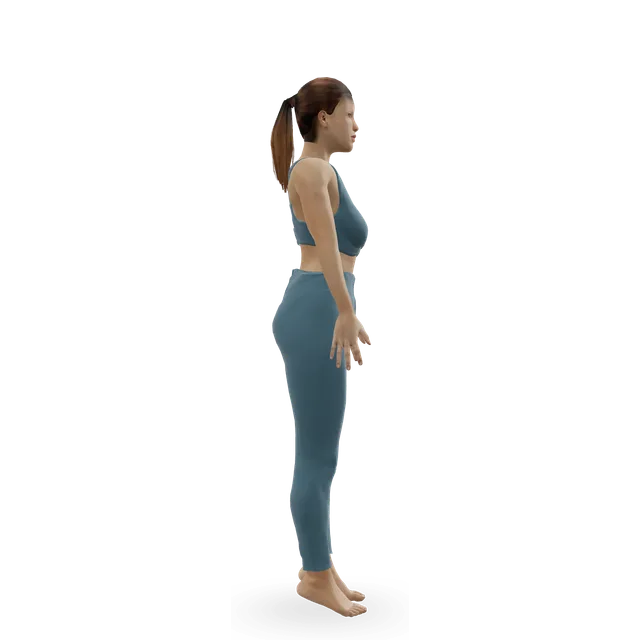 3D demoPogo hopsIntermediate · No equipmentHigher, springy hops in place off stiff ankles, the knees barely bending.
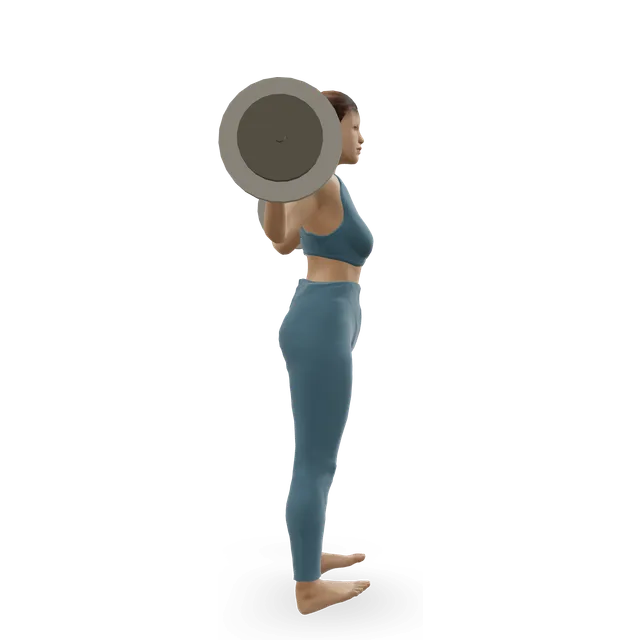 3D demoRocking standing calf raiseIntermediate · A barbellThe standing barbell calf raise followed by rocking back onto the heels, the toes lifting: the loaded raise with the front of the shin working on the way back.
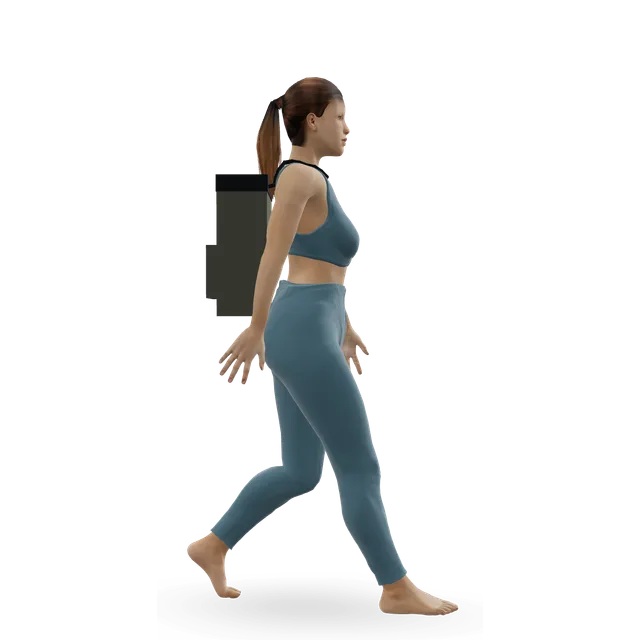 3D demoRucking (loaded walking)Intermediate · Something with weightWalking at a purposeful pace with a loaded backpack high on the back: hiking with a heavy pack counts as vigorous activity in the US guidelines.
- Single-leg calf raise from a step · Intermediate
- Single-leg calf raise on a dumbbell · Intermediate
- Smith machine calf raise · Intermediate
- Standing barbell calf raise · Intermediate
- Standing calf raise (machine) · Intermediate
- Standing dumbbell calf raise · Intermediate
- Treadmill jogging · Intermediate
- Treadmill running · Intermediate
- Tuck jump · Intermediate
Advanced calf exercises 16
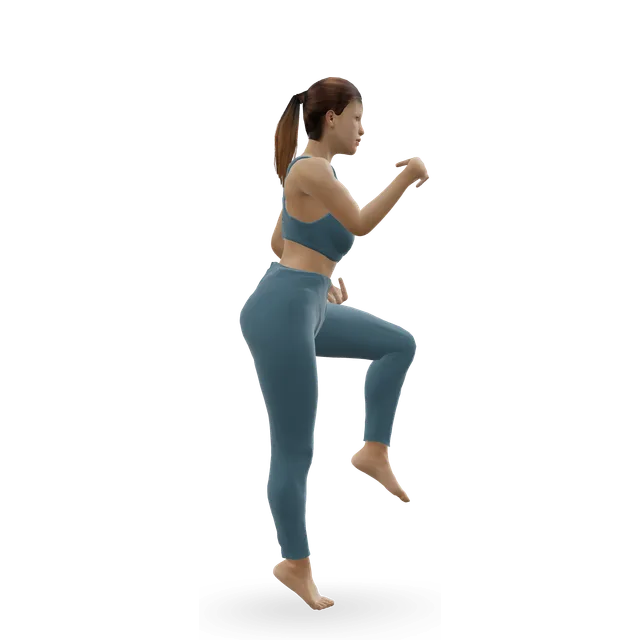 3D demoAlternate-leg boundingAdvanced · No equipmentRunning in exaggerated leaps from one leg to the other, the knee driving up and a long float between landings: bounding straight ahead, with a higher landing force than skipping.
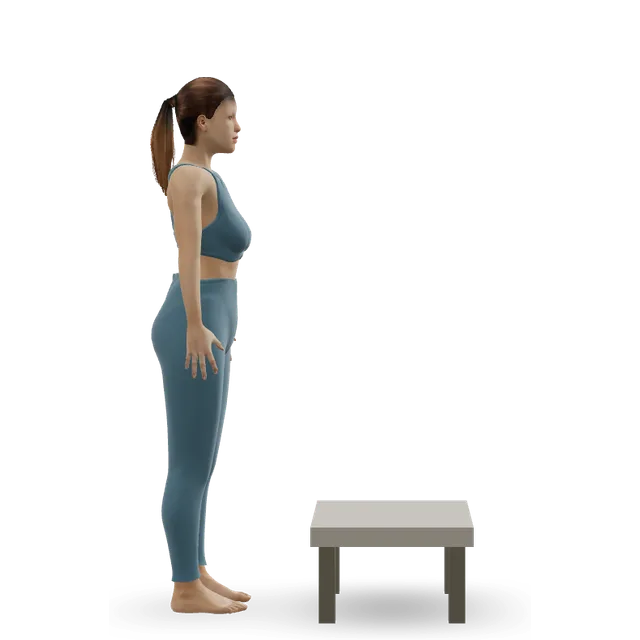 3D demoBox jump and leap offAdvanced · A bench or boxA box jump that doesn't stop: you land on top and leap straight up and off the other side, so the drop to the floor comes from the box's height plus your leap.
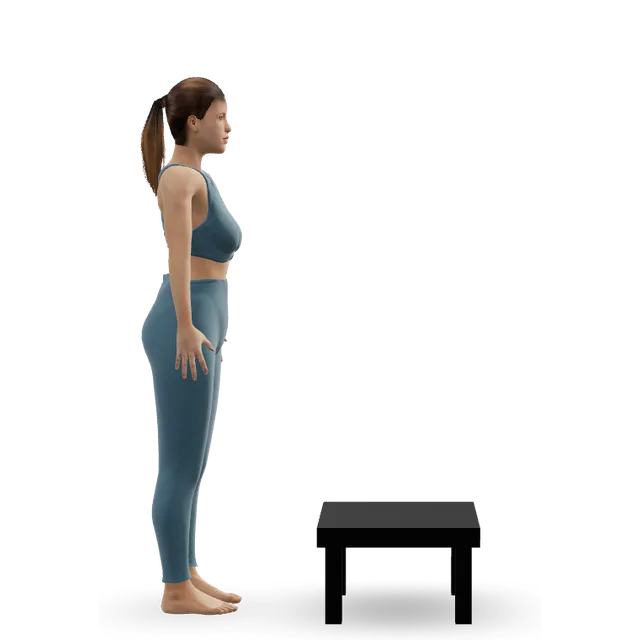 3D demoBox skipAdvanced · A bench or boxA skip onto and off a low box: you bound up onto it with one foot, spring off that foot as the other knee drives up, and land on the floor on the same foot before stepping to the next box.
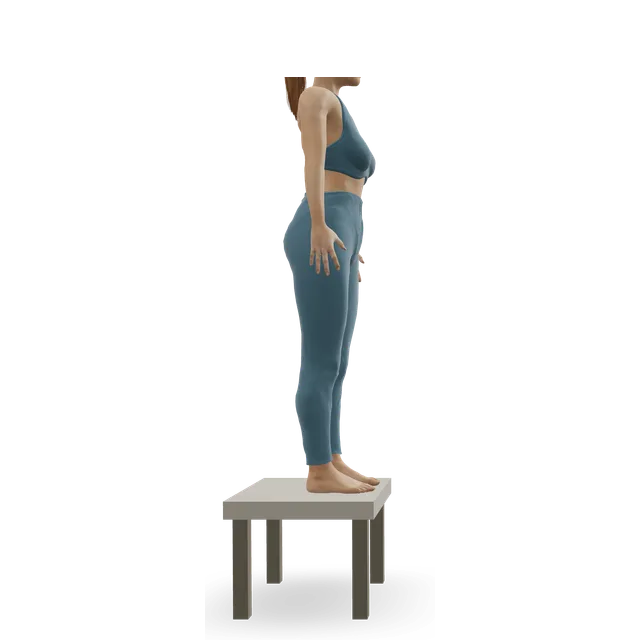 3D demoBox-to-box depth jumpAdvanced · A bench or boxYou step off one low box, land on both feet and rebound at once up onto a second box a stride or two ahead.
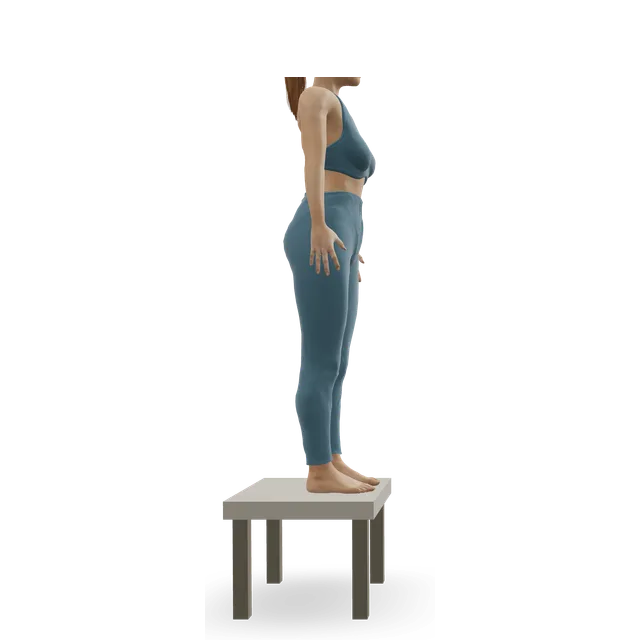 3D demoDepth jumpAdvanced · A stepDropping from a box and rebounding straight up as fast as possible: a reactive jump for people who already land well.
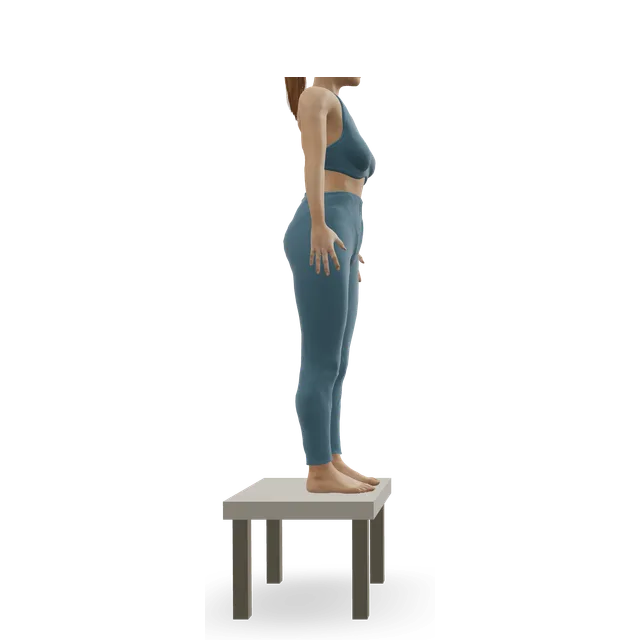 3D demoDepth jump to a second boxAdvanced · A stepDropping off a low box, the body lands on both feet and takes off again at once, leaping up onto a second box: an advanced depth jump, for experienced jumpers only.
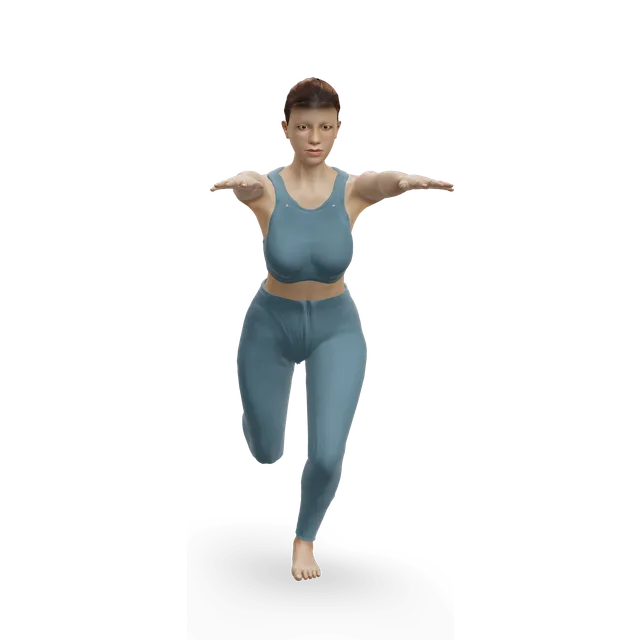 3D demoDiagonal boundsAdvanced · No equipmentBounding from one leg to the other on a diagonal, each landing loaded in a half squat and driven into the next: advanced bounding, well above skipping in landing force.
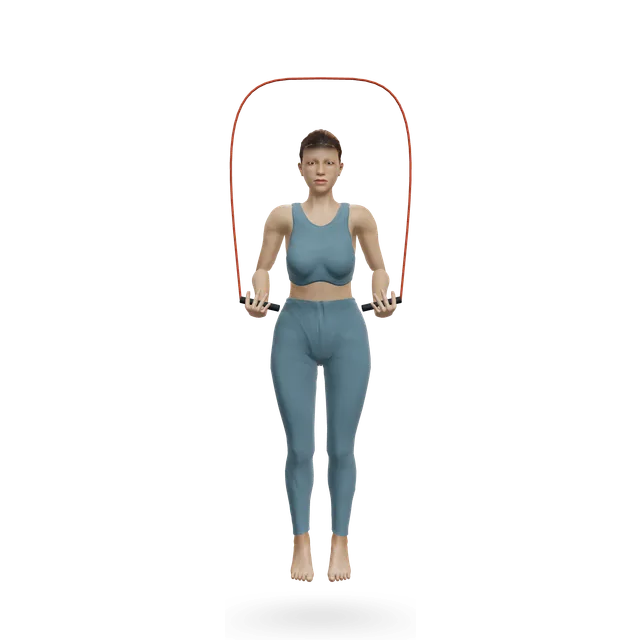 3D demoDouble-unders (jump rope)Advanced · A jump ropeJumping a little higher than a basic bounce, you spin the rope fast enough from the wrists to pass it under your feet twice before you land.
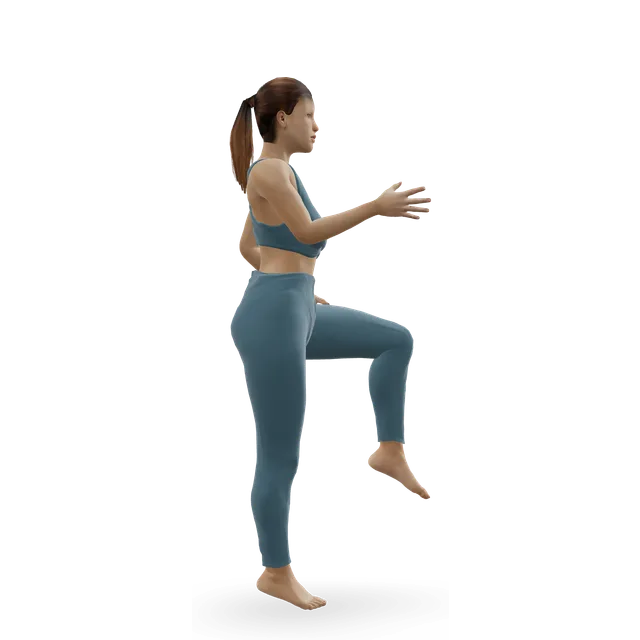 3D demoHill sprintsAdvanced · No equipmentRunning hard up a moderate hill for 8-10 seconds, then walking back down: sprinting up hills is very vigorous activity, and uphill running among the highest energy costs measured.
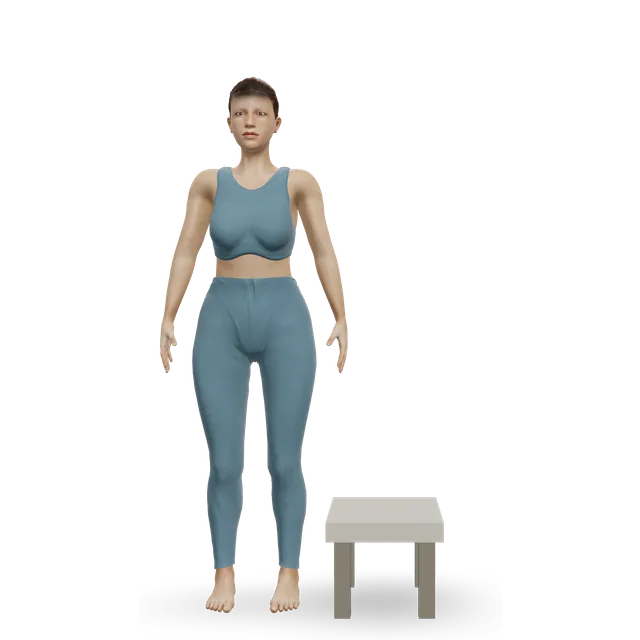 3D demoLateral box jumpAdvanced · A stepStanding beside a short box, the body springs up and sideways onto it and back down: a sideways box jump, after squat jumps and lateral cone jumps.
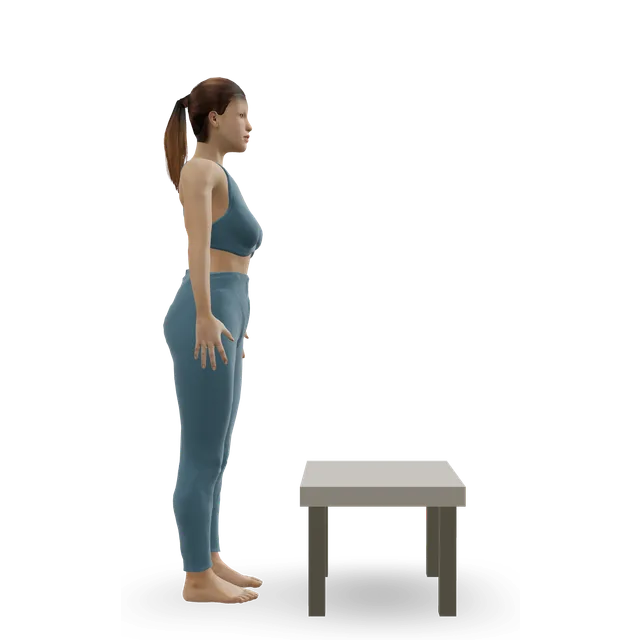 3D demoRepeated box jumpsAdvanced · A stepJumping onto a box, then dropping back off and jumping on again straight away: continuous box hops, a tier above the single box jump with a step down.
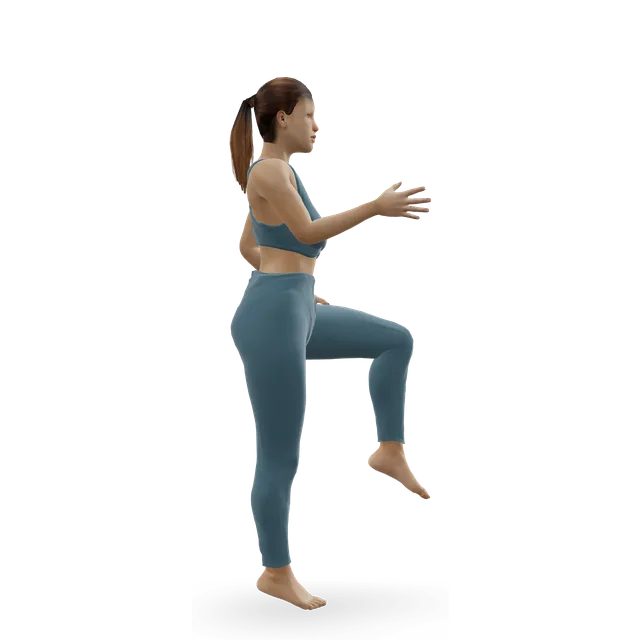 3D demoShuttle runsAdvanced · No equipmentRunning between two markers 10-20 metres apart, stopping, turning and accelerating back: the turns make it cost about three and a half times as much as running at a steady speed.
- Single-leg butt-kick hop · Advanced
- Single-leg cone hops · Advanced
- Single-leg lateral hop · Advanced
- Single-leg pogo hops · Advanced
The muscles behind them
Where each muscle is and what it does.
Workouts that use them
- Strength workout for runners (gym)
- Strength workout for runners at home
- Foot and ankle strengthening routine: toes, arches, calves and balance
- Injury prevention exercises for runners
- Plyometrics for runners
- Hiking training workout
- Springy starter: calf strength and gentle bounces
- Hill repeats for beginners
- Incline walking workout: hills or a treadmill slope
- Incline treadmill workout: building up to 12% for 30 minutes
- Basketball strength and jump workout
- Pickleball strength and balance workout
- Hyrox strength workout: legs, pulling, carries and sleds
- Return to running after birth: readiness checks and strength
- Strength workout for triathletes: heavy legs, calves, pulling and trunk
- Bodybuilding lower-body workout: quads, hamstrings, glutes and calves
- Vertical jump workout: landings, jumps and strength
- Sprint speed workout: drills, accelerations and flying sprints
- Badminton strength and footwork workout
- Squash strength and injury prevention
- Balance, agility and speed workout for roller skaters: the 4-week school team programme
- Strength workout for trampolinists: isometric squats, calves, jumps, trunk shapes and pelvic floor
- Calf pump exercises for varicose veins and heavy legs
- Strength and hamstring workout for sprinters and hurdlers: the athletics prevention programme, Nordic curls and heavy legs
- Strength and landing workout for jumpers: landings, complex pairs, tendons and trunk
- Parkour strength and landing workout: landings, precision jumps, rolls, climb-up strength, legs and calves
- Dance fitness strength and landing workout: calves, ankles, hips, knees, trunk and quiet landings
- Beginner jump rope workout
- Calf workout: straight-knee and bent-knee raises with a step
- Yoga for plantar fasciitis: a 25-minute class that starts sitting, with sole and calf stretches and heel raises
- Yoga for circulation: a 20-minute legs-first class with no head-down poses
- Off-court Pilates for basketball players: a 25-minute class for trunk control, hips, ankles and one-leg balance
- Machine calf workout: the standing calf machine, the leg press and the seated calf machine
- Pilates for plantar fasciitis: a 25-minute class that starts sitting, keeps you off your feet, and ends with heel raises
- Yoga for Achilles tendinopathy: a 25-minute class with calf loading built in, heels level and no jumping
- Tendon strengthening workout: holds, heavy slow calf and leg work, then springs
- Yoga for shin splints: a 25-minute class with calf, shin and hip strength, and no jumping
- Yoga after an ankle sprain: a 25-minute class for ankle range, calf strength and balance, built up step by step
- Calf-loading Pilates for Achilles tendinopathy: a 25-minute class with holds, slow heel raises, heels kept level and no jumping
- Impact-free Pilates for shin splints: a 25-minute class for calf and shin endurance, the hips and one-leg balance
- Seated circulation exercises: a 5-minute leg routine for journeys and long sits
- Double-under progression: bounce, spring and timing
- Yoga for low blood pressure: a 25-minute head-up class that wakes up your legs before you stand
- Calf-pump Pilates for varicose veins: a 25-minute standing, legs-raised and side-lying class
- Ankle-steadying Pilates after a sprain: a 25-minute class for ankle strength, hips and one-leg balance
- Yoga for badminton players: a 25-minute class for calves and the Achilles, lunges, one-leg balance, the hitting shoulder and the back, after play or on a rest day
- Off-court Pilates for badminton players: a 25-minute class for the calves and Achilles, one-leg balance and the side lunge, the hips, the trunk both ways and the hitting shoulder
- Yoga for the calves: a 25-minute class to stretch and strengthen both calf muscles, with one-leg balance
Also works the calves
These train it as a secondary muscle.
- Acceleration wall drill · Beginner
- Alternate-leg box push-off · Advanced
- Atlas stone lift · Advanced
- Backward sled drag · Intermediate
- Barbell clean and press · Advanced
- Barbell lunge · Intermediate
- Barbell snatch · Advanced
- Barbell squat to a bench · Advanced
- Barbell step-up · Intermediate
- Barbell suitcase deadlift · Advanced
- Barbell walking lunge · Advanced
- Bear crawl sled drag · Intermediate
- Behind-the-neck push press · Advanced
- Belt squat between two benches · Intermediate
- Bench jump-over · Intermediate
- Box drop landing · Intermediate
- Box jump · Intermediate
- Box push-off jump · Intermediate
- Box squat with bands · Advanced
- Box squat with chains · Advanced
- Burpee · Advanced
- Butt-kick jump · Intermediate
- Carioca quick step · Beginner
- Clean · Advanced
- Clean and jerk · Advanced
- Clean from blocks · Advanced
- Clean pull · Intermediate
- Conan's wheel · Intermediate
- Deep squat hold · Intermediate
- Double kettlebell front squat · Intermediate
- Dumbbell clean · Intermediate
- Dumbbell lunge · Intermediate
- Dumbbell reverse lunge · Intermediate
- Dumbbell squat · Intermediate
- Dumbbell squat to a bench · Intermediate
- Dumbbell step-up · Intermediate
- Elephant walks · Beginner
- Elliptical trainer · Beginner
- Fast backward sled drag · Beginner
- Glute-ham raise · Advanced
- Hang clean · Advanced
- Hang clean below the knees · Advanced
- Hang power clean · Advanced
- Hang snatch · Advanced
- Hang snatch below the knees · Advanced
- Harness sled drag · Beginner
- Indoor rowing (rowing machine) · Beginner
- Jerk dip squat · Intermediate
- Jump squat · Intermediate
- Keg load · Advanced
- Kettlebell lunge pass-through · Intermediate
- Kettlebell pistol squat · Advanced
- Kettlebell snatch · Advanced
- Kneeling jump squat · Advanced
- Landmine jammer · Intermediate
- Lateral bound (skater jump) · Beginner
- Lateral box shuffle · Intermediate
- Leg press · Beginner
- Leg pull front (Pilates leg pull down) · Advanced
- Low step-up · Beginner
- Lying machine squat · Intermediate
- Lying sciatic nerve slider (nerve glide) · Beginner
- Machine hack squat · Beginner
- Machine leg curl · Beginner
- Medicine-ball scoop throw (backward overhead throw) · Beginner
- Moving claw drill · Beginner
- Muscle snatch · Intermediate
- Narrow-stance machine hack squat · Intermediate
- Natural glute-ham raise · Advanced
- One-arm overhead kettlebell squat · Advanced
- Overhead backward sled walk · Beginner
- Pistol squat · Advanced
- Power clean · Advanced
- Power clean from blocks · Advanced
- Power snatch · Advanced
- Power snatch from blocks · Advanced
- Power star jump (X jump) · Intermediate
- Prowler sprint (light sled push) · Beginner
- Recumbent exercise bike · Beginner
- Resistance band squat · Beginner
- Reverse band box squat · Advanced
- Reverse band power squat · Advanced
- Rickshaw carry · Intermediate
- Rocket jump (jump and reach) · Intermediate
- Roller skating · Intermediate
- Sandbag load · Intermediate
- Seated band hamstring curl · Beginner
- Seated box jump with a dumbbell · Intermediate
- Seated sciatic nerve slider (nerve glide) · Beginner
- Shrimp squat · Expert
- Side-stepping (sideways walking) · Beginner
- Side-to-side box push-off · Intermediate
- Sideways standing long jump · Intermediate
- Single-leg hop and stick · Intermediate
- Single-leg push-off, facing the box · Beginner
- Single-leg reach matrix · Intermediate
- Single-leg stand · Beginner
- Sled push · Intermediate
- Sled walking chest press · Intermediate
- Sledgehammer tire slams · Intermediate
- Smith machine hang power clean · Intermediate
- Smith machine leg press · Intermediate
- Smith machine lunge jump · Advanced
- Smith machine pistol squat · Intermediate
- Smith machine split squat · Intermediate
- Smith machine squat · Intermediate
- Snapdown to athletic landing · Beginner
- Snatch from blocks · Advanced
- Snatch pull · Intermediate
- Speed box squat · Advanced
- Speed squat · Advanced
- Split clean · Advanced
- Split jump (same-leg landing) · Intermediate
- Split snatch · Advanced
- Split squat jump · Advanced
- Split squat with dumbbells · Intermediate
- Sprint intervals · Advanced
- Squat snatch · Advanced
- Squat with plate movers · Intermediate
- Stability ball leg curl · Intermediate
- Stair climbing · Intermediate
- Stair-stepper machine · Intermediate
- Standing broad jump with stuck landing · Intermediate
- Standing hamstring curl · Beginner
- Standing long jump · Beginner
- Standing machine leg curl · Beginner
- Stationary cycling · Beginner
- Step jack (low-impact jumping jack) · Beginner
- Step mill (revolving stair machine) · Intermediate
- Step-up · Beginner
- Step-up with knee raise · Intermediate
- Three-point sprint start · Beginner
- Tyre flip · Intermediate
- Walking lunge · Intermediate
- Wall side leg lift (standing side kick at the wall) · Beginner
- Weighted jump squat · Advanced
- Weighted sissy squat · Advanced
- Yoke walk · Advanced
Narrow it down
More exercises
Questions people ask
What are good calf exercises for beginners?
Start with moves graded easy, such as Ankle bounces (mini pogo), Ankle CARs (controlled articular rotations), Balance board stand. There are 27 of them on this page. Each guide links to a harder option for when it starts to feel easy.
Can I do calf exercises at home without equipment?
Yes. 26 of the 64 moves here need nothing but your body, a floor, a wall or a step, for example Ankle bounces (mini pogo), Ankle CARs (controlled articular rotations), Fast skipping.
How do I choose the right level?
Pick a move you can do for the planned reps or time with control and a couple of reps in reserve. If it is easy, step up; if your form slips, step down. Every guide shows an easier and a harder option when one exists.
Movement education, not medical advice. Difficulty grades for imported entries are source-assigned and await editorial review. Stop for sharp or increasing pain, numbness or tingling. Health disclaimer.