3D demo
Split snatch
Strength · Glutes, Quads, Hamstrings
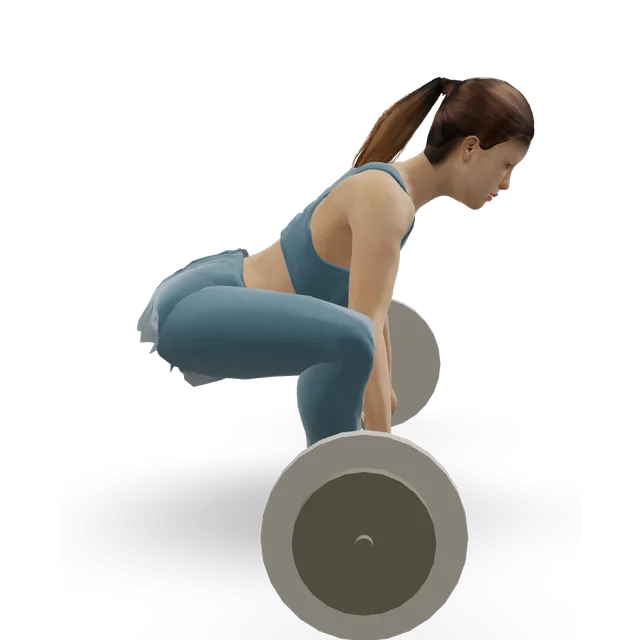
Loading the 3D figure…
The figure repeats the movement from its starting position. Drag to turn it; the arrows open the demos either side.
The snatch caught on locked arms with the feet split instead of in a squat: an older style, now rare, that needs a higher pull.
Snatch family
Split snatch
Source-researched guide.
Form cues
- Pull high: the split catches the bar higher than a squat.
- Recover the front foot first.
Practice and cautions
No universal dose is assigned. Choose a manageable amount for your current capacity, leave room for controlled repetitions, and allow recovery. A clinician’s individual plan takes priority.
This is movement education, not an assessment or treatment prescription. Stop for sharp or increasing pain, dizziness, numbness or tingling; seek individual guidance for symptoms, injury or restrictions.
Sources and review status
Sources support the educational description; they do not establish that this exercise is suitable for you.
- Wikipedia · Snatch (the power snatch the simplest to learn; the split snatch an older, rarer style) ↗
- NSCA 2023 · Position statement on weightlifting for sports performance (the push press starts the bar with the legs, feet down; the split jerk lifts the most) ↗
- Free Exercise DB · community text ↗
Unlicense · Free Exercise DB contributors; derived from wrkout/exercises.json. Text import; no photographs or media. · Revision f00c92c7dcf1216a928a52c3706c7ce8e2f71ed5
No variation is labeled clinically validated.
What it works
Muscles
Main: Glutes, Quads, Hamstrings. Also: Shoulders, Back, Calves.
Anatomy: Gluteus maximus, Piriformis, Obturator internus, Sartorius, Quadriceps, Rectus femoris.
Equipment
A barbell
Level
Advanced. See the easier and harder options above.
Guides that use it
Similar moves
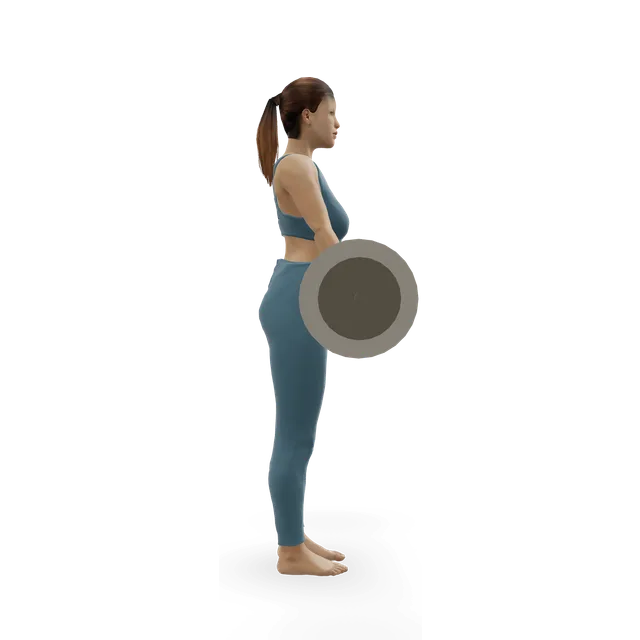 3D demoSnatch deadlift (snatch-grip deadlift)Intermediate · A barbell
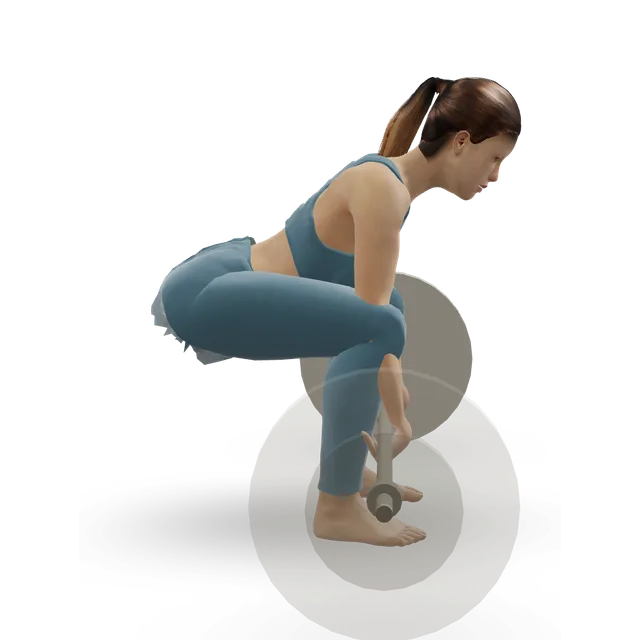 3D demoSplit cleanAdvanced · A barbell
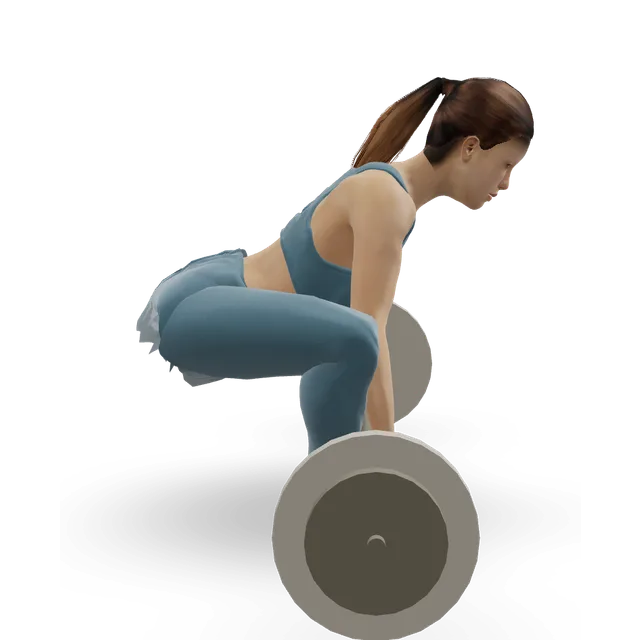 3D demoSquat snatchAdvanced · A barbell
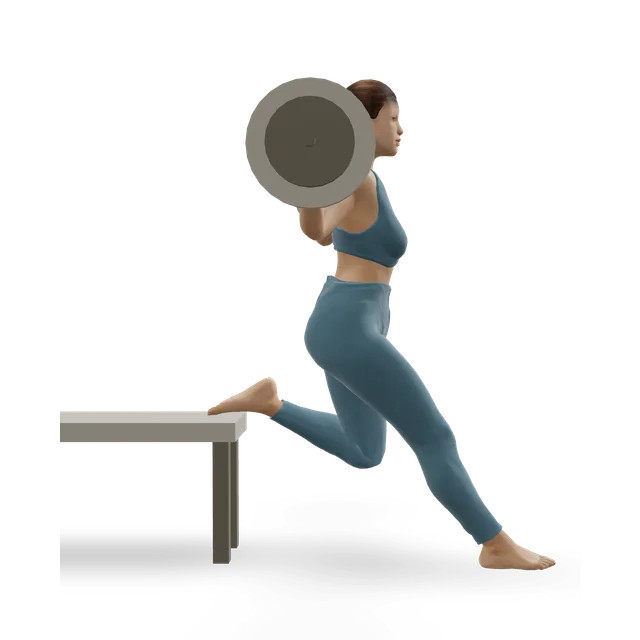 3D demoBarbell Bulgarian split squatAdvanced · A barbell + A bench or box
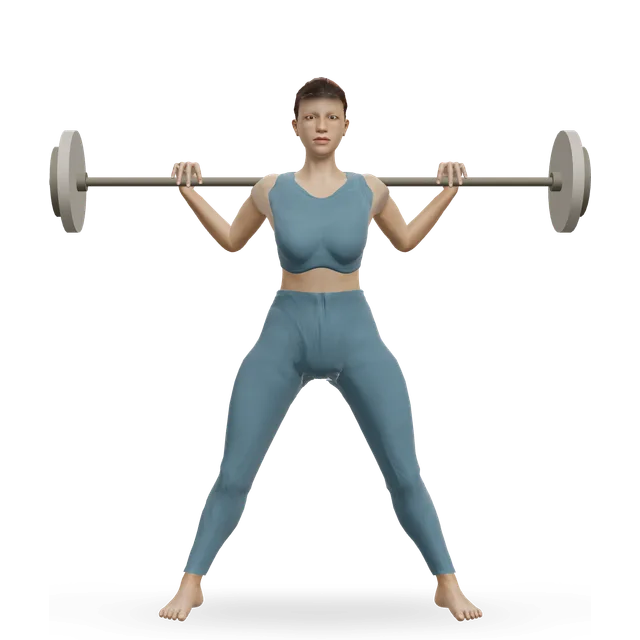 3D demoBarbell side split squatIntermediate · A barbell
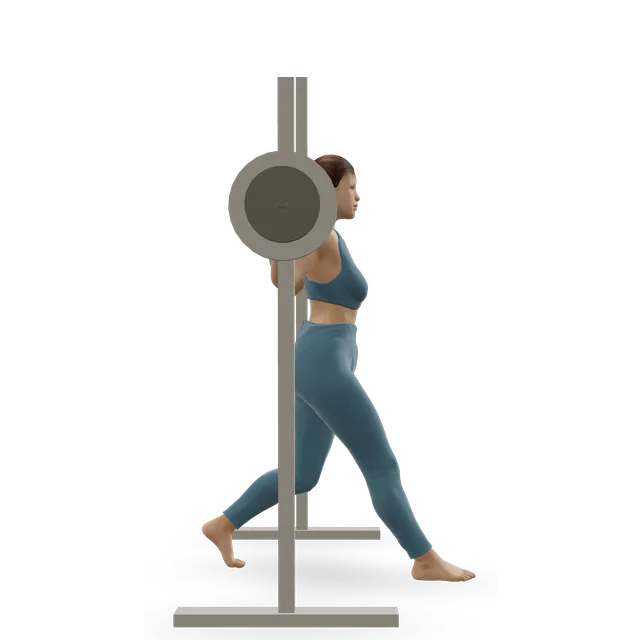 3D demoSmith machine split squatIntermediate · Strength machine
Browse more
Questions people ask
What muscles does the Split snatch work?
Mainly the glutes, quads and hamstrings, with help from the shoulders, back and calves.
What equipment do I need for the Split snatch?
A barbell.
Is the Split snatch good for beginners?
It is an advanced move. Build up to it with the Power snatch first.
What is an easier alternative to the Split snatch?
Try the Power snatch or the Heaving snatch balance. Both are written steps in the same progression.
How do I make the Split snatch harder?
Progress to the Barbell snatch. Follow that guide’s technique and any stated timing.