Sport

Cheerleading workouts: strength, landings, stunt safety and concussion

Cheerleading packs tumbling, jumps, stunts, pyramids and tosses into routines of two and a half minutes, built on long practices. Bases lift, press and catch, flyers hold a tight, balanced body in the air, and everyone jumps and lands. In the one strength training study in the sport, elite college cheerleaders raised their front squat by 14% and their power clean by 18% over 16 weeks. Most cheer injuries are sprains and strains, but falls from stunts cause the serious ones, and concussion is the commonest single injury in US high-school cheer.

This guide covers what cheer asks of your body, the common injuries, and the safety rules that protect cheerleaders: surfaces, spotting, pyramid heights and basket tosses, set out by governing body and date. It covers concussion rules in England and the US, wrists, backs and ankles, and eating enough. It includes a 15-minute warm-up and a strength and landing workout, with a 3D demo of every move.

The short version

Stunts cause most injuries, and the serious ones

In a large US study, stunts caused 52 to 60% of cheer injuries and 96% of concussions. Over 40 years of US school and college sport, cheerleading had 82 of the 470 catastrophic head and neck injuries outside American football.

Sources 1, 2, 3

Safety rules have worked

After a 2006-07 rule allowed basket tosses only on mats, grass or rubberised track, catastrophic basket toss injuries fell from 1.55 to 0.40 per million cheerleaders. Head injuries in children fell after USA Cheer banned the "double down" dismount below college level.

Sources 4, 5

Surfaces, spotters and qualified coaches

Every current rulebook bans stunts, pyramids, tosses and tumbling on concrete, asphalt, wet or uneven surfaces and requires trained spotters. Squads with the best-qualified coaches had about half the injury rate in one study.

Sources 6, 7, 8, 9

Concussion: off at once, then a graduated return

In England, SportCheer England supports the UK guidelines for grassroots sport, with no competition before day 21. USA Cheer requires a healthcare provider's clearance and a six-phase return, with stunting last.

Sources 10, 11, 12

Strength for every role

In 13 elite college cheerleaders, a supervised 16-week programme raised front squat by 14%, power clean by 18% and shoulder press by 18%, with no change in body weight. No programme has been tested on cheer injuries, but strength training cuts injuries in other sports.

Sources 13, 14

Eat enough for the training

All 19 college cheerleaders in one study ate too little for their training on practice days, and about a third of cheerleaders in two surveys screened at risk of an eating disorder.

Sources 15, 16, 17

What cheerleading asks of your body

Short, hard routines inside long practices

Competition routines last at most 2 minutes 30 seconds. In 16 elite German cheerleaders, heart rate stayed at or above 80% of maximum for 67 to 80% of a full routine and blood lactate reached 6.4 mmol/L, while ordinary training was mostly light. US college cheerleaders practised about 205 days a year, for 2.8 hours a session. The Compendium of Physical Activities gives competitive cheerleading 6.0 metabolic equivalents (METs), an estimated value.

Sources 7, 18, 19, 20

Bases, flyers and spottersEmerging evidence

Flyers are lifted and thrown and hold a tight, balanced body; bases lift, hold and catch; spotters protect the flyer's head, neck and shoulders. Basket toss height went most with the bases' core strength and stability, then their power. In dismounts, the flyer's own landing skill set the force, about 6 times body weight on average (2.1 to 14.9), more than the bases' catch did.

Sources 8, 21, 22

Landings and surfacesEmerging evidence

In 12 college cheerleaders, landings from flips had 84% higher peak forces and loaded 148% faster than straight landings, and harder surfaces raised loading and rolled the ankle further. This is a laboratory study.

Source 23

Fitness and recoveryEmerging evidence

Eighteen college cheerleaders had fitness similar to other college athletes. In the last week before the 2022 world championships, 15 German national team athletes showed falling jump height and rising signs of muscle damage, and most weren't fully recovered by competition day.

Sources 24, 25

BonesEmerging evidence

In 46 young women randomised for 14 weeks, cheer practice twice a week raised bone density and jump height more than usual activity. Cheer counts as a high-power sport, and teenagers in high-power school sports had stronger shin bones than teenagers in the study's no-power group, an association.

Sources 26, 27

Where the load falls

The sites the studies point to:

  • Ankles and knees: landings from jumps, tumbling and dismounts.
  • Wrists: weight through the hands in tumbling, as in gymnastics.
  • The low back: basing and spotting, and arching in walkovers and handsprings.
  • Shoulders: pressing and holding a flyer overhead.
  • The head and neck: falls from stunts and pyramids, and collisions between teammates.

Sources 28, 29, 30, 13, 2

What to train (our reading)

Leg, hip and trunk strength, pressing and pulling strength for lifting and catching, landing control, wrist and shoulder strength for tumbling, and flexibility you can control at the end of its range.

Common injuries

Each study counted injuries its own way, from emergency visits to time lost, so figures in different lines aren't comparable.

How often cheerleaders get hurtEmerging evidence

The numbers, by group:

  • US squads of every kind, 2006 to 2007 (9,022 athletes): 1.0 injuries per 1,000 athlete-exposures (one athlete in one practice, game or performance) in practice and 1.4 in competition; 83% of injuries happened in practice.
  • US high schools, 2009 to 2014: 0.71 injuries per 1,000 athlete-exposures, 18th of 22 sports.
  • North Carolina high schools, 1996 to 1999: 8.7 injuries per 10,000 athlete-exposures.
  • US college cheerleaders, across 6 studies: 2.4 to 2.8 injuries per 1,000 athlete-exposures.
  • Surveys: 41.3% of high-school and 39.7% of college cheerleaders had been injured in the past year.
  • US emergency departments: about 35,000 cheer injuries a year in 5- to 25-year-olds in 2010, falling to about 30,000 in 2019.

Sources 1, 31, 9, 32, 33, 19, 34

Stunts, practice and teammatesEmerging evidence

Stunts caused 52 to 60% of injuries, and bases and spotters took 34% of stunt injuries; the ankle, low back and wrist were most often hurt again. In US emergency departments, collisions between teammates were the commonest cause (29.3%), then stunting (19.8%).

Sources 1, 2, 35

Catastrophic injuriesEmerging evidence

Over 40 years of US school and college sport, cheerleading had 82 of the 470 catastrophic head and neck injuries outside American football, more than any other sport, and more than half (52%) of those in girls and women. Of 54 catastrophic cheer injuries in 2002 to 2017, 52% were to the head and 32% to the neck, flyers had 70%, basket tosses caused 35%, and 69% happened in practice. Pyramids and basket tosses caused 17 of the 29 studied from 1982 to 2002. We give counts rather than rates, because nobody knows reliably how many people cheer.

Sources 3, 4, 36, 37

ConcussionEmerging evidence

Concussion was the commonest diagnosis in US high-school cheer (31.1% of injuries), though at a lower rate than in other girls' sports. Emergency visits for concussion and head injury rose by 44% in 2010 to 2019 while other cheer injuries fell. University cheerleaders took about 2 head impacts per practice on sensors, and 37% of concussed cheerleaders who reported no symptoms still had abnormal test scores. Our concussion guide covers the graduated return.

Sources 31, 34, 38, 39

AnklesEmerging evidence

Ankle sprains were over 21% of injuries in North Carolina high schools and 24 to 45% of injuries in surveys of high-school and college cheerleaders. Our sprained ankle and chronic ankle instability guides cover treatment.

Sources 9, 33, 19, 28

Wrists and handsEmerging evidence

Wrist and hand injuries were 15.6% (high school) and 19.3% (college) of surveyed injuries, and wrist pain from tumbling is shared with gymnastics. Our gymnast's wrist, sprained wrist and broken wrist guides cover these.

Sources 33, 19, 29

Backs and necksEmerging evidence

Back injuries were 16.1% of high-school injuries, and basing or spotting went with low back strains. A stress fracture in the spine (spondylolysis) has been reported in young cheerleaders, in a small case series. In Canada, 8% of cheer injuries were to the neck or spine, half from falling from or basing a stunt. Our back pain, spondylolisthesis and neck pain guides cover these.

Sources 33, 28, 30, 40

Faces and teethEmerging evidence

US emergency departments saw about 85,000 cheer injuries to the head and face in 5- to 19-year-olds in 2014 to 2023, about a quarter of them concussions. Fractures were few (3.5%) but had the highest rate of hospital admission.

Source 41

Who's at higher riskEmerging evidence

Stunting and practice; bases and spotters for low back strains; flyers for catastrophic injuries; college cheerleaders for concussion; squads with less qualified coaches; the weeks after a break; and, in pooled studies, hard surfaces and a previous injury. These are associations.

Sources 1, 28, 4, 9, 5, 42

What prevents injuries

No injury prevention programme has been tested in cheerleading. The rules are each governing body's own; the strength, knee and ankle evidence comes from other sports, and each note says so.

The basket toss surface ruleEmerging evidence

From 2006-07, US school and college rules allowed basket tosses only on mats, grass or rubberised track. Catastrophic basket toss injuries fell from 1.55 to 0.40 per million cheerleaders, 74% lower allowing a year for the rule to take effect, with none in the last 7 years studied. Other high-school injuries fell too, so other changes may have helped.

Source 4

The "double down" banEmerging evidence

After USA Cheer banned the double down dismount below college level in 2012-13, head injuries and injuries from collisions between teammates in 6- to 18-year-olds seen in US emergency departments fell. Injuries peaked when cheerleaders came back after breaks.

Source 5

Surfaces and heightsEmerging evidence

In laboratory tests, concrete and vinyl over concrete protected against a serious head injury only in falls of less than about 15 cm. Only spring floors and 10 cm landing mats over foam floors protected from over 3.2 m, the height of two-level stunts, and longer, wetter grass protected more than short, dry grass. Most of the 15 most serious falls in one study happened on turf, grass, foam or wood floors.

Sources 43, 44

Qualified coachesEmerging evidence

In North Carolina high schools, squads with the best-qualified coaches, by education, qualifications and training, had about half the injury rate of squads with the least qualified, an association. The American Academy of Pediatrics (AAP) asks for coaches trained and certified in safety and spotting.

Sources 9, 45

Strength training, borrowed from other sportsStrong evidence

Across 25 trials in other sports, strength training cut sports injuries to about a third, while stretching programmes made no difference. USA Cheer's college rules ask every squad to adopt a conditioning and strength programme.

Sources 14, 8

Shoulder strengthEmerging evidence

In 41 college cheerleaders, 6 weeks of strength and conditioning left the shoulders less loose at the front, and stiffer, than in a comparison group. Injuries weren't measured.

Source 46

Knees and ankles, borrowed from other sportsStrong evidence

Warm-ups with strength, jump-and-land and balance work halved anterior cruciate ligament (ACL) injuries across sports and cut ACL tears without contact by about two-thirds in women and girls. Lace-up ankle braces cut ankle injuries by about two-thirds in high-school basketball players, and across trials braces cut repeat sprains by about two-thirds. None has been tested in cheer.

Sources 47, 48, 49

What isn't shownMixed evidence

No cheer injury prevention programme, wrist support or flyer helmet has been tested; reviews call for prevention studies. Stretching programmes didn't prevent injuries in other sports.

Sources 50, 42, 14

Training for performance

The one cheer strength study, as it was doneEmerging evidence

A 22-week programme for Japan's top university team, supervised by a strength and conditioning coach:

  • Who: 13 women in base, spotter and middle-layer roles, with at least a year's lifting experience. Flyers weren't included.
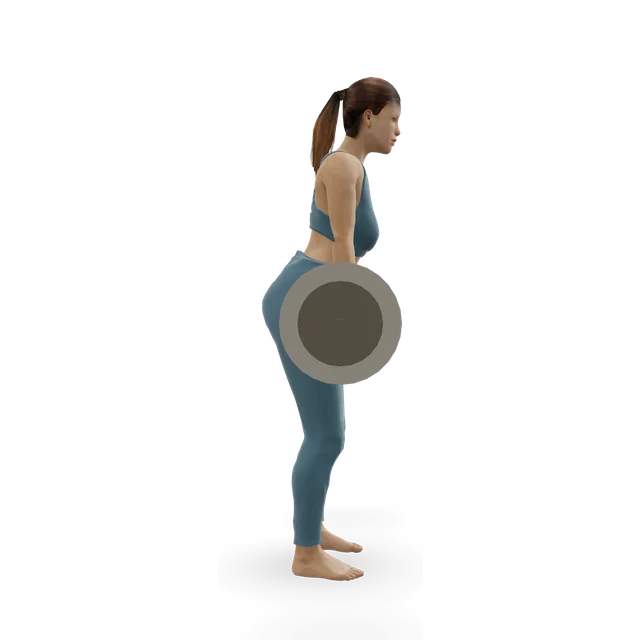
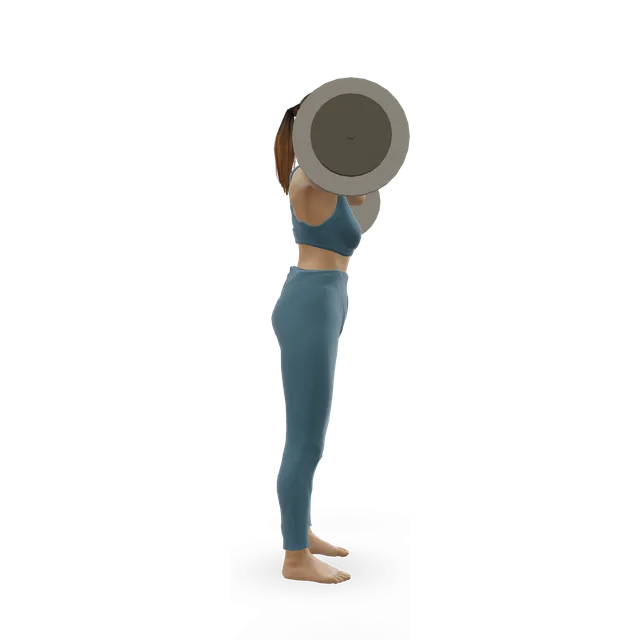
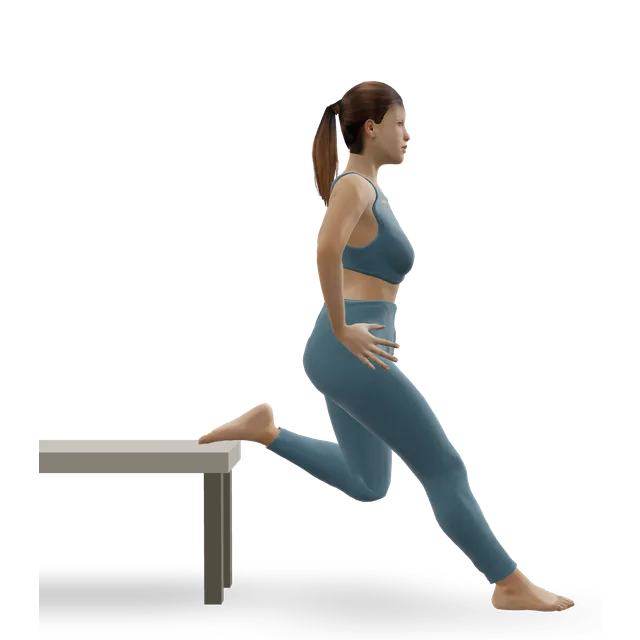
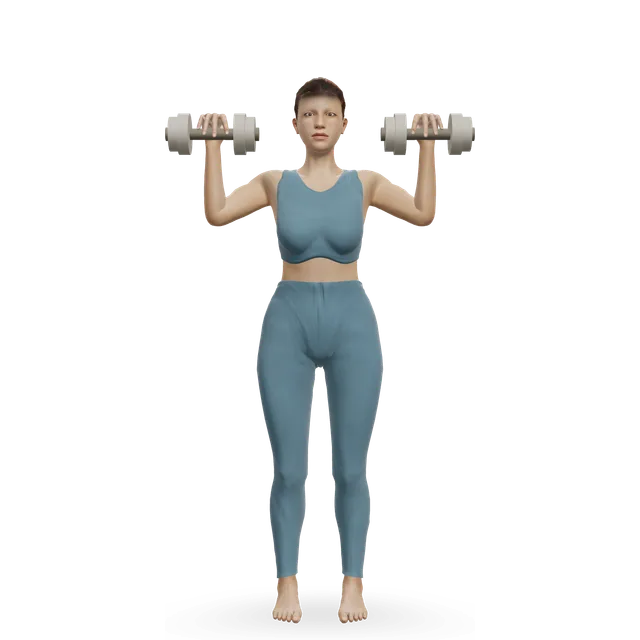
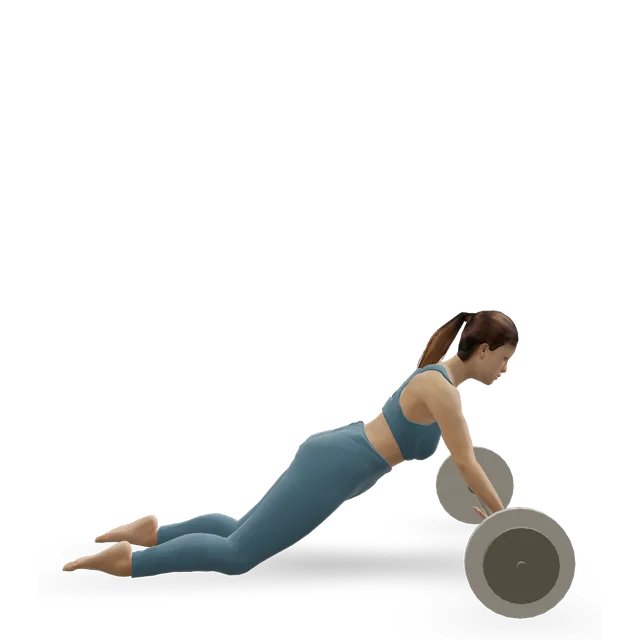
  • Weeks 3 to 11, 3 sessions a week: front squats, split squats, power cleans, shoulder presses, Romanian deadlifts, pull-ups, rows and ab rollouts, 3 to 6 sets of 5 to 10 reps, with 90 to 150 seconds between sets.
  • Weeks 12 to 19, 2 sessions a week: power cleans 5 sets of 5, front squats building to 3 sets of 3, shoulder press 4 sets of 5, split squats and single-leg hip thrusts 3 sets of 10 each leg, back extensions 3 sets of 15, shoulder-blade pull-ups with rows, and ab rollouts.
  • Weeks 20 to 22: sessions cut to about 30 minutes, keeping a few heavy power lifts.
  • Result: front squat up 14.0%, power clean 17.7% and shoulder press 18.3%, with no change in body weight. There was no comparison group.

Source 13

Before a competitionEmerging evidence

In German national teams, jump height fell and signs of muscle damage rose in the last week before the world championships, and most athletes weren't fully recovered on the day. The strength study's last 3 weeks kept a few heavy lifts in short sessions. Our suggestion: cut training volume over the last 7 to 10 days and don't add new skills that week.

Sources 25, 13

ConditioningEmerging evidence

Full routines are short and hard, while ordinary practice is mostly light, so the authors suggest training both: aerobic fitness for recovery between drills, and harder work for routines. Full-outs already train routine fitness; add 1 or 2 short interval sessions a week before the competition season (our suggestion).

Source 18

Jumps and flexibility

No jump-training trial has been done in cheerleaders. Our gymnastics guide reports a trial in which two extra jump sessions a week for 6 weeks raised young gymnasts' jump height, and our splits guide explains how strength at the end of your range builds flexibility you can use (our reading).

Fitting it around cheer

Off-season or early season: 2 or 3 strength sessions a week, as in the study, with jump and landing work twice a week. In season: 1 or 2 strength sessions early in the week, with no heavy legs or maximal jumps in the 48 hours before a competition (our suggestion).

Young cheerleaders: our children's guide explains that supervised strength training is safe, and that training more hours a week than your age in years went with more overuse injuries.

Source 13

Stunting safety: the rules by body and date

The International Cheer Union's 2027 rulesStrong evidence

The International Cheer Union (ICU) runs the world championships and recognises national federations such as SportCheer England and USA Cheer. Its rules: athletes are supervised by a qualified coach at all official functions; coaches require proficiency before progression; every team has an emergency response plan; stunts, pyramids, tosses and tumbling "may not be performed on concrete, asphalt, wet or uneven surfaces or, surfaces with obstructions"; required spotters are your own team's members, trained in spotting; and no tumbling or stunting in a hard cast or walking boot. Its 2027 age grid doesn't recommend competition for its Tiny age group (6 and under).

Sources 6, 51, 52, 53

The rules used in the UKStrong evidence

The International All Star Federation (IASF) rules for 2025 to 2028 (updated 16 July 2025) set the same general safety rules, with routines of at most 2 minutes 30 seconds. The British Cheerleading Association (BCA) says its competition rules comply with the IASF's technical and safety rules, follows the SportCheerUK age grid, and limits each athlete to 6 routines at an event.

Sources 7, 54, 55

USA Cheer's college rules, 2026-27Strong evidence

Published 26 May 2026:

  • A qualified coach, and practice supervised "with appropriate matting".
  • No stunts, pyramids, tosses or tumbling on concrete, asphalt, wet or uneven surfaces.
  • "Thorough training in proper spotting techniques should be mandatory", with skills learned in order and spotted until mastered.
  • A conditioning and strength programme for every squad, and a warm-up before every activity.
  • Pyramids no higher than two and a half body lengths, with two spotters for each person above two high.
  • Basket tosses from the ground with no more than four bases, caught by three of them, one under the flyer's head and shoulders; basket tosses, flips and the highest pyramids only on a mat, grass or rubberised track.

Source 8

US high schools, 2026-27Strong evidence

US high schools follow a rule book from the National Federation of State High School Associations (NFHS) and USA Cheer, which is sold rather than published. USA Cheer's 17 March 2026 announcement lists the 2026-27 changes, including two catchers for any release from upright to lying flat and no top person passing over another. USA Cheer recommends that younger school squads follow the same rules with extra limits on tosses.

Sources 56, 53

The American Academy of PediatricsStrong evidence

The AAP's 2024 policy statement (21 October 2024) asks for a yearly pre-participation check; coaches trained and certified in safety, especially spotting; skills matched to age and ability; no cheer on concrete, asphalt, dirt, vinyl floors, or wet or uneven surfaces; pyramids no higher than two people, with spotters always present; written emergency plans; concussion education, with no return without medical clearance; and uniforms and language that don't suggest a particular body type.

Sources 57, 58, 45

Pyramid heights differ

The AAP's two-person limit is stricter than USA Cheer's college limit of two and a half body lengths. Follow the rules your squad competes under (our reading).

Sources 45, 8

Concussion rules

Cheer in EnglandStrong evidence

SportCheer England supports the UK guidelines for grassroots sport: if in doubt, sit them out. No sport that day, an assessment within 24 hours by a healthcare professional or NHS 111 (the National Health Service's urgent advice line), rest for 24 to 48 hours, a graduated return, and no competition before day 21. It asks for at least one first-aider at every training session, and for coaches to take concussion education.

Sources 10, 11

USA CheerStrong evidence

USA Cheer's guidelines (version dated 19 May 2022): an athlete with a suspected concussion is removed at once, doesn't return that day, and needs clearance by a healthcare provider, in line with state law, before returning. Then six phases of at least a day each, with stunting last:

  • Phases 1 to 3: walking through cheers, then light and moderate aerobic exercise and light weights, then harder aerobic work, short sprints and balance.
  • Phase 4: full weights and conditioning, light tumbling with the hands supported, and "Stunting limited to double-legged, chest-level stunts with added spotter".
  • Phase 5: extension-level stunts with simple dismounts and an extra spotter, and tumbling of no more than two rotations without twists.
  • Phase 6: full practice, pending medical clearance.

Source 12

Other governing bodies

We found no concussion policy from the British Cheerleading Association or the International Cheer Union. In the UK, the grassroots guidelines cover all sport.

Source 11

Eating enough, body image and welfare

Eating too little for the trainingEmerging evidence

All 19 college cheerleaders in one study had low energy availability (too little food for the training) on practice days, and 52.6% reported problems with their periods. None had low bone density.

Source 15

Body image and uniformsEmerging evidence

About a third of college and competitive cheerleaders screened at risk of an eating disorder in two surveys. Both found the most body dissatisfaction in midriff uniforms, and flyers were at higher risk than bases. The AAP advises uniforms that suit every body and language that doesn't suggest a particular body type.

Sources 16, 17, 45

Abuse and wellbeingEmerging evidence

In a Swedish survey, 21.6% of current and 53.5% of retired competitive cheerleaders reported psychological abuse; a good relationship with the coach went with less of it.

Source 59

LeakingEmerging evidence

In Norway, 67% of gymnasts and cheerleaders leaked urine and 41% had never heard of the pelvic floor. It's common and treatable: see a pelvic health physiotherapist, and our pelvic floor guide.

Source 60

Our reading

Weighing and comments about bodies have no place in cheer coaching, as our eating disorders guide explains. Flying is about skill. If you're told to lose weight to fly, talk to someone you trust or the club's welfare officer.

A warm-up for cheerleading

Built on the site's warm-up guide and our gymnastics warm-up (editorial). No cheer warm-up has been tested on injuries; USA Cheer's college rules say a warm-up should come before every cheer activity.

  1. Raise, 3 minutes: skip 2 lengths of 20 m, then 60 seconds of jumping jacks.
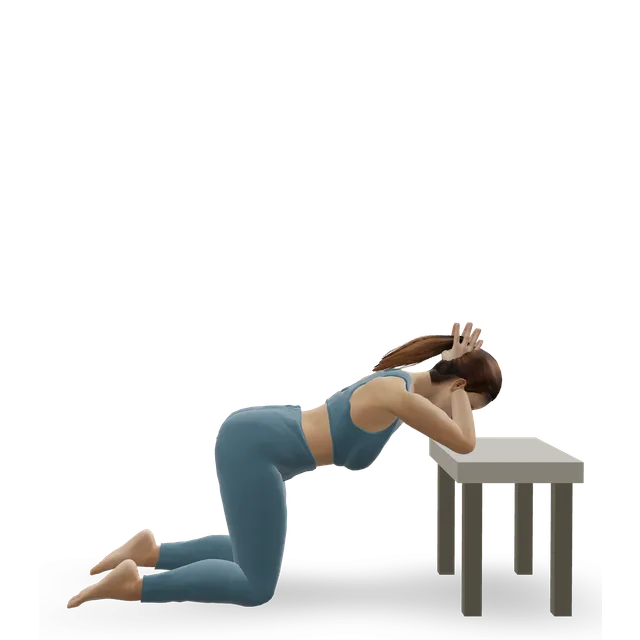
  2. Wrists: 60 seconds of wrist circles and palm turns, then 10 gentle rocks on all fours with your fingers pointing forwards, sideways and back.
  3. Shoulders: 3 slow arm circles each side, 15 band pull-aparts and 10 shoulder-blade push-ups.
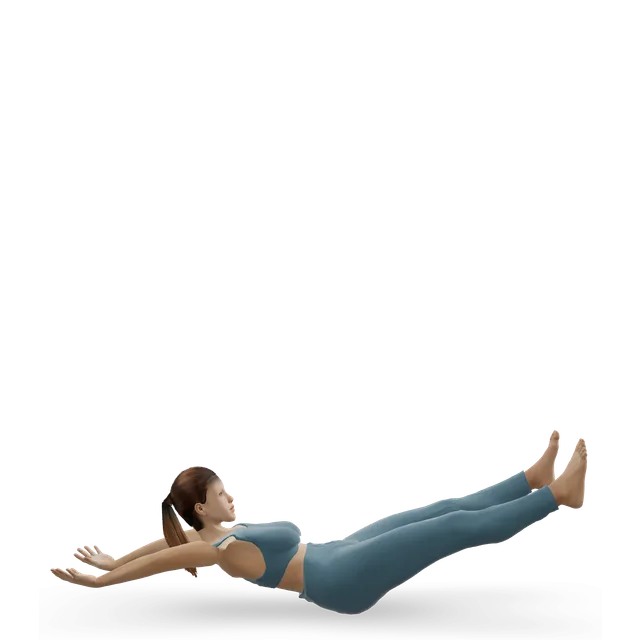
  4. Spine and trunk: 6 slow cat-cows, then a hollow hold and a gentle arch on your front, 2 of 15 seconds each.
  5. Hips: 8 leg swings each way on each leg, then a kneeling hip flexor stretch and a straddle, 15 to 30 seconds each, never pushed.
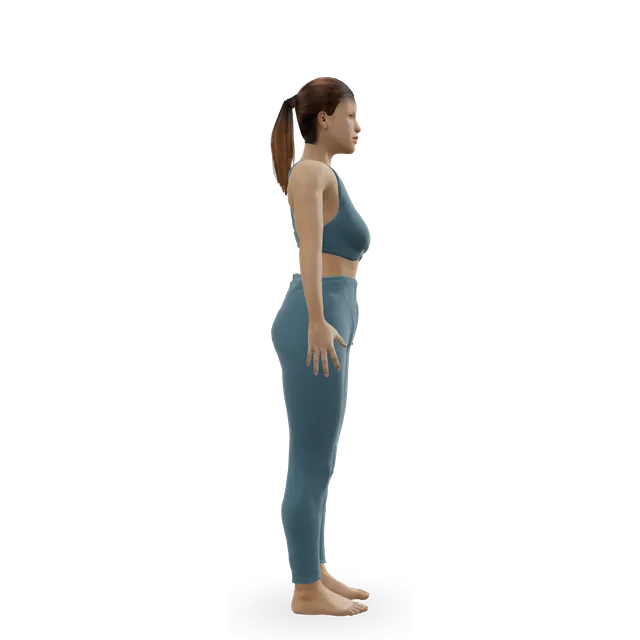
  6. Landings: 2 sets of 20 ankle bounces, 2 sets of 5 snapdowns to a quiet landing, and 3 hop-and-stick landings on each leg, holding each for 2 seconds.
  7. Jumps and balance: 2 sets of 3 tuck jumps with soft landings, then flyers balance on one leg in a liberty position, 2 of 20 seconds each leg.
  8. Stunts from the ground up: prep level before extensions, with the coach and every required spotter in place, on a suitable surface.

Loading the 3D figure…

Gets into position, then repeats the movement. Technical checks passed; qualified exercise review is pending.

The movement on the figure: Snapdown to athletic landing

Moves for cheerleading

The warm-up's wrist, trunk and landing work, and the strength workout's main lifts. Each has a 3D demo.

Workouts

The first two are new: a strength and landing workout and a 15-minute warm-up. The gymnastics workouts share cheer's wrists, shoulders, landings and flexibility; the others add technique for the lifts, jumps, ankles, the pelvic floor and light exercise after a concussion.

Strength and landing workout for cheerleaders: legs, shoulders, trunk, wrists and landings

A 50-minute cheer strength session: landings and tuck jumps, power cleans, front squats, split squats, hip thrusts, presses, rows, wrist work and trunk holds.

50 minIntermediate21 movesA barbell, A bench or box

Cheerleading warm-up: wrists, shoulders, spine, hips and landings before stunting

A 15-minute cheer warm-up: skips, wrist rocks, shoulder circles, hollow and arch holds, leg swings, straddle holds, landings, tuck jumps and flyer balance.

15 minBeginner19 movesA band, A wall

Gymnastics conditioning workout: jumps, landings, wrists, shoulders and trunk

A gymnastics conditioning session: jumps from the youth vault trial, landings, wrist and shoulder strength, wall handstands, and hollow and arch holds.

45 minIntermediate22 movesOther / check instructions, A step

Gymnastics warm-up: wrists, shoulders, spine, hips and landings

A gymnastics warm-up: skips, wrist circles and rocks, shoulder work, cat-cow, hollow and arch holds, leg swings, short splits holds and landings.

15 minBeginner18 movesA band, A wall

Wrist and forearm routine

Wrist mobility and forearm strength for desk work, climbing, push-ups and handstands.

10 minBeginner7 movesA wall, A dumbbell

Shoulder mobility and stability routine (with a band)

A 25-minute band routine for healthy shoulders: move the shoulder and upper back through their range, then strengthen the rotator cuff and shoulder blades.

25 minBeginner12 movesA wall, A band

Splits stretching routine

Front-split and middle-split days: hip flexor, hamstring and inner-thigh stretches, then strength in the stretched position. Alternate them 3 to 4 times a week.

25 minIntermediate16 movesA wall, An anchor point

Knee control warm-up

A 20-minute warm-up that trains your knees to track over your toes: side-hip strength, squats and lunges with alignment practice, balance and quiet landings.

20 minBeginner10 movesA wall, A band

Plyometric workout

An advanced jump training session: pogo hops, box jumps, split squat jumps, broad jumps and depth jumps.

30 minAdvanced8 movesA bench or box, A step

Vertical jump workout: landings, jumps and strength

A staged jump session for 8 weeks: landings and small jumps, then box and broad jumps, then depth jumps, each followed by squats, hinges and calf work.

40 minIntermediate16 movesA step, A bench or box

Foot and ankle strengthening routine: toes, arches, calves and balance

A 15-minute barefoot routine for stronger toes, arches, calves and ankles, finishing with balance. You need only a towel, a wall and a resistance band.

15 minBeginner11 movesA wall, Other / check instructions

Learn the power clean: from the hang to the floor

A 40-minute technique session for the power clean: the rack and hang positions, the jump and the turnover, light hang power cleans, then cleans from the floor.

40 minIntermediate14 movesCardio machine, A wall

Front squat technique workout: the rack, the grip and the depth

A 30-minute practice session for the front squat: loosen your wrists and upper back, groove an upright squat, then find your grip and depth with a light bar.

30 minBeginner12 movesA wall, A bench or box

Daily pelvic floor workout

A 5-minute daily pelvic floor workout for women and men: slow holds and quick squeezes, three times a day, with how to find the right muscles.

5 minBeginner2 movesNo equipment

Light exercise after a concussion: the stage 3 session

A 20-minute light session after a concussion: a symptom check, 10 to 15 minutes of easy cycling or walking, gentle bodyweight moves and a cool-down.

20 minBeginner8 movesCardio machine, A bench or box

Plans

Two or three strength sessions a week fit the off-season; drop to one or two in season.

Who should check first

Everyone: seven questions

The PAR-Q+ (Physical Activity Readiness Questionnaire for Everyone) asks about a heart condition or high blood pressure, chest pain, dizziness or losing consciousness, other long-term conditions and their medicines, a bone or joint problem that activity could make worse, and being told to exercise only under supervision. If you answer yes to any, check with your doctor or a qualified exercise professional first, and delay if you're ill.

Source 61

After a concussion

Concussion is cheer's commonest single injury, a previous concussion went with more concussions across school sports, and symptoms can be missed. No stunting, tumbling or tosses until your rules' return is complete: the UK guidelines in England, or USA Cheer's six phases and clearance. Our concussion guide has the stages.

Sources 31, 62, 39, 10, 12

Young tumblers with wrist pain that lasts

Wrist pain that lasts or keeps coming back needs checking. Our gymnast's wrist guide explains how to cut the load on the hands while it settles.

Sources 33, 19, 29

Back pain, especially when arching

Back pain that lasts more than a couple of weeks, or is worse arching backwards, needs checking (our suggestion): see our back pain and spondylolisthesis guides.

Sources 28, 30

After an ankle sprain

Ankle sprains are cheer's commonest injury and the most often repeated in stunting. Braces cut repeat sprains in trials in other sports. Use our sprained ankle guide, and wear a brace for practice.

Sources 9, 2, 49

Eating too little, missed periods, or told to lose weight

Talk to your GP, and to someone you trust or the club's welfare officer about comments on weight. Our eating disorders and menstrual cycle guides have more. Nobody needs to change their weight to cheer.

Sources 15, 16, 45

Leaking when jumping or tumbling

It's common and treatable: see a pelvic health physiotherapist, and our pelvic floor guide.

Source 60

People with epilepsy

Our epilepsy guide puts gymnastics in the International League Against Epilepsy's group 2. Stunting isn't named, and a seizure while basing or flying could injure a teammate too, so agree a role with your neurologist (our reading).

Pregnant

The NHS advises against sports with a risk of falling or bumping your tummy. Leave out stunting, tumbling and tosses (our suggestion), talk to your midwife or GP, and see our pregnancy guide.

Source 63

Fainting or chest pain

The NHS advises seeing a GP if you've fainted, and calling 999 if you faint while exercising; the PAR-Q+ asks you to check first if you get chest pain or dizziness. Do that before you train.

Sources 64, 65, 61

Children under 7

The ICU doesn't recommend competition for children aged 6 and under, only practice and exhibitions. Look for a club whose coaches hold safety and spotting qualifications.

Sources 51, 9

When to stop and get help

A fall with neck pain, numbness or weakness

Don't move them, and call 999. The NHS says to call 999 for new numbness or weakness in any part of the body after a head injury, or back pain with pain, tingling, weakness or numbness in both legs, or after a serious accident. Under the UK guidelines, only healthcare professionals with the right training should move someone with a suspected neck injury.

Sources 66, 67, 11

A head injury: call 999

The NHS says to call 999 if someone has hit their head and:

  • Has been knocked out and hasn't woken up, or can't stay awake or keep their eyes open.
  • Has a fit (seizure), or has fallen from a height of more than 1 metre.
  • Has problems with their vision or hearing, or clear fluid coming from their ears or nose.
  • Has new numbness or weakness in any part of their body, or problems with walking, balance, understanding, speaking or writing.
  • Has a dent in their head, or their behaviour has changed, such as being more irritable or distracted.

Source 66

Suspected concussion

Stop: if in doubt, sit them out. No more cheer that day, and an assessment within 24 hours by a healthcare professional or NHS 111. Contact NHS 111 straight away if they're being sick, feel dizzy or take medicine that thins the blood.

Sources 11, 12, 66

Wrists and arms

Go to A&E (accident and emergency) or call 999 if the wrist or arm is numb, tingling or has pins and needles, a bone is sticking out, there's a bad cut that's bleeding heavily, or it has changed colour or shape or is at an odd angle. Get help from NHS 111 if it's very painful, very swollen or bruised, or stiff and hard to move.

Source 68

Ankles and knees

Call 999 or go to A&E if you heard a crack, the joint has changed shape or points at an odd angle, it's numb or tingling, or the skin is blue, grey or cold. Get help from NHS 111 if it's very painful, very swollen, or you can't put weight on it or walk more than a few steps.

Source 69

Shoulders

Go to A&E if you can't move your arm, or the shoulder looks out of place or has changed shape.

Source 70

Teeth, noses and cuts

A chipped or broken tooth needs a dentist: keep any piece in milk or saliva. Call 999 or go to A&E for a nosebleed that won't stop, clear, watery fluid from the nose, a cut that won't stop bleeding, or a bad cut on the face.

Sources 71, 72, 73

Fainting or chest pain: call 999

Call 999 if someone faints while exercising, or has chest pain that doesn't go away, spreads to the arms, neck, jaw, stomach or back, or comes with sweating, feeling sick, light-headedness or breathlessness.

Sources 64, 65

Heat at outdoor camps and games

Heat illness is rare in cheer, but heat exhaustion needs a cool place, fluids and cooling. Call 999 if someone is still unwell after 30 minutes of rest, cooling and fluids, or has a very high temperature, hot skin that isn't sweating, a fast heartbeat or breathing, confusion, a fit or loss of consciousness.

Sources 74, 75

Myths

"Cheerleading is just dancing and shouting, so it isn't risky"Emerging evidence

Its overall injury rate is lower than in most US high-school sports, but concussion is the commonest diagnosis, and cheerleading has had more catastrophic head and neck injuries than any US school or college sport outside American football.

Sources 31, 3

"Cheerleading is more dangerous than American football"Mixed evidence

It depends on the measure. Cheer's overall injury and concussion rates are lower than football's, while its count of catastrophic injuries is high, and fair comparisons per participant aren't possible because nobody knows reliably how many people cheer.

Sources 31, 62, 3

"Mats make stunts safe"Emerging evidence

Most of the most serious falls in one study happened on turf, grass, foam or wood floors, and in laboratory tests only spring floors and landing mats over foam protected at two-level heights. Mats help; the rules still require trained spotters, qualified coaches and skills learned in order.

Sources 44, 43, 8, 6

"Flyers get hurt; bases are safe"Emerging evidence

Bases and spotters took a third of stunt injuries and had more low back strains, while flyers had most catastrophic injuries. Every role carries risk.

Sources 2, 28, 4

"You need to be very light to fly, so eat less"Emerging evidence

No study links a flyer's weight with safety. Eating too little for the training was found in every college cheerleader in one study, and about a third of cheerleaders screened at risk of an eating disorder. The AAP advises against language that suggests a body type.

Sources 15, 16, 17, 45

"Lifting weights will slow cheerleaders down"Emerging evidence

In the one cheer strength study, elite college athletes raised their power clean by 17.7% and front squat by 14.0% in 16 weeks, with no change in body weight. Across sports, strength training cut injuries to about a third.

Sources 13, 14

"Stretching before practice prevents injuries"Strong evidence

Stretching programmes didn't prevent sports injuries across 25 trials, while strength training did. Short stretches in a warm-up are fine for range (our warm-up guide).

Source 14

"Cheer concussions are mild because there's no tackling"Emerging evidence

Nearly all cheer concussions came from stunts, emergency visits for concussion rose while other cheer injuries fell, and over a third of concussed cheerleaders who reported no symptoms still had abnormal test scores.

Sources 2, 34, 39

Questions people ask

What are the best exercises for cheerleading?

Lifts that build strength and power for lifting and catching, such as front squats, split squats, hip thrusts, presses and rows, with power cleans once a coach has taught you, plus landing practice, trunk work and wrist strength. In the one cheer strength study, a 16-week programme built on these lifts raised front squat by 14% and power clean by 18%. Our strength and landing workout puts them together.

How should flyers and bases train differently?

Bases need leg, back and pressing strength to lift and hold a flyer, and core strength went with higher basket tosses. Flyers need a tight trunk, balance and good landings, because a flyer's own landing skill set the force of a dismount. Both benefit from strength training; no study has tested a programme for flyers alone.

Is cheerleading dangerous?

Its overall injury rate is lower than in most US high-school sports, but falls from stunts can be catastrophic, and cheer has had more catastrophic head and neck injuries than any school sport outside American football. Safety rules on surfaces, spotting and tosses have cut the most serious injuries.

What are the most common cheerleading injuries?

Ankle sprains, then wrist and hand, low back and knee injuries; concussion is the commonest single diagnosis in US high-school cheer. Most injuries happen in practice and during stunts.

What surfaces are safe for stunting and tumbling?

Cheer's governing bodies ban stunts, pyramids, tosses and tumbling on concrete, asphalt, wet or uneven surfaces. USA Cheer's college rules allow basket tosses, flips and the highest pyramids only on a mat, grass or rubberised track. In laboratory tests, spring floors and landing mats over foam gave the most protection.

How high can a cheerleading pyramid go?

It depends on your rules. The American Academy of Pediatrics recommends pyramids no higher than two people, with spotters always present, while USA Cheer's college rules allow up to two and a half body lengths, with two spotters for each person above two high. Competition rules set limits by level.

What happens after a concussion in cheerleading?

In England, SportCheer England supports the UK guidelines: off at once, assessed within 24 hours, a graduated return, and no competition before day 21. Under USA Cheer's guidelines, a healthcare provider must clear the athlete, and stunting comes back last, starting with chest-level stunts and an extra spotter.

How can I improve my cheer jumps?

No study has tested jump training in cheerleaders. In young gymnasts, two extra jump sessions a week for 6 weeks raised jump height, and leg strength and flexibility you can control both help. Our jump and splits guides explain how to build them.

Why do my wrists hurt from tumbling?

Tumbling puts your body weight through your hands, as in gymnastics, and wrist and hand injuries are common in cheer. Ease off skills on your hands while it settles, and get wrist pain that lasts or keeps coming back checked. Our gymnast's wrist guide explains what to do.

What age can children start cheerleading?

Children can start in recreational classes, but the International Cheer Union doesn't recommend competition for children aged 6 and under, and UK competitions use an age grid. Look for qualified coaches: in one study, squads with the best-qualified coaches had about half the injuries.


Sources

  1. Shields 2009 · Cheerleading-related injuries in the United States: a prospective surveillance study (J Athl Train)
  2. Shields 2009 · Epidemiology of cheerleading stunt-related injuries in the United States (J Athl Train)
  3. Meyer 2026 · The Epidemiology of Catastrophic Head and Neck Injuries in High School and College Non-Football Sports: A 4-Decade Review (Orthop J Sports Med)
  4. Yau 2019 · Catastrophic High School and Collegiate Cheerleading Injuries in the United States: An Examination of the 2006-2007 Basket Toss Rule Change (Sports Health)
  5. Litvak 2026 · Pediatric Cheerleading-Related Head Injuries and the "Double Down" Rule Change (Pediatrics)
  6. International Cheer Union (ICU) 2026 · Sport of cheer rules and guidelines: cheerleading, 2027
  7. International All Star Federation (IASF) 2025 · Cheer rules 2025 to 2028 (updated 16 July 2025)
  8. USA Cheer 2026 · College cheer rules 2026-27 (published 26 May 2026)
  9. Schulz 2004 · A prospective cohort study of injury incidence and risk factors in North Carolina high school competitive cheerleaders (Am J Sports Med)
  10. SportCheer England 2023 · Statement in response to the UK Government's new all-sport concussion guideline (3 May 2023)
  11. UK Government and Sport and Recreation Alliance 2024 · UK concussion guidelines for non-elite (grassroots) sport, November 2024 update
  12. USA Cheer 2022 · Guidelines for the medical management of concussions as applied to spirit programs (version dated 19 May 2022)
  13. Takei 2026 · The Effects of a 16-Week Periodized Resistance Training Program on the Strength, Power, and Body Composition of Elite Collegiate Cheerleaders (Sports (Basel))
  14. Lauersen 2014 · The effectiveness of exercise interventions to prevent sports injuries: a systematic review and meta-analysis of randomised controlled trials (Br J Sports Med)
  15. Smith 2022 · Examination of the Prevalence of Female Athlete Triad Components among Competitive Cheerleaders (Int J Environ Res Public Health)
  16. Smith 2022 · Investigation of Eating Disorder Risk and Body Image Dissatisfaction among Female Competitive Cheerleaders (Int J Environ Res Public Health)
  17. Torres-McGehee 2012 · Eating disorder risk and the role of clothing in collegiate cheerleaders' body images (J Athl Train)
  18. Riddell 2025 · Physiological Responses of Elite Cheerleaders During Training and Simulated Competition Routines (Int J Sports Physiol Perform)
  19. Jacobson 2005 · An assessment of injuries in college cheerleading: distribution, frequency, and associated factors (Br J Sports Med)
  20. Compendium of Physical Activities 2024 · Sports: MET values (adult compendium)
  21. Qin 2025 · Relationship between height of cheer basket toss and specific physical ability of bases from a kinematic perspective (Sci Rep)
  22. Müller 2024 · Individual factors determine landing impacts in rested and fatigued cheerleaders (Front Sports Act Living)
  23. Nguyen 2025 · The Effects of Cheerleading Surfaces on Ankle Landing Characteristics During Vertical and Flip Landings (J Appl Biomech)
  24. Thomas 2004 · Physiologic profile of the fitness status of collegiate cheerleaders (J Strength Cond Res)
  25. Gavanda 2023 · Assessment of fatigue and recovery in elite cheerleaders prior to and during the ICU World Championships (Front Sports Act Living)
  26. Wang 2022 · Effects of cheerleading practice on advanced glycation end products, areal bone mineral density, and physical fitness in female adolescents (Front Physiol)
  27. Pashkova 2022 · Interscholastic Athletics and Bone Strength: The Iowa Bone Development Study (J Strength Cond Res)
  28. Shields 2011 · Epidemiology of strain/sprain injuries among cheerleaders in the United States (Am J Emerg Med)
  29. Chawla 2015 · Nonspecific wrist pain in gymnasts and cheerleaders (Clin Sports Med)
  30. Ruff 2019 · Neural Arch Bone Marrow Edema and Spondylolysis in Adolescent Cheerleaders: A Case Series (J Chiropr Med)
  31. Currie 2016 · Cheerleading Injuries in United States High Schools (Pediatrics)
  32. Haymes 2026 · Epidemiology and associated risk factors for injuries in collegiate cheerleading: a systematic review (Front Sports Act Living)
  33. Jacobson 2004 · An assessment of high school cheerleading: injury distribution, frequency, and associated factors (J Orthop Sports Phys Ther)
  34. Xu 2021 · Progress in Cheerleading Safety: Update on the Epidemiology of Cheerleading Injuries Presenting to US Emergency Departments, 2010-2019 (Orthop J Sports Med)
  35. Jacobson 2012 · Epidemiology of cheerleading injuries presenting to NEISS hospitals from 2002 to 2007 (J Trauma Acute Care Surg)
  36. Boden 2003 · Catastrophic cheerleading injuries (Am J Sports Med)
  37. National Center for Catastrophic Sport Injury Research 2026 · Catastrophic sports injury research: forty-third annual report, fall 1982 to spring 2025 (final, 15 September 2026)
  38. Croteau 2026 · Head impacts in university-level varsity cheerleading athletes: an exploratory study (Front Sports Act Living)
  39. Lovell 2013 · Neurocognitive test performance and symptom reporting in cheerleaders with concussions (J Pediatr)
  40. Hardy 2015 · Neck and spine injuries in Canadian cheerleaders: An increasing trend (J Pediatr Surg)
  41. Barrett 2025 · Craniofacial Trauma in Cheerleading: National Trends and Injury Patterns Among Youth Athletes (2014-2023) (J Craniofac Surg)
  42. Zhang 2026 · A global evaluation of cheerleading injuries and risk factors: a systematic review and meta-analysis (J Sports Med Phys Fitness)
  43. Shields 2009 · The potential for brain injury on selected surfaces used by cheerleaders (J Athl Train)
  44. Shields 2009 · Epidemiology of cheerleading fall-related injuries in the United States (J Athl Train)
  45. Canty and King, HealthyChildren.org (American Academy of Pediatrics) 2024 · Cheerleading safety: how to prevent common injuries
  46. Laudner 2013 · Anterior glenohumeral laxity and stiffness after a shoulder-strengthening program in collegiate cheerleaders (J Athl Train)
  47. Webster 2018 · Meta-analysis of meta-analyses of anterior cruciate ligament injury reduction training programs (J Orthop Res)
  48. McGuine 2011 · The effect of lace-up ankle braces on injury rates in high school basketball players (Am J Sports Med)
  49. Barelds 2018 · Ankle Bracing is Effective for Primary and Secondary Prevention of Acute Ankle Injuries in Athletes: A Systematic Review and Meta-Analyses (Sports Med)
  50. Mayer 2026 · Injury Patterns and Trends in US Cheerleading: A Systematic Review of an Understudied Sport (Clin J Sport Med)
  51. International Cheer Union (ICU) 2026 · Age grid 2027
  52. SportCheer England · About SportCheer England
  53. USA Cheer · Cheerleading rules and recommendations
  54. British Cheerleading Association (BCA Cheer and Dance) · Age grid, rules and scoring
  55. British Cheerleading Association (BCA Cheer and Dance) 2026 · Competition guidelines (updated 1 January 2026)
  56. USA Cheer 2026 · USA Cheer and NFHS announce updated cheerleading rules for the 2026-27 school year (17 March 2026)
  57. Canty 2024 · Safety in Cheerleading: Epidemiology and Recommendations: Policy Statement (Pediatrics)
  58. American Academy of Pediatrics 2024 · American Academy of Pediatrics recommends safety protections for cheerleaders (news release, 21 October 2024)
  59. Lundqvist 2024 · Prevalence of harassment, abuse, and mental health among current and retired senior Swedish cheerleaders (J Sports Sci)
  60. Skaug 2022 · Urinary and anal incontinence among female gymnasts and cheerleaders-bother and associated factors. A cross-sectional study (Int Urogynecol J)
  61. PAR-Q+ Collaboration 2025 · The Physical Activity Readiness Questionnaire for Everyone (PAR-Q+)

  62. Schulz 2004 · Incidence and risk factors for concussion in high school athletes, North Carolina, 1996-1999 (Am J Epidemiol)
  63. NHS · Exercise in pregnancy
  64. NHS · Fainting
  65. NHS · Chest pain
  66. NHS · Head injury and concussion
  67. NHS · Back pain
  68. NHS · Broken arm or wrist
  69. NHS · Sprains and strains
  70. NHS · Dislocated shoulder
  71. NHS · Chipped, broken or cracked tooth
  72. NHS · Broken nose
  73. NHS · Cuts and grazes
  74. Gamage 2020 · Epidemiology of exertional heat illnesses in organised sports: A systematic review (J Sci Med Sport)
  75. NHS · Heat exhaustion and heatstroke

Exercise education for people who play sport, not a personal prescription or a diagnosis, and clinical review of these pages is pending. Check with a GP or physiotherapist before hard training if you have a heart condition, chest pain, dizziness or an injury that isn't settling, and stop for sharp or increasing pain. Health disclaimer.