After a shoulder dislocation, and shoulders that slip: rehab exercises and the real risk of it happening again
Traumatic instability: the ball comes out of the socket, almost always forwards, after a fall or a forceful twist. Afterwards the shoulder is less stable and more likely to slip again, especially in active young adults. Atraumatic instability: a shoulder that slips, clunks or gives way without a significant injury, often in people with very flexible joints.
After a first dislocation, don't keep the arm strapped up for weeks: start gentle movement within about a week as your clinic advises, then rebuild strength over 1 to 3 months. Physiotherapy is the usual route; if you are young and play a collision or overhead sport, ask about surgery, because it cuts the chance of it happening again.
Exercise is for pain that has been checked or is clearly mild and settling.
Get urgent medical help if
Call 999 or go to A&E: after a fall or injury, your shoulder looks out of place or has changed shape, or you cannot move your arm. Do not drive yourself, and do not try to put it back in yourself.
Same day (GP or NHS 111): sudden weakness lifting the arm after an injury or fall. A rotator cuff tear caused by an injury needs urgent referral to a shoulder specialist. After a dislocation in anyone over 40, the rotator cuff should be checked: about 40% have a tear.
Same day (GP or NHS 111): sudden or very bad shoulder pain; you cannot move your arm; the arm or shoulder is badly swollen or has changed shape; pins and needles that do not go away; no feeling in the arm; the arm is hot or cold to the touch; pain that started after an injury such as a fall; or severe pain in both shoulders.
Same day (GP or NHS 111): the shoulder or arm is hot, swollen or red, or you have a high temperature or feel unwell. A joint infection needs same-day care.
Call 999: shoulder or arm pain with chest pain that feels tight or squeezing, or chest pain that spreads to your arms, neck or jaw, especially with shortness of breath, sweating or feeling sick. It could be a heart attack.
See a doctor or physiotherapist if
Your shoulder has partly or fully come out of joint, or you worry it might.
Pins and needles or a cold arm alongside neck pain, or a new loss of strength or feeling in the arm that you cannot explain (a possible nerve problem).
Pain that is getting worse or has not improved after 2 weeks of looking after it yourself, or it is very hard to move your arm. In many areas you can refer yourself to physiotherapy.
Understand it
The first weeksStrong evidence
Go to A&E for any suspected dislocation. After an X-ray, it is put back under sedation or a local anaesthetic. The NHS describes a sling for the first few weeks, a usual full recovery of 6 to 12 weeks, and up to 16 weeks before returning to some sports.
The UK care pathway adds that keeping the arm still for longer than about a week does not lower the chance of it happening again, and focuses on early movement, with physiotherapy usually for 4 to 12 weeks depending on progress. Follow your clinic's sling advice.
Your chance of it happening again, by ageStrong evidence
The UK care pathway gives the chance of dislocating again within 2 years of a first dislocation, by age at the first one. Almost 90% of repeat dislocations happen within those 2 years.
Men: about 86% at 15, 72% at 20, 56% at 25, 41% at 30 and 29% at 35.
Women: about 54% at 15, 40% at 20, 28% at 25, 19% at 30 and 13% at 35.
In a Swedish cohort followed for 25 years, people under 25 had a poorer outlook, with stabilising surgery needed in every second shoulder; across the cohort, about 6 in 10 shoulders showed some arthritis at 25 years (34% moderate to severe, 27% mild).
Over 40? Check the rotator cuff and the nerveStrong evidence
About 40% of people over 40 who dislocate a shoulder also tear the rotator cuff, so strength should be checked, with a scan if in doubt. Nerve injury, about two-thirds of it to the axillary nerve, shows up on examination in about 13.5%.
A longer or special sling doesn't lower the riskStrong evidence
The UK care pathway: the risk of it happening again is not reduced by keeping the arm still for more than 1 week; the focus is early movement. In a Swedish cohort followed for 25 years, early movement and 3 to 4 weeks of immobilisation gave the same long-term outcome. In a trial of 188 people, a brace holding the arm turned out did not lower the rate of repeat dislocation compared with a normal sling (30.8% vs 24.7%).
Early surgery after a first dislocation: for young, high-demand athletesEmerging evidence
In 40 people under 30, early keyhole stabilisation cut repeat dislocation at 2 years (15.9% vs 47%) and improved shoulder-specific quality of life. At about 6 years the difference in repeat dislocation held but general function scores were similar, and the authors reserve early surgery for young, high-level athletes in risky sports.
An older Cochrane review (5 trials, mostly men around 22) found limited evidence supporting early surgery for young, physically demanding people, and no evidence that non-surgical care should not remain the first choice for others.
Shoulders that slip without an injury: physiotherapy firstEmerging evidence
The UK care pathway says physiotherapy should always be the first (and second) line of treatment. Symptoms can take up to 6 months to settle, and if things are improving at 12 weeks a further 3 to 6 months is justified. It should include education and exercise for the rotator cuff, the shoulder-blade muscles and joint position sense.
In a trial of 41 people with multidirectional instability, 12 sessions of one structured programme (Watson) beat another (Rockwood) at 12 and 24 weeks. Use the stages below at a slower pace.
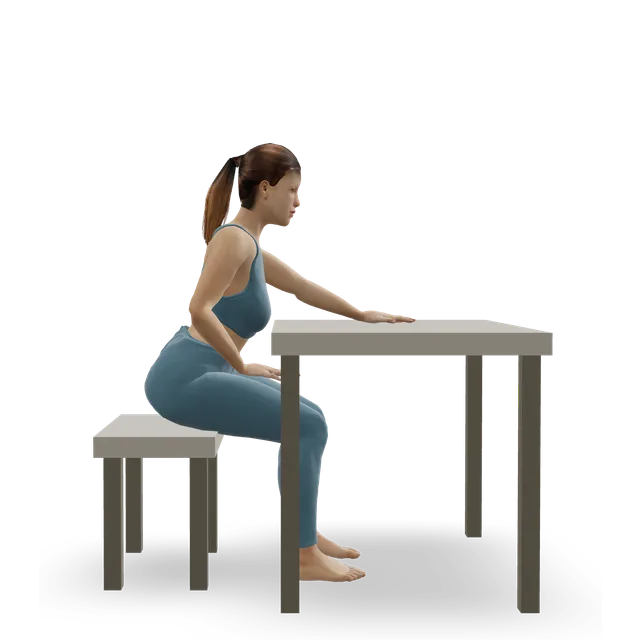
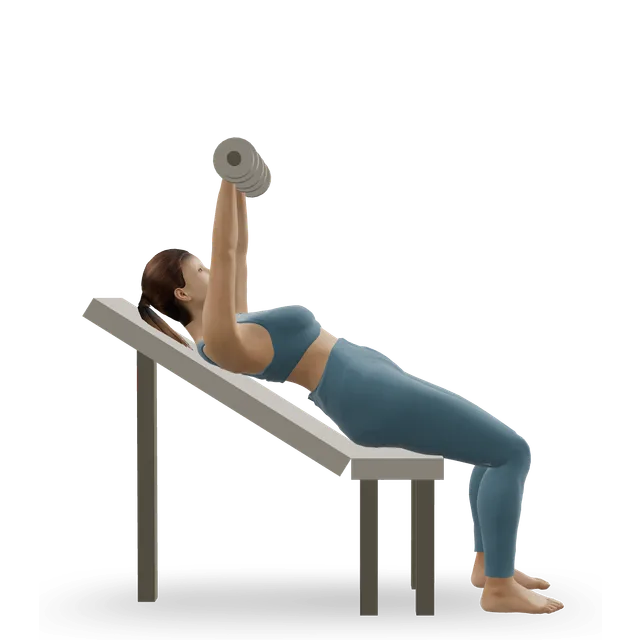
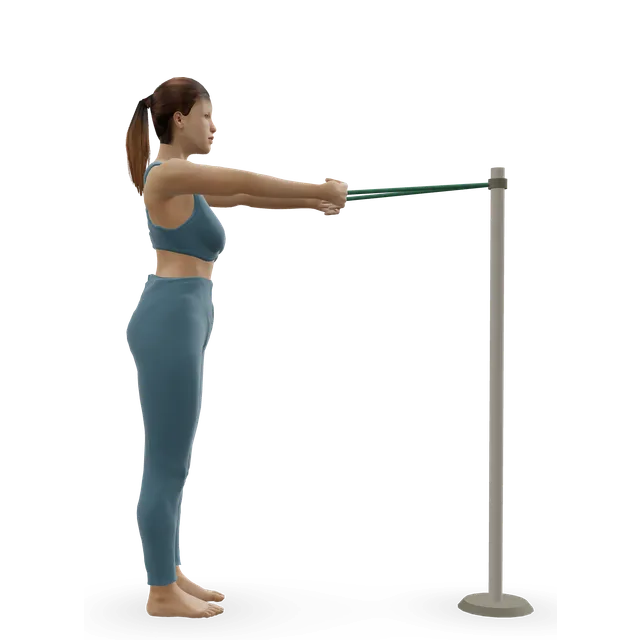
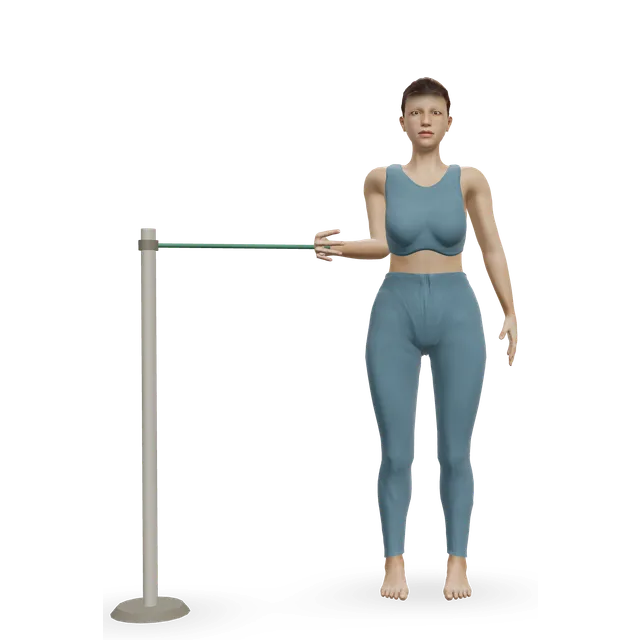
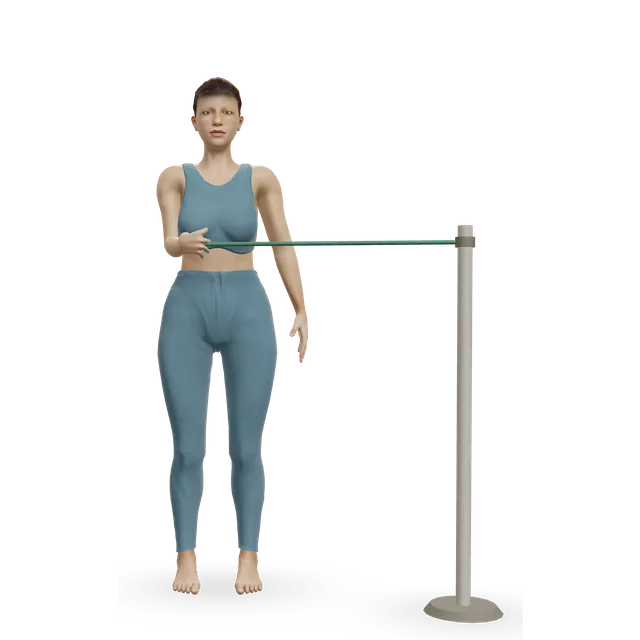
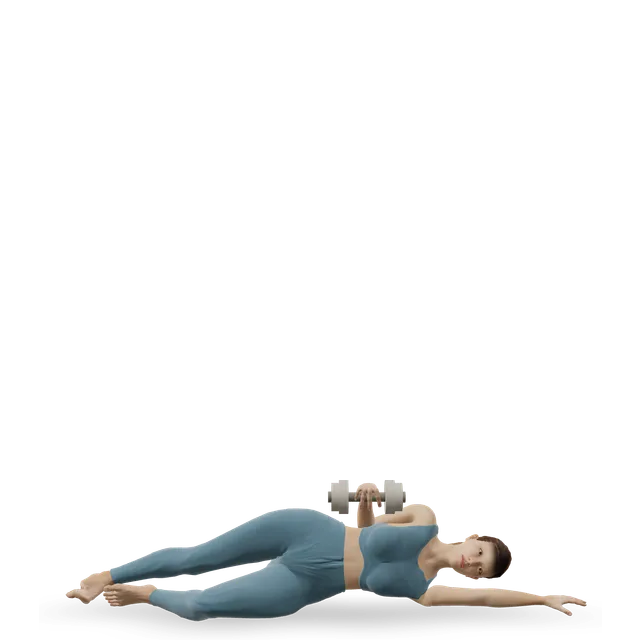
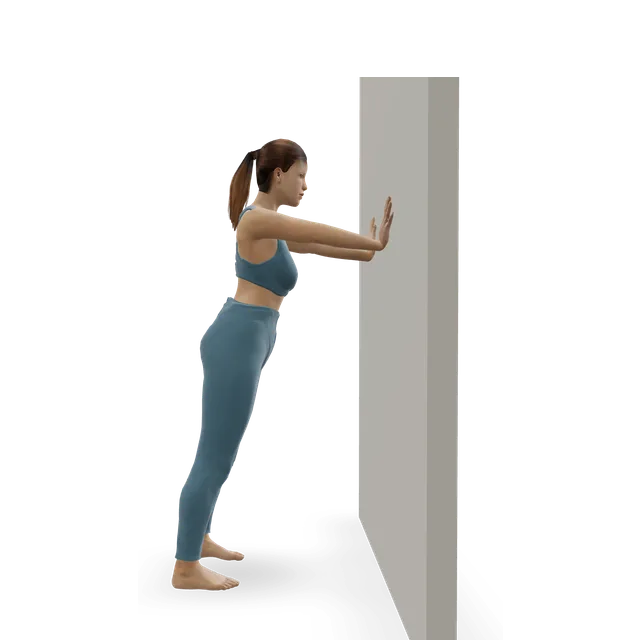
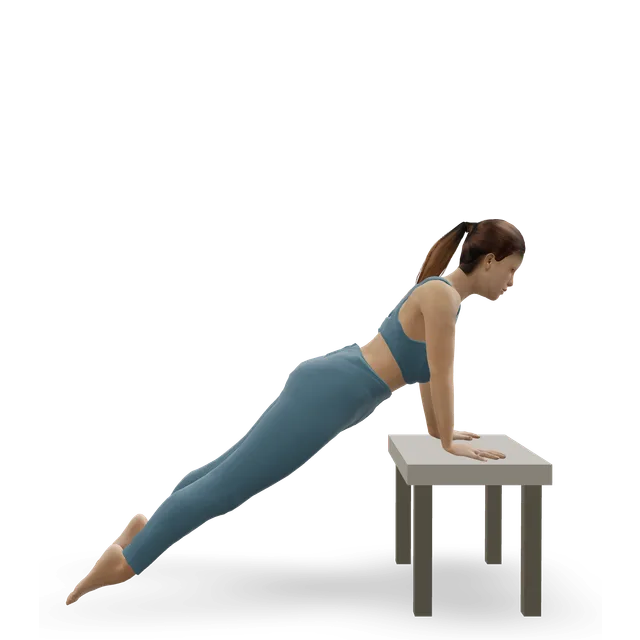
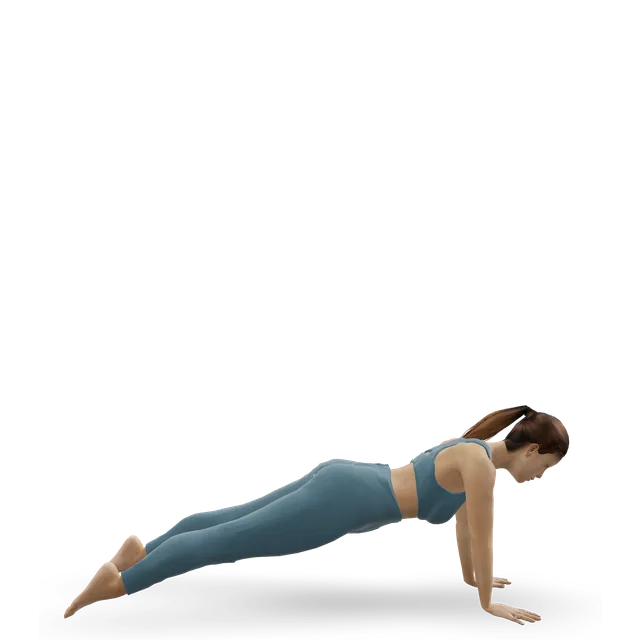
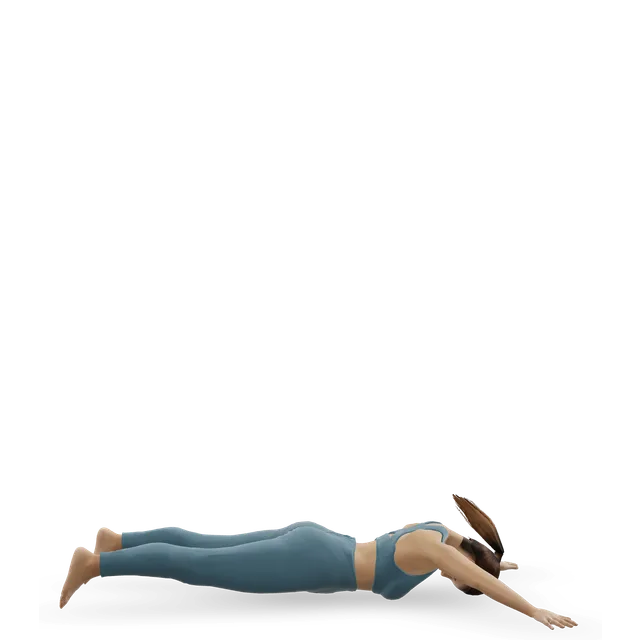
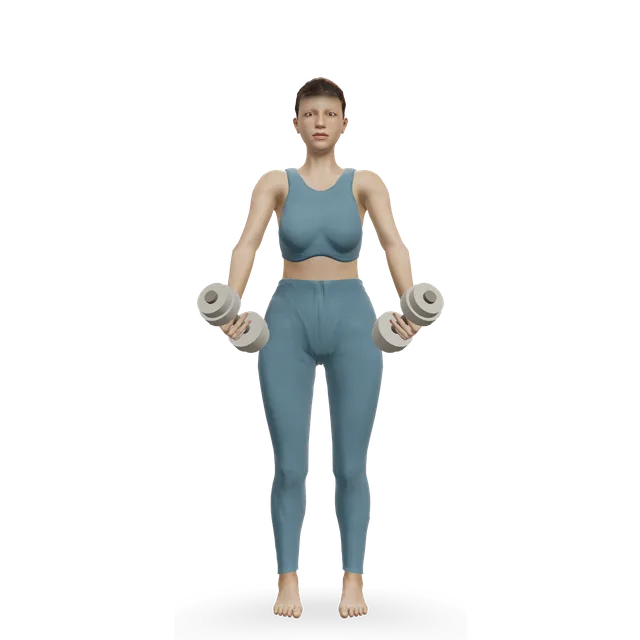
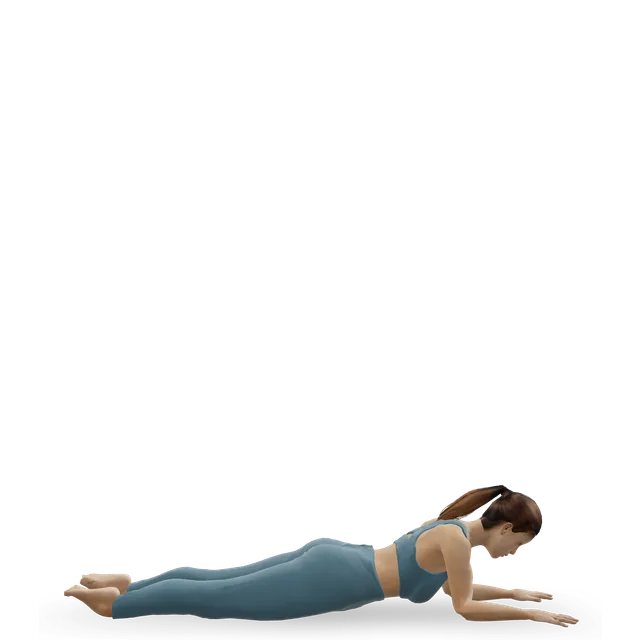
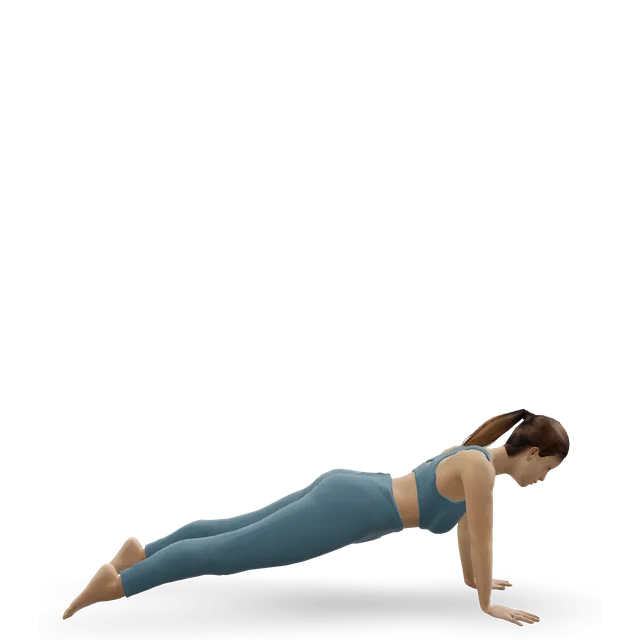
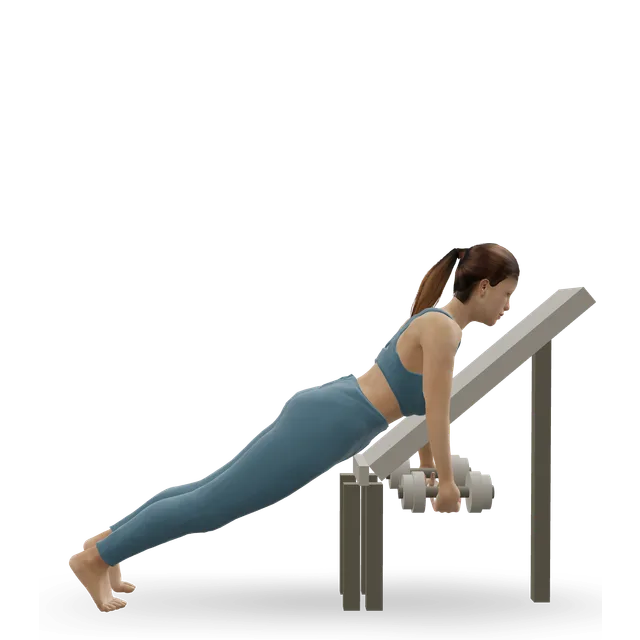
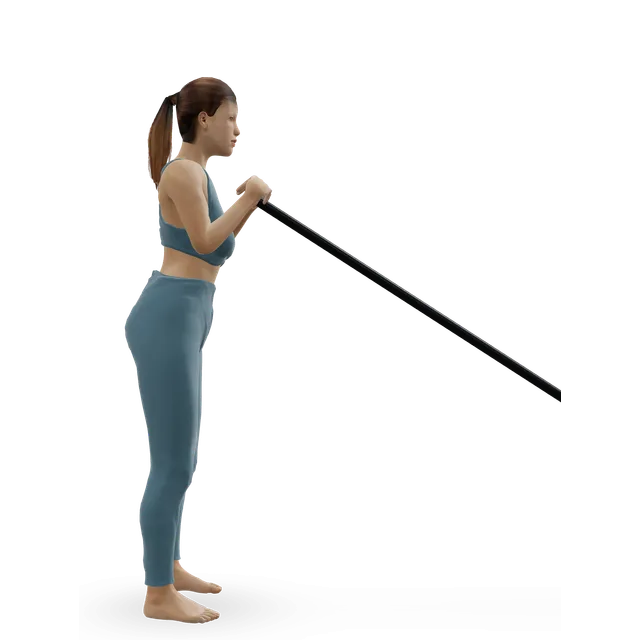
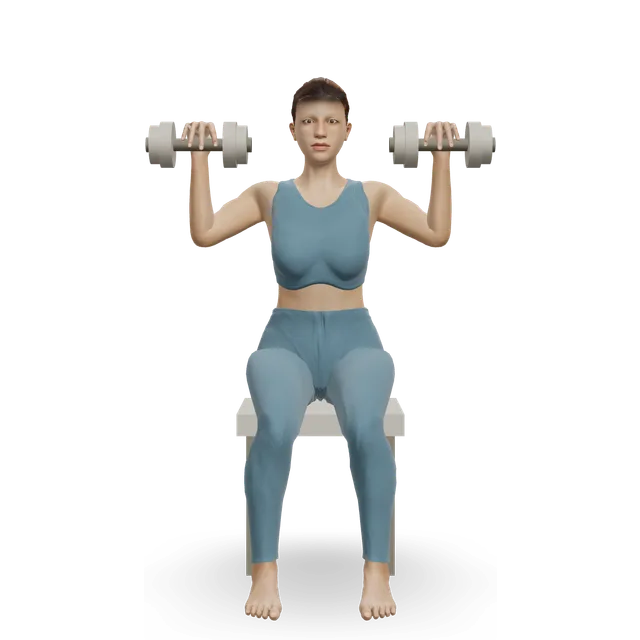
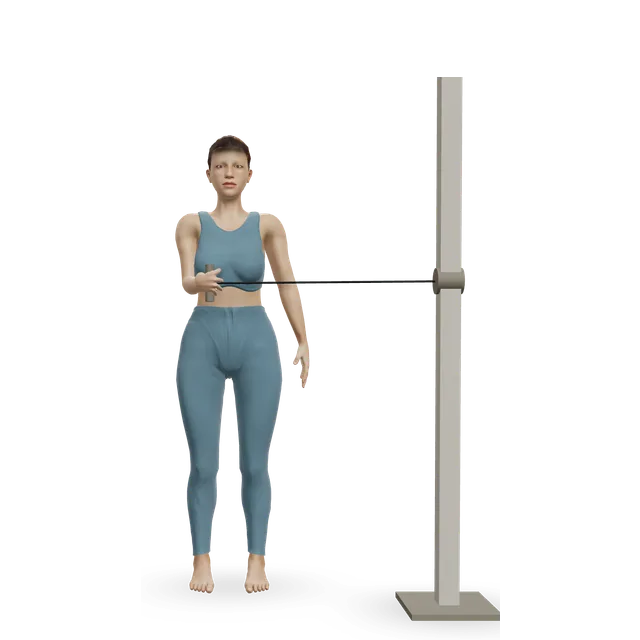
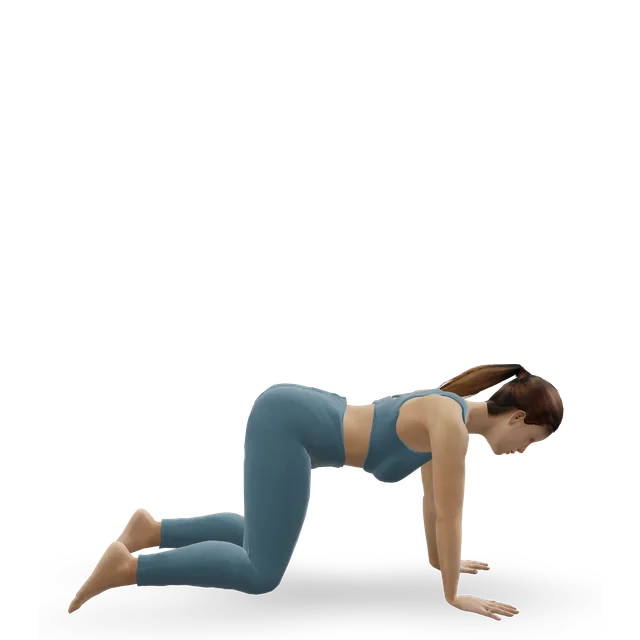
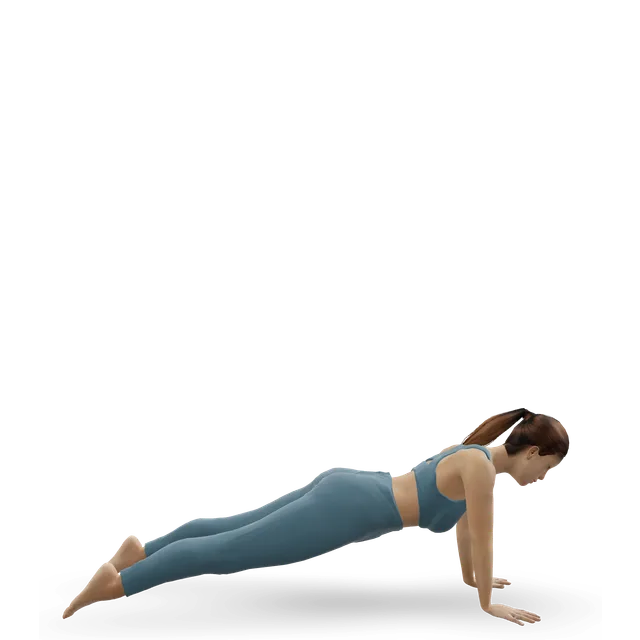
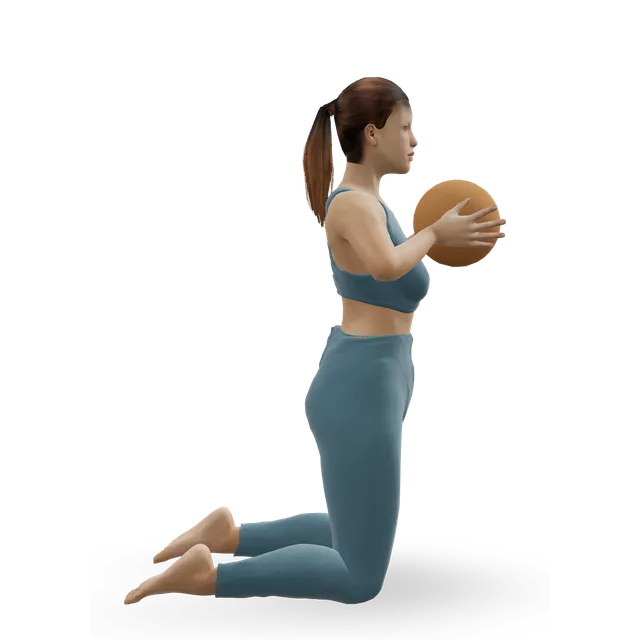
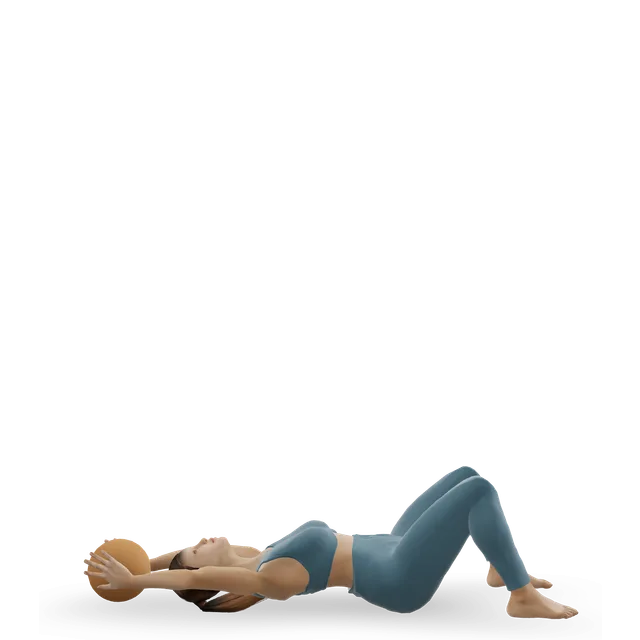
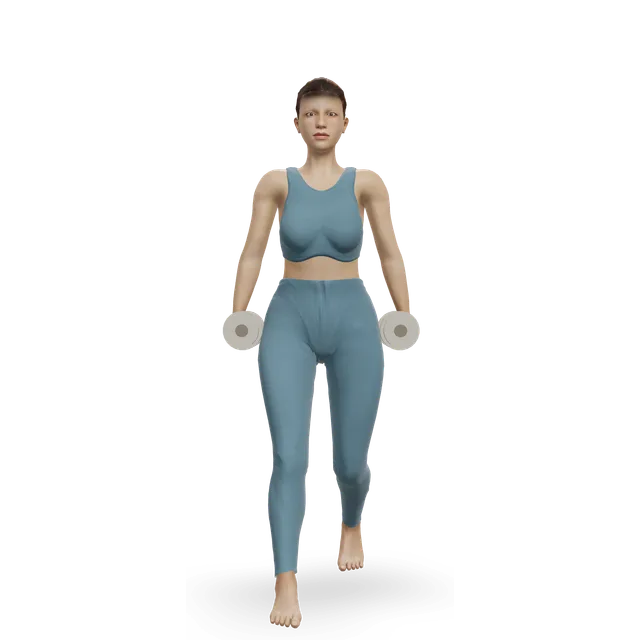
Start at the first stage. Each move opens a full guide with a 3D demo.
Stage 1
Settle: gentle movement and light strength
About weeks 0 to 2, once the shoulder has been put back and checked, with no fracture, nerve or cuff problem, and alongside your clinic's sling advice. Timings follow the care pathway's 4 to 12 week physiotherapy window; exercises and doses are editorial. After surgery, follow your surgeon's protocol instead.
Follow your clinic's advice. The NHS describes a sling for the first few weeks; the UK care pathway notes that keeping the arm still for longer than about a week does not lower the chance of it happening again, and focuses on early movement.
When can I go back to sport or the gym?
The NHS gives a usual recovery of 6 to 12 weeks, and up to 16 weeks before returning to some sports. Build back through the plan's last stage, which ends with sport-like moves, and agree the timing with your clinic. The sources used here do not cover driving; ask your clinic.
Will my shoulder dislocate again?
It depends most on your age and sex at the first dislocation. In the UK care pathway's figures, the chance of it happening again within 2 years is about 86% for a 15-year-old man, 41% at 30 and 29% at 35; for women it is about 54% at 15 and 13% at 35. Almost 90% of repeat dislocations happen within those 2 years.
Do I need surgery after a dislocation?
Not usually. Physiotherapy is the usual first route. In people under 30, early keyhole stabilisation cut repeat dislocations in small trials, so if you are young and play a collision or overhead sport, ask about it. A Cochrane review found no evidence that non-surgical care should not remain the first choice for others.
Is hypermobility the cause of my shoulder slipping?
Shoulders that slip without an injury are often seen in people with very flexible joints. Physiotherapy is the first and second line of treatment, with exercise for the rotator cuff, the shoulder-blade muscles and joint position sense, and symptoms can take up to 6 months to settle.
Exercise education, not a diagnosis or treatment plan. It is written from the guidelines and studies listed above; review by a clinician is pending. If your pain follows an injury, is severe, is getting worse, or comes with any warning sign listed on this page, get it assessed. Health disclaimer.