Rotator cuff tear: exercises without surgery, and when a tear needs a surgeon
A tear in one or more rotator cuff tendons, most often the supraspinatus on top of the shoulder. Acute tears follow an injury, such as a fall on an outstretched arm or a jerking lift; degenerative tears develop slowly with age and are the majority. Typical symptoms are pain at rest and at night, pain lifting and lowering the arm, weakness lifting or turning it, and sometimes crackling. Some tears cause weakness without pain.
If your tear came on gradually, exercise is the first treatment and most people do well without surgery. If it followed an injury and you suddenly cannot lift your arm, or you are younger with a repairable tear, see a shoulder specialist soon: some tears do better repaired early, and unrepaired tears can get bigger.
Exercise is for pain that has been checked or is clearly mild and settling.
Get urgent medical help if
Same day (GP or NHS 111): sudden weakness lifting the arm after an injury or fall. A rotator cuff tear caused by an injury needs urgent referral to a shoulder specialist. After a dislocation in anyone over 40, the rotator cuff should be checked: about 40% have a tear.
Call 999 or go to A&E: after a fall or injury, your shoulder looks out of place or has changed shape, or you cannot move your arm. Do not drive yourself, and do not try to put it back in yourself.
Call 999: shoulder or arm pain with chest pain that feels tight or squeezing, or chest pain that spreads to your arms, neck or jaw, especially with shortness of breath, sweating or feeling sick. It could be a heart attack.
Same day (GP or NHS 111): the shoulder or arm is hot, swollen or red, or you have a high temperature or feel unwell. A joint infection needs same-day care.
Same day (GP or NHS 111): sudden or very bad shoulder pain; you cannot move your arm; the arm or shoulder is badly swollen or has changed shape; pins and needles that do not go away; no feeling in the arm; the arm is hot or cold to the touch; pain that started after an injury such as a fall; or severe pain in both shoulders.
See a doctor or physiotherapist if
Pain that is getting worse or has not improved after 2 weeks of looking after it yourself, or it is very hard to move your arm. In many areas you can refer yourself to physiotherapy.
A past history of cancer, an unexplained lump or swelling, weight loss, or pain that is constant and does not ease when you change position.
Strength getting worse, or the shoulder not clearly better by 12 weeks of exercise: ask for a specialist opinion.
Understand it
An injury, or wear over time?
Tears are usually caused by an injury in young people and develop without one in older people. Acute tears follow a fall or a jerking lift; degenerative tears are the majority and come on gradually. The difference matters, because the advice is different.
Tears are common in shoulders that don't hurtStrong evidence
On MRI of 96 people with no shoulder symptoms, 34% had a rotator cuff tear; over 60, 54% did (28% full-thickness). Pooled data from 30 studies (6,112 shoulders) showed cuff abnormalities rising from 9.7% at age 20 and under to 62% at 80 and over, with a similar rise whether or not people had symptoms; the authors call cuff degeneration a common part of normal ageing.
On ultrasound of 664 villagers, 22.1% had a full-thickness tear (none in their 20s to 40s, 36.6% in their 80s), and 65% of the tears caused no symptoms. Finding a tear on a scan does not prove the tear is what hurts.
UK care pathways say a rotator cuff tear caused by an injury needs urgent referral, ideally to the next specialist shoulder clinic. Weakness turning the arm outwards may mean a large acute tear. In people over 40 who dislocate a shoulder, about 40% also tear the cuff, so strength should be checked and early repair considered if there is a tear.
In the MOON cohort, 452 people with full-thickness tears that came on without an injury followed a physical therapy programme. Outcomes improved by 6 and 12 weeks; fewer than 25% chose surgery, mostly between 6 and 12 weeks and few after 3 months; the programme was effective in about 75% of people followed for 2 years. There was no comparison group.
An orthopaedic patient information page gives a higher figure, about 80 to 85%; that is patient information rather than a study.
Physiotherapy alone vs surgery: no difference at 2 years in one trialEmerging evidence
In 180 shoulders with supraspinatus tears that came on without an injury, physiotherapy alone, physiotherapy plus acromioplasty, and cuff repair plus acromioplasty plus physiotherapy gave no significant difference in Constant score, pain or satisfaction at 2 years. Repaired tears were smaller on imaging (4.2 mm vs 11.0 mm). The authors call conservative treatment a reasonable first option in older patients.
Some tears do better repaired earlyEmerging evidence
In a trial of 103 people with full-thickness tears up to 3 cm, repair did better than physiotherapy (with the option of later repair) at 10 years (by 9.6 Constant points and 1.8 points of pain on a 10 cm scale) and at 15 years (by 11.8 Constant points). In 26 tears treated with physiotherapy alone, the tear had grown from 16.2 to 31.6 mm. Fifteen of the 51 people in the physiotherapy group had crossed over to surgery.
Overall, surgery's extra benefit is uncertainMixed evidence
A Cochrane review of 9 trials, mostly in people in their late 50s and 60s with full-thickness supraspinatus tears, found that at 1 year surgery probably gives little or no improvement in pain (0.87 points on a 10-point scale) and may give slightly better function (6 points on 100). The authors are uncertain whether repair gives clinically meaningful benefits.
The 5 out of 10 rule, and stop for sudden weaknessEmerging evidence
During shoulder strengthening, pain up to about 5 out of 10 is acceptable, and a little is expected. By your next session it should be back to where it was before. If it isn't, use a lighter band or weight or a smaller range next time, not nothing.
This is how the Holmgren trial set each person's load: pain was not allowed above 5 out of 10 during the exercises, and any increase had to settle back to the starting level before the next session; otherwise the load came down. If pain climbs week on week, or a warning sign appears, stop and get it checked.
Stop and get checked if you get a sharp pain with a sudden loss of strength: a small tear can get bigger.
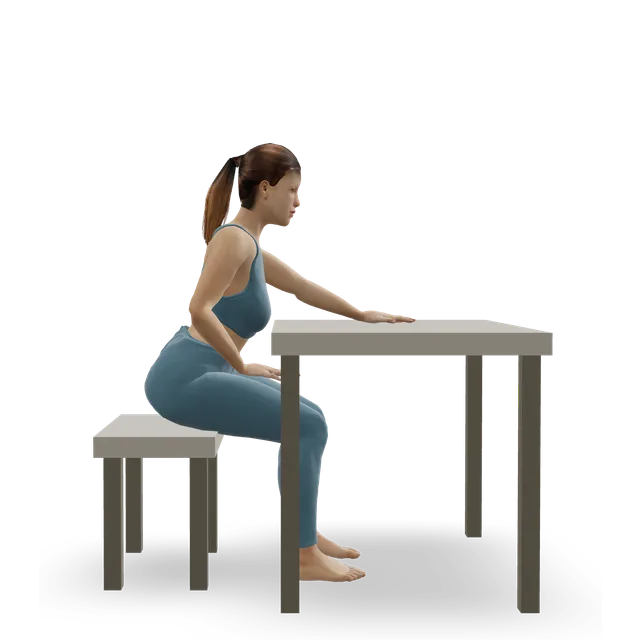
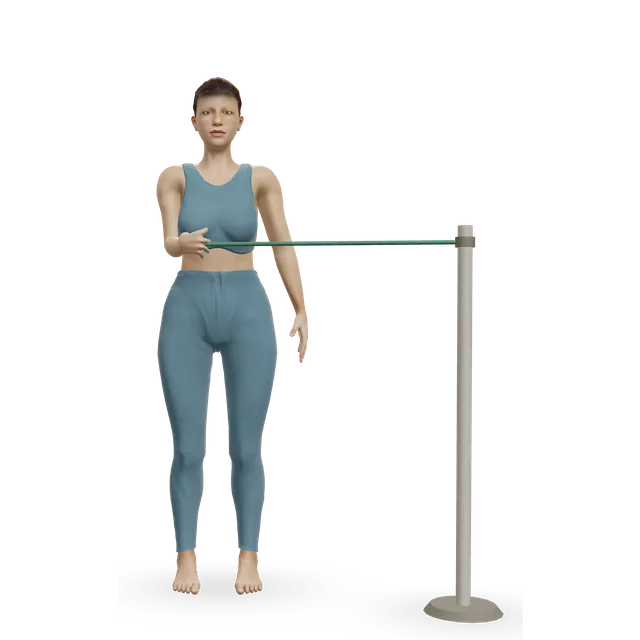
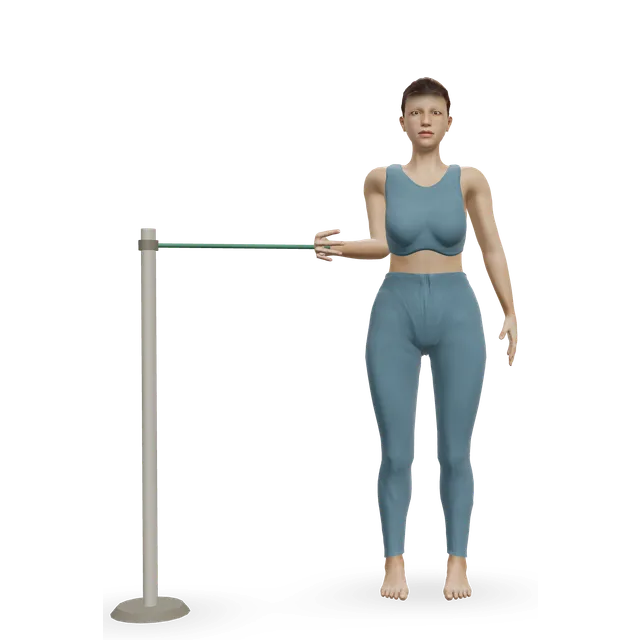
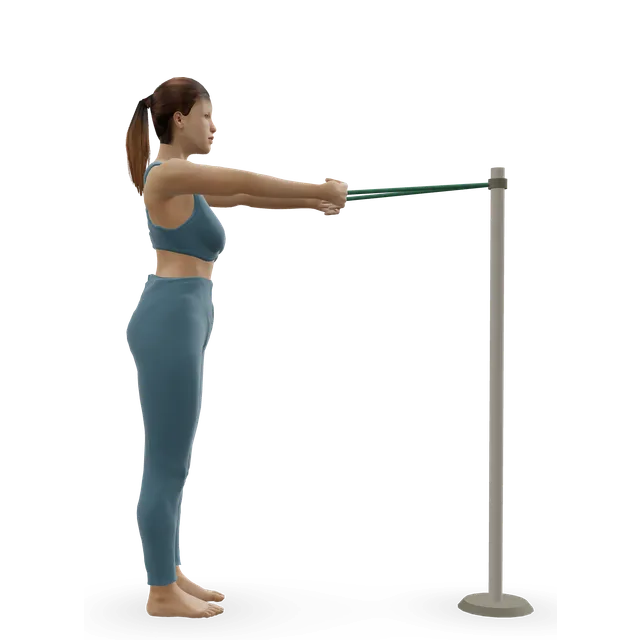
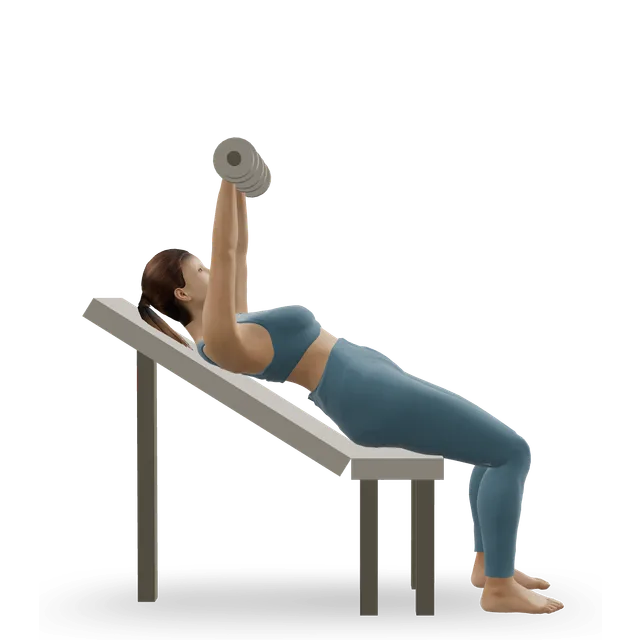
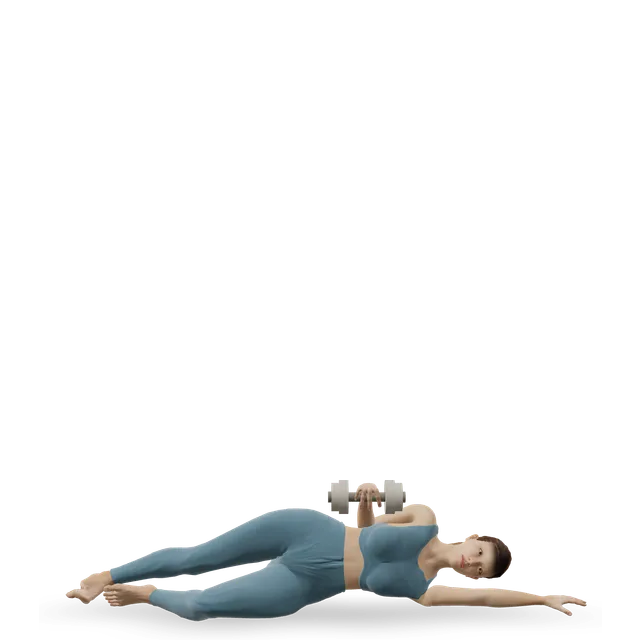
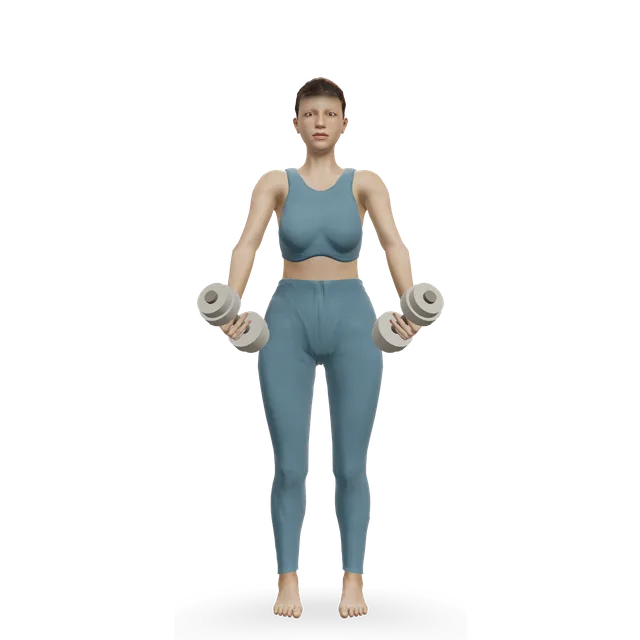
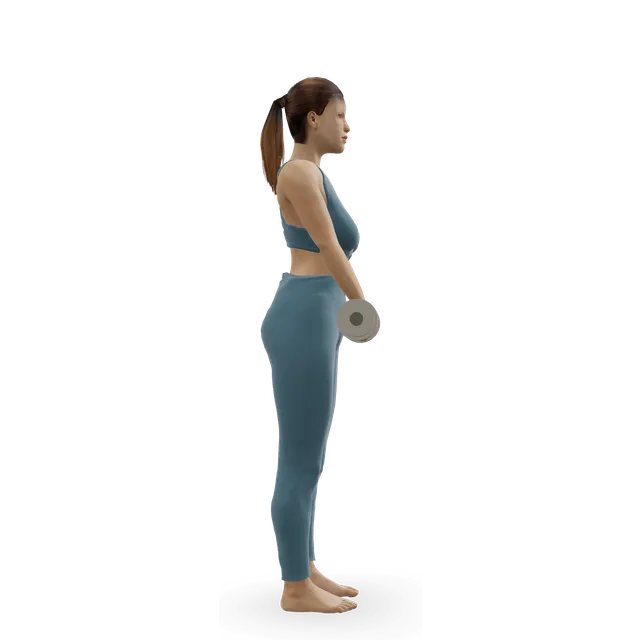
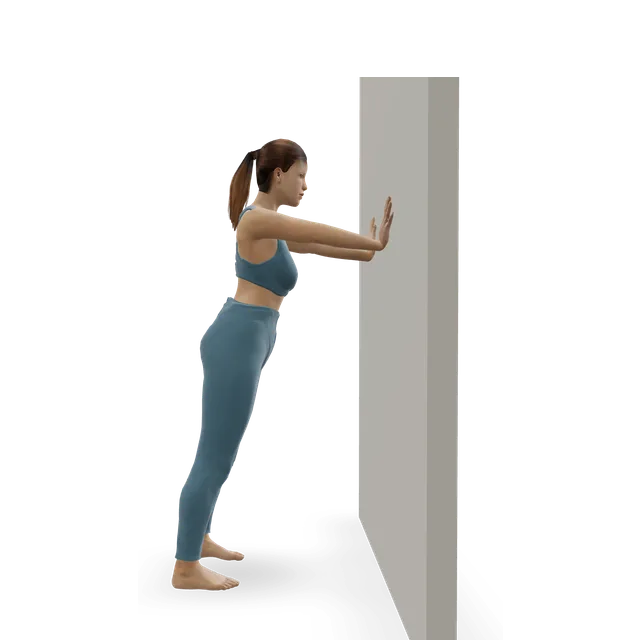
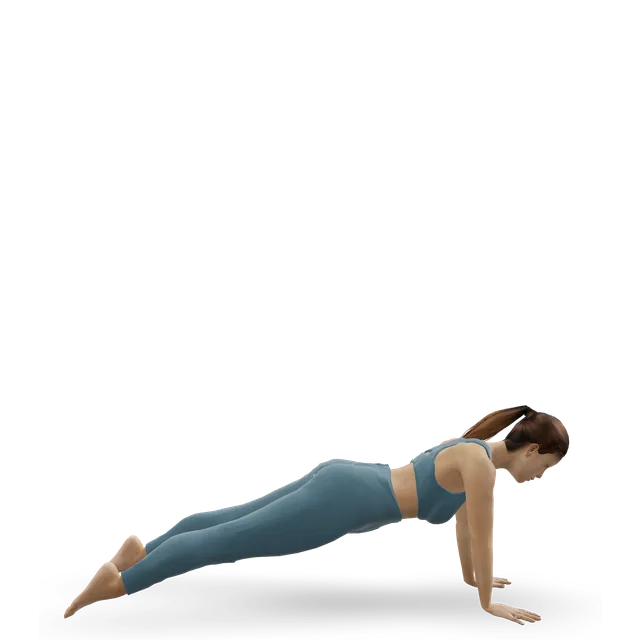
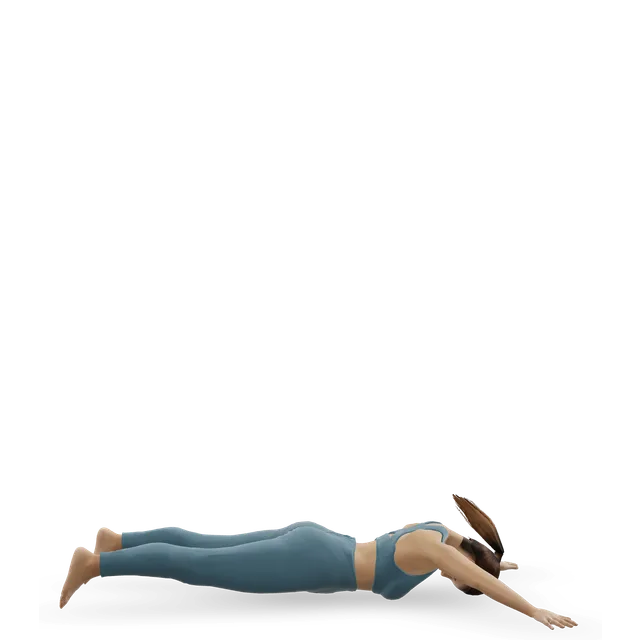
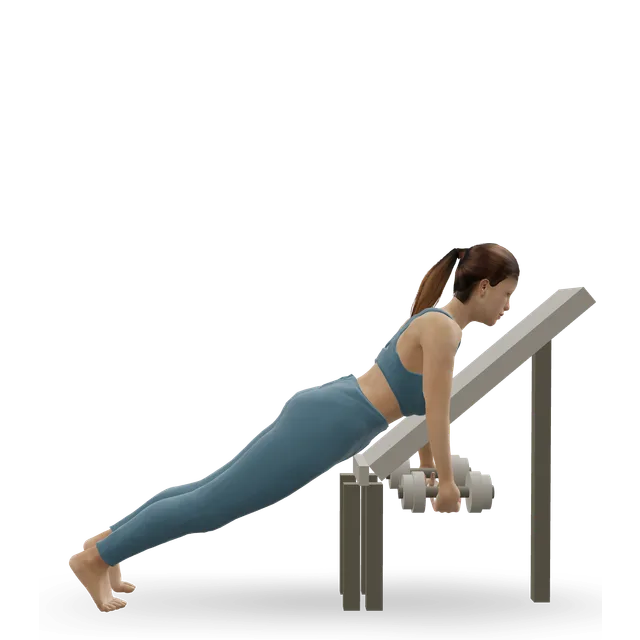
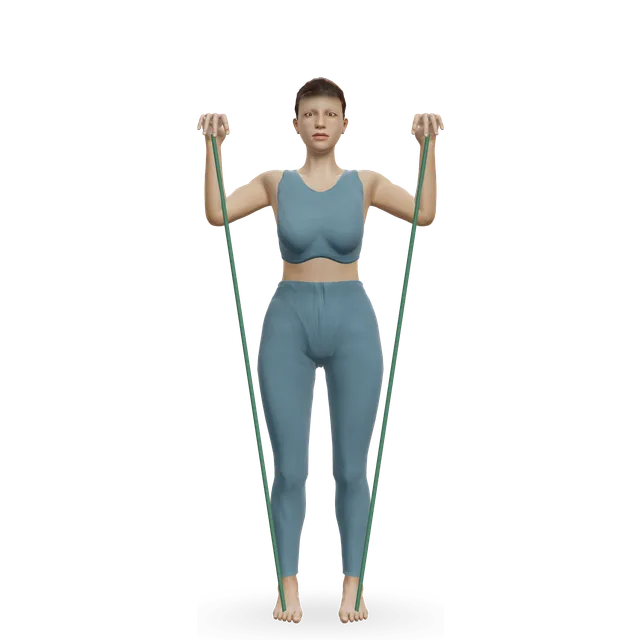
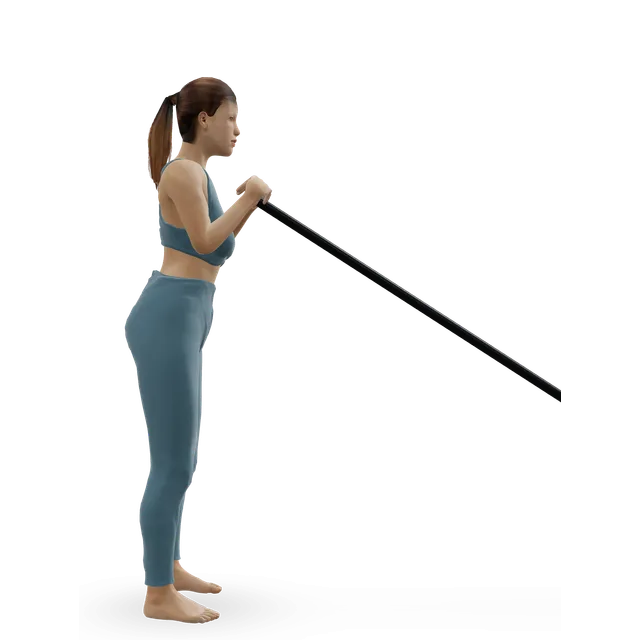
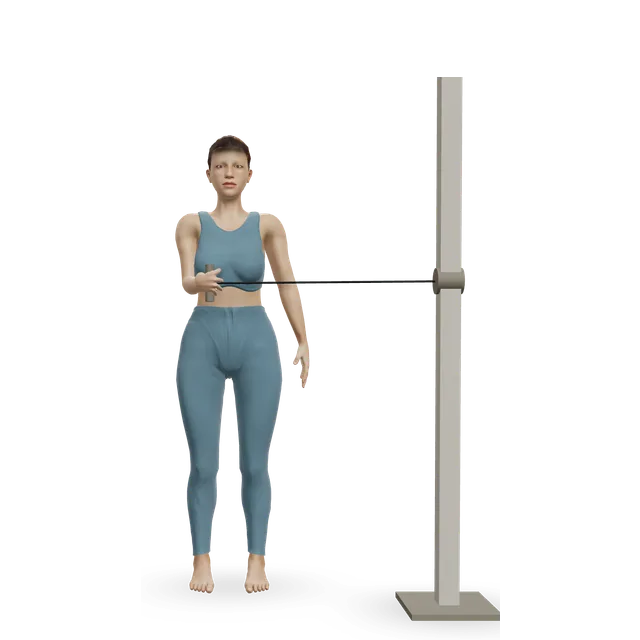
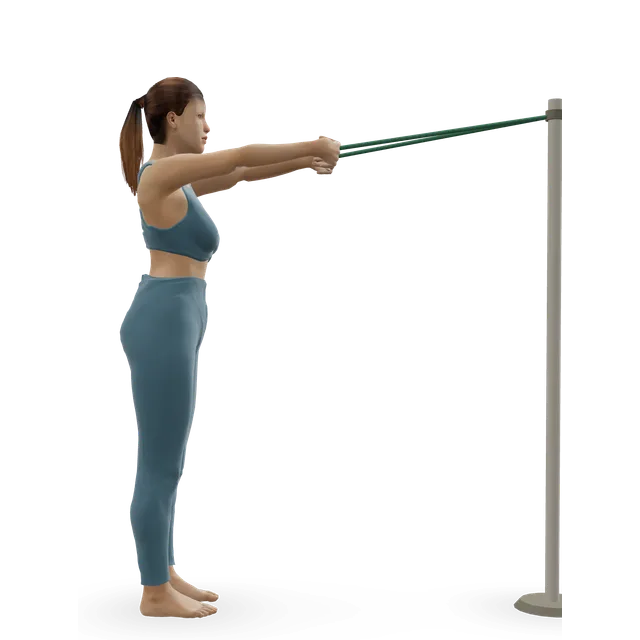
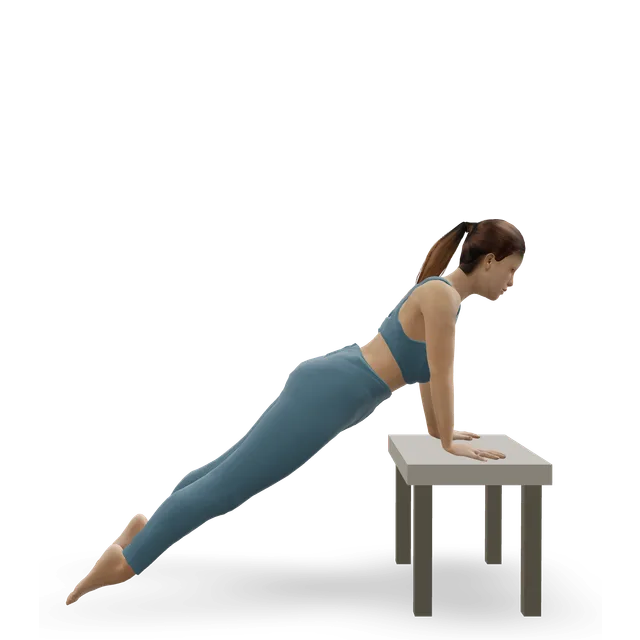
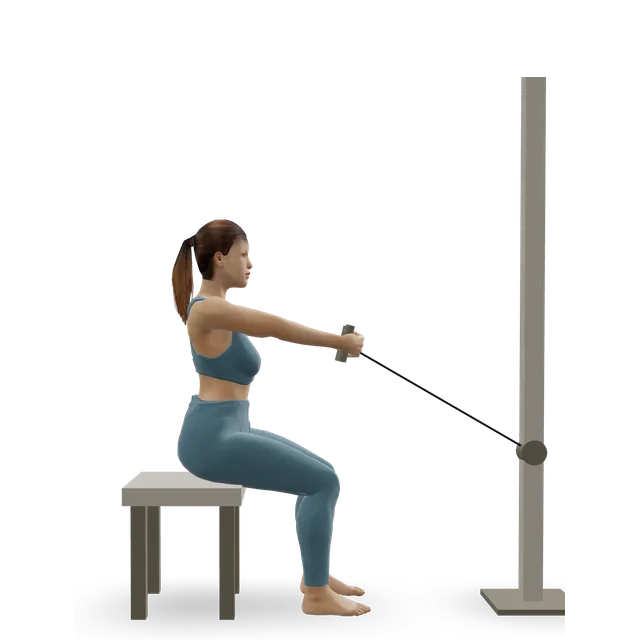
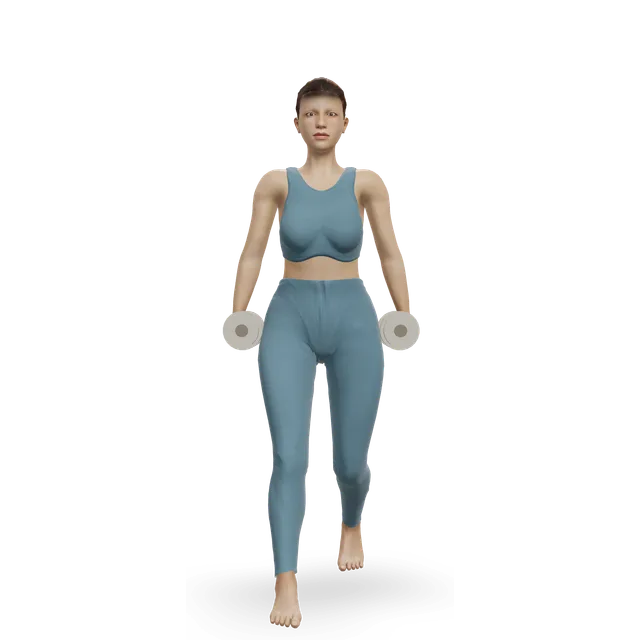
Start at the first stage. Each move opens a full guide with a 3D demo.
Stage 1
Settle: light cuff and shoulder-blade work
Weeks 0 to 2. Doses are editorial; the structure follows the cuff and shoulder-blade focus of the exercise trials. Keep raises at or below shoulder height.
Move on when: These stay within the pain rule and your strength is steady or improving.
Follow along: a timer, a cue and the next move, one step at a time.
Stage 2
Build: strengthen around the tear
Weeks 2 to 12. Work the deltoid and the rest of the cuff; keep raises at or below shoulder height until they are comfortable. The MOON cohort reviewed progress at 6 and 12 weeks.
Move on when: Add load gradually, one change at a time. If strength starts to slip, ask for a review.
Follow along: a timer, a cue and the next move, one step at a time.
What to change for now
What to avoid or change for now
No trial lists banned exercises for a torn cuff. These changes are sensible while strength rebuilds:
Sudden heavy lifts, especially overhead or with a jerk, until strength is back (editorial; acute tears follow jerking lifts).
Pushing through a sharp pain or a sudden loss of strength: stop and get checked, because a small tear can get bigger.
Large, fast pendulum swings early after a repair: in the lab, larger pendulums made the supraspinatus work at more than 15% of its maximum. After surgery, follow your surgeon's protocol, not this plan.
In the MOON cohort, people who chose surgery mostly did so between 6 and 12 weeks, and few did after 3 months. A sensible rule (editorial): if things are not clearly better by 12 weeks, or strength is getting worse, ask for a specialist opinion.
The tear itself may not heal: in one trial, tears treated with physiotherapy alone had grown over the years. But many people with a worn tear manage well without surgery. In the MOON cohort, a physical therapy programme was effective in about 75% of people over 2 years. Tears after an injury, and some smaller tears in younger people, can do better with early repair.
Will exercise make the tear worse?
Exercise within the pain rule is the first treatment for worn tears, and people in the MOON cohort improved with it. What to avoid is sudden heavy or jerking lifts and pushing through a sharp pain or sudden weakness. Unrepaired tears can slowly get bigger over years, which is one reason to keep the 12-week review point.
What exercises should I avoid with a rotator cuff tear?
No trial lists banned exercises. Leave out sudden heavy or overhead lifts and anything that brings a sharp pain or sudden weakness, and keep raises at or below shoulder height until they are comfortable. After surgery, follow your surgeon's protocol.
How long does a rotator cuff tear take to recover?
There is no fixed timeline. In the MOON cohort, outcomes improved by 6 and 12 weeks, and most people who chose surgery decided between 6 and 12 weeks. If it is not clearly better by 12 weeks, or strength is getting worse, ask for a specialist opinion.
Am I too old for rotator cuff surgery?
The trials here don't give an age cut-off. In older people whose tears came on without an injury, physiotherapy alone did as well as repair at 2 years in one trial, and a Cochrane review is uncertain whether repair adds meaningful benefit at 1 year. A tear after an injury needs urgent specialist review at any age.
Exercise education, not a diagnosis or treatment plan. It is written from the guidelines and studies listed above; review by a clinician is pending. If your pain follows an injury, is severe, is getting worse, or comes with any warning sign listed on this page, get it assessed. Health disclaimer.