Neck pain is very commonStrong evidence
About 203 million people worldwide had neck pain in 2020. It is more common in women, and peaks between the ages of 45 and 74.
Source 14
Pain guide
Neck pain is very common, and most of it is not dangerous. Most new neck pain eases within weeks, and keeping the neck moving helps. Exercise is the main long-term treatment, and strengthening the neck and shoulder muscles has the best support.
Start with the warning signs below. Then find your pain on the map, read what the research supports, and follow the plan from stage 1.
Exercise is for pain that has been checked or is clearly mild and settling.
Location narrows the likely causes; it does not diagnose.
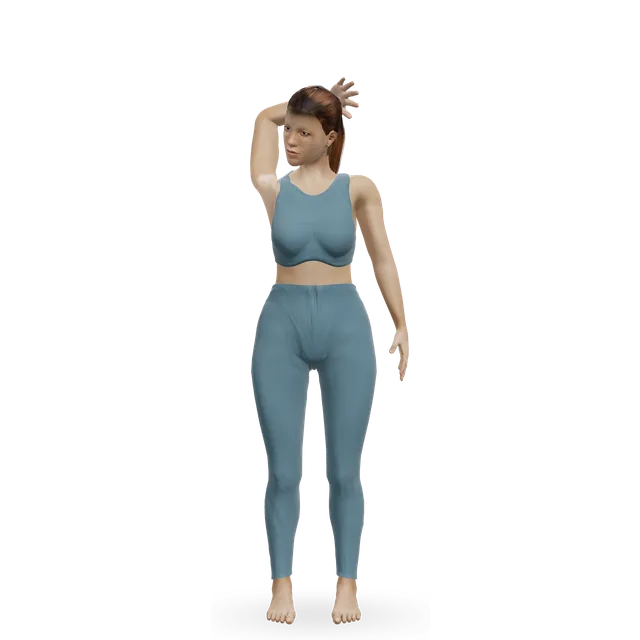
Usually ordinary neck pain with stiffness and limited movement, sometimes spreading to the top of the shoulder. Often stiff on waking after sleeping awkwardly, or sore at the end of turning or looking up. Clicking and grinding are common and not usually serious.
Read: Stiff neck and wry neck →Down one arm, with tingling or numbnessA narrow band of sharp arm pain with pins and needles, numbness or weakness in one arm suggests a pinched nerve. Both hands clumsy or numb, or trouble with balance, is different and urgent.
Read: Pinched nerve in the neck →Headache with neck painOften starting at the back of the head. A one-sided headache brought on by neck movement or holding a position can come from the neck; a pressing headache on both sides is usually tension-type. A sudden or severe new headache is a warning sign, not a neck problem.
Read: Headaches from the neck →After a car crash or fallWhiplash: neck pain and stiffness, headache, sometimes dizziness, poor concentration or sensitivity to light or noise. Symptoms can start hours later. Check the injury warning signs first.
Read: Whiplash →A stiff, achy neck in mid or later lifeOften called neck arthritis (cervical spondylosis), mostly over 40. It comes and goes, and can cause headaches that start at the back of the neck. Scans show the same changes in most people without pain.
Read: Neck arthritis →Top of the shoulders or the inner edge of the shoulder bladeOften the upper trapezius or levator scapulae muscles, often desk-related, or pain referred from the neck. New, severe pain between the shoulder blades needs an urgent GP appointment; with chest pain or breathlessness, call 999.
Read: Tech neck →Pain around the jaw, ear or temple, headaches around the temples, or clicking or locking, worse when chewing or yawning: often the jaw joint (temporomandibular disorder). See the note on jaw pain below.
About 203 million people worldwide had neck pain in 2020. It is more common in women, and peaks between the ages of 45 and 74.
Source 14
The NHS says most neck pain lasts a few weeks, and NHS inform expects most new neck problems to settle within 8 weeks, with the biggest change in the first couple of weeks.
It often comes back: in population studies, half to three quarters of people with neck pain report it again 1 to 5 years later. That is why the plan below keeps going after the pain settles.
The Chartered Society of Physiotherapy says that in most cases the exact cause of neck pain cannot be identified. The US physiotherapy guideline sorts neck pain by pattern instead: stiffness with limited movement, pain after an injury such as whiplash, headache, and pain spreading down the arm. Use the map to pick a starting point. If it does not settle, or does not fit, get it checked.
The same goes for the warning signs. An international framework notes that most spinal red flags lack good evidence of how accurately they pick out serious disease: they are a reason to get checked, not a diagnosis.
In 1,211 people aged 20 to 70 with no neck symptoms, 87.6% had disc bulges on MRI, including about three quarters of people in their 20s. Physiotherapists' professional body says such findings have no strong link with pain, and guidelines say a scan is not needed without warning signs.
Across 15 studies that measured people at a single point in time, adults with neck pain had slightly more forward head posture than adults without. Studies like that cannot show which came first, and there was no link in adolescents. In 150 young adults aged 18 to 21, neck posture while texting was not linked to neck pain.
Studies that followed office workers over time did not find posture among the risk factors for developing neck pain; low task variation, a keyboard close to the body and low satisfaction with the workplace were among the few that were. Physiotherapy bodies now say posture plays a much smaller role than once thought. Move often and vary what you do, rather than chasing a perfect posture.
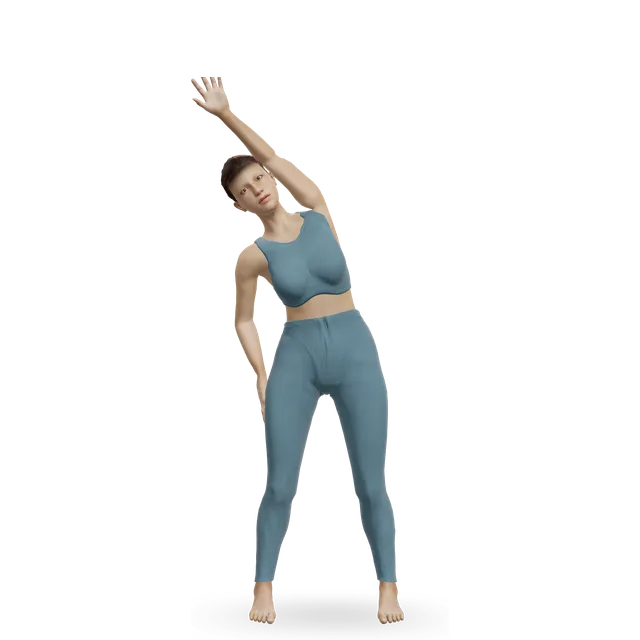
Pain across the top of the shoulders and up into the neck is often the upper trapezius, and it responds well to strengthening: the trapezius trials are the best exercise evidence for neck pain. The levator scapulae, from the top corner of the shoulder blade to the neck, is the other usual suspect. The tech neck guide has the plan.
Pain around the shoulder blade can also be referred from the neck; if it comes with arm pain or tingling, read the pinched nerve guide. New, severe pain between the shoulder blades needs an urgent GP appointment, and with chest pain, breathlessness or sweating, call 999.
Pain around the jaw, ear and temple, headaches around the temples, and clicking or locking suggest a jaw joint problem (temporomandibular disorder). The NHS suggests soft foods, avoiding chewing gum and wide yawning, and a physiotherapist can advise on jaw exercises. Get an urgent GP appointment or call 111 if you cannot eat or drink, your jaw locks, or you have frequent severe headaches or double vision.
In people with neck pain, headache and jaw problems, treatment aimed at the jaw did better than treatment aimed at the neck alone (low-level evidence).
Every guideline and health service reviewed for this guide says keep the neck moving and carry on with, or return to, normal activities and work, and do not wear a collar for ordinary neck pain or whiplash.
The one exception with trial support is a short spell in a collar for a recently pinched nerve, as an option rather than a rule.
Guidelines recommend exercise for neck pain lasting more than a few weeks, whatever the pattern: stiffness, pain after an injury, headache or pain spreading down the arm.
For neck pain that has lasted months, the Cochrane review found moderate-quality evidence, but no high-quality evidence, that strength training for the neck, shoulder-blade and arm muscles reduces pain.
In a 12-month trial of 180 women office workers with chronic neck pain, neck strength or endurance training, both with dumbbell shoulder and arm exercises, reduced pain and disability compared with a group advised to do aerobic exercise and stretching. The benefits are real but modest.
48 women with chronic trapezius muscle pain in monotonous, often computer-based jobs were randomised to 10 weeks of specific strength training, general fitness training on a bike, or no exercise. Strength training cut their worst pain by 35 mm on a 100 mm scale (about 79%); cycling gave only a small, short-lived drop.
The programme was lateral raises, upright rows, shrugs, one-arm rows and reverse flys. Lateral raises and upright rows worked the trapezius hard with only 3 to 10 kg, against 20 to 30 kg for shrugs, so beginners can start with those.
In a trial of 198 workers with frequent neck and shoulder pain, elastic-band resistance training for 2 or 12 minutes a day, 5 days a week, lowered pain at 10 weeks by 1.4 and 1.9 points out of 10 compared with weekly health information. Tenderness fell too.
Source 26
A network meta-analysis of 40 trials in chronic neck pain found motor control exercise, yoga, Pilates, tai chi, qigong and strengthening all beat no treatment by similar amounts, on very low quality evidence. The type matters less than keeping at it.
The Cochrane review found low-quality evidence that stretching alone may not change pain or function, and in the 12-month trial above, strength training beat advice to stretch and do aerobic exercise.
But in 96 office workers with neck pain for at least 3 months, adding neck and shoulder stretches twice a day, 5 days a week for 4 weeks, to an ergonomics leaflet gave 1.4 points more pain relief out of 10. Stretch if it helps; strengthen as well.
NHS inform's neck exercise advice: rate your pain from 0 to 10. During exercise, 0 to 3 is minimal and 4 to 5 is acceptable; 6 or more is too much. If it goes higher, do fewer repetitions, move more slowly or rest longer between movements.
Exercise should not make your neck worse overall. Soreness from a new exercise should ease quickly, and your neck should be no worse the next morning. Stop any exercise that makes your symptoms worse or causes new pain.
Arm symptoms are the exception. If an exercise sends pain, tingling or numbness further down your arm, or the extra symptoms last more than an hour afterwards, make the movement smaller or leave it out. (A hospital leaflet on nerve glides allows a short-lived rise in symptoms but not one lasting over an hour; the rest of this rule is this site's suggestion.)
Stop and get checked for dizziness, double vision, slurred speech, trouble swallowing or any of the warning signs above.
Start at the first stage. Each move opens a full guide with a 3D demo.
The first 1 to 2 weeks, or while it is flared up. Small movements spread through the day, without stirring it up. The neck movement dose follows NHS inform's exercise advice; the rest are editorial starting points.
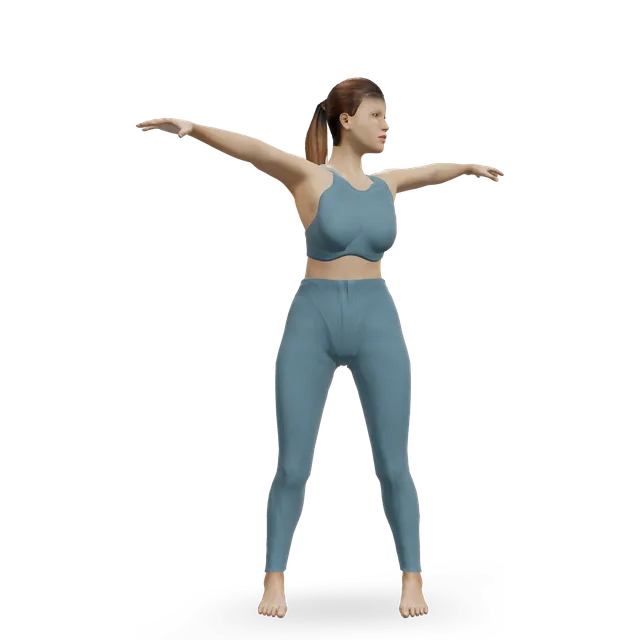
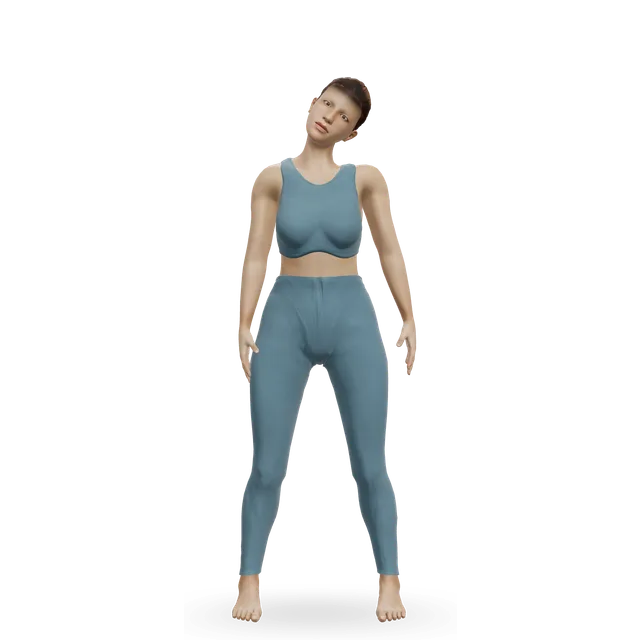
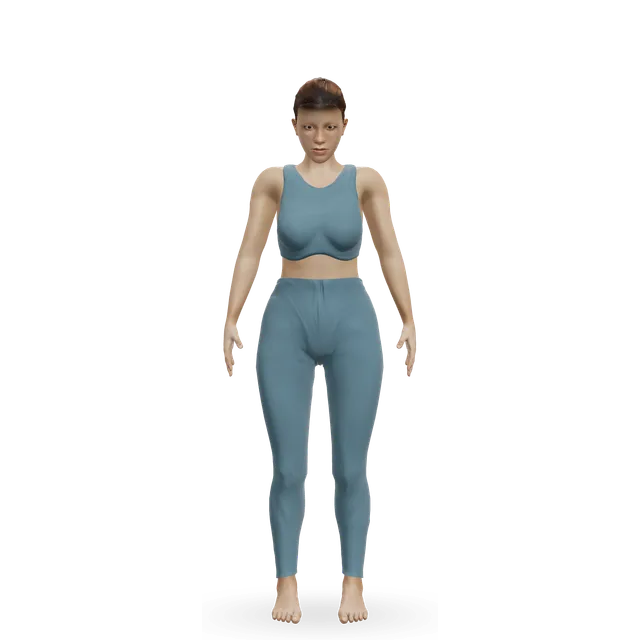 3D demoNeck CARsBeginner · No equipment
2 to 3 slow reps each direction, every hour or two, building toward about 10 · Separate turns, tilts and nods before full circles (NHS inform)
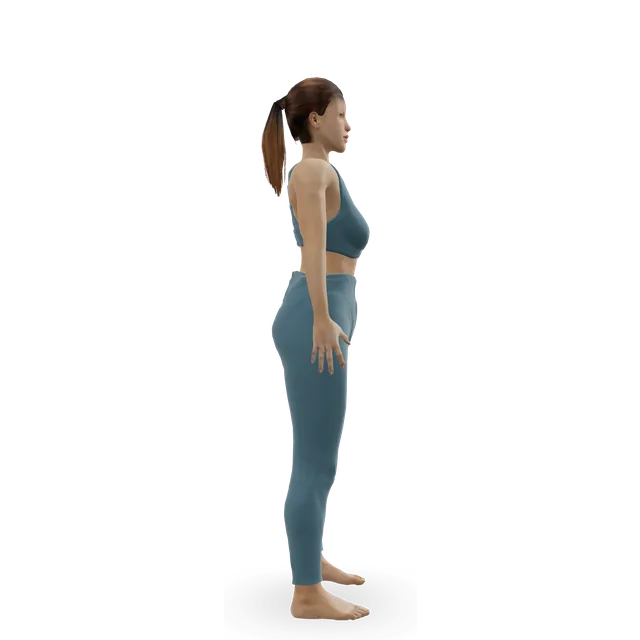 3D demoChin tuckBeginner · No equipment
5 to 10 slow reps with a 5 s hold, 2 to 3 times a day
Easier: Lying chin tuck · Harder: Isometric neck holds (four-way)
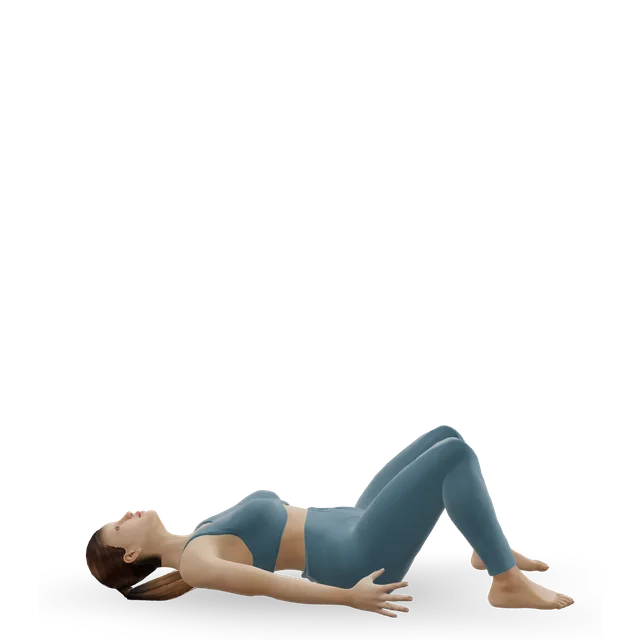 3D demoLying chin tuckBeginner · No equipment
5 to 10 gentle holds of up to 10 s, once or twice a day · The low-load nod used in deep neck flexor trials
Harder: Chin tuck
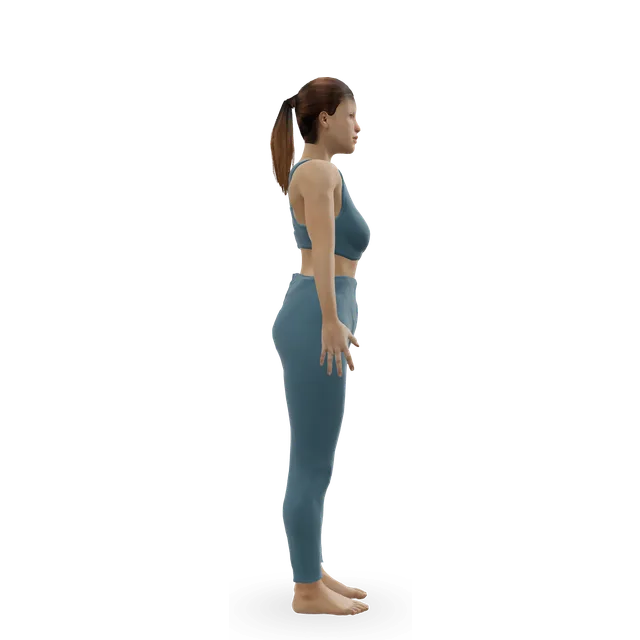 3D demoShoulder CirclesBeginner · Other / check instructions
5 to 10 each way, a few times a day
 3D demoTreadmill walkingBeginner · Cardio machine
10 to 20 min a day at a comfortable pace · Or walk outdoors
Harder: Treadmill jogging
Move on when: Turning, tilting and nodding feel easier, and your neck is no worse the next morning.
About weeks 2 to 6, two or three days a week, keeping the daily movement from stage 1. Doses are editorial starting points unless a trial is named.
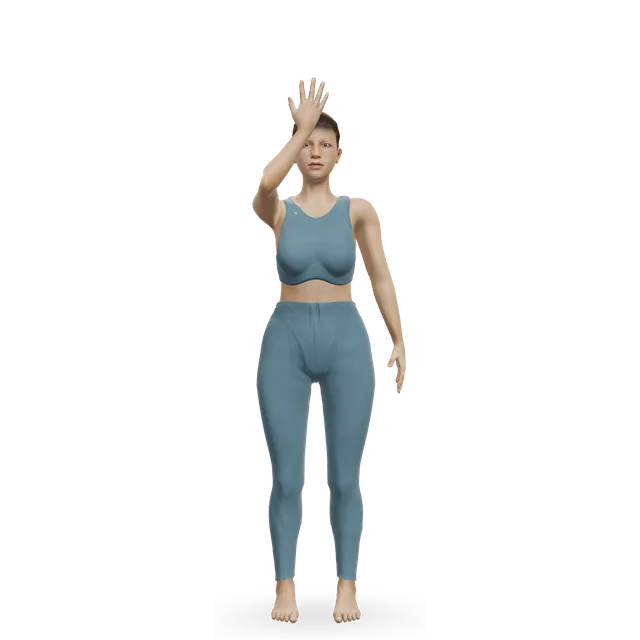 3D demoIsometric neck holds (four-way)Beginner · No equipment
3 to 5 holds of 5 to 10 s each direction, light effort · Build toward 5 holds of 10 s at about half effort
Easier: Chin tuck · Harder: Chin tuck with head lift
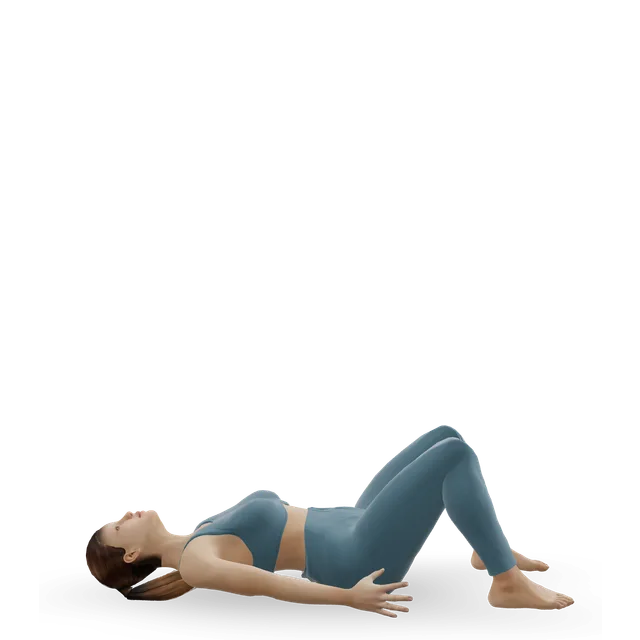 3D demoChin tuck with head liftIntermediate · No equipment
3 to 5 holds of 5 s, building to 10 holds of 10 s · Head lifts were the endurance exercise in a 12-month neck pain trial
Easier: Chin tuck · Harder: Side plank with leg lift
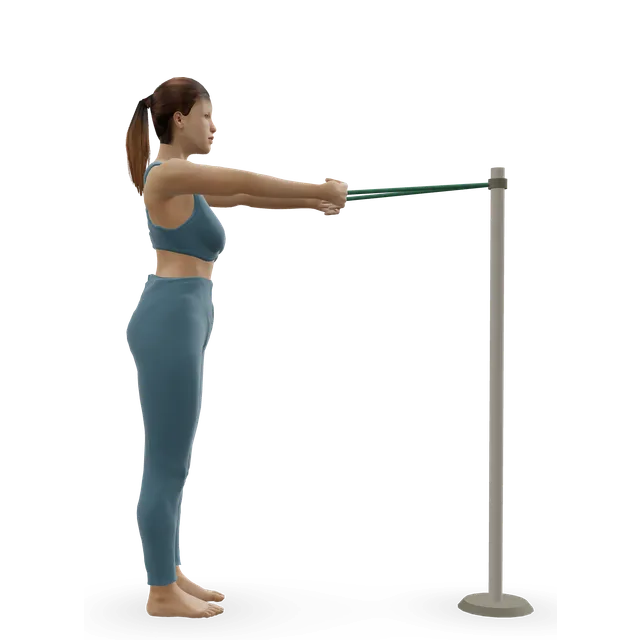 3D demoBand rowBeginner · A band + An anchor point
2 to 3 sets of 10 to 15
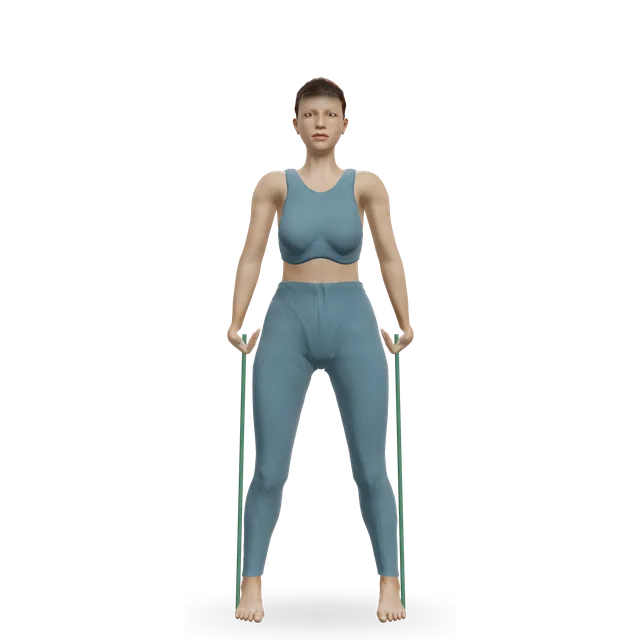 3D demoBand lateral raiseBeginner · A band
2 sets of 10 to 15, or 2 minutes a day, 5 days a week · The 2-minute dose is from Andersen 2011, which used elastic tubing
Harder: Dumbbell lateral raise
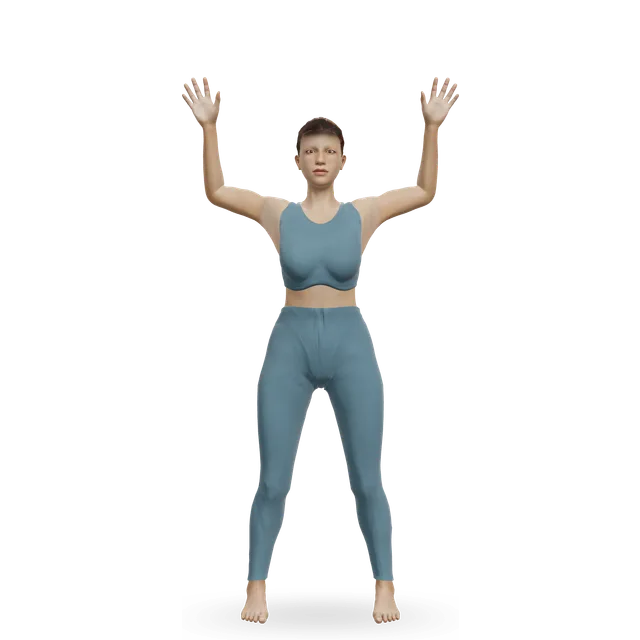
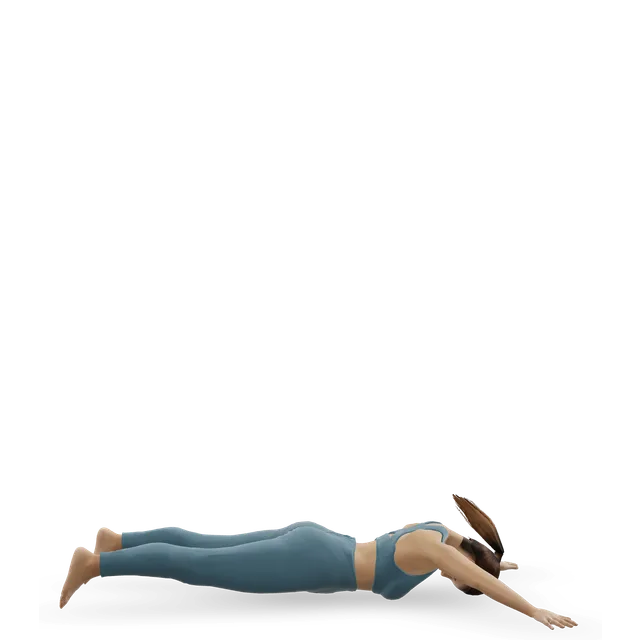 3D demoProne Y-T-W raisesBeginner · No equipment
5 to 8 of each shape, 2 rounds
Easier: Wall angel · Harder: Bent-over reverse fly
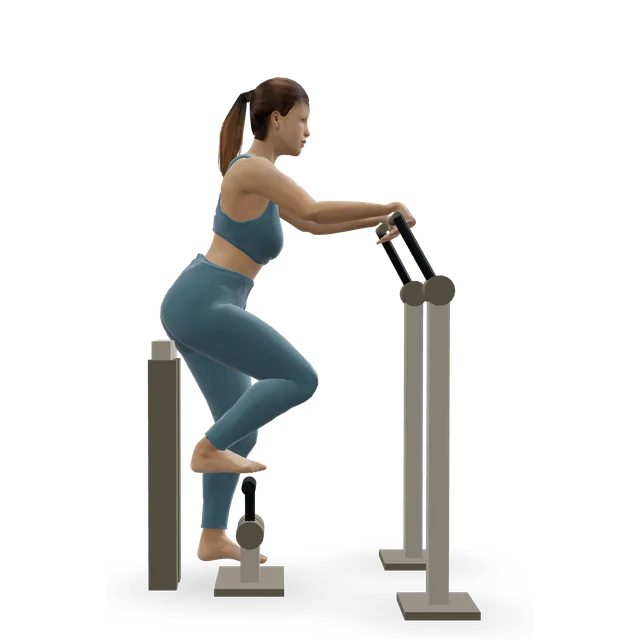 3D demoStationary cyclingBeginner · Cardio machine
Build toward 20 to 30 min, most days · Or a brisk walk
Harder: Air bike intervals
Move on when: You can do every set with neck pain at 5 out of 10 or less that has settled by the next morning.
From about week 6, two or three days a week, and ongoing. The five dumbbell exercises are the programme from a 10-week trial for chronic trapezius pain; the sets and reps are editorial. Start light: the lateral raise and upright row need the least weight.
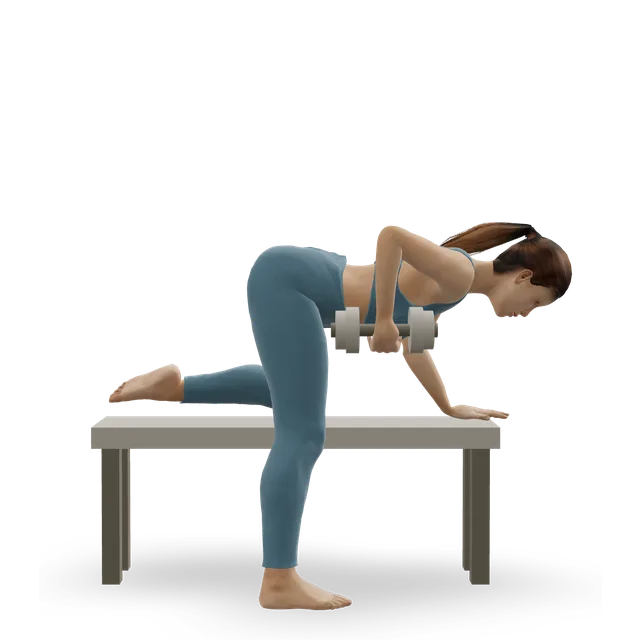 3D demoSupported single-arm dumbbell rowIntermediate · A dumbbell + A bench or box
3 sets of 8 to 12 each side
Easier: Incline ring row · Harder: Bent-over barbell row
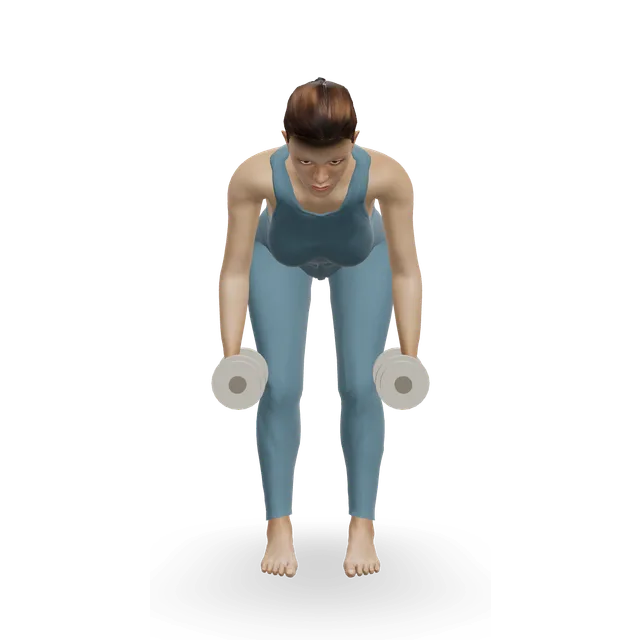 3D demoBent-over reverse flyIntermediate · A dumbbell
3 sets of 10 to 12 · Back flyes with a band work too
Easier: Prone Y-T-W raises · Harder: Barbell rear-delt row
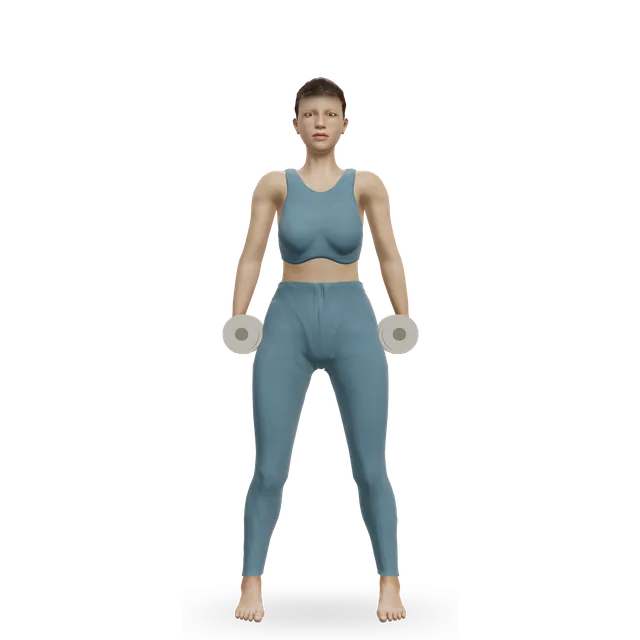
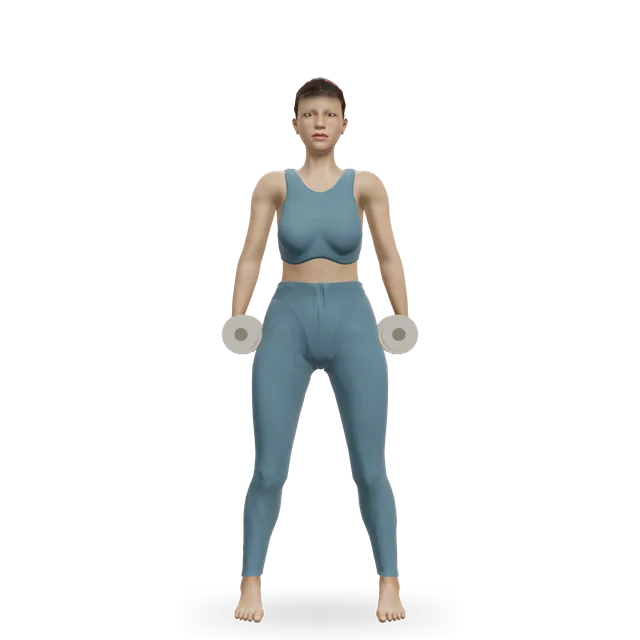 3D demoDumbbell lateral raiseBeginner · A dumbbell
3 sets of 10 to 12
Easier: Band lateral raise · Harder: Smith machine upright row
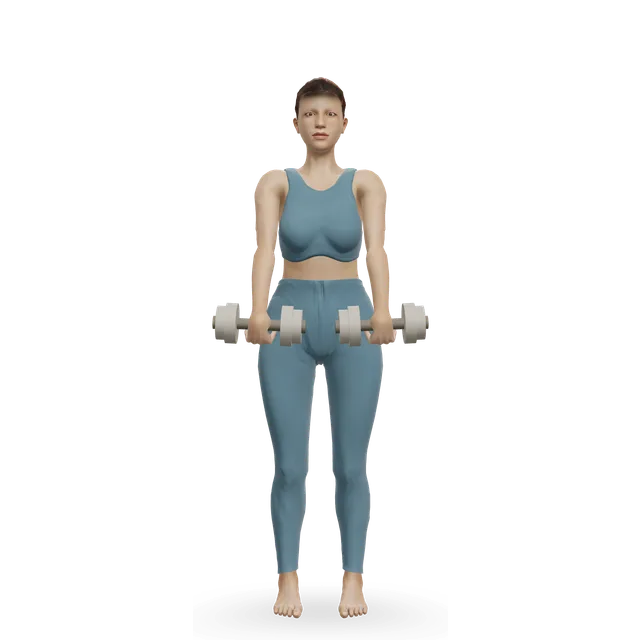 3D demoDumbbell upright rowIntermediate · A dumbbell
3 sets of 10 to 12 · Stop at chest height if the shoulder pinches
Easier: Dumbbell lateral raise · Harder: Barbell rear-delt row
3D demoIsometric neck holds (four-way)Beginner · No equipment3 holds of 10 s each direction at moderate effort
Easier: Chin tuck · Harder: Chin tuck with head lift
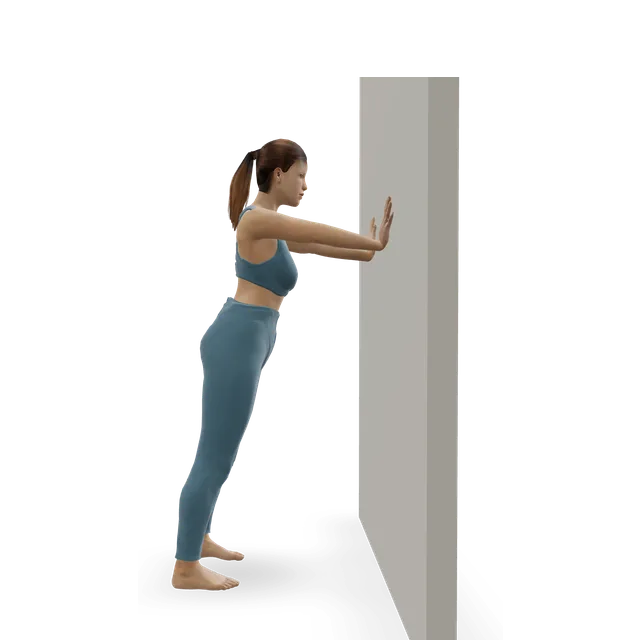 3D demoWall push-upBeginner · A wall
2 to 3 sets of 8 to 12 · Then incline push-ups, then knee push-ups
Harder: Push-up
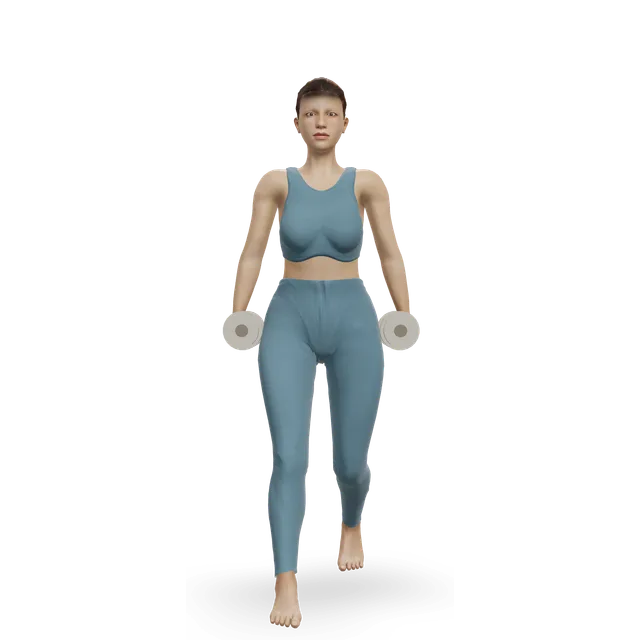 3D demoFarmer's carryBeginner · A dumbbell + A kettlebell
3 carries of 20 to 30 m
Harder: Suitcase carry
Move on when: Add a little weight or a harder option every week or two while your neck stays settled.
No exercise is banned by the evidence. The table below lists moves to leave out or swap while your neck is sore; almost all of it is cautious editorial advice rather than trial results.
Upright rows are not on the list. They were one of the five exercises in the programme that helped women with chronic trapezius pain; stop at chest height if your shoulder pinches.
Source 25
| Habit or position | Why it matters | Instead |
|---|---|---|
| Wearing a soft collar | Guidelines advise against a collar for ordinary neck pain and whiplash. | Keep the neck moving gently, little and often. |
| Holding one position for hours | Sustained positions can make a sore neck ache, and low task variation is one of the few risk factors found in office workers. | Move your neck for a few moments every hour, and vary your tasks. |
| Pulling your head into a stretch | Hand-loaded stretching at the end of the range is a lot for a sore neck or an irritated nerve. | Let the head's weight do the work, as in the upper trap release. |
| Cracking your own neck | Clicking during normal movement is common and not usually serious, but forcing a crack is not a treatment, and new, unusual neck pain needs checking. | Gentle movement within comfort. |
| Headstand | It loads the neck at the end of its range. There is no trial evidence either way. | Leave it out while your neck is painful. |
| Shoulderstand and plough | Body weight loads the neck at the end of its range (no trial evidence either way). | Leave them out while your neck is painful. |
| Pilates roll-over, jack knife and control balance | Rolling moves that load the neck (no trial evidence either way). | Skip them with current neck pain or arm tingling. |
| Behind-the-neck presses and pulldowns | No trial has tested them; this is a cautious swap while the neck is sore. | Press or pull down in front of your head instead. |
| Neck self-massage with a roller | There is no evidence for it, and pressing on the front or sides of the throat is unsafe. | Skip it. |
Hold 2 to 3 times for 20 to 30 seconds, a mild stretch, never sharp.
| Stretch | Reasonable for | Take care or skip | Why |
|---|---|---|---|
| Chin tuck | Most neck pain: desk neck, headaches, arthritis | A pinched nerve, if it sends symptoms down the arm | Low load; trains the deep neck flexors. |
| Lying chin tuck | Flares, headaches, whiplash; stretching in bed | None, within comfort | The head is supported. It is the low-load nod used in deep neck flexor trials. |
| Upper trap release | Desk tension, an ache across the top of the shoulder, a stiff neck once it is settling | A pinched nerve: tilting the head away from the sore arm can bring on tingling | Let the hand's weight do the work; do not pull. |
| Side Neck Stretch | As for the upper trap release | As above. Its steps say to pull; choose the upper trap release instead | The same stretch, less controlled. |
| Levator Scapulae Stretch | An ache at the top inner corner of the shoulder blade; desk neck | A pinched nerve, if the arm tingles | Guide the head down; do not haul it. |
| Chin To Chest Stretch | General stiffness at the back of the neck | Early whiplash, a pinched nerve, arthritis flares. Do not pull with both hands as its steps say | A hand-loaded stretch at the end of the range. |
| Neck CARs | A stiff neck (small arcs), arthritis (keeping your range), desk breaks | Stop for dizziness, vision or speech symptoms. With a pinched nerve, skip looking up and turning toward the sore side if they bring on arm symptoms | No trial shows harm or benefit from neck rolls. An international framework advises clinicians to avoid end-of-range turning and tipping the head back when an artery problem is suspected. |
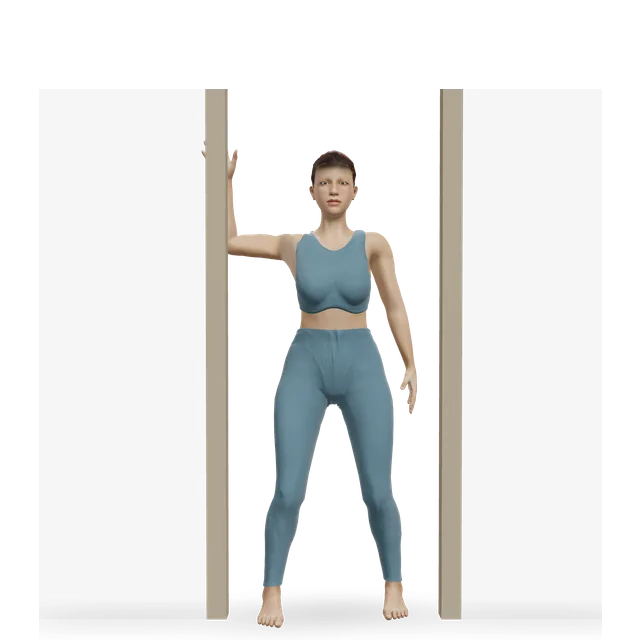
| Doorway chest opener | Desk workers who like it | Pain at the front of the shoulder; arm tingling with the arm out to the side | No trial for neck pain; for comfort and variety. |
| Foam Roller Thoracic Extension | A stiff upper back with neck pain | Osteoporosis; do not let the head hang back unsupported | Hands-on upper back treatment helps recent neck pain in guidelines, but this stretch is not that treatment. |
| Thoracic rotation | Stiffness, desk breaks, the stiff neck and whiplash plans | Shoulder pain, if it pinches | Moves the upper back without loading the neck. |
| Side-lying Open Book Rotation | As for upper-back rotation, lying down | Shoulder pain, if it pinches | Moves the upper back without loading the neck. |
| Wall angel | Desk neck; the strengthening stage | Pinching at the shoulder | A control drill more than a stretch. |
| Neck-SMR | Not recommended as a treatment | Never press on the front or sides of the throat | There is no evidence for it. |
Woke up with a stiff neck? It usually improves within a day or two. Gentle moves with 3D demos, heat, what not to do, and the signs that need a doctor.
Pain guidePosture matters less than you've been told. The exercises that cut neck and shoulder pain in office-worker trials, from 2 minutes a day, with 3D demos.
Pain guideArm pain, tingling or numbness from a neck nerve usually settles over weeks to months. Staged exercises with 3D demos, nerve glides, and when to get help.
Pain guideKeep moving, skip the collar: what guidelines and trials say about whiplash recovery, a staged exercise plan with 3D demos, and the signs to get checked.
Pain guideHeadache with neck pain? The signs your neck may be involved, the exercises tested in trials with 3D demos, and the headache signs that need urgent care.
Pain guideNeck 'wear and tear' shows on most scans, even in people without pain. A staged exercise plan with 3D demos, what to avoid, and the nerve signs to act on.
The NHS says most neck pain lasts a few weeks, and NHS inform expects most new neck problems to settle within 8 weeks, with the biggest change in the first couple of weeks. It often comes back, so keep up some of the exercises once it settles. See a GP or physiotherapist if it has not eased after a few weeks.
Usually not: most neck pain is common, not dangerous, and gets better. Get urgent help for neck pain after a significant injury; a stiff neck with a fever or a rash; a sudden, severe headache, or neck pain with dizziness, double vision, slurred speech, trouble swallowing or a drooping face; clumsy hands, trouble walking or loss of bladder control; or neck or jaw pain with chest pain.
Both can help, but strengthening has the stronger case. Strength training for the neck and shoulder-blade muscles has moderate-quality evidence for neck pain that lasts, while stretching alone has low-quality evidence of little effect. Stretches still help some people as part of a routine: office workers who stretched twice a day for 4 weeks had more pain relief than those given only an ergonomics leaflet.
No pillow type has been shown to be clearly better for chronic neck pain. The NHS suggests a low, firm pillow with your head level with your body, a firm mattress, and not sleeping on your front or twisting your neck in bed.
Probably less than you have been told. Forward head posture is only weakly linked with neck pain in adults, in studies that cannot show which came first; there was no link in young people, and posture was not a risk factor in studies that followed office workers over time. Moving often and varying your tasks matter more than holding a perfect posture.
Not without warning signs, according to guidelines. Scans can mislead: 87.6% of people with no neck symptoms had disc bulges on MRI, including about three quarters of people in their 20s. After an injury, doctors use a set of rules to decide who needs imaging.
Clicking and grinding during normal movement are common and not usually serious. Forcing your own neck to crack is not something this guide recommends. A large study found the link between chiropractic visits and a rare type of stroke was no stronger than for GP visits, most likely because people with an early tear in a neck artery seek help for neck pain and headache. So new, unusual head and neck pain needs checking, not cracking.
Exercise education, not a diagnosis or treatment plan. It is written from the guidelines and studies listed above; review by a clinician is pending. If your pain follows an injury, is severe, is getting worse, or comes with any warning sign listed on this page, get it assessed. Health disclaimer.