Neck arthritis (cervical spondylosis): exercises, scans and warning signs
Cervical spondylosis means age-related changes in the discs and joints of the neck, mostly in people over 40. It often causes no symptoms at all. When it hurts, the pain and stiffness come and go, and it can cause headaches that start at the back of the neck. A previous neck injury and a family history raise the risk.
A scan report full of "degeneration" sounds worse than it is: the same findings show up in most people without neck pain. Gentle exercise and keeping up your usual activities are the NHS's first advice. The things to watch for are the nerve and spinal cord signs below.
Exercise is for pain that has been checked or is clearly mild and settling.
Get urgent medical help if
Call 999 or go to A&E: new problems walking, loss of bladder or bowel control, or a sudden loss of coordination, such as difficulty doing up buttons. These can be signs of pressure on the spinal cord.
Call 999 or go to A&E: a headache that came on suddenly and is extremely painful; numbness or weakness in the face or body; a drooping face, or being unable to lift both arms and keep them up; difficulty speaking, swallowing, balancing, walking or remembering; double vision or loss of vision; drowsiness or confusion. A torn neck artery often starts with headache and neck pain, sometimes with dizziness or tingling, so head or neck pain unlike any you have had before needs checking.
Call 999 or go to A&E after a neck injury if the person is unresponsive, has severe neck pain or cannot move their head, or fell from a height such as 5 or more stairs. Do not drive yourself. Being 65 or over, a dangerous fall or crash (from more than 1 metre or 5 steps, diving, a high-speed or rollover crash, being thrown from a vehicle, or a bike or horse-riding accident), or tingling in the arms or legs after an injury puts you at high risk of a broken neck: get checked.
Same day (urgent GP appointment or NHS 111): severe neck pain that starts suddenly or gets worse quickly; heaviness or weakness in the arms or legs; pins and needles in an arm along with neck or arm pain; or pain between the shoulder blades.
Same day: clumsiness, numbness, pins and needles or weakness in one or both arms that is getting worse; problems with balance or walking since the neck pain started; or neck pain with a severe headache.
See a doctor or physiotherapist if
Neck pain or stiffness that has not eased after a few weeks, or after 8 weeks of looking after it yourself; painkillers are not helping; or you are worried. In many areas you can refer yourself to NHS physiotherapy.
Severe pain that is constant or disturbs your sleep, a fever or unexplained weight loss, or a history of cancer, inflammatory arthritis, TB, a weakened immune system, neck surgery or a violent injury. Serious causes are very rare, but these need checking.
You are over 50 and your shoulders and neck stay stiff for more than 45 minutes each morning (possible polymyalgia rheumatica).
Understand it
What exercise can do: the honest version
No good trials or reviews were found that study exercise for neck arthritis on its own. Trials of chronic neck pain mostly enrol middle-aged adults, and guidelines do not treat spondylosis separately, so the general neck pain evidence applies.
The NHS advises gentle neck exercises, keeping up your usual activities as much as possible, painkillers, and physiotherapy if it is not improving within a few weeks. Treatment takes a few weeks to work, and symptoms can come back.
Spinal cord compression: not "just arthritis"Strong evidence
Pressure on the spinal cord from neck arthritis (degenerative cervical myelopathy) shows as neck or limb pain and stiffness, clumsy hands (buttons, handwriting, dropping things), numbness, imbalance, frequent falls or incontinence, mostly in people over 50. Early signs are subtle: in one study the average delay to diagnosis was 2.2 years, and 43% were first diagnosed with carpal tunnel syndrome.
Evidence summarised in the US guideline found only 18% of people with myelopathy reported improvement and 67% got worse over time, and those treated with surgery did better. Arm pain with tingling in one arm is more likely a pinched nerve; both hands, or your balance, is the urgent pattern.
Scans show "wear and tear" in most people without painStrong evidence
In 1,211 people aged 20 to 70 with no neck symptoms, 87.6% had disc bulges on MRI, including 73.3% of men and 78.0% of women in their 20s; spinal cord compression was found in 5.3%, more often after 50. Physiotherapists' professional body says these findings have no strong link with pain, and after whiplash, degenerative changes were as common in healthy people. Without warning signs, guidelines say a scan is not needed.
Keep moving and keep up your usual activitiesStrong evidence
Guidelines and health services agree: keep the neck moving, stay at or return to normal activities and work, and do not wear a collar for ordinary neck pain.
Strengthening the neck and shoulder blades has the best supportEmerging evidence
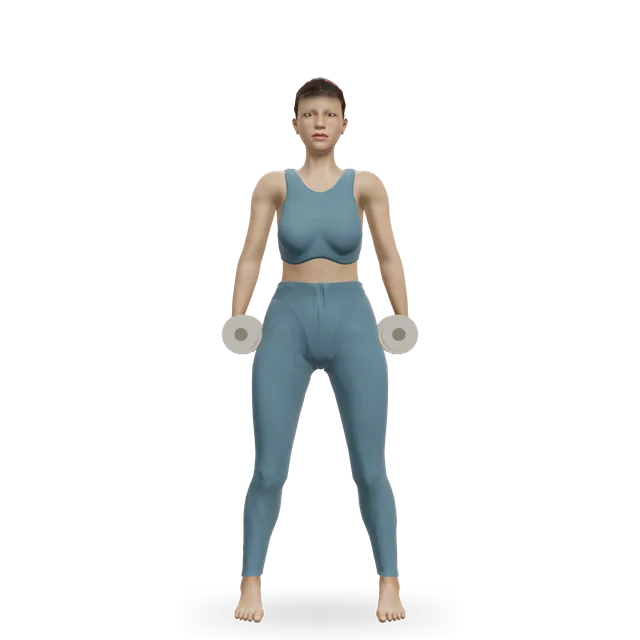
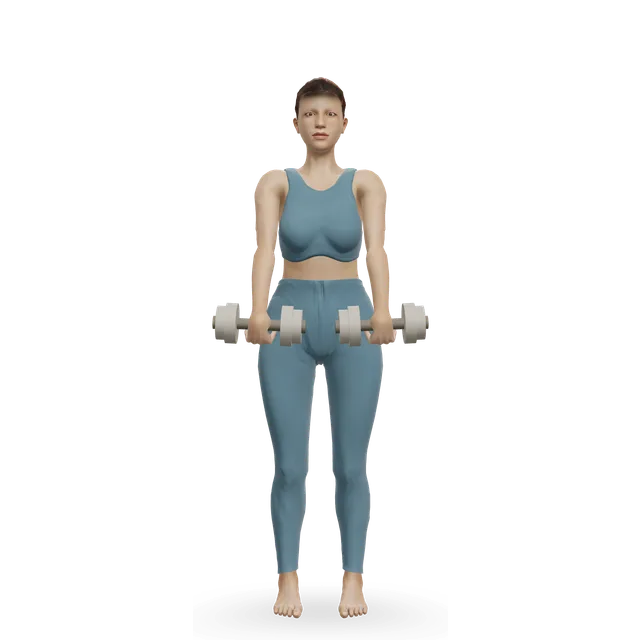
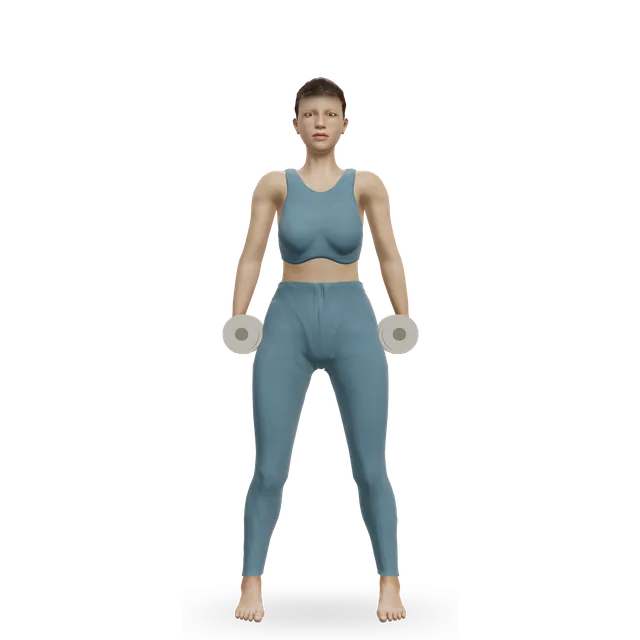
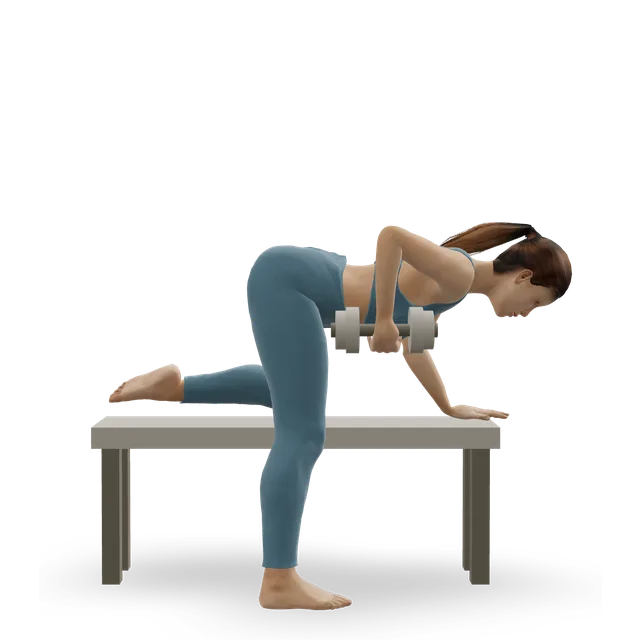
For neck pain that has lasted months, the Cochrane review found moderate-quality evidence, but no high-quality evidence, that strength training for the neck, shoulder-blade and arm muscles reduces pain. In a 12-month trial of 180 women aged 25 to 53 with chronic neck pain, neck strength or endurance training with dumbbell shoulder and arm exercises reduced pain and disability.
No single type of exercise is clearly bestEmerging evidence
Across 40 trials in chronic neck pain, motor control exercise, yoga, Pilates, tai chi, qigong and strengthening all beat no treatment by similar amounts, on very low quality evidence. Choose what you will keep doing.
The 5 out of 10 rule, and the arm-symptom exception
NHS inform's neck exercise advice: rate your pain from 0 to 10. During exercise, 0 to 3 is minimal and 4 to 5 is acceptable; 6 or more is too much. If it goes higher, do fewer repetitions, move more slowly or rest longer between movements.
Exercise should not make your neck worse overall. Soreness from a new exercise should ease quickly, and your neck should be no worse the next morning. Stop any exercise that makes your symptoms worse or causes new pain.
Arm symptoms are the exception. If an exercise sends pain, tingling or numbness further down your arm, or the extra symptoms last more than an hour afterwards, make the movement smaller or leave it out. (A hospital leaflet on nerve glides allows a short-lived rise in symptoms but not one lasting over an hour; the rest of this rule is this site's suggestion.)
Stop and get checked for dizziness, double vision, slurred speech, trouble swallowing or any of the warning signs above.
Move on when: You manage every set with neck pain at 5 out of 10 or less, settled by the next morning.
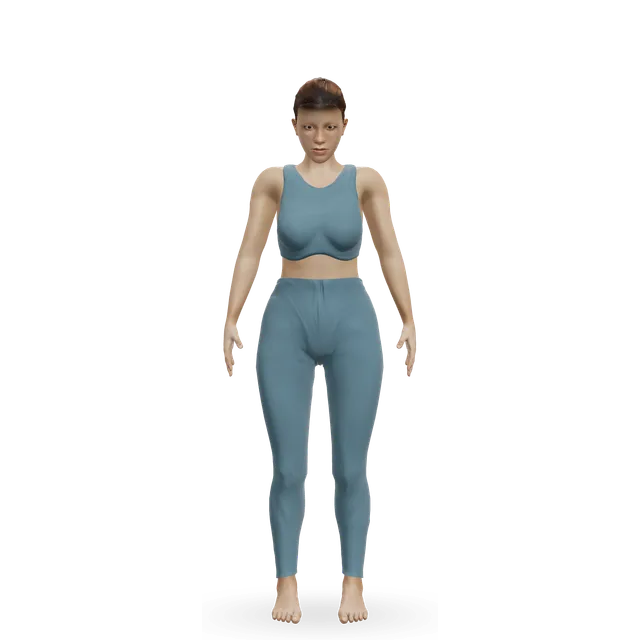
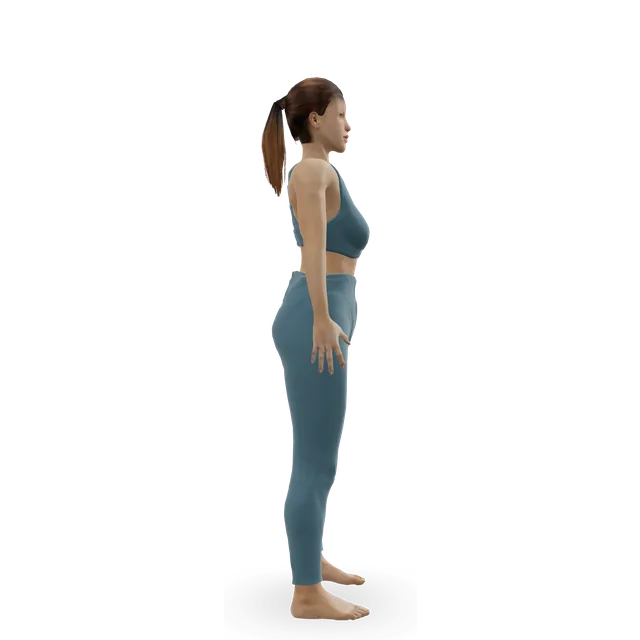
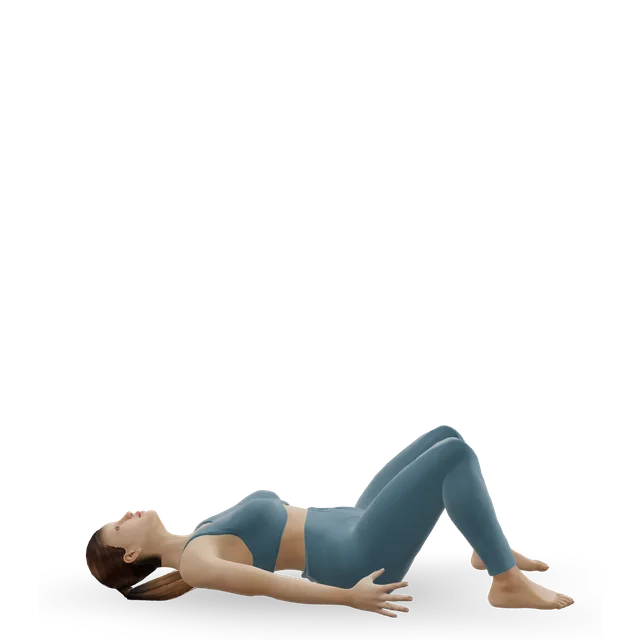
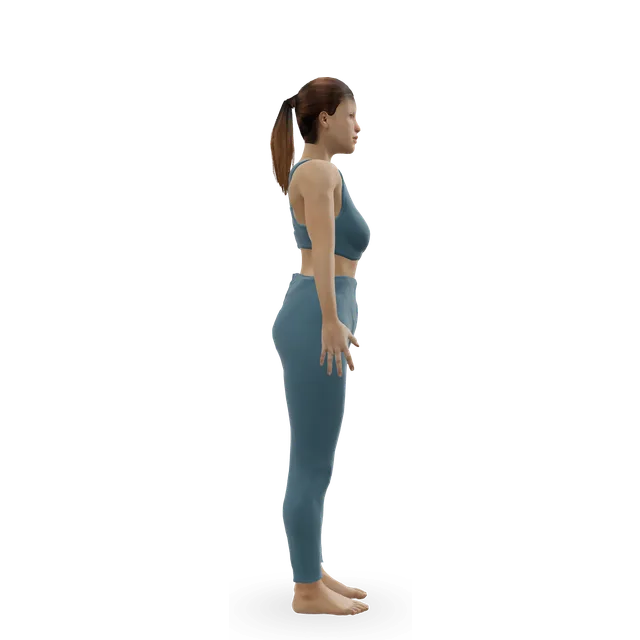
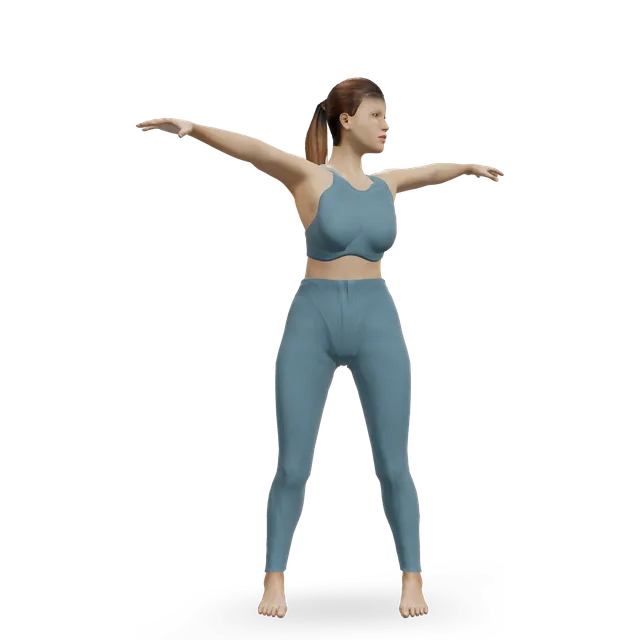
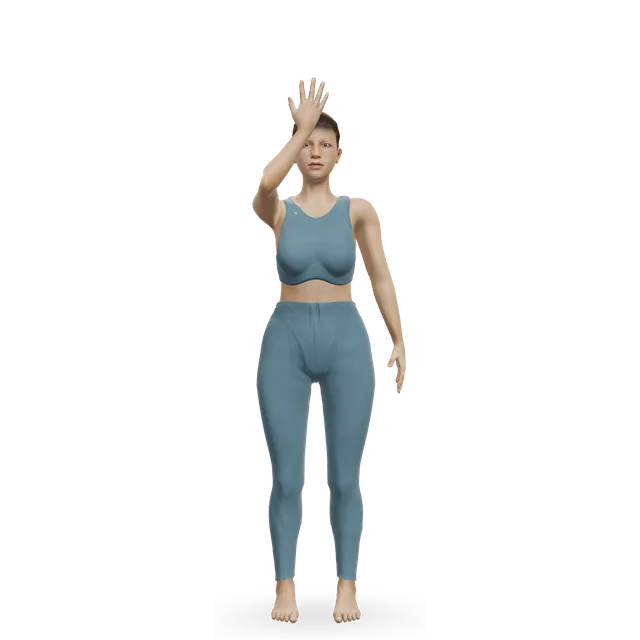
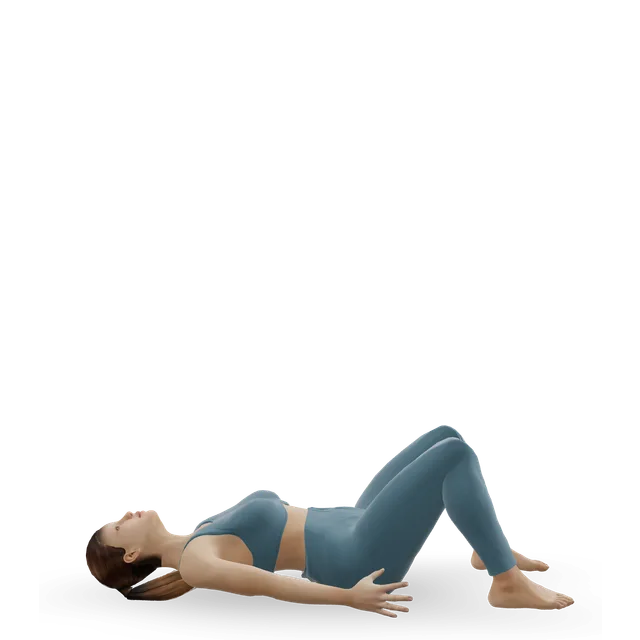
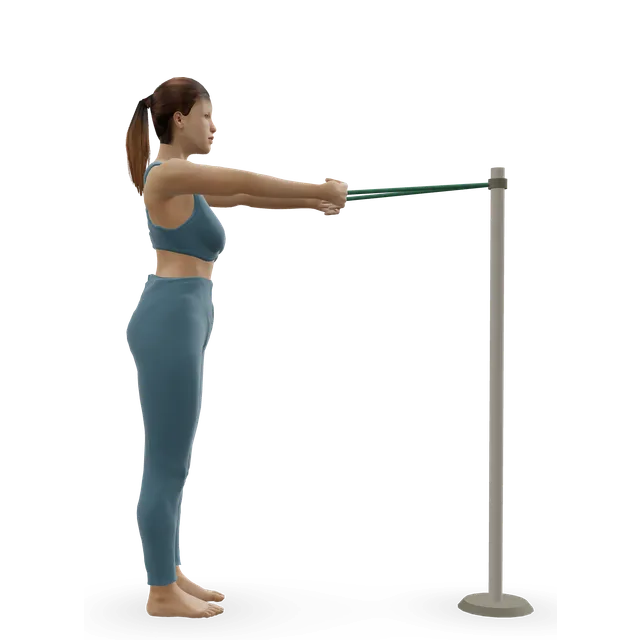
Follow along: a timer, a cue and the next move, one step at a time.
Stage 3
Strengthen: light shoulder strength, for good
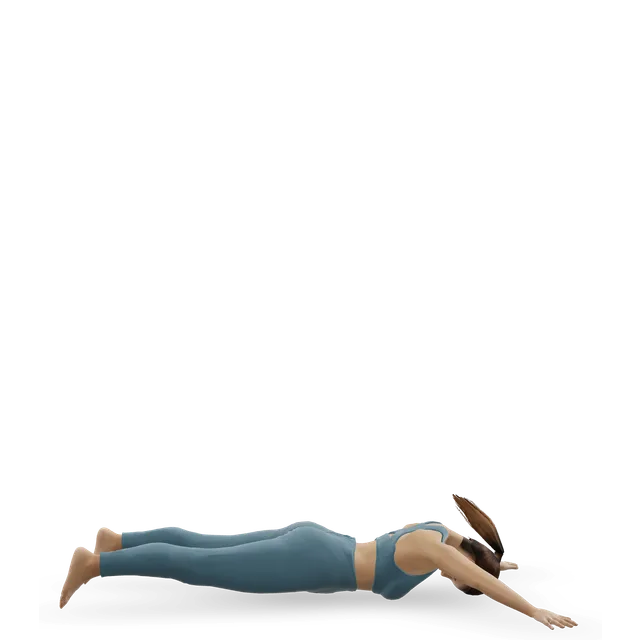
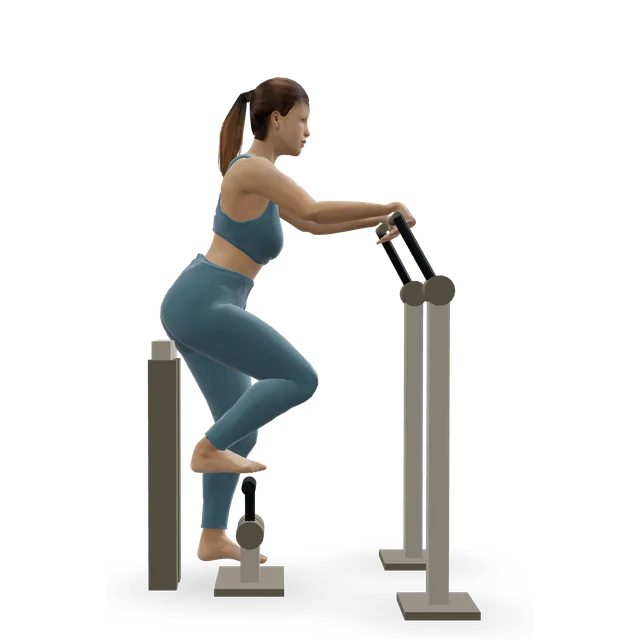
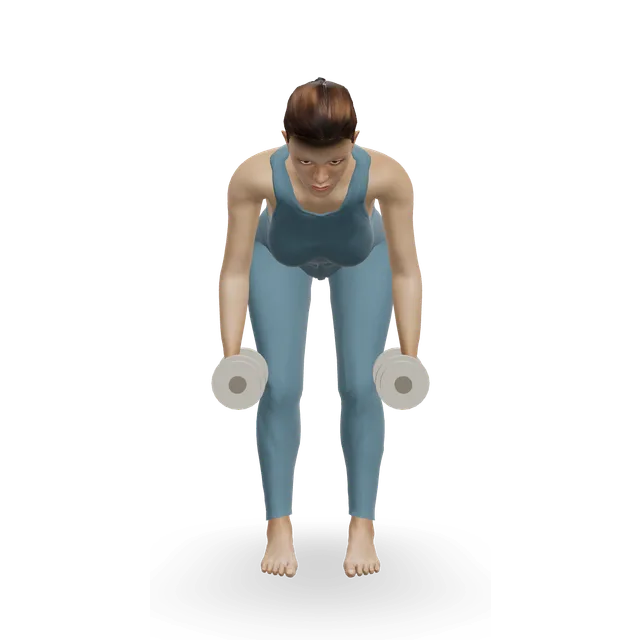
From about week 8, two or three days a week, and ongoing. Start with lateral raises and upright rows at light loads: in women with chronic neck muscle pain these worked the trapezius hard with only 3 to 10 kg. Sets and reps are editorial.
Move on when: Add a little weight every week or two while your neck stays settled.
Follow along: a timer, a cue and the next move, one step at a time.
What to change for now
Exercises to avoid? Work up to the stiff point, not through it
Nothing is banned by the evidence. Positions at the end of the range, looking right up or turning hard to one side, are the ones most likely to pinch, so work up to the stiff point rather than through it. This is editorial advice, in line with the guideline's description of pain at the end of the range.
Headstands, shoulderstands and plough load the neck at the end of its range. Leave them out with a painful or arthritic neck; there is no trial evidence either way.
The changes on a scan do not go away, but they are also found in most people without neck pain, so they do not decide how your neck feels. The NHS advises gentle neck exercise and keeping up your usual activities; treatment takes a few weeks to work and symptoms can come back.
Should I get an MRI for neck arthritis?
Not without warning signs, according to guidelines. Most people without neck pain have disc bulges on MRI, including about three quarters of people in their 20s. A scan matters when there are nerve or spinal cord signs.
Is it OK to crack an arthritic neck?
Clicking and grinding during normal movement are common and not usually serious. Forcing your own neck to crack is not something this guide recommends, and new or unusual neck and head pain needs checking.
Does neck arthritis cause headaches or dizziness?
It can cause headaches that start at the back of the neck, according to the NHS. Dizziness is different: NHS inform advises seeing a GP for neck pain with dizziness, and sudden dizziness with a severe headache, vision or speech problems needs urgent help.
When is surgery needed for neck arthritis?
The NHS says surgery is considered only when a nerve or the spinal cord is being compressed, and it is not always a cure. Spinal cord compression tends to get worse over time and people treated with surgery did better, which is why clumsy hands or unsteady walking need prompt assessment.
Exercise education, not a diagnosis or treatment plan. It is written from the guidelines and studies listed above; review by a clinician is pending. If your pain follows an injury, is severe, is getting worse, or comes with any warning sign listed on this page, get it assessed. Health disclaimer.