Plow pose (Halasana)
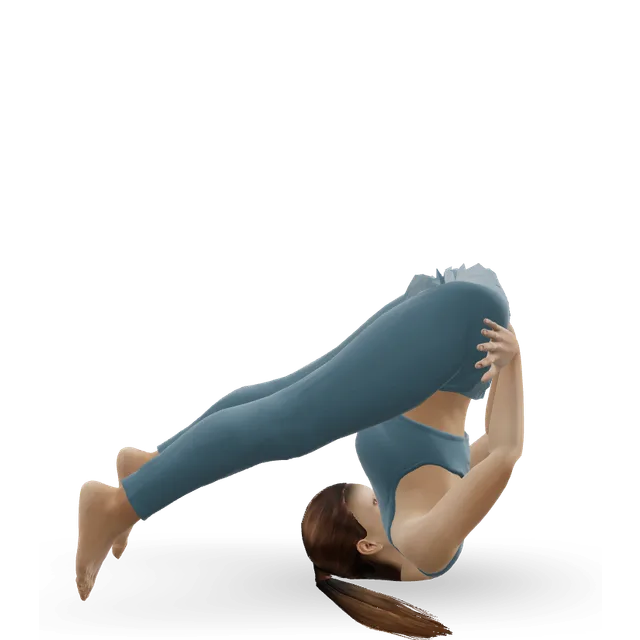
From the supported shoulderstand, the legs lower long over the head until the toes reach the floor behind it: the shoulderstand continued into a forward fold, with more of the neck's and back's flexibility asked for.
Shoulderstand family
Plow pose (Halasana)
Loading the 3D figure…
Source-researched guide.
How to move
- Come into the supported shoulderstand, the hands supporting the back.
- Keeping the legs long, lower the feet over the head toward the floor behind you, as far as is comfortable.
- Hold, then lift the legs back up and roll down slowly.
Form cues
- A folded blanket under the shoulders keeps the neck's curve.
- If the toes don't reach the floor, rest them on a chair or a wall.
Practice and cautions
No universal dose is assigned. Choose a manageable amount for your current capacity, leave room for controlled repetitions, and allow recovery. A clinician’s individual plan takes priority.
The neck is loaded in deep flexion, so skip it with any neck problem, glaucoma, uncontrolled high blood pressure, significant osteoporosis, or in pregnancy. Never turn the head while you are in the pose. With rheumatoid arthritis that affects your neck, leave this out: the NHS says long-standing rheumatoid arthritis raises the risk of an uncommon but serious problem at the top of the spine (cervical myelopathy). With proliferative or severe non-proliferative diabetic retinopathy, or after recent eye laser treatment or surgery, leave out head-down positions until your eye team says they are safe. With a stiff or fused spine from ankylosing spondylitis, leave this out (our reading): UK guidance from the National Institute for Health and Care Excellence (NICE) says people with axial spondyloarthritis may be prone to fractures, and a fused spine can break after a minor injury, most often in the neck. With vertigo or BPPV, head-down positions, lying back quickly and tipping your head back can bring on a spin: move into and out of them slowly, sit up slowly, and leave them out during a bad spell. With Down syndrome, leave out moves that put weight through the head and neck, such as headstands, shoulderstands, the plough and roll-overs, unless a doctor has checked your neck (our suggestion, from the advice on neck instability). This is movement education, not an assessment or treatment prescription. Stop for sharp or increasing pain, dizziness, numbness or tingling; seek individual guidance for symptoms, injury or restrictions.
Sources and review status
Sources support the educational description; they do not establish that this exercise is suitable for you.
- Yoga Journal · Plow pose (the legs lowered overhead from the shoulderstand) ↗
- Wikipedia · Halasana (plough pose, entered from the shoulderstand, after Yoga Journal) ↗
- NHS · Rheumatoid arthritis: complications, including cervical myelopathy, an uncommon but serious problem at the top of the spine (past its review date: reviewed March 2023, review due March 2026) ↗
No variation is labeled clinically validated.
What it works
Muscles
Main: Hamstrings, Back. Also: Neck, Shoulders.
Anatomy: Hamstrings, Biceps femoris, Latissimus dorsi, Teres major, Trapezius, Rhomboids.
Equipment
None: body weight and floor space.
Level
Advanced. See the easier and harder options above.
Guides that use it
- Pilates vs yoga guide
- Yoga guide
- Yoga for back pain guide
- Yoga for seniors guide
- Yoga in pregnancy guide
- Yin yoga guide
- Ashtanga yoga guide
- Iyengar yoga guide
Show all 69 guidesShow fewer guides
- Yoga for neck pain guide
- Yoga for headaches and migraine guide
- Yoga for kids guide
- Yoga for high blood pressure guide
- Yoga for sciatica guide
- Yoga for scoliosis guide
- Yoga for shoulder pain guide
- Yoga for arthritis guide
- Yoga for menopause guide
- Yoga for period pain guide
- Yoga for thyroid problems guide
- Yoga for posture guide
- Yoga for mobility guide
- Yoga for upper back pain guide
- Yoga for osteoporosis guide
- Yoga for MS guide
- Yoga for heart health guide
- Yoga for Parkinson's guide
- Yoga for stroke recovery guide
- Yoga for height guide
- Yoga for hair growth guide
- Yoga for glowing skin guide
- Yoga for kyphosis guide
- Yoga for a herniated disc guide
- Yoga for spondylolisthesis guide
- Yoga for degenerative disc disease guide
- Yoga for cervical spondylosis guide
- Yoga for whiplash guide
- Yoga for high cholesterol guide
- Yoga for low blood pressure guide
- Yoga for ovarian cysts guide
- Yoga for a hernia guide
- Yoga for Down syndrome guide
- Yoga for cerebral palsy guide
- Yoga for polymyalgia rheumatica guide
- Yoga for myasthenia gravis guide
- Yoga for muscular dystrophy guide
- Yoga for horse riders guide
- Yoga for gymnasts guide
- Yoga for pickleball players guide
- Yoga for CrossFit guide
- Yoga for wrestlers guide
- Yoga for bodybuilders guide
- Yoga for skateboarders guide
- Yoga for nurses guide
- Yoga for veterans guide
- Yoga for firefighters guide
- Yoga over 50 guide
- Yoga for Crohn's and colitis guide
- Yoga after spinal fusion guide
- Yoga for teens guide
- Yoga for atrial fibrillation guide
- Yoga for breast cancer guide
- Yoga for heart failure guide
- Yoga for prostate cancer guide
- Yoga for prolapse guide
- Yoga for lymphoedema guide
- Yoga for rounded shoulders guide
- Yoga for chronic pain guide
- Yoga for shoulder mobility guide
- Yoga for joint pain guide
Similar moves
 3D demoFlying sword (elastic forward swing)Intermediate · No equipment
 3D demoJefferson curlAdvanced · A dumbbell + A step
 3D demoDownward-facing dog (Adho Mukha Svanasana)Beginner · No equipment
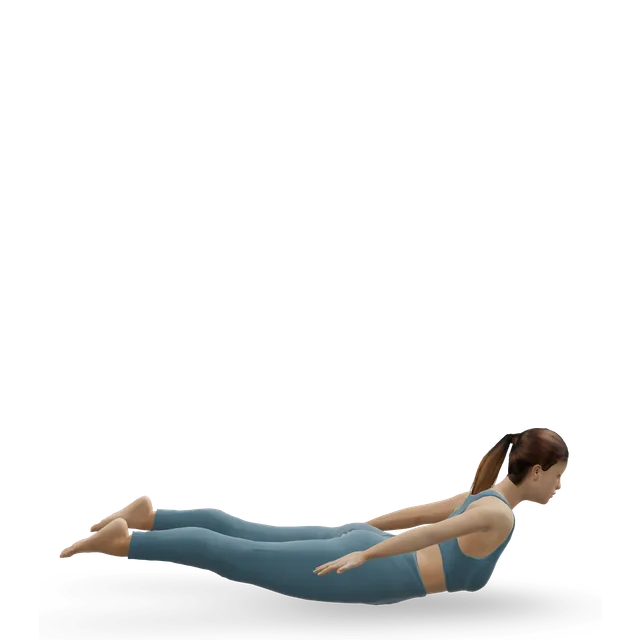 3D demoLocust pose (Salabhasana)Beginner · No equipment
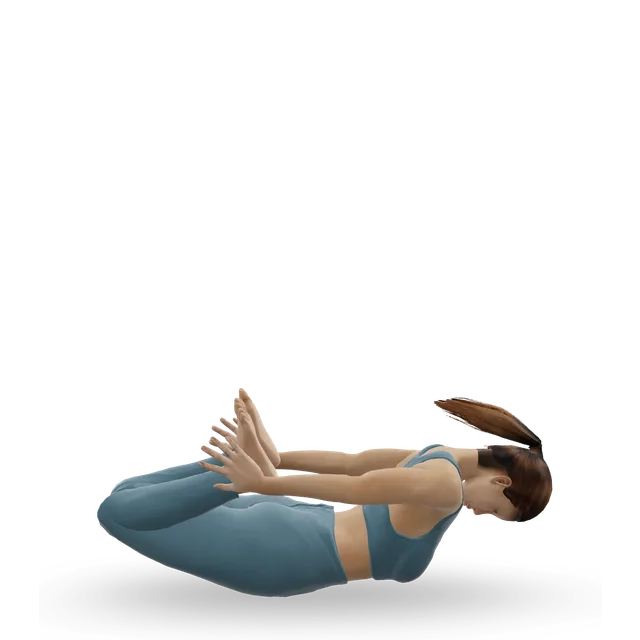 3D demoBow pose (Dhanurasana)Intermediate · No equipment
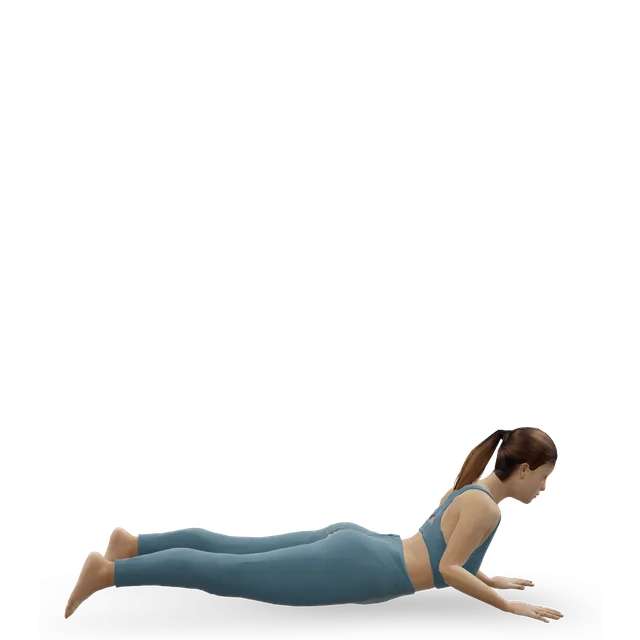 3D demoCobra pose (Bhujangasana)Intermediate · No equipment
Browse more
Questions people ask
What muscles does the Plow pose (Halasana) work?
Mainly the hamstrings and back, with help from the neck and shoulders.
What equipment do I need for the Plow pose (Halasana)?
No equipment: your body weight and a little floor space.
Is the Plow pose (Halasana) good for beginners?
It is an advanced move. Build up to it with the Legs up the wall (Viparita Karani) first.
What is an easier alternative to the Plow pose (Halasana)?
Try the Legs up the wall (Viparita Karani) or the Supported shoulderstand (Salamba Sarvangasana). Both are written steps in the same progression.