Stay active rather than restingStrong evidence
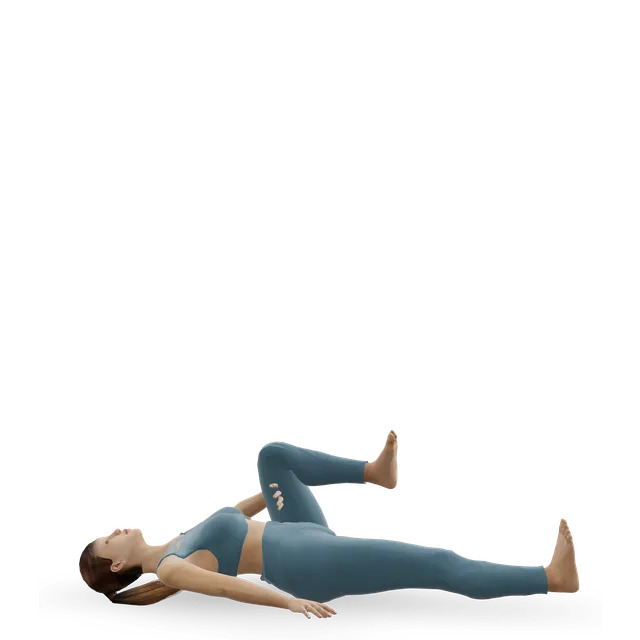
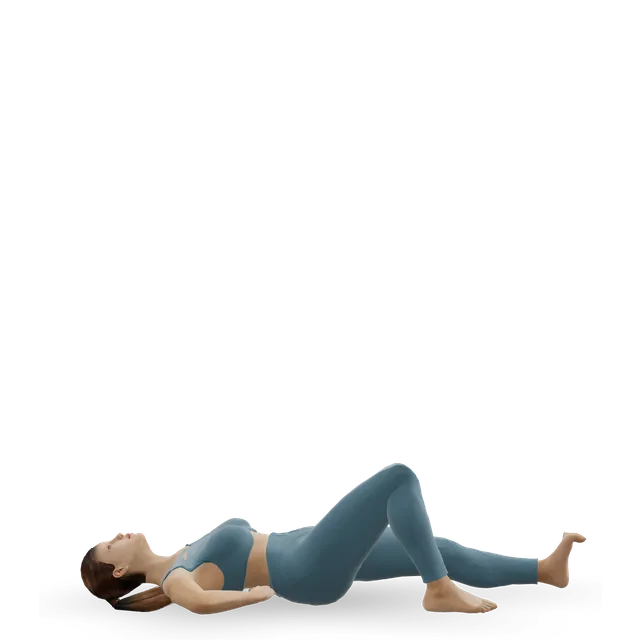
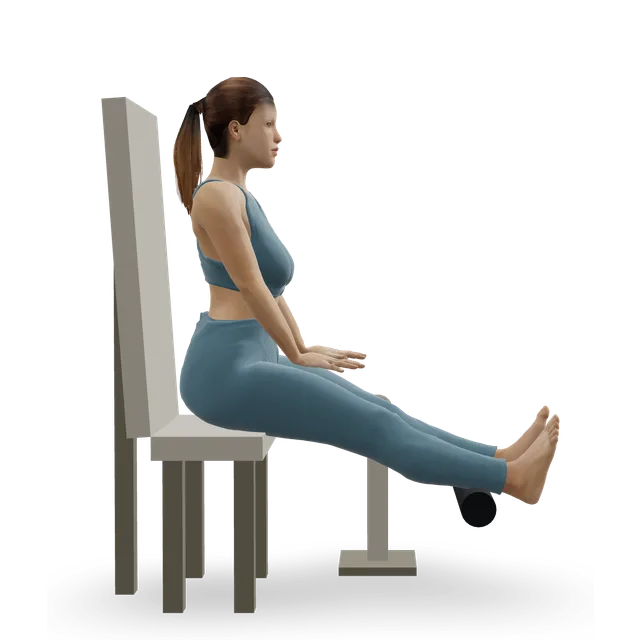
In a Cochrane review (2 trials, 401 people), advice to stay active gave slightly better pain relief and function than advice to rest in bed. NICE encourages people to carry on with their normal activities, and to consider an anti-inflammatory tablet at the lowest dose for the shortest time; paracetamol on its own and routine opioids aren't recommended. The NHS says don't stay in bed for long periods.
Sources 13, 8, 1
A rounded back hasn't been shown to cause back painEmerging evidence
In a meta-analysis of 11 low-quality studies, how much people bent their lower backs while lifting wasn't a risk factor for back pain, and people with back pain didn't lift with more bending. A review of 41 reviews found no agreement that postures, bending or lifting cause back pain, and training about 20,000 workers in lifting technique didn't prevent it. In one case-control study, using weight-training equipment wasn't linked with a herniated (slipped) disc in the lower back.
Your lower back moves under a bar anyway: in 30 trained lifters doing back squats, it rounded as soon as the bar was on the shoulders, by about 13° in women and 26° in men on the way down. What the evidence can't settle is whether heavy, tired reps with a back that changes shape a lot carry more risk: no trial has compared back positions and counted injuries.
Sources 14, 15, 16, 17, 18
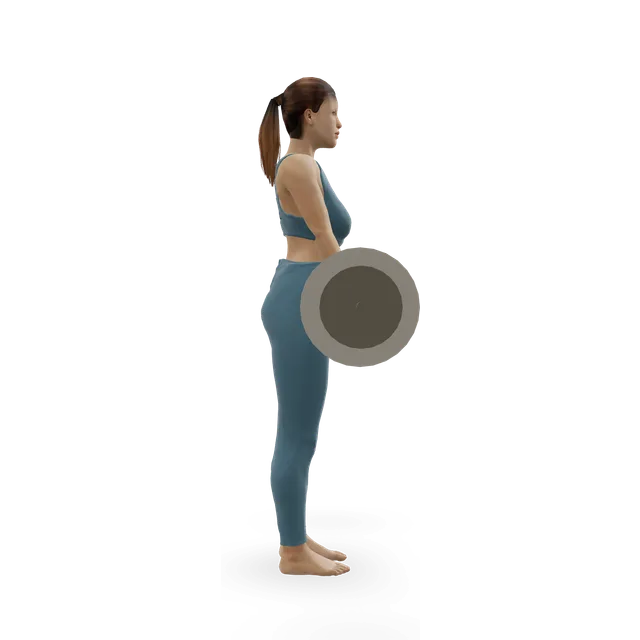
Deadlift training can be part of the treatmentMixed evidence
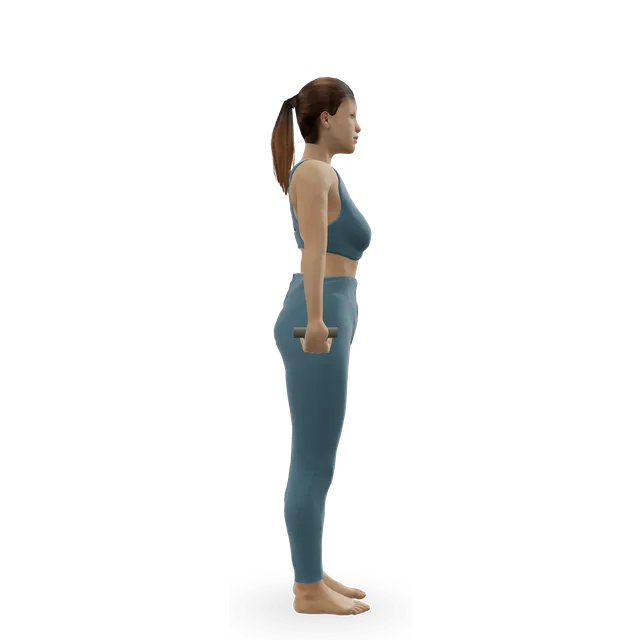
In 70 people with recurring low back pain, 12 supervised sessions of deadlift training over 8 weeks, with pain education, eased pain about as much as low-load motor control exercise, but improved everyday activities less at 2 months. At 1 and 2 years the groups didn't differ, and 50% to 80% reported less pain and disability. People with less pain and disability and better back muscle endurance at the start did best.
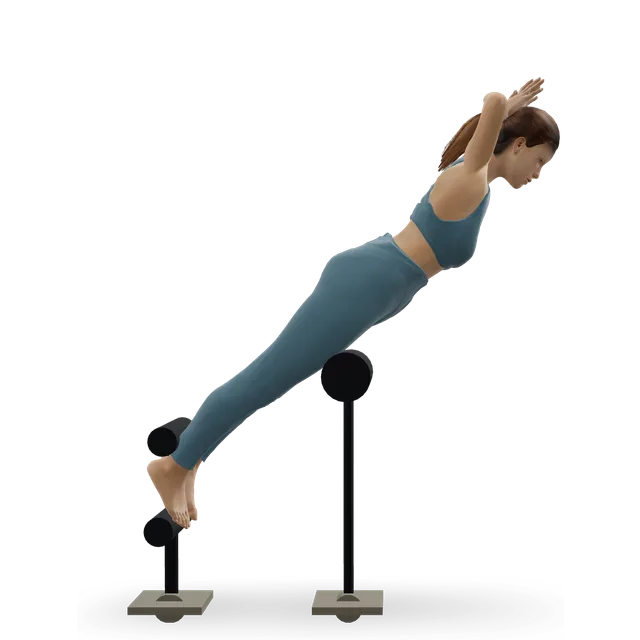
Across 8 small trials (408 people), back-of-body strength training did better than general exercise for disability; for pain the estimate also favoured it, but the result could have been no difference. Programmes of 12 to 16 weeks did better than 6 to 8. A 16-week free-weight programme helped 30 people, with no comparison group, and in a 2026 pilot of 30 men, adding deadlifts to core training helped no more than core training alone. Deadlifts are one option, not the best one: the best exercise is the one you keep doing.
Sources 19, 20, 21, 22, 23, 24
A belt isn't a back treatmentStrong evidence
NICE says not to offer belts or corsets for low back pain, and a Cochrane review found moderate evidence that lumbar supports were no better than nothing at preventing back pain (7 trials, 14,437 people), with unclear evidence for treating it.
In the lab, a belt raised the pressure inside the abdomen in deadlifts at 90% of maximum, cut modelled spinal compression by about 10% only when lifters breathed in first, and added reps in the squat (8.1 against 6.5 at a 6-rep weight); people felt more stable, though measured stability didn't change. Powerlifters who used belts reported more lower back injuries, which may mean people with sore backs reach for one. The site's deadlift guide treats a belt as a performance aid for heavy sets once you can brace without it.
Sources 8, 25, 26, 27, 28, 29
Trap bar and sumo deadlifts change where the load goesEmerging evidence
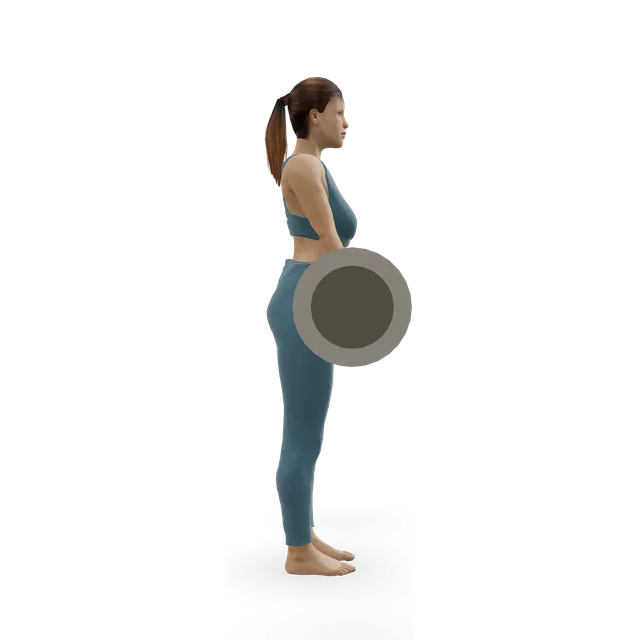
In 19 powerlifters, a trap bar lowered the peak load at the lower back, hips and ankles compared with a straight bar, raised it at the knees, and let them lift more (265 against 245 kg). Biomechanical studies cited in a powerlifting review found the sumo deadlift lowered the modelled shearing and turning loads at the bottom of the lumbar spine compared with a conventional stance. These are lab measures, not trials in people with back pain.
Sources 30, 6