Sport

Obstacle course racing: how to train for Spartan and Tough Mudder, and stay safe

Obstacle races are runs over rough, hilly ground with walls, ropes, bars, carries, crawls, mud and water in between, from a 5 km Spartan Sprint or a Tough Mudder 5K to half-marathon distances and beyond. They're also a sport, with world championships and an Obstacle discipline in modern pentathlon. Running fitness predicts finishing times best, but grip, pulling and carrying strength get you over the obstacles.

This guide covers how to train (running, strength, carries and obstacle skills), the rules on penalties, ages and health, how often racers get hurt, the risks particular to these races (mud and water infections, cold water, electric obstacles, heat and falls) and who should check with a GP first. There are two workouts with 3D demos: a strength session and a hill and obstacle conditioning session. We're not connected with any race organiser.

The short version

Running with obstacles

Spartan's standard races have run from the 5 km Sprint, with 20 to 25 obstacles, to the half-marathon Beast and beyond; Tough Mudder's 5K and 15K aren't timed and take most people 2 to 4 hours. Obstacle racing is also a sport, now joining modern pentathlon's federation, the UIPM, and Obstacle replaced riding in modern pentathlon from 2023.

Sources 1, 2, 3, 4

Most injuries are minor

At 33 Spartan races with 73,366 entrants, 2.4% were treated on site, mostly for cuts and grazes, and 1 in 100 of those needed an ambulance. Serious problems such as broken bones, heatstroke and a heart attack were rare but did happen.

Sources 5, 6

Landings are the knee risk

High-impact landings and rubber matting went with knee ligament injuries, which were more common in women. Climb down where you can, and practise landing softly.

Source 7

Don't swallow the mud

Swallowing mud more than doubled the risk of a stomach bug in Dutch racers, and outbreaks of E. coli and other infections have followed races. Keep your mouth closed, wash your hands before eating and shower soon after.

Sources 8, 9

Cold water and electric obstacles

Some courses have included ice baths and obstacles that give electric shocks. In 2022 Tough Mudder UK said its electric obstacle was optional, and in 2023 it advised anyone at medical risk, or who can't swim, to skip those obstacles and speak with a doctor. Check your event's own information.

Sources 10, 11, 12, 13

Run first, then carry, pull and hang

In experienced racers, running speed best predicted race time, and carrying strength added to it. Pulling and grip get you over walls and bars, and Spartan's 2023 rules set burpees or penalty loops for failed obstacles, so check your race's own rules.

Sources 1, 14

What obstacle racing asks of your body

The races

As described in 2020, Spartan's Sprint is 5 km with 20 to 25 obstacles, the Super 10 km with 25 to 30, the Beast about a half marathon with 30 to 35, and the Ultra 50 km with about 60, with rope climbs, monkey bars, walls, cargo nets, mud pits, carries and spear throws. Tough Mudder UK's 5K has 12 or more obstacles and its 15K 20 or more. Spartan's elite series moved to 3 km courses of three 1 km laps in 2023. World Obstacle, the sport's international federation, sets rules for standard-distance and short-course racing, the UIPM's 2026 world championships include 100 m, 400 m and 3 km races, and modern pentathlon's Obstacle discipline uses 8 obstacles over 60 to 70 m.

Sources 1, 2, 14, 15, 16, 4

Running fitness firstEmerging evidence

In 32 experienced racers with a mean age of 42, mile time and short-burst power on a bike test were the best single predictors of time in a simulated 5 km race with 30 obstacles: each extra minute on the mile went with about 6.4 more minutes in the race. Elite Polish racers ran 3,000 m in about 12 minutes and did 19 pull-ups on average. These are associations.

Sources 1, 17

Long efforts, broken by hard burstsEmerging evidence

In a case study of one man over a 24-hour race, his effort rose and fell with each obstacle. Most Tough Mudder entrants are out for 2 to 4 hours, so water, food and temperature matter, and Spartan's 2025 race guide in Japan required racers expecting 3 hours or more to carry their own water.

Sources 18, 2, 19

What takes the loadEmerging evidence

The ankles and knees, on rough ground and in landings from walls and frames; the skin of the hands, knees and shins on ropes, rough surfaces and crawls; and the shoulders and elbows on hanging and climbing obstacles. Heat, cold water and mud add their own strain.

Sources 5, 6, 7

Energy cost

The Compendium of Physical Activities has no value for obstacle racing. Its nearest entries are army-style obstacle course and boot camp training (5.0 metabolic equivalents, METs) and cross-country running (9.3 METs), both from measurements.

Sources 20, 21

What to train (our reading)

Running, including hills and trails, first; then grip, pulling and hanging, carrying, crawling, soft landings and burpees, built up gradually.

Common injuries

Race medical teams count the people they treat; surveys ask racers to recall their injuries. The two kinds of figure aren't comparable.

How often racers get hurtEmerging evidence

The numbers, by group:

  • 73,366 entrants at 33 Spartan races in eastern Canada, 2015 to 2017: 2.4% treated on site (0.8% to 5.3% per race); 59% for cuts and grazes, 33% for muscle, joint and bone injuries, 3.1% for exertion and 2.9% for heat or cold; 1 in 100 of those treated went by ambulance.
  • 45,285 entrants at 8 Canadian races in 2015: 1.2% treated, and 89% of them went back to the race.
  • Tough Mudder and Warrior Dash in British Columbia: 26.5 to 37.4 people treated per 1,000 entrants.
  • 7 studies in a 2022 review: 1.4% sought medical care, about 6% of them needed hospital care, and 27% of racers asked afterwards recalled a limb injury.
  • Surveys of 153 Polish and 201 Spanish racers: 27.4% and 28.4% recalled an injury from racing.

Sources 5, 22, 23, 6, 24, 25

Cuts, grazes and rope burnsEmerging evidence

The commonest injuries at Spartan races. Spartan's 2025 race guide in Japan recommended long sleeves, leggings or compression gloves for obstacles such as the rope climb. A cut that turns hot, red and swollen after a mud race needs checking (see the warning signs).

Sources 5, 19

Ankles and lower legsEmerging evidence

The foot and ankle were 40% and the lower leg 23% of the muscle, joint and bone injuries at Spartan races. Our sprained ankle, high ankle sprain and broken ankle guides cover these.

Source 5

Knees and ACL injuriesEmerging evidence

A 2024 review found anterior cruciate ligament (ACL) injury figures in just 2 studies, one of them a military academy's indoor obstacle course test: 0.45 ACL injuries per 1,000 times an athlete took part, about 5 times higher in women than men. High-impact landings, slowing down hard and rubber matting were the risk factors. Our ACL, meniscus tear and MCL sprain guides cover knee injuries.

Source 7

Shoulders, arms and handsEmerging evidence

Spanish racers most often hurt their arms, broken bones and dislocations were among the ambulance transfers at Spartan races, and a case report describes a torn latissimus dorsi tendon in a Spartan race. Our shoulder dislocation, elbow dislocation, broken finger and finger pulley guides cover these.

Sources 25, 5, 26

Heat and low blood sodiumEmerging evidence

Exertion and heat or cold made up about 6% of injuries at Spartan races; one case of heatstroke and one of low blood sodium from drinking too much needed an ambulance.

Source 5

Hearts and blood vesselsMixed evidence

A heart attack was among the ambulance transfers at Spartan races, and a case report describes a tear in the main artery's wall during a race. These are rare.

Sources 5, 27

Who's at higher riskEmerging evidence

Associations in the studies:

  • More races, less time between them, and more weekly time training on obstacles or in groups, which may just mean more time exposed.
  • Women, for ACL injuries, and hard landings on rubber matting.
  • Swallowing mud, for stomach bugs.

Sources 24, 25, 7, 8

What prevents injuries

No training or injury prevention programme has been tested in obstacle racers. Each note says what its evidence is: race studies, borrowed evidence, the organisers' rules or our reading.

No trial in racers; borrowed ideasMixed evidence

A 2022 review notes that on military obstacle courses about 5% of trainees were injured, and suggests measures with evidence from other settings: balance training and ankle braces for ankle sprains, exercise programmes for knees, and gloves and covered skin. None has been tested in racers.

Source 6

What organisers doMixed evidence

The UIPM's 2026 guidelines require medical cover, written risk assessments for falls from height and a halt for lightning; World Obstacle asks racers to help anyone in distress; Spartan's 2025 race guide in Japan required water for long races; and Tough Mudder lets anyone skip obstacles and sets minimum ages. These are rules; nobody has measured whether they change injury rates.

Sources 16, 15, 19, 13, 28

Land softly, climb downEmerging evidence

Hard landings went with knee injuries. Practise soft landings from a low box, climb down rather than jump where you can, and do the warm-up below (our reading). Exercise programmes with balance work cut knee and ankle injuries in other sports.

Sources 7, 6

Cover your skinEmerging evidence

Cuts and grazes were the commonest injury. Long sleeves, leggings or compression gloves help on ropes and rough obstacles, where the race allows them; the UIPM bans gloves in its 100 m and 400 m races.

Sources 5, 19, 16

HeatStrong evidence

Heat illness is one of the serious problems at races. Drink during long races, slow down in hot weather, and know the NHS's signs of heat exhaustion and heatstroke in the warning signs below.

Sources 29, 19, 5

What isn't shownMixed evidence

Without good evidence in obstacle racing:

  • That any warm-up, training plan or kit reduces injuries at races.
  • Whether electric obstacles are safe for people with heart devices, heart conditions or epilepsy: no study.
  • Whether medical cover, lightning rules or age limits change injury rates: not measured.
  • Short training plans sold for a first race: untested.

Sources 6, 7

Training for performance

Running fitness firstEmerging evidence

Mile time and short-burst power predicted simulated race time best, and the study's authors conclude that aerobic fitness matters most, with strength and power needed for carries, monkey bars and rope climbs. Our running plans build the base, and our hill repeats add the hills.

Source 1

Grip, pulling and hangingEmerging evidence

Elite racers did about 19 pull-ups on average, and hanging and climbing obstacles stop many beginners (our reading). Our grip strength guide and pull-up progression explain how to build both.

Sources 17, 1

Carries and burpeesEmerging evidence

How far racers could carry a weighted bucket in 5 minutes predicted race time even after allowing for running speed. Spartan races have used 30 burpees as the open-wave penalty for a failed obstacle (in its 2023 rules and a 2025 race guide), so steady burpees may be part of your race (our reading).

Sources 1, 14, 19

Practise obstacles, but build upEmerging evidence

More time on obstacle training, more races and less time between them went with more injuries in Polish and Spanish racers, probably because of more time exposed. Build up obstacle practice gradually and leave gaps between races (our reading).

Sources 24, 25

Before race day (our suggestion)

No study has tested tapering for obstacle races. As for running races, make the final week lighter, with a few short, sharp efforts kept in.

Fitting it in (our suggestion)

Three runs a week (one easy, one with hills, one longer, on trails where you can), two strength sessions with grip, pulling, carrying and crawling, and the hill and obstacle session once a week in place of the hill run.

For a first 5 km race, 8 to 12 weeks from being able to run 5 km is a sensible lead-in; for half-marathon distances, follow our half marathon plan and add the strength sessions.

Source 1

Mud, water and cold

Swallowing mudEmerging evidence

In 2,646 Dutch obstacle racers in 2017, swallowing mud more than doubled the risk of a stomach bug afterwards, and rinsing off in a shared hot tub went with skin infections. In a muddy mountain bike race in Canada, swallowing mud went with about 4 times the odds of illness.

Sources 8, 30

Outbreaks after racesStrong evidence

In England in 2018, 9 people caught E. coli O157 linked to a mud race, 2 of them family members infected at home; sheep had grazed the course 2 days before, despite an agreement to remove them 28 days ahead. Public Health England found 41 cases of gut infection linked to muddy events between 2015 and 2018. In France, 866 racers met the case definition in a norovirus outbreak, and in the US, a long obstacle race led to a Campylobacter outbreak.

Sources 9, 31, 32

Rare serious infectionsMixed evidence

Case reports describe leptospirosis after a mud run in Hawaii, a fungal infection of the heart in a child after a mud run in the US, and tularaemia in a boy after a children's mud race in the Netherlands. They're rare, but they're why doctors need to know you did a mud race.

Sources 33, 34, 35

What to doStrong evidence

Cover cuts with waterproof plasters, keep your mouth closed in muddy water, wash your hands before eating, and shower as soon as you can rather than sharing a hot tub (from the study authors' advice). Don't race with diarrhoea or vomiting: the NHS says stay off until you've not been sick or had diarrhoea for at least 2 days. Public health doctors also ask organisers to keep livestock off courses for 28 days, and warn that E. coli can spread to children at home.

Sources 8, 9, 36, 37

Cold water shockStrong evidence

The Royal Society for the Prevention of Accidents (RoSPA): cold water shock can happen in water of 15°C or lower, makes you gasp and breathe up to 10 times faster, and can cause a heart attack even in fit, healthy people. Tough Mudder describes its Arctic Enema as a 4-degree ice pit you go under twice.

Sources 11, 10

If you can't swim, or the cold worries youStrong evidence

In 2023 Tough Mudder strongly advised anyone who can't swim to skip water obstacles, and its 2026 Infinity rules require entrants to confirm they can swim 100 m unaided. With a heart condition, high blood pressure, Raynaud's or another condition made worse by cold, walk round ice and deep-water obstacles (our suggestion).

Sources 13, 38

HypothermiaStrong evidence

The NHS: hypothermia is a body temperature below 35C and needs A&E or 999. Get them somewhere sheltered, remove wet clothing and wrap them up; don't use a hot bath, don't rub their arms or legs, and don't give alcohol. Bring dry clothes for the finish (our suggestion).

Source 39

Electric obstacles

What they are

Some Tough Mudder courses have included an obstacle of hanging wires that give electric shocks as you run through them, and its own page says wet mud makes the shocks worse. In 2022, Tough Mudder UK said the obstacle was only on its Classic course and was optional, and in 2023 its help centre advised anyone at risk from its electric obstacles for medical reasons to skip them and speak with a doctor before the event. Courses change, so check your event's information pack.

Sources 40, 12, 13

Emergency visitsMixed evidence

In a series of 5 people treated at one emergency department after an obstacle race, 4 had been in contact with the electric obstacle.

Source 41

Who should walk round them (our suggestion)

No study says who is at risk. We'd walk round any electric obstacle with a pacemaker or implanted defibrillator, a heart condition or palpitations, epilepsy, or in pregnancy, and ask your device clinic or doctor first. This is our editorial view, not a tested rule.

The rules: penalties, ages and health

World Obstacle, 2025Strong evidence

The international federation's competition rules (version 2025.09.11), now merging into the UIPM (enacted 10 August 2026):

  • Health: racers "should be in excellent physical condition", and starting a race declares that they are in good health; the federation encourages health checks before competing.
  • Safety: officials may remove a racer who seems a danger to themselves or others; in an emergency, raise an arm and call for help; failing to help a racer in distress can bring disqualification.
  • Ages: Kids 5 to 7, Youth 8 to 15, Junior 16 to 19, Senior 20 to 39, Masters 40 to 59, Veterans 60 to 69 and Legends 70 and over.
  • Failed obstacles: wristbands are cut, and a racer who loses all three doesn't complete the race.

Sources 15, 3

The UIPM's 2026 world championshipsStrong evidence

All activity stops for thunder and lightning; obstacles need a written risk assessment covering falls from height; medical cover is mandatory; and any obstacle with blood on it is disinfected.

Source 16

SpartanStrong evidence

Spartan races have used penalties for failed obstacles: for 2023, open-wave racers did 30 burpees (15 at stadium races) and elite and age-group racers ran a penalty loop, often 200 m; a 2025 race guide in Japan gave a penalty loop or 30 burpees. Rules change between races and years, so check your race's own rules.

Sources 14, 19

Tough Mudder UKStrong evidence

From its help centre and frequently asked questions (2023 to 2026):

  • Minimum ages: 14 for the 5K and 16 for the 15K, with parental permission, and 18 for Infinity and World's Toughest Mudder; under-18s must be accompanied by an adult.
  • You can skip any obstacle you're not comfortable with, without penalty, in its non-competitive events.
  • The participant waiver says it's your responsibility to consult your GP before taking part.
  • If you have symptoms of an infection such as COVID-19, it asks you to stay home.

Sources 28, 2, 13, 42, 43

Other UK races

UK organisers set their own rules on ages, penalties, kit and obstacles. Read your race's rules and information pack before entering.

A warm-up for obstacle racing

Built on the site's warm-up guide (editorial): no warm-up has been tested in obstacle racers. The doses come from the site's runners', hill repeats, surf and CrossFit warm-ups and its martial arts and calisthenics workouts; the 5-minute jog and the 2 crawls are editorial. Land every jump softly, because hard landings went with knee injuries.

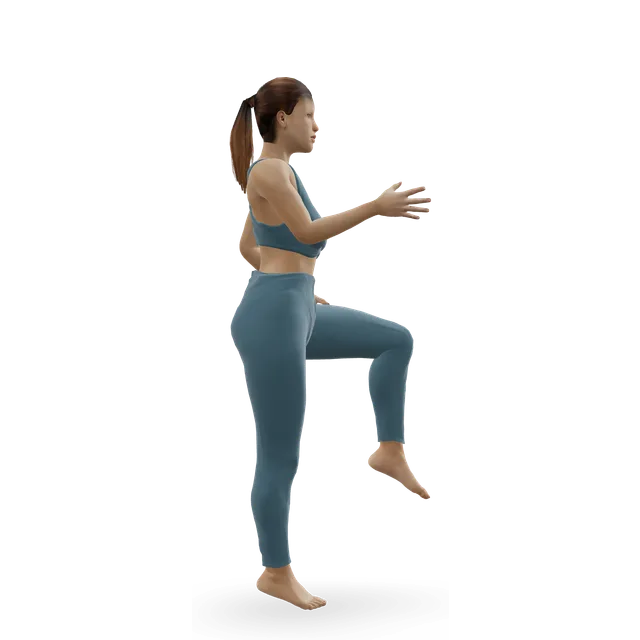
  1. Jog: 5 minutes easy.
  2. Skips: 2 × 20 m, light and springy.
  3. Lunges: 6 walking lunges each leg, upright.
  4. Hips and upper back: 3 slow world's greatest stretches each side.
  5. Ankles: 2 × 10 pogo hops, short and quiet.
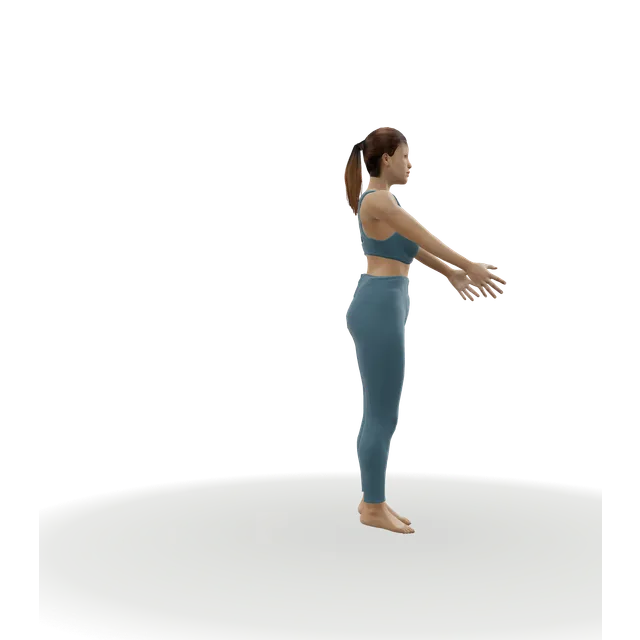
  6. Landing: 3 broad jumps, holding each landing for 2 seconds.
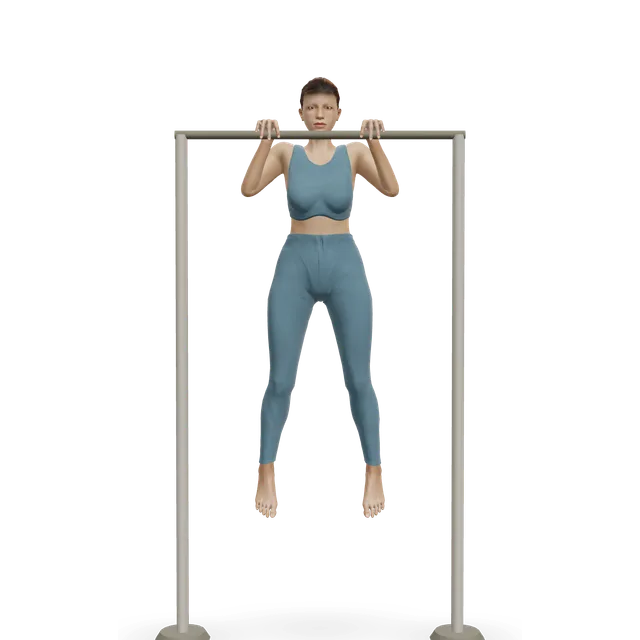
  7. Shoulders for hanging: 3 slow circles each arm, then 6 to 8 scapular pull-ups if there's a bar.
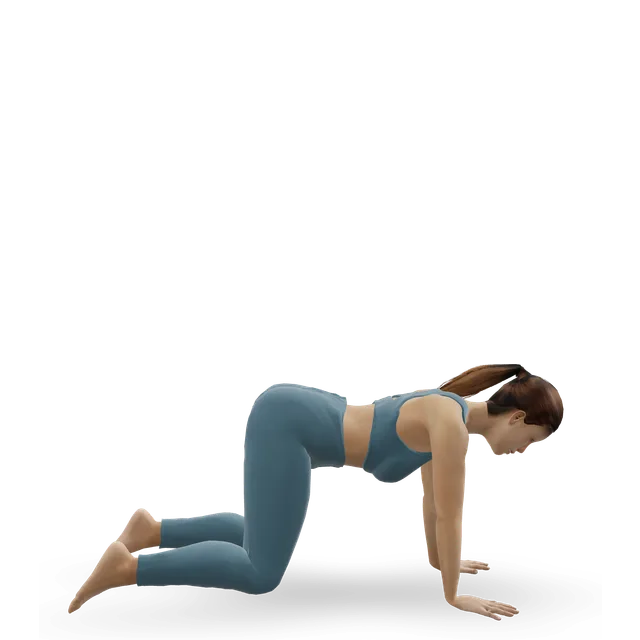
  8. Crawl: 2 bear crawls of 8 to 10 m, knees just off the ground.

Loading the 3D figure…

Gets into position, then repeats the movement. Technical checks passed; qualified exercise review is pending.

The movement on the figure: Standing broad jump with stuck landing

Moves for obstacle racing

Pulling, hanging, carrying, crawling, landing and running moves, each with a 3D demo.

Workouts

The first two are new: a strength session for grip, pulling, carrying and crawling, and a hill and obstacle conditioning session. The others add pull-up progressions, grip, hills, running strength, plyometrics and landings.

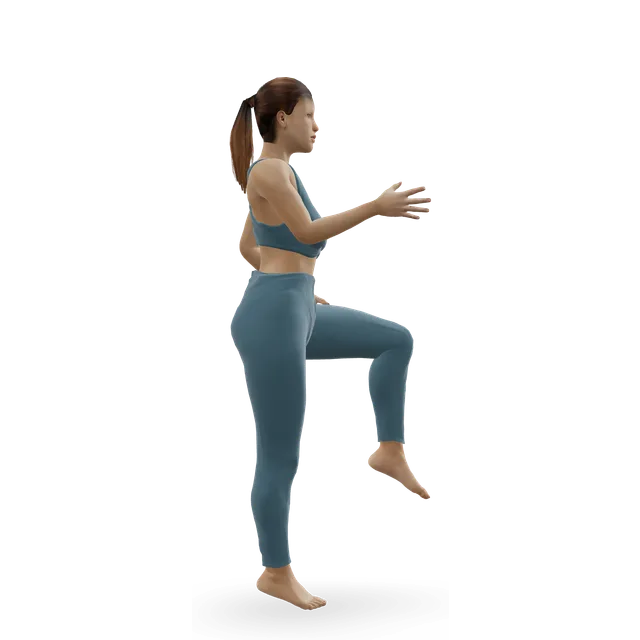
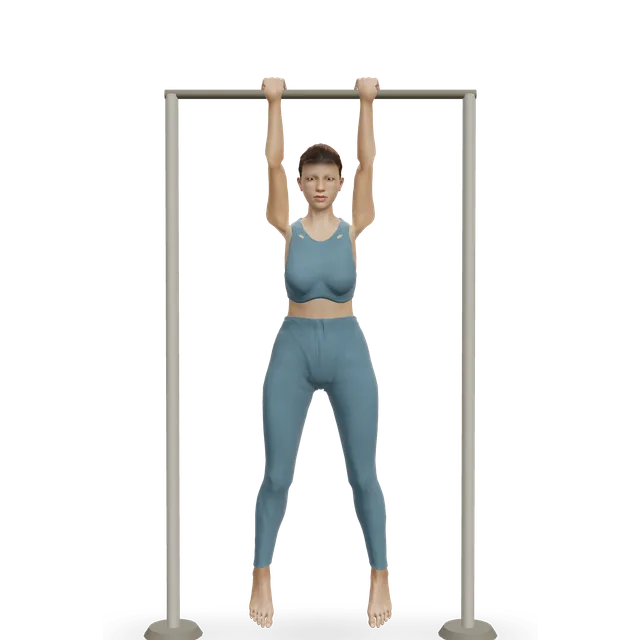
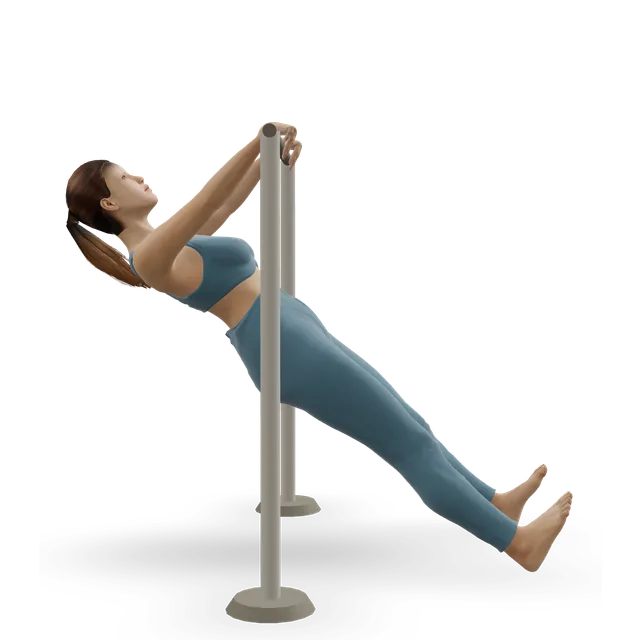
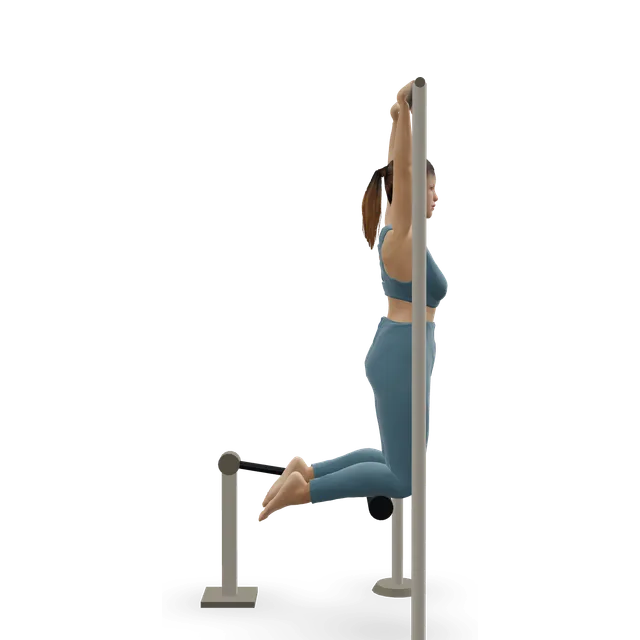
Obstacle race strength workout: pull-ups, hangs, carries, crawls and burpees

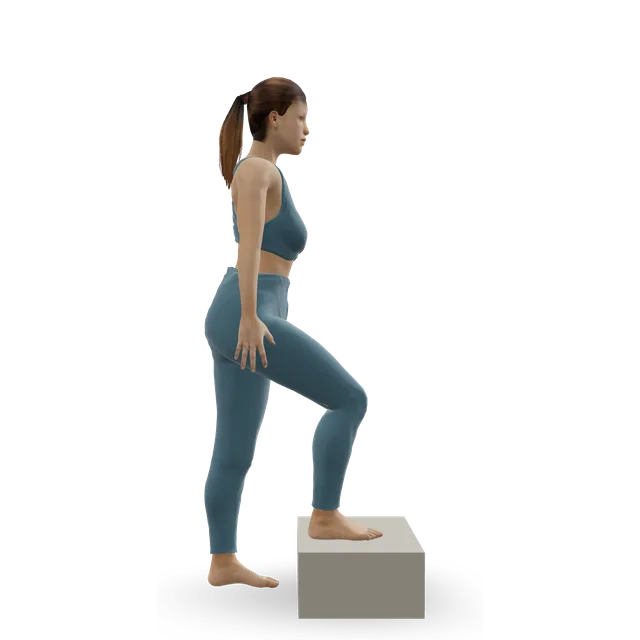
A 50-minute strength session for obstacle racing: pull-ups or their progressions, bar hangs, step-ups, farmer's carries, bear crawls, burpees and side planks.

50 minBeginner11 movesCardio machine, Pull-up bar

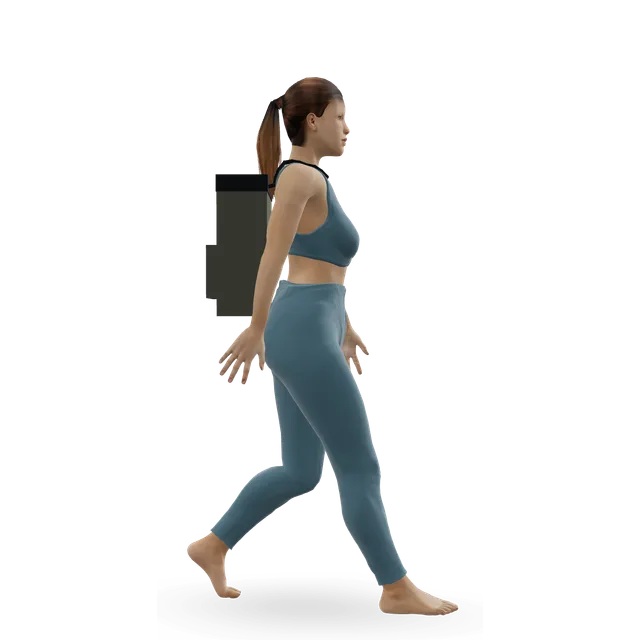
Obstacle race conditioning workout: hill repeats, carries, crawls and landings

A 50-minute obstacle race session: an easy jog, 6 hard 60-second hill repeats, then 3 rounds of carries, crawls, burpees, held landings and bar hangs.

50 minIntermediate12 movesCardio machine, A dumbbell

Grip strength workout: squeezes, curls, carries and hangs

A 20-minute grip session: warm up the wrists and fingers, train the hand and forearm muscles, then carry and hang to load your grip the way everyday life does.

20 minBeginner10 movesOther / check instructions, A band

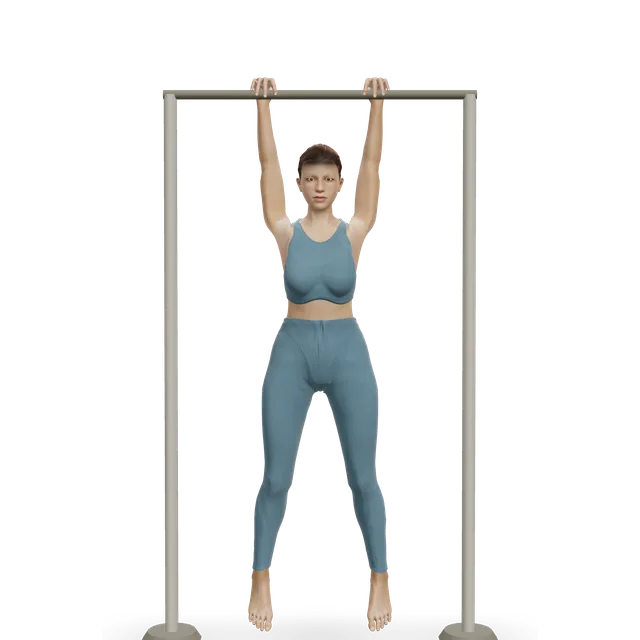
First pull-up workout

Train for your first pull-up: hangs, shoulder-blade pulls, rows, band- or machine-assisted pull-ups, slow negatives and grip work in one session.

30 minBeginner8 movesPull-up bar, A step

Pull-up progression workout

Work up to your first pull-up: dead hangs, scapular pulls, rows, negatives and assisted pull-ups.

25 minBeginner7 movesPull-up bar, A step

Hill repeats for beginners

A 35-minute hill session for beginners: an easy warm-up jog, then 6 uphill runs of 60 seconds at a hard effort, walking back down between them.

35 minIntermediate7 movesCardio machine, A wall

Hill and stair conditioning

Stair or hill climbs with the walk down as recovery, then a loaded walk with your rucksack, building towards the hills, pack and days of your trip.

40 minBeginner5 movesA step, Something with weight

Hiking training workout

A 35-minute strength workout for hikers: step-ups, lunges and calf raises for climbs, slow step-downs for descents, single-leg hinges, carries and balance.

35 minBeginner13 movesA wall, A step

Strength workout for runners (gym)

A 45-minute gym strength workout for runners: hops, heavy squats, Bulgarian split squats, calf raises and side planks, with sets, reps and rest.

45 minIntermediate13 movesA wall, A bench or box

Hyrox strength workout: legs, pulling, carries and sleds

A 50-minute strength session for Hyrox and fitness races: squats, lunges, Romanian deadlifts, sleds or step-ups, thrusters, carries, calf raises and planks.

50 minIntermediate14 movesCardio machine, A wall

CrossFit-style workout for beginners: learn the lifts, then a short scaled workout

A 45-minute beginner session in the shape of a CrossFit class: a warm-up, goblet squats, deadlifts, push-ups and rows, a 10-minute EMOM, then core work.

45 minBeginner15 movesCardio machine, A wall

Plyometric workout

An advanced jump training session: pogo hops, box jumps, split squat jumps, broad jumps and depth jumps.

30 minAdvanced8 movesA bench or box, A step

Knee control warm-up

A 20-minute warm-up that trains your knees to track over your toes: side-hip strength, squats and lunges with alignment practice, balance and quiet landings.

20 minBeginner10 movesA wall, A band

Runner's warm-up

An 8-minute dynamic warm-up for runners: ankle and hip mobility, lunges, skips and pogo hops.

8 minIntermediate8 movesA wall

Plans

Pick the running plan that fits your race distance and add the two strength sessions.

Who should check first

Everyone: seven questions

The PAR-Q+ (Physical Activity Readiness Questionnaire for Everyone) asks about a heart condition or high blood pressure, chest pain, dizziness or losing consciousness, other long-term conditions and their medicines, a bone or joint problem that activity could make worse, and being told to exercise only under supervision. If you answer yes to any, check with your doctor or a qualified exercise professional first. Organisers put the responsibility on you: starting a World Obstacle race declares you're in good health, and Tough Mudder's UK waiver says to consult your GP.

Sources 44, 15, 42

A heart condition, high blood pressure, chest pain or fainting

A heart attack and a torn artery have happened during races, and cold water shock can cause a heart attack even in healthy people. See your GP or cardiologist before entering, and skip ice-water and electric obstacles (our suggestion).

Sources 5, 27, 11

A pacemaker, an implanted defibrillator or a heart rhythm problem

In 2023 Tough Mudder advised anyone at medical risk from its electric obstacles to skip them and speak with a doctor. No study covers heart devices: ask your device clinic, and walk round electric obstacles (our suggestion).

Source 13

Epilepsy

Water and heights are where a seizure is most dangerous, as our epilepsy guide explains, and Tough Mudder's waiver lists seizures among the risks. Race with someone who knows what to do, and skip water, height and electric obstacles unless your seizures are well controlled and your specialist agrees (our suggestion).

Source 42

You can't swim

In 2023 Tough Mudder strongly advised anyone who can't swim to skip water obstacles.

Source 13

Pregnant

Our pregnancy guide advises against activities where you could fall or be knocked. Obstacle races carry both risks (our reading); ask your midwife about running instead.

A weakened immune system, or open wounds

Mud and water carry gut and skin infections, and rarely serious ones. If treatment or a condition weakens your immune system, ask your doctor before a mud race, and cover cuts with waterproof plasters (our suggestion).

Sources 8, 33, 34

Ill with diarrhoea or vomiting

The NHS says stay away for at least 2 days after symptoms stop and don't use a swimming pool for 48 hours; Tough Mudder asks people with symptoms to stay home; and in France a norovirus outbreak spread through a race's mud. Don't race.

Sources 36, 43, 31

Under 18

Follow the organiser's age rules: Tough Mudder UK's are 14 for the 5K and 16 for the 15K, with an adult alongside. Children's courses are separate events.

Sources 28, 15

Sickle cell trait, or past heat illness or rhabdomyolysis

Build up gradually, avoid racing in a heatwave, and see our sickle cell and rhabdomyolysis guides (our suggestion).

When to stop and get help

Heatstroke: call 999

The NHS says to call 999 for signs of heatstroke, including:

  • Still feeling unwell after 30 minutes of resting in a cool place, being cooled and drinking fluids.
  • A very high temperature, or hot skin that isn't sweating.
  • A fast heartbeat, or fast breathing or shortness of breath.
  • Confusion and lack of coordination, a seizure or fit, or loss of consciousness.

Source 29

Heat exhaustion: cool them down

Move them to a cool place, remove unnecessary clothing, give plenty of water or a sports or rehydration drink, and cool their skin with water and fanning. They should feel better within 30 minutes.

Source 29

Hypothermia: A&E or 999

Shivering, pale, cold skin, slurred speech, slow breathing, tiredness or confusion. Get them sheltered and wrapped up, give a warm non-alcoholic drink if they're fully awake, and don't use a hot bath or rub their limbs.

Source 39

Frostbite at winter races

Call 999 or go to A&E for hard, frozen skin, swelling and loss of feeling, or blisters after very cold conditions.

Source 45

Cold water shock

RoSPA's advice if you fall into cold water: float to live. Tilt your head back with your ears under, relax and breathe, and move your hands to stay afloat; once the gasping passes, shout for help and move to the side. In a race ice pit, stand up if you can and get out (our suggestion).

Source 11

A head injury: call 999

Call 999 if someone has hit their head and has been knocked out and not woken up, can't stay awake, has a fit, fell from more than 1 metre or 5 stairs, has problems with vision or hearing, clear fluid from the ears or nose, new numbness or weakness, or problems walking, understanding or speaking. If you suspect a concussion, stop racing; the UK guidelines' graduated return follows.

Sources 46, 47

A crack, a deformity or numbness after a fall

Call 999 or go to A&E if you heard a crack, the injured part has changed shape or points at an odd angle, or it's numb or tingling.

Source 48

Chest pain: call 999

Call 999 for sudden chest pain or pressure that doesn't go away, pain spreading to the arms, neck, jaw, stomach or back, or chest pain with sweating, feeling sick, light-headedness or breathlessness.

Source 49

After an electric shock

Chest pain, a racing or irregular heartbeat, fainting, confusion or burns: call 999 (our suggestion; the NHS has no page on electric shocks).

In the days after a race

Tell the doctor you did a mud race:

  • Call NHS 111 for bloody diarrhoea, if you keep being sick and can't keep fluids down, or diarrhoea lasting more than 7 days.
  • See a GP with a high temperature, headache, aches, red eyes or being sick after mud or water; get urgent help for yellow skin or eyes, being unable to pee, chest pain or shortness of breath, which can mean leptospirosis.
  • Skin that's painful, hot and swollen needs an urgent GP appointment or NHS 111; call 999 or go to A&E if it comes with a very high temperature, a fast heartbeat, confusion or feeling faint.
  • E. coli from mud can spread at home, and children are at risk of serious kidney problems: a child with bloody diarrhoea needs urgent help.

Sources 36, 37, 50, 9

Dark pee or muscle pain far worse than the race explains

These can be signs of rhabdomyolysis. Get medical help the same day: call NHS 111, or go to A&E if you feel very unwell. Our rhabdomyolysis guide explains more.

Myths

"Obstacle races are extremely dangerous"Emerging evidence

At 33 Spartan races, 2.4% of racers were treated, mostly for cuts, and 1 in 100 of those needed an ambulance; across 7 studies, 1.4% sought care. Serious problems are rare but real, so check first if you have a heart condition.

Sources 5, 6

"A bit of mud never hurt anyone"Strong evidence

Swallowing mud more than doubled the risk of a stomach bug, and outbreaks of E. coli, norovirus and Campylobacter have followed races.

Sources 8, 9, 31, 32

"The electric obstacle is just a tingle"Mixed evidence

In one emergency department's series, 4 of 5 racers treated after an obstacle race had touched it, and in 2023 Tough Mudder advised anyone at medical risk to skip its electric obstacles. Who is at risk hasn't been studied.

Sources 41, 13

"If you're fit, cold water can't hurt you"Strong evidence

RoSPA says cold water shock can happen to anyone, even if you're fit and healthy.

Source 11

"You must complete every obstacle"Strong evidence

Tough Mudder encourages you to skip any obstacle you're not comfortable with, without penalty; Spartan's 2023 rules set a penalty instead.

Sources 13, 14

"Train the obstacles, not the running"Emerging evidence

Running fitness predicted race time best, with carrying strength adding to it, and more time on obstacle training went with more injuries. Train both, running first.

Sources 1, 24, 25

"Burpees are the best obstacle race training"Mixed evidence

No study shows it. Burpees are a penalty to be ready for, not a training plan.

Source 14

Questions people ask

How do I train for a Spartan race or Tough Mudder?

Build your running first, with hills and some trail running, because running fitness predicted race times best. Add two strength sessions a week for grip, pull-ups, carrying and crawling, and practise burpees, which Spartan races have used as the penalty for a failed obstacle (30 for open-wave racers in 2023).

How long does it take to train for an obstacle race?

If you can already run 5 km, 8 to 12 weeks of running plus two strength sessions a week is a sensible lead-in for a 5 km race (our suggestion). For longer races, follow a 10K or half marathon plan and add the strength work. Tough Mudder's 5K and 15K aren't timed, and most people take 2 to 4 hours.

Are obstacle races dangerous?

Most injuries are minor: at 33 Spartan races, 2.4% of racers were treated, mostly for cuts and grazes, and 1 in 100 of those needed an ambulance. Serious problems, including heatstroke, heart attacks and broken bones, are rare but do happen, so check with your GP first if you have a heart condition.

Is the electric shock obstacle at Tough Mudder dangerous?

In one emergency department's series, 4 of 5 racers treated after an obstacle race had touched the electric obstacle, and Tough Mudder's own page says wet mud makes the shocks worse. In 2022 Tough Mudder UK said it was optional, and in 2023 it advised anyone at medical risk to skip electric obstacles and speak with a doctor. With a heart device, a heart condition or epilepsy, or in pregnancy, we'd walk round it (editorial), and check your event's information, as courses change.

How cold is Arctic Enema, and what is cold water shock?

Tough Mudder describes it as a 4-degree ice pit you go under twice. Cold water shock can start in water of 15°C or lower: you gasp and breathe very fast, and it can cause a heart attack even in fit people. Skip it if you have a heart condition or can't swim.

Can you get ill from a mud run?

Yes. Swallowing mud more than doubled the risk of a stomach bug in Dutch racers, and outbreaks of E. coli, norovirus and Campylobacter have followed races. Keep your mouth closed, cover cuts, wash your hands before eating, shower soon afterwards, and see a GP if you get ill in the following weeks.

What happens if I fail an obstacle in a Spartan race?

Spartan races have used penalties: for 2023, open-wave racers did 30 burpees and elite and age-group racers ran a penalty loop, and a 2025 race guide offered a loop or 30 burpees. Check your race's own rules, as they change.

How old do you have to be to do Tough Mudder?

In the UK, 14 for the 5K and 16 for the 15K, with parental permission, and 18 for Infinity and World's Toughest Mudder. Under-18s must be accompanied by an adult.

Do I have to do every obstacle?

At Tough Mudder's non-competitive events, no: you're encouraged to skip any obstacle you're not comfortable with, without penalty, and anyone who can't swim should skip the water ones. Spartan races set a penalty for a failed obstacle in their 2023 rules and a 2025 race guide, so check your race's rules.

What should I wear for an obstacle race?

Clothes that cope with mud and water, and long sleeves, leggings or compression gloves for obstacles like the rope climb, as Spartan's 2025 race guide in Japan recommended. Bring water if you'll be out for 3 hours or more, and dry clothes for the finish.
Sources

  1. Titus 2020 · Predictors of obstacle course racing performance (Hum Mov)

  2. Tough Mudder UK 2025 · Frequently asked questions (modified 4 November 2025)
  3. World Obstacle 2026 · Obstacle sports integration into the UIPM (enacted 10 August 2026)
  4. UIPM 2023 · Dawn of a discipline: modern pentathlon prepares to embrace Obstacle (9 January 2023)
  5. Rabb 2018 · Hurt on the Hill: a longitudinal analysis of obstacle course racing injuries (Orthop J Sports Med)
  6. Knapik 2022 · Obstacle course events: hazards and prevention measures (J Spec Oper Med)
  7. Lessiohadi 2024 · Obstacle course races present a risk of musculoskeletal, knee, and anterior cruciate ligament injury, especially in high-impact landing maneuvers and female athletes: a systematic review (Arthrosc Sports Med Rehabil)
  8. den Boogert 2019 · Risk factors for developing acute gastrointestinal, skin or respiratory infections following obstacle and mud run participation, the Netherlands, 2017 (Euro Surveill)
  9. Sharp 2020 · An outbreak of Shiga toxin-producing Escherichia coli O157:H7 linked to a mud-based obstacle course, England, August 2018 (Zoonoses Public Health)
  10. Tough Mudder UK 2026 · Arctic Enema obstacle page (28 April 2026)
  11. Royal Society for the Prevention of Accidents (RoSPA) · Cold water shock
  12. Tough Mudder UK 2022 · Top 5 tips for surviving Electroshock Therapy (21 October 2022)
  13. Tough Mudder UK 2023 · Can I skip obstacles? (help centre, 16 October 2023)
  14. Spartan 2022 · These 3 major changes are coming to Spartan racing in 2023 (27 October 2022)
  15. World Obstacle (FISO) 2025 · Competition rules: master source document, version 2025.09.11
  16. Union Internationale de Pentathlon Moderne (UIPM) 2026 · Competition guidelines: UIPM Obstacle World Championships, 2026 edition
  17. Żuchowski 2023 · Comparison of physical fitness, self-assessed resilience, and self-assessed character traits between elite Polish obstacle course racers and Polish special operations force personnel (Mil Med)
  18. Baghurst 2019 · Physiological demands of extreme obstacle course racing: a case study (Int J Environ Res Public Health)
  19. Spartan Race Japan 2025 · Ibaraki race guide (English)
  20. Compendium of Physical Activities 2024 · Conditioning exercise: MET values (adult compendium)
  21. Compendium of Physical Activities 2024 · Running: MET values (adult compendium)
  22. Hawley 2017 · Obstacle course runs: review of acquired injuries and illnesses at a series of Canadian events (RACE) (Emerg Med J)
  23. Lund 2015 · On-site management of medical encounters during obstacle adventure course participation (Curr Sports Med Rep)
  24. Łyszczarz 2021 · An analysis of self-reported upper and lower limb injuries in Polish obstacle course races participants (J Sports Med Phys Fitness)
  25. González-Devesa 2024 · Training profile, sporting habits and injury characteristics of Spanish obstacle course races participants: cross-sectional study (Phys Sportsmed)
  26. Zogby 2025 · Latissimus dorsi tendon repair through single-incision axillary approach using all-suture anchor tension slide (Perm J)
  27. Callahan 2018 · Spontaneous infrarenal aortic dissection in an athlete managed emergently with endovascular stent grafts, occluders, and femoral-femoral artery bypass (J Am Osteopath Assoc)
  28. Tough Mudder UK 2026 · Is there a minimum age to run a Tough Mudder? (help centre, 27 May 2026)
  29. NHS · Heat exhaustion and heatstroke
  30. Stuart 2010 · Campylobacteriosis outbreak associated with ingestion of mud during a mountain bike race (Epidemiol Infect)
  31. Six 2016 · Outbreak of diarrhoeal illness in participants in an obstacle adventure race, Alpes-Maritimes, France, June 2015 (Euro Surveill)
  32. Zeigler 2014 · Outbreak of campylobacteriosis associated with a long-distance obstacle adventure race: Nevada, October 2012 (MMWR Morb Mortal Wkly Rep)
  33. Schmalzle 2019 · Recreational 'mud fever': Leptospira interrogans induced diffuse alveolar hemorrhage and severe acute respiratory distress syndrome in a U.S. Navy seaman following 'mud-run' in Hawaii (IDCases)
  34. Scott 2018 · Histoplasmosis myocarditis in an immunocompetent host after a recreational mud run (Pediatrics)
  35. Zijlstra 2017 · [Tularaemia in a boy following participation in a mud race] (Ned Tijdschr Geneeskd)
  36. NHS · Diarrhoea and vomiting
  37. NHS · Leptospirosis
  38. Tough Mudder UK 2026 · Tough Mudder Infinity competition rules (help centre, 29 April 2026)
  39. NHS · Hypothermia
  40. Tough Mudder 2025 · Electroshock Therapy obstacle page (modified 24 April 2025)
  41. Greenberg 2014 · Unique obstacle race injuries at an extreme sports event: a case series (Ann Emerg Med)
  42. Tough Mudder UK 2026 · Participant waiver (help centre, updated 19 September 2026)
  43. Tough Mudder UK 2026 · Virus safety guidelines (help centre, 13 January 2026)
  44. PAR-Q+ Collaboration 2025 · The Physical Activity Readiness Questionnaire for Everyone (PAR-Q+)
  45. NHS · Frostbite
  46. NHS · Head injury and concussion
  47. UK Government and Sport and Recreation Alliance 2024 · UK concussion guidelines for non-elite (grassroots) sport, November 2024 update
  48. NHS · Sprains and strains
  49. NHS · Chest pain
  50. NHS · Cellulitis

Exercise education for people who play sport, not a personal prescription or a diagnosis, and clinical review of these pages is pending. Check with a GP or physiotherapist before hard training if you have a heart condition, chest pain, dizziness or an injury that isn't settling, and stop for sharp or increasing pain. Health disclaimer.