Two games under one name
Men's and boys' lacrosse allows body checking, with helmets, gloves and pads. Women's and girls' lacrosse doesn't, and limits stick checks, with eyewear and a mouthguard.
Sport
Lacrosse asks for repeated sprints, sharp cuts and hard shots, and the men's and women's games are almost two different sports: men's lacrosse allows body checking, with helmets, gloves and pads, while women's lacrosse doesn't, with eyewear and a mouthguard instead. US college players are injured at similar rates in both games, about 5 injuries for every 1,000 times a player takes part in a game or practice, but in different ways: player contact in the men's game, sticks and balls in the women's. Concussion is the commonest diagnosis in high-school lacrosse.
This guide covers what lacrosse asks of your body, the common injuries, and the kit and contact rules by age and governing body, including England Lacrosse's eyewear rule from 1 September 2026. It sets out what the evidence says about eyewear, headgear and chest protectors, commotio cordis and cardiopulmonary resuscitation (CPR), concussion rules, and conditioning safely. It includes a 15-minute warm-up and a strength workout, with a 3D demo of every move.
Men's and boys' lacrosse allows body checking, with helmets, gloves and pads. Women's and girls' lacrosse doesn't, and limits stick checks, with eyewear and a mouthguard.
In US high schools, boys' concussions came mostly from contact with other players, and girls' mostly from sticks and balls.
After eyewear became compulsory in US girls' lacrosse, eye injuries fell by over 80% with no rise in total injuries. England Lacrosse makes eyewear compulsory from 1 September 2026 wherever a hard ball is used and a helmet with a face mask isn't required.
Lacrosse is the second commonest US sport for commotio cordis, a cardiac arrest from a blow to the chest. Survival was 40% when resuscitation started within 3 minutes, against 5% later, so CPR and a defibrillator at the field matter.
Ankle sprains, knee injuries and hamstring strains are common. No prevention programme has been tested in lacrosse, but warm-ups with strength and landing work halve knee ligament injuries in other sports, and Nordic hamstring programmes go with fewer hamstring injuries.
In 2024-25, 9 US college lacrosse players were admitted to hospital with serious muscle breakdown (rhabdomyolysis) after a single conditioning session.
Source 16
In 18 US college women, players covered 4,733 m a game on average, with 124 sprints, 51 hard accelerations and a top speed of 24.1 km/h. Austrian international women covered 3,792 m at an average 75% of maximum heart rate. The Compendium of Physical Activities gives lacrosse 8.0 metabolic equivalents (METs), an estimated value.
Midfielders ran the most at high speed in Japanese and Australian players, and most measures fell by the fourth quarter. US college men ran more in games than in practice; women's teams covered more distance and sprints, men's more accelerations and decelerations; and women's lacrosse and field hockey were more intense than soccer. These are small studies using GPS trackers.
In 20 players, shot speed went with how far they could throw a medicine ball, and less closely with jump height and grip strength. Players with low back pain turned their hips, trunk and shoulders less when shooting, and those who developed back pain over 6 months had faster pelvic movement. These are associations.
In 31 US college women, lacrosse players landed with less knee bend than field hockey players, a pattern linked with knee ligament injury. This is a laboratory study.
Source 28
The sites the studies point to:
Repeated sprints and short accelerations, leg strength and landing control for the knees, hamstring and groin strength, ankle balance, and rotation through the hips and trunk for shooting. Players in contact games add upper-body and neck strength.
Each study counted injuries its own way, from every injury to only those that stopped play, so figures in different lines aren't comparable.
The numbers, by group:
Concussion was the commonest diagnosis in US high-school lacrosse, and boys' lacrosse had the third-highest concussion rate of 20 high-school sports, after American football and boys' ice hockey. Boys' concussions mostly came from player contact (66%), girls' from sticks and balls (73%), and women had over 3 times men's risk of concussion from a ball or stick. Youth boys had more than twice the concussion rate of high-school players. Our concussion guide covers the graduated return.
Head, face and eye injuries were more common in girls and women than in boys and men: 0.54 against 0.38 per 1,000 athlete-exposures in high school, and 0.77 against 0.44 in college. In US college women's games, 22% of injuries were to the head and neck, 56% of those from a stick; in youth girls, 75% of head and face injuries came from the ball.
In US college players, anterior cruciate ligament (ACL) injuries ran at 0.17 (men) and 0.18 (women) per 1,000 athlete-exposures, similar in both games, unlike basketball and soccer where women's rates are higher. Lacrosse is among the higher-risk sports for teenagers. In one women's college team, ACL injury was 5 times as likely in the year after a concussion, a small study. Our ACL injury, medial collateral ligament (MCL) sprain and meniscus tear guides cover these.
Ankle sprains were the commonest injury in US college women (9.1%) and second in men (7.7%), and hamstring tears were 6.9% of men's and 3.8% of women's injuries. Across studies, the lower leg, ankle and foot were the most injured region. Our sprained ankle and hamstring strain guides cover treatment.
In one review, hand injuries were 23% of men's injuries, 59% of them to the thumb, and youth injuries came mostly from stick contact. Our broken finger, broken hand and skier's thumb guides cover these.
From 1982 to 2020, US lacrosse had 69 catastrophic events at youth, high-school and college level, 36% of them fatal. Fifteen were commotio cordis and 15 were cardiac arrests from heart conditions, and deaths from these two fell by 95% from 1982 to 2007 compared with 2007 to 2020. In 2024-25, 9 college players were admitted to hospital with rhabdomyolysis after one conditioning session.
Back pain went with how players rotated when shooting, in 128 players followed for 6 months. Our back pain guide covers what to do.
Games more than practice; the preseason; boys from player contact and girls from sticks and balls; young players still learning stick skills; college more than high-school players for catastrophic events; and, in single studies, a recent concussion for knee injury and cleats with conical studs, rather than turf shoes, for ACL tears in girls and women. These are associations.
No injury prevention programme has been tested in lacrosse. The rules are each governing body's own; the ACL, hamstring, groin and ankle evidence comes from other sports, and each note says so.
After US Lacrosse made eyewear compulsory in girls' and women's lacrosse in 2004-05, eye injuries in high-school girls in one county fell from 0.10 to 0.016 per 1,000 athlete-exposures, and other head and face injuries fell too, with no rise in total injuries. Recorded concussions rose, which the authors put down mainly to better recognition. In an earlier New York study, goggle wearers had 16.5% fewer head and face injuries, and 51% fewer in games.
After US high schools brought in heavier penalties for hits to the head or neck (2012-13) and banned body checks on players in a defenceless position (2013-14), concussions from delivering body checks fell by about half. Checking-related head and neck injuries fell in practice, but not in games. USA Lacrosse doesn't allow body checking in youth play until 14U (under-14).
In 14 US high schools randomised to run the FIFA 11+ (the warm-up from football's world governing body) or their usual warm-up, across football, soccer, basketball and lacrosse, lower-limb injuries didn't differ (1.59 against 1.47 per 1,000 athlete-exposures). Only 32% of coaches ran the full programme twice a week, and observers saw it done completely in 28% of warm-ups. In football, done regularly, the 11+ cut injuries by 39%.
Across 8 meta-analyses, warm-ups with strength, jump-and-land and balance work halved ACL injuries and cut ACL tears without contact by about two-thirds in women and girls. Women in team sports tear an ACL about twice as often as men. None of these programmes has been tested in lacrosse.
Programmes including the Nordic hamstring exercise were linked with about half as many hamstring injuries across sports, though when only properly randomised trials are pooled the effect is uncertain. The Copenhagen adductor exercise cut groin problems by 41% in semi-professional footballers. Neither has been tested in lacrosse.
Lace-up ankle braces cut ankle injuries by about two-thirds in high-school basketball players, and across trials braces cut repeat sprains by about two-thirds and first ones by about half.
USA Lacrosse requires a mouthpiece in both games. Across sports, people without mouthguards had over twice the risk of mouth and face injuries, and in collision sports mouthguards went with about a quarter fewer concussions.
The US catastrophic injury registry recorded a cluster of 9 college lacrosse players admitted to hospital with rhabdomyolysis after one conditioning session in 2024-25, and names heat, dehydration, baseline fitness and sickle cell trait as risk factors. Our rhabdomyolysis guide: build new training up over weeks, treat the first 7 to 10 days back as a gentle lead-in, and never use exercise as a punishment.
Source 16
No prevention programme has been tested on lacrosse injuries, and most lacrosse research comes from US college players. Hard helmets for girls have been modelled, not tested. Neck strength had only small links with concussion across team sports.
Twelve 16-year-old girls added 3 sprint sessions a week for 12 weeks to their lacrosse training:
Source 63
In 15 college men, jump shrugs did more work at the hip and knee than hang power cleans and peaked at lighter loads (30 to 50% of the most they could lift, against 70%). Shot speed went with medicine-ball throwing distance, jump height and grip strength.
In 134 teenage boys, how well they performed basic lifts went with their power, and more mature boys were more skilled, an association. Learning to lift well comes before loading up (our reading).
Source 65
Midfielders run the most at high speed; attackers and defenders make many short accelerations and stops; the women's game covers more distance and the men's more accelerations. Our suggestion: repeated sprints for midfielders, and short acceleration and deceleration work for everyone.
Off-season: 2 or 3 strength and power sessions a week, with sprint work twice a week. Preseason: sprint intervals up to 3 times a week as in the girls' study, counting practice running as part of the load, and the Nordic and Copenhagen programmes on their football schedules. College injuries peak in the preseason, so build up gradually, with a gentle first 7 to 10 days back.
In season: 1 or 2 shorter strength sessions, with no heavy legs, Nordic lowers or hard jumping in the 48 hours before a game (our suggestion).
Body checking is illegal at 10U and 12U (under-10 and under-12), though some body contact is allowed, and legal at 14U, from the front or side between the shoulders and waist, without "take-out" checks. Targeting the head or neck is an automatic ejection. Required kit: a helmet meeting the standard of the National Operating Committee on Standards for Athletic Equipment (NOCSAE), a mouthpiece, gloves, arm pads, a cup, and shoulder pads meeting NOCSAE's ND200 standard; goalkeepers add a throat protector and an ND200 chest protector.
No checking at 10U and younger, modified checking at 12U and transitional at 14U, with stick checks kept outside a 12-inch sphere round the head (7 inches in high school). Field players wear eyewear meeting the ASTM F3077 standard and a mouthpiece; soft headgear meeting ASTM F3137 is optional, and face masks aren't allowed. Goalkeepers wear a helmet, a throat protector and, since 1 January 2021, an ND200 chest protector.
The 2025-26 women's field rules require a mouthguard, make eye guards optional and don't allow headgear for field players; the 2025 to 2027 men's rules require gloves, a helmet with a face mask and chinstrap, and a mouthguard. On 12 May 2026, World Lacrosse adopted new standards for its events: eyewear for all women's field and women's Sixes players, soft headgear permitted, NOCSAE helmets, goalkeeper chest protection, and shoulder pads meeting the commotio cordis standard in men's field, men's Sixes and men's and women's box lacrosse. They phase in from the 2027 Sixes, 2028 box and 2029 under-20 field championships. World Lacrosse doesn't require chest protection for women's field players: "Current research indicates that women are not at the same risk as men".
From 1 September 2026 (announced 14 August 2026): "Protective eyewear will be mandatory for participants taking part in all organised lacrosse activity in England where a non-deformable lacrosse ball is used and the playing rules do not already require a protective helmet with a face mask." Eyewear must meet ASTM F3077 or carry a UKCA mark, "No exemptions are permitted", soft headgear is optional under non-contact rules, and soft balls are exempt. England's mixed lacrosse is non-contact and requires a mouthguard, and hard helmets aren't allowed for its field players.
After the 2004-05 US mandate, eye injuries in high-school girls fell from 0.10 to 0.016 per 1,000 athlete-exposures. Pooled across studies of women and girls, eyewear made no difference to concussion either way, very low-certainty evidence.
In Florida, which made soft headgear compulsory in high-school girls' lacrosse, concussions ran at 0.27 per 1,000 athlete-exposures against 0.44 in 31 states without the rule. But on video of 189 games, players in Florida took twice as many head impacts, mostly from sticks and mostly unpenalised. In 49 high-school players wearing sensors, impact rates were the same with and without headgear, with lower impact forces. Pooled, headgear went with 30% fewer concussions in teenage girls in lacrosse and soccer, very low-certainty evidence, and girls who wore it scored higher on sensation seeking, an association.
One study modelled that girls' concussions from sticks and balls might fall if girls wore boys' helmets, but no study has tested it, and the women's game's standard is soft headgear (ASTM F3137). It isn't a helmet, and the rules on stick contact to the head still matter most.
Commotio cordis is a cardiac arrest caused by a blow to the chest at a vulnerable moment in the heartbeat. Of 23 sudden deaths or cardiac arrests in US high-school and college lacrosse in 1980 to 2008, all in men, 10 followed chest blows, 4 of them in goalkeepers wearing chest protectors. Lacrosse had 17 of 64 US cases in 1982 to 2023, second only to baseball.
In the US registry, 38% of commotio cordis deaths in organised sport happened despite chest protection, 6 of them in lacrosse. Commercial lacrosse chest protectors didn't prevent the fatal heart rhythm in laboratory tests, while 3 of 12 new designs did. NOCSAE adopted a commotio cordis standard (ND200) in 2018 and finalised it in 2021; USA Lacrosse requires it for goalkeepers and boys' shoulder pads, and World Lacrosse will require it in men's and box lacrosse.
In the US registry, survival from commotio cordis rose to 58% in its most recent 6 years (to 2012), and was 40% when resuscitation started within 3 minutes against 5% later; a defibrillator on site protected against death. If someone collapses and isn't breathing normally, call 999 or 112, start CPR (cardiopulmonary resuscitation) straight away, and ask a helper to bring a defibrillator. A 2025 lacrosse consensus recommends an emergency action plan, with CPR and defibrillator arrangements, before lacrosse is played.
We found no England Lacrosse concussion policy, so the UK guidelines for grassroots sport apply: if in doubt, sit them out. No sport that day, an assessment within 24 hours by a healthcare professional or NHS 111 (the National Health Service's urgent advice line), rest for 24 to 48 hours, a graduated return, and no competition before day 21.
Source 85
The rule books include a concussion recognition tool. Red flags such as neck pain, double vision, weakness or tingling in the arms or legs, a severe or worsening headache, a seizure or vomiting mean an ambulance. "Any athlete with a suspected concussion should be immediately removed from practice or play and should not return to activity until assessed medically, even if the symptoms resolve."
World Lacrosse's event medical manual (November 2025): recognise, remove, rest and a graduated return, and "Any player who has been declared to have a concussion must have medical clearance before returning to play".
Source 86
Built on the site's warm-up guide and the FIFA 11+'s shape: running, then strength, landing and balance, then faster running and cutting (editorial). No warm-up has been tested on lacrosse injuries; in one US high-school trial that included lacrosse teams, the FIFA 11+ didn't reduce injuries, and few coaches ran it twice a week.
Loading the 3D figure…
The movement on the figure: Shuttle runs
The warm-up's cutting and landing work, and the strength workout's main exercises. Each has a 3D demo.
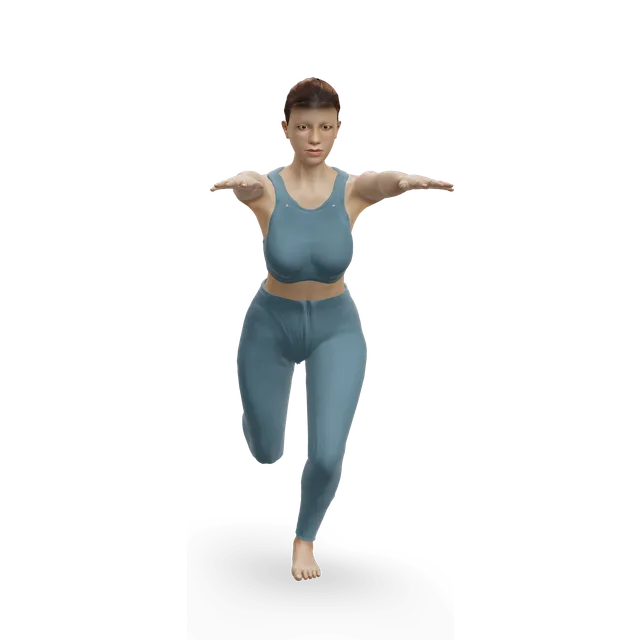 3D demoLateral bound (skater jump)Beginner · No equipment
 3D demoSingle-leg hop and stickIntermediate · No equipment
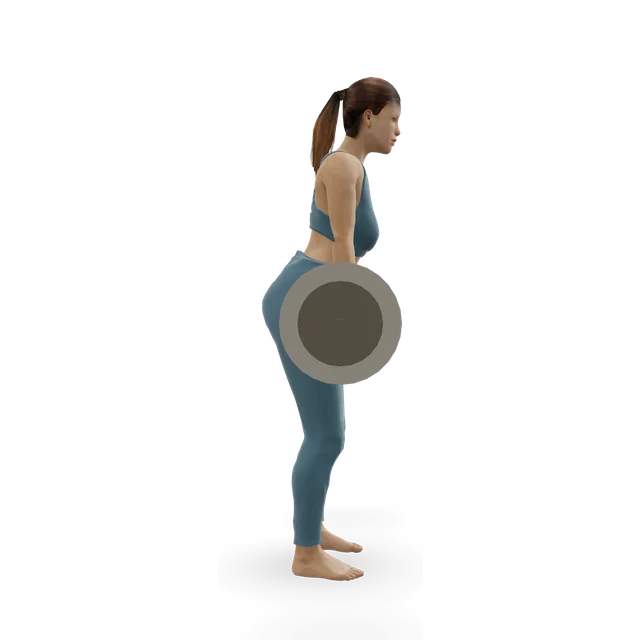 3D demoHang power cleanAdvanced · A barbell
 3D demoBarbell back squatAdvanced · A barbell
 3D demoRear-foot-elevated split squat (Bulgarian split squat)Intermediate · A bench or box
 3D demoNordic curlAdvanced · An anchor point
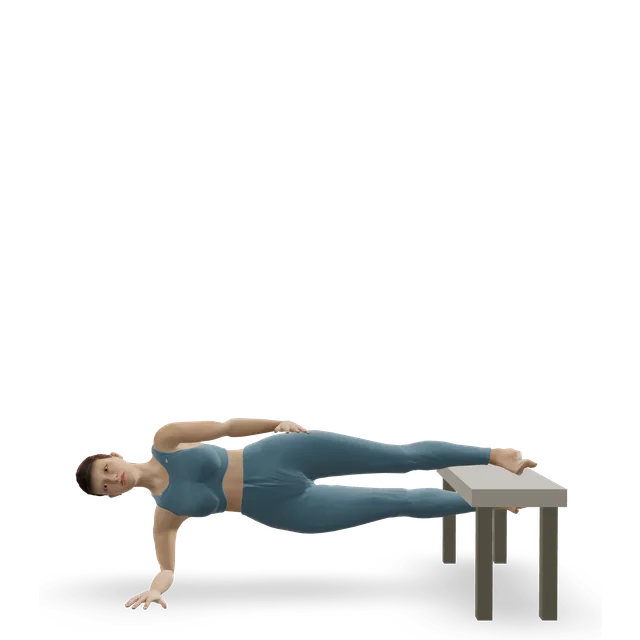 3D demoCopenhagen plankAdvanced · A bench or box
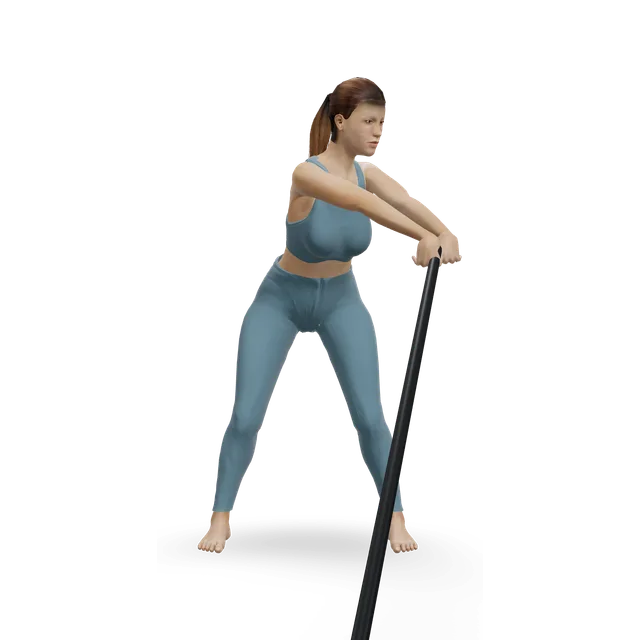 3D demoLandmine 180 (landmine rotation)Intermediate · A barbell + An anchor point
 3D demoHalf-kneeling Pallof pressBeginner · A band + An anchor point
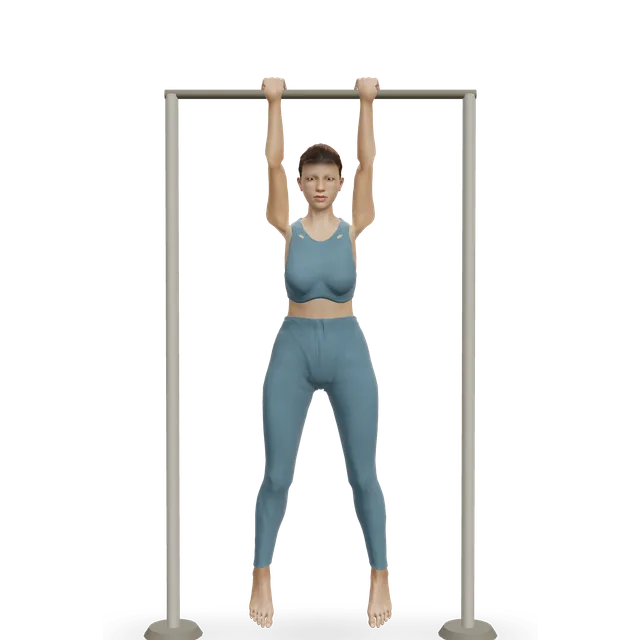 3D demoChin-upAdvanced · Pull-up bar
 3D demoFace pullIntermediate · A band
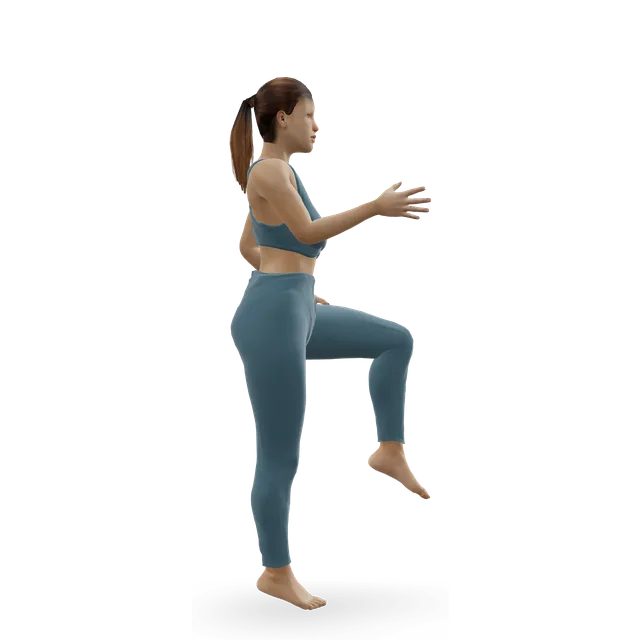
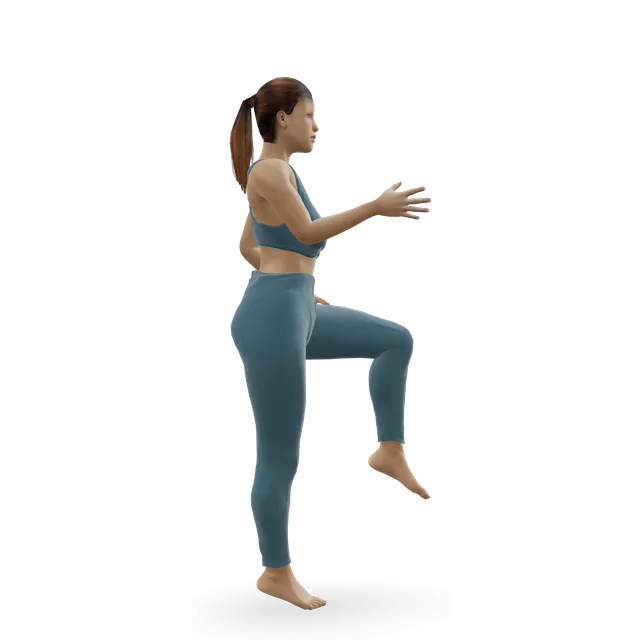
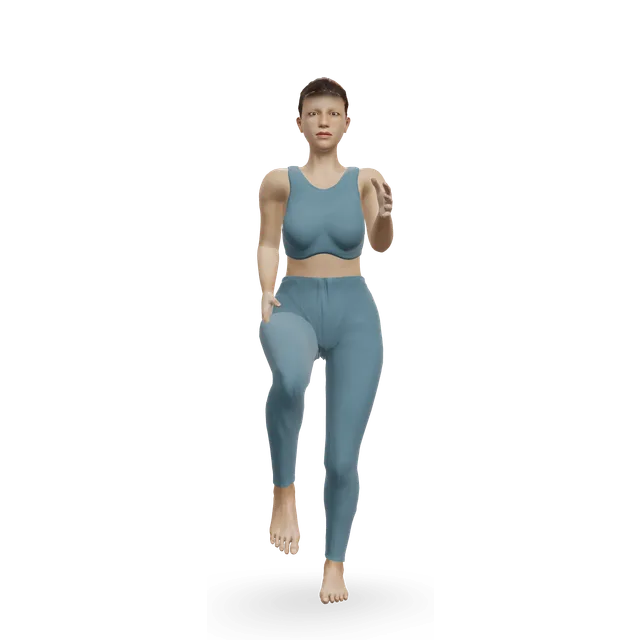 3D demoCarioca quick stepBeginner · No equipment
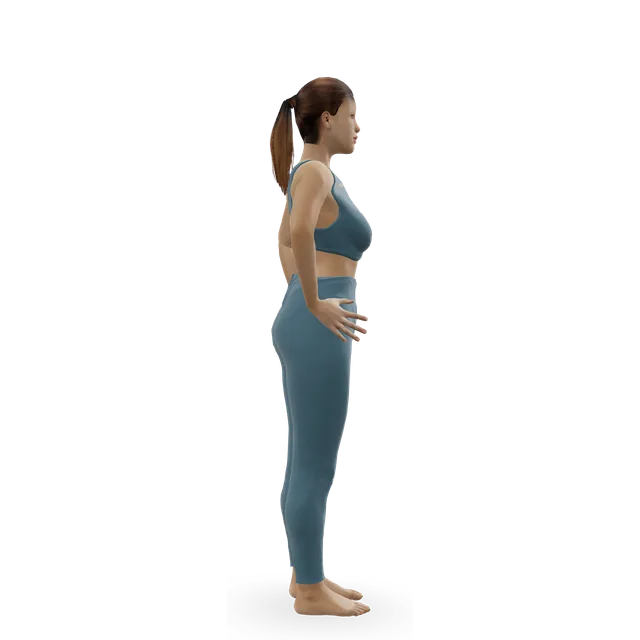 3D demoReverse lunge with rotationIntermediate · No equipment
 3D demoLateral band walkBeginner · A band
The first two are new: a strength workout and a 15-minute warm-up. The FIFA 11+ and knee control warm-ups were tested in football; the others add hamstring and groin protection, jumps, sprints, intervals, the throwing shoulder, the neck, the clean, and light exercise after a concussion or after rhabdomyolysis.
A 50-minute lacrosse strength session: lateral bounds and landings, cleans, squats, split squats, Nordics, Copenhagens, landmine turns, chin-ups and carries.
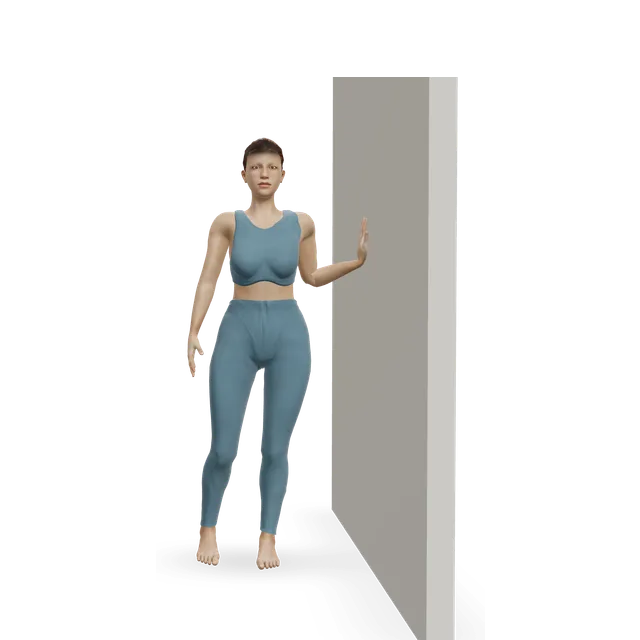
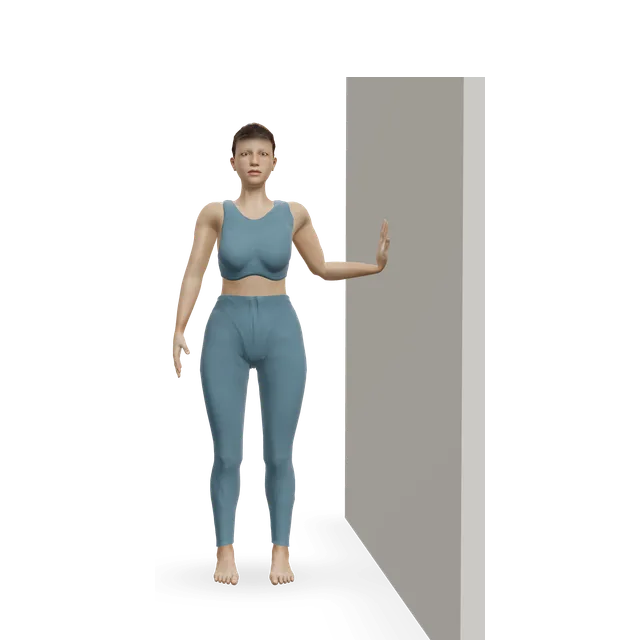
50 minIntermediate17 movesA wall, A bandA 15-minute lacrosse warm-up: jog, skips, shuffles and carioca, leg swings and turning lunges, bridges and band work, landings, sprints, cuts and stick work.
15 minBeginner17 movesCardio machine, A wallFIFA's 11+ injury prevention warm-up as its manual sets it out: running drills, strength, balance and jumping at three levels, then faster running.
20 minBeginner20 movesCardio machine, A wallA 20-minute warm-up that trains your knees to track over your toes: side-hip strength, squats and lunges with alignment practice, balance and quiet landings.
20 minBeginner10 movesA wall, A bandThe Nordic hamstring and Copenhagen adduction programmes from the football trials: a 10-week build, three adductor levels, then once a week in season.
15 minIntermediate6 movesA wall, An anchor pointA 45-minute strength session for field hockey: bounds and landings, goblet squats, split squats, single-leg hinges, Nordics, Copenhagen planks and trunk work.
45 minIntermediate14 movesA wall, A dumbbellAn advanced jump training session: pogo hops, box jumps, split squat jumps, broad jumps and depth jumps.
30 minAdvanced8 movesA bench or box, A stepA 45-minute speed session: running drills, five short accelerations and three flying sprints with full rest, then Nordic curls and calf raises.
45 minIntermediate11 movesCardio machine, A wallA 25-minute interval session on a bike or rower: one-minute hard efforts with two minutes easy, building from 4 to 8 rounds.
25 minIntermediate1 movesCardio machineA 35-minute session for baseball and softball players: the five Shoulder Control exercises, rotator cuff and forearm work, medicine-ball throws and legs.
35 minIntermediate17 movesA dumbbell, A cable machineDeep neck holds and shoulder-blade strength in under 20 minutes: one of the best-supported kinds of exercise for a stiff, sore neck.
18 minBeginner11 movesA band, An anchor pointA 40-minute technique session for the power clean: the rack and hang positions, the jump and the turnover, light hang power cleans, then cleans from the floor.
40 minIntermediate14 movesCardio machine, A wallA 20-minute light session after a concussion: a symptom check, 10 to 15 minutes of easy cycling or walking, gentle bodyweight moves and a cool-down.
20 minBeginner8 movesCardio machine, A bench or boxA 30-minute light session for the first weeks back after rhabdomyolysis: easy cycling or walking, Pilates-style moves and light strength, never to failure.
30 minBeginner15 movesCardio machine, A bench or boxTwo or three strength sessions a week fit the off-season; drop to one or two in season.
Two full-body strength sessions a week: the minimum that meets health guidelines, with every set, rep and rest, and an 8-week progression.
2 training days45 minBeginner3 days a weekA beginner gym plan: three full-body sessions a week, alternating workouts A and B, with sets, reps, rest and an 8-week progression.
3 training days45 minBeginner3 days a weekFor after about 8 weeks of a beginner plan: three full-body sessions a week, one heavy, one moderate and one light, in a gym or at home, for 12 weeks.
3 training days50 minIntermediate3 days a weekA 12-week beginner barbell program: squat every session, alternate bench and row with press and deadlift, and add weight each time until it stalls.
3 training days50 minBeginnerThe PAR-Q+ (Physical Activity Readiness Questionnaire for Everyone) asks about a heart condition or high blood pressure, chest pain, dizziness or losing consciousness, other long-term conditions and their medicines, a bone or joint problem that activity could make worse, and being told to exercise only under supervision. If you answer yes to any, check with your doctor or a qualified exercise professional first. If you're over 45 and not used to hard exercise, ask a qualified exercise professional before the hardest sessions, and delay if you're ill.
Source 87
Concussion is the commonest high-school lacrosse injury, and in one women's college team knee injuries were more likely in the year after one. Follow your rules' return before contact or live play: the UK guidelines in England, or a medical assessment under USA Lacrosse's rules. Our concussion guide has the stages.
Women in team sports tear an ACL about twice as often as men, and lacrosse is among the higher-risk sports for teenagers. Follow the return-to-sport checks in our ACL injury guide, and do a warm-up with strength and landing work every session.
Both are among the commonest college injuries. Use our sprained ankle and hamstring strain guides, wear a lace-up brace for sport, and build up the Nordic programme before the season.
Cardiac arrests from heart conditions were 15 of lacrosse's 69 catastrophic events. The NHS advises seeing a GP if you've fainted, and calling 999 if you faint while exercising. See your GP before you play.
Heat, dehydration, low fitness and sickle cell trait raise the risk of rhabdomyolysis. Our rhabdomyolysis and sickle cell guides explain how to build up: a gentle first 7 to 10 days back, and never exercise as a punishment.
Source 16
Goalkeepers have died of commotio cordis wearing chest protectors of the time. Wear a chest protector meeting the ND200 standard, as USA Lacrosse requires, and make sure someone at every session can do CPR, with a defibrillator nearby.
The NHS advises against sports with a risk of falling or bumping your tummy, naming hockey. Leave out contact and live play with a hard ball (our suggestion), talk to your midwife or GP, and see our pregnancy guide.
Source 90
Our epilepsy guide explains that in the International League Against Epilepsy's grouping, team sports on the ground such as football, rugby and hockey add no significant extra risk. Lacrosse isn't named, but it's played the same way (our reading); wear the head protection your rules require.
Youth boys had more than twice the concussion rate of high-school players, and youth injuries came mostly from stick contact. Soft-ball and non-contact versions are a good start (our suggestion), and USA Lacrosse doesn't allow body checking until 14U.
If someone is unresponsive and not breathing normally, call 999 or 112, start CPR straight away, and ask a helper to find and bring a defibrillator. Every minute counts: survival from commotio cordis was 40% when resuscitation started within 3 minutes.
The NHS says to call 999 if someone has hit their head and:
Source 91
Stop playing: if in doubt, sit them out. No more sport that day, and an assessment within 24 hours by a healthcare professional or NHS 111. Contact NHS 111 straight away if they're being sick, feel dizzy or take medicine that thins the blood.
Don't move the player unless you're trained, and don't take off the helmet or other kit: USA Lacrosse's rules say "Do not remove a helmet or any other equipment unless trained to do so safely". Call an ambulance.
Go to A&E (accident and emergency) or call 999 if the eye was hit at high speed, your sight has changed, it's very painful, you have a headache or are sensitive to light, you feel or are being sick, you can't move the eye or keep it open, or blood or pus is coming from it.
Source 92
A chipped or broken tooth needs a dentist: keep any piece in milk or saliva. Call 999 or go to A&E for a nosebleed that won't stop, clear, watery fluid from the nose, a cut that won't stop bleeding, or a bad cut on the face.
Go to A&E if a finger or thumb points at an odd angle, looks blue or feels numb, or bone can be seen. Get help from NHS 111 if it's painful, swollen and bruised, or stiff and hard to move.
Source 96
Call 999 or go to A&E if you heard a crack, the joint has changed shape or points at an odd angle, it's numb or tingling, or the skin is blue, grey or cold. Get help from NHS 111 if it's very painful, very swollen, or you can't put weight on it or walk more than a few steps.
Source 97
Dark, red or cola-coloured pee with severe muscle pain or weakness after a session needs medical help the same day. Our rhabdomyolysis guide explains why.
Heat exhaustion needs a cool place, fluids and cooling. Call 999 if someone is still unwell after 30 minutes of rest, cooling and fluids, or has a very high temperature, hot skin that isn't sweating, a fast heartbeat or breathing, confusion, a fit or loss of consciousness. World Lacrosse events have their own heat and hydration policy.
Girls' concussions mostly come from sticks and balls, women had over 3 times men's risk of concussion from a ball or stick, and head, face and eye injuries were more common in girls and women than in boys and men.
After eyewear became compulsory, eye injuries fell by over 80% with no rise in total injuries. Recorded concussions rose, which the authors put down mainly to better recognition, and pooled data show eyewear makes no difference to concussion either way.
Florida's headgear rule went with fewer concussions, and pooled data suggest 30% fewer, very low-certainty evidence, but players in Florida took twice as many head impacts on video. No randomised trial exists.
Goalkeepers have died wearing chest protectors of the time, which didn't prevent the fatal heart rhythm in laboratory tests; that's why a new standard was written. What saves lives is fast CPR and a defibrillator.
In US high schools, boys' lacrosse had the third-highest concussion rate, after American football and boys' ice hockey. One emergency-department study put youth lacrosse above youth football, but it had to estimate how many children play.
The FIFA 11+ didn't reduce injuries in US high-school teams that included lacrosse, where few coaches ran it twice a week; in football, done regularly, it cut injuries by 39%. What's in a warm-up and how often it's done both matter.
Nine college lacrosse players were admitted to hospital with rhabdomyolysis after one conditioning session. Build up gradually, and never use exercise as a punishment.
Source 16
No lacrosse study has tested checking ages, and USA Lacrosse allows body checking from 14U. In ice hockey, players who learned to check earlier weren't protected later, as our ice hockey guide explains.
Source 1
Squats, split squats and Romanian deadlifts for strength, cleans or jump shrugs and lateral bounds for power, Nordic and Copenhagen exercises for hamstrings and groins, rotation work for shooting, and pulling and carrying for the upper body. No lacrosse strength trial exists, so these borrow from field sports, where strength training cut injuries to about a third. Our strength workout puts them together.
Shot speed went with how far players could throw a medicine ball, and with jump height and grip strength. Rotation through the hips and trunk matters, and players with low back pain turned less when shooting. Build rotational strength gradually alongside stick work.
In USA Lacrosse girls' play, yes: eyewear meeting the ASTM F3077 standard. In England, protective eyewear is compulsory from 1 September 2026 in all organised lacrosse with a hard ball where a helmet with a face mask isn't required, with no exemptions. World Lacrosse is phasing it in for women's field and Sixes from 2027.
It's optional: USA Lacrosse and England Lacrosse allow soft headgear meeting the ASTM F3137 standard. The evidence is mixed, with fewer concussions in some studies and more head impacts in another. It isn't a helmet, and the rules on stick contact to the head still matter most.
Under USA Lacrosse youth rules, body checking is illegal at 12U and younger and allowed at 14U, without take-out checks. The women's game has no body checking at any age, and England's mixed lacrosse is non-contact. Check your league's rules.
It's a cardiac arrest caused by a blow to the chest at a vulnerable moment in the heartbeat, and lacrosse is the second commonest US sport for it. Chest protectors and shoulder pads meeting the ND200 standard are required in US youth lacrosse, but what saves lives is speed: call 999, start CPR and get a defibrillator.
Ankle sprains, concussions, hamstring strains and knee sprains top the lists in US high-school and college players. Men's injuries come more from player contact, women's from sticks and balls.
In England, we found no England Lacrosse protocol, so the UK guidelines apply: if in doubt, sit them out, an assessment within 24 hours, and no competition before day 21. Under USA Lacrosse's rules, a player is removed at once and doesn't return until assessed medically, and World Lacrosse events need medical clearance.
Not by the best measures: in US high schools, boys' lacrosse had the third-highest concussion rate of 20 sports, after American football and boys' ice hockey. One emergency-department study put youth lacrosse above youth football, but it had to estimate how many children play.
With repeated sprints and short accelerations that match the game: high-school girls who added sprint intervals 3 times a week got faster at producing force, in a study without a comparison group. Build up over the first weeks back, never use running as a punishment, and get help the same day for dark pee with severe muscle pain.
Exercise education for people who play sport, not a personal prescription or a diagnosis, and clinical review of these pages is pending. Check with a GP or physiotherapist before hard training if you have a heart condition, chest pain, dizziness or an injury that isn't settling, and stop for sharp or increasing pain. Health disclaimer.