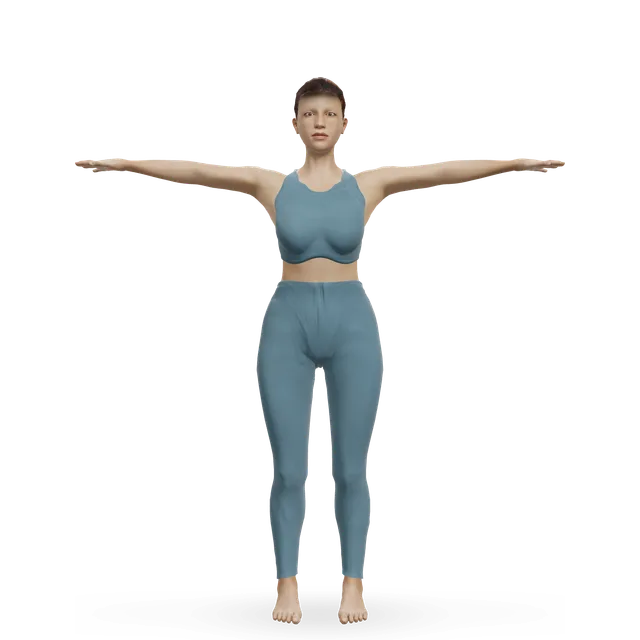
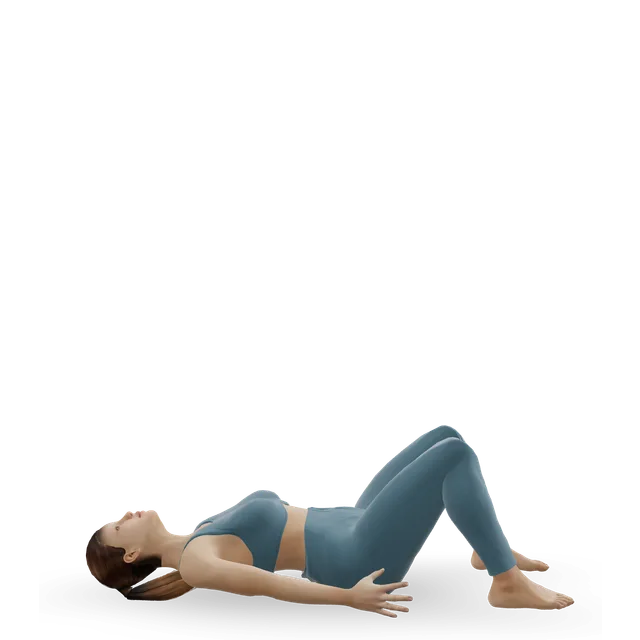
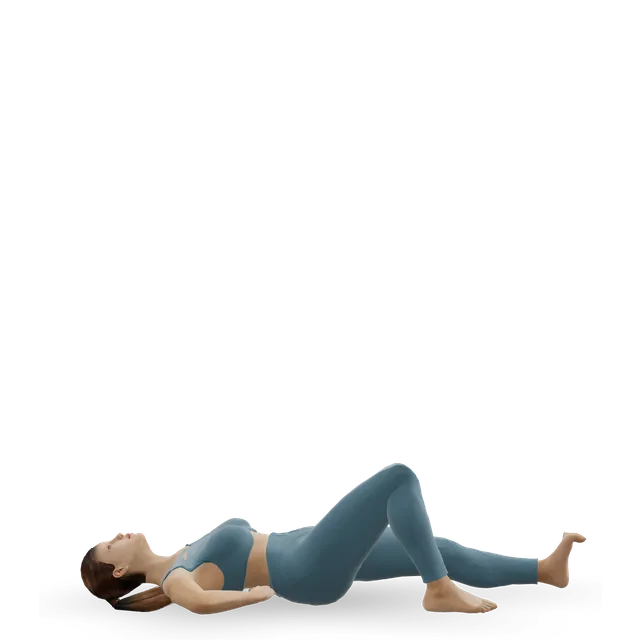
Sport

Snowboarding exercises and injuries: wrist guards, helmets, landings and a slope-top warm-up

Snowboarding asks your legs to hold a low, sideways stance and absorb bumps and landings, and your trunk to turn the board, run after run. Both feet are fixed to the board, so you can't step out of a fall: snowboarders go down onto their hands, their bottoms and the backs of their heads, and the wrist is the commonest injury, most often in the first days and on hired kit.

Two things have strong evidence. Wrist guards cut wrist injuries by about three-quarters in trials, and helmets cut the odds of a head injury by about a third. This guide covers what snowboarding asks of your body, the common injuries from wrists to the snowboarder's ankle fracture, terrain parks and jumps, the rules on the slope and for concussion, and the training that goes with performance, with a 10-minute warm-up and a strength and landing workout, each with a 3D demo of every move.

The short version

Wrists take most of the falls

Wrist injuries were 28% of snowboarding injuries at a Vermont resort, against 3% of skiing injuries, and the wrist was the commonest injury in 7,430 snowboarders hurt in Colorado. At one US resort, snowboarders broke their wrists about 18 times as often as skiers.

Sources 1, 2, 3

Wrist guards work

In a trial of 5,029 snowboarders, 8 wearing wrist guards hurt a wrist, against 29 without them; in a second trial of 721, it was 1 severe wrist injury against 9. Across 6 studies, guards cut wrist injuries by about three-quarters, and the trials found no injuries caused by them.

Sources 4, 5, 6

Helmets cut head injuries, but not every concussion

Across 12 studies of skiers and snowboarders, helmets went with about a third lower odds of a head injury, and no rise in neck injuries. In western Canada, though, more riders wearing helmets didn't mean fewer head injuries reported, so a helmet is no reason to try a bigger jump.

Sources 7, 8, 9

Your first days carry the most risk

Beginners, riders on their first day and riders on hired or borrowed kit had the most injuries. In Austrian school groups, injuries were most common in the first half-day.

Sources 10, 11, 12

Jumps cause the serious injuries

Injuries in terrain parks were more often to the head and back, jumps and the half-pipe caused about 6 times as many injuries per run as rails, and jumps caused two-thirds of snowboarders' spinal injuries at a Japanese resort.

Sources 13, 14, 15

What the experts advise for fitness

The International Ski and Snowboard Federation's (FIS) experts advise strengthening the legs, trunk and neck, keeping the spine, hips and ankles mobile, and training landings on both legs. No trial has tested fitness training on snowboarding injuries.

Source 16

What snowboarding asks of your body

Short runs, big leg forces, a lot of falling

In 8 elite Korean men, simulated competition runs lasted 66 seconds in snowboard cross and 75 seconds in slopestyle. About half the energy came from short, explosive stores and about a third from aerobic work, and snowboard cross drew more on hard anaerobic effort (18.6% of the energy against 12.9%), with higher peak heart rates. Recreational snowboarding on an intermediate run measured 7.38 metabolic equivalents (METs) in 13 young men.

The Compendium of Physical Activities gives 4.3 METs for light snowboarding, 6.3 for moderate and 7.5 for recreational snowboarding in the mountains, all measured; its 8.0 METs for vigorous effort is an estimate. Elite snowboarders' aerobic fitness was no higher than that of students of a similar age, and in national-team freestyle athletes, sex made more difference than whether they snowboarded or skied.

Sources 17, 18, 19, 20, 21

What goes with performanceEmerging evidence

In 10 elite snowboard cross riders and 10 alpine snowboarders, leg strength, power and stiffness went closely with faster race times. In 37 competitive snowboarders, a set of tests (start speed, leg and trunk power and aerobic fitness) explained most of the differences in performance. In 9 Korean national-team riders, balance went with trunk endurance, jump height, knee strength and how far the ankle bends. These are associations; a review concluded that each discipline needs different qualities, with strength and power common to all.

Sources 22, 23, 24, 25

The movements

What each part of a run asks for:

  • The stance: a sideways, bent-knee crouch held through every run, with both feet fixed to the board.
  • Edging: turning the board on its edges through the ankles and knees. Snowboard boots are softer than ski boots, and the FIS experts call ankle mobility important "especially in snowboarding where softer boots are used".
  • Turning: the trunk and hips twist to steer the board.
  • Parks and competition: take-offs and landings, often on one leg first.
  • Speed: on US groomed runs, snowboarders averaged 33.0 km/h and beginners 19.9 km/h; in a terrain park, 94% of measured speeds were under 15 mph.

Sources 16, 26, 27

How snowboarders fallEmerging evidence

With both feet fixed, riders fall forwards onto their hands and knees or backwards onto their hands, bottoms and the backs of their heads. In Japan, snowboarders' head injuries came more often than skiers' from falling backwards and hitting the back of the head. In World Cup crashes, 77% of snowboarders' head-impact falls pitched backwards. Recreational riders fell on one jump in five.

Sources 28, 29, 30, 31

What to train (our reading)

Leg strength and landings on both legs equally, a trunk that can resist and make rotation, a neck that can take a backward fall, wrists and forearms for pushing up off the snow all day, mobility for the upper back, hips and ankles, and interval fitness so your legs last more runs. Training won't protect your wrists in a fall; wrist guards do.

Common injuries

Each study counted injuries its own way (per day on the snow, per run, per visit or per season), so figures in different lines aren't comparable.

How often snowboarders get hurtEmerging evidence

The numbers, by group:

  • Scotland's three biggest ski areas, 1999 to 2000: 3.7 injuries per 1,000 days on the slopes, all snow sports together.
  • A resort in Swedish Lapland, 1989 to 1999: 3 injuries per 1,000 days for snowboarders, three times the rate of alpine skiers.
  • Austrian school snowboarding trips, 2,579 students: 10.6 injuries needing medical care per 1,000 days, highest in the first half-day.
  • A Vermont resort, 1988 to 2006: one injury for every 345 days of snowboarding, against 400 days of skiing.
  • Taos, New Mexico: injuries per mountain visit rose by 13.1% once snowboarders were allowed.
  • First-timers at two US resorts: 4% of more than 22,000 first-time snowboarders and skiers were injured, but the snowboarders had more emergency injuries, such as fractures and dislocations.
  • US emergency departments: an estimated 56,223 snowboarding injuries in 2010, falling to 17,667 in 2016.

Sources 32, 33, 12, 1, 34, 35, 36

Wrists and forearmsEmerging evidence

In Colorado, half of 7,430 snowboarding injuries were to the arms, and the wrist was the commonest site (21.6%); beginners, women and younger riders broke and sprained their wrists most. Wrist fractures ran at 0.447 per 1,000 snowboarding days against 0.024 in skiers at one US resort. In a series of 6,837 injured snowboarders, the wrist was 62% of fractures, and at one clinic, about half of snowboarders' broken wrists were complex breaks of the kind that often need surgery. At the Milton Keynes indoor snow centre's first year, 96% of snowboarders' injuries seen in A&E (accident and emergency) were to the arms. Our broken wrist, wrist sprain and scaphoid fracture guides cover these.

Sources 2, 1, 3, 37, 38, 39

Shoulders, collarbones and elbowsEmerging evidence

Shoulder injuries were 8% to 16% of snowboarding injuries in a review, and separations of the joint at the top of the shoulder (the AC joint) were 9.1% at one mountain clinic. In a series of injured snowboarders, elbow dislocations were 30% of dislocations, against 3% in skiers. In World Cup riders, shoulders and collarbones were 13.4% of injuries. Our shoulder dislocation, AC joint and broken collarbone guides cover these.

Sources 40, 41, 38, 42

HeadsEmerging evidence

Head injuries were 9.0% of snowboarding injuries at one mountain clinic, where 84.5% of the injured wore helmets, and 10.9% in western Canada. In Japan, snowboarders' severe head injuries mostly followed falling backwards onto the back of the head, often on gentle or moderate slopes. In US emergency departments, an estimated 5,558 snowboarding concussions were treated in 2014, most often in children and young adults. Our concussion guide covers the graduated return.

Sources 41, 43, 44, 45

Backs, spines and tailbonesEmerging evidence

Serious spinal injuries were about 4 times as common in snowboarders as in skiers in British Columbia, and jumps caused 77% of them. At one hospital, 3.3% of snowboarding injuries were spinal, against 1.4% in skiers; at one ski area, 4.9% of injured snowboarders had a spinal fracture, often a small one at the side of a lower back bone. Spinal cord injuries mostly followed failed jumps by young, experienced men. Snowboarders' spinal fractures were more often of the tailbone than skiers' (21.5% against 11.5%), mostly from falls at ground level. Our back pain, spinal compression fracture and tailbone pain guides cover these; we don't have a guide to spinal cord injury.

Sources 46, 47, 48, 49, 50, 51

The snowboarder's ankleEmerging evidence

A break of a small piece of the ankle bone (the lateral process of the talus) was 2.3% of snowboarding injuries and 34% of ankle fractures in Colorado, and many weren't visible on ordinary X-rays and needed a CT scan. In laboratory tests, it took the ankle bending up and turning out under load. In 20 patients followed for about 3 and a half years, those treated with surgery did better, and 4 treated without surgery didn't get back to their previous level. Our sprained ankle and broken ankle guides cover ankle injuries; we don't have a guide to this fracture.

Sources 52, 53, 54, 55

KneesEmerging evidence

Anterior cruciate ligament (ACL) injuries were 1.7% of snowboarding injuries, against 17.2% of skiing injuries, at a Vermont resort. But in 35 expert riders, front-knee ACL tears happened landing flat from jumps, and the knee was World Cup riders' commonest injury (17.8%). Our ACL injury guide covers the return.

Sources 1, 56, 42

Elite and Olympic ridersEmerging evidence

The numbers, by event:

  • FIS World Cup, 2007 to 2012: 6.4 injuries per 1,000 competition runs, and 11.9 in snowboard cross; 40.1 injuries per 100 athletes a season.
  • World Cup snowboard cross: injuries in finals were about twice those in qualifying runs.
  • PyeongChang 2018 Winter Olympics: 26% of snowboard cross riders and 21% of slopestyle riders were injured during the Games; Beijing 2022: 23% in slopestyle.

Sources 42, 57, 58, 59, 60, 61

Who's at higher riskEmerging evidence

Associations in the studies:

  • Beginners and riders on their first day; across 55 studies, beginner snowboarders had about 2.7 times the odds of injury.
  • Hired or borrowed kit: about 2.6 times the odds.
  • Under-16s, holidaymakers and first-day riders, for broken wrists.
  • Bad weather and poor visibility.
  • Terrain parks and jumps; as skill rises, injuries come more from jumps and are more severe.
  • In Austria's register of mountain accidents, women more often injured their backs and pelvises, and men their shoulders and chests.

Sources 11, 10, 62, 63, 13, 64, 65

Deep snow and tree wellsEmerging evidence

Falling head first into deep snow or the hollow around a tree has caused more than 70 recorded deaths in two decades in western North America, usually within 15 to 30 minutes of burial.

Source 66

What prevents injuries

No exercise programme or warm-up has been tested on snowboarding injuries. Wrist guards and helmets have the evidence, so they come first; terrain parks have their own section below.

Wrist guards: the trialsStrong evidence

In a trial of 5,029 snowboarders randomised to a wrist brace or none, 8 with braces and 29 without injured a wrist, and "No injuries could be related to the use of the wrist brace"; beginners in their first 5 days and riders on rented kit were most at risk. In a trial of 721 riders randomised to a stiffer, longer protector, severe wrist injuries were 1 against 9; 12 riders secretly took theirs off, including the one who was injured, and other injuries didn't rise. Among 2,355 first-time snowboarders, none of the 551 wearing in-line skating guards hurt a wrist, against 2.2% of the rest.

Across 6 studies, guards cut wrist injuries by about three-quarters, fractures by about 70% and sprains by over 80%: one wrist injury prevented for every 50 riders who wear them. A pooled analysis of 55 snow-sport studies agreed.

Sources 5, 6, 67, 4, 11

Do guards just move the break up the arm?Mixed evidence

The trials found no rise in other injuries. In a study of 2,036 injured snowboarders in Quebec, guards cut hand, wrist and forearm injuries by 85%, while the estimate for elbow, upper arm and shoulder injuries was higher but not statistically significant. A 40-year study at a US resort clinic found guards weren't linked with breaks of the forearm bones and concluded they "are not unsafe to wear". The review's authors call for more research.

Sources 68, 69, 4

Which wrist guardMixed evidence

No type or design has been shown to work best, and no standard for snowboard wrist guards was found. In laboratory tests, guards raised the force needed to break a wrist, though common designs absorbed little extra energy. In Australia, the main reason riders gave for not wearing guards was that they didn't see the need. Our suggestion: any guard that fits under or over your gloves and lets you hold the board is better than none, and a guard in your pocket doesn't work.

Sources 70, 71, 72, 28, 62

HelmetsStrong evidence

Across 12 studies, skiers and snowboarders in helmets had about a third lower odds of a head injury (35% lower), 59% lower in studies that included children under 13, and no rise in neck injuries. In 8 Norwegian resorts, helmets went with 60% lower odds of a head injury, and snowboarders had more head injuries than skiers. Ten years of ski patrol records in Quebec found no rise in neck injuries or neck fractures with helmets. The American Academy of Pediatrics says bicycling and snow sports have the strongest evidence that helmets work. These are case-control studies, the usual design for this question, and they agree.

Sources 7, 73, 8, 74, 75

What helmets don't doEmerging evidence

In Norway, the link between helmets and fewer head injuries weakened between 2002 and 2011, though it held better for potentially severe ones. In western Canada, helmet use rose from 69% to 80% without fewer head injuries being reported, but ambulance or helicopter transfers for head injuries halved over a decade, a sign of less severe injuries. Helmets are tested at lower speeds than some real crashes: in World Cup falls, riders' heads hit the snow at 7.0 to 10.5 metres a second, above the strictest test speed of 6.8. In a terrain park, though, most recreational riders went slower than 15 mph. A helmet lowers the risk; it doesn't remove it.

Sources 76, 9, 43, 77, 27

Do helmets make riders take more risks?Mixed evidence

Helmet wearers said they rode slower and challenged themselves less. In one survey, wearing a helmet didn't predict risky riding; in another, it went with slightly more, which the authors judged unlikely to outweigh the protection. Riders who wore helmets only sometimes scored highest for thrill-seeking.

Sources 78, 79, 80, 81

The rules on the slopeStrong evidence

The FIS's 10 rules for conduct, approved by the FIS Congress in 2002:

  • Respect for others: don't endanger or prejudice anyone.
  • Control your speed and riding: adapt them to your ability, the terrain, the snow, the weather and how busy the run is.
  • Choose your route: the rider coming from behind must not endanger those ahead.
  • Overtake with enough space for the rider you pass to make any movement, planned or not.
  • Look up and down the slope before you join a run, start again or move uphill.
  • Don't stop in narrow places or where it's hard to see you; after a fall there, move clear as soon as you can.
  • Climb or walk down at the side of the run.
  • Respect all signs and markings.
  • At an accident, every rider is duty bound to help.
  • Exchange names and addresses after an accident, as a witness or a party.

Source 82

Your first daysStrong evidence

First-day riders, beginners in their first 5 days and riders on rented or borrowed kit carry the most risk, and injuries peaked in the first half-day of Austrian school trips. Snowsport England says most beginners hire their kit from the club or centre they visit, which usually includes a snowboard, boots and a helmet, and that dry slopes and indoor snow centres are ideal for beginners. Check that your boots fit snugly, your bindings are set for your stance and your helmet fits, and ask for wrist guards (our suggestion).

Sources 10, 5, 12, 11, 83

LessonsMixed evidence

Lessons help you learn to turn, stop and fall. Whether they prevent injuries hasn't been shown: in one case-control study of first-day skiers and snowboarders in Scotland, people having lessons weren't injured less, and confounding is likely, because the people who book lessons are often the least able. In one series, 93% of injured snowboarders had never had professional lessons, which can't show whether lessons would have helped. Our skiing page reaches the same view.

Sources 10, 38

Soft and hard bootsMixed evidence

In Australia, soft boots went with more ankle injuries and hard boots with more knee and lower leg injuries; in Colorado, hybrid boots went with fewer ankle sprains and soft boots with fewer snowboarder's ankle fractures. The studies are old and disagree, so we don't advise a boot type.

Sources 55, 52

Ankles after a sprain (borrowed)Strong evidence

In other sports, balance training cut repeat ankle sprains: 22% against 33% over a year in a trial of 522 athletes, and by about a third across 7 trials. The FIS experts add that training landings and knee control may reduce harmful knee loading. No snowboard trial has tested either.

Sources 84, 85, 16

What isn't shownMixed evidence

Measures without good evidence in snowboarding:

  • A fitness or warm-up programme that prevents snowboarding injuries: none has been tested.
  • Back protectors, impact shorts and tailbone pads for recreational riders: no study found.
  • Helmets with rotational protection systems: no study in snowboarders found.
  • Stretching before riding: across 25 trials in other sports, stretching didn't prevent injuries, while strength training cut them to about a third.
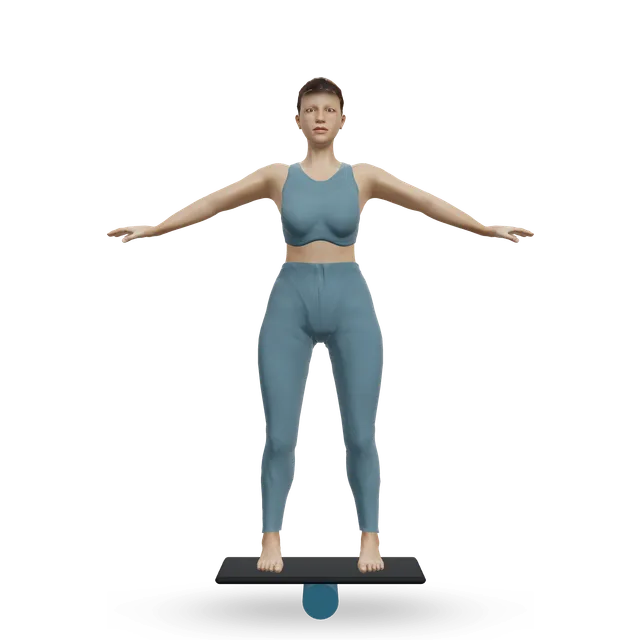
  • Balance boards: no study links them with better riding, and a 6-day snowboard course didn't change balance in 17 students.

Sources 86, 87

Training for performance

Strength and power go with performanceEmerging evidence

In elite riders, stronger, more powerful legs went with faster times, and start speed, leg and trunk power and aerobic fitness together explained most of the differences in competitive snowboarders. Snowboard cross draws more on hard anaerobic effort than slopestyle. No training trial in snowboarders was found, so these are associations.

Sources 22, 23, 17

What the FIS experts adviseStrong evidence

The FIS consensus on training and testing (2025), for competitive skiers and snowboarders:

  • "Strengthening the lower extremities, core and neck is important ... from both performance and injury prevention points of view."
  • Mobility of the lower and middle spine, hips and ankles, "especially in snowboarding where softer boots are used".
  • Neuromuscular training for knee control and better jumps and landings.
  • Keep both legs equally strong, unless the sport needs them to differ, and test two-footed jumps, single-leg squats, single-leg drop jumps and sideways moves for quality.
  • Learn new aerial tricks in safe settings, such as trampolines, air tracks or landing airbags, before trying them on snow.
  • Test before the season, during it and at the end; for young riders, keep training simple and aimed at long-term development.

Source 16

Testing and tracking fatigueEmerging evidence

In elite snowboard cross athletes, the countermovement jump picked up both short-term fatigue and the gains from a 19-week training block, especially in how the jump was made rather than how high it went. It's a simple test for coaches; it hasn't been studied in recreational riders.

Source 88

Warming up in competitionEmerging evidence

At a national snowboard cross championship, riders finished warming up a median of 68.8 minutes before their run, and their heart rates stayed low in the last hour, which the researchers judged inadequate. Elite athletes and staff saw a structured warm-up as essential, and the FIS consensus (2025) now describes one: under 20 minutes, then 2 to 3 warm-up runs, and again after breaks of more than 15 minutes or long lift rides.

Sources 89, 90, 91

Tapering before a competition (borrowed)Strong evidence

No snowboard study of tapering was found. Across 27 studies of competitive athletes, mostly in swimming, running and cycling, the best taper lasted about 2 weeks and cut training volume by 41% to 60% while keeping its intensity and how often athletes trained.

Source 92

Fitting it around snowboarding

Before the season or a trip: two strength and landing sessions a week for 6 to 8 weeks, plus one interval session a week, such as our Norwegian 4x4 (our suggestion). During the season, one session a week keeps your strength. Make your last hard leg session 3 to 4 days before your first day on the snow, and don't start anything new in the final week.

Young riders: the FIS experts favour simple, development-focused training and a longer off-season.

Source 16

Terrain parks and jumps

Where the serious injuries happenEmerging evidence

At two ski areas over 5 years, 26.7% of injuries happened in terrain parks, mostly to young male snowboarders, and they were more often severe and more often to the head or back. In an Alberta park, jumps and the half-pipe caused 2.56 injuries per 1,000 runs, against 0.43 on rails, and injuries on jumps were more often to the head, neck or trunk. Jumps caused 77% of snowboarders' serious spinal injuries in British Columbia, and two-thirds of snowboarders' spinal injuries at a Japanese resort, at every level of skill.

Sources 13, 93, 14, 46, 15

What makes a fall on a jump more likelyEmerging evidence

In 704 filmed recreational jumps, riders fell on about one in five. Landing on the flat or on the knuckle (the top edge of the landing slope), landing with the board badly placed, and spinning tricks all made a fall more likely; the length of the jump didn't.

Source 31

Removing jumpsMixed evidence

In Quebec, removing jumps from terrain parks wasn't an effective long-term way to cut severe injuries; any benefit faded. In western Canada, riders on day tickets were more often injured than season-pass holders on their first two goes on a run.

Sources 94, 95

Learn new tricks off the snowStrong evidence

The FIS experts advise learning new aerial skills in safer settings, such as trampolines, air tracks or landing airbags, before trying them on snow, and training landings on both legs. It's expert agreement; it hasn't been tested on injuries.

Source 16

Back protectors and impact shortsMixed evidence

Back protection is compulsory in FIS snowboard cross competitions. A computer model of backward falls found a high risk of spinal injury and noted that back-protector standards don't test how a protector resists the spine bending. No study of back protectors or impact shorts in recreational snowboarders was found.

Sources 96, 97

Our suggestions for the park

Look at a jump before you hit it, start on the smallest features, aim to land on the downslope rather than the flat or the knuckle, and keep spins for when your straight jumps are consistent. Wear wrist guards and a helmet, and ride the park when you're warm and fresh, not on your last run.

Concussion and snowboarding

Which rules applyStrong evidence

GB Snowsport has its own protocol for its licensed athletes: ten days of symptom-free testing and monitoring before full training and competition, and for under-19s at least 29 days from a suspected concussion. Everyone else follows the UK guidelines for grassroots sport: if in doubt, sit them out; off the slope for the rest of the day; assessed within 24 hours by a healthcare professional or NHS 111 (the National Health Service's urgent advice line); a graduated return; and no competition before day 21. Our concussion guide sets out each stage.

Sources 98, 99

Backward falls and the back of the headEmerging evidence

Snowboarders' severe head injuries mostly came from falling backwards onto the back of the head, and so did most head impacts in World Cup snowboarding. In a Korean university snowboarding course, possible concussions ran at 10 per 100 snowboarding sessions, even after a concussion class raised students' knowledge. Keep your chin tucked when you fall backwards (our suggestion; untested).

Sources 44, 30, 100

Competition helmetsStrong evidence

FIS: "The use of crash helmets is compulsory for all snowboard events." Helmets must be made for the discipline, carry a CE mark and meet a recognised standard, and snowboard cross helmets must also pass a harder test at 6.8 metres a second.

Source 96

Cold, altitude, sun and deep snow

ColdStrong evidence

Hypothermia is a body temperature below 35°C and needs A&E or a 999 call. To avoid frostbite, the NHS advises several loose layers with a waterproof outer layer, a hat and scarf, gloves or mittens, thick socks and boots, and eating and drinking regularly when you're in the cold for long periods.

Sources 101, 102

AltitudeStrong evidence

You can get altitude sickness above about 2,500 metres. If symptoms get worse or don't improve after a day, the NHS says go 300 to 1,000 metres lower if you can.

Source 103

Sun on the snowStrong evidence

The NHS: "Reflected sunlight from snow, sand, concrete and water ... is particularly dangerous." Use sunscreen of at least factor 30 with 4-star protection against ultraviolet A (UVA) rays, and wear sunglasses.

Source 104

Deep snow and tree wellsEmerging evidence

Most deaths in deep snow happen within 15 to 30 minutes of being buried. Off the groomed runs and among trees, ride with a partner who keeps you in sight (our suggestion, from the review's findings).

Source 66

AlcoholEmerging evidence

In the Dolomites, 43% of 200 skiers and snowboarders with major injuries who were tested had high blood alcohol, and snowboarders reported drinking on recent ski days more often than skiers. Don't drink and ride.

Sources 105, 106

A warm-up for snowboarding

Built on the structure the FIS consensus on warm-up (2025) recommends: raise, activate, mobilise and potentiate, in under 20 minutes, then 2 to 3 warm-up runs, and again after breaks. It's expert agreement, not a trial, and it hasn't been tested on injuries. The moves and doses are ours (editorial), from the site's ski warm-up and other warm-ups.

  1. Check first: stand at the side of the run, never below a blind spot, with your wrist guards on and your helmet done up. Look at the light and the visibility.
  2. Raise, about 2 minutes: march briskly in your boots for 60 to 90 seconds, then do 10 arm circles each way.
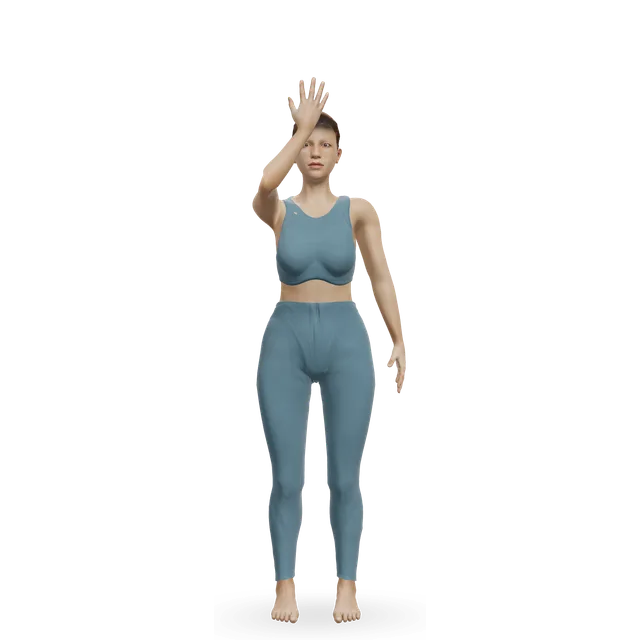
  3. Mobilise, about 2 minutes: 5 thoracic rotations each side, turning your chest with your hips still; 3 slow hip circles on each leg; and 60 seconds of wrist and forearm work.
  4. Activate, about 2 minutes: 8 to 10 bodyweight squats with your feet at your stance width, then 10 side steps each way, staying low.
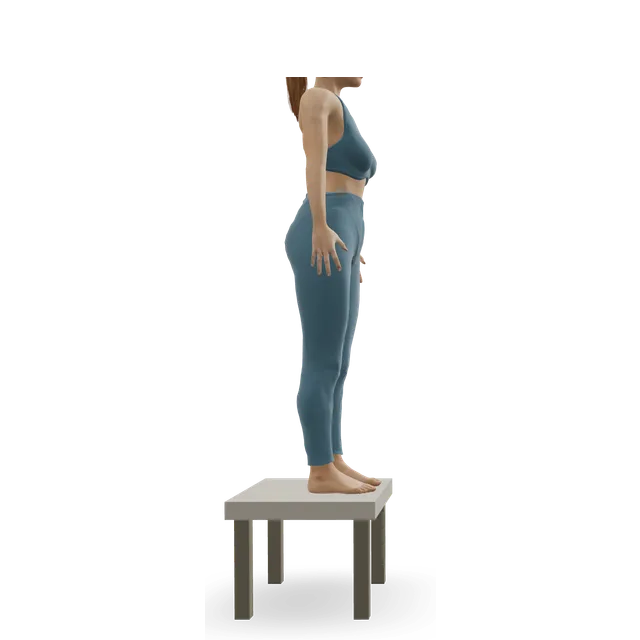
  5. Potentiate, about 2 minutes: 5 snapdowns, holding each landing for 2 seconds; 3 small hops on each leg, sticking each landing; then stand on one leg for 20 to 30 seconds each side, eyes closed for the last few seconds once you're steady.
  6. Ride 2 or 3 easy runs before the park or anything steep. Warm up again after a break of more than 15 minutes or a long, cold lift ride.

Loading the 3D figure…

Gets into position, then repeats the movement. Technical checks passed; qualified exercise review is pending.

The movement on the figure: Snapdown to athletic landing

Moves for snowboarding

The strength and landing workout's legs, landings, trunk rotation, wrists and neck, with the warm-up's landing and mobility work. Each has a 3D demo.

Workouts

The first two are new: a warm-up for the top of the slope, and a strength and landing workout. The others add the ski fitness workout, knee control, jumps, balance, wrists, ankles, intervals, the neck, the back and recovery after a concussion.

Snowboarding warm-up: a 10-minute routine for the top of the slope

A 10-minute warm-up at the top of the slope with your boots on: a march, arm and hip circles, trunk turns, wrist work, squats in your stance and landings.

10 minBeginner10 movesA wall

Strength and landing workout for snowboarders: legs, trunk rotation, landings and wrists

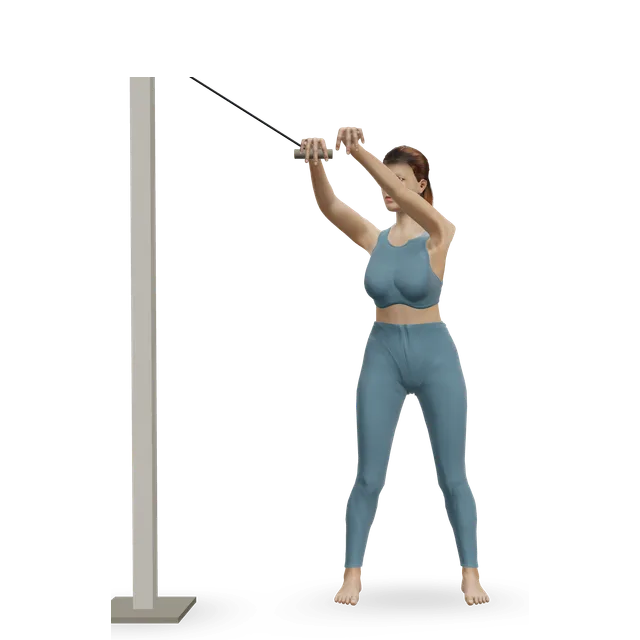
A 45-minute pre-season session for snowboarders: squats and single-leg work, box drops and landings, Pallof presses and wood chops, wrists, neck and balance.

45 minIntermediate19 movesA wall, A dumbbell

Ski fitness workout

A 40-minute pre-season workout for skiers and snowboarders: squats, split squats, single-leg hinges, side-to-side strength, landings and balance.

40 minIntermediate17 movesA wall, A dumbbell

Ski warm-up

A 7-minute warm-up for the top of the slope with your boots on: a march, arm and hip circles, leg swings, trunk turns and wrist circles, then your stance.

7 minBeginner10 movesA wall

Knee control warm-up

A 20-minute warm-up that trains your knees to track over your toes: side-hip strength, squats and lunges with alignment practice, balance and quiet landings.

20 minBeginner10 movesA wall, A band

Plyometric workout

An advanced jump training session: pogo hops, box jumps, split squat jumps, broad jumps and depth jumps.

30 minAdvanced8 movesA bench or box, A step

Balance exercises routine

Balance practice in 10 minutes: tandem stance, single-leg stands, marches, heel walks, tree pose and floor transfers.

10 minBeginner7 movesA wall, A bench or box

Wrist and forearm routine

Wrist mobility and forearm strength for desk work, climbing, push-ups and handstands.

10 minBeginner7 movesA wall, A dumbbell

Foot and ankle strengthening routine: toes, arches, calves and balance

A 15-minute barefoot routine for stronger toes, arches, calves and ankles, finishing with balance. You need only a towel, a wall and a resistance band.

15 minBeginner11 movesA wall, Other / check instructions

Strength and landing workout for skateboarders: legs, ankles, wrists and core

A 45-minute session for skaters: jump squats, drop landings, hops and bounds, squats, split squats and single-leg hinges, ankle balance, wrist work and trunk.

45 minIntermediate20 movesA step, A dumbbell

Norwegian 4x4 interval workout

The Norwegian 4x4, a well-studied interval session for raising VO2 max: four 4-minute hard efforts with 3 easy minutes between, on a bike, rower or treadmill.

40 minIntermediate3 movesCardio machine, A wall

Neck and shoulder strength routine

Deep neck holds and shoulder-blade strength in under 20 minutes: one of the best-supported kinds of exercise for a stiff, sore neck.

18 minBeginner11 movesA band, An anchor point

McGill big 3 core routine

The McGill big three for the core: curl-ups, side planks and bird dogs, each held for 10 seconds at a time in falling sets of 5, 3 and 1 reps.

12 minBeginner3 movesNo equipment

Hip mobility routine

A 15-minute hip opener: 90/90 switches, windshield wipers, CARs, Cossack squats, frog and pigeon.

15 minIntermediate8 movesA wall

Light exercise after a concussion: the stage 3 session

A 20-minute light session after a concussion: a symptom check, 10 to 15 minutes of easy cycling or walking, gentle bodyweight moves and a cool-down.

20 minBeginner8 movesCardio machine, A bench or box

Cool-down routine: 10 minutes after any workout

A 10-minute cool-down for after a run, a class or a gym session: a few minutes of easy movement, stretches for the muscles you used, then slow breathing.

10 minBeginner9 movesCardio machine, A wall

Plans

Two strength sessions a week before the season suit most riders; keep the hardest ones away from your travel days.

Who should check first

Everyone: seven questions

The PAR-Q+ (Physical Activity Readiness Questionnaire for Everyone) asks about a heart condition or high blood pressure, chest pain, dizziness or losing consciousness, other long-term conditions and their medicines, a bone or joint problem that activity could make worse, and being told to exercise only under supervision. If you answer yes to any, check with your doctor or a qualified exercise professional first. If you're over 45 and not used to hard exercise, ask a qualified exercise professional before the hardest sessions, and delay if you're ill.

Source 107

Beginners, especially on the first day and on hired kit

The first days carry the most risk. Wear wrist guards and a helmet, start on easy slopes, and consider learning on a dry slope or at an indoor snow centre, where hired kit usually includes a helmet. Lessons help you learn to turn, stop and fall.

Sources 10, 11, 83

Children and teenagers

Among injured Australian snowboarders, under-16s had about 4 times the odds of a broken wrist, and helmets cut the odds of a head injury most in studies that included children under 13. A helmet and wrist guards every time, and supervision in parks. Our guide to exercise for children covers the rest.

Sources 62, 7

Heart conditions, high blood pressure, chest pain or fainting

Cold, altitude and hard effort add up. See your GP before a trip, and build your fitness first with the workouts below. Our skiing page notes that skiers who did hard exercise more than once a week were less likely to die suddenly while skiing, an association.

Sources 107, 103

Low bone density or osteoporosis

Falls onto the wrist, hip and spine are snowboarding's commonest way of getting hurt. Ask your GP first; easy runs, wrist guards and no park are sensible (our suggestion). Our osteoporosis guide covers safe exercise.

A previous broken wrist, dislocated shoulder or ACL reconstruction

The NHS says it may take up to 16 weeks to fully return to some sports after a dislocated shoulder, and experts landing big jumps tear the front-knee ACL. Get clearance from your physio or surgeon, wear wrist guards, and leave jumps until you're cleared.

Sources 108, 56

People with epilepsy

Our epilepsy guide explains that in the International League Against Epilepsy's grouping, snowboarding is a sport where a seizure could injure you but not others. Ride with someone who knows, and don't ride lifts alone (our suggestion).

Pregnant

The NHS advises against sports where you could fall or bump your tummy, and our pregnancy guide lists snowboarding among activities with a high risk of falling. Talk to your midwife or GP.

Source 109

After a concussion

No riding until your graduated return reaches full training, and no competition before day 21. If you hold a GB Snowsport licence, its own protocol applies.

Sources 99, 98

When to stop and get help

A head injury: call 999

The NHS says to call 999 if someone has hit their head and:

  • Has been knocked out and hasn't woken up, or can't stay awake or keep their eyes open.
  • Has a fit (seizure).
  • Has fallen from a height of more than 1 metre, or hit their head at high speed.
  • Has problems with their vision or hearing, or clear fluid coming from their ears or nose.
  • Has new numbness or weakness in any part of their body, or problems with walking, balance, understanding, speaking or writing.
  • Has a dent in their head, or their behaviour has changed, such as being more irritable or distracted.

Source 110

Suspected concussion

Off the slope: if in doubt, sit them out. No return that day, and an assessment within 24 hours by a healthcare professional or NHS 111. Contact NHS 111 straight away if they're being sick, feel dizzy or take medicine that thins the blood, and don't drive yourself to A&E after a head injury.

Sources 99, 110

A wrist or arm after a fall

Go to A&E or call 999 if the arm or wrist is numb, tingling or has pins and needles, a bad cut is bleeding heavily, a bone is sticking out, or the arm or wrist has changed colour or shape or is at an odd angle. Pain in the hollow at the base of the thumb after a fall needs an X-ray even if the wrist moves; our scaphoid fracture guide explains why.

Source 111

A collarbone or shoulder

Go to A&E if your shoulder has changed shape, swollen very quickly or has bone sticking out, you're bleeding heavily, or you have difficulty breathing, chest pain or are coughing up blood. Go to A&E if you can't move your arm or the shoulder looks out of place, and don't try to put it back in yourself.

Sources 112, 108

A back or neck after a fall or a jump

Call 999 or go to A&E for back pain with pain, tingling, weakness or numbness in both legs, loss of feeling around the genitals or bottom, changes in your bladder or bowels, chest pain, or pain that started after a serious accident. After a neck injury, get urgent help for tingling or pins and needles on one or both sides, problems walking or sitting upright, a sudden "electric shock" feeling, or weak hands, arms or legs. With a suspected neck or back injury, don't move them, and call the ski patrol (our suggestion).

Sources 113, 114

An ankle after a twist or a hard landing

Call 999 or go to A&E if you heard a crack, the ankle has changed shape or points at an odd angle, it's numb or tingling, or the skin is blue, grey or cold. Pain on the outside of the ankle that doesn't settle like a sprain should may be a snowboarder's ankle fracture: ask for it to be checked.

Sources 115, 116

A knee

Get advice from NHS 111 if your knee is very painful, you can't move it or put weight on it, it's badly swollen or has changed shape, or it locks or gives way.

Source 117

Too cold

Shivering, pale, cold and dry skin, blue or grey lips, slurred speech, slow breathing, tiredness or confusion can mean hypothermia: go to A&E or call 999. Get them somewhere sheltered, take off wet clothes and wrap them up, but don't use a hot bath or rub their arms and legs. Call 999 or go to A&E for frostbite with hard, frozen skin, swelling and loss of feeling, or blisters.

Sources 101, 102

At altitude

Get medical help immediately, and go 300 to 1,000 metres lower if you can, for confusion, problems with balance, seeing or hearing things that aren't there, breathlessness at rest, a cough with frothy or bloody spit, blue or grey lips, or being hard to wake.

Source 103

Fainting or chest pain: call 999

Call 999 if someone faints while exercising, or has chest pain that doesn't go away, spreads to the arms, neck, jaw, stomach or back, or comes with sweating, feeling sick, light-headedness or breathlessness.

Sources 118, 119

Someone buried in deep snow

Call for help and dig them out at once: death can follow within 15 to 30 minutes.

Source 66

Myths

"Wrist guards just move the break up the arm"Strong evidence

Two trials found far fewer wrist injuries and no injuries caused by the guards. A case-control study's higher figure for elbow and shoulder injuries wasn't statistically significant, and guards weren't linked with forearm breaks. The benefit to wrists is strong; the shift up the arm is unproven.

Sources 5, 6, 68, 69

"Snowboarding is safer than skiing because it spares your knees"Mixed evidence

Snowboarders have far fewer ACL injuries but more wrist, shoulder, ankle and head injuries, and several resort studies found more injuries overall. Our skiing page notes a pooled analysis that found the opposite for amateurs, so overall risk is unsettled.

Sources 1, 33, 34

"A helmet means you can't get concussed"Strong evidence

Helmets cut the odds of a head injury by about a third, but more riders wearing them hasn't meant fewer head injuries reported. They lower the risk; they don't remove it.

Sources 7, 9

"Helmets cause neck injuries"Strong evidence

No rise in neck injuries across 12 studies, or in 10 years of Quebec ski patrol records.

Sources 7, 8

"Lessons keep you from getting hurt"Mixed evidence

In one case-control study, where confounding is likely, people having lessons on their first day weren't injured less. Lessons are for learning to turn, stop and fall; they haven't been shown to prevent injuries.

Source 10

"Good riders don't get badly hurt"Emerging evidence

As skill rises, falls and collisions become less common, but jump injuries and their severity rise. Experts tear knee ligaments landing big jumps, and failed jumps by experienced young men cause most spinal cord injuries.

Sources 64, 56, 49

"A balance board is the best snowboard training"Mixed evidence

No study links balance-board training with better riding or fewer injuries, and a 6-day snowboard course didn't change balance. The FIS experts put the weight on strength, landing quality and keeping both legs equal.

Sources 87, 16

"Snowboarding isn't real exercise"Emerging evidence

Recreational snowboarding measured 7.38 METs in young men, and the Compendium gives 4.3 to 7.5 METs. Ridden hard, it makes you breathe hard and fast, which the NHS counts as vigorous activity.

Sources 18, 19, 120

"It's just a sprain" after a hard landingEmerging evidence

The snowboarder's ankle fracture looks like a sprain and is often missed on ordinary X-rays. Pain on the outside of the ankle that doesn't settle needs checking.

Sources 52, 53

Questions people ask

What are the best exercises for snowboarding?

Squats, split squats and single-leg hinges for your legs; box drops and single-leg landings; trunk work that resists and makes rotation, such as Pallof presses and wood chops; and wrist, forearm and neck work. In elite riders, leg strength and power go with faster times, and the FIS's experts recommend strengthening the legs, trunk and neck and training landings on both legs. Our strength and landing workout puts these together.

Should I wear wrist guards for snowboarding?

Yes, especially as a beginner, on hired kit and in the park. In two trials, wrist guards cut wrist injuries sharply without causing other injuries, and a review found one wrist injury prevented for every 50 riders who wear them.

Is snowboarding more dangerous than skiing?

It's different. Snowboarders hurt their wrists, shoulders, heads and ankles more and their knees less, and several resort studies found more injuries overall in snowboarders, though a pooled analysis on our skiing page found the opposite for amateurs. Wrist guards change the picture most.

Do I need a helmet for snowboarding?

Helmets cut the odds of a head injury by about a third, by more in children under 13, with no rise in neck injuries, and they're compulsory in FIS competitions. They don't prevent every concussion, so a helmet is no reason to try bigger jumps.

What is snowboarder's ankle?

A break of a small piece of the ankle bone, from landing or twisting with the ankle bent up. In Colorado it was a third of snowboarders' ankle fractures, and many weren't visible on ordinary X-rays. If pain on the outside of your ankle doesn't settle like a sprain should, ask for it to be checked.

How do I fall safely on a snowboard?

No study has tested a falling technique in snowboarders. Falls cause most arm injuries, and backward falls onto the back of the head cause many serious head injuries, so wear wrist guards and a helmet, keep your chin tucked, and try to land on your forearms, bottom or side rather than your hands (our suggestion).

How do I warm up for snowboarding?

About 10 minutes at the top with your boots on: march, arm and hip circles, trunk turns and wrist work, squats in your stance, then small landings and single-leg balance, followed by 2 or 3 easy runs. That follows the FIS's 2025 expert consensus, which also advises warming up again after breaks of more than 15 minutes and long lift rides.

What happens after a concussion?

If in doubt, sit them out: stop for the day and get assessed within 24 hours by a healthcare professional or NHS 111, then follow a graduated return, with no competition before day 21. Athletes with a GB Snowsport licence follow its own protocol.

Is snowboarding good exercise?

Yes. Recreational snowboarding measured 7.38 METs in young men, and the Compendium gives 4.3 to 7.5 METs depending on effort. Riding hard makes you breathe hard and fast, which the NHS counts as vigorous activity.

Can I snowboard while pregnant?

The NHS advises against sports where you could fall or bump your tummy, and our pregnancy guide lists snowboarding among activities with a high risk of falling. Talk to your midwife.

Sources

  1. Kim 2012 · Snowboarding injuries: trends over time and comparisons with alpine skiing injuries (Am J Sports Med)
  2. Idzikowski 2000 · Upper extremity snowboarding injuries. Ten-year results from the Colorado snowboard injury survey (Am J Sports Med)
  3. Quinlan 2020 · Wrist Fractures in Skiers and Snowboarders: Incidence, Severity, and Risk Factors Over 40 Seasons (J Hand Surg Am)
  4. Russell 2007 · The effect of wrist guards on wrist and arm injuries among snowboarders: a systematic review (Clin J Sport Med)
  5. Rønning 2001 · The efficacy of wrist protectors in preventing snowboarding injuries (Am J Sports Med)
  6. Machold 2002 · Reduction of severe wrist injuries in snowboarding by an optimized wrist protection device: a prospective randomized trial (J Trauma)
  7. Russell 2010 · The effect of helmets on the risk of head and neck injuries among skiers and snowboarders: a meta-analysis (CMAJ)
  8. Hagel 2010 · Helmet use and risk of neck injury in skiers and snowboarders (Am J Epidemiol)
  9. Dickson 2017 · Head injury trends and helmet use in skiers and snowboarders in Western Canada, 2008-2009 to 2012-2013: an ecological study (Scand J Med Sci Sports)
  10. Langran 2004 · Increased injury risk among first-day skiers, snowboarders, and skiboarders (Am J Sports Med)
  11. Hume 2015 · Recreational Snow-Sports Injury Risk Factors and Countermeasures: A Meta-Analysis Review and Haddon Matrix Evaluation (Sports Med)
  12. Machold 2000 · Risk of injury through snowboarding (J Trauma)
  13. Brooks 2010 · Evaluation of skiing and snowboarding injuries sustained in terrain parks versus traditional slopes (Inj Prev)
  14. Russell 2014 · Feature-specific terrain park-injury rates and risk factors in snowboarders: a case-control study (Br J Sports Med)
  15. Hosaka 2020 · Incidence of recreational snowboarding-related spinal injuries over an 11-year period at a ski resort in Niigata, Japan (BMJ Open Sport Exerc Med)
  16. Spörri 2025 · International Ski and Snowboard Federation (FIS) consensus statement on training and testing in competitive alpine and freestyle skiers and snowboarders (BMJ Open Sport Exerc Med)
  17. Kim 2026 · Comparative analysis of energy system contributions and physiological profiles in snowboard slopestyle and snowboard cross (PeerJ)
  18. Li 2026 · Assessment of energy cost in three winter sports: Alpine skiing, snowboarding, and simulated cross-country skiing (J Int Soc Sports Nutr)
  19. Compendium of Physical Activities 2024 · Winter activities: MET values (adult compendium)
  20. Zebrowska 2012 · Anaerobic and aerobic performance of elite female and male snowboarders (J Hum Kinet)
  21. McPhail 2025 · Physiological Characteristics of Freestyle Snowboard and Freeski Athletes (Int J Sports Physiol Perform)
  22. Vernillo 2016 · Physiological characteristics of elite snowboarders (J Sports Med Phys Fitness)
  23. Platzer 2009 · Comparison of physical characteristics and performance among elite snowboarders (J Strength Cond Res)
  24. Jeon 2021 · Role of physique and physical fitness in the balance of Korean national snowboard athletes (J Exerc Sci Fit)
  25. Vernillo 2018 · Physiological and Physical Profile of Snowboarding: A Preliminary Review (Front Physiol)
  26. Stepan 2023 · Skier and snowboarder speeds at US ski areas (JSAMS Plus)
  27. Williams 2007 · Speeds associated with skiing and snowboarding (Wilderness Environ Med)
  28. Schmitt 2012 · Characterizing the mechanical parameters of forward and backward falls as experienced in snowboarding (Sports Biomech)
  29. Nakaguchi 1999 · Snowboard head injury: prospective study in Chino, Nagano, for two seasons from 1995 to 1997 (J Trauma)
  30. Steenstrup 2018 · Head injury mechanisms in FIS World Cup alpine and freestyle skiers and snowboarders (Br J Sports Med)
  31. Kurpiers 2017 · Predictors of falls in recreational snowboard jumping: An observational study (Injury)
  32. Langran 2002 · Snow sports injuries in Scotland: a case-control study (Br J Sports Med)
  33. Made 2004 · A 10-year study of snowboard injuries in Lapland Sweden (Scand J Med Sci Sports)
  34. Rust 2013 · Injury patterns at a large Western United States ski resort with and without snowboarders: the Taos experience (Am J Sports Med)
  35. O'Neill 1999 · Injury risk in first-time snowboarders versus first-time skiers (Am J Sports Med)
  36. Seleznev 2018 · Trends of snowboarding-related fractures that presented to emergency departments in the United States, 2010 to 2016 (Ann Transl Med)
  37. Sasaki 1999 · Snowboarder's wrist: its severity compared with Alpine skiing (J Trauma)
  38. Matsumoto 2002 · Upper extremity injuries in snowboarding and skiing: a comparative study (Clin J Sport Med)
  39. Aslam 2004 · Snowdome, skiers and boarders: accident and emergency experience (Int J Clin Pract)
  40. Kocher 1998 · Shoulder injuries from alpine skiing and snowboarding. Aetiology, treatment and prevention (Sports Med)
  41. Pierpoint 2020 · A comparison of recreational skiing- and snowboarding-related injuries at a Colorado ski resort, 2012/13-2016/17 (Res Sports Med)
  42. Major 2014 · Injury rate and injury pattern among elite World Cup snowboarders: a 6-year cohort study (Br J Sports Med)
  43. Dickson 2021 · Head injury and helmet usage trends for alpine skiers and snowboarders in western Canada during the decade 2008-9 to 2017-18 (J Sci Med Sport)
  44. Nakaguchi 2002 · Mechanisms of snowboarding-related severe head injury: shear strain induced by the opposite-edge phenomenon (J Neurosurg)
  45. Gil 2017 · Epidemiology of Snow Skiing- Versus Snowboarding-Related Concussions Presenting to the Emergency Department in the United States from 2010 to 2014 (Clin J Sport Med)
  46. Tarazi 1999 · Spinal injuries in skiers and snowboarders (Am J Sports Med)
  47. Yamakawa 2001 · Spinal injuries in snowboarders: risk of jumping as an integral part of snowboarding (J Trauma)
  48. Ishimaru 2016 · Characteristics and Risk Factors of Spinal Fractures in Recreational Snowboarders Attending an Emergency Department in Japan (Clin J Sport Med)
  49. Wakahara 2006 · Traumatic spinal cord injuries from snowboarding (Am J Sports Med)
  50. Huffman 2022 · Acute Vertebral Fractures in Skiing and Snowboarding: A 20-Year Sex-Specific Analysis of National Injury Data (Orthop J Sports Med)
  51. Schmidt 2026 · Fracture Epidemiology in Skateboarding vs. Snowboarding (Sports Health)
  52. Kirkpatrick 1998 · The snowboarder's foot and ankle (Am J Sports Med)
  53. Boon 2001 · Snowboarder's talus fracture. Mechanism of injury (Am J Sports Med)
  54. Valderrabano 2005 · Snowboarder's talus fracture: treatment outcome of 20 cases after 3.5 years (Am J Sports Med)
  55. Bladin 1993 · Australian snowboard injury data base study. A four-year prospective study (Am J Sports Med)
  56. Davies 2009 · Anterior cruciate ligament injuries in snowboarders: a quadriceps-induced injury (Knee Surg Sports Traumatol Arthrosc)
  57. Torjussen 2006 · Injuries among elite snowboarders (FIS Snowboard World Cup) (Br J Sports Med)
  58. Flørenes 2012 · Injuries among World Cup ski and snowboard athletes (Scand J Med Sci Sports)
  59. Steenstrup 2011 · Injury incidence in qualification runs versus final runs in FIS World Cup snowboard cross and ski cross (Br J Sports Med)
  60. Soligard 2019 · Sports injury and illness incidence in the PyeongChang 2018 Olympic Winter Games: a prospective study of 2914 athletes from 92 countries (Br J Sports Med)
  61. Soligard 2023 · Olympic Games during nationwide lockdown: sports injuries and illnesses, including COVID-19, at the Beijing 2022 Winter Olympics (Br J Sports Med)
  62. Dickson 2011 · Snowboarding injuries in Australia: investigating risk factors in wrist fractures to enhance injury prevention strategies (Wilderness Environ Med)
  63. Hasler 2010 · Are there risk factors for snowboard injuries? A case-control multicentre study of 559 snowboarders (Br J Sports Med)
  64. Ogawa 2010 · Skill level-specific differences in snowboarding-related injuries (Am J Sports Med)
  65. Rugg 2021 · Gender differences in snowboarding accidents in Austria: a 2005-2018 registry analysis (BMJ Open)
  66. Van Tilburg 2010 · Non-avalanche-related snow immersion deaths: tree well and deep snow immersion asphyxiation (Wilderness Environ Med)
  67. O'Neill 2003 · Wrist injuries in guarded versus unguarded first time snowboarders (Clin Orthop Relat Res)
  68. Hagel 2005 · The effect of wrist guard use on upper-extremity injuries in snowboarders (Am J Epidemiol)
  69. Twining 2022 · A 40-year Study of the Factors Associated with Diaphyseal Forearm Fractures in Skiers and Snowboarders (Clin Orthop Relat Res)
  70. Kim 2011 · Snowboard wrist guards--use, efficacy, and design. A systematic review (Bull NYU Hosp Jt Dis)
  71. Lewis 1997 · Do wrist guards protect against fractures? (Ann Emerg Med)
  72. Hwang 2006 · Biomechanical efficiency of wrist guards as a shock isolator (J Biomech Eng)
  73. Sulheim 2006 · Helmet use and risk of head injuries in alpine skiers and snowboarders (JAMA)
  74. Cusimano 2010 · The effectiveness of helmet wear in skiers and snowboarders: a systematic review (Br J Sports Med)
  75. Lee 2022 · Helmet Use in Preventing Head Injuries in Bicycling, Snow Sports, and Other Recreational Activities and Sports (Pediatrics)
  76. Sulheim 2017 · Helmet use and risk of head injuries in alpine skiers and snowboarders: changes after an interval of one decade (Br J Sports Med)
  77. Steenstrup 2018 · Head impact velocities in FIS World Cup snowboarders and freestyle skiers: Do real-life impacts exceed helmet testing standards? (Br J Sports Med)
  78. Scott 2007 · Testing the risk compensation hypothesis for safety helmets in alpine skiing and snowboarding (Inj Prev)
  79. Ruedl 2012 · Self reported risk taking and risk compensation in skiers and snowboarders are associated with sensation seeking (Accid Anal Prev)
  80. Thomson 2015 · Increased patterns of risky behaviours among helmet wearers in skiing and snowboarding (Accid Anal Prev)
  81. Willick 2019 · Helmet Use and Risk-Taking Behavior Among Skiers and Snowboarders (Clin J Sport Med)
  82. International Ski and Snowboard Federation (FIS) 2002 · 10 FIS rules for conduct for skiers and snowboarders (approved by the FIS Congress)
  83. Snowsport England · A beginner's guide to snowboarding
  84. Hupperets 2009 · Effect of unsupervised home based proprioceptive training on recurrences of ankle sprain: randomised controlled trial (BMJ)
  85. Schiftan 2015 · The effectiveness of proprioceptive training in preventing ankle sprains in sporting populations: a systematic review and meta-analysis (J Sci Med Sport)
  86. Lauersen 2014 · The effectiveness of exercise interventions to prevent sports injuries: a systematic review and meta-analysis of randomised controlled trials (Br J Sports Med)
  87. Kłos 2019 · Body balance in people practicing snowboarding (Acta Bioeng Biomech)
  88. Gathercole 2015 · Effect of acute fatigue and training adaptation on countermovement jump performance in elite snowboard cross athletes (J Strength Cond Res)
  89. Sporer 2012 · Warm-up practices in elite snowboard athletes (Int J Sports Physiol Perform)
  90. Beck 2024 · Before hitting the slopes: athlete and staff perspectives on warm-up and activation in high-performance snowsports (BMJ Open Sport Exerc Med)
  91. Spörri 2025 · International Ski and Snowboard Federation consensus statement on warm-up and cool-down in competitive alpine and freestyle skiers and snowboarders (BMJ Open Sport Exerc Med)
  92. Bosquet 2007 · Effects of tapering on performance: a meta-analysis (Med Sci Sports Exerc)
  93. Russell 2013 · Characteristics of injuries sustained by snowboarders in a terrain park (Clin J Sport Med)
  94. Audet 2021 · The association between removing and reintroducing man-made jumps in terrain parks and severe alpine skiing and snowboarding injuries (J Sci Med Sport)
  95. Dickson 2024 · Terrain park injuries and risk factors in western Canadian resorts, 2008-2009 to 2017-2018: insights for risk management (Front Sports Act Living)
  96. FIS 2026 · Specifications for competition equipment: snowboard, freestyle, freeski and ski cross, edition 2026/2027
  97. Wei 2019 · Spinal injury analysis for typical snowboarding backward falls (Scand J Med Sci Sports)
  98. GB Snowsport · New head injuries protocols introduced to protect welfare of British skiers and snowboarders
  99. UK Government and Sport and Recreation Alliance 2024 · UK concussion guidelines for non-elite (grassroots) sport, November 2024 update
  100. Koh 2011 · Effect of snowboard-related concussion safety education for recognizing possible concussions (J Sports Med Phys Fitness)
  101. NHS · Hypothermia
  102. NHS · Frostbite
  103. NHS · Altitude sickness
  104. NHS · Sunscreen and sun safety
  105. Gaudio 2010 · Impact of alcohol consumption on winter sports-related injuries (Med Sci Law)
  106. Niedermeier 2019 · Injury-Related Behavioral Variables in Alpine Skiers, Snowboarders, and Ski Tourers-A Matched and Enlarged Re-Analysis (Int J Environ Res Public Health)
  107. PAR-Q+ Collaboration 2025 · The Physical Activity Readiness Questionnaire for Everyone (PAR-Q+)
  108. NHS · Dislocated shoulder
  109. NHS · Exercise in pregnancy
  110. NHS · Head injury and concussion
  111. NHS · Broken arm or wrist
  112. NHS · Broken collarbone
  113. NHS · Back pain
  114. NHS · Whiplash
  115. NHS · Sprains and strains
  116. NHS · Broken ankle
  117. NHS · Knee pain
  118. NHS · Fainting
  119. NHS · Chest pain
  120. NHS · Physical activity guidelines for adults aged 19 to 64

Exercise education for people who play sport, not a personal prescription or a diagnosis, and clinical review of these pages is pending. Check with a GP or physiotherapist before hard training if you have a heart condition, chest pain, dizziness or an injury that isn't settling, and stop for sharp or increasing pain. Health disclaimer.