What prevents injuries
No helmet, wrist-guard or fall-training trial has been done in skateboarders. The helmet evidence comes from skateboard trauma records and bicycle and ski studies; the wrist-guard trials are in snowboarders. Each note says which.
Never skate in the roadStrong evidence
Crashes with vehicles cause the worst injuries: in US data, a crash with a vehicle made a hospital admission about 11 times as likely, and RoSPA notes that US skateboard deaths were almost all collisions with vehicles. RoSPA: "Never ride in the road"; the American Academy of Pediatrics (AAP): no riding in or near traffic.
Sources 6, 39, 5, 37
HelmetsEmerging evidence
In 24,903 US skaters in trauma centres, those wearing helmets had about half the odds of a severe brain injury; only 5% to 6% wore one. In children hurt on bikes, scooters and skateboards, those without helmets were more likely to have concussion symptoms. Across helmet sports, helmets went with less severe brain injury and about a third the odds of a skull fracture. In cyclists, helmets halved the odds of a head injury, and in skiers and snowboarders cut them by about a third, with no rise in neck injuries. These are associations, consistent across sports; there's no trial. Across 17 studies, 0% to 42% of skaters wore helmets.
Sources 1, 24, 40, 41, 42, 43, 44
Wrist guards: tested in snowboardersEmerging evidence
The evidence, mostly borrowed from other board and wheel sports:
- In-line skaters, 161 injured people compared by what they wore: without wrist guards, about 10 times the odds of a wrist injury; without elbow pads, about 9 times the odds of an elbow injury. Only 7% wore all their gear.
- Snowboarders, 5,029 randomised to wrist braces or none: 8 wrist injuries against 29. Beginners in their first 5 days and those on hired kit were hurt most.
- Snowboarders, 721 randomised to a redesigned wrist protector: 1 severe wrist injury against 9. Twelve in the protector group secretly stopped wearing it, including the one who was injured.
- Across 6 snowboarding studies, guards cut wrist injuries by about three-quarters, one prevented for every 50 riders who wore them. The best design isn't known.
- In videos of skateboard falls, the wrists bent back about 80° on impact, the position guards are built to limit (our reading).
Sources 3, 45, 46, 4, 47, 21
PadsEmerging evidence
Elbow pads went with far fewer elbow injuries in in-line skaters; knee pads' link wasn't clear. Skateboard GB recommends pads and guards when learning, and notes most skaters who ride ramps and bowls use pads all their lives.
Sources 3, 48
Skate parks or streetsMixed evidence
Parks keep you away from traffic, which causes the worst injuries. In US trauma data, injuries at skate parks went with lower odds of a severe brain injury, though the study doesn't say clearly what it compared parks with. But in Irish children, skate-park fractures were more severe, with only 5% wearing limb protection, and a UK emergency department saw skate-park injuries rise from 7 to 32 in the 12 weeks after a park opened nearby. RoSPA rates skate parks as high risk but supports them, because accidents would be much higher without them.
Sources 1, 24, 49, 50, 51, 37
Check the surface and your boardStrong evidence
RoSPA: check the surface for holes, bumps and loose debris, as "over half of the injuries to skateboarders are due to uneven surfaces", and check your board for loose or broken parts. Build up to complicated tricks in stages, after careful practice in a place designed for it.
Sources 6, 19
Learning to fallEmerging evidence
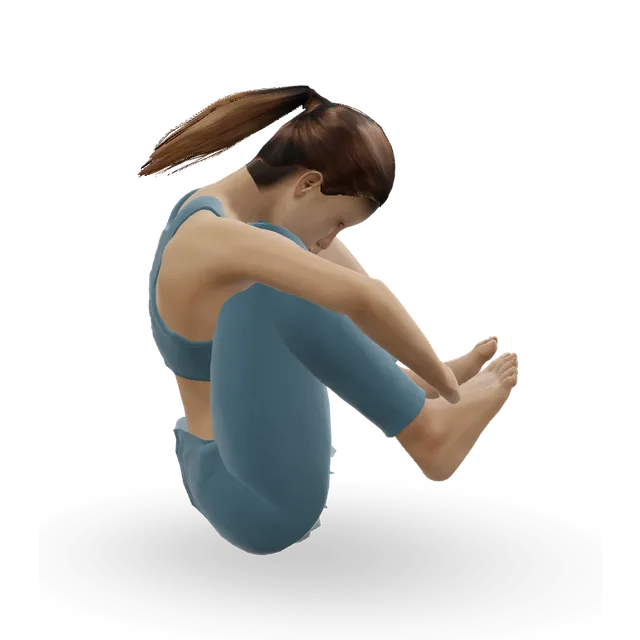
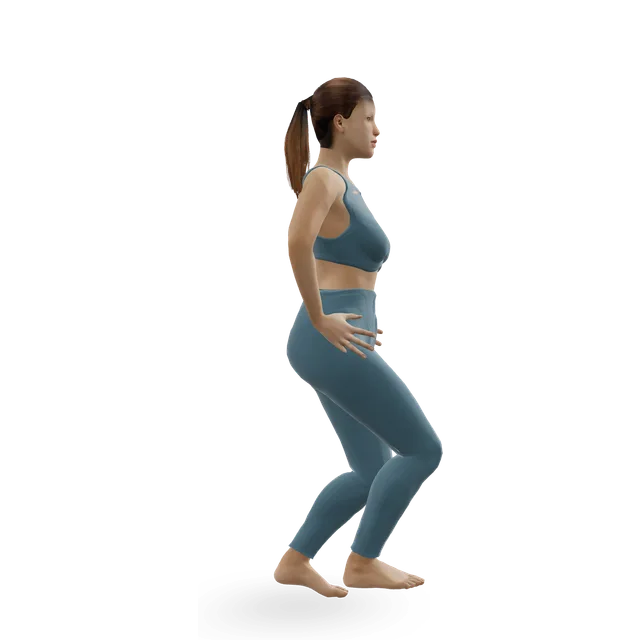
RoSPA: "Learn how to fall in the case of an accident. It may well reduce the risk of serious injury." Across 13 small laboratory studies in young adults, squatting in backward falls, bending the elbows in forward falls and rolling in sideways falls all cut the impact, while the martial arts slapping technique didn't. Five young men cut the force through their wrists by 27% by controlling their arms as they landed, and older adults learned martial arts falls in 5 sessions. No trial has tested fall training on injuries.
Sources 6, 7, 52, 53
Ankles: balance training after a sprainStrong evidence
In 522 athletes from other sports with a recent ankle sprain, an 8-week home balance programme cut repeat sprains from 33% to 22%, and across 7 trials balance training cut ankle sprains by about a third, most clearly in people who'd sprained an ankle before. It hasn't been tested in skaters. Our sprained ankle guide has the programme.
Sources 54, 55
What isn't shownMixed evidence
Measures without good evidence in skateboarding:
- A trial of helmets or wrist guards in skateboarders: none; the evidence is trauma records and other sports' trials.
- Fall training: no trial on injuries.
- Knee pads: no clear link in the one study.
- Whether building skate parks cuts injuries overall: studies disagree.
- Fitness training to prevent skateboard injuries: no study, though strength training cut injuries across other sports.
Sources 16, 3, 49, 56