A sling or a figure-of-eight bandage: much the same results, and a sling is simplerEmerging evidence
A Cochrane review of 4 trials (416 people aged 14 and over) found very low-quality evidence of similar function, pain and healing time with a sling or a figure-of-eight bandage, and one trial reported more pain and discomfort with the bandage. In 60 adults, the bandage was more painful on the first day (6.8 against 5.6 out of 10) and harder to put on; in 79 people, the sling caused less discomfort, with the same function and appearance.
A 2026 meta-analysis (688 adults, from 4 trials and 2 other studies) found slightly better scores and alignment with the bandage, too small to matter (1.7 points on a 100-point shoulder score, 0.8 mm of shortening), and fewer complications overall with it, but concluded the evidence doesn't justify using it routinely. The American Academy of Orthopaedic Surgeons (AAOS) guideline prefers a sling, by expert consensus, as simple and low-risk. The studies are small and of low quality.
Sources 4, 19, 20, 21, 22
Surgery for a displaced break: fewer non-unions, much the same function in the long runStrong evidence
For breaks in the middle of the collarbone that have moved, several trials have compared a plate and screws with a sling. Across 6 trials (614 people), a plate made a non-union about 7 times less likely, but the gain in shoulder function at a year was too small to matter, and repeat operations were about as common as after a sling once plate removals were counted (17.6% against 16.6%). The Cochrane review (14 trials, 1,469 people, mostly at high risk of bias) found low-quality evidence of no important difference in function, pain or quality of life at a year or more, fewer treatment failures after surgery, plate removal for discomfort in 10.2%, and infection only after surgery (3.2%).
The trials differ in emphasis. A Canadian trial of 132 adults found better shoulder scores at every point to a year after plating. A UK trial of 200 adults found 1 non-union after plating against 16 after a sling, but no difference in scores at any time once people whose bone hadn't joined were left out. A Dutch trial of 160 found no difference in shoulder scores at any time; 27.4% had another operation after plating, including planned plate removal, against 17.1% after a sling, and 19% had numb skin around the scar. The UK Clavicle Trial (301 adults) found better function and satisfaction at 6 weeks and 3 months after surgery.
The AAOS guideline says surgery brings higher union rates and better early function, but that either treatment is reasonable because long-term function and satisfaction are similar. In short, surgery trades a lower risk of non-union and an easier first 3 months for an operation, a scar with numb skin, and roughly a 1 in 10 to 1 in 6 chance of a second operation to remove the plate.
Sources 23, 3, 24, 25, 26, 13, 22
What makes a non-union more likelyEmerging evidence
In 941 adults with displaced breaks of the middle of the collarbone treated without surgery, 13% didn't join. Smoking nearly quadrupled the odds, and a shattered break and a bigger gap between the ends raised the risk too. The AAOS guideline agrees, on limited evidence, that smoking, displacement and a shattered break go with non-union.
Not every non-union needs treatment: a third of those in the trials had none, and some people have little pain and good use of the arm. Painful ones can be fixed with an operation.
Sources 27, 6, 22, 23, 1
Teenagers usually do as well without surgeryEmerging evidence
In a US study that followed 416 teenagers with fully displaced breaks (282 for 2 years; it wasn't a randomised trial), surgery gave no better function and more complications (20.8% against 5.2%), and non-union was rare (0.4%). In a long-term study of teenagers treated without surgery, 1 of 245 displaced breaks didn't join, and how far the break had moved didn't predict a worse result. A 2025 review of 7 comparative studies and the AAOS guideline agree that surgery may offer no benefit at this age.
Sources 28, 18, 29, 22
Most people get back to sportEmerging evidence
Across 33 studies (1,087 people), 91% of athletes went back to their sport, on average 3.1 months after surgery and 3.9 months without, and more of those who had surgery returned to their previous level (92% against 78%). Most of these studies were observational, so the people who chose surgery may have differed from those who didn't, and breaks at the outer end had the lowest return rate (78%).
Source 30
The exercise stages come from NHS leaflets, not trialsEmerging evidence
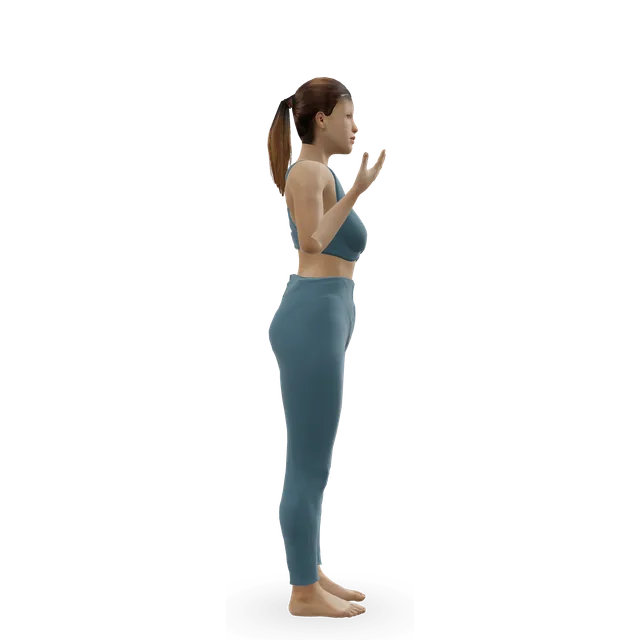
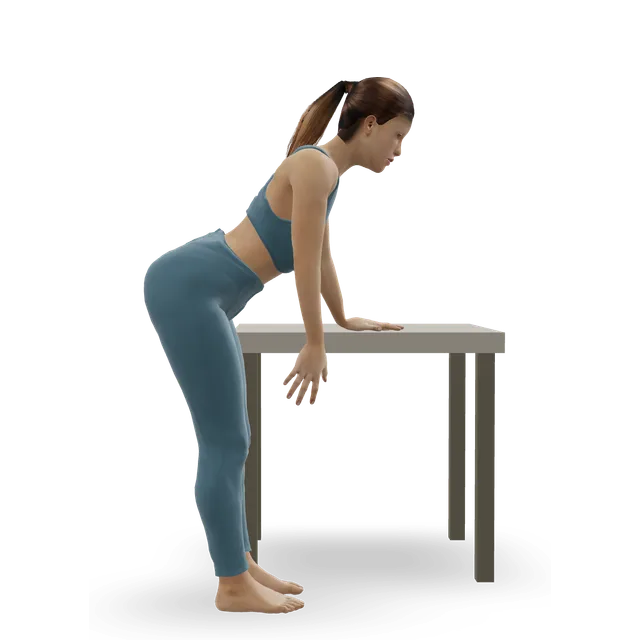
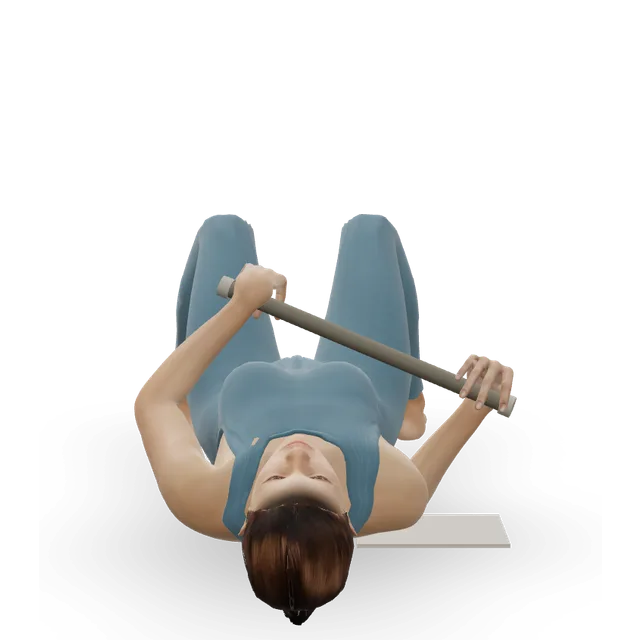
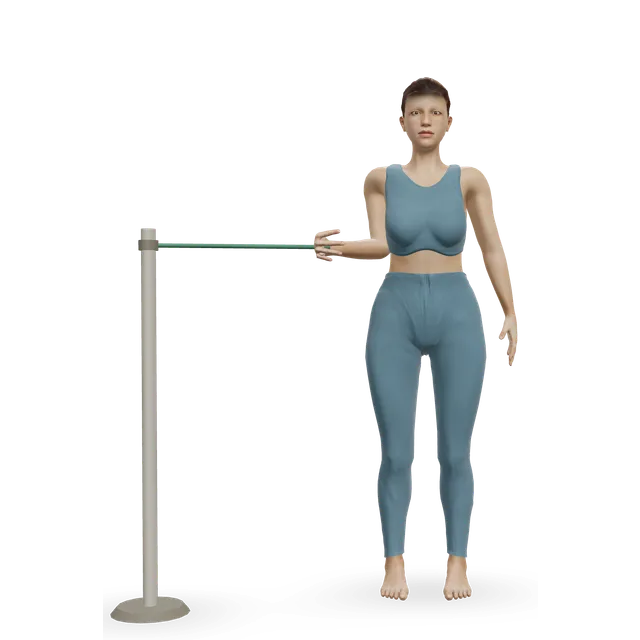
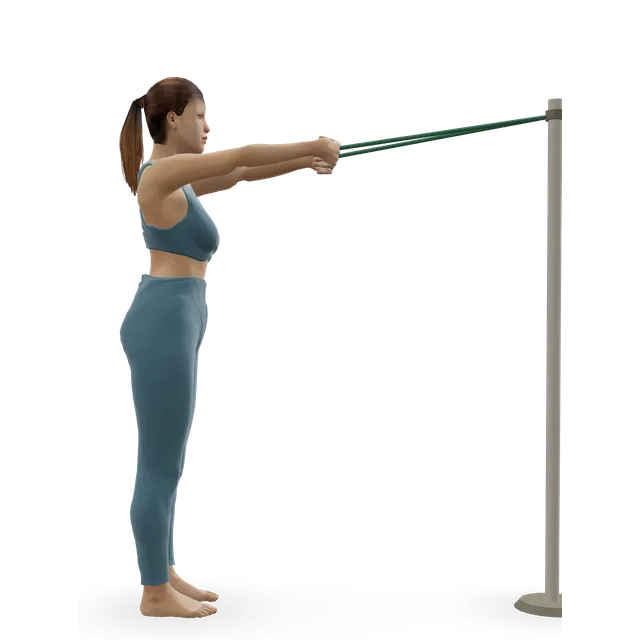
No trial has tested an exercise programme after a broken collarbone, or when to start moving: the Cochrane review of non-surgical treatments found trials only of slings, bandages and ultrasound. The stages on this page follow NHS leaflets, which agree on the order and give similar timings: hand, wrist, elbow and neck from the first day, assisted shoulder movement from about 2 to 3 weeks, lifting overhead from about 6 weeks, and heavy lifting once the bone has healed. Treat the timings as typical ranges, not tested rules.
Sources 4, 10, 12, 2, 31
Ultrasound bone stimulators don't helpStrong evidence
In a placebo-controlled trial of 120 people, low-intensity pulsed ultrasound didn't speed healing, ease pain or prevent operations for a bone that hadn't joined, and the AAOS guideline advises against it.
Sources 4, 22
After a fall at 50 or over: bones and fallsStrong evidence
The National Institute for Health and Care Excellence (NICE) asks for a fracture risk assessment for everyone aged 50 or over who has had a fragility fracture (a break from a fall from standing height or less), and a comprehensive falls assessment for anyone who fell in the past year and needed medical treatment for an injury. Breaks at the outer end of the collarbone after a simple fall are commoner in older people.
Sources 32, 33, 7