Stick-assisted external rotation (lying)
Lying on your back with the sore elbow tucked at your side and bent to a right angle, you use a stick held in both hands to push the sore forearm gently outwards, so the good arm turns the shoulder out while the sore one relaxes. Losing this turn is the hallmark of frozen shoulder and a key feature of shoulder arthritis.
Movement guide
Stick-assisted external rotation (lying)
Loading the 3D figure…
Make it easier or harder
Start where you can move well, then step up.
Easier option
This is already one of the gentlest options for these muscles.
This move
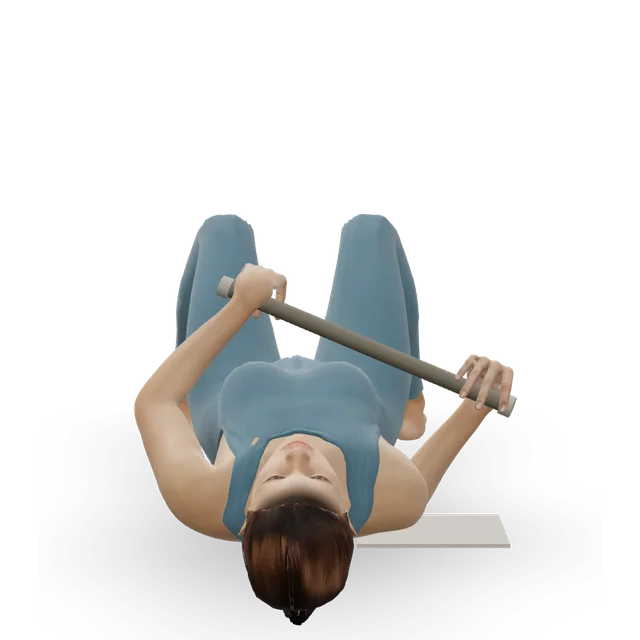 3D demoStick-assisted external rotation (lying)Beginner · Other / check instructions
Beginner grade.
Harder option
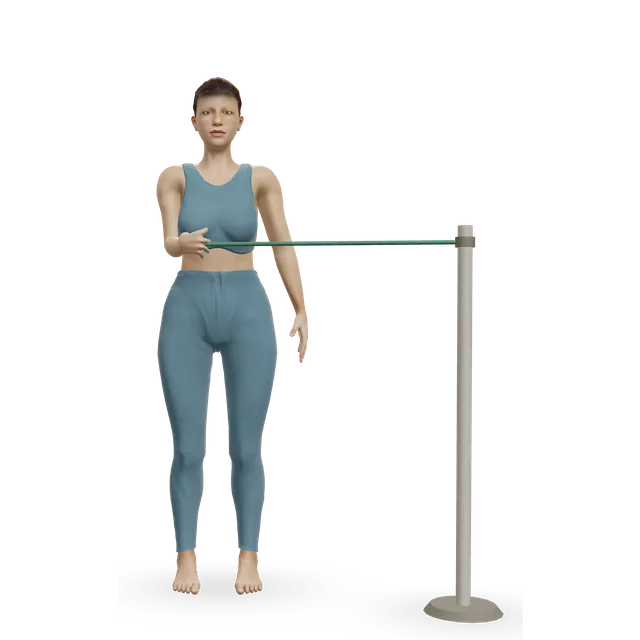 3D demoStanding band external rotationBeginner · A band + An anchor point
Suggested next step, beginner grade.
Source-researched guide. Clinical review is pending.
How to move
- Lie on your back with your knees bent and a folded towel under the sore elbow, so the upper arm is level with your body.
- Bend the sore elbow to a right angle and keep it against your side; hold one end of a stick, broom handle or umbrella in that hand.
- Hold the other end with your good hand.
- Use the good arm to push the stick slowly across, so the sore forearm turns outwards, away from your tummy, the elbow still touching your side.
- Stop at a mild stretch, hold, then return slowly.
Form cues
- Keep the elbow touching your side.
- The good arm does the work; the sore shoulder stays relaxed.
- Avoid: letting the elbow drift away from your side, arching your back, turning your whole body, or pushing into sharp pain.
Practice and cautions
For a very irritable shoulder, 10 slow repetitions, pain-free, twice a day; once it is less irritable, 3 to 5 holds of 20 to 30 seconds. An editorial starting point: there are no trials of this exercise on its own. Loss of turning the arm outwards was the entry criterion in the UK FROST trial, and a frozen shoulder guideline recommends assisted movement and stretching matched to how irritable the shoulder is.
After a dislocation, keep the elbow at your side and stop well short of any feeling of the shoulder slipping. Any ache should settle within minutes. This is movement education, not an assessment or treatment prescription. Stop for sharp or increasing pain, dizziness, numbness or tingling; seek individual guidance for symptoms, injury or restrictions.
Sources and review status
Sources support the educational description; they do not establish that this exercise is suitable for you.
- Kelley 2013 · Adhesive capsulitis: JOSPT clinical practice guideline (pain-free assisted movement for an irritable frozen shoulder; stretching matched to irritability) ↗
- Rangan 2020 · UK FROST: early physiotherapy with an injection, manipulation or capsular release for frozen shoulder (RCT, Lancet) ↗
- Thomas 2016 · BESS/BOA patient care pathway: glenohumeral osteoarthritis (Shoulder & Elbow) ↗
No variation is labeled clinically validated.
What it works
Equipment
Other / check instructions
Level
Beginner. See the easier and harder options above.
Pain guides that use it
Part of a staged plan, with when to get help first.
Similar moves
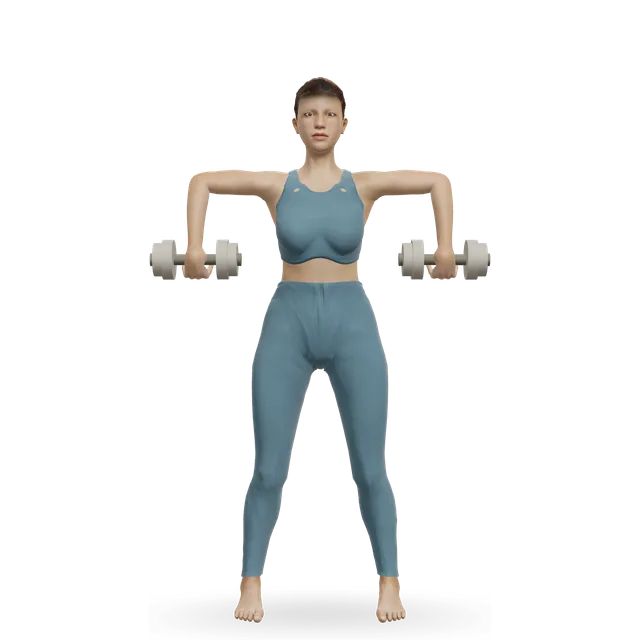 3D demoCuban rotationIntermediate · A dumbbell + A band
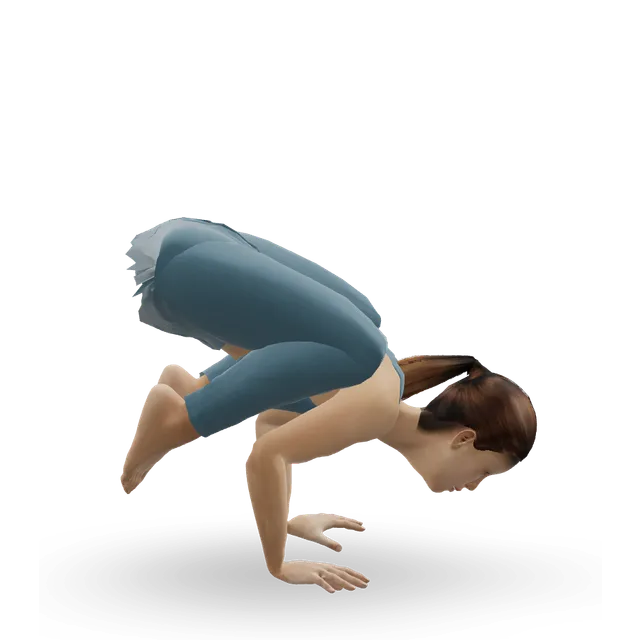 3D demoCrow pose (Bakasana)Intermediate · No equipment
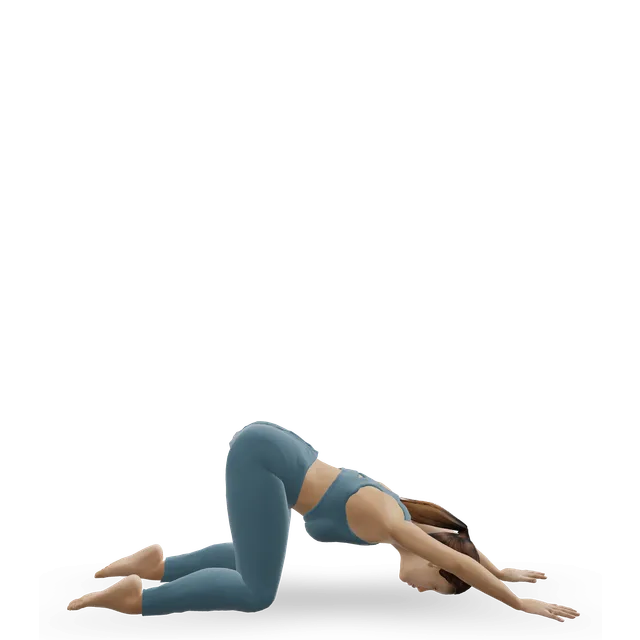 3D demoExtended puppy pose (Uttana Shishosana)Beginner · No equipment
 3D demoUpward StretchBeginner · Other / check instructions
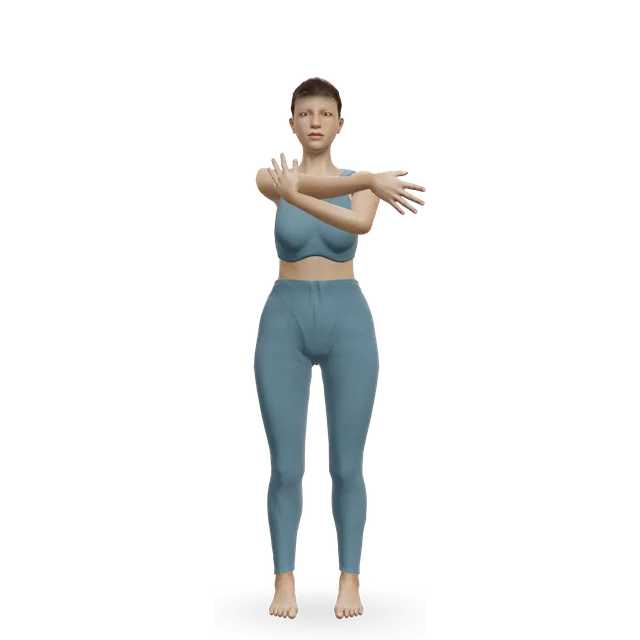 3D demoCross-body shoulder stretchBeginner · No equipment
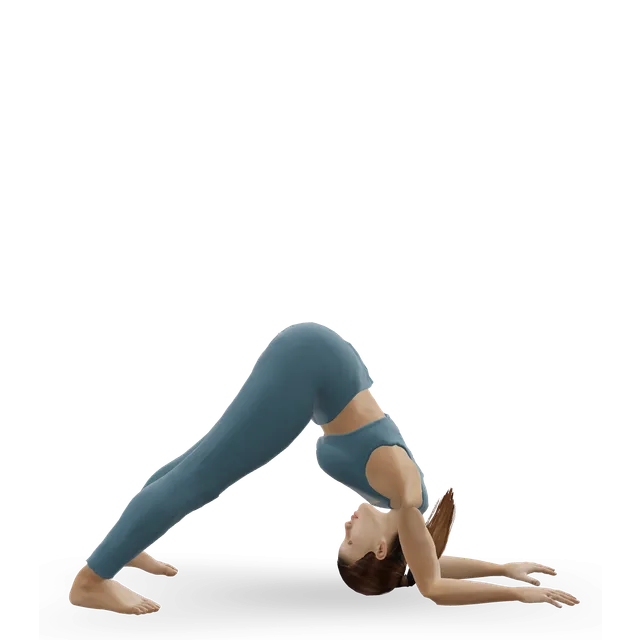 3D demoDolphin pose (Ardha Pincha Mayurasana)Intermediate · No equipment
Browse more
Questions people ask
What muscles does the Stick-assisted external rotation (lying) work?
Mainly the shoulders, with help from the chest.
What equipment do I need for the Stick-assisted external rotation (lying)?
Other / check instructions.
Is the Stick-assisted external rotation (lying) good for beginners?
It is graded beginner, so it suits most people starting out. When it feels easy, try the Standing band external rotation.
How do I make the Stick-assisted external rotation (lying) harder?
Progress to the Standing band external rotation, or add load, range or slower lowering once your form is solid.