Most back pain has no single cause, and most of it settlesStrong evidence
For nearly all low back pain no specific damaged structure can be identified; only a small proportion have a specific cause such as a fracture, cancer or infection. That is why this map tells you what is likely, not what you have.
In a meta-analysis of 33 cohorts of people seen with a new episode, average pain fell from about 52 out of 100 to 23 by six weeks, 12 by six months and 6 by a year. Pain that has already lasted months improves less. If your pain doesn't fit the map, or doesn't settle in a few weeks, get it checked.
Sources 7, 17, 1
It often comes backEmerging evidence
In one cohort of 250 people who had recovered, 69% had another episode within a year. More than two earlier episodes, sitting for more than 5 hours a day and awkward postures predicted it. Keeping exercise going after the pain has gone is what the last stage of the plan is for.
Source 18
Get checked, without panickingEmerging evidence
Most single warning signs are poor at detecting serious disease on their own. A history of cancer is the best single flag for cancer, and older age, long-term steroid use, a severe injury and bruising flag a fracture. The point of the list above is to get checked, not to panic.
Sources 10, 9
Is it sciatica?
Sciatica is pain from an irritated nerve in the lower back, felt in the buttock and down the leg, often into the foot, sometimes with tingling or numbness. It usually improves within weeks to months. If leg pain is the main problem, start with the sciatica guide: it covers NICE's advice, nerve glides and its own staged plan.
Source 2
Myths worth dropping
Many popular beliefs about backs are weaker than they sound.
- "Rest it." Advice to stay active does slightly better than advice to rest in bed, and the NHS says don't stay in bed for long periods.
- "You need a scan to know what's wrong." Routine imaging doesn't improve outcomes, and NICE says not to offer it routinely.
- "My scan shows degeneration and bulging discs, so my back is damaged." These findings are common in people with no pain and rise with age: disc degeneration in 37% of pain-free 20-year-olds and 96% of 80-year-olds, bulges in 30% and 84%.
- "Bad posture causes back pain." Reviews found no consensus that posture, sitting, bending or twisting cause low back pain, and people with back pain have the same lower-back curve as people without.
- "Always lift with a straight back." Bending the lower back while lifting was not a risk factor for back pain, and lifting-technique training didn't prevent back pain in trials of more than 19,000 workers.
- "Weak core muscles cause back pain, so you need core exercises." Core stability and motor control exercise work, but no better than other exercise.
- "A back brace or belt protects you." NICE says not to offer belts or corsets, the WHO advises against routine use, and belts did not prevent new episodes.
- "A firm mattress is best." A medium-firm mattress did better than a firm one in a trial.
- "Pain means damage." The WHO's message is that hurt does not necessarily mean harm.
- "Stretching is the treatment." Stretching did no better than control for pain in two network meta-analyses, though a third found flexibility exercise helped function, and yoga classes and stretching classes did about equally in one trial.
Sources 19, 1, 43, 3, 44, 39, 40, 41, 42, 29, 30, 6, 38, 45, 27, 28, 26, 34
Back pain in pregnancyEmerging evidence
Ligaments soften in pregnancy to prepare for labour, which strains the joints of the lower back and pelvis. More than two-thirds of pregnant women have low back pain and almost one in five pelvic pain. Exercise reduces how bad back and pelvic pain gets in pregnancy, on low to moderate quality evidence, though it may not stop it happening.
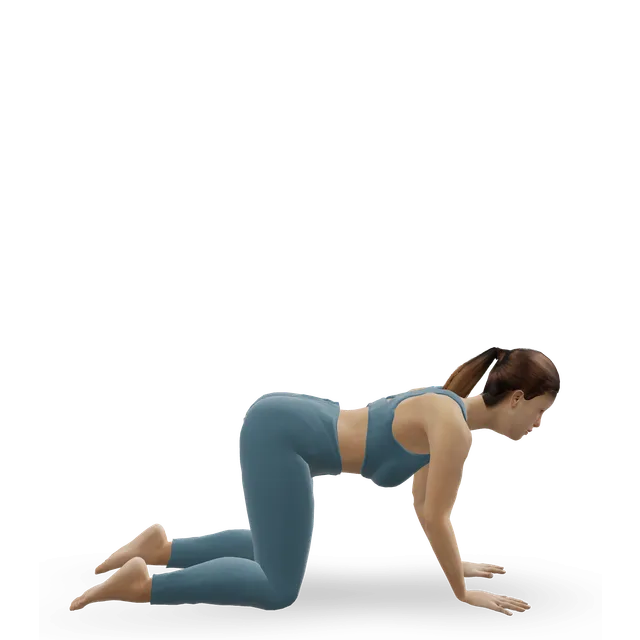
NHS tips: bend your knees and keep your back straight when you lift, move your feet when you turn, wear flat shoes, try prenatal yoga or aquanatal classes, and try a gentle all-fours exercise like cat-cow, lifting your back towards the ceiling and returning about 10 times. For pelvic pain: stay active within comfort, sleep with a pillow between your knees, keep your knees together getting in and out of a car, and sit to dress.
Talk to a GP or midwife if the pain is very bad; they can refer you to an obstetric physiotherapist. Each move's guide says which positions to skip later in pregnancy. This page's plan is not written for pregnancy; pelvic girdle pain after pregnancy is covered in the SI joint guide.
Sources 51, 52, 53, 54