Upper and mid back pain: exercises, and the signs it isn't your back
Pain between the shoulder blades, or anywhere from the base of the neck to the bottom of the ribs. It is common, and it has been studied far less than neck or low back pain.
Warning signs matter more here than for low back pain, so check them first. After that, the plan borrows from low back and neck research: gentle rotation, then rows and shoulder-blade strength.
Exercise is for pain that has been checked or is clearly mild and settling.
Get urgent medical help if
Call 999 or go to A&E: back pain with chest pain, or back pain that started after a serious accident, such as a car crash.
Call 999: sudden, severe pain in the tummy or back, which can come with breathlessness, pale or grey skin, or collapse. It can be a burst abdominal aortic aneurysm, most common in men aged 65 or over and in people who smoke or used to smoke.
Call 999 or go to A&E: pain spreading from the tummy to the back, with vomiting.
Same day: you have or have had cancer, and new back pain that is severe and doesn't let up, is getting steadily worse, is worse at night and disturbs your sleep, is worse when you cough, sneeze or strain, or comes with tenderness over the spine. Contact your cancer team or GP urgently. With cancer, new weakness, difficulty walking, numbness or bladder or bowel problems are an emergency.
Same day (GP or NHS 111): back pain and you feel hot, cold, shivery or generally unwell, or severe pain that starts suddenly or is getting worse quickly.
See a doctor or physiotherapist if
Pain at the top of the back, between the shoulders, rather than in the lower back.
Unexplained back pain with muscle spasms, loss of height, or a curved spine or change in posture: a possible osteoporotic spinal fracture, more likely with older age or long-term steroid tablets.
Back pain and stiffness that persists in a teenager or young adult. Ankylosing spondylitis tends to start at that age and can affect the whole spine.
Back pain that hasn't improved after a few weeks of looking after it at home, stops you doing day-to-day activities, or worries you.
What helps, and how strong the evidence is
Common, and little studiedMixed evidence
In studies, between 3.5% and 34.8% of people had thoracic (upper or mid back) pain over a year. It was more common in children, teenagers and women, and linked to backpack use, other muscle and joint pain and psychological factors. The treatment trials are mainly small pilot studies, such as a 30-person trial of manipulation that its author described as underpowered. So the plan below borrows from low back and neck research.
Strength training eased desk workers' neck and shoulder muscle painEmerging evidence
In office workers, pain in the upper trapezius (the muscle running from the neck to the shoulder) is linked to monotonous computer work. In 48 women in computer-heavy jobs with this pain, 10 weeks of specific strength training for the painful muscle cut their worst pain by about 79%, while leg cycling gave only a small, short-lived drop.
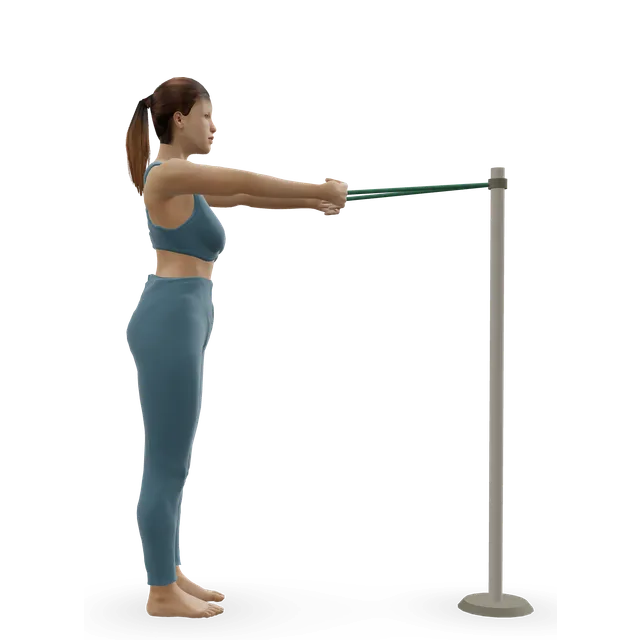
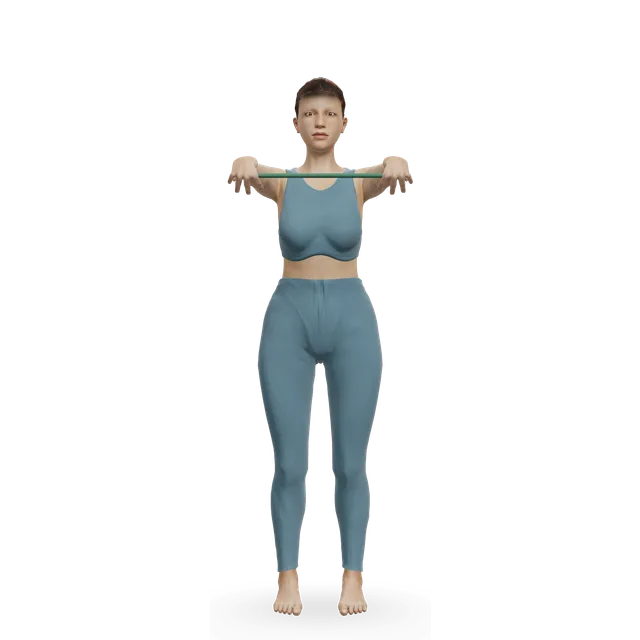
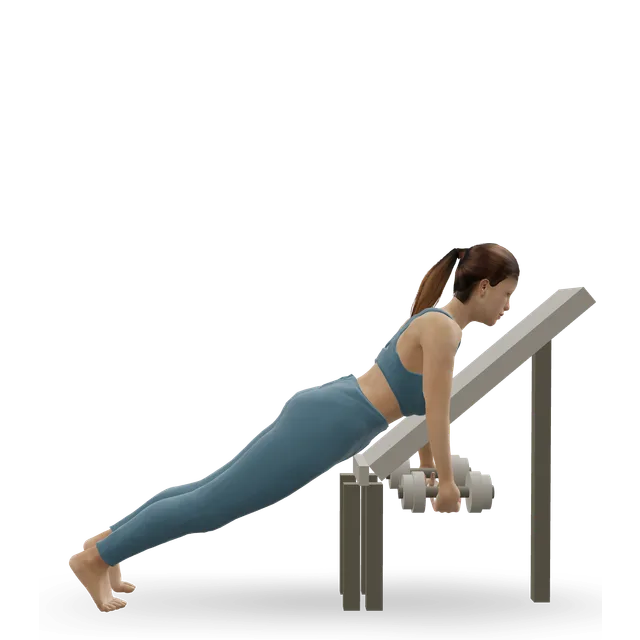
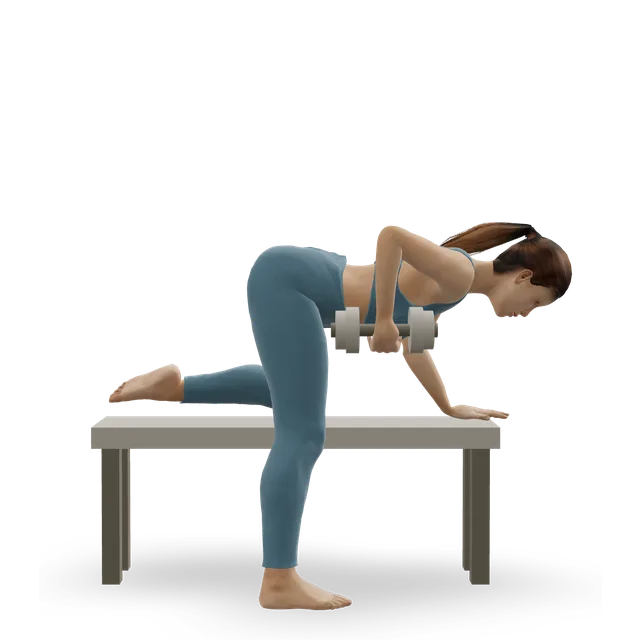
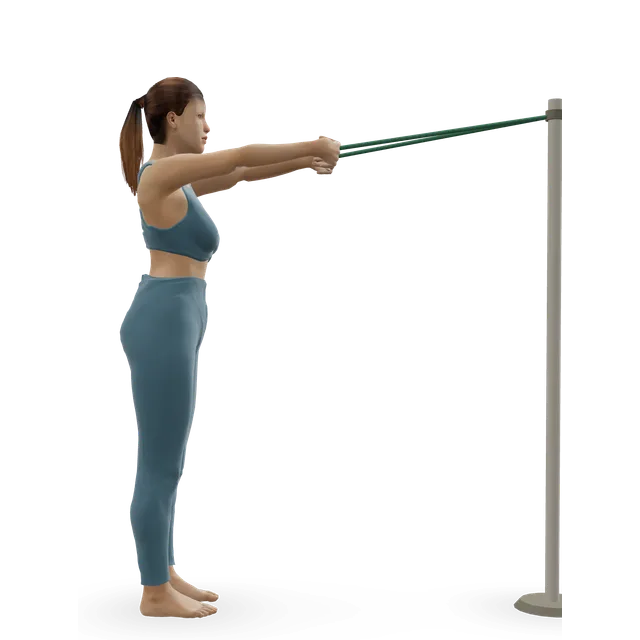
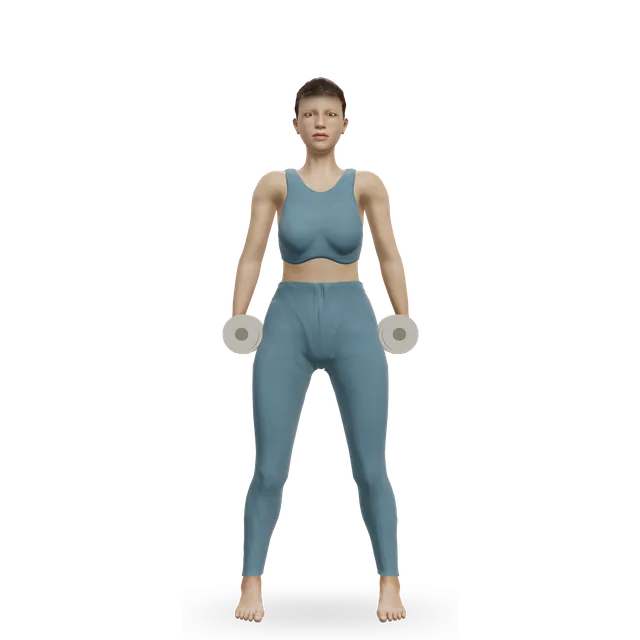
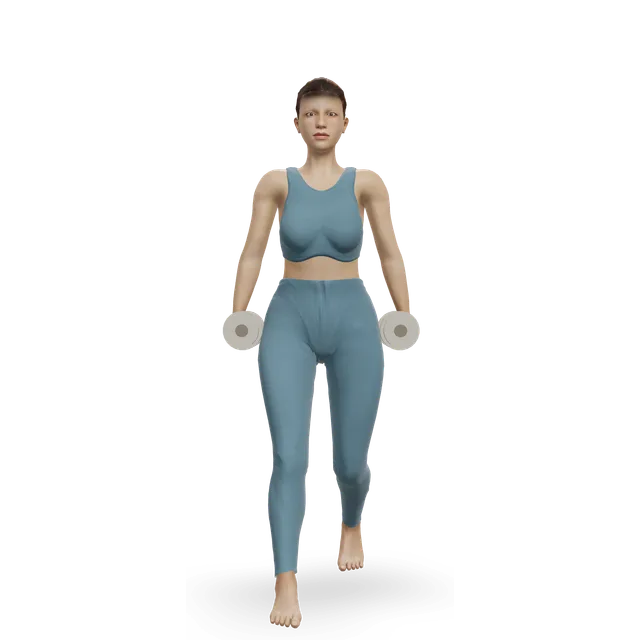
That supports shoulder-blade strengthening such as rows, shrugs and reverse flys. The exact exercises used aren't in the published summary, so the moves here are an editorial choice.
Posture: build capacity, don't chase a perfect positionEmerging evidence
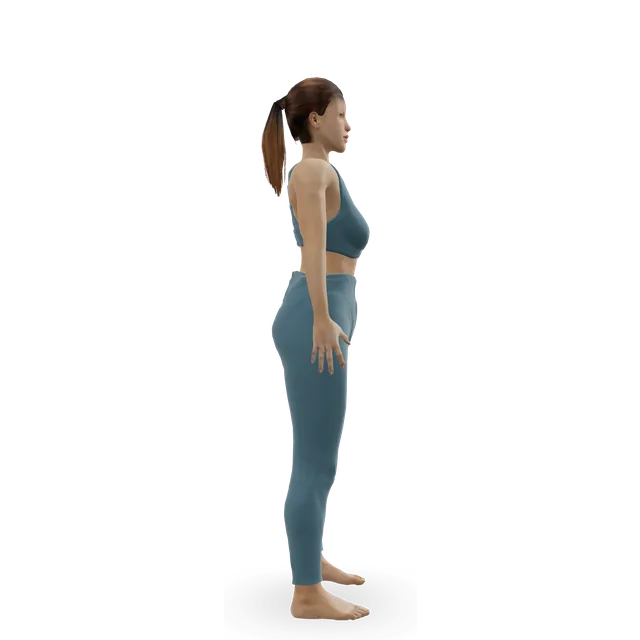
Reviews found no consensus that posture causes back pain, though that research is mostly on the low back. Treat upper back mobility and strength work as things that feel good and build capacity, not as posture correction.
With osteoporosis: back-extensor work, and less deep roundingEmerging evidence
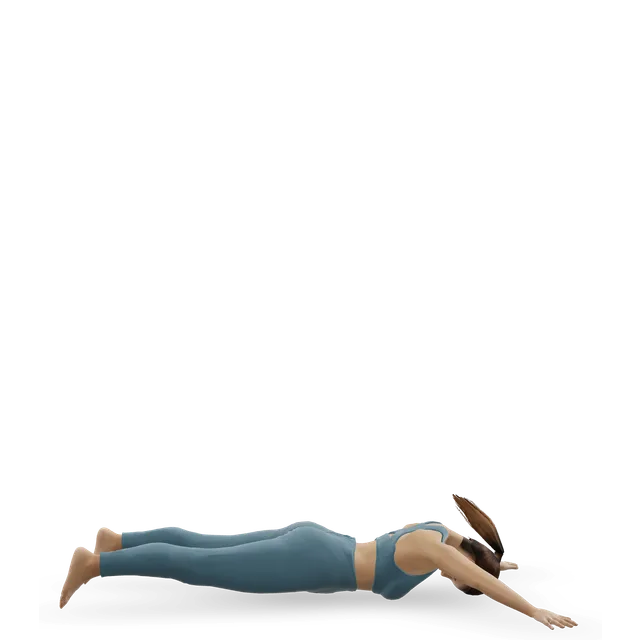
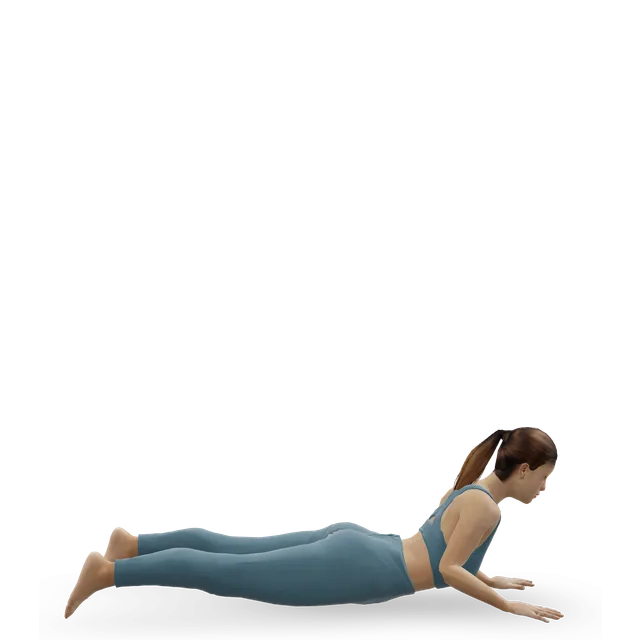
A UK consensus advises avoiding postures with a lot of spinal flexion and modifying or avoiding sustained, repeated or end-of-range rounding (consider alternatives to Pilates roll-downs and curl-ups). It suggests back-strengthening exercises, 3 to 5 repetitions held for 3 to 5 seconds, at least twice a week. After a spinal fracture it suggests impact up to about brisk walking, and says exercise may reduce pain, ideally with specialist advice.
Some discomfort during exercise is fine, and it does not mean you are doing damage: the WHO counts "hurt does not necessarily mean harm" among the messages people with back pain need. Aim for pain you would call mild to moderate, no more than about 5 out of 10. It should settle within an hour or so and be no worse the next morning. If it is worse, do less next time, not nothing.
If pain climbs day after day, or any warning sign appears, stop and get it checked. The 5 out of 10 figure matches this site's other pain guides and has not been tested in a back pain trial; in trials of long-lasting muscle and joint pain, exercise that allowed some pain did no harm.
Move on when: These feel steady, and the pain is no worse the next morning.
Follow along: a timer, a cue and the next move, one step at a time.
Stage 3
Strengthen: rows, shrugs and carries
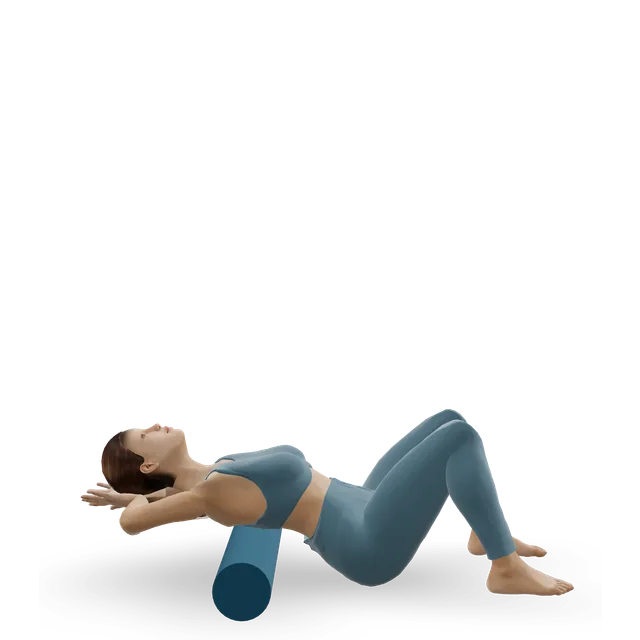
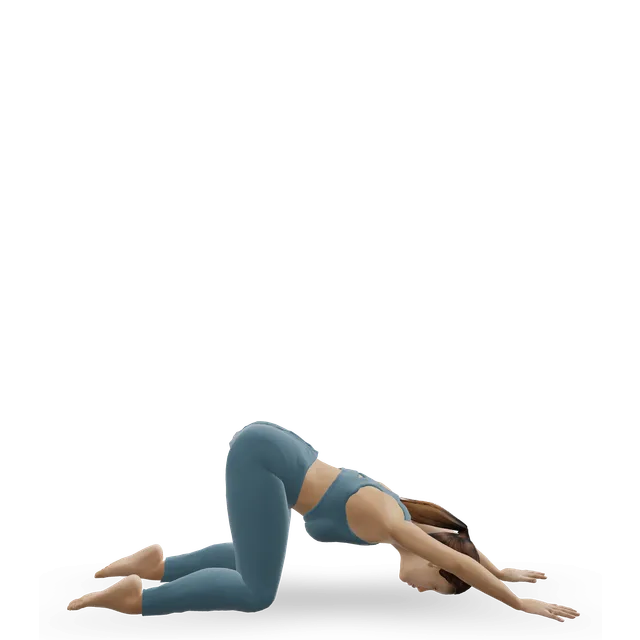
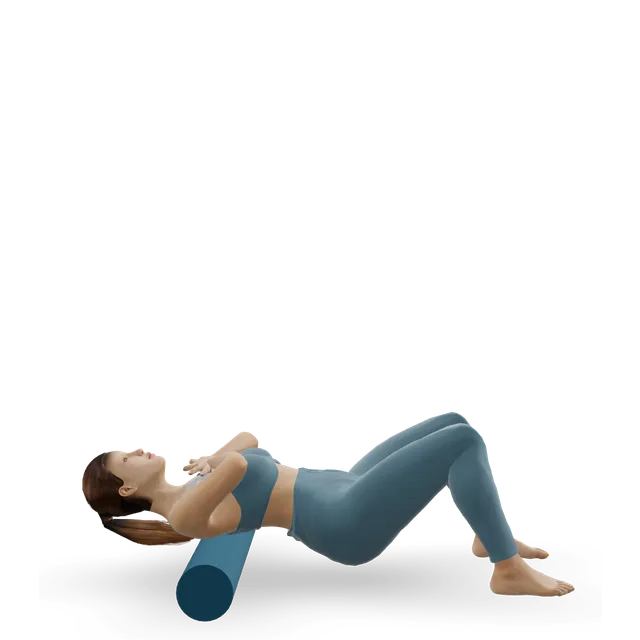
From about week 6. With osteoporosis or after a healed spinal fracture, and with a clinician's advice, swap the foam roller and puppy pose for the back-extensor moves at the end of this stage.
Move on when: Add load gradually, one change at a time.
Follow along: a timer, a cue and the next move, one step at a time.
What to change for now
With osteoporosis or a past spinal fracture
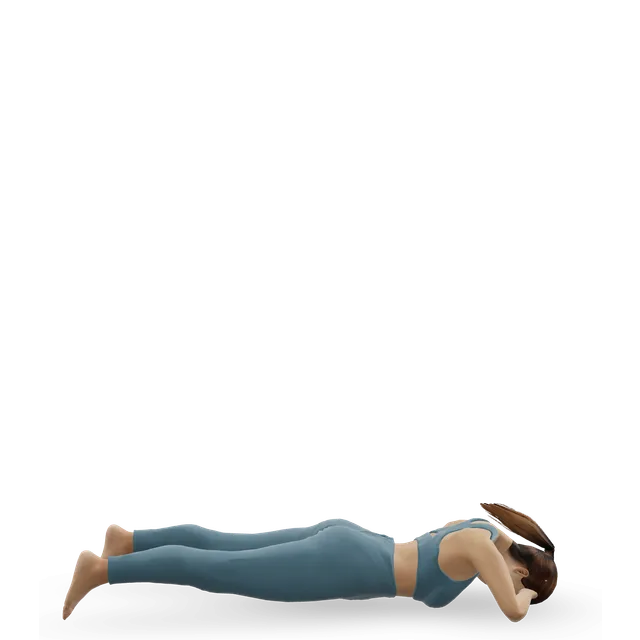
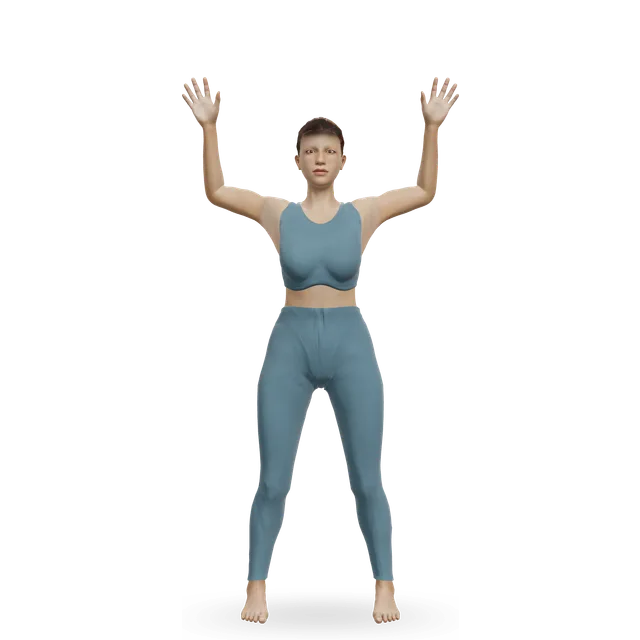
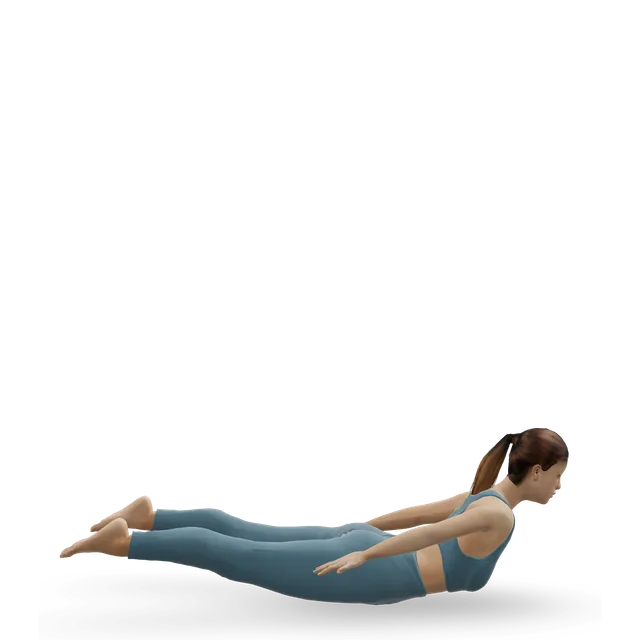
Skip deep or loaded forward rounding: Jefferson curls, seated forward folds, rounding in the Pilates spine stretch, and sit-ups. Swap the foam roller and puppy pose for back-extensor work (low cobra or locust, 3 to 5 repetitions held 3 to 5 seconds, at least twice a week), and keep rows, wall angels and brisk walking. Get a clinician's advice first.
The foam roller's own guide says to clear it first if you have osteoporosis; that is a precaution, as the consensus does not discuss foam rolling.
Often there is no single clear cause. It is common, and in studies it was linked to backpack use, other muscle and joint pain and psychological factors, and in office workers to long spells of computer work. Because some causes are serious, check the warning signs first; the NHS advises seeing a GP for back pain at the top of the back, between the shoulders.
Pain between my shoulder blades and in my chest: is it my heart?
Don't wait to find out: back pain with chest pain needs a 999 call. Sudden severe pain in the tummy or back, or pain spreading from the tummy to the back with vomiting, also needs 999 or A&E.
Why does my upper back hurt when I breathe?
If it comes with chest pain, call 999. If you have a fever or feel generally unwell, get a same-day appointment with a GP or NHS 111. Otherwise, see a GP if it doesn't settle.
Is upper back pain different in women?
Studies found it more common in women. Unexplained back pain with muscle spasms, height loss, or a curved spine or change in posture can be a sign of an osteoporotic spinal fracture, more likely with older age or long-term steroid tablets: see a GP.
Is my upper back pain caused by my posture?
Reviews found no consensus that posture causes back pain. Moving more often and building upper back strength are worth doing because they feel good and build capacity, not because there is one correct posture to hold.
What are the best upper back stretches?
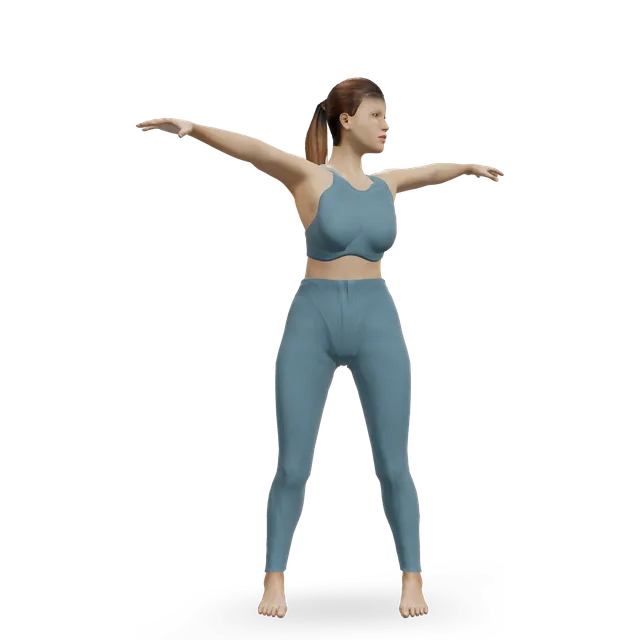
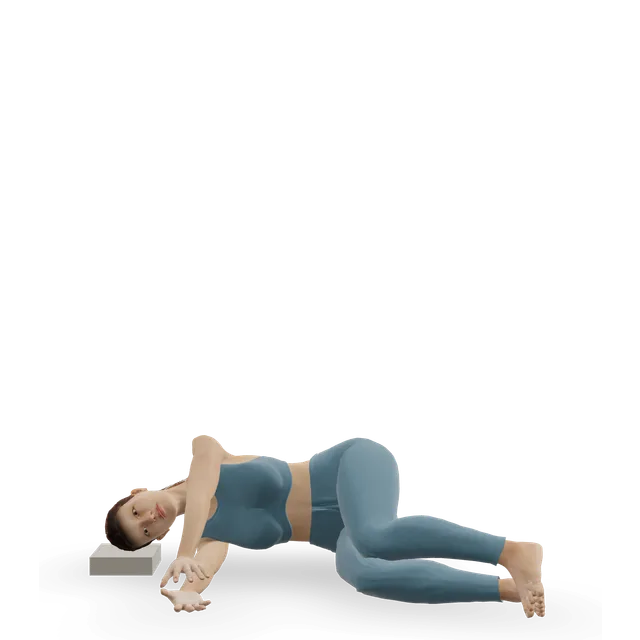
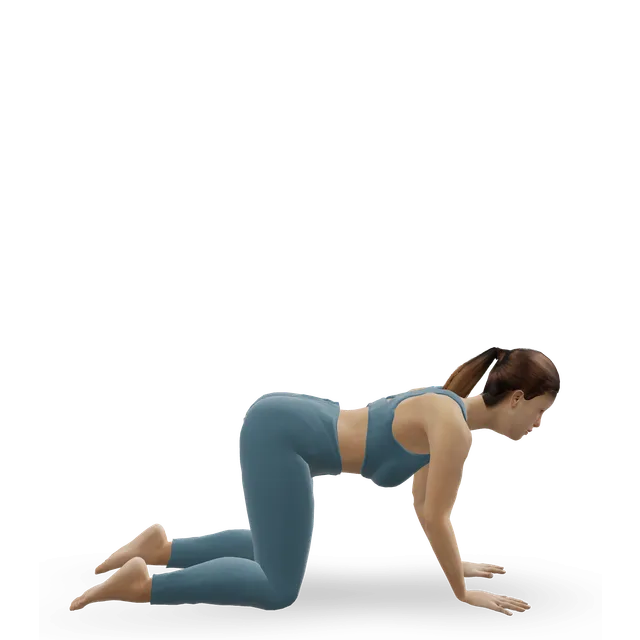
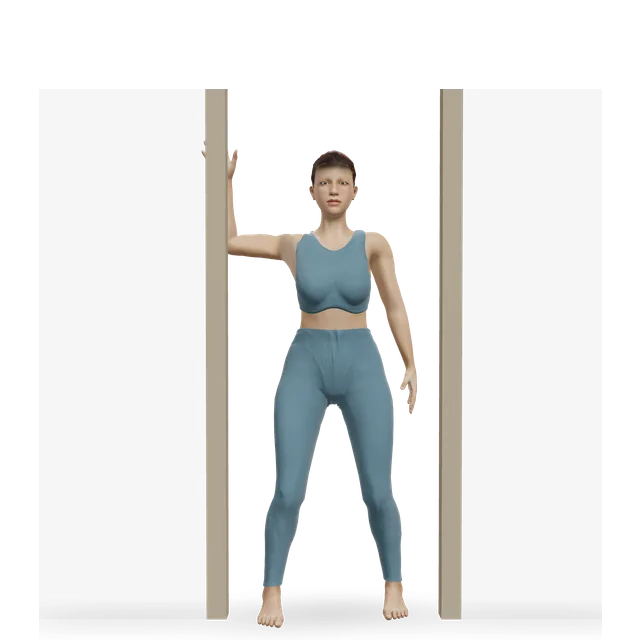
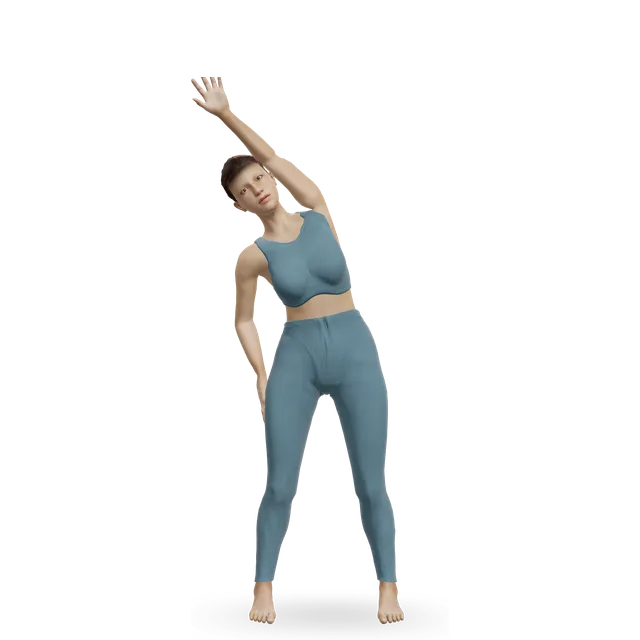
Thoracic rotation, the side-lying open book, cat-cow and extended puppy pose are gentle places to start; the foam roller extension suits most people, but not those with osteoporosis. Stretches can feel good, but the little evidence there is points to strength work, which is why the plan builds to rows and shrugs.
Exercise education, not a diagnosis or treatment plan. It is written from the guidelines and studies listed above; review by a clinician is pending. If your pain follows an injury, is severe, is getting worse, or comes with any warning sign listed on this page, get it assessed. Health disclaimer.