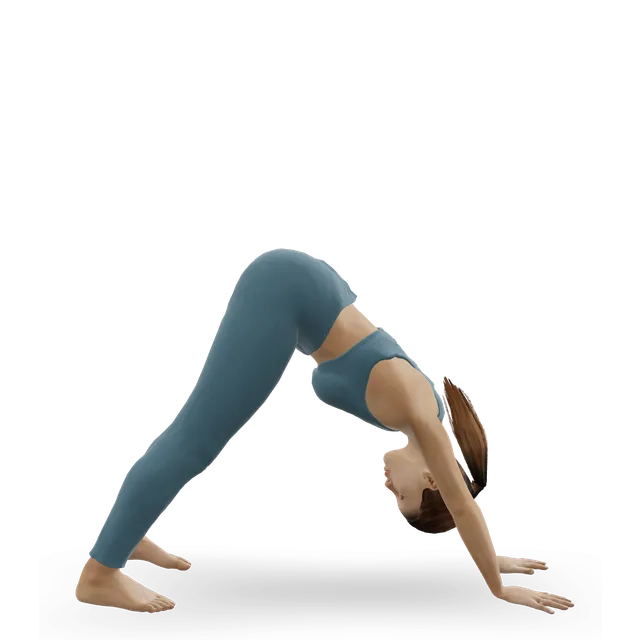
Downward-facing dog (Adho Mukha Svanasana)
Hands and feet on the floor with the hips lifted high into an upside-down V: the arms carry part of the weight while the backs of the legs stretch.
Downward dog family
Downward-facing dog (Adho Mukha Svanasana)
Loading the 3D figure…
Source-researched guide.
How to move
- From all fours, tuck the toes and lift the hips up and back until the arms and back make one line.
- Spread the fingers and press the floor away, letting the heels sink toward the floor as far as is comfortable.
- Hold, breathing evenly, then lower the knees to rest.
Form cues
- Bend the knees to keep the back long if the hamstrings are tight.
- Let the head hang between the arms, the neck soft.
Practice and cautions
No universal dose is assigned. Choose a manageable amount for your current capacity, leave room for controlled repetitions, and allow recovery. A clinician’s individual plan takes priority.
The head hangs below the heart, and the wrists take weight. With glaucoma, the American Academy of Ophthalmology suggests resting your hands on a wall or a chair to keep your head higher, though no study has measured eye pressure in that version. With wrist pain, take it on your forearms instead. If you have glaucoma or uncontrolled high blood pressure, keep head-down positions brief: in a small study, eye pressure rose within a minute in head-down yoga poses and returned to normal within 2 minutes of sitting up. With osteoporosis, keep your back long rather than rounded, bending your knees if your hamstrings are tight. With proliferative or severe non-proliferative diabetic retinopathy, or after recent eye laser treatment or surgery, leave out head-down positions until your eye team says they are safe. With vertigo or BPPV, head-down positions, lying back quickly and tipping your head back can bring on a spin: move into and out of them slowly, sit up slowly, and leave them out during a bad spell. This is movement education, not an assessment or treatment prescription. Stop for sharp or increasing pain, dizziness, numbness or tingling; seek individual guidance for symptoms, injury or restrictions.
Sources and review status
Sources support the educational description; they do not establish that this exercise is suitable for you.
- Yoga Journal · Downward-facing dog (puppy pose as its preparation) ↗
- Yoga Journal · 20 ways to change up your down dog (puppy pose takes the legs' work out of it) ↗
- American Academy of Ophthalmology 2019 · Glaucoma and exercise: what to tell your patients (EyeNet clinical update) ↗
- Brooke-Wavell 2022 · Strong, steady and straight: UK consensus statement on physical activity and exercise for osteoporosis (bend from the hips; twisting should be safe if smooth and comfortable; BJSM) ↗
No variation is labeled clinically validated.
What it works
Muscles
Main: Shoulders, Hamstrings. Also: Calves, Triceps, Back.
Anatomy: Deltoid, Rotator cuff, Supraspinatus, Infraspinatus, Subscapularis, Teres minor.
Equipment
None: body weight and floor space.
Level
Beginner. See the easier and harder options above.
Workouts that use it
- 10-minute morning stretch · 10 min
- Hamstring flexibility routine · 12 min
- HIIT workout at home · 20 min
- Beginner yoga flow · 20 min
- Yoga and Pilates workout (try both) · 25 min
- Reformer-inspired mat Pilates (no machine) · 25 min
- Fascia stretching routine · 12 min
- Fascial fitness workout · 15 min
Show all 31 workoutsShow fewer workouts
- Animal moves for kids: a 15-minute active play workout · 15 min
- Sun salutation for beginners (step by step) · 20 min
- Yoga for flexibility: a 25-minute full-body hold sequence · 25 min
- Headstand progression · 15 min
- Vinyasa flow for beginners: a 30-minute slow flow · 30 min
- Hatha yoga class: a 45-minute beginner session · 45 min
- Yoga for runners: 20 minutes after a run or on a rest day · 20 min
- Power yoga workout: a 40-minute strong flow · 40 min
- Yoga for kids: a 20-minute animal adventure · 20 min
- Yoga for core strength: a 20-minute practice · 20 min
- Yoga for mobility: a 20-minute flow for range you can control · 20 min
- Wall yoga for beginners: a 20-minute routine at the wall · 20 min
- Handstand push-up progression: pike push-ups to the wall · 30 min
- Yoga for ADHD: a 15-minute same-every-time practice for children · 15 min
- Yoga for arms: a 20-minute arm and shoulder class with a band row · 20 min
- Chair-to-mat yoga for bigger bodies: a 30-minute class seated, standing at a chair and wall, and on the mat, with a chair-only option · 30 min
- Yoga for fascia release: a 27-minute flow-then-hold class · 27 min
- Yoga for Achilles tendinopathy: a 25-minute class with calf loading built in, heels level and no jumping · 25 min
- Yoga for triathletes: a 25-minute class for the swim, bike and run on an easy day · 25 min
- Yoga for sprinters: a 25-minute recovery-day class for hip flexors, hamstrings and the trunk · 25 min
- Yoga for your shoulders: a 25-minute class for the shoulder blades, the rotator cuff, weight on your hands in steps and reach overhead · 25 min
- Yoga for stamina: a 30-minute flow that keeps you moving · 30 min
- Yoga for the calves: a 25-minute class to stretch and strengthen both calf muscles, with one-leg balance · 25 min
Pain guides that use it
Part of a staged plan, with when to get help first.
- Wrist pain in push-ups and yoga: what to change now and how to build back
- Wrist pain when bending it back: push-ups, yoga, a fall, hidden ganglions and the scaphoid
- Wrist pain from yoga: downward dog, plank and arm balances, where it hurts and what to change
- Shoulder pain after yoga: chaturanga, downward dog, binds and arm balances, and what to change
Guides that use it
- Pilates vs yoga guide
- Reformer Pilates guide
- Pilates for the calves guide
- Yoga guide
- Yoga for beginners guide
- Sun salutation guide
- Yoga for back pain guide
- Yoga for seniors guide
Show all 94 guidesShow fewer guides
- Yoga for flexibility guide
- Yoga for men guide
- Vinyasa yoga guide
- Hatha yoga guide
- Yoga for runners guide
- Ashtanga yoga guide
- Iyengar yoga guide
- Power yoga guide
- Yoga for neck pain guide
- Yoga for headaches and migraine guide
- Yoga for kids guide
- Yoga for high blood pressure guide
- Yoga for digestion guide
- Yoga for sciatica guide
- Yoga for shoulder pain guide
- Yoga for arthritis guide
- Yoga for PCOS (PMOS) guide
- Yoga for core strength guide
- Yoga for mobility guide
- Yoga for tight hamstrings guide
- Wall yoga guide
- Yoga for legs guide
- Yoga for athletes guide
- Yoga for fibromyalgia guide
- Yoga for IBS guide
- Yoga for heart health guide
- Yoga for Parkinson's guide
- Yoga for stroke recovery guide
- Yoga for neuropathy guide
- Yoga for carpal tunnel guide
- Yoga for plantar fasciitis guide
- Yoga for ADHD guide
- Yoga for wrists guide
- Yoga for acid reflux guide
- Yoga for arms guide
- Yoga for plus-size bodies guide
- Yoga for weightlifters guide
- Yoga for hikers guide
- Yoga for a herniated disc guide
- Yoga for Achilles tendinopathy guide
- Yoga for the rotator cuff guide
- Yoga for gout guide
- Yoga for shin splints guide
- Yoga for shoulder impingement guide
- Yoga for low blood pressure guide
- Yoga for autism guide
- Yoga for myasthenia gravis guide
- Yoga for muscular dystrophy guide
- Yoga for triathletes guide
- Yoga for gymnasts guide
- Yoga for pickleball players guide
- Yoga for bodybuilders guide
- Yoga for skateboarders guide
- Yoga for badminton players guide
- Yoga over 50 guide
- Yoga for sprinters guide
- Yoga for atrial fibrillation guide
- Yoga for breast cancer guide
- Yoga for hip arthritis guide
- Yoga for heart failure guide
- Yoga for diastasis recti guide
- Yoga for lymphoedema guide
- Yoga after gallbladder removal guide
- Yoga for your shoulders guide
- Yoga for back fat guide
- Yoga for the upper body guide
- Yoga for the lower body guide
- Yoga for the calves guide
- Yoga for the ankles guide
- Yoga for men over 40 guide
- Yoga for shoulder mobility guide
- Yoga for joint pain guide
- Fascia exercises guide
- Fascia stretching guide
- Fascial fitness guide
- Yoga for fascia guide
- Exercise for depression
- Exercise for children and teenagers
- Rest days guide
- Touching your toes guide
- Handstands guide
- Headstands guide
- Wall walks guide
- Inchworms guide
- Pike push-ups guide
- Handstand push-ups guide
Similar moves
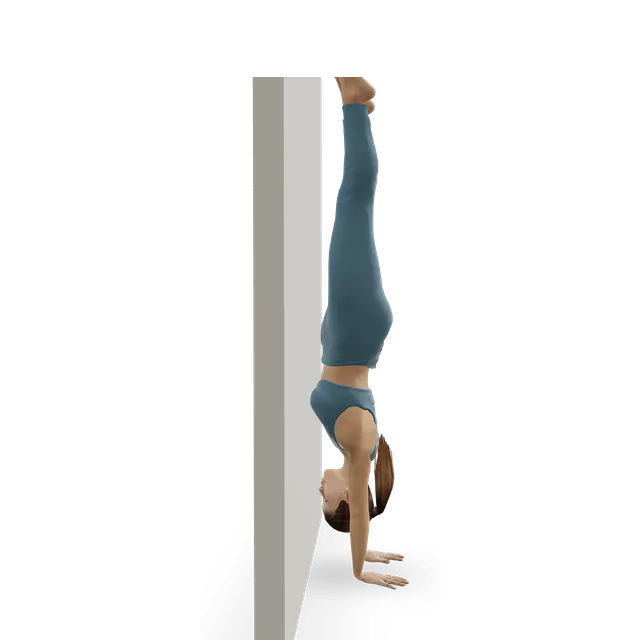 3D demoHandstand at the wall (Adho Mukha Vrksasana, chest to wall)Advanced · A wall
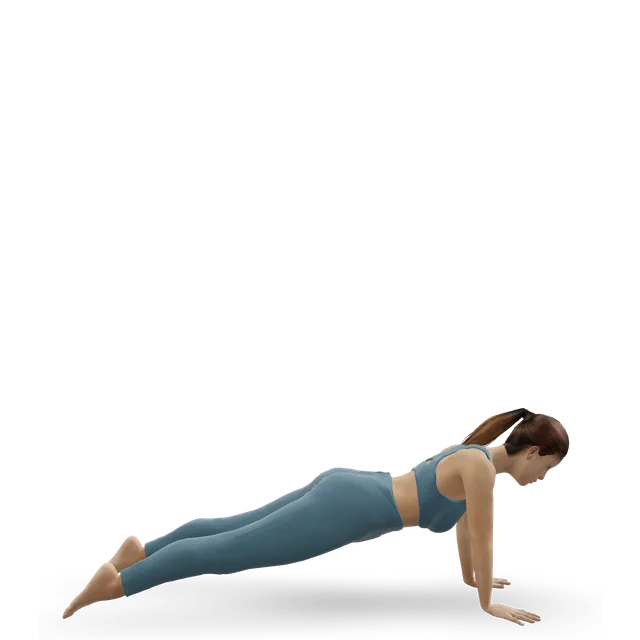 3D demoUpward-facing dog (Urdhva Mukha Svanasana)Intermediate · No equipment
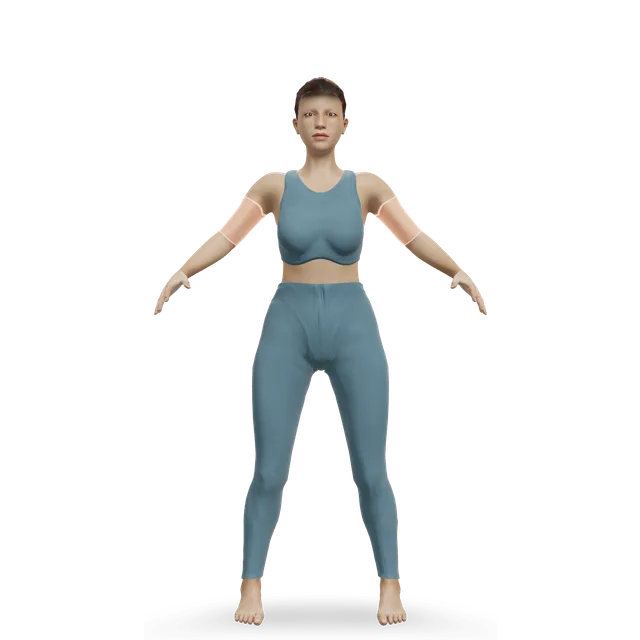 Firefly pose (Tittibhasana)Expert · No equipment
 Visvamitra's pose (Visvamitrasana)Expert · No equipment
 3D demoSun salutation A (Surya Namaskar A)Intermediate · No equipment
 3D demoFlying sword (elastic forward swing)Intermediate · No equipment
Browse more
Questions people ask
What muscles does the Downward-facing dog (Adho Mukha Svanasana) work?
Mainly the shoulders and hamstrings, with help from the calves, triceps and back.
What equipment do I need for the Downward-facing dog (Adho Mukha Svanasana)?
No equipment: your body weight and a little floor space.
Is the Downward-facing dog (Adho Mukha Svanasana) good for beginners?
It is graded beginner, so it suits most people starting out. When it feels easy, try the Half handstand at the wall (Ardha Adho Mukha Vrksasana).
What is an easier alternative to the Downward-facing dog (Adho Mukha Svanasana)?
Try the Extended puppy pose (Uttana Shishosana). Both are written steps in the same progression.
How do I make the Downward-facing dog (Adho Mukha Svanasana) harder?
Progress to the Half handstand at the wall (Ardha Adho Mukha Vrksasana) or the Dolphin pose (Ardha Pincha Mayurasana). Follow that guide’s technique and any stated timing.