Skill progressions
Headstand progression
For people with no reason to skip going upside down (see our headstand guide). Practise with a wall close behind you, lift slowly with both legs together, never kick up, and come down at once if your head or neck feels pressure. The order follows yoga teaching practice; no trial has tested it.
Prep
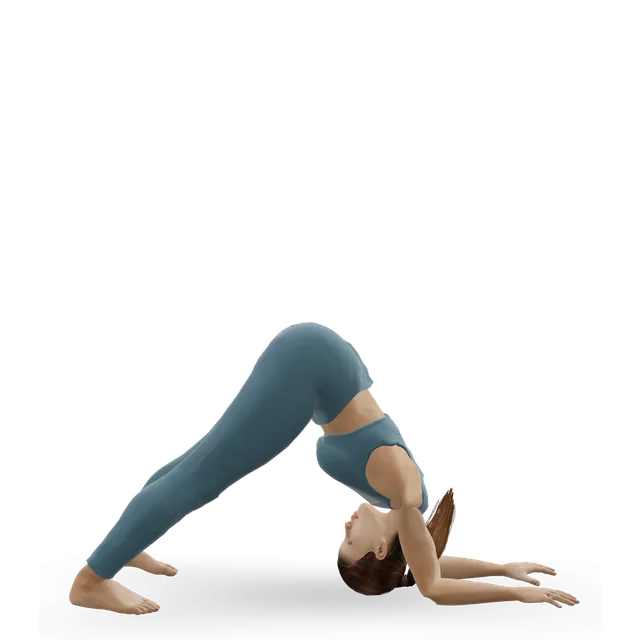
- Downward-facing dog (Adho Mukha Svanasana)3 × 5 breathsBeginner · Shoulders, Hamstrings, Calves · 3D demoEasier: Extended puppy pose (Uttana Shishosana)Harder: Half handstand at the wall (Ardha Adho Mukha Vrksasana)
- Forearm plank2 × 30 sIntermediate · Abs, Shoulders, Glutes · 3D demoEasier: Stomach vacuum (drawing-in)Harder: Plank walk-up
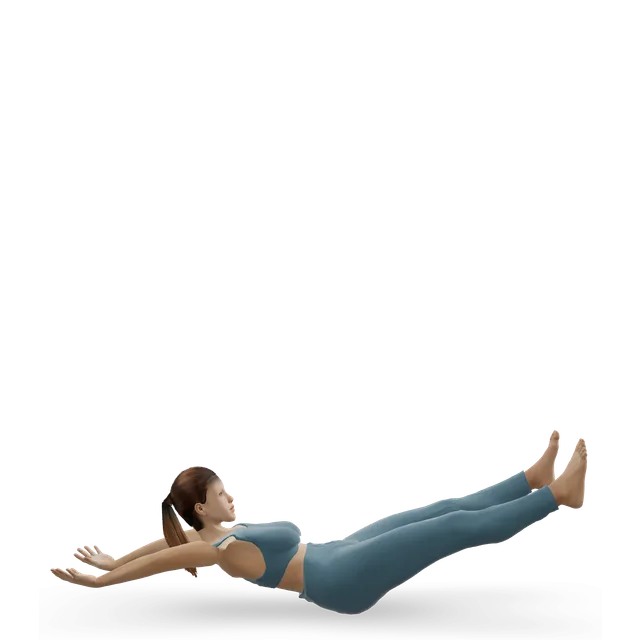
- Hollow body hold2 × 20 sIntermediate · Abs, Hip flexors · 3D demoEasier: Dead bugHarder: Dragon flag


The ladder (pick your step)
Rest 60 s
- Dolphin pose (Ardha Pincha Mayurasana)3 to 4 × 30 to 45 sIntermediate · Shoulders, Back, Hamstrings · 3D demoHands clasped as for the headstand. Move on at a steady 45 secondsEasier: Downward-facing dog (Adho Mukha Svanasana)Harder: Forearm stand (Pincha Mayurasana)
- Dolphin pose (Ardha Pincha Mayurasana)3 to 5 × 5 breathsIntermediate · Shoulders, Back, Hamstrings · 3D demoWalk your feet in until your hips are over your shoulders, head down but not loadedEasier: Downward-facing dog (Adho Mukha Svanasana)Harder: Forearm stand (Pincha Mayurasana)
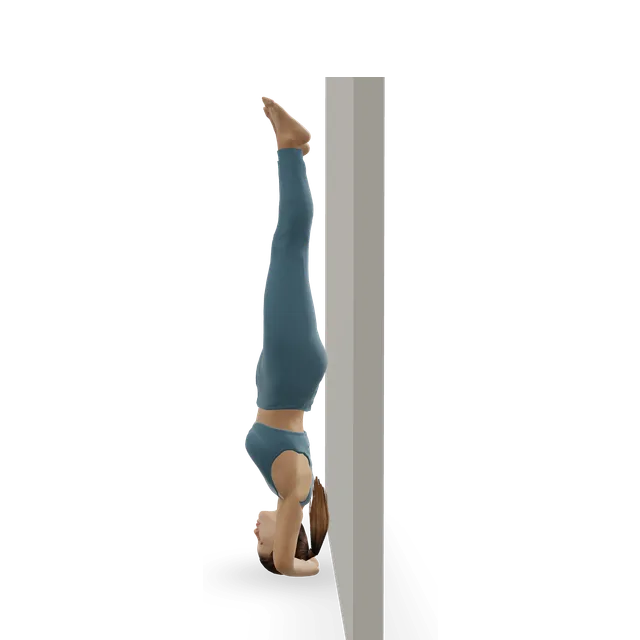
- Supported headstand (Salamba Sirsasana)3 to 5 × 5 to 10 sExpert · Shoulders, Abs, Back · 3D demoThe tuck at the wall: knees into your chest, both feet off the floor togetherEasier: Dolphin pose (Ardha Pincha Mayurasana)
- Supported headstand (Salamba Sirsasana)3 × 10 to 30 sExpert · Shoulders, Abs, Back · 3D demoLegs up, heels near the wall. Add 5 to 10 seconds at a timeEasier: Dolphin pose (Ardha Pincha Mayurasana)
Rest
- Child's Pose (Balasana)30 to 60 sBeginner · Back, Shoulders, Glutes · 3D demoHarder: Extended puppy pose (Uttana Shishosana)

Tips
- Skip it with glaucoma unless your eye specialist agrees, while high blood pressure isn't controlled, with neck problems, and if you're new to yoga. Don't start learning it in pregnancy; if you already practise, ask your midwife.
- Press through your forearms, but expect some weight on your head: experienced practitioners carried about a third of their weight there in a lab study.
- Go up slowly with both legs together. Kicking up one leg at a time loaded the head fastest.
- Holds of 30 to 60 seconds are plenty (our view): eye pressure stays raised for as long as you're upside down.
- Call 999 (911 in the US) for sudden eye pain with blurred vision, or for a drooping face, arm weakness or slurred speech.
The doses are suggested starting points, not a prescription. Choose a range you can control and stop for sharp or increasing pain, numbness or tingling. Get individual advice after an injury or surgery, or if you are pregnant or managing a health condition.
Guides that recommend it
Find more moves like these
More skill progressions




Push-up progression workout
Work up to full push-ups: wall, incline and knee push-ups, then the floor push-up and harder variations.
15 minBeginner8 movesA wall, A bench or box

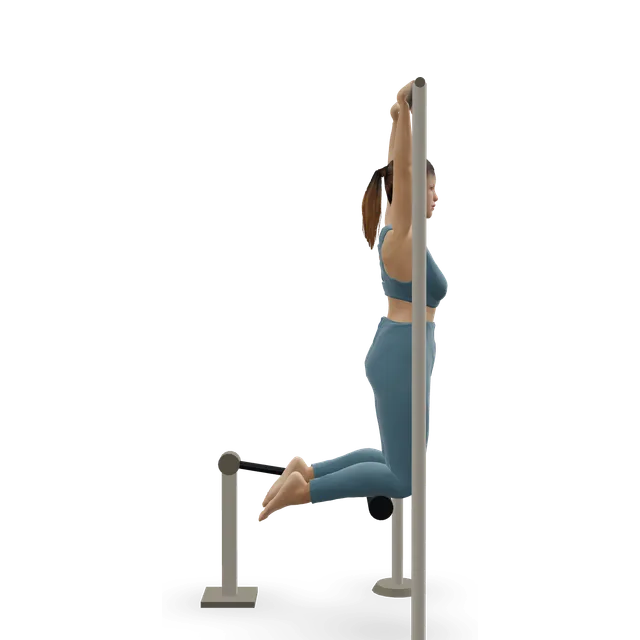
Pull-up progression workout
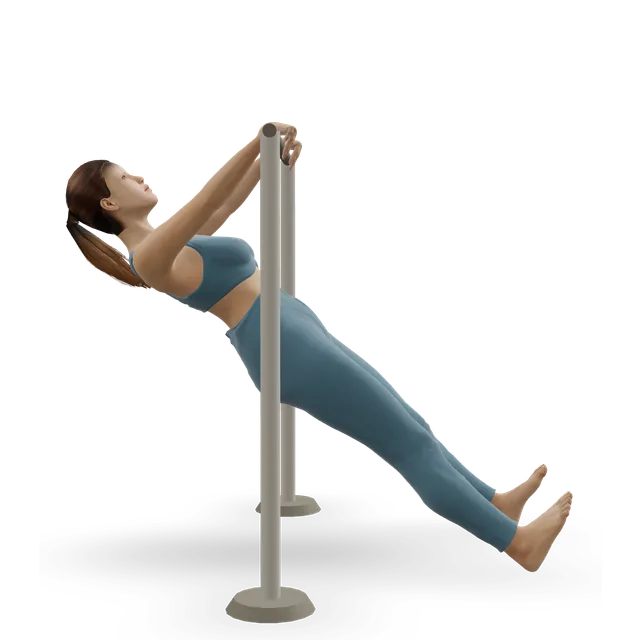
Work up to your first pull-up: dead hangs, scapular pulls, rows, negatives and assisted pull-ups.
25 minBeginner7 movesPull-up bar, A step

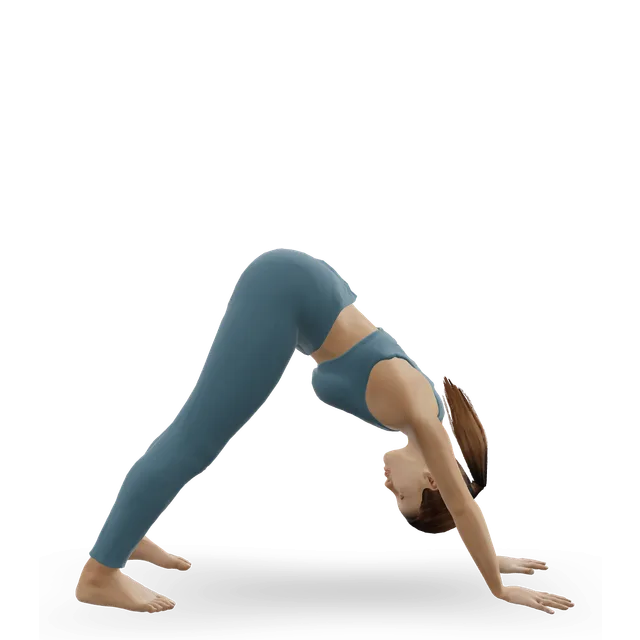
Handstand progression
Build toward a handstand: wrist prep, dolphin pose, pike push-ups, crow, the wall handstand and freestanding holds.
25 minAdvanced8 movesA wallQuestions people ask
How long does the headstand progression take?
About 15 minutes, including any warm-up and cool-down listed. Shorten it by doing fewer rounds; lengthen it by adding one.
What equipment do I need?
You need: A wall. Each move links to its guide, where you can find an alternative if you are missing something.
Is it suitable for me?
It is written at advanced level. 5 of its 6 moves have an easier option listed beside them; use them freely.
How do I make it easier or harder?
Use the easier or harder option listed under each move, change the number of rounds, or adjust the rest. Progress one change at a time.