The training
Hard sets, stopping 2 or 3 reps short of failure, building towards about 10 or more per muscle a week, with reps or weight added over time. Beyond about 10 sets a week each extra set adds less, and past about 20 the extra gain is small.
Training guide
Muscle grows when you train it hard enough, often enough, and give it the food and sleep to rebuild. In practice: hard sets for every major muscle, building towards about 10 or more a week, more reps or weight over time, about 1.6 g of protein per kg of body weight a day, enough food, and 7 to 9 hours of sleep.
It's slower than social media suggests: in training studies, people typically gain about 1 to 2 kg of muscle, and they vary hugely. This guide gives the evidence on each part, what to eat and when, how long it really takes at any age, and plans that put it into a week.
Hard sets, stopping 2 or 3 reps short of failure, building towards about 10 or more per muscle a week, with reps or weight added over time. Beyond about 10 sets a week each extra set adds less, and past about 20 the extra gain is small.
In 49 trials, extra protein stopped adding muscle at about 1.6 g per kg of body weight a day, so up to 2.2 g covers the uncertainty. That's about 130 g a day for an 80 kg person, around twice the UK reference intake.
There's no narrow window after training and no strict limit of 25 to 30 g a meal. Reach your daily total in the meals that suit you.
Eating about 500 calories a day below your needs stopped muscle gain in trials, though strength still rose. A small surplus is enough; bigger surpluses mostly add fat.
Adults need 7 to 9 hours. One night without sleep cut muscle building by 18%, and dieting on short sleep lost more muscle. Long-term trials are lacking.
In training studies, young men gained about 1.5 kg of muscle on average and adults over 50 about 1.1 kg of lean mass, with huge differences between people.
Muscle is always being built and broken down. Hard training and protein both raise muscle protein synthesis (the body building new muscle protein), and muscle grows when, over weeks, building outpaces breakdown. One session's effect lasts at least a day.
Source 19
In 10 men, the big rise in muscle building in the first week of training went into repairing damage and didn't predict growth. By week 3 it did, as soreness faded. That's why soreness isn't a measure of progress.
Source 20
In 7 people, strength rose about 39% in 5 weeks while thigh muscle grew about 7%. Growth shows on scans after about 3 to 4 weeks; in 25 men it reached about 10% at 8 weeks, though early readings were partly swelling.
After the same 12 weeks of arm training, 585 adults changed their biceps size by anything from minus 2% to plus 59%, and their strength by 0 to 250%. Some people gain slowly however well they train.
Source 18
In 49 trials with 1,863 people, protein supplements added about 0.3 kg of lean mass and 2.5 kg to one-rep strength on top of training. The benefit levelled off at a total intake of about 1.6 g per kg a day, though the estimate was uncertain (anywhere from 1.0 to 2.2 g), so the authors suggest up to 2.2 g for people chasing every gain. The extra protein did less with age and more in trained people.
Source 5
In 74 trials, eating more protein with resistance training added a little more lean mass, at 1.2 to 1.6 g per kg in people over 65 and 1.6 g or more in younger adults. In 105 studies, each extra 0.1 g per kg a day added about 0.4 kg of lean mass below 1.3 g, and about 0.1 kg above it.
In about 20 studies, protein timed around training didn't change strength or growth once the total protein was accounted for. In 21 trained men, 25 g of protein just before or just after training gave the same results over 10 weeks.
In a 12-hour lab study, 20 g every 3 hours built more muscle protein than 10 g every 90 minutes or 40 g every 6 hours. But 100 g at once produced a larger and longer muscle-building response than 25 g in 36 young men, so there's no fixed limit per meal. These are short lab studies, not trials of growth.
In a pooled analysis, training while eating less than your needs held back lean-mass gains but not strength gains, and a deficit of about 500 calories a day stopped lean-mass gain.
Source 10
In 17 trained lifters, faster weight gain mainly meant more fat, with only weak evidence of extra arm muscle. In 39 elite athletes, a guided surplus added more weight and fat but no more lean mass. The surplus that best builds muscle hasn't been tested well.
Across 58 studies, strength training on its own cut body fat by about 1.5 percentage points and fat mass by about half a kilo compared with no exercise.
Source 28
One night without sleep cut muscle protein building by 18% in 13 adults. Two weeks of dieting with 5.5 rather than 8.5 hours' sleep lost more muscle (2.4 against 1.5 kg) and less fat in 10 adults. In 69 studies, short sleep cut exercise performance by about 8%. No long-term trial has tested sleep and muscle growth directly.
In pooled trials of adults over 50, strength rose by about a quarter to a third and lean mass by about 1.1 kg, with more growth from more sets and a little less at older ages. In trials covering more than 11,000 older adults, exercise didn't raise the risk of serious harm.
Women and men gained similar amounts of muscle relative to their starting size, in 29 studies; men gained slightly more in absolute terms, mostly in the upper body. Over 50, women gained more lower-body strength relative to their start, and men more in absolute terms.
In adults under 50, creatine with training added about 1.1 kg of lean mass compared with training alone (12 studies), and more strength (23 studies, mostly in men). It is optional, and has been safe in healthy people in studies lasting up to 5 years.
Stop 2 or 3 reps short of failure on big lifts, and let the last set of small moves get within 0 to 2. You don't need to go to failure.
Start with about 6 to 10 hard sets per muscle a week (our editorial starting point) and build towards 10 to 20 over months. Beyond about 10 sets a week each extra set adds less, and past about 20 the extra gain is small.
Most sets of 8 to 12, with 5 to 8 on heavy lifts and 12 to 20 on small moves, all build muscle. Light and heavy weights grew muscle similarly in pooled trials.
Use the full range you can control, and add reps, then weight, over time. Full range built more lower-body muscle than partial range.
Train each muscle about twice a week, in full-body or split sessions; with the same weekly sets, both build similar muscle.
Our 3-day full-body plan gives about 4 to 12 hard sets per main muscle a week, and the 4-day split about 7 to 18. Each plan page shows its set counts.
About 1.6 g per kg of body weight a day, from food and any supplements together; up to 2.2 g covers the uncertainty. For a 60 kg person that's about 95 g a day, and for 80 kg about 130 g.
Source 5
The UK reference intake for adults is 0.75 g per kg a day, and the average adult eats about 76 g a day. The British Nutrition Foundation says most active people don't need extra protein; people training hard to build muscle are the exception.
Source 6
Three to five meals or snacks with about 0.25 to 0.4 g per kg each, roughly 20 to 40 g, reach your total comfortably. The International Society of Sports Nutrition notes that 30 to 40 g of casein, the main protein in milk, before bed raised overnight muscle building in short-term studies.
Protein before or after training worked the same. Hit your daily total first; when you eat it matters much less.
Meat, fish, eggs, dairy, beans, lentils, tofu and nuts all count. Protein powder is a convenient food, not a requirement.
In 28 trials with 1,358 people, higher-protein diets didn't change kidney function in adults without kidney disease. UK advice from 1991 suggested not going above about twice the reference intake, for lack of data then, and no upper limit has been set. If you have kidney disease, ask your doctor first.
To build muscle, eat at about your needs or a little above. Expert guidance for bodybuilders suggests 10 to 20% above maintenance, gaining about 0.25 to 0.5% of body weight a week as a beginner, but the ideal surplus hasn't been tested. If your weight is steady and your lifts are rising, you are probably eating enough (our suggestion).
It's possible, especially if you're new to lifting or have fat to lose. In 40 young men in a big calorie deficit with intense training 6 days a week, those eating 2.4 g of protein per kg gained about 1.2 kg of lean mass and lost 4.8 kg of fat in 4 weeks. A moderate deficit with plenty of protein works better than a big one. Our weight-loss guide covers fat loss.
The NHS says adults need 7 to 9 hours. Regular exercise helps sleep, and if late sessions keep you awake, train earlier in the day.
Short sleep cuts performance most in afternoon and evening sessions. After a bad night, a morning session or a lighter day is a sensible choice.
Source 29
Growth shows on scans after about 3 to 4 weeks, and trials of 6 weeks or more show measurable strength and size gains in beginners. Most people notice the change in their training log well before the mirror.
Across 111 studies in young men, muscle mass rose by about 1.5 kg; in 49 studies of adults over 50, lean mass rose by about 1.1 kg. Extra protein added about 0.3 kg on top in trials.
In 14,690 adults training once a week, strength rose by about 30 to 50% in the first year, levelled off by 1 to 2 years, and stayed 50 to 60% higher after 6 years.
Source 47
Beginners gain fastest. In a small 21-week study, untrained men grew their thigh muscle about 6% while experienced lifters didn't grow at all on similar training.
The same training can double one person's strength and barely change another's. Compare yourself with your own log, not with other people.
Source 18
Food covers protein for most people. Creatine is the supplement with the most consistent evidence, for a small extra gain, and it's optional. If you have kidney disease, ask your doctor before taking it. Our guide for men covers creatine and testosterone boosters.
Most sets of 8 to 12, with 5 to 8 on the heavy compound lifts and 12 to 20 on raises, curls, pushdowns, leg curls and calf raises, as in our gym workouts. Pick one or two moves per muscle and train each muscle about twice a week.
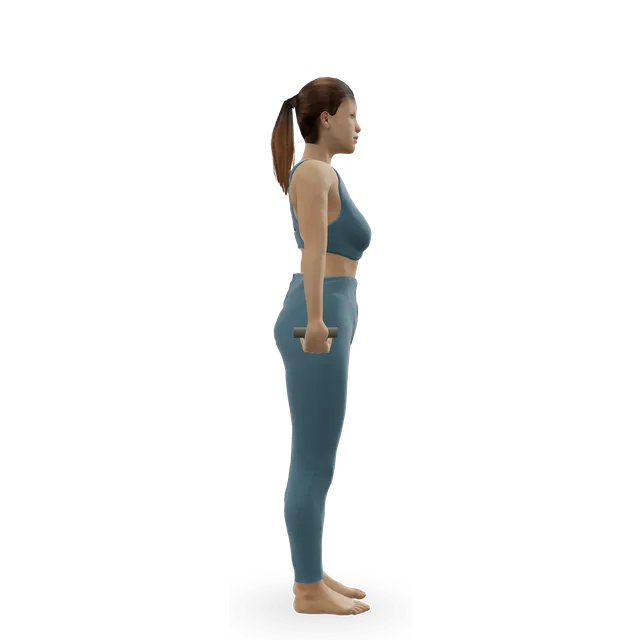
 3D demoDumbbell goblet squatIntermediate · A dumbbell
 3D demoLeg pressBeginner · Strength machine
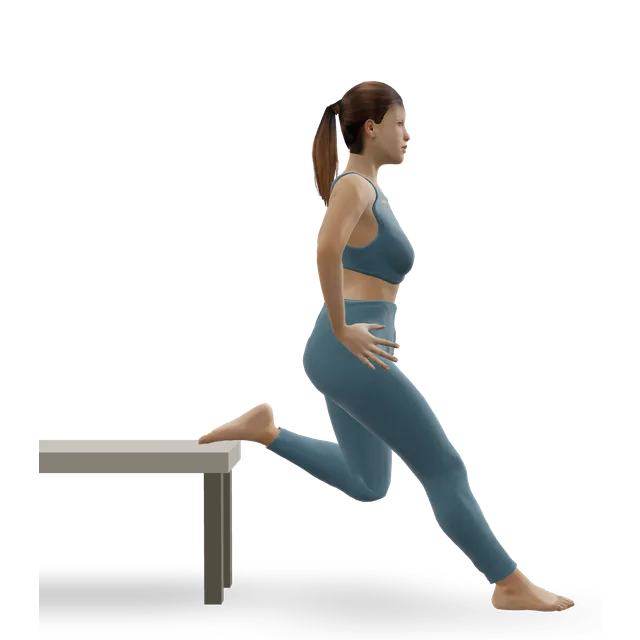 3D demoRear-foot-elevated split squat (Bulgarian split squat)Intermediate · A bench or box
 3D demoDumbbell Romanian deadliftIntermediate · A dumbbell
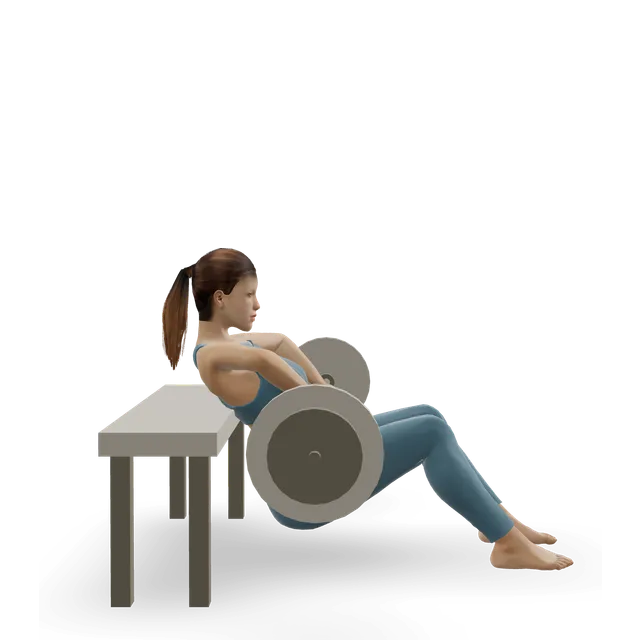 3D demoBarbell hip thrustIntermediate · A barbell + A bench or box
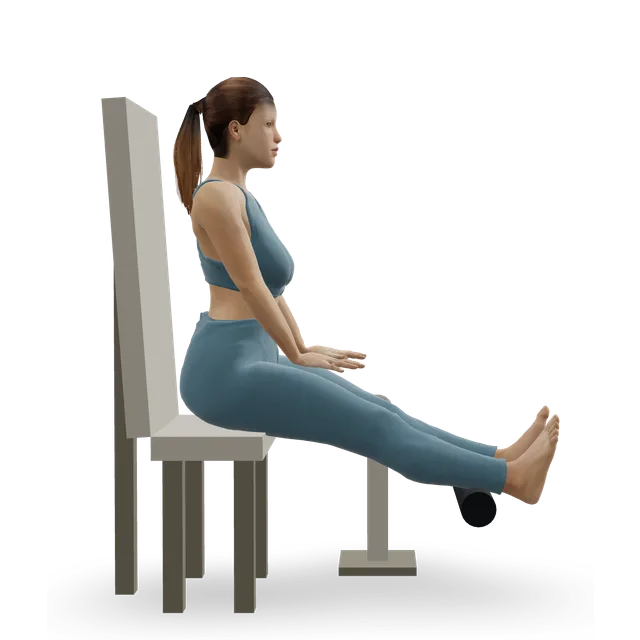 3D demoMachine leg curlBeginner · Strength machine
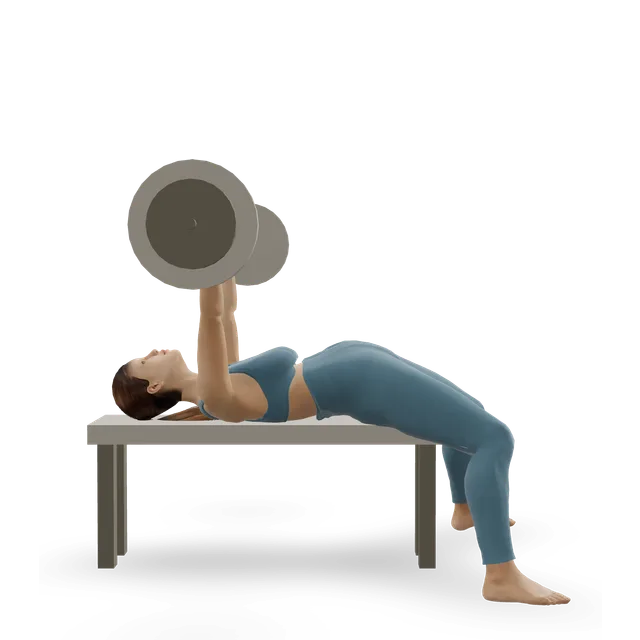
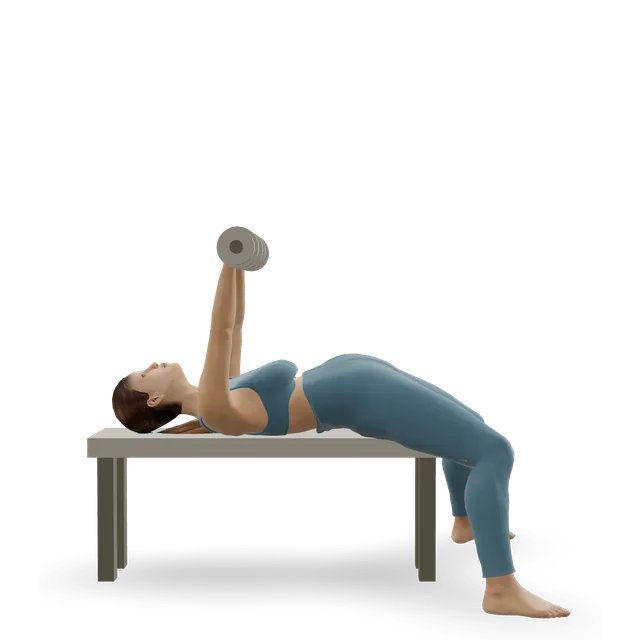 3D demoDumbbell bench pressIntermediate · A dumbbell + A bench or box
 3D demoPush-upIntermediate · No equipment
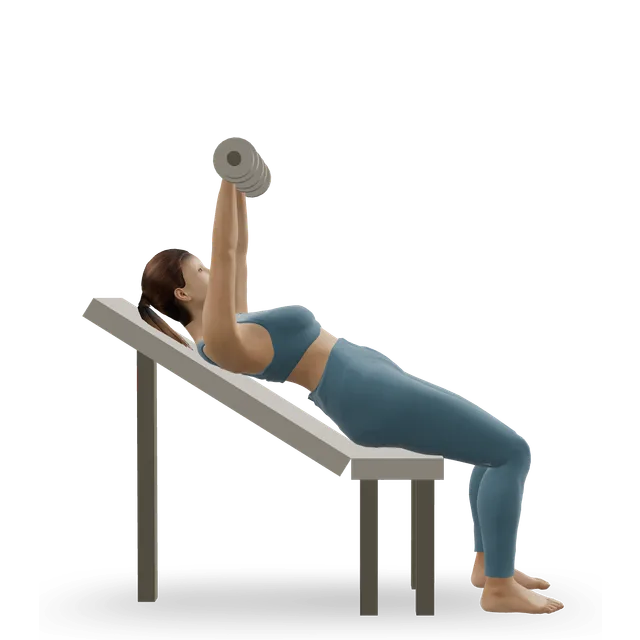 3D demoIncline dumbbell pressIntermediate · A dumbbell + A bench or box
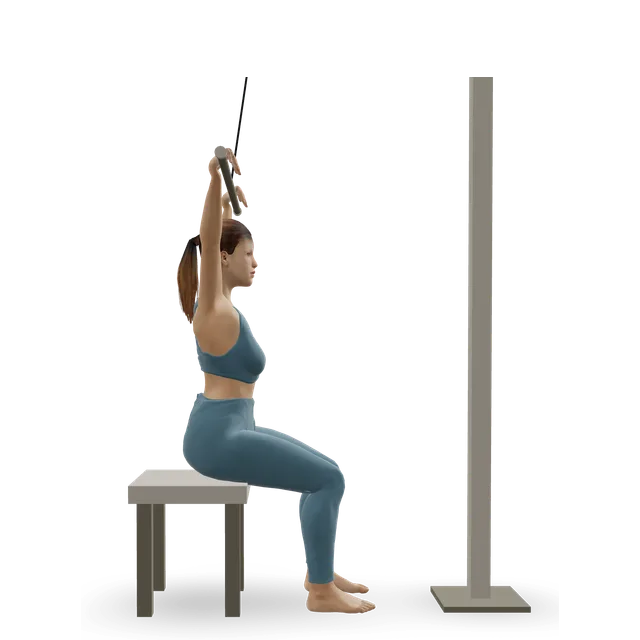 3D demoLat pulldownBeginner · A cable machine
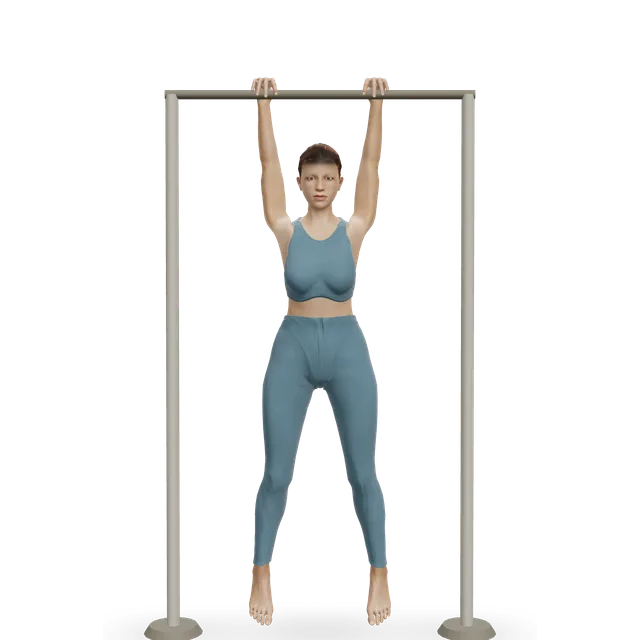
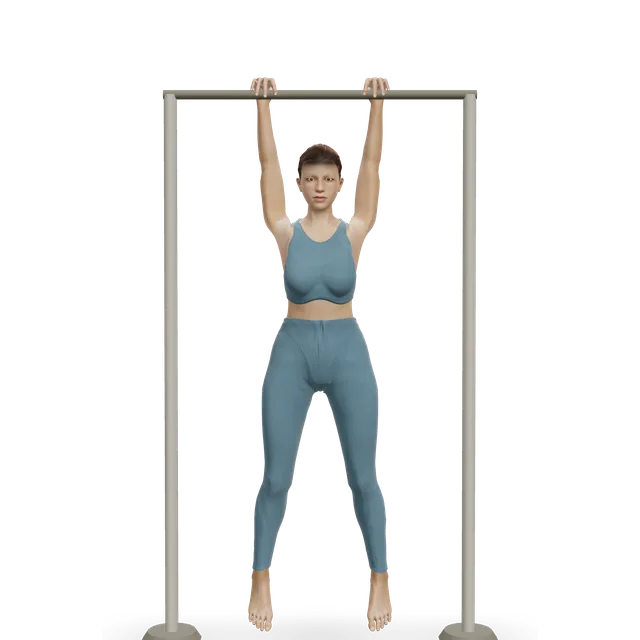 3D demoPull-upAdvanced · Pull-up bar
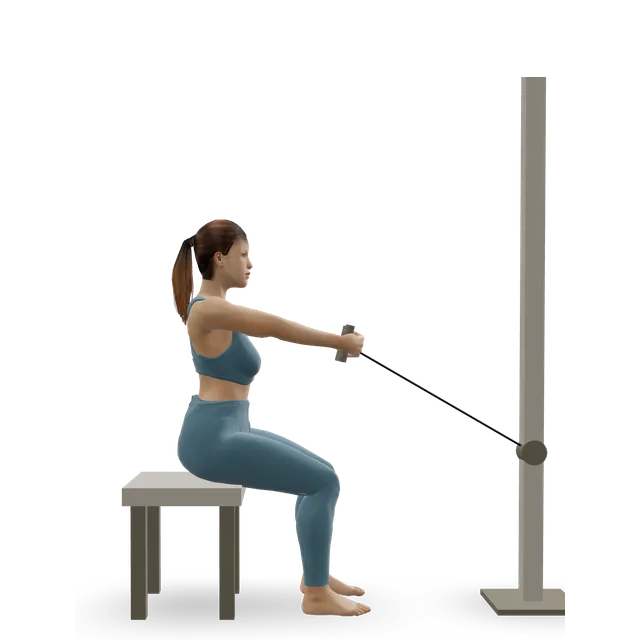 3D demoSeated cable rowBeginner · A cable machine
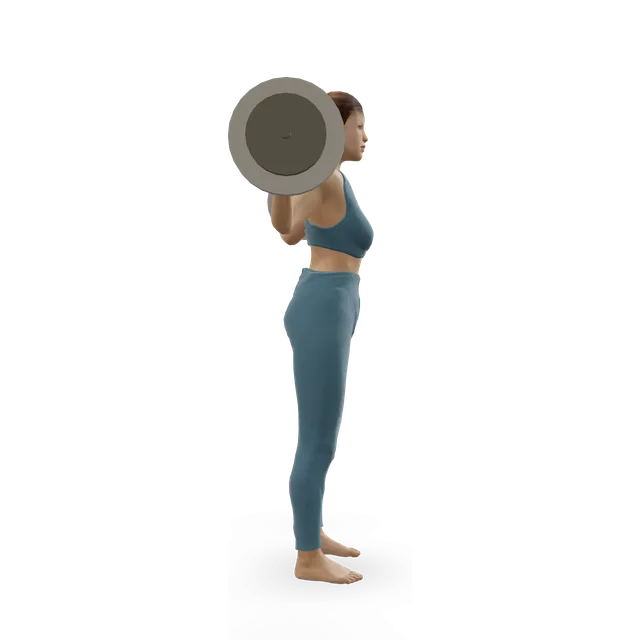
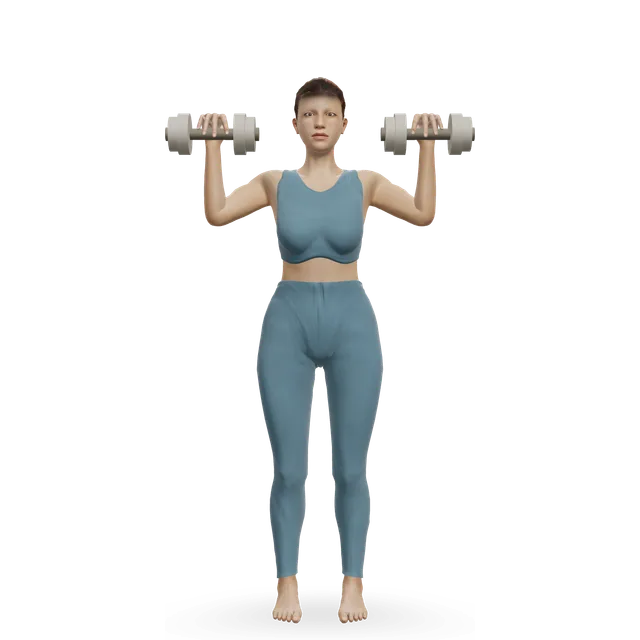 3D demoStanding overhead pressIntermediate · A barbell + A dumbbell
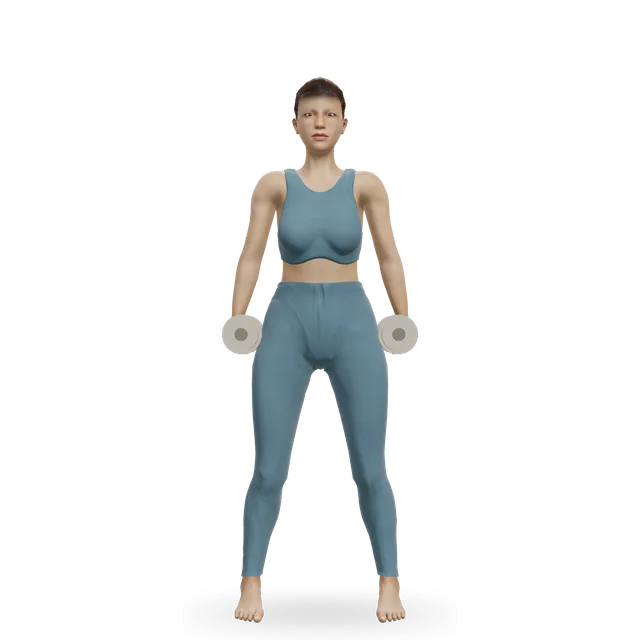 3D demoDumbbell lateral raiseBeginner · A dumbbell
 3D demoFace pullIntermediate · A band
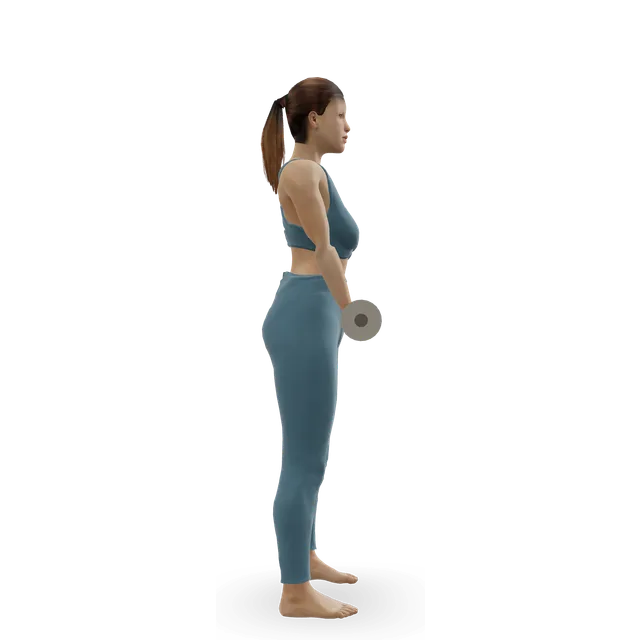 3D demoDumbbell biceps curlBeginner · A dumbbell
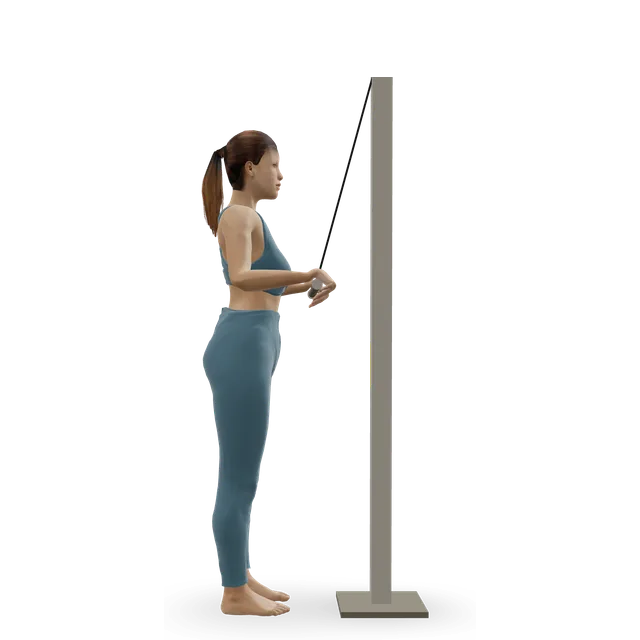 3D demoTriceps pushdownBeginner · A cable machine
 3D demoSingle-leg calf raise from a stepIntermediate · A step + A wall
New to lifting? The 3-day full-body plan is the place to start. After 6 months or more, the 4-day split adds weekly sets without longer sessions.
A beginner gym plan: three full-body sessions a week, alternating workouts A and B, with sets, reps, rest and an 8-week progression.
3 training days45 minBeginner3 days a weekThree full-body home workouts a week with dumbbells or no equipment at all, plus walks and an 8-week plan to keep progressing.
3 training days35 minBeginner4 days a weekA 4-day upper/lower split: two upper body and two lower body gym days, each muscle trained twice a week, with sets, reps and progression.
4 training days50 minIntermediate5 days a weekA 5-day gym split that trains every muscle twice a week: upper, lower, push, pull and legs, with an honest look at the bro split.
5 training days50 minIntermediate3 days a weekA weekly workout plan for women: three strength days, cardio and pelvic floor training, with the evidence on periods, pregnancy and menopause.
3 training days45 minBeginner4 days a weekA 4-day gym workout routine for men: upper and lower days, each muscle trained twice a week, with sets, reps, progression and the evidence.
4 training days50 minIntermediate3 days a weekA weekly plan for women over 50: strength, bone-loading and balance on 3 days plus walking, built on UK osteoporosis consensus advice.
3 training days45 minBeginner3 days a weekA 3-day strength plan for men over 40 with power and bone work, two cardio days and mobility, built on research on ageing muscle.
3 training days45 minBeginnerFull-body sessions for 2 or 3 days a week, or upper and lower days for 4. The home versions use dumbbells or bodyweight.
A beginner full-body gym workout: goblet squats, dumbbell bench press, lat pulldowns, Romanian deadlifts and dead bugs, with sets, reps and rest.
45 minBeginner12 movesCardio machine, A bandFull-body gym workout B: trap bar deadlifts, cable rows, seated dumbbell press, step-ups, leg curls, push-ups and a Pallof press.
50 minBeginner13 movesCardio machine, Other / check instructionsA gym upper body workout for chest, back, shoulders and arms: bench press, rows, presses, pulldowns, raises, curls and pushdowns.
50 minIntermediate13 movesA band, A barbellUpper body workout B: overhead press, pull-ups, incline dumbbell press, chest-supported rows, face pulls, hammer curls and triceps extensions.
50 minIntermediate13 movesA band, Pull-up barA gym lower body workout for legs and glutes: trap bar deadlifts, hip thrusts, reverse lunges, leg curls, hip abduction, calf raises and core.
50 minIntermediate13 movesOther / check instructions, A barbellA gym leg day: back squats, leg press, leg curls, Bulgarian split squats, leg extensions and calf raises.
55 minIntermediate9 movesA wall, A barbellA 35-minute full-body strength workout with dumbbells: goblet squats, presses, rows, Romanian deadlifts and carries.
35 minIntermediate9 movesA band, A dumbbellAn upper body workout at home with no gym: push-ups, band rows, pike push-ups, face pulls, close-grip push-ups and Y-T-W raises, with dumbbell options.
30 minIntermediate13 movesA band, An anchor pointA lower body workout at home: split squats, slider hamstring curls, single-leg bridges, step-ups, band walks and calf raises, with dumbbell options.
30 minIntermediate12 movesA wall, A stepStop and call 999 for chest pain that feels tight or like squeezing, or spreads to your arms, neck or jaw, or if someone faints while exercising.
Call NHS 111 (in the US, your doctor or urgent care) for severe muscle pain and weakness with dark (cola-coloured) or reduced urine after unusually hard training. This can be rhabdomyolysis, which can harm the kidneys and needs prompt care.
Source 51
If you have kidney disease, ask your doctor before raising your protein or taking creatine; the safety studies were in healthy people. Eating very little while training hard harms health: our guides for women and men cover the warning signs.
100 g produced a bigger and longer muscle-building response than 25 g in a lab study, and your daily total matters most.
Timing didn't matter once total protein was accounted for, and protein before or after training gave the same results.
Gains levelled off at about 1.6 g per kg a day in 49 trials. Up to 2.2 g covers the uncertainty; more than that adds nothing proven.
Source 5
Large surpluses mainly added fat in trials. Eating at about your needs or a little above is enough for most people.
You can, especially as a beginner or with fat to lose, and with plenty of protein. Strength training alone also trims body fat.
Food covers protein for most people. Creatine gives a small extra gain in trials, and it's optional.
Early on, the extra muscle building mostly repairs damage and doesn't track growth. You can grow without being sore.
Source 20
Adults over 50 gained strength and lean mass in dozens of trials, a little less at older ages. It's never too late to start.
Do hard sets, stopping 2 or 3 reps short of failure, for each muscle, build towards about 10 or more a week, and add reps or weight over time. Eat enough protein and food, sleep 7 to 9 hours, and keep it up for months.
Scans pick up growth after about 3 to 4 weeks, and trials of six weeks or more show measurable gains in beginners. Visible change usually takes longer, and varies a lot from person to person.
In training studies, young men gained about 1.5 kg of muscle on average and adults over 50 about 1.1 kg of lean mass. Some people gain much more or much less, and gains slow with experience.
In trials, extra protein stopped adding muscle at about 1.6 g per kg of body weight a day: about 130 g for an 80 kg person. Up to 2.2 g per kg covers the uncertainty, and food covers it for most people.
Much less than your daily total: timing around the workout didn't change results, and protein before or after training worked the same. Spreading protein over 3 to 5 meals is sensible but secondary.
No: 100 g produced a bigger and longer muscle-building response than 25 g in a lab study. Reach your daily total in whatever meals suit you.
In 28 trials, higher protein didn't affect kidney function in people without kidney disease. If you have kidney disease, ask your doctor first.
A small surplus helps, but large ones mainly add fat. Eating about 500 calories a day below your needs stopped muscle gain in trials, though strength still rose.
Lift with hard sets, eat plenty of protein, and keep any calorie deficit moderate. It works best if you're new to lifting or have fat to lose. Our weight-loss guide covers the fat-loss side.
Probably: one night without sleep cut muscle building by 18%, and dieting on 5.5 hours' sleep lost more muscle than on 8.5. Aim for 7 to 9 hours.
Yes: adults over 50 gained strength and lean mass in dozens of trials, a little less at older ages. Our guide for older adults and the plans for women over 50 and men over 40 set it out.
No. Food covers protein for most people, and creatine, the supplement with the most consistent evidence, gives a small extra gain and is optional. Our guide for men covers creatine and testosterone boosters.
Exercise education, not a personal prescription, and clinical review of these guides is pending. Check with a GP before starting hard training if you have a heart condition, chest pain, dizziness or breathlessness when active, and stop for sharp or increasing pain. Health disclaimer.