What DOMS is
A dull, tender ache in the muscles you worked. It starts 12 to 24 hours after exercise you're not used to, is worst 1 to 3 days later and is gone within about a week. New exercises, more volume and lowering movements cause the most.
Training guide
That dull, achy, tender feeling a day or two after a new or harder workout is DOMS: delayed onset muscle soreness. It peaks 1 to 3 days after exercise and fades within about a week on its own, and it gets much milder as your muscles get used to the work. It isn't a sign of a good workout, and it isn't lactic acid.
This guide covers what causes it, what eases it (and what doesn't), whether to train while sore, how to avoid the worst of it, and the warning signs that pain after exercise is something more serious, such as dark urine.
A dull, tender ache in the muscles you worked. It starts 12 to 24 hours after exercise you're not used to, is worst 1 to 3 days later and is gone within about a week. New exercises, more volume and lowering movements cause the most.
After one session your muscles are protected for weeks to months, which is called the repeated bout effect. In a trial, even a very light session 2 days beforehand cut the peak soreness from a hard session by about a third to a half.
Soreness tracks muscle damage poorly, and people who built up gradually without getting sore gained just as much muscle and strength.
Massage, compression clothing, cold water and foam rolling ease soreness modestly, and gentle movement eases it while you move. Stretching doesn't help. The trials are small, and expectation may explain part of the effect.
Usually fine: training sore muscles didn't make the damage worse in trials. If soreness limits how you move, go lighter or train something else.
Severe muscle pain or weakness that is out of proportion to the workout, or red, brown or cola-coloured pee, needs urgent medical help. Sudden sharp pain during exercise is more likely an injury, such as a strain.
DOMS is a dull, aching pain, usually felt when you press, contract or stretch the muscle. It typically starts 12 to 24 hours after unaccustomed exercise, peaks between 24 and 72 hours, and disappears within 5 to 7 days.
Source 1
Exercise you're not used to, especially lowering (eccentric) movements: the way down in a squat, lunge or curl, downhill running, Nordic curls and landings. Higher intensity, more repetitions and working at long muscle lengths cause more. It's most common at the start of a season, after a break and with new activities.
Nobody is sure. In animal studies, substances that sensitise nerve endings produced the tenderness, sometimes without visible muscle damage. One theory places the pain in the fascia, the connective tissue around the muscle. What is clear is that it isn't lactic acid: a panel of 20 researchers states that lactate is not related to DOMS.
In 110 men, 12, 24 or 60 hard lowering reps for the arm muscles caused similar soreness, even though the bigger sessions caused clearly more damage on other measures.
Source 6
While you're sore, your range of movement, shock absorption and peak force can drop for a few days. Moving gently eases the pain, but only while you're doing it.
Source 2
People new to an exercise, or coming back after a break or an injury. Trained people get less from the same session but aren't immune after a new exercise or a big jump in volume. Arm muscles are often hit harder than leg muscles, and the hamstrings harder than the quads. Our menstrual cycle guide covers soreness across the cycle.
Source 1
Across 36 studies, older adults showed no more muscle damage after exercise than younger adults, and they reported less soreness.
Source 21
One bout of lowering exercise protects the same muscles from damage in later bouts, through changes in the nerves, the muscle's mechanics and its connective tissue. The protection can start within a day. For the arm muscles it lasted at least 6 months and was gone by 9 to 12 months.
In 24 untrained men, a very light session of 50 lowering reps at 10% of their maximum, 2 days before a hard session, cut peak soreness by 36 to 54% across nine muscle groups, and strength came back faster.
Source 5
In a trial, people who built up over 3 weeks avoided signs of muscle damage, yet gained as much muscle, and as much strength (25% against 26%), as people who started with a damaging session. In 10 men, the early rise in muscle building went on repair and didn't predict growth; from about week 3, once the damage had settled, it did.
None of these is needed: DOMS goes away on its own within about a week. They can make you feel a little better for a while.
Across 99 studies, massage had the largest effect on soreness of any recovery method, and two other reviews (11 and 10 trials) agreed it eases DOMS. The trials were small and couldn't be blinded, and the reviews disagreed on whether massage helps strength afterwards: the largest, of 29 studies, found no effect on strength, sprinting, jumping or endurance.
Rolling after exercise reduced perceived soreness a little, by about 6%, and 7 of 8 studies found a short-term reduction. About 90 seconds per muscle looked like the minimum useful dose: for example 2 rounds of 45 seconds, at a pressure you can breathe through.
Compression garments worn after muscle-damaging exercise moderately reduced soreness across 12 studies.
A Cochrane review of 17 small, low-quality trials (366 people) found cold water immersion reduced soreness for up to 4 days compared with resting. An umbrella review suggested 10 to 15 minutes at 10 to 15°C (or 5 to 10°C) works best, though the certainty of that evidence is low.
Used after every strength session, cold water reduced muscle growth across 8 studies, and in a 12-week trial of 21 men it blunted gains in strength and muscle. Save it for when you need to perform again soon.
Light activity eased soreness for a short time in pooled studies, but most cool-down studies found no real effect. Our editorial starting point: 10 to 20 minutes of walking or easy cycling at a pace you can chat at, if it helps you feel better.
Across 12 studies, stretching before or after exercise reduced soreness by about 1 point or less on a 100-point scale. Gentle stretching is fine if it feels good, but it won't speed things up. Electrical stimulation didn't help either.
In 16 trials of elite endurance athletes, no recovery method beat simple rest, and a sham bath at a neutral temperature did as well as the real methods. These trials can't be blinded, so believing in a method may explain part of its effect.
Source 12
Ordinary soreness doesn't need painkillers (our view). In a trial of 31 young adults, a high daily dose of ibuprofen (1,200 mg) for 8 weeks halved the muscle growth from training compared with a low daily dose of aspirin, so don't take anti-inflammatories routinely to train. For a sprain or strain, the NHS suggests paracetamol to ease pain and ibuprofen gel to bring down swelling.
In small trials of the arm muscles, repeating hard lowering exercise 2 and 4 days after a damaging session, or on 6 days in a row, didn't make the damage worse or slow recovery.
Range, shock absorption and peak force can be down while you're sore. One review suggests reducing intensity and duration for 1 to 2 days after a very sore-making session, or training the less sore areas. Another advises against high-intensity and explosive efforts until the muscle has recovered, because the changes in how it works may make strains more likely.
Our editorial rule, built on the trials and reviews above:
Introduce new exercises, lowering work or a new sport over 1 to 2 weeks rather than all at once. In a trial, a 3-week ramp-up avoided muscle damage without costing any gains.
A light first session protects you for the next one. Our plans do this: in the first two weeks, you stop each set with 3 or 4 reps to spare.
Source 5
Nordic curls, Copenhagen planks, walking lunges and downhill running are built on lowering under load, so start with a few reps and build up.
Source 1
The protection fades over months: for the arm muscles it was gone 9 to 12 months after the first session. After a break of more than a few weeks, our suggestion is to restart with lighter weights and fewer sets.
Source 4
Ten to 20 minutes at an easy, chatty pace eases the ache while you move (our suggestion), though it won't make the soreness go any faster.
Give each sore muscle about 90 seconds or more, for example 2 rounds of 45 seconds, at a pressure you can breathe through, and never roll a calf that is swollen, red or darkened, or throbbing.
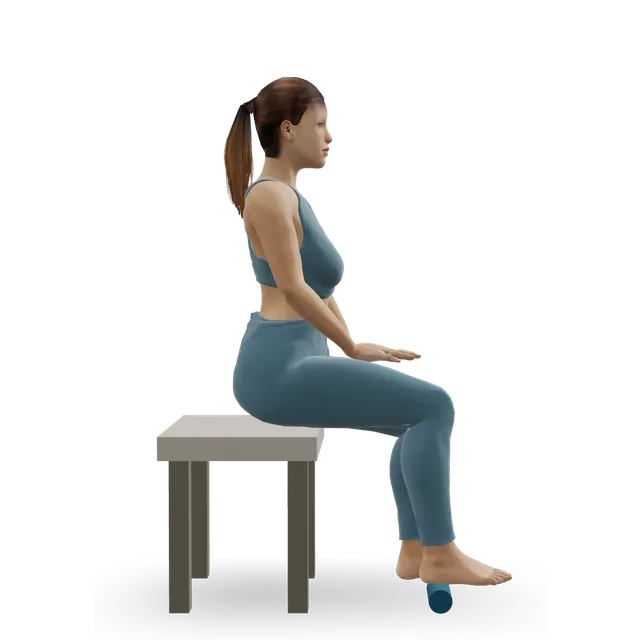
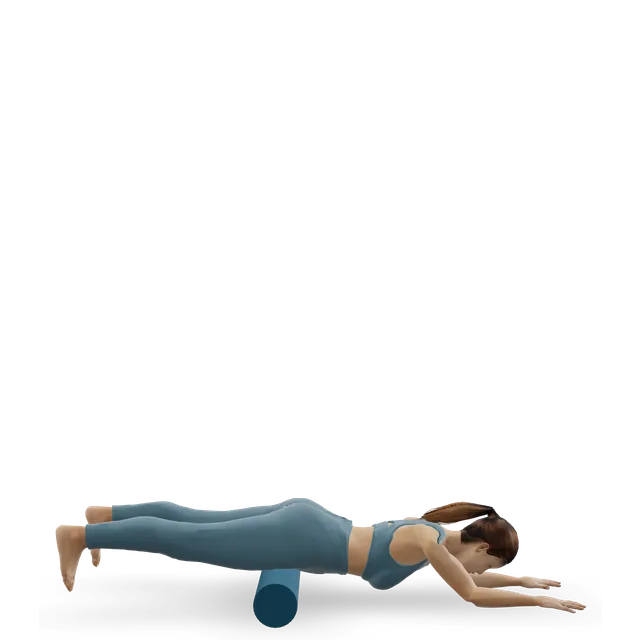 3D demoQuad foam rollingIntermediate · A foam roller
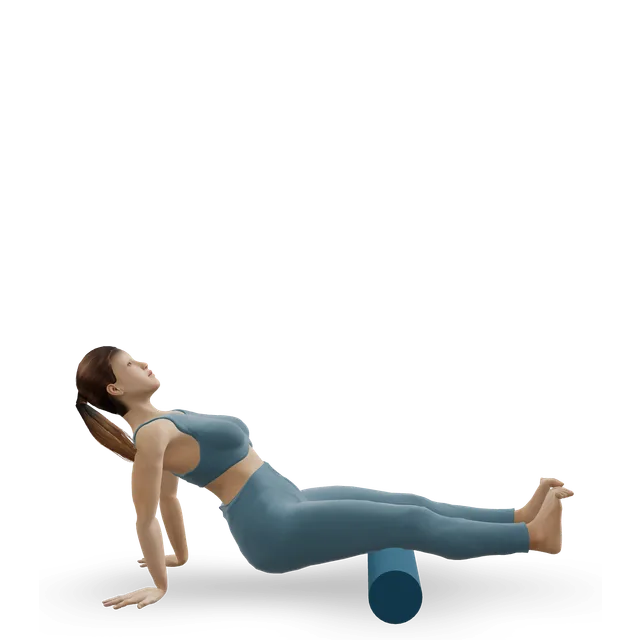 3D demoHamstring foam rollingBeginner · A foam roller
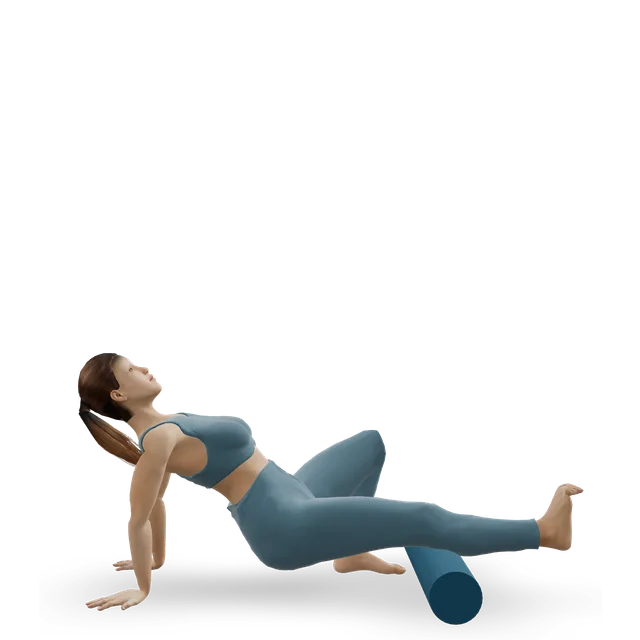 3D demoCalf foam rollingIntermediate · A foam roller
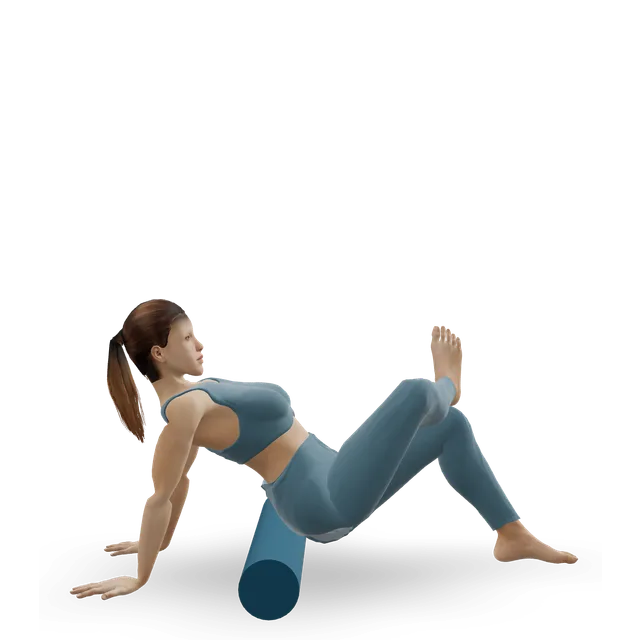 3D demoGlute and piriformis foam rollingIntermediate · A foam roller
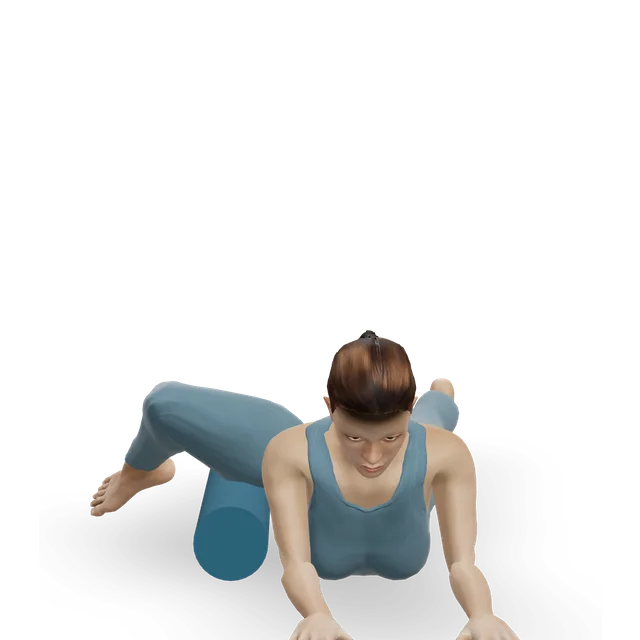 3D demoAdductor foam rolling (inner thigh)Intermediate · A foam roller
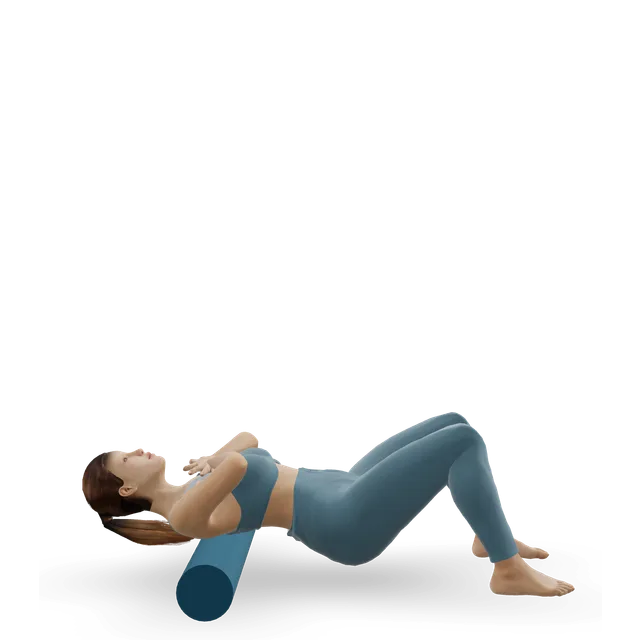 3D demoUpper back foam rollingIntermediate · A foam roller
A few slow reps in a comfortable range ease stiffness for a while, for example 8 cat-cows, 2 slow hip circles each leg and 10 squats only as deep as feels fine (our suggestion).
The active recovery workout is made for sore days; if you use the easy cardio workout, keep it gentle while you're sore, and treat the stretch routine as comfort rather than a cure.
A 25-minute easy session for rest days and sore muscles: easy cardio, a gentle mobility flow, optional rolling for sore spots, and slow breathing to finish.
25 minBeginner11 movesCardio machine, A wallA 10-minute foam roller routine for calves, thighs, glutes and upper back: about a minute per area, moderate pressure, slow rolls.
10 minBeginner6 movesA foam rollerRoll then stretch each part of the leg, feet to hips, and finish with springy calf bounces. About 20 minutes.
20 minBeginner14 movesA massage ball, A foam rollerA steady 30 to 45 minute cardio session at talk-but-not-sing pace: walk, cycle, row or cross-train, counting toward weekly activity guidelines.
40 minBeginner3 movesCardio machine, A wallA slow, 10-minute floor routine to unwind before sleep: child's pose, twists, happy baby and slow breathing.
10 minBeginner7 movesA wallAfter hard or unfamiliar exercise, these are not ordinary soreness. They can be signs of rhabdomyolysis, a breakdown of muscle that NHS clinical guidance describes as potentially life-threatening; its main danger is damage to the kidneys. Get urgent medical help if you have:
NHS clinical guidance links it to exercise that is unaccustomed (too much, too fast, too hard or too soon) or done when fasting, dehydrated or ill. Symptoms may not start until hours or days after the exercise, so don't ignore them. If you take a statin such as atorvastatin, the NHS says to call 111 if you think you might be having serious side effects, which include muscle cramps, severe pain and weakness.
Normal DOMS is a dull, even ache in the muscles you worked, usually on both sides, that starts the next day and fades within a week. A strain usually starts suddenly during exercise, with sharp pain in one spot, and may bring swelling, bruising or trouble putting weight on it. Our guides to hamstring strains and calf pain cover the common ones.
Soreness tracks muscle damage poorly, and people who built up gradually without soreness gained as much muscle and strength (25% against 26%). An expert panel notes that regular sessions shouldn't commonly leave you sore.
DOMS peaks 1 to 3 days after exercise, and an expert panel states that lactate is not related to DOMS. Cool-downs clear lactate from the blood faster, yet they mostly don't reduce soreness.
Stretching reduced soreness by about 1 point or less on a 100-point scale: not a meaningful effect.
Soreness fades because your muscles adapt to the exercise, not because the training stopped working. Judge progress by the weights and reps you lift.
Training sore muscles didn't worsen damage in trials. Go lighter or train other muscles if soreness limits your form.
They ease soreness, but used after every strength session they blunt muscle and strength gains.
DOMS stands for delayed onset muscle soreness: the dull, achy, tender feeling in muscles a day or two after exercise you're not used to. It's most common after new exercises, more volume than usual, or a lot of lowering movements such as lunges, downhill running or Nordic curls. It's normal and it passes on its own.
It usually starts 12 to 24 hours after exercise, is worst 1 to 3 days later, and is gone within about a week. If soreness lasts longer than that, is in one spot, or comes with swelling or weakness, get it checked.
It's not lactic acid. The soreness follows unaccustomed exercise, especially lowering movements, and seems to come from sensitised nerve endings in the muscle and its surrounding connective tissue rather than from waste products. Exactly how is still being researched.
Nothing makes it disappear, but a few things ease it a little: massage has the best evidence, and compression clothing, a cold bath or 90 seconds or more of foam rolling per sore muscle help modestly. Gentle movement such as walking or easy cycling eases the ache while you're doing it. Stretching doesn't help.
Usually, yes. Training sore muscles didn't make the damage worse in studies, though you may be a little weaker and stiffer for a day or two. If the soreness limits how you move, train other muscles or do something light instead; sharp or joint pain is a different matter, so use an easier option and see a clinician if it persists.
No. Soreness is a poor guide to how much the muscle was worked, and in a trial people who built up gradually and avoided soreness gained just as much muscle and strength. Regular sessions shouldn't leave you very sore.
Your muscles adapt after the first session of a new exercise, so the same session causes much less soreness the next time: this is called the repeated bout effect. It doesn't mean you've stopped progressing; keep adding weight or reps and judge progress by those.
Cold water immersion reduces soreness for up to about 4 days, though the trials are small and low quality. Used regularly after strength training, it can blunt muscle and strength gains, so save it for when you need to perform again soon. About 10 to 15 minutes in water around 10 to 15°C is the usual dose.
Not in a meaningful way: in pooled trials, stretching before or after exercise reduced soreness by about 1 point or less on a 100-point scale. Gentle stretching is fine if it feels good, but it won't speed things up.
A little. In trials, rolling after exercise eased soreness slightly for a short while, and about 90 seconds per muscle seemed to be the minimum useful dose. Use a pressure you can breathe through; harder isn't better.
Soreness is a dull, even ache in the muscles you worked, usually on both sides, that starts the next day and fades within a week. An injury usually starts suddenly during exercise, is sharper and in one spot, and may come with swelling, bruising or trouble putting weight on it. If you heard a crack, or the area has changed shape or is numb, call 999 or go to A&E.
It can be. Red, brown or cola-coloured pee with severe muscle pain or weakness after hard exercise can be a sign of rhabdomyolysis, a breakdown of muscle that can damage the kidneys. Get urgent medical help, and call 999 if the pain is sudden and severe or someone passes out.
Exercise education, not a personal prescription, and clinical review of these guides is pending. Check with a GP before starting hard training if you have a heart condition, chest pain, dizziness or breathlessness when active, and stop for sharp or increasing pain. Health disclaimer.