Foot pain is common, and most of it settlesStrong evidence
In a review of 31 studies (75,505 people), about 24% of adults aged 45 and over had frequent foot pain and 15% frequent ankle pain; the toes and the front of the foot were the commonest sites. Most foot pain is short-term and eases with self-care. The NHS advises seeing a GP if it is no better after 2 weeks, if you have tingling or numbness, or if you have diabetes.
The map above tells you what is likely, not what you have. Use it to pick a starting point. If your pain doesn't fit, or isn't better after 2 weeks of looking after it yourself, get it checked.
Sources 27, 2, 3, 4, 5, 6
Heel pain that isn't plantar fasciitisMixed evidence
Heel fat pad syndrome is a deep, bruise-like pain in the centre of the heel pad. A scoping review found it may be the second commonest cause of pain under the heel, but research is thin and there are no trials of heel cups or taping. Soft heel cushions and cushioned shoes are a sensible comfort measure (an editorial suggestion).
A stress fracture of the heel bone hurts in one spot with each step, after a rise in activity: get it checked and keep that spot pain-free. Pain at the back of the heel is often the Achilles tendon or an irritated fluid sac (bursitis); the Achilles guide has the plan. A heel that hurts after a fall, or a sudden snap at the back of the heel, needs checking the same day.
Sources 28, 24, 2
Sever's disease: heel pain in childrenEmerging evidence
During a growth spurt, the heel bone grows faster than the calf muscles and Achilles tendon, which pull on the growth area at the back of the heel. It hurts with running and jumping, the heel is tender when squeezed, and some children limp; one or both heels can be affected. It usually starts between about 8 and 15, and settles when growth stops. In Dutch GP records from 2008 to 2010, the incidence was 3.7 per 1,000 registered patients aged 6 to 17.
In a trial of 101 children, wait-and-see, a heel-raise insole and physiotherapy exercise all reduced heel pain about equally. In another of 124 children, a heel raise beat a ready-made orthosis at 1 to 2 months, nothing differed at 6 or 12 months, and new shoes made no difference.
An NHS hospital leaflet's advice: children can keep playing, though pain may take longer to settle, and there's no evidence that sport causes long-term damage. If it is very painful, swap some running and jumping for swimming or cycling. Ice for 10 to 15 minutes after activity, gel heel cups or shock-absorbing insoles, and calf stretches can help; avoid barefoot activity if it hurts, and build sport back up gradually. It can come back with the next growth spurt.
The leaflet's two stretches are the wall calf stretch and the soleus stretch; 3 holds of 30 seconds is an editorial dose, as the leaflet doesn't give one.
Sources 25, 29, 30, 31, 32
Stress fractures of the footStrong evidence
Pain and swelling build gradually, in one spot you can point to. At first it is worse with activity and better with rest; later it becomes a constant ache, even at night, and sharp when you put weight on it. The risk rises with overuse, sudden increases in training, worn shoes or hard surfaces, flat feet or high arches, low bone density, low vitamin D or calcium, and low body weight.
Stop the activity that caused it and get it checked: you may need a boot, cast or crutches, and healing takes about 6 to 8 weeks. Return gradually under guidance, stop as soon as you feel pain, and never play through it. Stress fractures of the navicular (the inner midfoot) and the base of the fifth metatarsal are called high-risk: in a review of low-quality studies, return to sport took about 14 to 22 weeks. The shin splints guide shows how bone pain differs from shin splints.
Sources 24, 33
Pain on the top of the foot
The NHS lists running, kicking or jumping and tight shoes as common triggers, and a broken bone, a sprain or strain, tendonitis, osteoarthritis, gout and sciatica as possible causes. It suggests rest and raising the foot, ice, roomy shoes with a low heel and soft sole, soft insoles, losing weight if you need to, and gentle foot and ankle stretching, and avoiding the activity that brings it on and long periods on your feet. Loosening tight laces is worth a try (an editorial suggestion). Get one-spot bone pain checked.
Source 3
Gout and a hot, swollen jointStrong evidence
Gout causes sudden severe joint pain, usually in the big toe, with hot, swollen, red skin. Untreated, an attack lasts 1 to 2 weeks. See a GP for a first attack, and get urgent help if the pain is getting worse with a high temperature or you feel sick. A joint infection (septic arthritis) causes similar signs, often with being unable to put weight on it and sometimes a fever, and is urgent.
In an attack, the NHS advises resting and raising the limb, keeping it cool with an ice pack for up to 20 minutes, keeping bedclothes off it and not putting pressure on the joint; NICE says ice alongside medicine may help. There is no exercise plan for a hot, swollen joint.
Between attacks, the NHS advises regular exercise but not intense exercise or lots of pressure on the joints, losing weight if you're overweight (without crash diets) and drinking less alcohol. NICE says no specific diet has been shown to prevent flares.
Sources 12, 13, 23
Diabetes and your feet: what to watch forStrong evidence
Diabetes can cause foot ulcers and infections that sometimes lead to amputation, and it is the commonest cause of nerve damage in the feet (peripheral neuropathy) in the UK, which brings numbness, burning pain and poor balance. NICE advises a foot check every year, more often if your risk is higher.
An ulcer, an infection, or an unexplained hot, swollen foot with a change in colour is an active foot problem: NICE asks for it to reach a specialist foot service within 1 working day, and a suspected Charcot foot (redness, warmth, swelling or a change in shape, even if it doesn't hurt) is kept off weight until it has been checked. Check your feet every day, especially after exercise, and wear well-fitting shoes and socks.
Sources 17, 16, 21
Diabetes: exercise is still good for your feetEmerging evidence
In a 12-month trial of 79 people with diabetic nerve damage who had foot care, a leg strength, balance and walking programme did not increase foot ulcers, and in another of 29 people weight-bearing exercise improved walking distance and daily steps more than seated exercise. A 2023 international guideline suggests a foot and ankle exercise programme for people at low to moderate risk, says adding about 1,000 steps a day is likely safe, and advises never walking without suitable foot protection. With numb feet, do the balance moves with a hand on a counter (editorial).
Sources 57, 58, 56
Nerve pain into the foot
Sciatica can cause pain, tingling or numbness on the top of the foot and up the back of the leg; the sciatica guide covers it, including its emergency signs. Foot drop, difficulty lifting the front of the foot and toes, can come from a nerve injury, a slipped disc, long spells kneeling or squatting, or diabetic nerve damage: see a GP before you exercise it. Morton's neuroma, a nerve pain between the toes, is in the ball-of-foot guide.
Sources 19, 18
Myths worth dropping
Many popular beliefs about feet are weaker than they sound.
- "Flat feet need fixing." Most cause no problems and need no treatment, and a flat foot is not a general injury risk.
- "You need running shoes for your foot type." Choosing running shoes by foot type did not prevent injuries in a Cochrane review.
- "Barefoot or minimalist shoes are better for everyone." They can strengthen your feet, but runners who switched to them had more injuries.
- "Exercises or toe spacers will straighten a bunion." The NHS says you can't get rid of bunions or stop them getting worse yourself, and trials suggest less pain is likelier than a straighter toe.
- "Insoles fix big toe arthritis." Shaped orthoses were no better than flat sham insoles in a trial.
- "Sever's disease means stopping sport." Children can keep playing; pain may take longer to settle, but there's no evidence of lasting damage, and wait-and-see did as well as treatment in a trial.
- "With diabetic nerve damage, walking is dangerous." Walking and weight-bearing exercise did not increase foot ulcers in trials of people whose feet were looked after; foot protection is what matters.
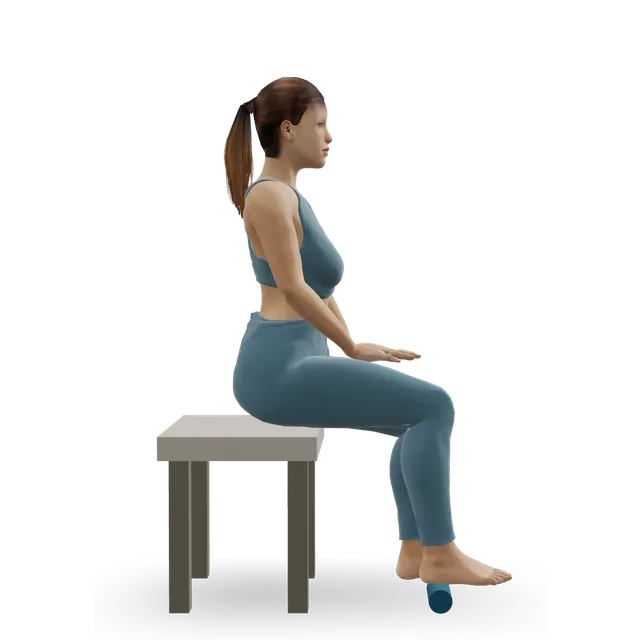
- "Roll your foot on a ball to release the fascia." No trials of rolling for foot pain were found. It's fine for comfort.
Sources 11, 54, 55, 35, 36, 38, 39, 10, 53, 44, 45, 25, 30, 57, 58, 56