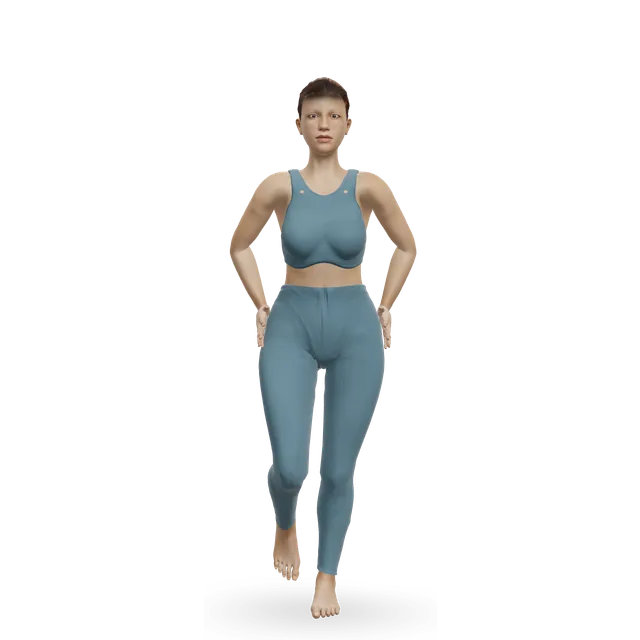
Flat feet and fallen arches: when to treat them, and exercises for tibialis posterior pain
Flat feet, or fallen arches, are when the inner arch touches the ground as you stand. They are common, usually cause no problems, shouldn't stop you doing sport, and are rarely serious. Most children develop arches between the ages of 3 and 10, and you don't need to do anything if flat feet aren't causing problems.
A flat foot that is painful, new, or on one side only is different: in adults it is often a problem with the tibialis posterior tendon, which supports the arch. This guide says when to get checked, and gives a 12-week strengthening plan built on the trials for that tendon.
Exercise is for pain that has been checked or is clearly mild and settling.
Get urgent medical help if
Same day: you have diabetes and a new foot problem, such as an ulcer or wound, signs of infection, or a hot, swollen foot with a change in colour, even if it doesn't hurt. Contact your diabetes foot team or GP: NICE asks for these to reach a specialist foot service within 1 working day, and a suspected Charcot foot is kept off weight until it has been checked.
Call 999 or go to A&E: after an injury, you heard a crack, the foot or ankle has changed shape or points at an odd angle, a bone is sticking out, there is a bad cut over it, you're in severe pain, or the toes look blue or white, feel numb or are cold to touch. These can mean a broken bone. Don't drive yourself.
Same day (urgent GP appointment or NHS 111): after an injury, you can't put weight on it or walk more than a few steps, the pain is very bad or getting worse, there is a lot of swelling or bruising or it is getting worse, or it feels very stiff. If you think it's broken, don't treat it yourself.
Same day: a sudden, very painful, hot, swollen, red joint, often the big toe, especially with a high temperature, feeling shivery or being unable to eat. It may be gout, but it could be a joint infection (septic arthritis), which is urgent.
See a doctor or physiotherapist if
Flat feet that are painful, stiff, weak or numb, that you didn't have before, or that affect only one foot.
Pain that isn't better after 2 weeks of looking after it yourself, is getting worse, keeps coming back, or stops you doing normal things.
Tingling or loss of feeling in the foot, or a foot that feels weak.
Any foot pain if you have diabetes: foot problems can be more serious.
Understand it
Flat feet are usually normalStrong evidence
The NHS says flat feet are common, usually cause no problems, and need no treatment unless they do. In children, trials of insoles were too few to draw conclusions (3 trials, 305 children).
See a GP if flat feet are painful, stiff, weak or numb, you often get foot or ankle injuries, you have balance problems, you didn't have flat feet before, or only one foot is affected.
The tibialis posterior muscle runs from deep in the calf, behind the bony bump on the inside of the ankle, into the arch. When its tendon is irritated, there is pain, warmth and swelling along that line, the arch drops, and standing for long or rising onto tiptoe becomes hard. Surgeons now call the whole spectrum progressive collapsing foot deformity, and the shape can get worse over time. The tibialis posterior muscle guide explains what the muscle does.
A review of 21 cohorts (6,228 people) found a pronated (flat) foot was a small risk factor for shin splints, with very limited evidence for kneecap pain, and was not linked to foot and ankle injuries or bone stress. In 927 novice runners in neutral shoes, those with pronated feet were not at higher risk, and had slightly fewer injuries per 1,000 km. A painless flat foot doesn't need correcting.
Wide shoes with a low heel, insoles, foot stretches and exercises, and painkillers. The NHS is clear that these will not change the shape of your feet, but can help with pain or stiffness. Surgery is rarely needed.
Strengthening the tendon: the best-tested exerciseEmerging evidence
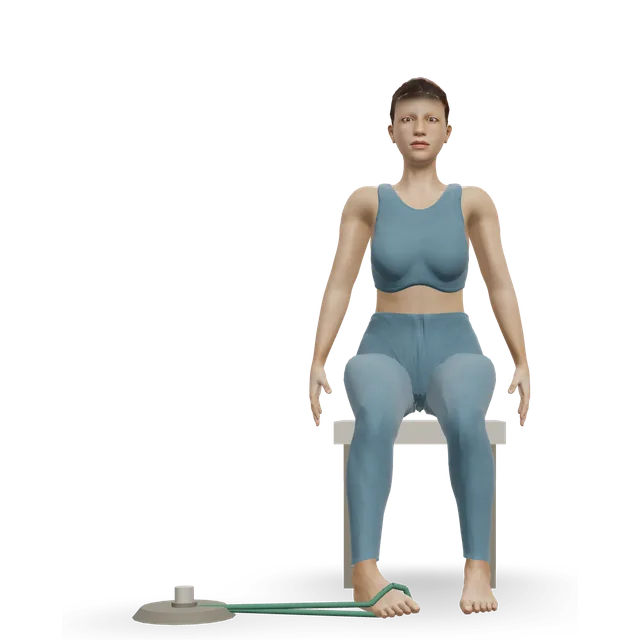
In a trial of 36 adults with early tendon dysfunction, everyone wore orthoses and stretched for 12 weeks. Adding resisted exercise helped, and the group with a slow, lowering (eccentric) phase improved most in pain and function. Their exercise swept the forefoot inwards against resistance with the foot slightly pointed: 3 sets of 15 at a load they could only just manage, twice a day.
In another trial of 39 adults, a home programme of band work and heel raises added little over orthoses and stretching, as both groups improved. A review of the 3 trials (93 people) found moderate effects for eccentric strengthening but called the research thin.
Insoles may ease early tendon painEmerging evidence
In 4 trials (186 people, mostly at high risk of bias), orthoses reduced pain early on, more so with exercise, and arch-supporting orthoses beat flat insoles.
Short foot and foot strengtheningEmerging evidence
Foot muscle training builds strength and may reduce arch drop by a couple of millimetres after about 8 weeks, at low certainty. In 15 people with tendon dysfunction, 4 weeks of the short foot exercise changed muscle activity in walking but not the foot's shape.
Go easy on calf stretches while the tendon is soreMixed evidence
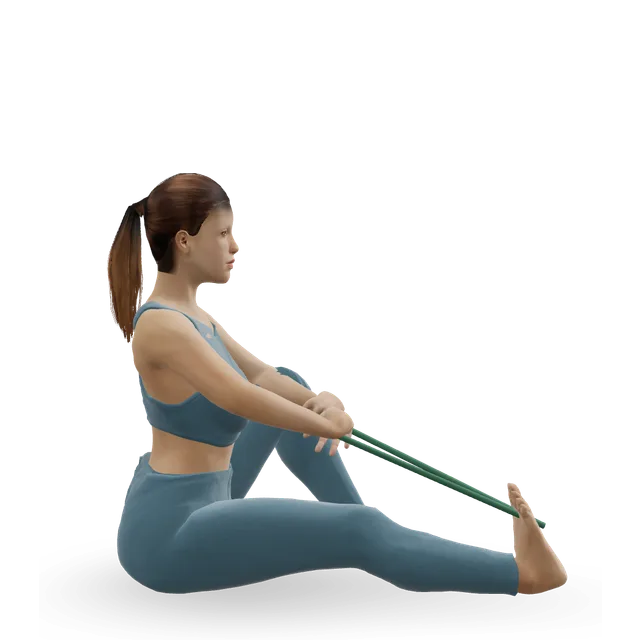
Calf stretches were part of every trial (3 to 10 holds of 30 seconds, 2 to 4 times a day), but the review authors note that holding the ankle fully bent squeezes the tendon behind the ankle bone and may work against pain relief. Keep calf stretches gentle and optional while the tendon is sore.
Some discomfort during exercise is fine. Aim for pain you would call mild to moderate, no more than about 5 out of 10, that settles within an hour, with no more swelling or stiffness the next morning. If it's worse the next day, do a little less (a smaller range, fewer reps, a lighter band), not nothing.
For tendon pain on the inner ankle, the 5 out of 10 figure borrows the pain-monitoring rule from an Achilles trial, in which carrying on with activity under the rule did no harm. It hasn't been tested in this tendon.
The exceptions: pain in one spot on a bone should be pain-free, because it could be a stress fracture; burning, tingling or numbness means stop that movement; and if your feet are numb, pain won't warn you, so check your skin after exercise.
If pain climbs day after day, or you notice a warning sign, stop and get it checked. The 5 out of 10 figure is an editorial starting point that matches this site's other pain guides, not a tested rule.
Start at the first stage. Each move opens a full guide with a 3D demo.
Stage 1
Settle and start loading the tendon
Weeks 0 to 2. Wear the insoles or supportive shoes you've been advised to use. Doses come from the Kulig 2009 trial where named; the rest are editorial starting points.
Not the shape, as a rule. The NHS says exercises, insoles and shoes help pain and stiffness but won't change the shape of your feet. Foot strengthening may reduce how far the arch drops by a couple of millimetres.
Do I need insoles for flat feet?
Only if your flat feet hurt or cause problems, the NHS says. For early tibialis posterior tendon pain, arch-supporting orthoses may ease pain, especially with exercise.
Are barefoot shoes good for flat feet?
No trial of them in flat feet was found. Walking in minimalist shoes strengthened foot muscles in one trial, but runners who switched to them had more injuries. If you try them, change slowly.
Do children grow out of flat feet?
Usually. Most children develop arches between 3 and 10, and the evidence for insoles in children is too limited to recommend them. See a GP if a child's flat feet hurt, are stiff, or affect only one foot.
Posterior tibial tendonitis: what exercises help, and how long does it take?
The best-tested exercise sweeps the forefoot inwards against a band with a slow return: 3 sets of 15, twice a day, alongside insoles. The trials ran for 12 weeks; no source gives a typical recovery time.
Do flat feet cause knee or back pain?
Not as a rule. A review of 21 cohorts found a flat foot was a small risk factor for shin splints and, on very limited evidence, kneecap pain. No source behind this guide links flat feet to back pain.
Exercise education, not a diagnosis or treatment plan. It is written from the guidelines and studies listed above; review by a clinician is pending. If your pain follows an injury, is severe, is getting worse, or comes with any warning sign listed on this page, get it assessed. Health disclaimer.