Single-leg reach matrix
Balanced on one leg with your hands on your hips, you bend the standing knee and reach the free foot as far as you can control, to the front, behind and out to the side, then behind and across, tapping lightly each time. It is the star excursion balance test used as practice. In an EMG study of three of the test's directions, the thigh muscle above the knee worked hard in all of them, and gluteus medius more in the forward reach than behind and across.
Movement guide
Single-leg reach matrix
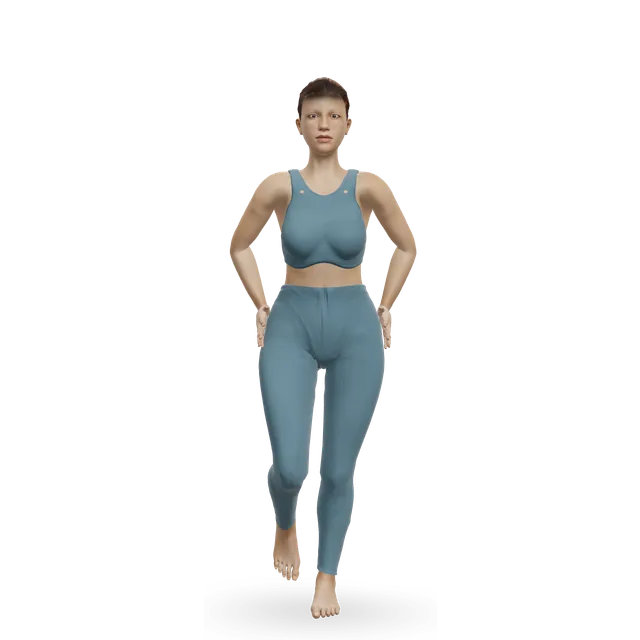
Loading the 3D figure…
Make it easier or harder
Choose a version that fits your control and comfort.
Easier option
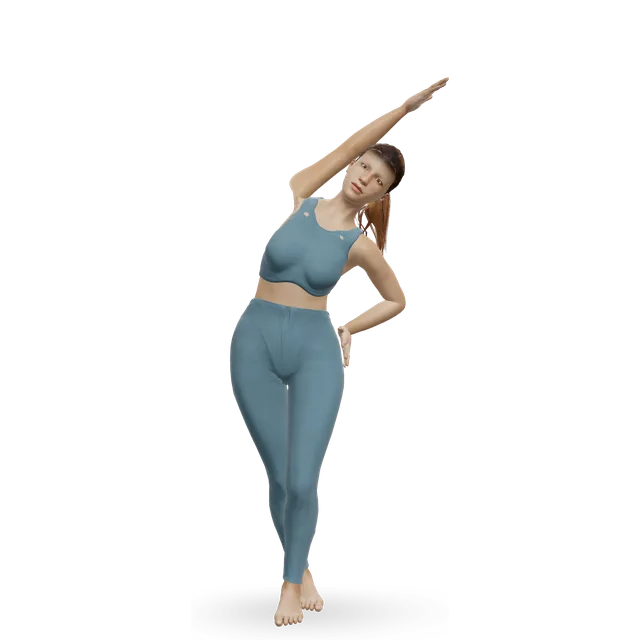 3D demoStanding crossed-leg side reachBeginner · No equipment
Similar move, beginner grade.
Harder option
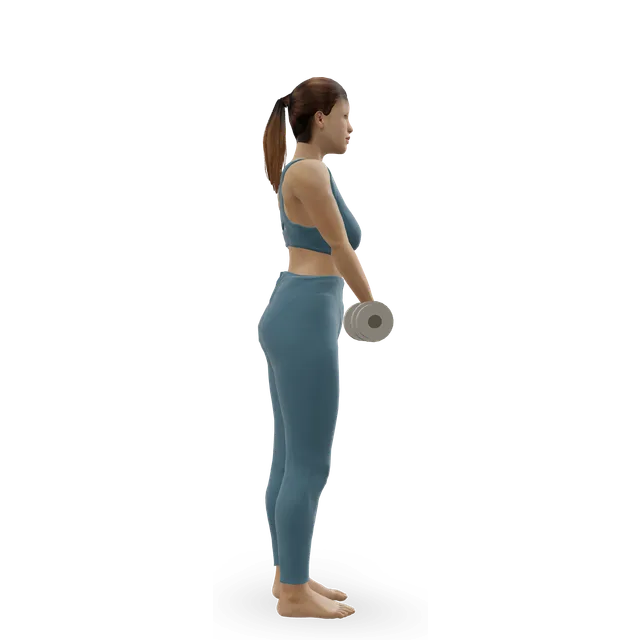 3D demoSingle-leg Romanian deadliftAdvanced · A dumbbell
Suggested next step, advanced grade.
Source-researched guide.
How to move
- Stand on your left leg with your hands on your hips and the right foot just off the floor.
- Bend the left knee and reach the right foot forwards as far as you can control, tap the floor lightly with the toes, and come back up tall without putting the foot down.
- Reach the right foot behind you and out to the side, tap and return; then behind you and across, tap and return.
- Keep your hips level throughout. Finish the round, then change legs.
Form cues
- Keep the standing knee in line with your middle toes.
- Tap, don't put weight on the reaching foot.
- Avoid: reaching so far that you have to plant the foot.
Practice and cautions
3 rounds of 5 reaches in each direction, each leg (our editorial starting point). In trials in athletes, neuromuscular (balance and control) training lengthened reaches on the test and roughly halved ankle injuries.
Ease off the deep reaches with acute knee pain, or in the first weeks after an ankle sprain. With numb feet, keep a hand on a counter or wall. This is movement education, not an assessment or treatment prescription. Stop for sharp or increasing pain, dizziness, numbness or tingling; seek individual guidance for symptoms, injury or restrictions.
Sources and review status
Sources support the educational description; they do not establish that this exercise is suitable for you.
- Gribble 2012 · The star excursion balance test: a reliable reach test of dynamic balance that picks up deficits after leg injuries and responds to training (literature and systematic review, J Athl Train) ↗
- Norris & Trudelle-Jackson 2011 · Hip and thigh muscle activity in three reach directions of the star excursion test (EMG study of 22 adults, J Sport Rehabil) ↗
- Xiang 2026 · Neuromuscular training cut ankle injuries in athletes by about half and lengthened star excursion reaches (meta-analysis of 13 RCTs, Frontiers in Physiology) ↗
No variation is labeled clinically validated.
What it works
Muscles
Main: Quads, Hip abductors. Also: Glutes, Calves.
Anatomy: Sartorius, Quadriceps, Rectus femoris, Vastus medialis, Vastus lateralis, Gluteus medius.
Equipment
None: body weight and floor space.
Level
Intermediate. See the easier and harder options above.
Workouts that use it
- Fascial fitness workout · 15 min
- Baseball arm care warm-up · 12 min
- Badminton strength and footwork workout · 45 min
- Balance training workout: from standing still to moving · 20 min
- Power and balance workout: fast lifts and one-leg control · 40 min
- Yoga for balance: a 30-minute standing class, from steady to moving · 30 min
- Standing Pilates for balance: a 25-minute counter and mat class · 25 min
- Trail yoga: a 25-minute class for after a hike or a rest day, with a 10-minute standing version · 25 min
Show all 20 workoutsShow fewer workouts
- Off-court yoga for basketball players: a 25-minute class for ankles, one-leg balance, landing shapes and hips · 25 min
- Yoga for baseball and softball players: a 25-minute class for non-throwing days, for the back of the shoulder, hips and trunk · 25 min
- Off-court yoga for volleyball players: a 25-minute class for ankles, one-leg balance, landing shapes and the hitting shoulder · 25 min
- Yoga after an ankle sprain: a 25-minute class for ankle range, calf strength and balance, built up step by step · 25 min
- Ankle-steadying Pilates after a sprain: a 25-minute class for ankle strength, hips and one-leg balance · 25 min
- Trail-ready Pilates for hikers: a 25-minute class for ankles, a trunk that carries a pack, hips, the lowering leg and one-leg balance · 25 min
- Yoga for skateboarders: a 25-minute class for ankles and one-leg balance, the riding stance, wrists in stages, hips and the back, after skating or on a rest day · 25 min
- Yoga for badminton players: a 25-minute class for calves and the Achilles, lunges, one-leg balance, the hitting shoulder and the back, after play or on a rest day · 25 min
- Off-court Pilates for badminton players: a 25-minute class for the calves and Achilles, one-leg balance and the side lunge, the hips, the trunk both ways and the hitting shoulder · 25 min
- After-shift Pilates for firefighters: a 25-minute class for back and trunk endurance, the hinge, shoulder blades, one-leg balance and a wind-down · 25 min
- Landing-leg Pilates for netball players: a 25-minute class for the ankles, the landing leg for quick stops, trunk control, the hips and shoulders · 25 min
- Off-track Pilates for sprinters: a 25-minute class for trunk control while the legs move, the front and back of the hip, and one-leg balance · 25 min
Pain guides that use it
Part of a staged plan, with when to get help first.
- Ankle pain: where it hurts, what helps, and when to get it checked
- Sprained ankle: what to do now, exercises, and stopping the next one
- Chronic ankle instability: exercises for an ankle that keeps rolling
- Flat feet and fallen arches: when they need treatment, and exercises that help
- Bunions (hallux valgus): what exercise can and can't change
- Big toe arthritis (hallux rigidus): exercises, shoes and when surgery helps
- Exercises after a broken ankle: a stage-by-stage recovery plan
- Peroneal tendonitis exercises (peroneal tendinopathy): outer ankle tendon pain
Show all 49 pain guidesShow fewer pain guides
- Posterior tibial tendonitis: exercises for inner ankle pain and a dropping arch
- Exercises after a broken leg (tibia and fibula): the recovery stages and warning signs
- Lisfranc injury (midfoot sprain or fracture): diagnosis, treatment and recovery
- Recovery after bunion surgery: the post-op shoe, swelling and exercises
- Tarsal tunnel syndrome: burning or tingling in the sole, and what helps
- Hammer, claw and mallet toes: shoes, pads, toe exercises and when surgery helps
- High arches (pes cavus): foot pain, ankle sprains and when to get them checked
- Posterior ankle impingement: pain at the back of the ankle when you point your foot, from rehab to surgery
- Sinus tarsi syndrome: pain in the hollow on the outer ankle, the causes to rule out and what helps
- Accessory navicular syndrome: a painful extra bone on the inner side of the foot, in teenagers and adults
- Iselin's disease: pain on the outer edge of the foot in active children, and keeping them playing
- Tailor's bunion (bunionette): shoes, padding, what exercise can't change, and when surgery helps
- Plantar fibroma (Ledderhose disease): a lump in the arch, when to get it checked, and what helps
- Freiberg's disease: pain under the second toe joint, offloading, and getting back to sport and dance
- Tarsal coalition: a stiff, painful flat foot and ankles that keep spraining, and what helps
- Osteochondral lesion of the talus (talar dome lesion, ankle OCD): deep ankle pain after a sprain
- Exercises after ankle ligament surgery: recovery after a Broström repair or reconstruction
- Ankle pain when running: where it hurts, the stress fractures to rule out, and how to build back
- Ankle pain when walking: an old sprain, the tendons, arthritis, shoes, supports and what helps
- Arch pain: plantar fasciitis, the tibialis posterior tendon, flat feet, nerves, shoes and insoles
- Pain on the outer side of the foot: the tendons, a fifth metatarsal break, cuboid and old sprains
- Inner ankle pain: the tibialis posterior tendon, a sprain, tarsal tunnel, flat feet and what helps
- Outer ankle pain: a new or old sprain, the peroneal tendons, impingement and how to build back
- Foot pain in women: bunions and shoes, heel pain, Morton's neuroma, pregnancy and the menopause
- Ankle pain in pregnancy: swollen ankles, sprains and looser ligaments, cramps, and when to get help
- Foot pain in men: heel pain, gout, the Achilles, stress fractures, work boots and sport
- Ankle pain in women: sprains, tendons and flat feet, heels, loose joints and swollen ankles
- Knee pain when twisting: the meniscus, the ligaments, the kneecap, arthritis and what helps
- Ankle pain going down stairs: the front of the ankle, the Achilles, arthritis and old sprains
- Ankle pain when squatting: the front of the ankle, an old sprain, the Achilles and what helps
- Ankle pain when doing lunges: a pinch at the front, the back leg, the outer ankle and your stride
- Ankle pain on the treadmill: incline, the Achilles, the front and outer ankle, shoes and what helps
- Foot pain when hiking: blisters, boots, laces, the heel, the ball of the foot, toes and what helps
- Shin pain when hiking: shin splints, stress fractures, descents, boots and laces, and what helps
- Ankle pain on the elliptical: the Achilles, the front and outer ankle, the ramp and what helps
- Knee pain from pickleball: the meniscus, arthritis, kneecap pain, courts and shoes, and what helps
- Knee pain after dancing: jumps and landings, turns, deep pliés and turnout, heels and what helps
- Ankle pain after dancing: pointe, plié, landings, sprains and the Achilles, and what helps
- Ankle pain from basketball: rolled ankles, high ankle sprains, the Achilles, braces and what helps
- Ankle pain after football (soccer): sprains, footballer's ankle, the Achilles, Sever's and help
- Ankle pain from netball: sprains, repeat sprains, the Achilles, braces, shoes and courts, and help
Guides that use it
- Pilates for balance guide
- Pilates for skiers guide
- Pilates for flat feet guide
- Pilates for the feet guide
- Pilates after an ankle sprain guide
- Pilates for baseball players guide
- Pilates for volleyball players guide
- Pilates for figure skaters guide
Show all 42 guidesShow fewer guides
- Pilates for hikers guide
- Pilates for badminton players guide
- Pilates for firefighters guide
- Pilates for netball guide
- Pilates for sprinters guide
- Pilates for the lower body guide
- Pilates for the calves guide
- Pilates for the ankles guide
- Yoga for balance guide
- Yoga for hikers guide
- Yoga for skiers guide
- Yoga for martial arts guide
- Yoga for basketball players guide
- Yoga for baseball players guide
- Yoga for volleyball players guide
- Yoga for an ankle sprain guide
- Yoga for pickleball players guide
- Yoga for skateboarders guide
- Yoga for badminton players guide
- Yoga for the ankles guide
- Fascia exercises guide
- Fascial fitness guide
- How to improve balance guide
- Single-leg deadlifts guide
- Hip airplanes guide
- Muscle imbalances guide
- Strengthen your ankles guide
- Strengthen your feet guide
- Strengthen tendons and ligaments guide
- Coordination guide
- Reaction time guide
- Footwork guide
- Baseball and softball guide
- Badminton guide
Similar moves
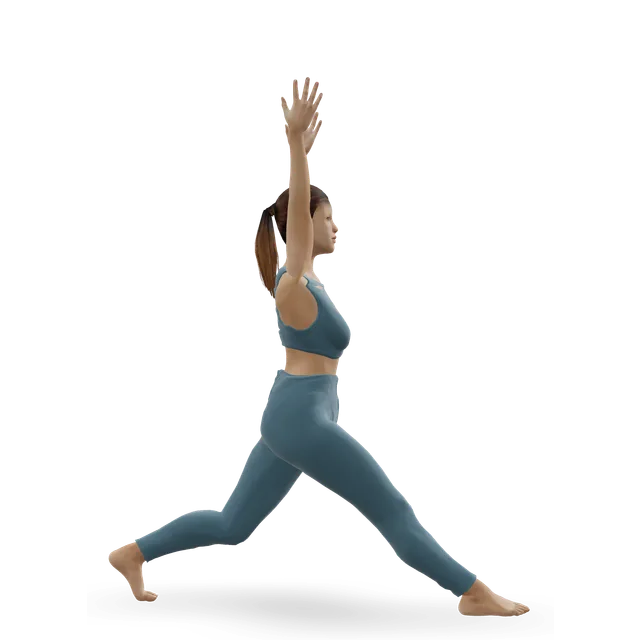 3D demoHigh lunge (crescent lunge, Ashta Chandrasana)Intermediate · No equipment
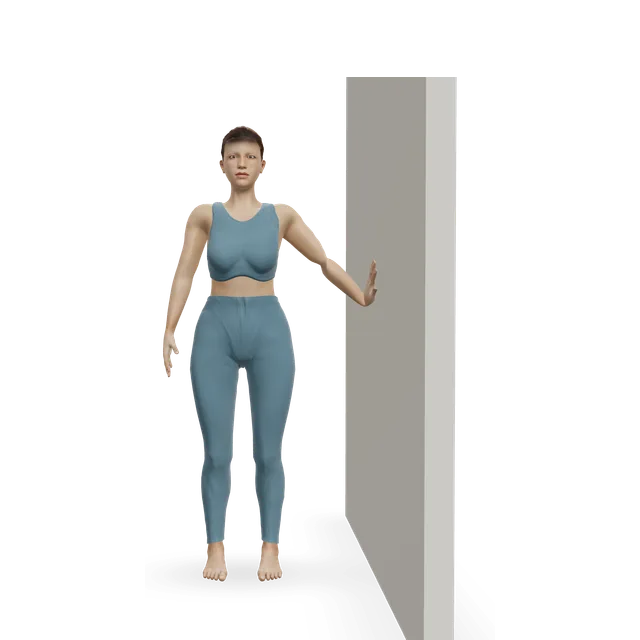 3D demoSingle-leg standBeginner · A wall
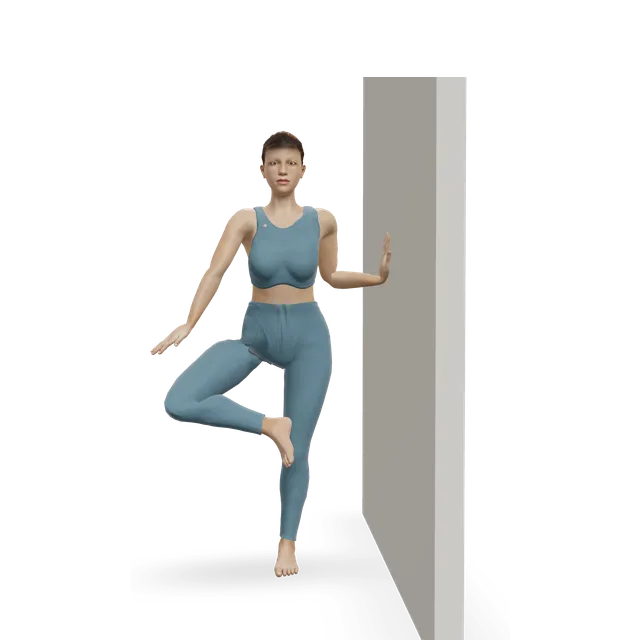 3D demoStanding figure four (chair pigeon, Eka Pada Utkatasana)Intermediate · A wall
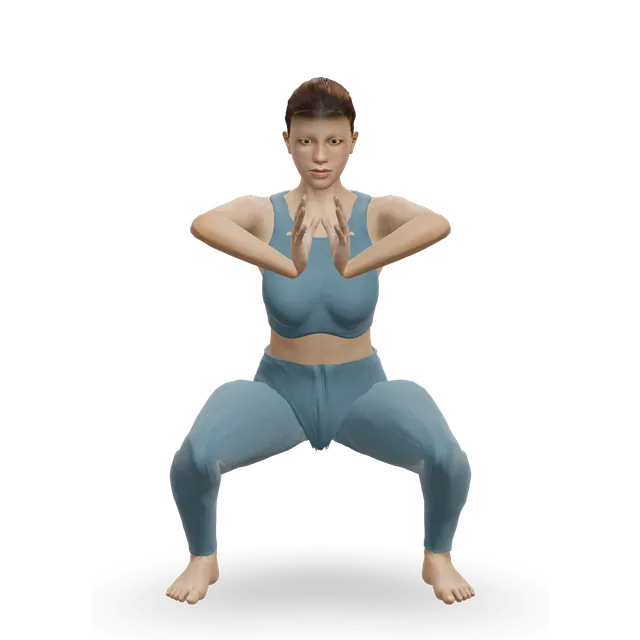 3D demoDeep squat holdIntermediate · No equipment
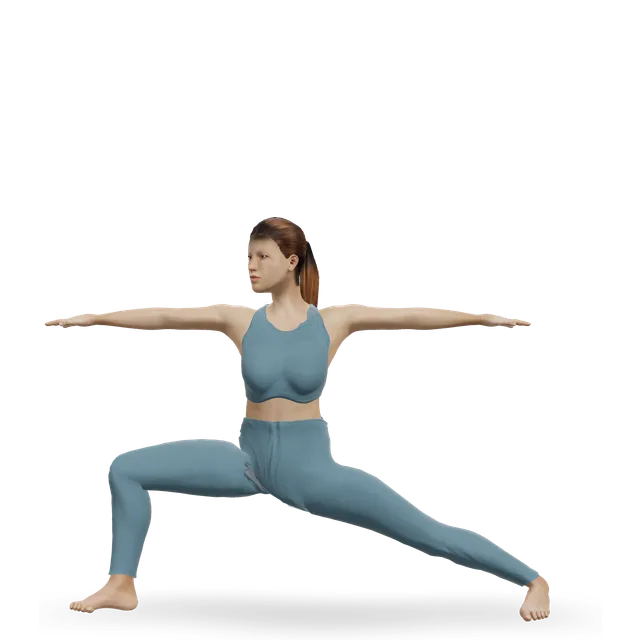 3D demoExtended side angle (Utthita Parsvakonasana)Intermediate · No equipment
 3D demoGet up and down from the floorBeginner · No equipment
Browse more
Questions people ask
What muscles does the Single-leg reach matrix work?
Mainly the quads and hip abductors, with help from the glutes and calves.
What equipment do I need for the Single-leg reach matrix?
No equipment: your body weight and a little floor space.
Is the Single-leg reach matrix good for beginners?
It is graded intermediate. If it is too hard right now, start with the Standing crossed-leg side reach.
What is an easier alternative to the Single-leg reach matrix?
Try the Standing crossed-leg side reach or the Side-stepping (sideways walking). It works similar muscles at a lower grade.
How do I make the Single-leg reach matrix harder?
Progress to the Single-leg Romanian deadlift. Follow that guide’s technique and any stated timing.