Balance is a skill you can train at any age
It uses your eyes, your inner ear and the sense of where your feet and joints are, plus leg and trunk strength, and practice improved it in older and younger adults alike.
Training guide
Balance is a skill, and like any skill it improves with practice that's hard enough to make you wobble. It depends on your eyes, your inner ear, the sense of where your feet and joints are, and the strength to correct a sway, and all of them can be trained: in trials, balance training improved balance in adults over 65 and in young adults, from beginners to elite athletes.
This guide explains why balance changes with age, illness and injury, what the falls research shows (exercise that challenges balance cut falls by about a quarter, and by about a third with strength work added), how much to do, how to make each exercise harder step by step, where tai chi and yoga fit, and a simple way to test yourself. If you've fallen, feel dizzy or your balance has changed suddenly, start with the warning signs.
It uses your eyes, your inner ear and the sense of where your feet and joints are, plus leg and trunk strength, and practice improved it in older and younger adults alike.
Exercise cut falls by 23% across 108 trials: balance and functional exercises by 24%, and by about a third with strength work added. Programmes that challenged balance for more than 3 hours a week did best.
Exercise that challenges your balance 3 or more times a week, made harder over at least 12 weeks and kept up. The UK guidelines ask older adults for strength and balance work on at least 2 days a week.
Use less hand support, a narrower stance, head turns, then eyes closed, then moving, reaching and a second task to think about.
Tai chi cut falls in the Cochrane review, and a balance-focused tai chi programme cut them in a trial of 670 older adults.
See a GP if you've had a fall or are worried about your balance. Call 999 after a fall with a possible head, neck, back or hip injury, if someone can't get up, or for sudden unsteadiness with signs of a stroke.
Keeping your body over your feet, standing still or moving, depends on your eyes, the balance organs of your inner ear, and sensors in your muscles, joints and the soles of your feet. Your brain weighs them for each task, makes small corrections before and during movement, and needs more attention when the task is harder. Leg and trunk strength turn those corrections into action, and the UK guidelines note that strength training in middle age improves balance.
Staying steady standing still, staying steady while you walk or move, bracing for a movement you've planned (such as reaching), and recovering from a trip or a push. Balance training improved all four in older adults.
Source 2
Muscles weaken with age, and conditions such as arthritis, a stroke, Parkinson's disease, low blood pressure, side effects of medicines, eyesight or hearing problems and dementia all make falls more likely. How long people can stand on one leg falls with age, balance declines quickly after the mid-50s, and 1 in 5 adults aged 51 to 75 couldn't stand on one leg for 10 seconds. At least one in three people over 65 living at home falls each year.
After an ankle sprain, people whose ankle keeps giving way balance worse on that side. Problems with the inner ear cause dizziness and unsteadiness that specific exercises help. Numb feet, side vision lost to glaucoma and a stroke all change balance too, and each has its own guide.
In a Cochrane review of 108 trials with 23,407 people averaging 76, exercise cut the rate of falls by 23% and the number of people who fell by 15%, with high certainty. Balance and functional exercises cut falls by 24%, programmes mixing balance with strength work probably by 34%, and tai chi by 19% (low certainty), with 20% fewer people falling (high certainty). Programmes of mainly strength training, dance or walking had uncertain effects.
Source 4
Exercise may cut fall-related fractures and falls needing medical care, with low certainty. Side effects were mostly minor aches.
Source 4
Across 88 trials of 19,478 people, programmes that challenged balance and added up to more than 3 hours a week cut falls by 39%. An earlier analysis of 44 trials defined challenging balance as standing with the feet closer together or on one leg, using the hands less, and practising controlled movements of the body; programmes with this, a total of more than 50 hours and no walking programme did best.
Otago, a home programme of leg strength and balance exercises with walking, cut falls by about a third (32%) and deaths over 12 months in 7 trials of 1,503 people averaging 81.6 years. Keeping going is the hard part: after a year, 36.7% of those still in the trials were exercising 3 or more times a week.
Source 19
Balance training improved steady, anticipatory and reactive balance in healthy adults over 65 (23 trials), with the biggest gains from about 11 to 12 weeks of 3 sessions a week. In healthy adults aged 16 to 40 (25 trials), it improved balance from untrained people to elite athletes, with the biggest gains in elite athletes, and the most effective programmes used 11 to 15-minute sessions of 4 exercises, 2 sets each of 21 to 40 seconds. These are comparisons across trials of modest quality.
In 670 adults aged 70 or over at high risk of falling, a balance-focused tai chi programme (Tai Ji Quan, two 1-hour classes a week for 24 weeks) cut falls by 58% compared with stretching and by 31% compared with a mixed exercise programme. Across 10 trials, tai chi cut falls by about 43% in the first year and by about 13% over longer periods.
Across 6 trials of 307 people aged 60 and over, yoga improved balance a little and mobility moderately. The authors said more research was needed to know whether that prevents falls.
Source 21
Practising balance or walking while doing something that needs thought, such as counting back, improved balance and walking and reduced falls in older adults across 44 studies of 2,782 people, though the certainty ranged from very low to moderate.
Source 11
In 522 athletes who had sprained an ankle, an 8-week home balance programme cut repeat sprains over a year by 35% (22% against 33%), even though only 23% finished it in full. In athletes aged 18 to 35, balance training cut ankle sprains by 38% across 8 trials, and an overview of 46 reviews found moderate evidence that this kind of training prevents repeat sprains.
The World Falls Guidelines say general physical activity such as walking is unlikely to prevent falls on its own, and the Cochrane review was uncertain whether walking programmes do. Walking is good for your health; balance needs practice that challenges it.
Across 39 trials of 2,441 people, exercise-based vestibular rehabilitation was safe and helped dizziness from an inner-ear problem on one side. Our vertigo guide covers it.
Source 18
Balance-challenging and functional exercises, such as sit-to-stands and stepping, 3 or more times a week, suited to you and made harder over at least 12 weeks, then kept up. Add tai chi or progressive strength training where you can.
Source 6
The UK asks older adults for activities that improve strength, balance and flexibility on at least 2 days a week; for active older adults, it suggests things like standing on one leg, walking backwards, tai chi and dance. The World Health Organization (WHO) asks older adults for varied activity that emphasises balance and strength on 3 or more days a week, such as walking backwards or sideways, or standing on one foot while you do an arm exercise.
Sideways walking (10 steps each way), the grapevine (5 crossing steps each side), the heel-to-toe walk (at least 5 steps), the one-leg stand (hold for 5 to 10 seconds, 3 times each side) and slow step-ups (up to 5 each leg), at least twice a week, near a wall or a sturdy chair.
Source 10
The US National Institute on Aging suggests about three balance sessions a week, with a chair, a person or a wall nearby. NICE (the National Institute for Health and Care Excellence) asks for falls programmes that are tailored, get harder over time and review progress. Australia's exercise scientists say programmes should be progressively challenging, ongoing and of a big enough dose. For people at risk of falls, the UK osteoporosis consensus suggests about 3 hours a week of highly challenging balance and strength training, supervised, for at least 4 months.
Balance improved most with about 11 to 12 weeks of training, 3 sessions a week, and falls programmes run for at least 12 weeks. You may feel steadier sooner, but keep going: our older adults guide notes the benefits fade when you stop.
Pick 4 or 5 balance exercises, hold or repeat each for about 20 to 40 seconds, twice, 3 times a week, and make one thing harder every week or two. Use the hardest version you can hold for about 30 seconds without grabbing your support.
Our editorial ladder, built on the falls trials' definition of challenging balance, the Otago levels and our balance workouts. With dizziness from an inner-ear problem, follow our vertigo guide instead: it makes holds harder in a different order (less hand support, then eyes closed, then slow head turns) because head movement brings the dizziness on. Over 60, keep to eyes open unless one-leg standing is easy.
Loading the 3D figure…
The movement on the figure: Single-leg stand
Move up a step when the current one feels easy for every set. The doses come from our balance workouts, the Otago-based table in one study, the NHS or the move pages, as named, or are editorial.
Each step is harder than the last:
Source 30
Along a counter, so a hand is always near:
These build the strength to recover a wobble:
For active people, and after an ankle sprain once you can walk without a limp and your clinician agrees. In the ankle sprain trial, the home programme ran 3 sessions a week of up to 30 minutes for 8 weeks, getting harder each week, and used a balance board.
Source 22
Practising getting down to the floor and back up, 5 to 8 slow times and changing the leading leg (the move page's editorial starting point), is worth doing as you get older, with someone there at first.
Pick 4 or 5, hold or repeat each for about 20 to 40 seconds, twice, and make one thing harder every week or two (our editorial starting point). Keep a counter or wall within reach; the hops and the balance board come last.
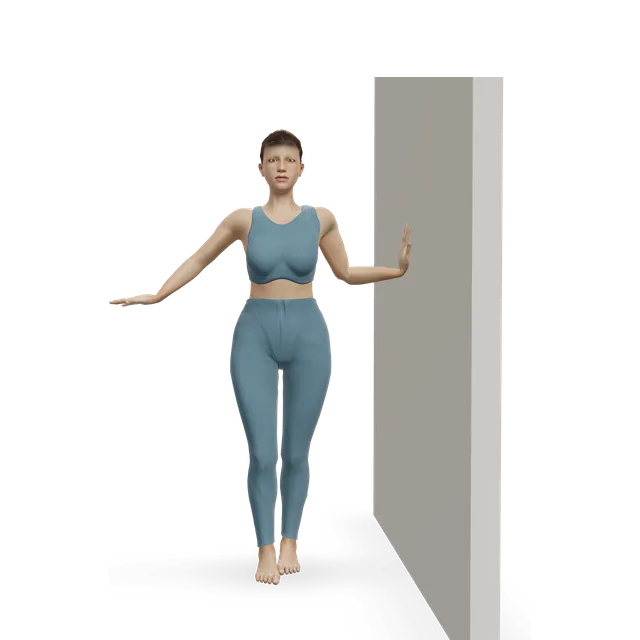 3D demoSemi-tandem stanceBeginner · A wall
 3D demoTandem stance and heel-to-toe walkBeginner · A wall
 3D demoSingle-leg standBeginner · A wall
 3D demoSide-stepping (sideways walking)Beginner · A wall
 3D demoBackward walkingBeginner · No equipment
 3D demoHeel walkBeginner · No equipment
 3D demoSit to stand from a chairBeginner · A bench or box
 3D demoStep-upBeginner · A step
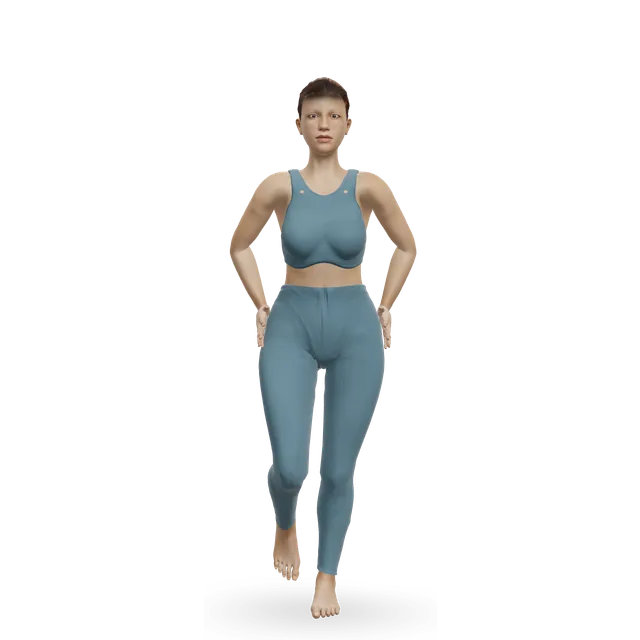 3D demoSingle-leg reach matrixIntermediate · No equipment
 3D demoSingle-leg Romanian deadliftAdvanced · A dumbbell
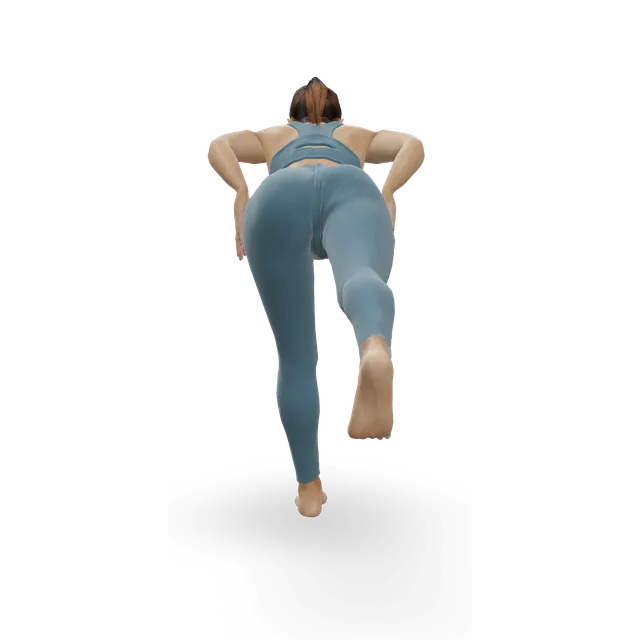 3D demoHip airplaneAdvanced · No equipment
 3D demoTree pose (Vrksasana)Beginner · No equipment
 3D demoSingle-leg hop and stickIntermediate · No equipment
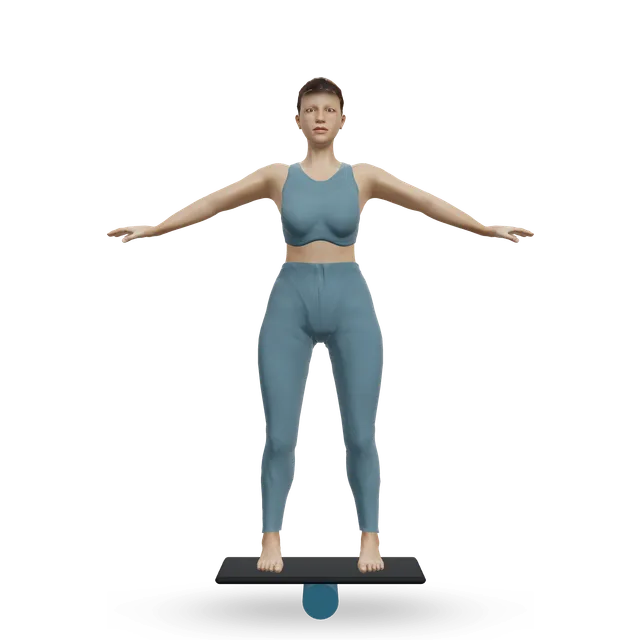 3D demoBalance board standBeginner · Other / check instructions
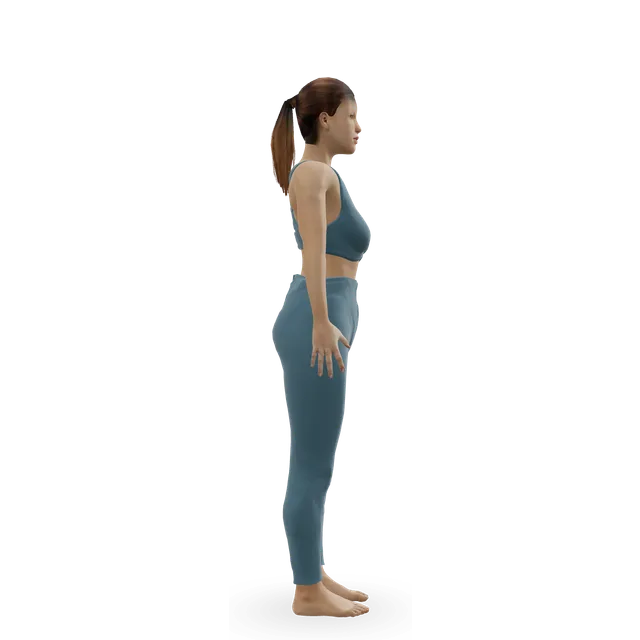 3D demoGet up and down from the floorBeginner · No equipment
Tai chi has the best falls evidence of the mind-body practices. The balance-focused programme that cut falls used two 1-hour classes a week for 24 weeks, so learn it in a class.
Yoga improved balance a little in small trials of people aged 60 and over, but it hasn't been shown to prevent falls. If falls are your worry, choose balance-challenging exercise or tai chi, and add yoga if you enjoy it.
Source 21
The UK guidelines count tai chi and dance among the activities that build balance, and moving in all directions, as in many sports, challenges it too.
Source 8
Once you can walk without a limp and your clinician agrees, practise single-leg balance 3 times a week for at least 8 weeks, a little harder each week: a home programme like this cut repeat sprains by 35%. Our ankle sprain and chronic ankle instability guides cover the rest of the rehab.
See a GP first, as dizziness has many causes. Exercises for the inner ear help when that's the cause, and our vertigo guide covers them.
Falls are what break bones. The UK consensus says people at risk of falls should build up targeted strength and balance training, ideally supervised, before brisk walking. Our osteoporosis guide has the detail.
Source 29
A stroke, Parkinson's, numb feet from neuropathy and glaucoma each change balance in their own way, and their guides set out what to do.
Stand barefoot next to a counter with your arms crossed and time how long you can stand on one leg, up to 45 seconds. Take the best of 3 tries and compare it with people your age, as our balance test does.
Source 15
In 1,702 adults aged 51 to 75, the 1 in 5 who couldn't stand on one leg for 10 seconds were more likely to die over about 7 years, after allowing for age and illness. That's a link, not a verdict: a reason to practise, and to tell your GP if you've also fallen or feel unsteady.
Source 16
If you've fallen in the past year or feel unsteady with your feet together, use the 4-stage version of our balance test with someone beside you. Times vary a lot from one day to the next, so look at the trend over months.
Try it with your eyes closed only once eyes-open standing is easy, with the counter right beside you: our balance test notes healthy adults over 60 average only 2 to 4 seconds with their eyes closed.
Our balance training workout is for adults who are already steady; the strength and balance exercises for seniors follow the Otago approach, and the vestibular routine is for dizziness.
A 20-minute balance workout for steady adults: harder stances, head turns and eyes closed, single-leg reaches and hinges, step-ups and stuck landings.
20 minIntermediate13 movesA wall, A dumbbellBalance practice in 10 minutes: tandem stance, single-leg stands, marches, heel walks, tree pose and floor transfers.
10 minBeginner7 movesA wall, A bench or boxStrength and balance in one session: squats, Romanian deadlifts, push-ups, rows, step-ups, back extensions, carries and single-leg balance.
45 minBeginner14 movesA wall, A dumbbellA 40-minute strength and balance session for over-65s, built from the Otago home programme and NHS exercises, using a chair, a counter and a step.
40 minBeginner18 movesA bench or box, Something with weightA 15-minute barefoot routine for stronger toes, arches, calves and ankles, finishing with balance. You need only a towel, a wall and a resistance band.
15 minBeginner11 movesA wall, Other / check instructionsA 20-minute warm-up that trains your knees to track over your toes: side-hip strength, squats and lunges with alignment practice, balance and quiet landings.
20 minBeginner10 movesA wall, A bandA 15-minute routine for lasting dizziness from an inner-ear problem: the vertigo guide's head and eye exercises, then balance at a counter and a short walk.
15 minBeginner7 movesA wall, Cardio machineA free 20-minute chair yoga class for older adults: slow breathing, gentle seated stretches and twists, standing poses holding the chair, and a calm finish.
20 minBeginner18 movesA bench or box, Something with weightEach builds balance work into the week alongside strength.
A 12-week exercise plan for over-65s: strength and balance three times a week, short balance sessions and daily walks, based on falls-prevention trials.
3 training days40 minBeginner3 days a weekA weekly plan for women over 50: strength, bone-loading and balance on 3 days plus walking, built on UK osteoporosis consensus advice.
3 training days45 minBeginner3 days a weekA 3-day strength plan for men over 40 with power and bone work, two cardio days and mobility, built on research on ageing muscle.
3 training days45 minBeginnerBalance work matters most for falls, and the amount that works best, more than 3 hours a week, is more than most people do. The UK guidelines say new exercises may be best supervised at first if you live with frailty, moderate to severe dementia, past spinal fractures or regular falls. Our older adults guide covers it all.
Balance training improves balance and helps prevent ankle sprains. Our knee control warm-up builds it into a sports warm-up.
Avoid activities with a high risk of falling. Our pregnancy guide suggests balance work next to a counter, and skipping one-leg stands if you have pelvic girdle pain.
Source 32
Our Parkinson's guide suggests balance work next to a counter 3 or more times a week, in an "on" time when your medicines are working, and leaving out walking backwards if you often freeze. It also passes on Parkinson's UK's advice to avoid walking and talking at the same time.
Practise in well-fitting shoes with a hand on the counter, as our balance test advises, and leave out the hops. Our peripheral neuropathy guide covers balance training and foot care.
If someone has fallen and may have hurt their head, neck, back or hip, or can't get up. For sudden unsteadiness with signs of a stroke: a face drooping on one side, weakness in one arm, or speech problems; also sudden blurred vision or loss of sight, feeling dizzy or falling over, or a severe headache. Call even if the signs stop. And for vertigo with double vision or loss of vision, hearing loss, trouble speaking, or weakness, numbness or tingling in an arm or leg.
If someone has fallen and may be in pain, injured or unwell, or for vertigo with a severe headache, being sick, or a very high temperature. In the US, contact your doctor or urgent care.
If you've had a fall, or you're worried about your balance or getting about; you may be able to refer yourself to a local falls service. See a GP, too, for dizziness that won't go away or keeps coming back, or that comes with hearing loss or ringing in the ears, double or blurred vision, numbness or weakness, fainting or headaches. NICE says a full falls assessment should be offered if you've fallen in the past year and live with frailty, were injured and needed medical treatment, lost consciousness, couldn't get up on your own, or have fallen twice or more in that year.
Stop if you feel dizzy or light-headed. Keep a counter or wall within reach, and have someone nearby for the hardest moves if you've fallen recently (our suggestion, as in our older adults guide).
Balance training improved balance in 23 trials of healthy adults aged 65 and over, and the Otago home programme cut falls by about a third in people averaging 81.6 years. Exercise cut falls by 23% across 108 trials of people averaging 76.
Walking is good for your health, but the World Falls Guidelines say walking alone is unlikely to prevent falls, the Cochrane review was uncertain whether walking programmes do, and programmes without a walking programme did better in an earlier analysis. Balance needs practice that challenges it.
It improved balance in 25 trials of adults aged 16 to 40, cut ankle sprains by 38% in athletes, and cut repeat sprains by 35% in a trial of 522 athletes.
The NHS's balance exercises use a wall, a chair and a step, and balance and functional exercises without equipment cut falls. A board is one option, as in the ankle sprain trial, not a requirement.
Strength helps, and the UK guidelines note it improves balance in middle age, but programmes of mainly strength training had an uncertain effect on falls. Balance and functional exercises, alone or with strength work, did best.
Practise it: stand and move in ways that make you a little wobbly, next to a counter or wall, 3 or more times a week, and make it harder every week or two with a narrower stance, less hand support, head turns, eyes closed and moving. Add leg strength work too: programmes that combined balance and strength cut falls by about a third.
Yes. Balance training improved balance in 23 trials of healthy over-65s, and the Otago home programme cut falls by about a third in people averaging 81.6 years. Build up gradually, and start with supervision if you've fallen or feel unsteady.
Trials found the biggest gains with about 11 to 12 weeks of training, 3 sessions a week, and falls programmes run for at least 12 weeks. You may feel steadier sooner, but keep going: the benefits fade when you stop.
About 3 times a week, as WHO, the US National Institute on Aging and the World Falls Guidelines suggest; the NHS's minimum is twice a week. For preventing falls, programmes adding up to more than 3 hours a week did best.
Ones that challenge you safely: heel-to-toe standing and walking, standing on one leg, walking sideways and backwards, step-ups, sit-to-stands and single-leg reaches, plus tai chi. Use the hardest version you can hold for about 30 seconds without grabbing your support.
Start with your fingertips on a counter and hold for 10 seconds, then without support, then build up to 30 seconds. Then add slow head turns, close your eyes with a hand hovering over the counter, and reach with your free leg; strong hips and legs help too.
Common reasons are weaker legs, less activity, medicines, low blood pressure, eyesight or hearing problems, and conditions such as arthritis, Parkinson's disease or a stroke. See a GP if it's new or getting worse, if you've had a fall, or if it comes with dizziness, hearing changes or numbness. Call 999 if it comes on suddenly with a drooping face, a weak arm or slurred speech.
Yes: tai chi cut the number of people who fell by 20% in the Cochrane review, and a balance-focused form cut falls by 58% compared with stretching in 670 adults aged 70 and over. Yoga improves balance a little, but it hasn't been shown to prevent falls.
Walking is good for your heart and your health, but walking alone is unlikely to prevent falls, the World Falls Guidelines say. Balance and strength work do. Do both.
Yes. Balance training improved balance in 25 trials of adults aged 16 to 40, from untrained people to elite athletes. In athletes it also cut ankle sprains, and repeat sprains, by about a third.
Once you can walk without a limp and your clinician agrees, practise single-leg balance and reaches 3 times a week for at least 8 weeks, making them a little harder each week. A home programme like this cut repeat sprains by 35%. Our ankle sprain guide covers the rest of the rehab.
Stand barefoot next to a counter with your arms crossed and time how long you can stand on one leg, up to 45 seconds; take the best of 3 tries and compare it with people your age, as our balance test does. Times vary from day to day, so watch the trend over months. If you're 51 to 75 and can't manage 10 seconds, practise, and tell your GP if you've also fallen or feel unsteady.
Exercise education, not a personal prescription, and clinical review of these guides is pending. Check with a GP before starting hard training if you have a heart condition, chest pain, dizziness or breathlessness when active, and stop for sharp or increasing pain. Health disclaimer.
















