Sport

Figure skating and ice skating: off-ice training, jumps and landings, injuries and safety on the ice

Figure skating asks for short, near-maximal programmes built on long training weeks: competitive skaters work at about 90% of their aerobic maximum, and every jump lands on one leg in a stiff boot. Most injuries in young competitive skaters come from overuse, in the feet, knees and back, and about 1 in 10 is a bone stress injury. Pairs, dance and synchronised skaters, and anyone at a public rink, are more often hurt in falls, to the wrists and the head.

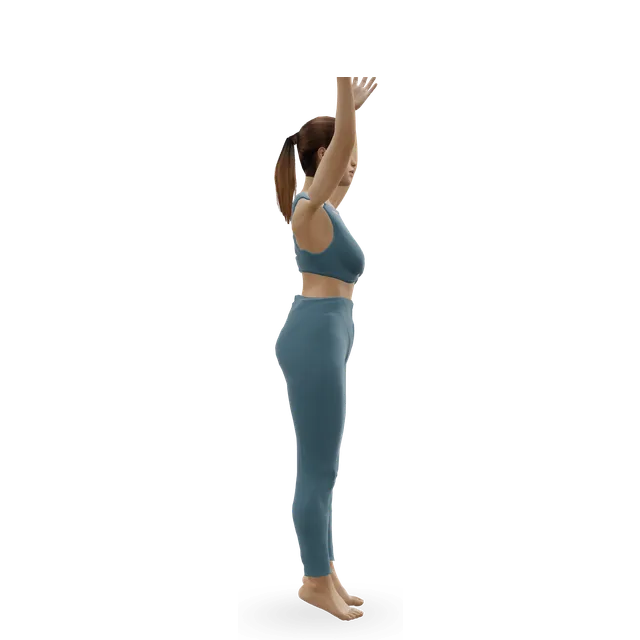
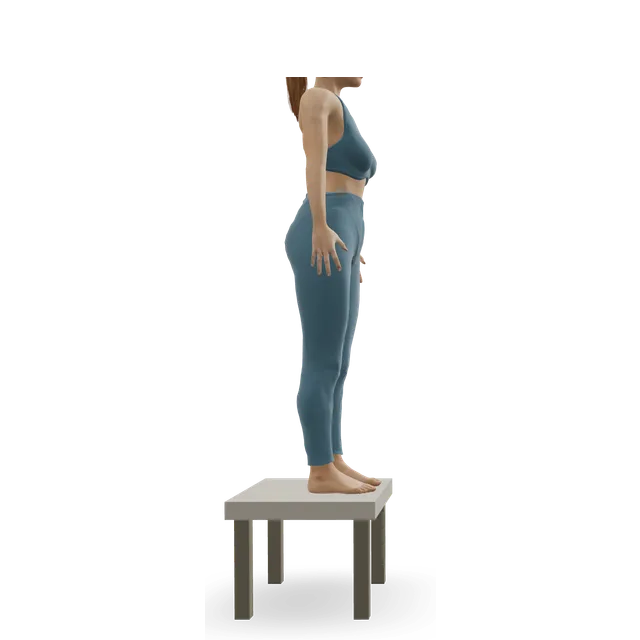
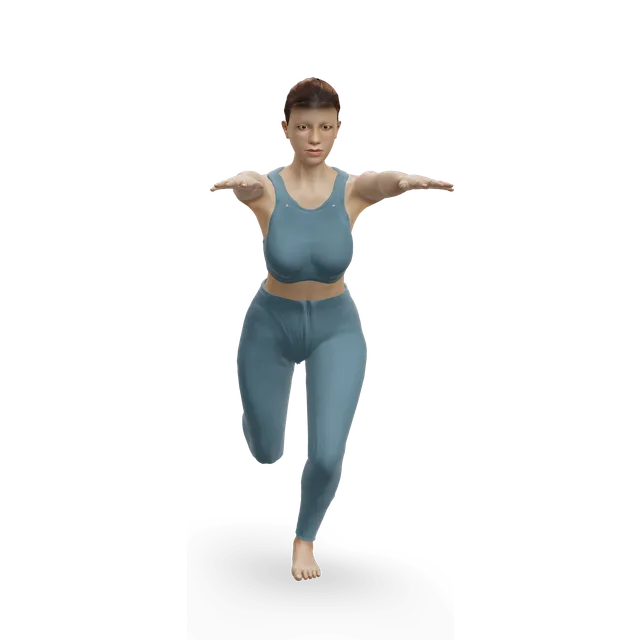
This guide covers what skating asks of your body, the common injuries, training loads and growing skaters, boots, eating enough, rink asthma, helmets and wrist guards for learners and recreational skaters, natural ice, concussion, and the off-ice training with evidence behind it. It includes a 15-minute warm-up and a 45-minute off-ice workout, with a 3D demo of every move.

The short version

Most injuries in young skaters come from overuse

In 294 young skaters seen at US sports medicine clinics, 68.9% of injuries came from overuse, mostly in the feet and ankles, knees and back, and about 1 in 10 was a bone stress injury. Stress fractures were twice as common in skaters training 12 or more sessions a week.

Sources 1, 2

Back pain that lasts needs checking

Nearly 1 in 3 young skaters seen for back pain had a stress injury at the back of a vertebra. Back pain that lasts more than a couple of weeks, or is worse when you arch back, needs a doctor.

Source 1

Train balance, landings and strength off the ice

In the one trial of off-ice training, 4 weeks of balance training improved skaters' landing control, and across other sports strength training cut injuries to under a third. No programme has been tested on skating injuries.

Sources 3, 4

Eat enough, and no comments on bodies

Young skaters who skipped more meals had more injuries, and comments about weight or shape went with disordered eating.

Sources 5, 6

At the public rink: wrists and heads

Wrist fractures are the commonest serious injury at public rinks, and children's falls on ice hit the head about four times as often as falls on wheels. Skate Canada requires a helmet for learners; wrist guards are sensible too.

Sources 7, 8, 9

Stay off natural ice

The Royal Society for the Prevention of Accidents (RoSPA): "Stay off the ice". If someone falls through, don't try to rescue them yourself: call 999.

Source 10

What figure skating asks of your body

Four disciplines

Singles skaters perform jumps of several turns, spins and step sequences. Pairs add lifts, throw jumps and death spirals; ice dance limits the height of lifts and allows jumps of no more than one turn; and synchronised teams of 16 to 20 skate linked together, at speed and in close formation. Since the International Skating Union's (ISU) 2024 Congress, backflips are no longer illegal elements for junior and senior skaters, though Skate Canada keeps them illegal in its other categories.

Sources 11, 12, 13

Short, hard programmes on long training weeksEmerging evidence

In 8 Danish elite skaters, a simulated competitive programme ran at 89% of maximal oxygen uptake, blood lactate rose from 2.0 to 8.0 mmol/L over a 4-minute run-through, and they trained 15 to 41 hours a week. In 15 American competitive skaters, aerobic fitness was about average for their age before extra training. The Compendium of Physical Activities has no figure skating value; it gives general ice skating 7.0 metabolic equivalents (METs), from measurements.

Sources 14, 15, 16

JumpsEmerging evidence

A skater has to balance time in the air against spin speed: better skaters leave the ice with more upward speed, and the spin comes from pulling the arms and legs in tight after take-off. In young skaters, harder Axel jumps needed more hip bend in the push and more calf and shin muscle activity, and in 18 junior elite skaters, jump height went with fast knee and shoulder strength. Elite and junior programmes carry many more triple and quadruple jumps than they did in 2005.

Sources 17, 18, 19, 20, 21

LandingsEmerging evidence

In barefoot one-leg landings from 20 cm, skaters landed at 3.50 times body weight against 3.13 in non-skaters, reached the peak sooner and kept their weight on a narrow strip of the forefoot. Triple jumps landed like a "collision", with less time to spread the force than singles and doubles. The landing leg becomes denser and stronger than the take-off leg, while in one series every stress fracture was in the take-off leg.

Sources 22, 23, 24, 25

Boots and range

Stiff, high boots protect the ankle but limit how far it bends: of 95 skaters of all levels, only 32% wore the right size and 51% couldn't bend their ankles properly in their skates. Spirals, laybacks and spins take the hips and spine to the end of their range.

Sources 26, 27

Recreational skating

For most people at a public rink, the demand is balance on a narrow blade on a slippery surface. Falls are frequent, and children and adults put a hand out: on video, children tried to break more than 90% of their falls with their hands.

Sources 8, 28

What to train (our reading)

Balance and landings on each leg, jump power, single-leg strength, hip and groin strength, ankles and calves, a strong trunk, short hard intervals, and, for pair skaters and dancers, upper-body strength for lifts.

Common injuries

Each study counted injuries its own way, so figures in different lines aren't comparable. Most come from Europe and North America.

How often skaters get hurtEmerging evidence

The numbers, by group:

  • 8 Danish elite skaters over a year: 1.4 injuries per 1,000 hours of training.
  • 469 skaters at four Junior World Championships: 25% of girls and 27.9% of boys reported a sudden injury, and 42.8% and 45.5% an overuse injury.
  • 294 skaters aged 9 to 19 at US sports medicine clinics, 2003 to 2017: 68.9% of 864 injuries came from overuse; girls were hurt most in the foot and ankle (29.6%), knee (19.3%) and back (15.8%), boys in the foot and ankle (25.4%), hip (16.4%) and knee (14.9%).
  • 137 young Swedish skaters: 31% had a severe injury, keeping them out for more than 21 days, in a year.
  • 164 competitive skaters: 24.4% had had a stress fracture.
  • Elite pair skaters and ice dancers over 9 months: 33 serious injuries, 11 of them from lifts and 7 caused by boots.
  • 130 adult skaters, with average ages of 43 for women and 55 for men: 56% injured in the past year, mostly sudden injuries to the legs.
  • A 2025 review of 29 studies, most of low quality: injury figures from 2.1% to 34%.

Sources 14, 29, 1, 5, 2, 30, 31, 32

Stress fracturesEmerging evidence

Stress fractures were the commonest overuse injury in female singles skaters at Junior World Championships (19.8%), mostly in the feet, ankles and shins. In one series of world-class skaters, all 9 were in the take-off leg, some after extra running off the ice. Skaters training 12 or more sessions a week had them twice as often (33.3% against 17.8%), and those who'd had one had more ordinary fractures too (45.0% against 21.8%). Our stress fracture guide covers them.

Sources 29, 25, 2

The lower backEmerging evidence

In young skaters, 42.2% of bone stress injuries were in the back, and nearly 1 in 3 skaters seen for back pain had a stress injury at the back of a vertebra (spondylolysis). Spinal problems were reported by 47.3% of senior synchronised skaters, and older age, so more years on the ice, went with more back injuries. Our back pain and spondylolisthesis guides cover these.

Sources 1, 33, 34

KneesEmerging evidence

Jumper's knee was the commonest overuse injury in male singles skaters at Junior World Championships (16.1%) and second in female singles (14.9%), and Osgood-Schlatter disease affected 14.2% of male singles skaters. At US clinics, problems at the front of the knee were the commonest knee diagnosis in young skaters. Our jumper's knee, Osgood-Schlatter and Sinding-Larsen-Johansson guides cover these.

Sources 29, 1, 35

Ankles and feetEmerging evidence

Ankle sprains are the commonest sudden injury in skating, and tendon problems the commonest foot and ankle diagnosis in young skaters. Our sprained ankle, chronic ankle instability, Achilles and peroneal tendon guides cover these.

Sources 29, 35, 1

Boot problemsEmerging evidence

In 95 skaters, 34% had bursitis deep behind the heel, 29% calluses at the back of the heel and 28% bursitis just under the skin there; oversized boots and a mismatch between boot and foot length went with them. Bursitis over the ankle bones tends to follow more training or new boots, and usually settles with boot stretching and padding; lace bite and other skin problems come from ill-fitting skates and tight lacing. Our Haglund's deformity and accessory navicular guides cover two of these; we don't have a guide to lace bite.

Sources 26, 36, 37

HipsEmerging evidence

Damage to the hip's labrum and cartilage was the commonest hip problem reported in artistic athletes. At hip arthroscopy, athletes from flexibility sports had more cartilage damage (12.0% against 2.0%) and torn ligaments inside the hip (48% against 26%) than other athletes, and 75.6% went back to their sport. Our hip impingement, hip labral tear and groin strain guides cover these.

Sources 38, 39, 1

Pairs, dance and synchronised skatingEmerging evidence

Sudden injuries are commoner in the partner and team disciplines. In elite pairs and dance, lifts caused 11 of 33 serious injuries, and pair skaters take most of the sport's arm injuries. In senior synchronised skating, head injuries were 19.8% of women's sudden injuries, 73.1% of sudden injuries on the ice happened in team elements, and seniors had more head injuries than juniors.

Sources 35, 30, 40, 33

Recreational skaters: wrists and armsEmerging evidence

Falls onto the hand break wrists and arms:

  • A temporary rink in Cambridge: 58% of injuries were fractures, 98% of them in the arms.
  • A temporary rink in Winchester, 43,000 skaters over 39 days: 43 went to the emergency department, and every fracture was in the arm.
  • A temporary city-centre rink: 2.9 injured per 1,000 skaters.
  • UK temporary rinks, 2017 to 2024: adults' hand and wrist injuries ran at about 1.7 per 10,000 skating visits; two-thirds of the bone injuries were wrist fractures, 82.9% of the injured were women, and 12% needed surgery.
  • Amsterdam's canals in January 2009: wrist fractures rose 5.5-fold, mostly in women aged 50 and over.
  • A free city rink in the US: ankle and wrist fractures were the commonest, 67% of the injured were adults, and about a third of patients needed an operation.
  • US emergency departments, 2002 to 2021: 60.0% of ice skating fractures were in the arms.

Sources 28, 41, 42, 7, 43, 44, 45

HeadsEmerging evidence

In US children treated in emergency departments, head injuries were 13.3% of ice skating injuries against 4.4% for roller skating and 5.0% for in-line skating, and concussions 4.3% against 0.6% and 0.8%; children aged 6 and under had the highest share. On video, 13.0% of children's falls on ice hit the head, against 3.0% of falls on wheels, because hands slide on ice. Our concussion guide covers the graduated return.

Sources 46, 47, 8

Blade cuts

Cuts from skate blades were 5.6% of injuries at a temporary rink in Cork. We don't have a guide to cuts; the National Health Service's (NHS) advice is in the warning signs below.

Sources 48, 37

Who's at higher riskEmerging evidence

Associations in the studies:

  • Training 12 or more sessions a week, more ice time, and training rather than competing.
  • Older young skaters, with more years on the ice.
  • Skipping meals, and signs of low energy availability.
  • A previous stress fracture.
  • Oversized boots, or boots a different length from the foot.
  • Recreational skaters: inexperience, drinking alcohol at the rink, being 50 or over on natural ice, and, in adult wrist injury series, being a woman.

Sources 2, 32, 5, 34, 26, 49, 50, 43, 7

What prevents injuries

No exercise programme, helmet rule or piece of kit has been tested on figure skating injuries. Each note says what its evidence is: a skating study, another sport's trial, or our reading.

Strength training, as in other sportsStrong evidence

Across 25 trials in other sports, strength training cut injuries to under a third and balance training to about half, while stretching made no difference. Reviews of skating recommend off-ice strength, trunk and flexibility work and watching training loads. It hasn't been tested in skaters.

Sources 4, 27, 51

Balance and landing trainingEmerging evidence

In the one randomised trial of off-ice training, 44 skaters with an average age of 18 did supervised neuromuscular training or basic exercises 3 times a week for 4 weeks. Landing balance with the eyes closed improved by 21.0% after the neuromuscular training and worsened by 4.9% after the basic exercises. The trial measured balance, not injuries, and its summary doesn't list the exercises.

Source 3

Count jumps and build up graduallyEmerging evidence

Stress fractures were twice as common with 12 or more sessions a week, and a 2025 review lists more ice time among the risk factors. None of 16 UK elite skaters monitored how many jumps they did. Count jumps on and off the ice, build them up gradually, and keep at least one rest day a week (our suggestion).

Sources 2, 32, 52

Growth spurtsEmerging evidence

The authors of the Junior World Championships study advise posture, flexibility and strength work, especially while bones grow faster than muscles and tendons. British Gymnastics' growth-spurt advice, on our gymnastics page, is the closest published guidance: modify training, go back to basics, and keep flexibility rather than pushing for more.

Source 29

Boots that fitMixed evidence

Only 32% of skaters wore the right size, and oversized boots went with heel bursitis and skin damage; 7 of 33 serious injuries in elite pairs and dance skaters were caused by boots. A review advises boots "as flexible as the skater can control", carefully fitted. No trial has tested boot fitting, but it's sensible and low-risk (our reading).

Sources 26, 30, 51

Hinged boots and damping bladesMixed evidence

Articulated (hinged) boots lowered heel forces in off-ice tests, but skaters didn't use the hinge on the ice, and a prototype damping blade cut simulated landing forces by 10% to 14% in the laboratory. Neither has been tested on injuries.

Sources 53, 54

Helmets for learnersEmerging evidence

Falls on ice hit the head more often than falls on wheels, and Skate Canada requires helmets for learners. Rink helmet policies raised helmet use without fewer people coming to skate, but no study has measured head injuries afterwards. The helmets section below has the details.

Sources 8, 46, 55, 56, 9

Wrist guards and how to fallEmerging evidence

No trial has tested wrist guards in ice skaters. The evidence is borrowed: in-line skaters without them had about 10 times the odds of a wrist injury, and in snowboarding trials guards cut wrist injuries by about three-quarters. In laboratory falls, squatting, bending the elbows and rolling cut the impact.

Sources 57, 58, 59

What isn't shownMixed evidence

Measures without good evidence in figure skating:

  • An injury prevention programme: none has been tested, and a 2025 review calls the evidence poor.
  • Stretching to prevent injuries: no effect across other sports, and adult skaters who warmed up and stretched weren't injured less.
  • Helmets cutting skaters' head injuries: likely, but not measured.
  • Wrist guards for ice skaters: borrowed evidence only.
  • Concussion headbands: we found no study.

Sources 32, 4, 31

Training for performance

Strength and jumps: what's knownEmerging evidence

No randomised trial of strength or jump training in figure skaters has been published. In 18 junior elite skaters, jump height went with fast knee and shoulder strength. In 27 university synchronised skaters, the number of strides on a slide board in 30 seconds best predicted lap speed on the ice, and vertical jump height came second. At a US Figure Skating testing day, senior and junior skaters were faster and stronger off the ice than novices. A biomechanics review suggests box jumps and medicine-ball throws on one or both legs. These are associations.

Sources 19, 60, 61, 17

Jump training, borrowed from gymnastics

In a randomised trial in 20 young gymnasts, two extra hour-long sessions of jumps a week for 6 weeks raised their jump height: see our gymnastics page and our jump guide. It's the closest model for skaters (our reading).

Balance on both legs, and the hipsEmerging evidence

Balance training improved landing control in the one off-ice trial. Female elite skaters reached less far on their landing leg in one direction of a balance test, and some elite skaters' knees drifted inwards in single-leg squats, which the authors linked with weak hip muscles. Train both legs, and the muscles at the side of the hip (our reading).

Sources 3, 62, 63

ConditioningEmerging evidence

Competitive programmes run at close to 90% of maximal oxygen uptake. In 15 skaters randomised for 10 weeks, extra off-ice cycling raised peak oxygen uptake from 50.7 to 55.9 ml/kg/min and doubled how long they could keep up a very hard effort (from 1.31 to 2.69 minutes), while on-ice training alone didn't. One or two interval sessions a week on a bike or rowing machine in the months before competition fit this (our suggestion); our HIIT (high-intensity interval training) guide explains how.

Sources 14, 15

Flexibility you can controlMixed evidence

Spirals, laybacks and spins need range you can hold and control. Tight hamstrings and thigh muscles are among the possible risk factors in a 2025 review, but stretching programmes didn't prevent injuries in other sports. Our splits guide explains building range you can use, and in a growth spurt keep flexibility rather than pushing for more.

Sources 32, 4

BoneEmerging evidence

Young skaters had denser bone in the pelvis and legs than non-athletes, singles skaters more than ice dancers, and the landing leg more than the take-off leg, but elite skaters' forearm bone was below average. Eating enough protects bone, and upper-body strength work is a sensible addition (our suggestion).

Sources 64, 65, 24, 66

Peaking before a competition (our suggestion)

No taper study has been done in figure skating. Cut off-ice volume over the last 7 to 10 days before a major competition, keep a few short, fast jumps, run your programmes at competition intensity, and don't add new elements that week.

Fitting it around skating

Off-season: 2 to 3 off-ice strength and landing sessions a week (the balance trial used 3) and 1 or 2 conditioning sessions. In season: 1 or 2 shorter strength sessions early in the week, and no maximal jumping or heavy leg work in the 48 hours before a competition (our suggestion).

Young skaters: build jump totals gradually and keep sessions below 12 a week where you can (our suggestion), and do strength training with a qualified adult watching, as our children's guide explains. Adults and recreational skaters: lessons, a helmet while learning and wrist guards matter more than any exercise.

Sources 3, 2, 67

Helmets and wrist guards for learners and recreational skaters

Skate Canada's helmet ruleStrong evidence

Skate Canada's helmet use policy (last updated 8 December 2021): all CanSkate and Adult CanSkate skaters "up to and including Stage 5 must wear a CSA approved hockey helmet while on the ice" (CSA: the Canadian Standards Association's certification), and so must "anyone who lacks good control/balance when skating forward, backward and has difficulty stopping", in every Skate Canada programme. Clubs enforce it at competitions and carnivals, and older skaters who choose to wear one aren't marked down.

Source 9

In the UK

We didn't find a helmet rule or learn-to-skate helmet guidance from British Ice Skating among its published policies. A helmet makes sense for children learning, for anyone who can't yet stop, and on busy or outdoor ice (our suggestion).

Why learners' heads are at riskEmerging evidence

On video, children falling on ice tried to break more than 90% of their falls with their hands, but hands slide on ice, so 13.0% of falls hit the head, against 3.0% on wheels. In one US children's hospital, head injuries were 20.0% of ice skating injuries against 4.9% of in-line skating injuries, and nationally, ice skaters had the most concussions of any skating type.

Sources 8, 46, 47

Rink helmet policiesEmerging evidence

An all-ages policy at a Canadian university rink raised helmet use from 10% of adults and 97% of children under 12 to 99% of all skaters, with the same number of people skating. Ottawa's policy for children under 11 and inexperienced skaters at indoor public sessions raised helmet use, without fewer people coming. Neither study measured head injuries afterwards.

Sources 55, 56

Which helmetStrong evidence

Skate Canada names a CSA-approved hockey helmet; we found no helmet standard made for ice skating. A certified hockey or bicycle helmet that fits snugly is better than none (our suggestion).

Source 9

Wrist guards at the rinkEmerging evidence

The authors of rink and natural-ice studies recommend wrist protection, and the video researchers suggested a guard with a non-slip palm for children on ice, an idea that hasn't been tested. No trial has been done in ice skaters; in-line skaters without guards had about 10 times the odds of a wrist injury, and in snowboarding trials guards cut wrist injuries by about three-quarters.

Sources 28, 43, 8, 57, 58

Falling wellEmerging evidence

In laboratory falls, squatting in backward falls, bending the elbows in forward falls and rolling in sideways falls all cut the impact. Older guidance for rinks adds elbow and knee pads and thick gloves for beginners, and no alcohol at the rink.

Sources 59, 49, 50

Young skaters: hours, growth and eating enough

Training hours and specialising earlyEmerging evidence

In 132 young female skaters, the 62% who had specialised trained 11.3 hours a week against 7.6, though back injury rates were similar. An expert consensus found no proven benefit from early specialisation in most sports; as our children's guide explains, it names figure skating as a possible exception, because the top level comes in the teens and early twenties. Children who train more hours a week than their age in years should be watched for overuse injury and burnout.

Sources 2, 34, 68

Disordered eating and comments on bodiesEmerging evidence

In 57 young skaters, 35.1% screened positive for an eating disorder or disordered eating, and 51.8% had had comments about their weight or shape, which went with positive screens; fewer than 16% had heard of relative energy deficiency in sport (REDs). In 712 young female skaters, dancers and runners, 60% were at risk on a scale for the female athlete triad, and elite synchronised skaters' ideal body shape differed from how they saw their own.

Sources 6, 69, 70

Eating enoughStrong evidence

The International Olympic Committee's 2023 consensus: low energy availability harms health and performance in both sexes, and can happen without meaning to. In 74 young artistic athletes, including 14 skaters, 45.9% showed at least one main sign of REDs. Young skaters who skipped more meals had more injuries, and 44% of UK elite skaters had been diagnosed with a nutritional deficiency.

Sources 66, 71, 5, 52

What helps (our suggestion)

Coaches don't comment on bodies or weigh skaters. Skaters eat enough for training, including around early-morning ice sessions. Periods that stop or become irregular need a GP. Our eating disorders and menstrual cycle guides explain more.

Boots and feet

Fit firstEmerging evidence

Only 32% of 95 skaters wore the right size, and oversized boots and a boot that didn't match the foot's length went with bursitis and skin damage. A review advises boots as flexible as the skater can control, carefully fitted. Lace bite and pressure sores come from ill-fitting skates and lacing.

Sources 26, 51, 37

Bursitis and pressure bumpsMixed evidence

Bursitis over the ankle bones usually settled with boot stretching and padding, and most skaters could keep skating without surgery. A boot fitter can stretch the boot over a bony bump, and padding helps while it settles (our suggestion). Our Haglund's deformity and accessory navicular guides cover two common bumps.

Sources 36, 26

Rink asthma and rink air

Exercise-induced asthmaEmerging evidence

When tested at the rinkside, 30% of 100 and 35% of 124 competitive skaters had airways that narrowed with exercise, and the authors call for screening. Cough, wheeze or a tight chest after skating needs a GP. Our asthma guide explains warm-ups with short, hard bursts and using inhalers as your plan says.

Sources 72, 73

Rink airEmerging evidence

In the 1990s, indoor rinks with fuel-powered ice resurfacers had far more nitrogen dioxide than the air outside (a median of 180 parts per billion in 70 US rinks), up to 40% of 332 rinks in 9 countries were estimated to exceed the World Health Organization's 1-hour guideline, and rinks with electric resurfacers had the lowest levels. We didn't find current UK figures.

Sources 74, 75

Natural ice: stay off

RoSPA's adviceStrong evidence

"Stay off the ice": "Frozen water can look stronger and more solid than it really is. If the ice cracks and you fall into freezing water, you're at risk of hypothermia, cardiac arrest and drowning." Supervise children near frozen water, keep dogs on a lead, and if someone is in trouble in freezing water, don't attempt a rescue: call 999 and give clear information about where you are.

Source 10

HypothermiaStrong evidence

Signs include shivering, pale, cold and dry skin, slurred speech, slow breathing, and tiredness or confusion. The NHS: go to A&E (accident and emergency) or call 999 if you think you or your child have hypothermia.

Source 76

Wrists on natural iceEmerging evidence

When Amsterdam's canals froze in January 2009, wrist fractures rose 5.5-fold, mostly in women aged 50 and over, and the authors suggest wrist protection when natural ice returns.

Source 43

Concussion: which rules apply

The UK guidelinesStrong evidence

The UK guidelines for grassroots sport: if in doubt, sit them out; off the ice straight away and no return that day; assessed within 24 hours by a healthcare professional or NHS 111; relative rest, then a graduated return; and no competition before day 21. A suspected neck injury is moved only by trained healthcare professionals. We didn't find a concussion policy from British Ice Skating. Our concussion guide sets out each stage.

Source 77

A return to skating for elite skaters (expert commentary)Mixed evidence

A 2025 clinical commentary adapts the international return-to-sport steps for elite skaters: at the sport-specific step, stroking, edge work, step sequences and choreography only, with no multi-turn jumps or fast spins and away from partner work; jumps, spins and inversions such as laybacks and death spirals come back gradually after that, and skaters need several full days of normal training before competing. It's expert commentary, not a tested protocol, and in the UK it sits inside the guidelines above.

Source 11

A warm-up for figure skating

Built on the site's warm-up guide (editorial): no warm-up has been tested on skating injuries. The doses come from the site's gymnastics, skateboarding and ice hockey warm-ups; the one-leg balance follows the off-ice balance trial, and the short bursts the asthma guide's advice. The tuck jumps and sprints are editorial.

  1. Raise: 2 × 20 m of skipping, then 60 seconds of jumping jacks.
  2. Ankles: 5 ankle circles each way on each ankle, then 8 slow knee-to-wall rocks each side, before your boots hold your ankles still.
  3. Hips and spine: 8 front and 8 side leg swings each leg, 2 slow hip circles each leg and 6 slow rounds of cat-cow. Never force spirals or laybacks while you're cold.
  4. Activate: 10 band walks each way, knees pushing out against the band.
  5. Balance in the landing position: 2 × 30 seconds on each leg, free leg back and arms out; close your eyes only when it's easy.
  6. Land: 2 × 20 small ankle bounces, 2 × 5 snapdowns, 3 single-leg hops and sticks on each leg, holding each landing for 2 seconds, then 2 × 3 tuck jumps with your arms pulled in tight.
  7. Short bursts: 3 × 10 seconds fast, walking back between.
  8. On the ice: stroking and edges first, then spins, then jumps from singles upwards. Learners wear a helmet until they can stop and control their skating.

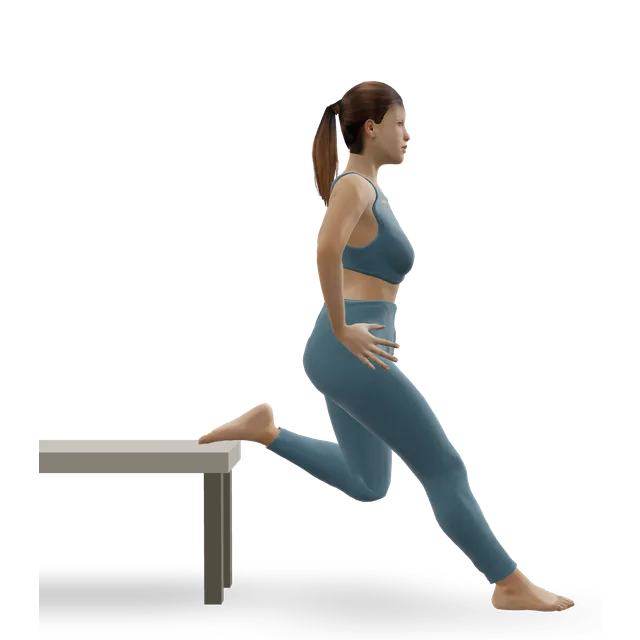
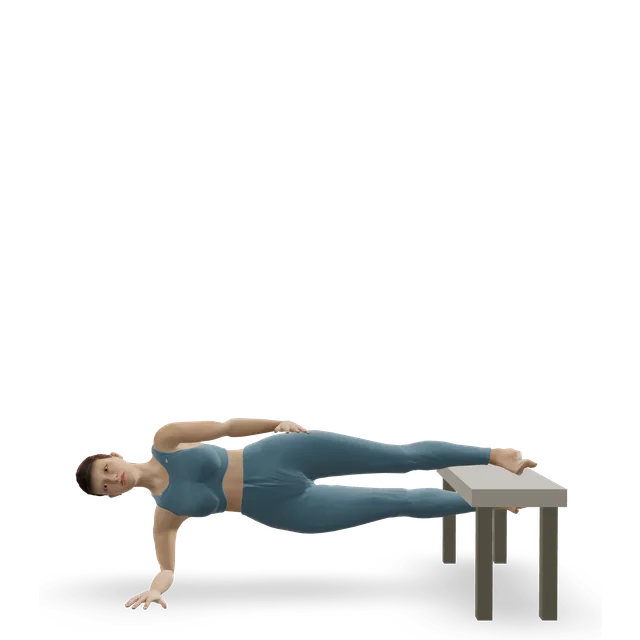
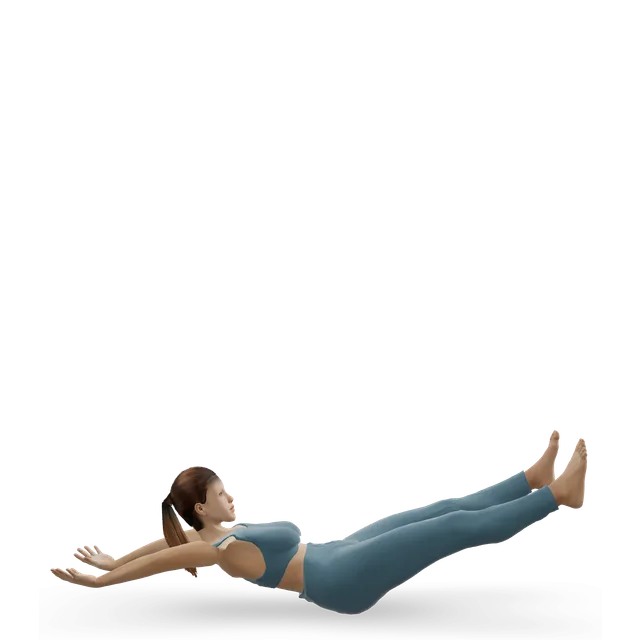
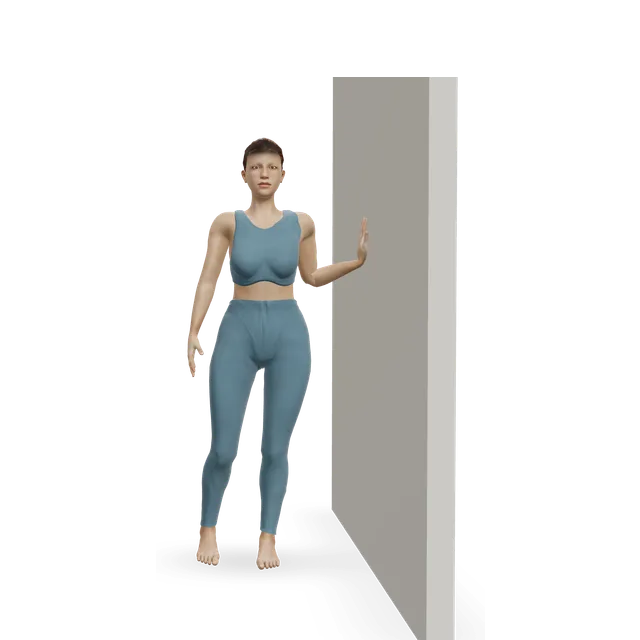
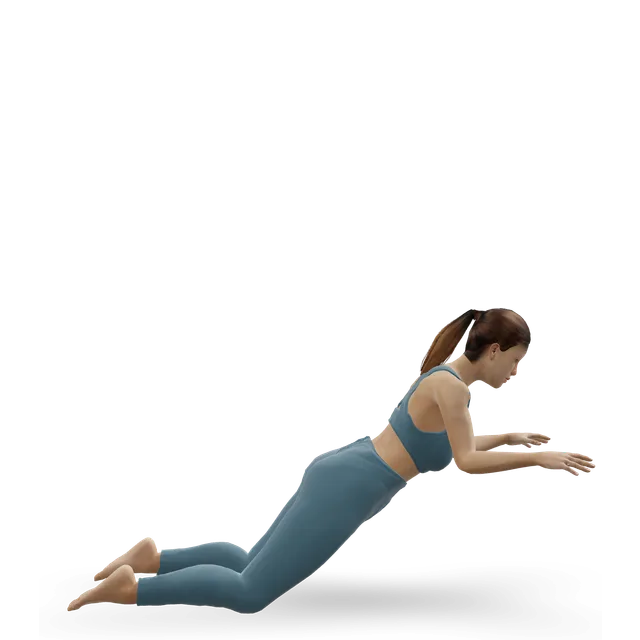
Loading the 3D figure…

Gets into position, then repeats the movement. Technical checks passed; qualified exercise review is pending.

The movement on the figure: Single-leg hop and stick

Moves for figure skating

The off-ice workout's balance, landings, jumps, legs, hips, ankles and trunk. Each has a 3D demo.

Workouts

The first two are new: an off-ice workout and a warm-up. The others add gymnastics and hockey conditioning, jumps, balance, ankles, groins, splits, intervals and light exercise after a concussion.

Off-ice workout for figure skaters: landings, jumps, legs, hips, ankles and trunk

A 45-minute off-ice session for skaters: landing-position balance, drop landings, hops, jump squats, tuck jumps, bounds, single-leg strength, groins and trunk.

45 minIntermediate22 movesA wall, Other / check instructions

Figure skating warm-up: ankles, hips, spine, balance and landings before the ice

A 15-minute off-ice warm-up for skaters: skips, ankle circles and rocks, leg swings, hip circles, cat-cow, band walks, landing balance, jumps and bursts.

15 minBeginner15 movesA wall, A band

Gymnastics conditioning workout: jumps, landings, wrists, shoulders and trunk

A gymnastics conditioning session: jumps from the youth vault trial, landings, wrist and shoulder strength, wall handstands, and hollow and arch holds.

45 minIntermediate22 movesOther / check instructions, A step

Off-ice hockey workout: jumps, legs, groins and trunk

A 50-minute off-ice session for ice hockey: lateral bounds and broad jumps, squats, split squats, single-leg hinges, chin-ups, Copenhagen planks and trunk work.

50 minIntermediate13 movesA wall, A band

Vertical jump workout: landings, jumps and strength

A staged jump session for 8 weeks: landings and small jumps, then box and broad jumps, then depth jumps, each followed by squats, hinges and calf work.

40 minIntermediate16 movesA step, A bench or box

Plyometric workout

An advanced jump training session: pogo hops, box jumps, split squat jumps, broad jumps and depth jumps.

30 minAdvanced8 movesA bench or box, A step

Balance exercises routine

Balance practice in 10 minutes: tandem stance, single-leg stands, marches, heel walks, tree pose and floor transfers.

10 minBeginner7 movesA wall, A bench or box

Foot and ankle strengthening routine: toes, arches, calves and balance

A 15-minute barefoot routine for stronger toes, arches, calves and ankles, finishing with balance. You need only a towel, a wall and a resistance band.

15 minBeginner11 movesA wall, Other / check instructions

Hamstring and groin injury prevention

The Nordic hamstring and Copenhagen adduction programmes from the football trials: a 10-week build, three adductor levels, then once a week in season.

15 minIntermediate6 movesA wall, An anchor point

Splits stretching routine

Front-split and middle-split days: hip flexor, hamstring and inner-thigh stretches, then strength in the stretched position. Alternate them 3 to 4 times a week.

25 minIntermediate16 movesA wall, An anchor point

Cardio intervals workout

A 25-minute interval session on a bike or rower: one-minute hard efforts with two minutes easy, building from 4 to 8 rounds.

25 minIntermediate1 movesCardio machine

Light exercise after a concussion: the stage 3 session

A 20-minute light session after a concussion: a symptom check, 10 to 15 minutes of easy cycling or walking, gentle bodyweight moves and a cool-down.

20 minBeginner8 movesCardio machine, A bench or box

Plans

Two strength sessions a week sit well alongside skating; skip the heavy days in competition weeks.

Who should check first

Everyone: seven questions

The PAR-Q+ (Physical Activity Readiness Questionnaire for Everyone) asks about a heart condition or high blood pressure, chest pain, dizziness or losing consciousness, other long-term conditions and their medicines, a bone or joint problem that activity could make worse, and being told to exercise only under supervision. If you answer yes to any, check with your doctor or a qualified exercise professional first. If you're over 45 and not used to hard exercise, ask a qualified exercise professional before the hardest sessions, and delay if you're ill.

Source 78

Learners, children and adults

Falls on ice hit the head more often. Wear a snug, certified helmet until you can stop and control your skating, take lessons, and choose quieter sessions (our suggestion).

Sources 8, 9

Adults over 50, people with osteoporosis, or after a wrist fracture

Wrist fractures on the ice were commonest in women, and in women aged 50 and over on natural ice. Wear wrist guards and hold the barrier while learning (our suggestion); our osteoporosis guide has more. After a scaphoid fracture, no skating until you're cleared, as our scaphoid fracture guide explains.

Sources 43, 7

Young skaters training 12 or more sessions a week, or in a growth spurt

Stress fractures were twice as common with 12 or more sessions a week, and older young skaters had more injuries and back injuries. Count jumps and build up gradually; follow the growth-spurt advice on our gymnastics page.

Sources 2, 5, 34

Back pain that lasts, or bone pain that builds

Back pain that lasts more than a couple of weeks or is worse arching back, and bone pain that builds with training, need a GP or sports physiotherapist before more jumping. Our spondylolisthesis and stress fracture guides explain why.

Sources 1, 2

Skipped meals, missed periods or comments about your body

See a GP, and tell the club's welfare officer about comments on bodies (our suggestion). Our eating disorders and menstrual cycle guides explain more.

Sources 5, 6, 66

Cough, wheeze or a tight chest after skating

About a third of competitive skaters tested at the rinkside had exercise-induced asthma. See a GP; our asthma guide explains more.

Sources 72, 73

Pregnant

The NHS: "do not do sports or activities where there's a risk of falling or bumping your tummy". Skating carries that risk (our reading). Talk to your midwife; our pregnancy guide has safer options.

Source 79

People with epilepsy

Our epilepsy guide explains that in the International League Against Epilepsy's grouping, skating is a sport where a seizure could injure you but not others. Wear a helmet, and never skate on natural ice (our suggestion).

A concussion that hasn't cleared

No skating until you're cleared under the UK guidelines' graduated return, and no competition before day 21.

Source 77

When to stop and get help

A head injury: call 999

The NHS says to call 999 if someone has hit their head and:

  • Has been knocked out and hasn't woken up, or can't stay awake or keep their eyes open.
  • Has a fit (seizure).
  • Has fallen from a height of more than 1 metre or 5 stairs, such as a fall from a lift.
  • Has problems with their vision or hearing, or clear fluid coming from their ears or nose.
  • Has new numbness or weakness in any part of their body, or problems with walking, balance, understanding, speaking or writing.
  • Has a head wound with something inside it, or a dent in their head, or their behaviour has changed.

Source 80

Suspected concussion

Off the ice: if in doubt, sit them out. No return that day, and an assessment within 24 hours by a healthcare professional or NHS 111. Get help from NHS 111 straight away if they're being sick, feel dizzy, take medicine that thins the blood, or had been drinking alcohol.

Sources 77, 80

A neck injury after a fall from a lift or throw

Don't move them: the UK guidelines say someone with a suspected neck injury should be moved only by healthcare professionals with the right training. Call 999 (our suggestion).

Source 77

A wrist or arm injury

Go to A&E or call 999 if the arm or wrist is numb, tingling or has pins and needles, a bone is sticking out, or it has changed colour or shape or is at an odd angle. Get help from NHS 111 if it's very painful, you can't use it, or the swelling or bruising is large or getting worse. Pain in the hollow at the base of the thumb after a fall needs checking the same day: see our scaphoid fracture guide.

Source 81

An ankle or knee injury

Call 999 or go to A&E if you heard a crack, the joint has changed shape or points at an odd angle, it's numb or tingling, or the skin around it is blue or grey or cold. Get help from NHS 111 if you can't put any weight on it or walk more than a few steps. Go to A&E for a knee that has changed shape, swelled very quickly, or went with a pop or snap.

Sources 82, 83

Blade cuts

Call 999 or go to A&E if a cut won't stop bleeding, the blood spurts out bright red, you lose feeling near the wound or can't move it properly, there's a bad cut on your face or palm, or the wound is very large or deep.

Source 84

Back pain after a fall

Call 999 or go to A&E for back pain after a serious accident, with pain, tingling, weakness or numbness in both legs, loss of feeling around your genitals or anus, or changes in your bladder or bowels.

Source 85

Someone through the ice

Don't attempt a rescue: call 999. Once they're out, shivering, pale, cold skin, slurred speech, slow breathing, tiredness or confusion can mean hypothermia: go to A&E or call 999.

Sources 10, 76

Fainting or chest pain: call 999

Call 999 if someone faints while exercising, or has chest pain that doesn't go away, spreads to the arms, neck, jaw, stomach or back, or comes with sweating, feeling sick, light-headedness or breathlessness.

Sources 86, 87

Myths

"Figure skating isn't really a fitness sport"Emerging evidence

In 8 elite skaters, a competitive programme ran at 89% of maximal oxygen uptake, with blood lactate at 8.0 mmol/L after 4 minutes, and skaters land harder than non-skaters.

Sources 14, 22

"Skating injuries are just bad falls"Emerging evidence

In young competitive skaters, 68.9% of injuries came from overuse. Falls matter most in the partner and team disciplines and at public rinks.

Sources 1, 35, 28

"A young skater's back pain is just a strain"Emerging evidence

Nearly 1 in 3 young skaters seen for back pain had a stress injury at the back of a vertebra. Pain that lasts more than a couple of weeks, or is worse arching back, needs checking.

Source 1

"Helmets are only for hockey"Emerging evidence

Children's falls on ice hit the head about four times as often as falls on wheels, and Skate Canada requires helmets for learners. No study has measured whether helmet rules cut head injuries.

Sources 8, 46, 9

"Skaters should be light, so eat less"Emerging evidence

No study shows that weighing less makes skating safer. Skipped meals went with more injuries, comments about weight with disordered eating, and low energy availability harms bone and performance.

Sources 5, 6, 66

"Stretching before skating prevents injuries"Strong evidence

Across other sports, stretching programmes didn't prevent injuries while strength training did, and adult skaters who warmed up and stretched weren't injured less.

Sources 4, 31

"Ice skating is bad for your knees"Mixed evidence

We found no study showing that recreational skating harms knees. Jumper's knee and Osgood-Schlatter disease are overuse problems in competitive jumpers.

Source 29

"Frozen ponds are safe if the ice looks thick"Strong evidence

RoSPA: frozen water can look stronger and more solid than it really is. Stay off the ice.

Source 10

Questions people ask

What off-ice training do figure skaters need?

Balance and landing practice on each leg, jumps, single-leg strength, hip and ankle work, and trunk strength. In the one off-ice trial, 4 weeks of supervised balance-based training 3 times a week improved landing control, and jump height went with fast knee strength. Our off-ice workout puts these together.

How can I jump higher in figure skating?

Height comes from a powerful push off the ice, and better skaters leave the ice faster upwards. Jump training raised jump height in a trial in young gymnasts, and leg strength and power work, built up gradually, is the closest evidence for skaters. Our jump guide explains the method.

What are the most common figure skating injuries?

Ankle sprains are the commonest sudden injury and jumper's knee the commonest overuse injury. In young competitive skaters, overuse injuries of the foot and ankle, knee and back lead, and about 1 in 10 injuries is a bone stress injury. Recreational skaters mostly break wrists in falls.

Is ice skating good exercise?

Yes. The Compendium of Physical Activities rates general ice skating at 7 METs, a vigorous effort, and it trains balance too. Wear a helmet while you learn, and consider wrist guards.

Should children wear a helmet for ice skating?

Children's falls on ice hit the head about four times as often as falls on wheels, and Skate Canada requires a CSA-approved hockey helmet until skaters can control their skating and stop. There's no UK rule, but a snug, certified helmet is sensible while learning.

Do wrist guards help at the ice rink?

No trial has tested them in ice skaters, but wrist fractures are the commonest serious injury at public rinks. Guards cut wrist injuries in in-line skaters and snowboarders, so they're a sensible choice, especially for adults and beginners.

Why does my back hurt from figure skating?

Repeated landings and arched positions load the lower back, and in young skaters back pain is often a bone stress injury: nearly 1 in 3 at one group of clinics. Pain that lasts more than a couple of weeks or is worse arching back needs a doctor. Our spondylolisthesis guide explains more.

How many hours should a young skater train?

There's no agreed limit. Stress fractures were twice as common with 12 or more sessions a week, and children who train more hours a week than their age in years have more overuse injuries. Build jumps up gradually and keep rest days.

What happens after a concussion in skating?

Off the ice at once, checked within 24 hours, then a graduated return, with no competition before day 21 under the UK guidelines. An expert commentary for elite skaters, not a tested protocol, brings back stroking and edges first and jumps, spins and inversions later.

Is it safe to skate on a frozen pond or lake?

RoSPA says stay off the ice: it can look stronger than it is, and falling through risks hypothermia, cardiac arrest and drowning. If someone falls in, don't try to rescue them yourself: call 999.

Sources

  1. Kowalczyk 2021 · Pediatric and Adolescent Figure Skating Injuries: A 15-Year Retrospective Review (Clin J Sport Med)
  2. Naylor 2023 · Distribution and risk factors for stress fractures in competitive figure skaters and association with acute fractures (Phys Sportsmed)
  3. Kovacs 2004 · Effect of training on postural control in figure skaters: a randomized controlled trial of neuromuscular versus basic off-ice training programs (Clin J Sport Med)
  4. Lauersen 2014 · The effectiveness of exercise interventions to prevent sports injuries: a systematic review and meta-analysis of randomised controlled trials (Br J Sports Med)
  5. Jederström 2021 · Determinants of Sports Injury in Young Female Swedish Competitive Figure Skaters (Front Sports Act Living)
  6. Tietzen 2026 · Eating Disorders and Disordered Eating in Figure Skaters: Prevalence, Associations, and Athlete Experiences (Clin J Sport Med)
  7. Khin 2025 · Slippery Consequences: An Eight-Year Review of Temporary Ice Rink-Related Hand and Wrist Injuries at a Major Trauma Centre (Cureus)
  8. Knox 2006 · Video analysis of falls experienced by paediatric iceskaters and roller/inline skaters (Br J Sports Med)
  9. Skate Canada 2021 · Helmet use policy (created 25 July 2017, last updated 8 December 2021)
  10. Royal Society for the Prevention of Accidents (RoSPA) · Winter water safety
  11. Freund 2025 · Elite Figure Skaters Return to Sport Strategy Following Sports-Related Concussion: A Clinical Commentary (Int J Sports Phys Ther)
  12. Skate Canada 2024 · 2024 ISU Congress summary of changes (notice board, 21 June 2024)
  13. U.S. Figure Skating 2024 · The backflip is well, back (3 October 2024)
  14. Kjaer 1992 · Physiological profile and incidence of injuries among elite figure skaters (J Sports Sci)
  15. Mannix 1996 · Aerobic power and supramaximal endurance of competitive figure skaters (J Sports Med Phys Fitness)
  16. Compendium of Physical Activities 2024 · Winter activities: MET values (adult compendium)
  17. King 2005 · Performing triple and quadruple figure skating jumps: implications for training (Can J Appl Physiol)
  18. Koga 2025 · Lower limb biomechanical differences between jumps with different number of rotations in youth figure skaters (Front Bioeng Biotechnol)
  19. Podolsky 1990 · The relationship of strength and jump height in figure skaters (Am J Sports Med)
  20. Rauer 2022 · Figure skating: Increasing numbers of revolutions in jumps at the European and World Championships (PLoS One)
  21. Stehlin 2025 · Jumping Performance Development in Junior Single Figure Skating at International Championships and Competitions and Its Implications for Higher Risk of Acute and Overuse Injuries: A Retrospective Observational Study from 2005 to 2020 (J Funct Morphol Kinesiol)
  22. Saunders 2014 · Landing ground reaction forces in figure skaters and non-skaters (J Sports Sci)
  23. Lockwood 1997 · Impact forces upon landing single, double, and triple revolution jumps in figure skaters (Clin Biomech (Bristol))

  24. Burt 2022 · Bone density, microarchitecture and strength in elite figure skaters is discipline dependent (J Sci Med Sport)
  25. Pećina 1990 · Stress fractures in figure skaters (Am J Sports Med)
  26. Campanelli 2015 · Lower Extremity Overuse Conditions Affecting Figure Skaters During Daily Training (Orthop J Sports Med)
  27. Madsen 2024 · Figure Skating Musculoskeletal Injury: Evidence across Disciplines, Mechanisms, and Future Directions (Curr Sports Med Rep)
  28. Barr 2010 · Skating on thin ice: a study of the injuries sustained at a temporary ice skating rink (Int Orthop)
  29. Dubravcic-Simunjak 2003 · The incidence of injuries in elite junior figure skaters (Am J Sports Med)
  30. Smith 1989 · Injuries in elite pair skaters and ice dancers (Am J Sports Med)
  31. Ferrara 2007 · Physical characteristics and incidence of injuries in adult figure skaters (Int J Sports Physiol Perform)
  32. Schmidt 2025 · Epidemiology and associated injury risk factors in figure skating: A systematic review (J Sci Med Sport)
  33. Simunjak 2020 · Injury patterns in synchronized skating: a growing and evolving sport (J Sports Med Phys Fitness)
  34. Sugimoto 2021 · Sport specialization of female figure skaters: cumulative effects on low back injuries (Phys Sportsmed)
  35. Han 2018 · Epidemiology of Figure Skating Injuries: A Review of the Literature (Sports Health)
  36. Brown 2000 · Malleolar bursitis in figure skaters. Indications for operative and nonoperative treatment (Am J Sports Med)
  37. Tlougan 2011 · Skin conditions in figure skaters, ice-hockey players and speed skaters: part I - mechanical dermatoses (Sports Med)
  38. Bolia 2018 · Twenty-Year Systematic Review of the Hip Pathology, Risk Factors, Treatment, and Clinical Outcomes in Artistic Athletes-Dancers, Figure Skaters, and Gymnasts (Clin J Sport Med)
  39. Saks 2022 · Pathologic Findings on Hip Arthroscopy in High-Level Athletes Competing in Flexibility Sports (Am J Sports Med)
  40. Dubravcic-Simunjak 2006 · Injuries in synchronized skating (Int J Sports Med)
  41. Kelsall 2009 · Injuries sustained at a temporary ice-skating rink: prospective study of the Winchester experience 2007-2008 (Injury)
  42. McGregor 2010 · The impact of a temporary ice rink on a local emergency department service (Emerg Med J)
  43. van Lieshout 2010 · Peak incidence of distal radius fractures due to ice skating on natural ice in The Netherlands (Strategies Trauma Limb Reconstr)
  44. Schwarzkopf 2014 · The impact of orthopaedic injuries sustained at an urban public ice skating rink: is it really free? (Bull Hosp Jt Dis (2013))
  45. Dhodapkar 2023 · Orthopaedic Injury Patterns Related to Ice Skating, Inline Skating, and Roller Skating: A 20-Year Epidemiologic Analysis (Orthop J Sports Med)
  46. Knox 2006 · Differences in the risk associated with head injury for pediatric ice skaters, roller skaters, and in-line skaters (Pediatrics)
  47. McGeehan 2004 · Children should wear helmets while ice-skating: a comparison of skating-related injuries (Pediatrics)
  48. Clarke 2006 · The impact of a temporary ice-rink on an emergency department service (Eur J Emerg Med)
  49. Williamson 1986 · Ice-skating injuries (Injury)
  50. Oakland 1990 · Ice skating injuries: can they be reduced or prevented? (Arch Emerg Med)
  51. Smith 2000 · The young skater (Clin Sports Med)
  52. Naylor 2025 · Identifying training factors for injury risk reduction in UK elite figure skaters - A pilot study (JSAMS Plus)
  53. Bruening 2006 · The effects of articulated figure skates on jump landing forces (J Appl Biomech)
  54. Spiegl 2025 · Comparison of lightweight and traditional figure skating blades, a prototype blade with integrated damping system and a running shoe in simulated figure skating landings and vertical countermovement jumps, and evaluation of dampening properties of the prototype blade (Sports Biomech)
  55. Thibault-Halman 2015 · Implementation of an all-ages mandatory helmet policy for ice skating (Inj Prev)
  56. O'Mahony-Menton 2015 · The implementation of a municipal indoor ice skating helmet policy: effects on helmet use, participation and attitudes (Inj Prev)
  57. Schieber 1996 · Risk factors for injuries from in-line skating and the effectiveness of safety gear (N Engl J Med)
  58. Russell 2007 · The effect of wrist guards on wrist and arm injuries among snowboarders: a systematic review (Clin J Sport Med)
  59. Moon 2017 · Safe Landing Strategies During a Fall: Systematic Review and Meta-Analysis (Arch Phys Med Rehabil)
  60. Bower 2010 · Relationship between off-ice testing variables and on-ice speed in women's collegiate synchronized figure skaters: implications for training (J Strength Cond Res)
  61. Slater 2016 · Difference in Agility, Strength, and Flexibility in Competitive Figure Skaters Based on Level of Expertise and Skating Discipline (J Strength Cond Res)
  62. Slater 2020 · Sex Differences in Y-Balance Performance in Elite Figure Skaters (J Strength Cond Res)
  63. Webb 2022 · The Lumbopelvic-Hip Complex Contribution During Lower Extremity Screening Tests in Elite Figure Skaters (J Athl Train)
  64. Slemenda 1993 · High intensity activities in young women: site specific bone mass effects among female figure skaters (Bone Miner)
  65. Prelack 2012 · Bone mineral density in elite adolescent female figure skaters (J Int Soc Sports Nutr)
  66. Mountjoy 2023 · 2023 International Olympic Committee's (IOC) consensus statement on Relative Energy Deficiency in Sport (REDs) (Br J Sports Med)
  67. NHS · Physical activity guidelines for children and young people
  68. LaPrade 2016 · AOSSM Early Sport Specialization Consensus Statement (Orthop J Sports Med)
  69. Tosi 2019 · The Female Athlete Triad: A Comparison of Knowledge and Risk in Adolescent and Young Adult Figure Skaters, Dancers, and Runners (J Pediatr Adolesc Gynecol)
  70. Ziegler 2005 · Dietary intake, body image perceptions, and weight concerns of female US International Synchronized Figure Skating Teams (Int J Sport Nutr Exerc Metab)
  71. Kiss 2026 · Relative Energy Deficiency in Sport (REDs) and site-specific bone mineral density in female adolescent artistic athletes (Appl Physiol Nutr Metab)
  72. Provost-Craig 1996 · The incidence of exercise-induced bronchospasm in competitive figure skaters (J Asthma)
  73. Mannix 1996 · Exercise-induced asthma in figure skaters (Chest)
  74. Brauer 1994 · Nitrogen dioxide exposures inside ice skating rinks (Am J Public Health)
  75. Brauer 1997 · Nitrogen dioxide in indoor ice skating facilities: an international survey (J Air Waste Manag Assoc)
  76. NHS · Hypothermia
  77. UK Government and Sport and Recreation Alliance 2024 · UK concussion guidelines for non-elite (grassroots) sport, November 2024 update
  78. PAR-Q+ Collaboration 2025 · The Physical Activity Readiness Questionnaire for Everyone (PAR-Q+)
  79. NHS · Exercise in pregnancy
  80. NHS · Head injury and concussion
  81. NHS · Broken arm or wrist
  82. NHS · Sprains and strains
  83. NHS · Dislocated kneecap
  84. NHS · Cuts and grazes
  85. NHS · Back pain
  86. NHS · Fainting
  87. NHS · Chest pain

Exercise education for people who play sport, not a personal prescription or a diagnosis, and clinical review of these pages is pending. Check with a GP or physiotherapist before hard training if you have a heart condition, chest pain, dizziness or an injury that isn't settling, and stop for sharp or increasing pain. Health disclaimer.