Sport

Boxing training: fitness boxing, strength for punching, hand and shoulder care, and head injuries

Boxing is two activities. Boxing fitness (shadow boxing, bag and pad work, and boxercise-style classes) is hard interval exercise with no blows to the head. Competitive boxing adds sparring and bouts, and with them hand injuries and concussion. Either way, the work comes in short, very hard rounds, and the power behind a punch comes mostly from your legs and the turn of your body, not your arms.

This guide covers what boxing asks of your body, the injuries trained boxers get (hands first), England Boxing's rules on medicals, sparring and concussion, what's known about boxing and the brain, who shouldn't spar, and how strength and interval training improve punching. It covers amateur, club and fitness boxing, not professional licensing. There are two workouts with 3D demos: a boxing fitness session with no sparring, and a strength workout for boxers.

The short version

Two different activities

Boxing fitness, from shadow boxing to bag work, pad work and classes, involves no blows to the head. Competitive boxing adds sparring and bouts. England Boxing says that failing its medical "need not stop a boxer from continuing to get health benefits from boxing training", though it often means no sparring.

Sources 1, 2

Hands take the most injuries

In the Great Britain amateur squad, the hand was the most injured part of the body, and the commonest hand and wrist injuries were boxer's knuckle and unstable joints at the base of the index and middle fingers.

Sources 3, 4

Concussion: England Boxing's rules, or the UK guidelines

In England Boxing's 2026 rule book, a knockout from blows to the head, or a concussion, means a 30-day suspension, a doctor's review before sparring again, and no bout before day 35 at 19 and over, or day 39 at 18 and under. Anyone else follows the UK grassroots guidelines: if in doubt, sit them out.

Sources 5, 6

Who shouldn't spar

England Boxing won't pass anyone fit to box who has epilepsy, has had a stroke, a bleed in the brain or brain surgery, has a detached retina, or is pregnant, and no one under 10 may spar. Sparring needs a yearly medical and a qualified coach.

Sources 2, 5

Your legs drive the punch

In trained boxers, stronger and more powerful legs, explosive upper-body strength and a faster turn of the trunk go with harder punches; maximal upper-body strength doesn't. These are associations, mostly in elite amateurs.

Sources 7, 8, 9

What boxing asks of your body

Short, very hard rounds

England Boxing's elite bouts are 3 rounds of 3 minutes with a minute's rest; youth bouts are 3 rounds of 2 or 3 minutes, and schools and junior bouts 3 rounds of 90 seconds. Elite amateurs make about 1.4 to 1.55 actions a second, including about 20 punches a minute.

In 10 highly trained Lithuanian amateurs, heart rate passed 93% of maximum in rounds 1 and 2 and 97% in round 3, blood lactate rose above 15 mmol/L, and about three-quarters of the energy came from aerobic metabolism. Reviews describe elite boxers as having high aerobic fitness and strong, powerful arms and legs.

Sources 5, 10, 11, 12, 13, 14

What it costs

The Compendium of Physical Activities rates boxing in a ring at 12.3 METs (multiples of your resting energy use), sparring at 7.8 and a simulated round at 9.3. Bag work is 5.8 METs at a steady pace, moderate exercise, rising to 10.8 at 180 punches a minute, which is vigorous. The UK's National Health Service (NHS) counts martial arts as vigorous, and short bursts of maximum effort with rest as very vigorous.

Sources 15, 16

The force comes from the legs and trunk

In 12 highly trained amateurs, knee strength went with the force pushed into the ground during a cross, and a faster turn of the body with a harder punch. In 15 elite Brazilian boxers, strength and power, especially in the legs, were closely linked with punch impact. A review concludes that lower-body strength and explosive strength in both the upper and lower body go with punch force, while upper-body maximal strength doesn't.

Sources 9, 8, 7

What takes the load

The knuckles, the joints at the base of the fingers, the thumbs and the wrists absorb every punch. The shoulders repeat thousands of punches and blocks, with the serratus anterior (the boxer's muscle) driving the shoulder blade forward. In sparring and bouts, the head and neck take blows.

Sources 4, 17

Making weight

Boxers compete in weight classes. Across 26 surveys of 3,994 combat sport athletes, most lost weight before competing, usually under 5% of body weight in the 7 to 14 days before, often starting as teenagers, and some used extreme methods. England Boxing's elite programme aims to keep weight "within safe boundaries for health and performance".

Sources 18, 19

Common injuries

How often boxers get injuredEmerging evidence

Studies count injuries per hour, per bout, per minute of competition or per fight, so their numbers can't be compared directly. Per hour, competition injures far more than training, though more injuries happen in training overall.

  • Great Britain's elite amateur squad (66 boxers, 2005 to 2009): 828 injuries per 1,000 hours of competition, 302 of them to the hand. Hand and wrist injuries ran at 347 per 1,000 hours of competition and under 0.5 per 1,000 hours of training (2005 to 2012).
  • Amateur boxing (17 studies pooled): 6.8 injuries per 1,000 minutes of competition, about one every 2.5 hours of bouts, and 1.3 per 1,000 hours of training.
  • Boxing since 2000 (14 studies pooled): bruises were 30% of injuries, cuts 21%, sprains and strains 15%, concussion 12% and fractures 11%.
  • Amateur and professional boxers in Victoria, Australia, followed for a year (47 boxers): 2.0 injuries per 1,000 hours of boxing, 71% of them to the head, and a third concussions.
  • Professional boxers in Victoria (545 boxers, 907 fights): 23.6 injuries per 100 fights, more with age and with more fights.
  • US emergency departments, 2000 to 2023: 87% of boxing injuries happened in practice or training; fractures were the commonest diagnosis, and concussions or other closed head injuries were 7%, rising to 12% in children aged 6 to 11.

Sources 3, 4, 20, 21, 22, 23, 25

Boxer's knuckle and unstable finger basesEmerging evidence

Boxer's knuckle is a tear in the hood of tissue that holds the finger tendon over the knuckle, usually the middle (61% of cases) or index finger. In 57 operated fingers in elite boxers, 98% returned to the same level of boxing, on average 8 months after surgery.

Instability of the carpometacarpal (CMC) joints, at the base of the index and middle fingers, was the other common diagnosis in elite boxers. It affected the rear hand in most cases, and 82% returned to the same level after fusion surgery, a median of 8 months later. A knuckle that stays swollen or painful after punching needs a hand specialist's view.

Sources 4, 26, 27

Thumbs, wrists and the boxer's fractureEmerging evidence

In an older series of 100 hand injuries in boxers, 39% were to the thumb, mostly from it being forced outwards. In US emergency departments, the hand accounted for 48% of boxing injuries to the arm, the wrist 19% and the shoulder 14%, and hand fractures were the commonest injury.

A break just below the little finger's knuckle (the boxer's fracture) usually comes from a punch, often an untrained one at something hard. Our broken hand, broken finger, scaphoid fracture, wrist sprain and wrist pain guides cover these.

Sources 17, 28, 29, 30

ShouldersEmerging evidence

Shoulder injuries were 14% of boxing injuries to the arm in US emergency data, and we found no boxing studies that measured them against hours of training. Our shoulder pain, shoulder impingement, rotator cuff tear and shoulder dislocation guides cover the common problems.

Source 29

ConcussionEmerging evidence

Concussion was 12% of boxing injuries across 14 studies, and a third in one small group of Australian boxers. Fewer than 1 in 10 concussions involve being knocked out. The concussion section below says what to do.

Sources 21, 22, 6

Cuts, eyes and the faceEmerging evidence

Cuts and bruises are the commonest boxing injuries. In professional boxers in Victoria, Australia, between 1985 and 2001, 90% of injuries were to the head, neck and face, and nearly half were around the eyes. England Boxing won't pass anyone fit to box after a detached retina. Body blows can also injure ribs, and our rib injury and jaw pain guides cover those.

Sources 21, 24, 2

What prevents injuries

No trial has tested an injury prevention exercise programme in boxing. Prevention rests on the rules, the kit and how much head contact you take.

England Boxing's medicals and sparring rulesStrong evidence

To spar or compete with England Boxing you need a medical, renewed every year, by an England Boxing doctor. There's a medical before every bout, a doctor at ringside and a medical after it. Boxers are matched by weight, age and experience, and under-18s need a parent's or guardian's permission.

Sparring is only for registered boxers with an in-date medical who aren't suspended, supervised by a fully licensed Level 2 coach, and never for anyone under 10. From June 2026, boxers need 30 days of active sparring before a first bout. The rule book recommends at most 10 contests a season for minors, 14 for schools and junior boxers, and 18 for youths and seniors.

In competition, everyone wears a gum shield, hand wraps and gloves of 10 oz (65 kg and under) or 12 oz (over 65 kg). Everyone except senior men wears a headguard.

Sources 31, 2, 5, 32

Suspensions after blows to the headStrong evidence

One knockout from blows to the head, or a diagnosed concussion, means a 30-day suspension and then the concussion protocol below. Two within 3 months mean at least 30 days after the second, and three within 12 months mean a year. A sparring session stopped for blows to the head counts the same. Anyone under a medical restriction mustn't train or spar during it, and England Boxing says its medical sanctions should apply to all combat sports.

Sources 5, 2

Hands: wraps, gloves and how hard you hitMixed evidence

A review by hand surgeons says there is clear evidence that hand protection reduces the risk of hand injury, and that good technique and choosing what you hit help too. No trial has tested wraps, glove weights or hand conditioning. In 62 Greek boxers, bigger gloves for bag work went with more finger fractures and thumb injuries, which is an association: harder hitters may choose bigger gloves.

Our suggestion: wrap your hands and wear gloves for any bag or pad work, build up how hard and how long you hit over weeks, and get a knuckle checked if it stays swollen (editorial). Elite boxers' hand and wrist injuries happened mostly in competition, not training.

Sources 33, 28, 4, 5

Headguards: cuts yes, concussion unclearMixed evidence

Headguards protect well against cuts and skull fractures. Whether they reduce concussion is uncertain: there are almost no trials, and few data from recreational boxing. The Association of Ringside Physicians recommends them in sparring to prevent cuts, but says they "should not be relied upon to reduce the risk of concussion", partly because people may take more risks in one.

In punch machine tests, an approved headguard roughly halved how fast the head spun. When elite men stopped wearing them in 2013, one study found fewer bouts stopped for blows to the head and more cuts; another found fewer standing counts but more bouts ending early in knockouts and stoppages. A review of 59 years of Olympic-style bouts found more stoppages for blows to the head after headguards became compulsory in 1984, and a 2023 review called reliable data on headguards limited. These observational results conflict.

Sources 34, 35, 36, 37, 38, 39, 40

Gum shieldsEmerging evidence

Across sports, people without a mouthguard had more than twice the risk of mouth and face injuries, and the effect on concussion was small and uncertain. In collision sports, a later review found about a quarter fewer concussions with mouthguards. England Boxing requires one whenever boxers box.

Sources 41, 42, 32

How many head impacts sparring bringsEmerging evidence

In 22 cadets on a compulsory beginners' boxing course, mouthguard sensors recorded about 4 head impacts per sparring bout, most of them light to moderate. In a small study of competitive boxers, symptoms usually didn't change after sparring, but in about a quarter of sessions someone's symptoms rose noticeably.

Sources 43, 44

Making weight safelyEmerging evidence

Losing weight fast before competing is common in combat sports, and sometimes extreme. Our suggestion: box at a weight you can make with ordinary eating and training, and talk to your club about it (editorial).

Sources 18, 19

What isn't shownMixed evidence

Neck strengthening hasn't been studied in boxing, and in team sports its link with fewer concussions is very uncertain. There's no evidence for toughening the knuckles by hitting hard surfaces, and untrained punches at hard objects are how boxer's fractures happen.

Source 69
Training for performance

Strength and power behind the punchEmerging evidence

Punch force goes with lower-body maximal and explosive strength and with explosive upper-body strength, in elite amateurs mostly. The review behind this notes a lack of training trials and almost no research in women, so these are associations.

Sources 7, 8, 9

Power trainingEmerging evidence

In 8 elite boxers, one week of three power sessions (jump squats, half squats and bench press at the load that gave each boxer their best power) raised punch impact by about 8%. In 8 experienced amateurs, 4 weeks of jumping and throwing with added weights didn't raise single-punch force but helped them keep punching hard over repeated efforts. Neither study had a control group.

Sources 45, 46

Bag sprintsEmerging evidence

In 18 experienced amateur boxers split into two groups of 9, adding 3 rounds of 14 all-out 3-second punching efforts on a bag, with 10 seconds' rest and a minute between rounds, 3 times a week for 4 weeks, improved upper-body aerobic power, punch force and how well they kept it up across rounds. The group that trained at low intensity didn't change. In 16 young boxers, 4 weeks of interval training improved breathing measures but not fitness more than usual training.

Sources 47, 48

Boxing for fitnessEmerging evidence

In 58 inactive young adults, 6 weeks of home Thai-boxing intervals (eight 60-second bouts with 60 seconds of easy movement between) raised fitness and grip strength and lowered blood pressure, resting heart rate and fat mass more than health education and moderate exercise did. Thai boxing adds kicks and knees, so this is indirect evidence for punch-only classes.

Sources 49, 15

Recovery after bouts and hard sparringEmerging evidence

Bouts raise markers of muscle damage and stress hormones, more in competition than in sparring. Our reading: keep heavy leg sessions away from the day after hard sparring.

Source 50

Fitting it inEmerging evidence

Our suggestion: two strength sessions a week (legs and trunk first, then upper-body power, shoulders and grip) on days without hard sparring or bag sprints; the bag sprint rounds from the trial 2 or 3 times a week in 4-week blocks if you're experienced; easy running, skipping or cycling on other days; and a full rest day (editorial).

For boxing fitness, 2 or 3 sessions a week fit the NHS guidelines of 150 minutes of moderate or 75 minutes of vigorous activity a week, with strength work on 2 days.

Sources 47, 16

Concussion: which rules apply to you

England Boxing members: the 2026 rule bookStrong evidence

England Boxing's Technical and Competition Rules 2026 set the return for its members. After a knockout from blows to the head or a concussion, the boxer is suspended for at least 30 days. They rest completely for 24 to 48 hours, then build up daily activities, and stay off training for the rest of the suspension. At 18 and under, they return fully to school before sport.

Once the suspension is over and they've been free of symptoms for at least 2 weeks, they step up through light aerobic exercise (under 70% of maximum heart rate, no weights), boxing-specific exercise (shadow boxing, skipping, interval runs) and non-contact training (bag and pad work, weights), with at least 24 hours free of symptoms at each step, or 48 hours at 18 and under. Before sparring, they must see a doctor for clearance. Then come technical sparring, full sparring and competition: no bout before day 35 at 19 and over, or day 39 at 18 and under.

If symptoms last 2 weeks (4 weeks at 18 and under), see a GP.

Source 5

Everyone else: if in doubt, sit them outStrong evidence

For fitness boxers and anyone not covered by England Boxing's rules, the UK's grassroots concussion guidelines apply: anyone who might have a concussion stops at once and doesn't play or train again within 24 hours. Get assessed within 24 hours by a healthcare professional or by calling NHS 111, and call 999 for any red flag.

After 24 to 48 hours of relative rest, the return goes through light activity, then more exercise, then training without head impacts, then training with head impacts only once you've been free of symptoms at rest for 14 days. There's no competition before day 21, counting the day of injury as day 0. Contact NHS 111 if symptoms get worse or haven't improved by 14 days, and see a GP if they last more than 28 days.

Source 6

Boxing and the brain: the long-term evidence

Amateur boxing: weak evidence either wayMixed evidence

A systematic review of 36 papers found no strong evidence that amateur boxing causes lasting brain injury, but the studies were generally poor, and a few of the better ones found signs of injury in a minority of boxers. Weak evidence of harm isn't strong evidence of safety.

Source 51

What a bout does in the short termEmerging evidence

Markers of brain-cell injury rise in the spinal fluid after amateur bouts, more with more or harder blows to the head, and in some boxers they stay raised after rest. In 30 elite amateurs, thinking tests didn't differ from those of non-boxers, though processing was slower in those whose markers stayed high. In 61 elite women, sideline balance and eye-movement tests improved after a world championships, probably partly from practice, so tests repeated over a short time can mislead.

Sources 52, 53, 54, 55

Professional fighters: more fights, smaller brain volumesEmerging evidence

In professional boxers and mixed martial artists, more fights and more years of fighting went with smaller volumes in deep parts of the brain (the thalamus and caudate) and slower processing speed, and over time, active boxers lost volume in the thalamus faster than people who didn't fight. That's an association, but it fits the idea that the dose of head blows matters.

Sources 56, 57

Older studies of professionalsMixed evidence

Studies of professional boxers from earlier decades found high rates of chronic brain injury, and deaths in boxing, mostly after knockouts in professional bouts, still happen. Those samples are old or selected, with far more and longer fights than today's amateur boxers have, so they don't tell you today's risk.

Sources 58, 59, 40

When to stopEmerging evidence

A 2023 review of 93 studies found no single factor, including scan results, that is an absolute reason to retire from contact sport after concussion. A previous concussion went with a higher risk of another, and more symptoms at the start, sleep problems and symptoms set off by eye-movement and balance tests went with slower recovery. England Boxing's year-long suspension after three in 12 months is a rule, not an evidence threshold. Our suggestion: after repeated concussions or a slow recovery, get a specialist's view before any more sparring (editorial).

Sources 60, 5

Who shouldn't spar, and white-collar boxing

Not fit to boxStrong evidence

England Boxing's medical guidelines won't pass anyone fit to box who has epilepsy ("regardless of whether they are on medication"), has had a stroke or a bleed in the brain or brain surgery, has a detached retina or eyesight below its standard, an untreated hernia, a pacemaker or similar implant, a fracture in the last 12 weeks, or is pregnant. Unexplained fainting and heart murmurs are investigated first, which can delay passing fit by several months. Failing the medical often still allows training without sparring.

Source 2

ChildrenStrong evidence

Children under 10 can join a club and train, but can't compete, take part in skills bouts or spar. Under-18s need a parent's or guardian's permission.

Source 5

White-collar and unlicensed boxingStrong evidence

White-collar and unlicensed bouts aren't run under England Boxing's rules. If you later register with England Boxing, they must be declared and count towards your record. Our suggestion: only spar or fight with a medical, a qualified coach and a doctor at ringside, as England Boxing requires for its own events (editorial).

Source 5

A warm-up for boxing

Built on the site's warm-up guide and England Boxing's round lengths (editorial). No study has tested a warm-up for boxing.

  1. Raise your temperature: skip with a rope, or bounce lightly on the spot, for 2 to 3 minutes.
  2. Shoulders: 5 slow circles each way with each arm.
  3. Trunk: 5 slow turns each side, turning from the ribs.
  4. Wrists and hands: 10 slow circles and palm turns each way.
  5. Hips and legs: 6 walking lunges on each leg.
  6. Shoulder blades: 15 band pull-aparts, or 10 scapular push-ups without a band.
  7. Rehearse: one easy round of shadow boxing at half pace, footwork first, then punches.
  8. Wrap your hands before any bag or pad work.

Loading the 3D figure…

Gets into position, then repeats the movement. Technical checks passed; qualified exercise review is pending.

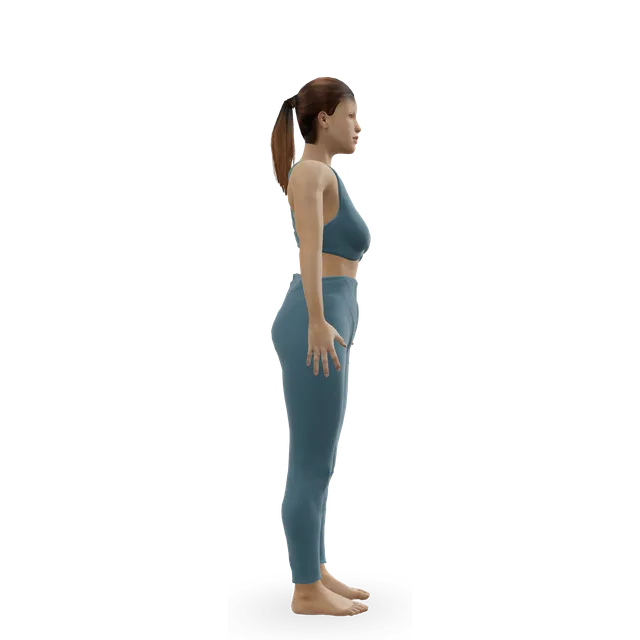
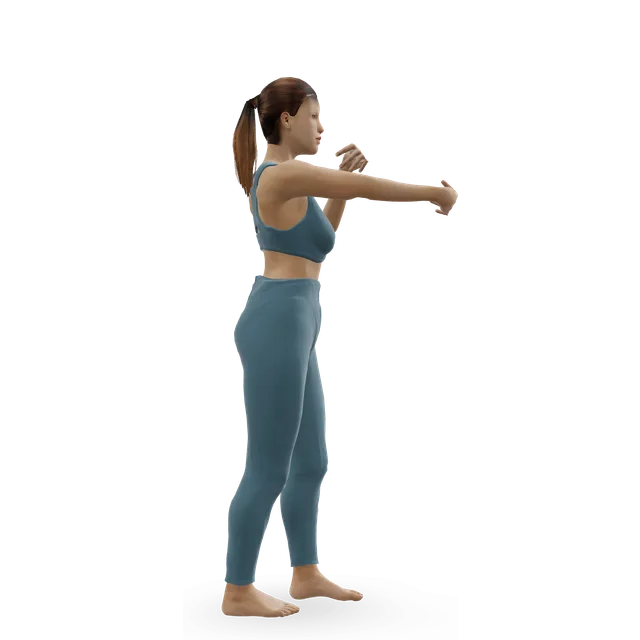
The movement on the figure: Standing punches (shadow boxing)

Moves for boxing

Each has a 3D demo. Shadow boxing shows the punches; pad work and bag work need a partner or a bag the figure can't show. Don't shadow box holding weights.

Workouts

The first two are new: a boxing fitness session with shadow boxing and optional bag rounds and no sparring, and a strength workout for boxers. Tabata and the other interval sessions suit fitness boxing; the shoulder, wrist, grip and neck routines look after the parts that take the load.

Boxing fitness workout: shadow boxing and bag rounds

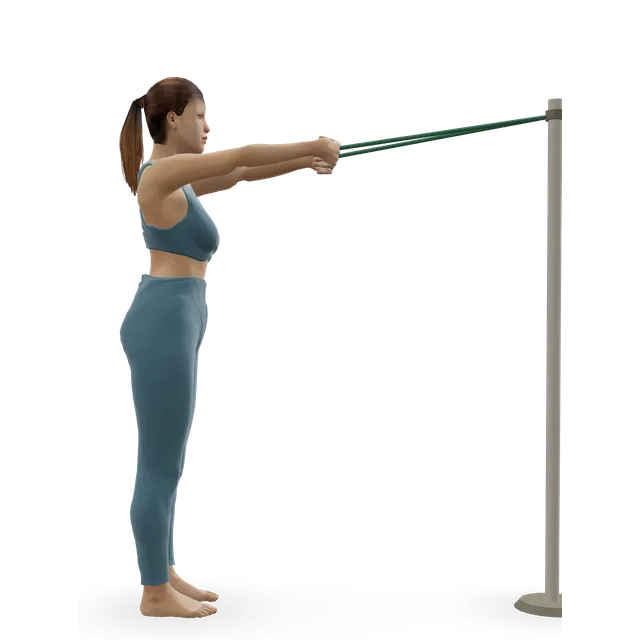
A 35-minute boxing workout with no sparring: a warm-up, three shadow boxing rounds, optional bag rounds, a punching finisher and core work.

35 minBeginner10 movesA band, A wall

Strength workout for boxers: legs, power, shoulders and grip

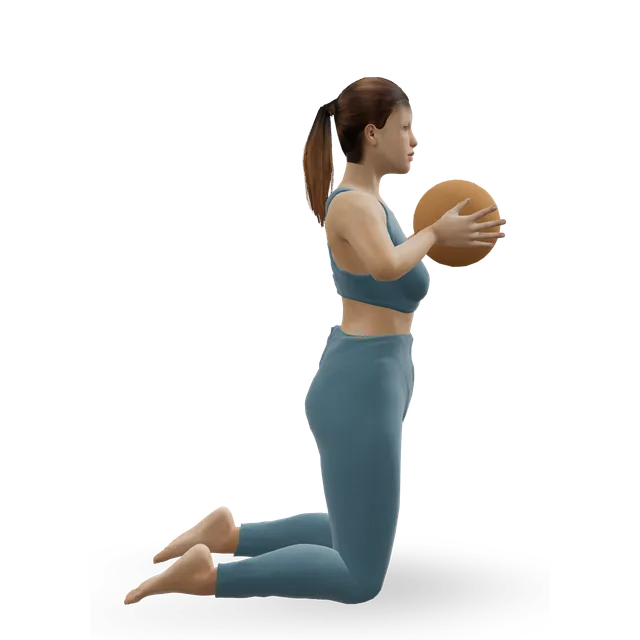
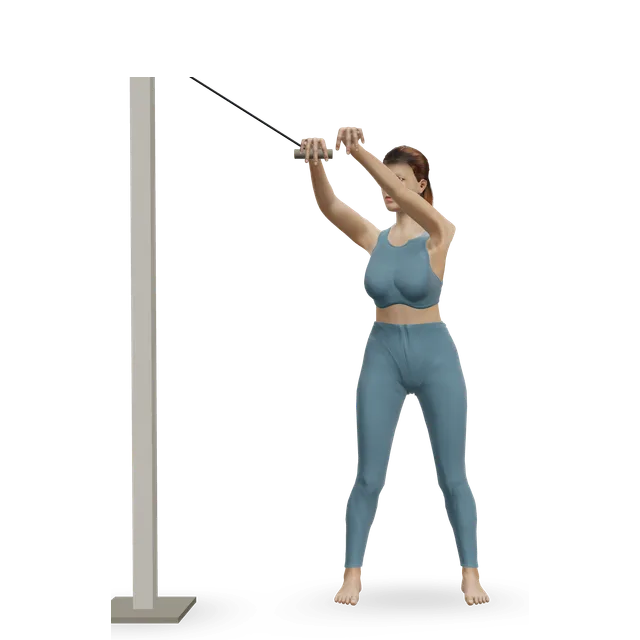
A 45-minute strength and power workout for boxers: jumps and chest throws, squats and single-leg hinges, push-ups, rows, rotator cuff, carries and grip.

45 minIntermediate18 movesA band, Medicine ball

Tabata-style workout: 20 seconds on, 10 off

Three 4-minute blocks of 20 seconds hard and 10 seconds easy, with bodyweight moves and a minute between: the timing of the Tabata study, at home.

22 minIntermediate10 movesA wall

HIIT workout at home

A 20-minute no-equipment HIIT workout: jumping jacks, jump squats, mountain climbers, burpees, skips and bear crawls.

20 minIntermediate10 movesNo equipment

Circuit training workout: 8 stations, dumbbells or bodyweight

A full-body circuit of 8 stations: dumbbell squats, push-ups, rows, lunges, deadlifts and cardio moves, 40 seconds each, for 2 or 3 rounds.

35 minBeginner14 movesA dumbbell, A bench or box

Cardio intervals workout

A 25-minute interval session on a bike or rower: one-minute hard efforts with two minutes easy, building from 4 to 8 rounds.

25 minIntermediate1 movesCardio machine

Plyometric workout

An advanced jump training session: pogo hops, box jumps, split squat jumps, broad jumps and depth jumps.

30 minAdvanced8 movesA bench or box, A step

Shoulder mobility and stability routine (with a band)

A 25-minute band routine for healthy shoulders: move the shoulder and upper back through their range, then strengthen the rotator cuff and shoulder blades.

25 minBeginner12 movesA wall, A band

Wrist and forearm routine

Wrist mobility and forearm strength for desk work, climbing, push-ups and handstands.

10 minBeginner7 movesA wall, A dumbbell

Grip strength workout: squeezes, curls, carries and hangs

A 20-minute grip session: warm up the wrists and fingers, train the hand and forearm muscles, then carry and hang to load your grip the way everyday life does.

20 minBeginner10 movesOther / check instructions, A band

Neck and shoulder strength routine

Deep neck holds and shoulder-blade strength in under 20 minutes: one of the best-supported kinds of exercise for a stiff, sore neck.

18 minBeginner11 movesA band, An anchor point

Plans

Two strength sessions a week fit around boxing training, on days without hard sparring.

Who should check first

If you haven't exercised for a while, or have a health condition

The NHS advises speaking to your GP first if you haven't exercised for some time, or if you have medical conditions or concerns. The Physical Activity Readiness Questionnaire for Everyone (PAR-Q+) asks about a heart condition or high blood pressure, chest pain, dizziness or fainting, other long-term conditions and their medicines, and bone or joint problems. A yes to any of them means checking first.

Sources 16, 61

Over 45 and not used to hard exercise

The PAR-Q+ asks you to see a qualified exercise professional before vigorous to maximal exercise if you're over 45 and not used to it. Fast bag work is vigorous, so build up with steady rounds first.

Sources 61, 15

After a concussion or a blackout from a head injury

The PAR-Q+ asks about a concussion or a blackout from a head injury in the last 12 months. No sparring or head contact until you're cleared: England Boxing members need a doctor's review before sparring, and everyone else follows the UK guidelines.

Sources 61, 5, 6

Epilepsy, a past stroke, brain bleed or brain surgery, or a detached retina

England Boxing won't pass you fit to box. Boxing fitness without sparring may still be possible: ask your doctor first (and your eye specialist after eye surgery).

Source 2

Unexplained fainting or a heart murmur

England Boxing has these investigated, with heart tests and a cardiologist's opinion, before passing anyone fit to box. See your GP first.

Source 2

Blood-thinning medicine or a bleeding disorder

The UK guidelines treat these as red flags after any head injury. Our suggestion: no sparring or head contact, and boxing fitness only (editorial).

Source 6

A recent fracture or hand injury

England Boxing won't pass anyone with a fracture in the last 12 weeks. Follow our broken hand or broken finger guide before punching again.

Source 2

In pregnancy

England Boxing doesn't allow boxing in pregnancy, and the NHS advises against sports with a risk of bumping your tummy. Talk to your midwife about what's safe, and see our pregnancy guide.

Sources 2, 68

When to stop and get help

A head injury with red flags: call 999

The UK guidelines call these red flags, needing urgent assessment by a healthcare professional or at A&E (accident and emergency), by ambulance if necessary. England Boxing's advice adds clear fluid from the ears or nose, bleeding from an ear or new deafness, and drowsiness lasting more than an hour when you'd normally be awake. If a neck injury is suspected, only trained healthcare professionals should move the boxer.

  • Any loss of consciousness, or getting drowsier
  • No memory of events before or after the injury
  • Increasing confusion or irritability, or unusual behaviour
  • New problems understanding, speaking, reading or writing, less feeling, loss of balance, weakness or double vision
  • A seizure, twitching limbs, or lying rigid or motionless
  • A severe or worsening headache, repeated vomiting or severe neck pain
  • A suspected skull fracture: a cut, bruise, swelling or severe pain where they were hit
  • Previous brain surgery, a bleeding disorder, blood-thinning medicine, or being drunk or on drugs at the time

Sources 6, 62, 5

A head injury: NHS 111 or a GP

The NHS says to get help from NHS 111 if, after a head injury, you're being sick, feel dizzy, take medicine that thins your blood, were drinking alcohol or taking drugs at the time, or have any other symptoms you're worried about. Don't play contact sports for at least 3 weeks; England Boxing members follow its longer minimums.

Source 62

A finger or hand that looks wrong

The NHS says to go to A&E if a finger points at an odd angle, looks blue or feels numb, or bone is showing, and to get help from NHS 111 if it's painful, swollen and bruised or hard to move. A cut over a knuckle from a punch that hit someone's teeth needs help the same day, as our broken hand guide explains.

Source 63

Wrist pain after a punch

Get help from NHS 111 for severe wrist pain, a snap, grinding or popping noise at the time of injury, a wrist you can't move or use to hold things, a change in its shape or colour, or lost feeling in your hand. Pain at the base of the thumb after a punch or a fall needs checking for a scaphoid fracture.

Source 64

A shoulder that looks out of place

Go to A&E if you can't move your arm, the shoulder has changed shape, or it's painful, bruised or swollen after an injury. Don't try to put it back in yourself.

Source 65

Flashes, floaters or a shadow in your vision

Get help from NHS 111 if floaters suddenly appear or increase, you see flashes of light, a dark curtain or shadow moves across your vision, or your sight suddenly blurs. These can be signs of a detached retina.

Source 66

Chest pain: call 999

Call 999 for sudden chest pain that doesn't go away, pain that spreads to your arms, neck, jaw, stomach or back, or chest pain with sweating, feeling sick, light-headedness or breathlessness.

Source 67

Myths

"Headguards make sparring safe"Mixed evidence

They protect against cuts and skull fractures, but their effect on concussion is uncertain, and ringside doctors warn that people may take more risks wearing one.

Sources 34, 35

"You're only concussed if you're knocked out"Strong evidence

Fewer than 1 in 10 concussions involve being knocked out. Any suspected concussion means stopping: if in doubt, sit them out.

Source 6

"Shadow boxing with dumbbells builds punching power"Mixed evidence

No study supports it. Don't punch holding weights: the momentum strains the elbow and shoulder (our suggestion). Punch force goes with leg strength, explosive strength and the turn of the trunk, so train those instead.

Sources 7, 9

"Big arms make a big punch"Emerging evidence

Lower-body strength and power, and explosive upper-body strength, go with punch force; maximal bench press strength doesn't. These are associations in trained boxers.

Sources 7, 8

"Boxing classes are as risky as fighting"Mixed evidence

Fitness classes involve no blows to the head. No one has measured injuries in classes, but most boxing injuries treated in US emergency departments happened in practice or training, and the commonest cause was hitting an opponent or an object, so wraps and gloves matter.

Sources 25, 33

"Amateur boxing definitely causes dementia, or definitely doesn't"Mixed evidence

The evidence in amateurs is weak either way. Bouts raise markers of brain-cell injury in the short term, and in professional fighters more fights went with smaller brain volumes: associations that suggest keeping head blows to a minimum.

Sources 51, 52, 56

Questions people ask

What exercises are good for boxing?

Shadow boxing and bag rounds for skill and fitness; squats, single-leg hinges and jumps for leg power; push-ups, rows and medicine-ball throws for the upper body; and rotator cuff, grip and core work. In trained boxers, leg strength and power go with harder punches more than upper-body maximal strength does.

Is boxing a good workout?

Yes: steady bag work is moderate exercise and fast punching is vigorous, going by their measured energy cost. In one trial, 6 weeks of boxing-style home intervals raised fitness and lowered blood pressure in inactive young adults.

Can I do boxing training without sparring?

Yes. Shadow boxing, bag and pad work and boxing fitness classes involve no blows to the head, and England Boxing says that even people who fail its medical can usually keep training without sparring.

How do you build punching power?

Train your legs and trunk with squats, single-leg work and jumps, and add explosive upper-body moves such as medicine-ball chest throws. Short all-out punching intervals on a bag also improved punching in experienced boxers.

Do hand wraps prevent injuries?

Hand surgeons say hand protection reduces hand injuries, and England Boxing requires wraps and gloves in competition, but no trial has tested them. Wrap your hands for any bag or pad work, and build up how hard you hit gradually.

What is boxer's knuckle?

A tear in the hood of tissue that holds the finger tendon over the knuckle, usually on the middle or index finger. It's one of the commonest hand injuries in elite boxers, and most return to boxing after surgery, at about 8 months.

What happens after a concussion in boxing?

For England Boxing members: a 30-day suspension, rest, then step-by-step exercise once free of symptoms, a doctor's review before sparring, and no bout before day 35, or day 39 at 18 and under. Everyone else follows the UK grassroots guidelines: stop at once, get assessed within 24 hours by a healthcare professional or NHS 111, and wait at least 21 days before competing.

Is boxing bad for your brain?

Repeated blows to the head carry risk. A review found no strong evidence of lasting brain injury from amateur boxing, but its studies were weak; bouts raise markers of brain-cell injury in the short term; and in professional fighters, more fights went with smaller brain volumes and slower thinking.

Do headguards stop concussion?

Not clearly. They protect well against cuts and skull fractures, but their effect on concussion is uncertain, and ringside doctors say not to rely on them for it. In England Boxing competition, senior men box without them and everyone else wears them.

Who shouldn't spar, and do I need a medical?

England Boxing requires a yearly medical to spar or compete, and won't pass people with epilepsy, a past stroke, brain bleed or brain surgery, a detached retina, or who are pregnant; no one under 10 may spar. White-collar events aren't run under England Boxing's rules, so we suggest asking for the same medical and supervision before taking part.

Sources

  1. England Boxing · Boxing for fitness
  2. England Boxing · Medical guidelines, phase one: screening, safeguarding and the BCR1 medical
  3. Loosemore 2015 · Injuries in the Great Britain amateur boxing squad over 5 years (cohort study, BJSM)
  4. Loosemore 2017 · Hand and wrist injuries in the Great Britain Olympic boxing squad, 2005 to 2012 (cohort study, Hand)
  5. England Boxing 2026 · Technical and Competition Rules 2026 (rule book), with the concussion protocols in annexes B3 and B4
  6. UK Government and Sport and Recreation Alliance 2024 · UK concussion guidelines for non-elite (grassroots) sport, November 2024 update
  7. Beattie 2022 · The role of strength in punch impact force (systematic review, J Strength Cond Res)
  8. Loturco 2016 · Strength, power and punch impact in 15 elite amateur boxers (study, J Strength Cond Res)
  9. Satkunskiene 2024 · Leg strength and cross-punch force in 12 highly trained amateur boxers (study, J Strength Cond Res)
  10. Davis 2015 · The activity profile of elite male amateur boxing: 29 bouts (video analysis, Int J Sports Physiol Perform)
  11. Davis 2018 · Elite male amateur boxing after the 2013 rule changes: 50 bouts (video analysis, J Strength Cond Res)
  12. Bruzas 2023 · Metabolic and physiological demands of 3-round bouts in 10 highly trained amateur boxers (study, J Sports Med Phys Fitness)
  13. Slimani 2017 · Performance and physiological responses in male amateur boxing competition (review, J Strength Cond Res)
  14. Chaabène 2015 · Physical and physiological attributes of amateur boxers (review, Sports Medicine)
  15. Compendium of Physical Activities 2024 · Sports
  16. NHS · Physical activity guidelines for adults aged 19 to 64
  17. Noble 1987 · Hand injuries in boxing: 100 injuries (case series, Am J Sports Med)
  18. Zhong 2024 · Weight loss before competition in combat sports: 26 surveys of 3,994 athletes (systematic review, Nutrients)
  19. England Boxing · Boxing: a beginner's guide
  20. Alevras 2022 · Injuries in amateur boxing: 17 studies (meta-analysis, J Sci Med Sport)
  21. Mao 2023 · Boxing injury rates and types since 2000: 14 studies (meta-analysis, Orthop J Sports Med)
  22. Zazryn 2006 · Injuries in amateur and professional boxing in Victoria, Australia (prospective cohort, BJSM)
  23. Zazryn 2009 · Injury rates and risk factors in 545 professional boxers (cohort study, Clin J Sport Med)
  24. Zazryn 2003 · Injuries to professional boxers in Victoria, Australia, over 16 years (cohort study, BJSM)
  25. Tsuzaki 2026 · Boxing injuries treated in US emergency departments, 2000 to 2023 (national surveillance study, Phys Sportsmed)
  26. Matharu 2022 · Extensor hood injuries (boxer's knuckle) in elite boxers: 57 fingers (case series, J Hand Surg Eur)
  27. Matharu 2024 · Carpometacarpal joint instability in elite boxers (case series, J Hand Surg Am)
  28. Giannatos 2022 · Arm function and boxing injuries in 62 male boxers and non-boxers (comparative study, BMC Sports Sci Med Rehabil)
  29. Megafu 2026 · Boxing-related arm and hand injuries in US emergency departments, 2014 to 2023 (national surveillance study, J Emerg Med)
  30. Lemme 2018 · Boxing-related arm and hand injuries in the US, 2012 to 2016 (national surveillance study, Phys Sportsmed)
  31. England Boxing · Doctors: the four phases of medical care
  32. England Boxing · Safety
  33. Drury 2017 · Hand and wrist injuries in boxing and the martial arts (review, Hand Clinics)
  34. Tjønndal 2022 · Headguards and head injury prevention in Olympic boxing (systematic review, Eur J Sport Sci)
  35. deWeber 2024 · Headguard use in combat sports (Association of Ringside Physicians position statement, Phys Sportsmed)
  36. McIntosh 2015 · Boxing headguard performance in punch machine tests (laboratory study, BJSM)
  37. Loosemore 2017 · Head guards in international amateur boxing tournaments (cross-sectional study, Clin J Sport Med)
  38. Davis 2018 · Amateur boxing before and after the 2013 rule changes, including the end of headguards for elite men (observational study, BJSM)
  39. Bianco 2013 · Rule changes and the results of 29,357 Olympic-style bouts over 59 years (observational study, BJSM)
  40. Donnelly 2023 · Head trauma in boxing: 35 studies (systematic review and meta-analysis, Clin J Sport Med)
  41. Knapik 2019 · Mouthguards, mouth and face injuries, and concussion in sport (systematic review and meta-analysis, Sports Medicine)
  42. Eliason 2023 · Prevention strategies for sport-related concussion (systematic review and meta-analysis, BJSM)
  43. Fetchko 2023 · Head impacts measured with instrumented mouthguards in 22 cadets on an introductory boxing course (cohort study, Mil Med)
  44. Le Flao 2026 · Symptom changes and head impacts in boxing sparring (cohort study, J Sci Med Sport)
  45. Loturco 2021 · A week of power-load training and punch impact in 8 elite boxers (study, J Strength Cond Res)
  46. Bruzas 2018 · Weighted plyometric training and punching in experienced amateur boxers (study, J Sports Med Phys Fitness)
  47. Kamandulis 2018 · Bag sprint intervals, punching and upper-body aerobic power in 18 experienced amateur boxers (controlled trial, J Strength Cond Res)
  48. Cinarli 2026 · High-intensity interval training in 16 young boxers (RCT, Medicine)
  49. Areeudomwong 2026 · Home Thai-boxing intervals in 58 inactive young adults (RCT, J Educ Health Promot)
  50. Finlay 2023 · Physiological, hormonal and muscle-damage responses to amateur boxing: 25 studies (meta-analysis, Eur J Sport Sci)
  51. Loosemore 2007 · Amateur boxing and chronic traumatic brain injury: 36 papers (systematic review, BMJ)
  52. Zetterberg 2006 · Markers of brain-cell injury in spinal fluid after amateur bouts (cohort study, Arch Neurol)
  53. Neselius 2012 · Spinal fluid markers of brain injury in Olympic boxers (cohort study, PLoS One)
  54. Neselius 2014 · Thinking tests and spinal fluid markers in 30 elite amateur boxers (comparative study, PLoS One)
  55. Howell 2017 · Sideline tests before and after the 2016 Women's World Boxing Championships, 61 boxers (cohort study, BJSM)
  56. Bernick 2015 · Repeated head trauma, thalamic volume and processing speed in professional fighters (cohort study, BJSM)
  57. Bernick 2020 · Changes in brain volume with continued head impacts in professional fighters (cohort study, Neurology)
  58. McCrory 2007 · The evidence for chronic traumatic encephalopathy in boxing (review, Sports Medicine)
  59. Da Broi 2024 · Acute and chronic consequences of head injury in professional and amateur boxing (narrative review, Brain and Spine)
  60. Makdissi 2023 · When to retire from contact or collision sport after concussion: 93 studies (systematic review, BJSM)
  61. PAR-Q+ Collaboration 2025 · The Physical Activity Readiness Questionnaire for Everyone (PAR-Q+)
  62. NHS · Head injury and concussion
  63. NHS · Broken finger or thumb
  64. NHS · Wrist pain
  65. NHS · Dislocated shoulder
  66. NHS · Detached retina (retinal detachment)
  67. NHS · Chest pain
  68. NHS · Exercise in pregnancy
  69. Garrett 2023 · Neck strength and concussion in team sports: 8 studies (systematic review and meta-analysis, JOSPT)

Exercise education for people who play sport, not a personal prescription or a diagnosis, and clinical review of these pages is pending. Check with a GP or physiotherapist before hard training if you have a heart condition, chest pain, dizziness or an injury that isn't settling, and stop for sharp or increasing pain. Health disclaimer.